
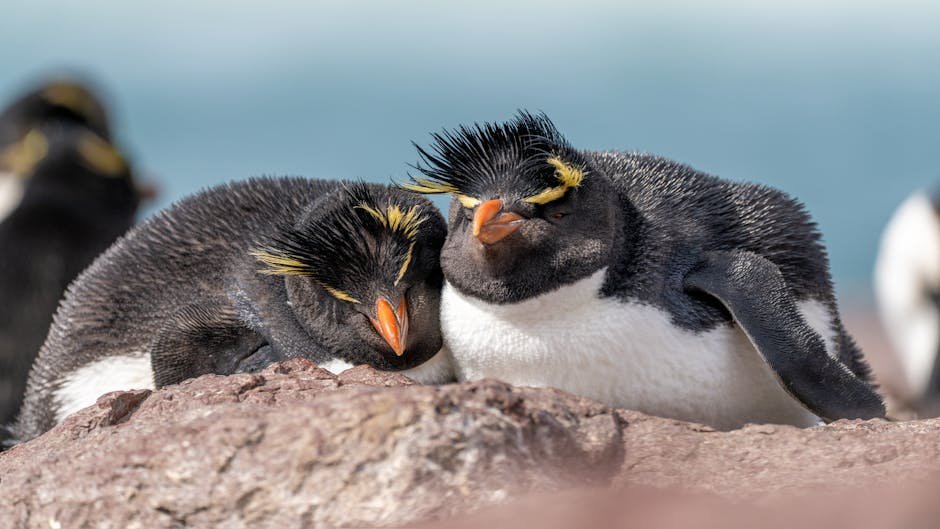
There is something quietly unforgettable about watching an animal encounter the world for the very first time. No script, no rehearsal, just pure unfiltered reaction. When it happens to be a penguin, the whole internet tends to stop scrolling.
Clips of penguins meeting have circulated online for years, yet they never seem to lose their power. Maybe it is the waddle. Maybe it is the way they pause, tilt their heads, and seem to genuinely take stock of the moment. Whatever the reason, these videos keep finding new audiences, and the reasons why are more interesting than you might expect.
#1. The Penguin That Stole the Internet’s Heart
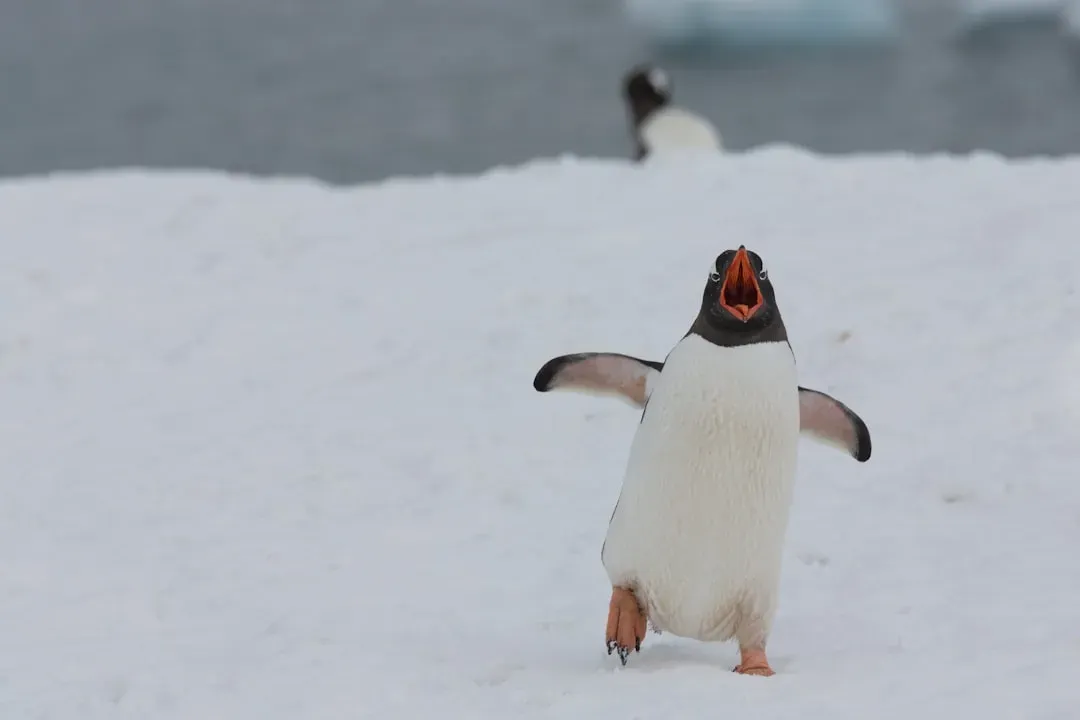
Alice the penguin became a minor viral sensation after the staff at Brights Zoo in Tennessee gave her the chance to experience snow for the very first time in her life. The video was short, unpolished, and completely irresistible.
It might sound counterintuitive that a penguin had never seen snow, but Alice is an African Black-Footed penguin that hails from warm waters, so she likely never would have encountered it in the wild. That small fact reframes the whole moment. This wasn’t a homecoming. It was a genuine first encounter.
Alice is the zoo’s standout experience penguin, specially trained for socialization and interaction with guests. Most of the zoo’s penguins are a little too skittish to venture out, but Alice’s training made her the perfect candidate for a walk on the cold side. And walk she did, with all the dignity and curiosity a small tuxedoed bird could muster.
#2. Not All Penguins Are Built for Snow
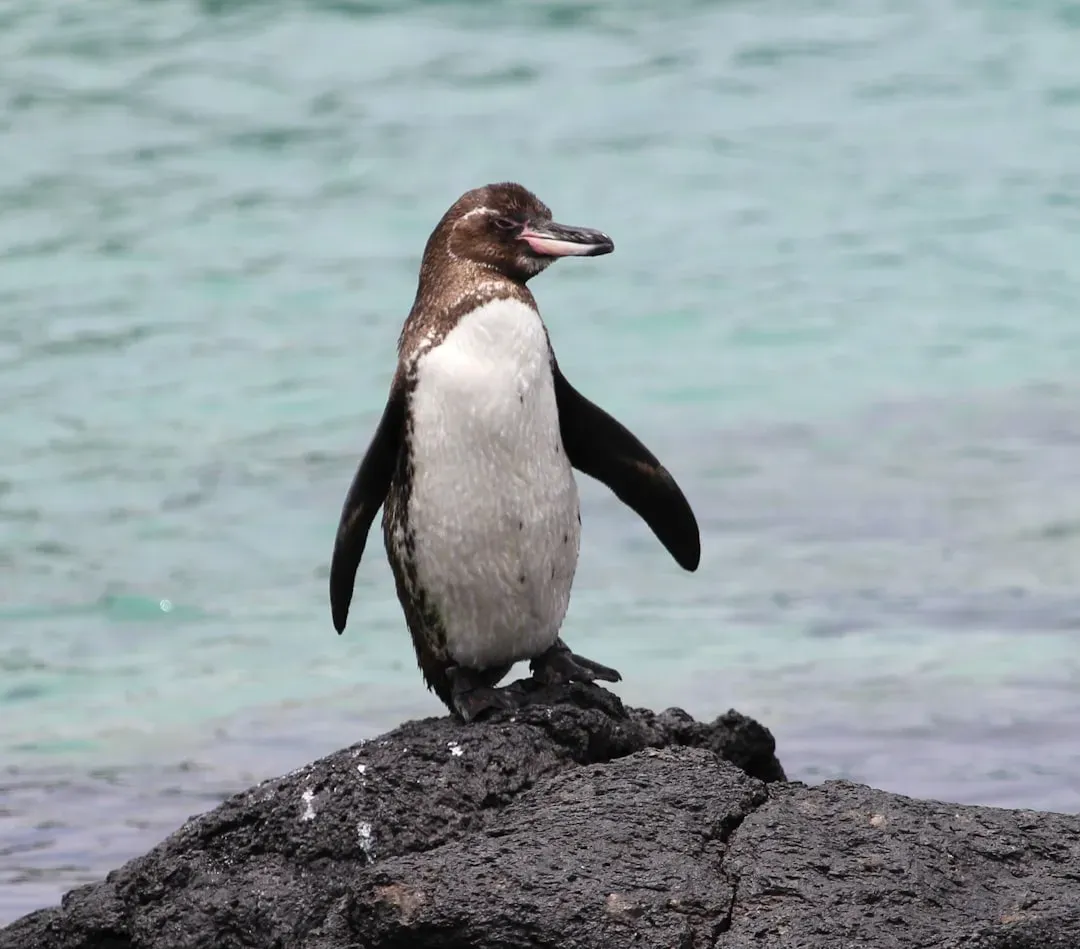
While many viewers assume that snow is a penguin’s natural home environment, that’s not entirely accurate. Different penguin species live in a variety of environments. This surprises a lot of people, and it changes the way you watch those videos entirely.
Not all penguins live in Antarctica. While some species, like the Emperor Penguin and Adélie Penguin, are exclusively found there, other species inhabit warmer regions, such as the Galapagos Penguin, which lives near the equator. There are also penguins in Africa, South America, and Australia.
The Pittsburgh Zoo features its Gentoo penguins in many of its popular snow videos, and those penguins do live in the Antarctic. However, while their island homes are cold, these penguins actually prefer areas that are ice-free to claim as their nesting grounds. So even the “cold weather” species aren’t necessarily snow creatures by default.
#3. The Biology Behind That Unfazed Reaction
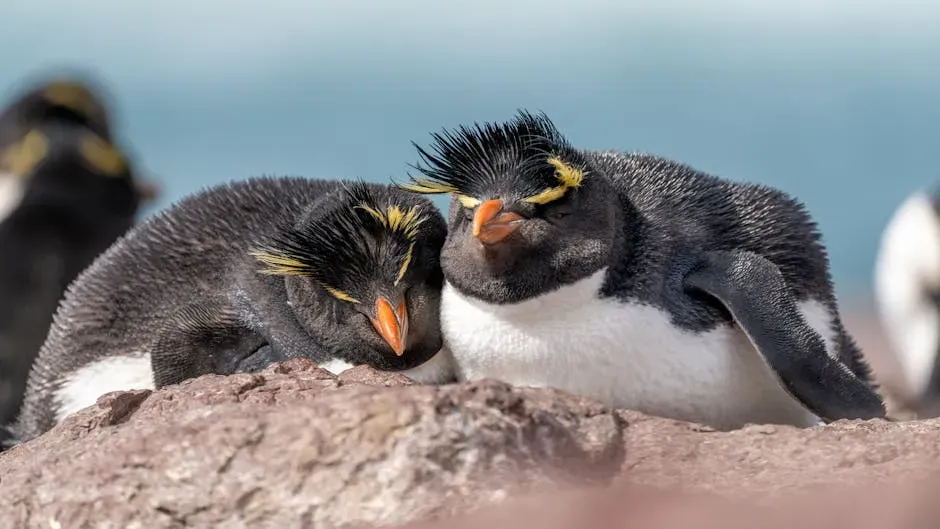
Penguins have adapted a range of feather types, including the main contour feathers that cover their bodies, as well as two types of insulative feathers: plumules attached directly to the skin and afterfeathers attached to the main feathers. Combined, these feathers provide a complex, overlapping network of insulation. It is an engineering solution that took millions of years to perfect.
Unlike most birds, penguins have uniquely adapted feathers that serve two crucial purposes: thermal insulation and waterproofing. This fat also serves a dual purpose, acting as a natural insulator and a long-term energy reserve, allowing penguins to remain warm and active when food is scarce.
You may have wondered how penguins’ feet, despite being in direct contact with the ice, don’t freeze. Their bodies can control the amount of blood flow that reaches their feet by varying the diameter of arterial vessels. In cold weather, this flow can be reduced, and in hot weather, it can be increased. They also have countercurrent heat exchangers at the top of their legs. In short, their bodies are precisely calibrated for cold in a way that no amount of warm clothing could replicate.
#4. What Snow Enrichment Actually Does for a Penguin’s Wellbeing
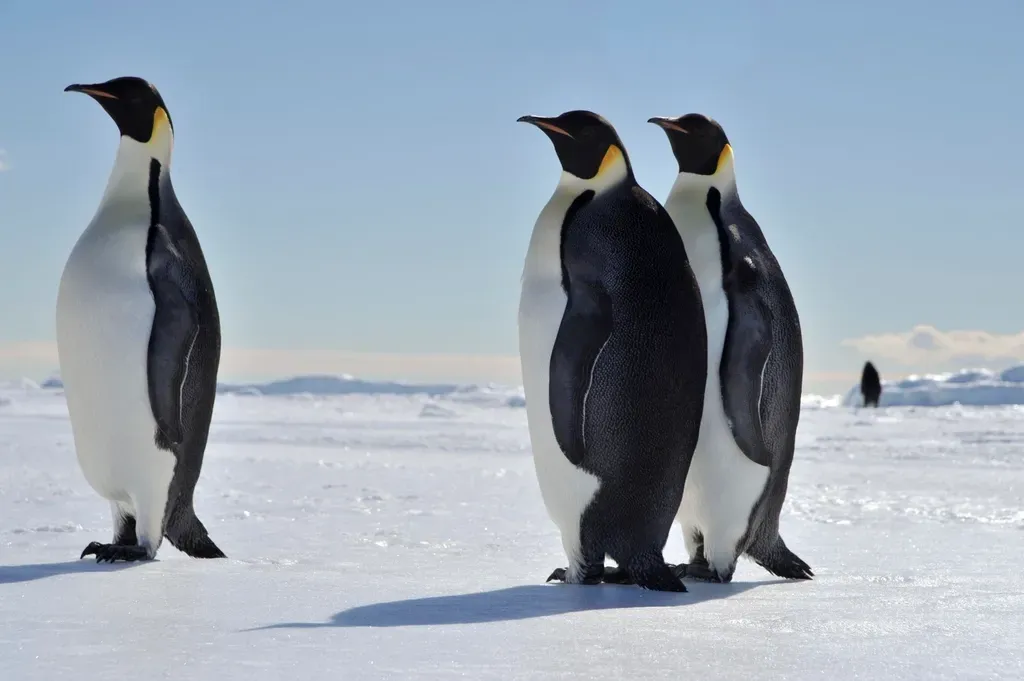
The enrichment that a new experience provides can be vital for keeping animals happy and healthy. As one zoo keeper put it, it is an experience they don’t see every day, something new, so they’re going to go out and check it out. It sounds simple, but the science backs it up.
Research has shown that environmental enrichment and habitat design are critical factors in promoting the welfare of captive animals. Enrichment can include physical structures, social interactions, and sensory stimuli that encourage natural behaviors and reduce stress. Snow, in that context, ticks several boxes at once.
The Pittsburgh Zoo’s penguins’ reaction to fresh snowfall was less about reminiscing about their natural habitat and more about them having some fun enrichment time. While zoo penguins are no strangers to snow, they still become excited when it falls from the sky, and nothing is cuter than a penguin flapping its wings and running about in freshly fallen powder. That excitement is real, not performed.
#5. Why These Videos Hit Differently Than Other Animal Clips
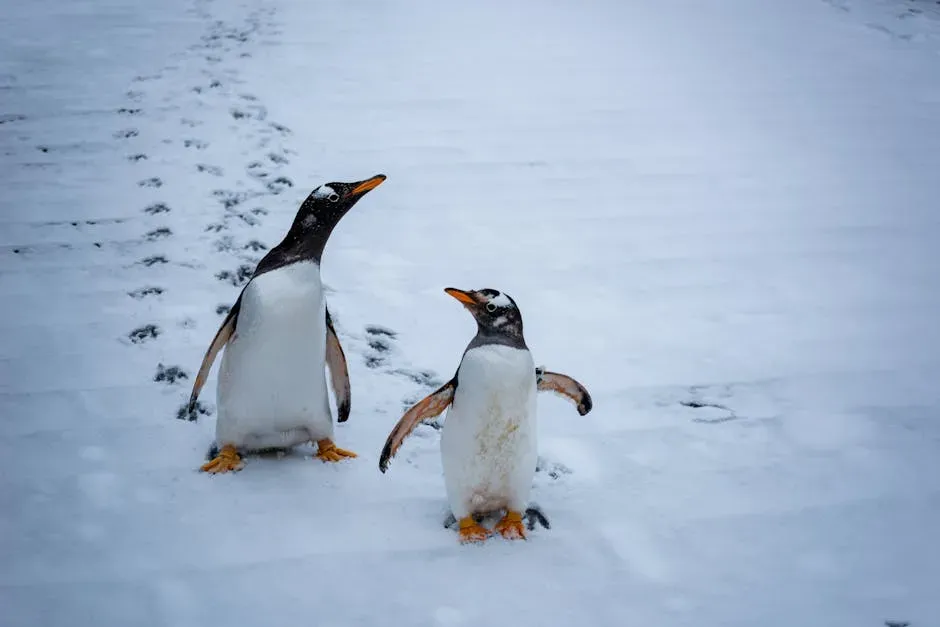
The penguins caught on camera at Pittsburgh Zoo could be seen jumping in the air and belly flopping here, there, and everywhere. At one point, it even looked like they were having a bit of a conference, almost like they were planning their next move. It is that quality, the apparent intention, the little pauses and group consultations, that makes people feel something real.
Penguins already move through the world like tiny, overdressed theater kids. They waddle with purpose, yell with conviction, and somehow make every emotion look bigger than life. That larger-than-life quality transfers beautifully onto video, especially when the setting is a fresh white canvas of snow.
There is also something genuinely moving about witnessing a “first.” Whether it is a child seeing the ocean or an animal sniffing at something entirely unfamiliar, those unguarded moments of discovery have a way of cutting through the noise. Even knowing the science, many people still feel deeply connected to videos of penguins in unexpected situations. The penguin does not struggle or look afraid. It just keeps going. That quiet determination has turned it into an unexpected mirror for modern life.
A Final Thought
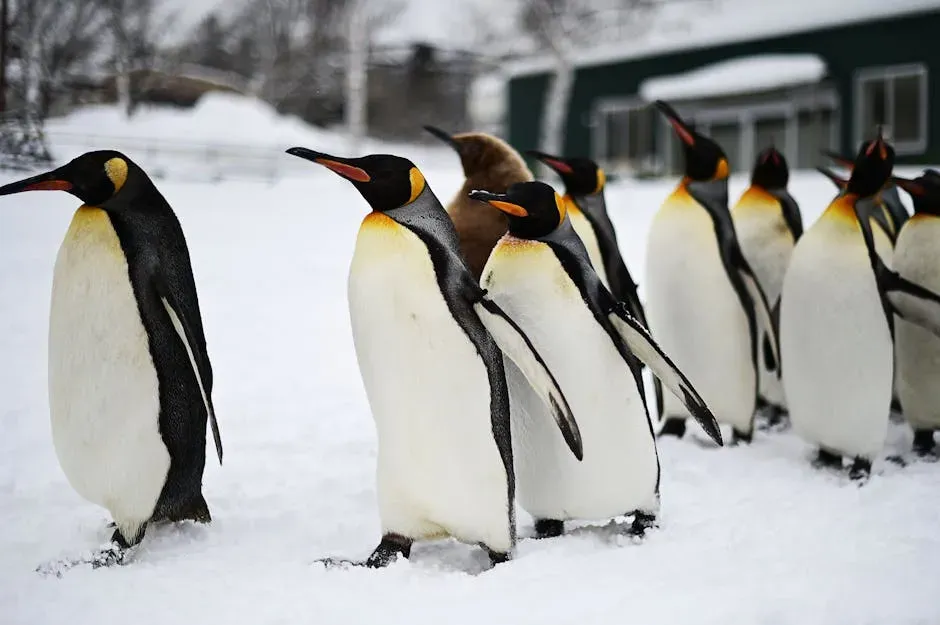
What makes a penguin’s first snow moment so watchable isn’t just cuteness, though that certainly helps. It is the honesty of it. There is no performance, no awareness of the camera, no attempt to be anything other than what it is: a creature meeting something new and deciding, without hesitation, to lean in.
That instinct, to approach the unfamiliar with curiosity rather than retreat, is something worth noticing. Especially in a world that rarely stops long enough to let you take stock of anything. The penguin does. And millions of us keep watching, maybe because somewhere in that wobbling little figure pressing its beak into the , we recognize something we’ve mostly forgotten how to do.
