


A decade ago, the western quoll (Idnya) and the brushtail possum (Virlda) were reintroduced to South Australia’s Ikara-Flinders Ranges National Park, marking a significant step in Australia’s conservation efforts. Once locally extinct, these native species have not only survived but are now thriving, symbolizing a successful collaboration between conservationists and Indigenous communities.
A New Beginning for Idnya and Virlda
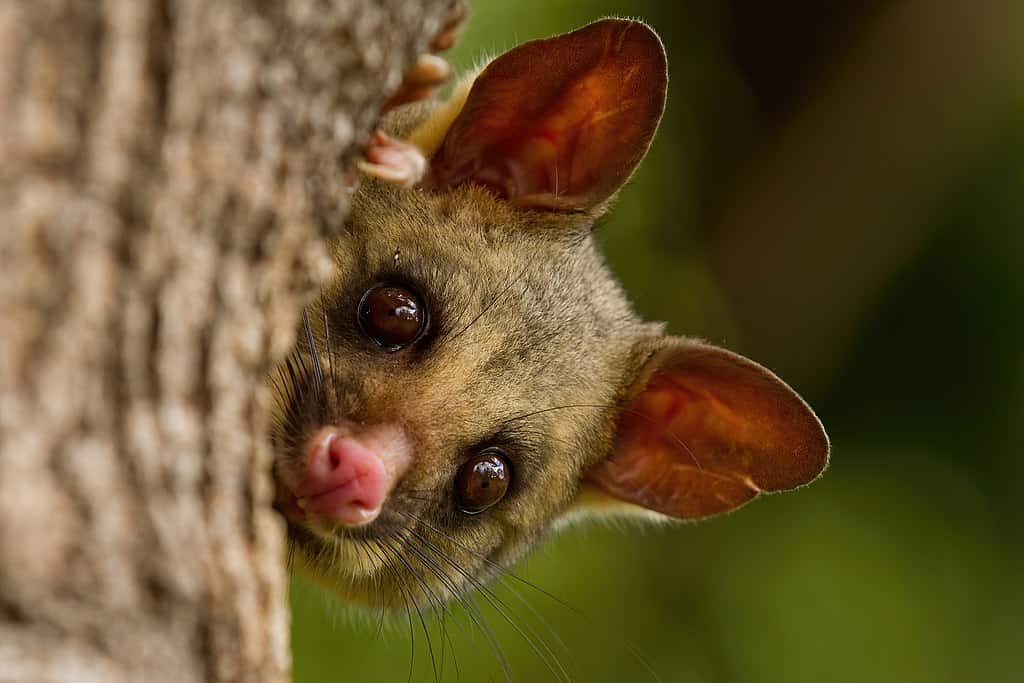
In 2014 and 2015, the Bounceback program and the Foundation for Australia’s Most Endangered Species (FAME) spearheaded the reintroduction of the western quoll and brushtail possum, respectively, into the Ikara-Flinders Ranges National Park. These species had been absent from the region since the late 19th and mid-20th centuries. Their return was facilitated by extensive efforts to control feral predators and restore natural habitats, creating a conducive environment for their resurgence.
The Return of the Night Hunters
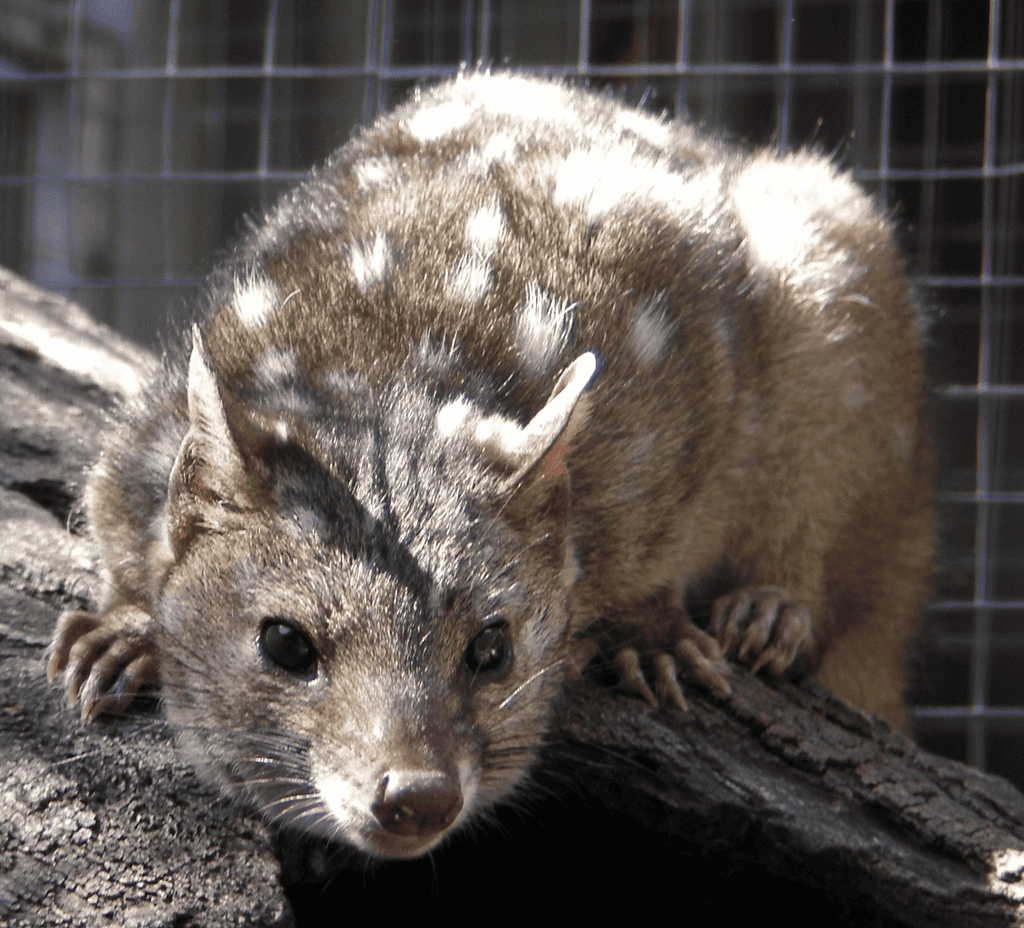
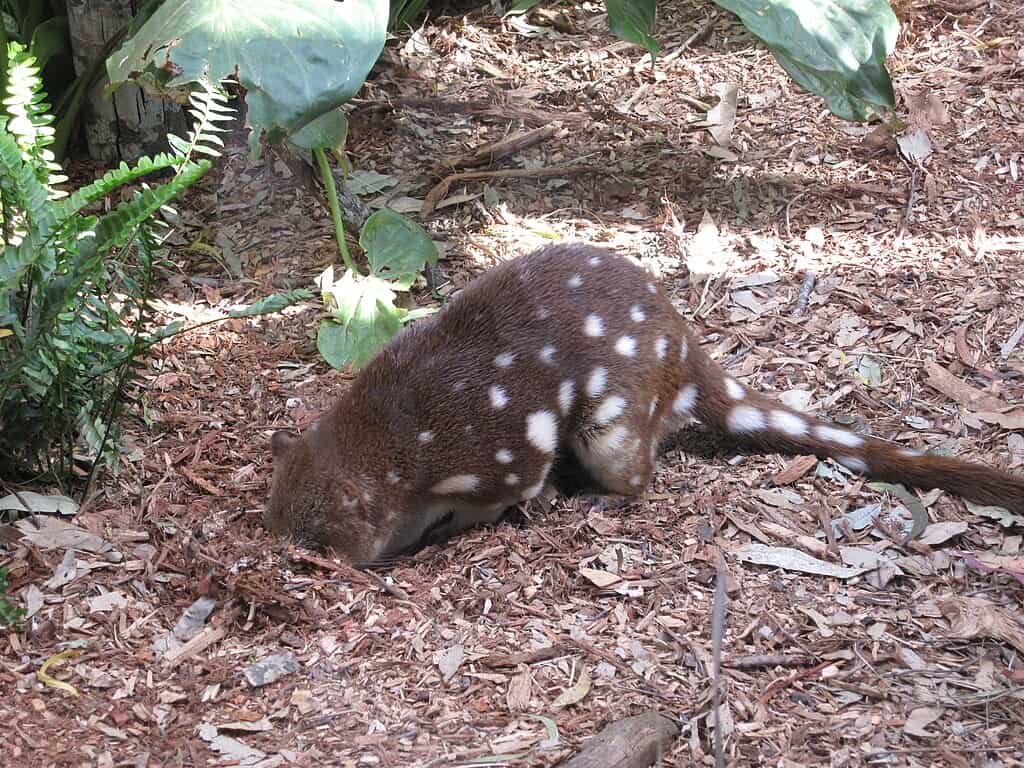
The western quoll, a carnivorous marsupial once widespread across 80% of Australia, had vanished from the Flinders Ranges by the 1880s. Known for their nocturnal habits, these agile hunters feed on insects, birds, reptiles, and small mammals. Their reintroduction has been met with success; recent monitoring recorded 135 individuals thriving in the park, indicating a stable and growing population.
Virlda’s Nocturnal Comeback
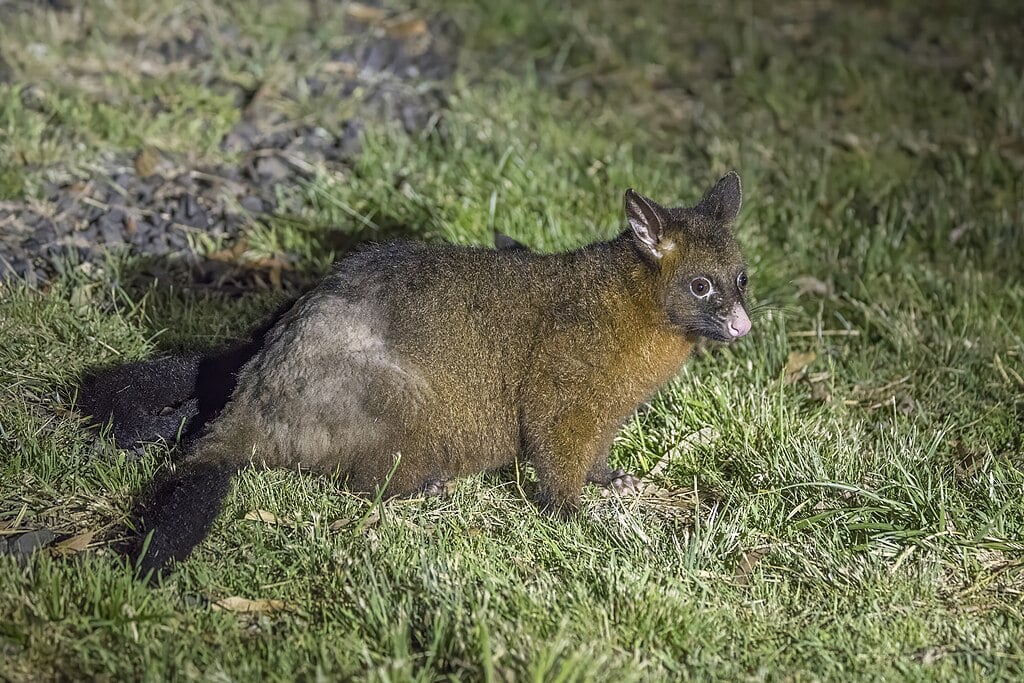
Brushtail possums, once common in the area until their disappearance in the 1940s, have also made a remarkable comeback. These adaptable marsupials are now breeding successfully within the park, with 30 individuals recently recorded. Their return contributes to the ecological balance, as they play a role in seed dispersal and serve as prey for native predators.
Cultural Significance and Community Involvement
The reintroduction of Idnya and Virlda holds profound cultural importance for the Adnyamathanha people, the traditional custodians of the Flinders Ranges. These species are integral to their cultural heritage and stories. The collaboration between conservationists and Indigenous communities has been pivotal in the project’s success, blending traditional knowledge with scientific approaches.
A Model for Conservation
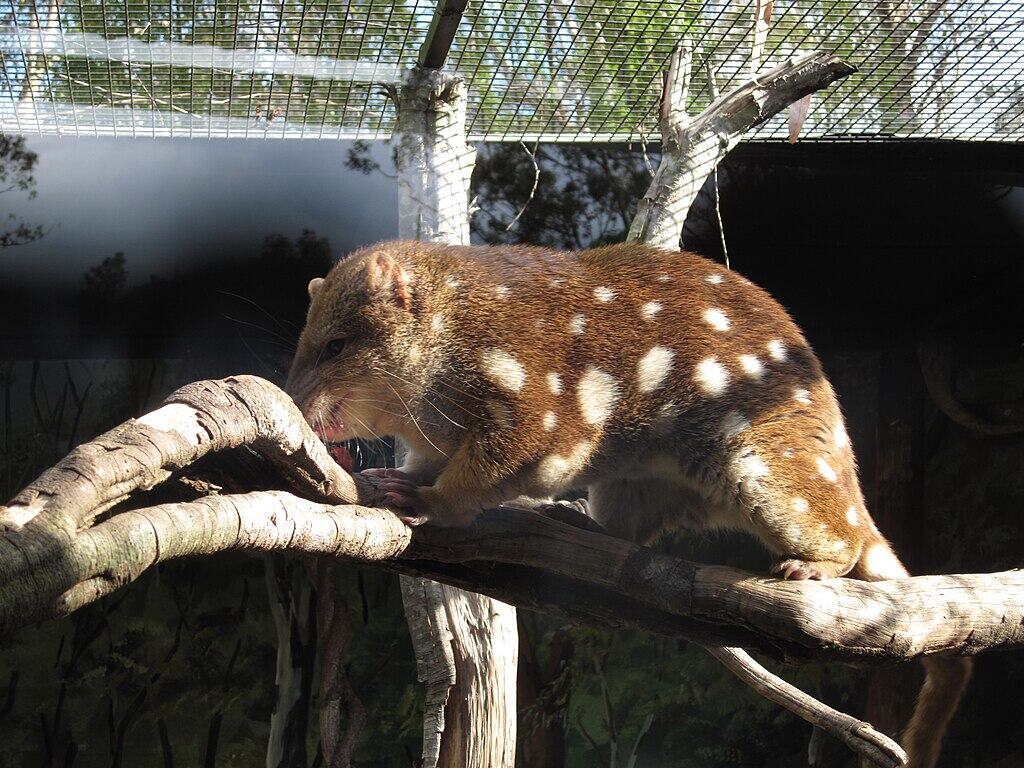
The success in the Ikara-Flinders Ranges has inspired similar conservation initiatives across Australia. Projects like the Wild Deserts program in New South Wales have reintroduced species such as bilbies, bandicoots, and mulgaras into predator-free havens, aiming to restore ecosystems to their pre-European settlement conditions. These efforts demonstrate the potential for reversing the decline of native species through targeted conservation strategies.
Looking Ahead
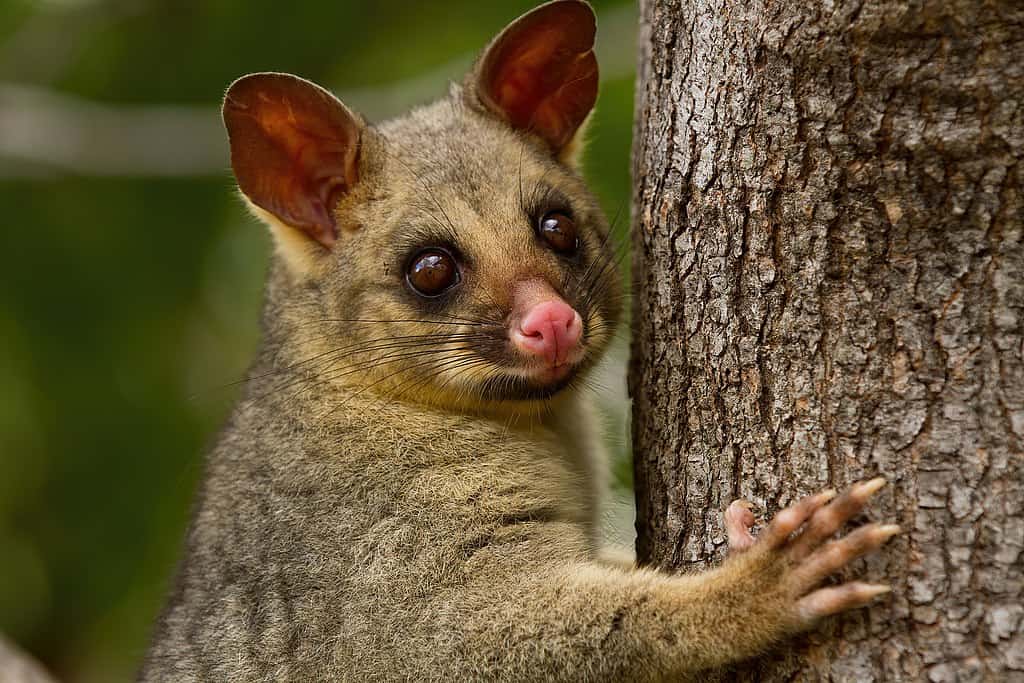
The thriving populations of western quolls and brushtail possums in the Ikara-Flinders Ranges serve as a testament to the effectiveness of collaborative conservation efforts. They highlight the importance of habitat restoration, predator control, and community engagement in preserving Australia’s unique biodiversity. As these programs continue to evolve, they offer hope for the recovery of other endangered species and the restoration of ecological balance across the continent.

adventuring, photography and videography. I am currently working towards a BSc in Biodiversity and Ecology at Stellenbosch University to go on to specialise in Marine Sciences one day.
Please send any feedback to Feedback@animalsaroundtheglobe.com
- Top 21 Must-see Birds For Bird Watchers In America - July 20, 2026
- Italy Mourns Hero Police Dog Killed by Food Laced with Nails - July 20, 2026
- Pigeon Turns into Fashionista and Wears Bread - July 19, 2026