

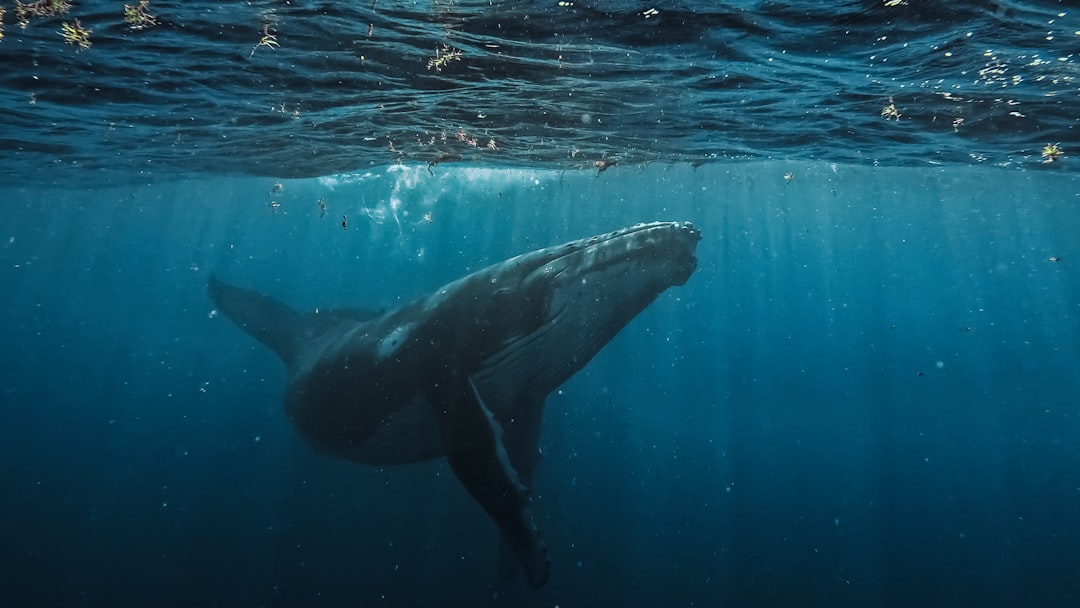
Off northwestern Spain, fin whales sharply curtailed their vocalizations during seismic surveys for oil and gas exploration. A new study recorded an average 70% drop in calls across three sites over 63 days, with the reduction holding at 52% even after adjusting for noise masking. These findings highlight potential disruptions to the whales’ essential communication in a vital migratory corridor.
Startling Silence Amid Survey Noise
Researchers captured a dramatic hush in fin whale activity when seismic ships fired their air guns. Calls plummeted during active shooting periods compared to quiet intervals when vessels docked for repairs. Machine learning algorithms sifted through underwater recordings to pinpoint this trend precisely.[1]
The analysis revealed reductions as high as 50% in some instances. Fin whales, the second-largest animals on Earth, rely heavily on sound for long-distance interactions. This behavior shift occurred consistently at all monitored locations. Such data provides rare empirical evidence of noise pollution’s reach in marine environments.
The Mechanics of Seismic Exploration
Seismic surveys employ air guns that release compressed air in intense bursts, generating sound waves up to the loudest human-made noises in the ocean. These pulses travel through water, penetrate the seabed, and reflect back to map geological formations for potential oil and gas deposits. Sound from these operations can propagate over 3,000 kilometers, far beyond the survey vessel itself.
Teams conducted observations along a key fin whale migration path. The study contrasted vocal activity during operational shooting with baseline periods of relative silence. This approach isolated the surveys’ direct effects. Results underscored how pervasive these noises have become in global oceans.
Why Fin Whale Calls Matter
Fin whales produce a repertoire of calls linked to mating rituals and social bonding. These low-frequency songs carry across vast distances in the sea, aiding navigation, foraging, and reproduction. Disruptions could force whales to expend extra energy shouting over noise or alter their paths entirely.
Lead researchers Amy Feakes and Elodie Edwards, along with Professor Tim Minshull from the University of Southampton, spearheaded the effort. “Fin whales exhibit a range of whale calls that we think are related to important mating and social behaviors,” Feakes noted. The team questioned whether whales simply quieted down, relocated, or combined both strategies. Uncertainty persists, but the pattern demands attention.
Pathways to Protect Marine Giants
Findings urge reevaluation of survey timing, intensity, and zones in whale hotspots. Exclusion areas, seasonal bans, or quieter technologies could mitigate harm. Conservationists emphasize balancing energy needs with species protection, especially for vulnerable populations.
- Implement ramp-up periods to alert whales before full blasts.
- Establish real-time monitoring for whale presence.
- Prioritize alternative, less intrusive exploration methods.
- Enforce international guidelines on noise levels.
- Fund further studies on long-term behavioral shifts.
Professor Minshull observed, “We don’t know whether the whales reduced their vocalizations, moved away from the survey area, or did a combination of both.” He added that the results illuminate risks to communication, energy use, and habitat preferences.[1]
Key Takeaways
- Fin whale calls fell 70% on average during seismic activity, 52% after noise adjustments.
- Survey sounds travel over 3,000 km, invading migration corridors.
- Targeted regulations could safeguard whale behaviors without halting exploration.
These revelations from University of Southampton researchers, published in Scientific Reports, signal a critical juncture for ocean policy. As seismic activity expands, preserving acoustic space for whales becomes urgent. What steps should regulators take next? Share your thoughts in the comments.

- Urban Coyotes Show Remarkable Adaptability, Learning to Thrive in City Environments - July 22, 2026
- Beavers Are Nature’s Engineers, Creating Vital Habitats for Other Wildlife Species - July 21, 2026
- The Recovery of the California Condor Offers Hope for Other Critically Endangered Birds - July 21, 2026