

In the complex world of baboon society, not all individuals are created equal. The rigid hierarchical structure within baboon troops governs virtually every aspect of an individual’s life – from access to food and mating opportunities to overall health outcomes and survival. Understanding the intricacies of baboon social rank provides remarkable insights into how these highly intelligent primates navigate their social world and how rank influences their day-to-day existence. As one of our closest relatives in the animal kingdom, baboons offer a fascinating window into the evolution of social structures and the profound impact that status has on individual lives within a group setting.
The Hierarchical Nature of Baboon Society

Baboon troops operate under a strict hierarchical system that determines each member’s place within the social order. These hierarchies aren’t random but develop through complex interactions between individuals based on factors like physical strength, coalitional support, and lineage. The typical baboon troop contains between 40 to 80 individuals, with both males and females having separate but interconnected dominance hierarchies. This structured social system creates predictability in interactions, reducing constant conflict while establishing clear expectations about resource access and behavioral privileges. Researchers studying baboons across Africa have documented remarkably similar hierarchical patterns across different species and habitats, suggesting that this social organization represents an evolutionary adaptation that has proven successful for baboon survival over millions of years.
How Male Baboons Establish Rank

For male baboons, the path to dominance typically follows a more straightforward trajectory compared to females. Physical attributes play a crucial role, with size, strength, and fighting ability determining a male’s position in the hierarchy. Males generally enter a new troop as adolescents and must establish their position through direct confrontations and displays of aggression toward other males. These contests rarely result in serious injury as they typically involve ritualized displays of canine teeth, threatening vocalizations, and chase sequences that establish dominance without fatal outcomes. What’s particularly interesting is that male dominance hierarchies tend to be less stable than female ones, with frequent rank changes occurring as males age, new males immigrate into the troop, or coalitions form and dissolve. High-ranking males must constantly defend their position against challengers, making the male hierarchy more dynamic and fluid than the relatively stable female hierarchy.
Female Hierarchies and Matrilines

Unlike males, female baboons inherit their rank from their mothers through a system known as matrilineal inheritance. Daughters typically assume positions just below their mothers in the hierarchy, creating family lineages of related females who occupy adjacent ranks. This system creates powerful matrilines (family lines traced through females) that can dominate troop politics for generations. Female hierarchies tend to be remarkably stable, sometimes remaining unchanged for years or even decades. When rank reversals do occur between females, they often happen between adjacent ranks rather than across widely separated positions. The stability of female hierarchies allows for long-term alliances and predictable social relationships that benefit related females. Interestingly, even when a dominant female dies, her daughters and granddaughters typically maintain their elevated status, showing how deeply ingrained these social structures are in baboon society.
The Privileges of High Rank

Holding a high rank in a baboon troop comes with numerous tangible benefits that directly impact an individual’s quality of life and reproductive success. High-ranking baboons enjoy priority access to preferred feeding sites, getting first choice of the most nutritious foods while lower-ranking individuals must wait their turn or settle for less desirable options. They also gain access to preferred resting and sleeping sites, usually the safest locations that offer protection from predators. For females, high rank translates to better protection for their offspring, as dominant individuals can recruit allies to defend against threats. Perhaps most significantly, high-ranking males secure greater mating opportunities, while high-ranking females experience earlier sexual maturity, shorter intervals between births, and higher offspring survival rates. Studies have shown that the infants of high-ranking mothers are more likely to survive to adulthood than those born to subordinate females, creating a multi-generational advantage for dominant lineages.
The Challenges of Low Rank

Life at the bottom of the baboon hierarchy presents significant challenges and stressors. Low-ranking individuals experience chronic social stress from frequent aggression and displacement by higher-ranking troop members. They must remain vigilant and often adopt submissive postures when near dominant individuals to avoid conflict. When it comes to resources, subordinate baboons typically access food only after higher-ranking individuals have taken their share, sometimes resulting in nutritional deficiencies during scarce seasons. For males, low rank means limited mating opportunities, while subordinate females often experience delayed sexual maturity, longer intervals between births, and higher infant mortality. Perhaps most strikingly, research has shown that chronic stress in low-ranking baboons can lead to compromised immune function and poor health outcomes, including elevated cortisol levels and slower wound healing. These biological markers demonstrate how social status becomes literally embodied in the physical condition of these animals.
Rank and Its Impact on Stress Hormones
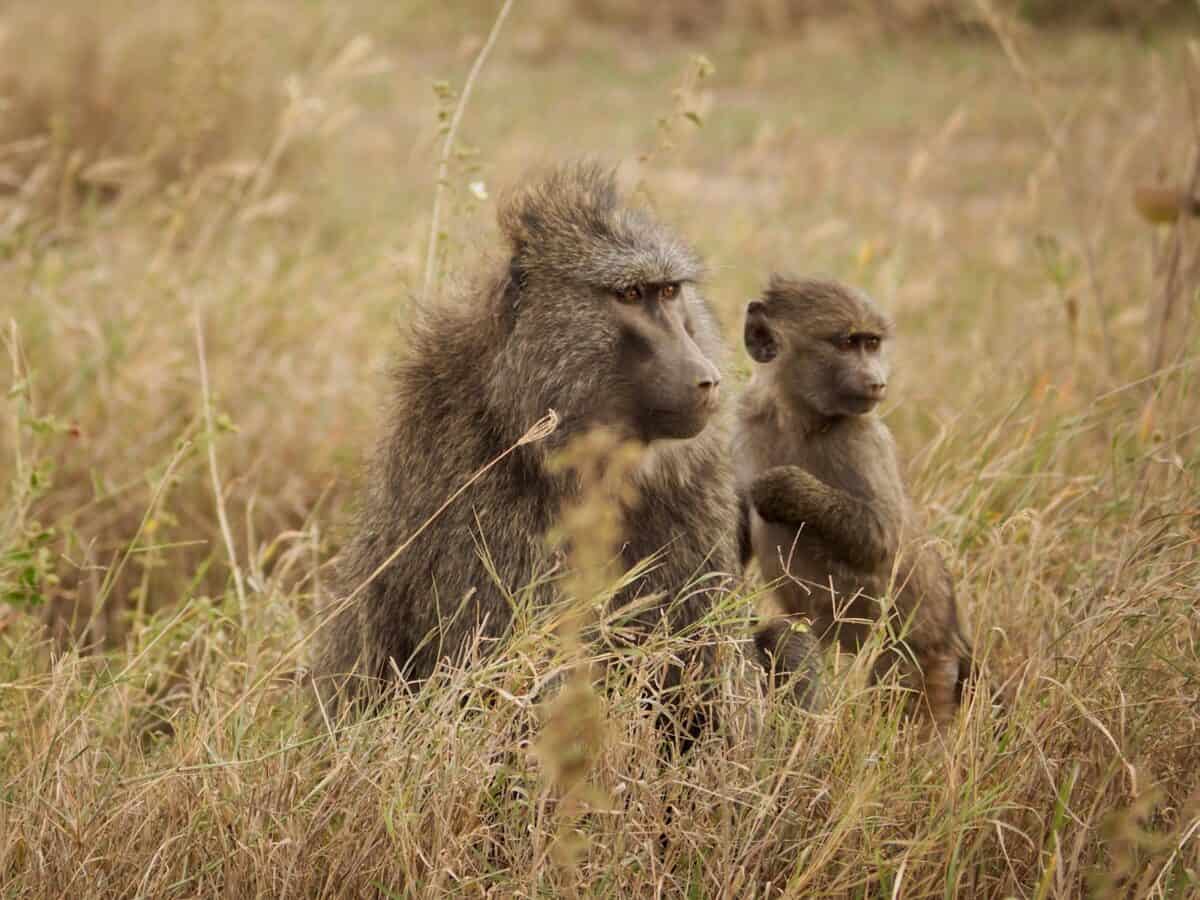
The physiological consequences of social rank in baboons have been extensively studied, particularly through measurements of stress hormones like cortisol. Groundbreaking research by primatologist Robert Sapolsky revealed that low-ranking male baboons typically maintain higher baseline cortisol levels than their high-ranking counterparts, indicating chronic stress. These elevated stress hormones can suppress immune function, impair cognitive performance, and even damage brain structures over time. Interestingly, the relationship between rank and stress isn’t always straightforward. In stable hierarchies, where rank relationships are clear and predictable, even low-ranking individuals may show moderate stress levels. However, during periods of social instability or hierarchy reorganization, cortisol levels can spike dramatically across all ranks as uncertainty prevails. High-ranking males who need to constantly defend their position may also experience elevated stress during challenges to their status, showing that the stress of dominance can sometimes rival the stress of subordination.
Social Alliances and Rank Dynamics

Baboons are sophisticated social strategists who form complex alliances that can significantly influence rank dynamics. Both males and females engage in coalition building, though their motivations and methods differ. Males often form temporary alliances to challenge dominant individuals, with two or more lower-ranking males occasionally cooperating to defeat a higher-ranking male they couldn’t challenge individually. Female alliances tend to be more stable and often follow matrilineal lines, with mothers, daughters, and sisters supporting each other during conflicts. These female coalitions can effectively maintain family dominance across generations. Grooming serves as a crucial currency in baboon society, with lower-ranking individuals often grooming higher-ranking ones to gain social favors and protection. Through strategic alliance building, some exceptionally socially skilled baboons can achieve higher ranks than their physical attributes or lineage might otherwise predict, demonstrating the complexity of baboon politics.
Rank and Reproductive Success

The ultimate evolutionary significance of rank in baboon society becomes evident when examining reproductive outcomes. High-ranking males gain preferential access to fertile females, often monopolizing mating opportunities with females in estrus through mate-guarding behaviors. DNA paternity studies confirm that dominant males father a disproportionate number of offspring in the troop. For females, rank correlates strongly with reproductive success through multiple pathways. High-ranking females reach sexual maturity earlier, experience shorter intervals between births, and produce more offspring over their lifetime than subordinate females. Perhaps most importantly, their infants enjoy significantly higher survival rates. This reproductive advantage occurs because dominant females secure better access to resources, experience less harassment, and can provide better protection for their young. Over generations, these reproductive advantages can strengthen the position of dominant matrilines, creating a self-reinforcing system where power begets more power.
How Rank Affects Social Learning

The social position of baboons significantly influences their learning opportunities and knowledge acquisition. Young baboons born to high-ranking mothers enjoy privileged access to learning experiences that can shape their development. They can observe and practice complex skills like food processing techniques without competition or harassment from other troop members. Additionally, other baboons are more tolerant of the offspring of high-ranking females, allowing these youngsters greater freedom to explore and interact with diverse troop members. This enhanced social learning environment gives them advantages in acquiring both subsistence skills and social competencies. By contrast, the offspring of low-ranking females often experience restricted learning opportunities as they must remain closer to their mothers for protection and have fewer chances to practice skills without interference. These differential learning experiences can perpetuate rank differences across generations, as the children of high-ranking individuals develop more comprehensive skill sets that later support their own dominance.
Rank Challenges and Social Mobility
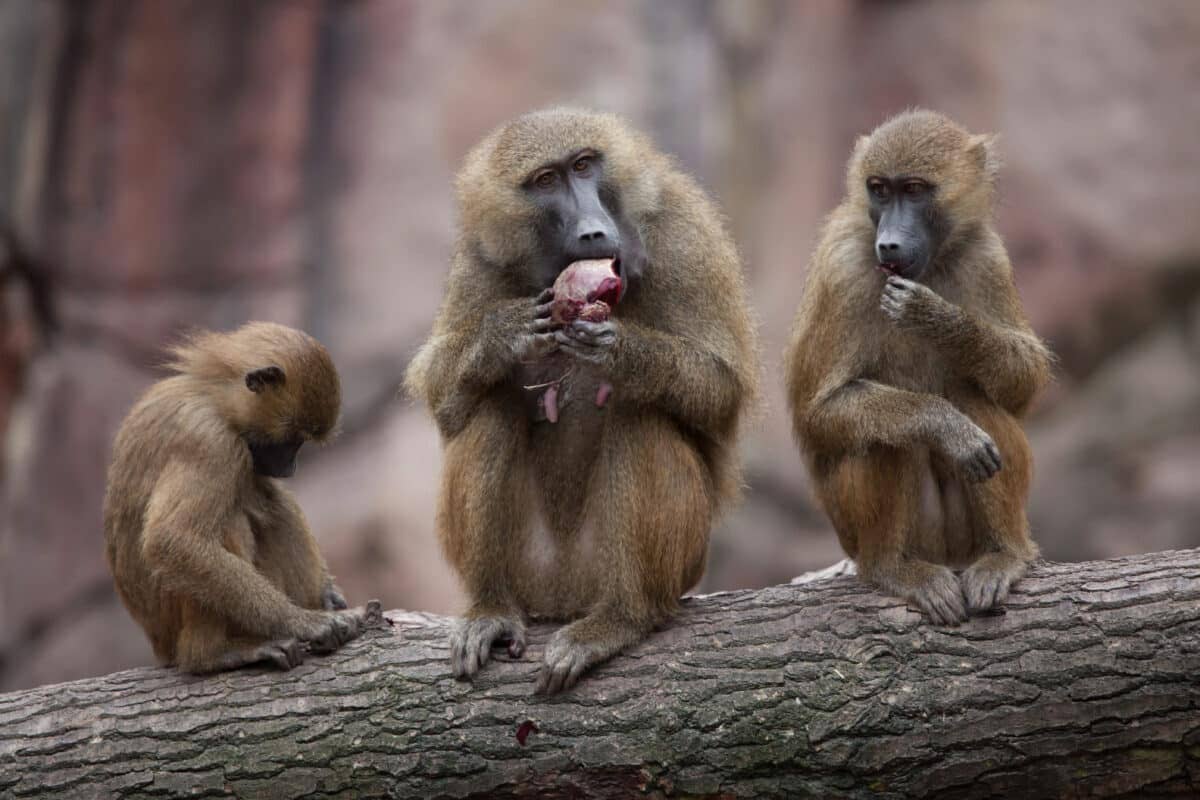
While baboon hierarchies are generally stable, rank changes do occur through various mechanisms that create limited social mobility. For males, rank challenges typically involve direct confrontation, with younger, stronger males eventually displacing aging alpha males whose physical condition declines. Female rank changes are less common but can occur through coalition formation, where sisters or mother-daughter pairs may collectively challenge slightly higher-ranking individuals. Interestingly, when a high-ranking matriarch dies, there’s often a period of rank reorganization among related females. One remarkable aspect of baboon social mobility is the occasional dramatic rise through “revolutionary coalitions,” where multiple lower-ranking individuals form alliances that upend established hierarchies. However, such events are rare, and most baboons remain within a limited rank range throughout their lives. The general pattern shows that while some movement exists within the hierarchy, particularly during times of social instability, baboon society largely maintains its stratified nature across generations.
Cross-Cultural Variations in Baboon Hierarchies
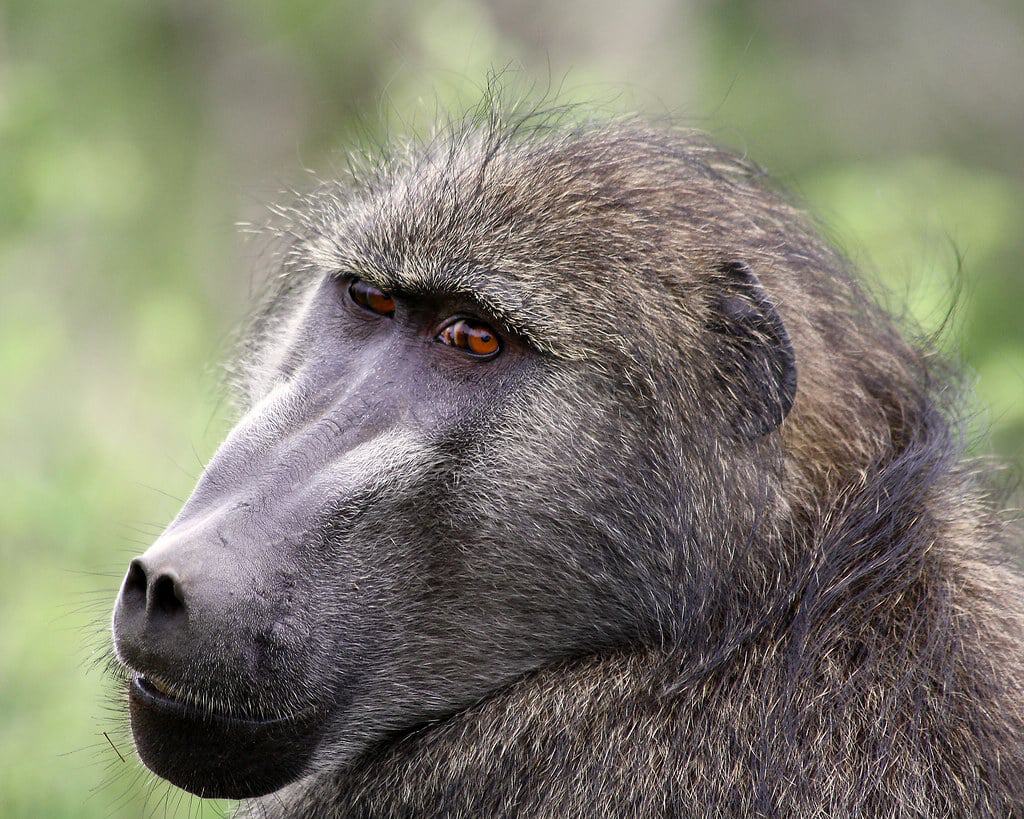
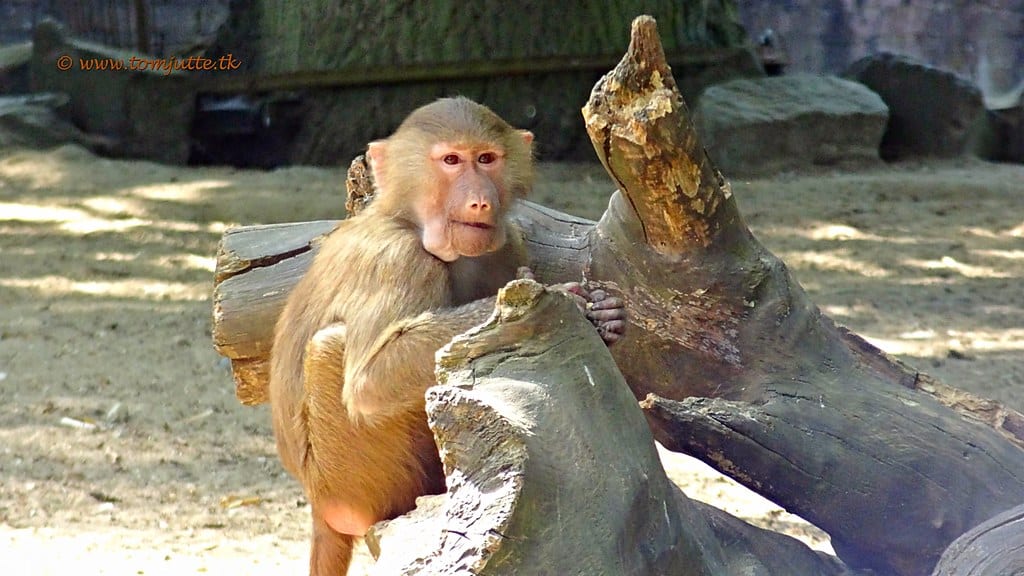
Fascinatingly, not all baboon troops operate with identical hierarchical structures, as researchers have documented significant variations across different species and habitats. Olive baboons typically maintain stricter linear hierarchies with clear dominance relationships, while chacma baboons sometimes display more complex, less linear ranking systems. Hamadryas baboons represent the most distinct variation, organizing into a multi-level society with one-male units forming the basic social structure rather than the multi-male, multi-female troops seen in other species. Environmental factors also influence hierarchy intensity, with troops in resource-scarce environments often displaying more rigid and aggressively maintained hierarchies than those in resource-rich areas. Some researchers have even documented what they call “egalitarian moments” in certain baboon troops following major disruptions like predator attacks or habitat changes, where hierarchical behaviors temporarily diminish. These variations remind us that while hierarchy is universal in baboon societies, its specific expression remains somewhat flexible and responsive to ecological conditions.
Rank and Human Social Structures: Evolutionary Parallels
The study of baboon hierarchies offers compelling insights into the evolutionary roots of human social stratification. Like baboons, early human societies likely organized around dominance hierarchies that influenced resource distribution, mating opportunities, and social learning. Anthropologists note striking parallels between baboon status signals—such as posture, vocalizations, and approach rights—and human status markers across cultures. Both species show physiological responses to status, with stress hormones varying by social position in remarkably similar patterns. However, humans have developed uniquely complex symbolic systems of status that extend beyond physical dominance, incorporating wealth, knowledge, and cultural capital as status determinants. The baboon’s reliance on coalitional support to maintain rank may have evolutionary connections to human political alliance-building and social networking. By studying baboon hierarchies, researchers gain valuable perspectives on how deeply ingrained status sensitivity is in primate psychology and how our own human preoccupation with social position may reflect ancient evolutionary adaptations shared with our primate relatives.
Conclusion: The Profound Significance of Rank in Baboon Society
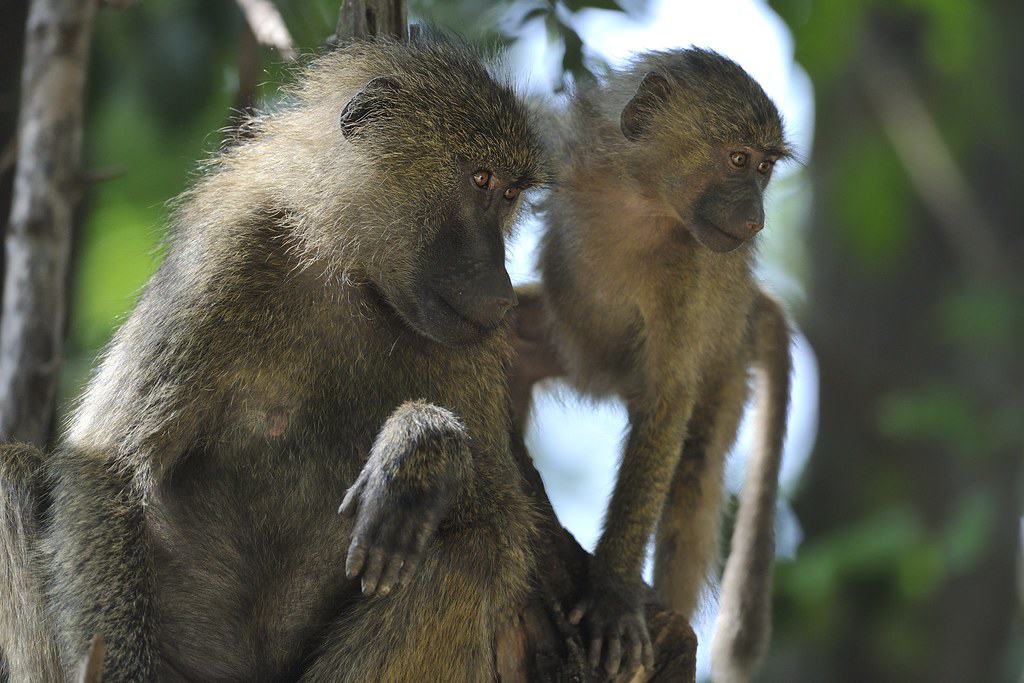
The hierarchical structure of baboon troops represents one of nature’s most sophisticated social systems, profoundly shaping individual lives from birth to death. Far from being merely symbolic, rank differences translate into tangible outcomes affecting nutrition, stress levels, reproductive success, and even learning opportunities. The remarkable stability of these hierarchies, particularly among female matrilines, demonstrates how deeply embedded these social structures are in baboon society. As researchers continue to study these fascinating primates, they uncover increasingly nuanced understandings of how rank operates not just through aggression but through complex social negotiations, alliance formation, and strategic behaviors. For humans observing these dynamics, baboon society offers a thought-provoking mirror that reflects elements of our own social arrangements and perhaps hints at the evolutionary origins of our own status sensitivities and hierarchical tendencies.

- This River Delta Is a Magnet for Endangered Birds - July 17, 2026
- New Fossils in Baja California Reveal a Never-Before-Seen Grouper - July 17, 2026
- The Most Venomous Animal on Land—And How It Kills - July 17, 2026