


Nic Wilson returned to the windswept limestone slopes of Portland Bill in Dorset with a single task: to find bastard-toadflax (Thesium humifusum), a rare semi-parasitic plant that eluded him the first time. Amidst cliffside birdwatching, he realized the plant could only be seen by getting “low and slow” on the ground.
A Humble Plant with Starry Blooms
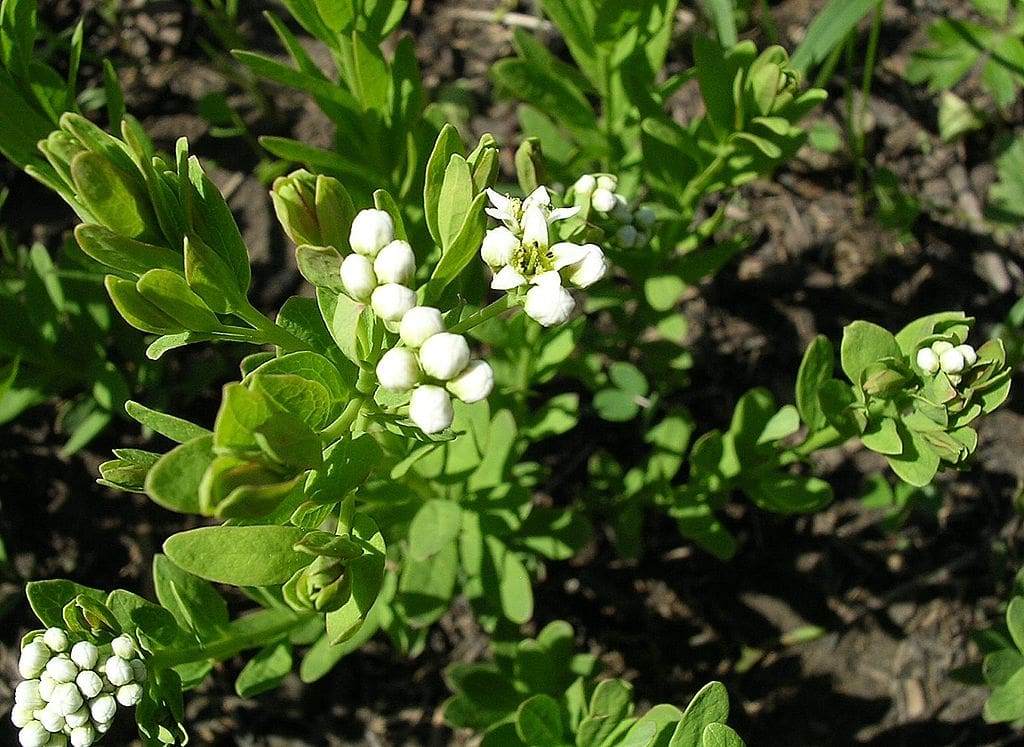
Bending low, Nic discovered the plant’s delicate stems and tiny white flowers—no more than 3 mm across—scattered among grasses, eyebright, bird’s-foot trefoil, and yellow wort. Under his hand lens, the star-like blossoms revealed creamy anthers and a stigmatic tube crowned by sepals.
More Than Just a Plant
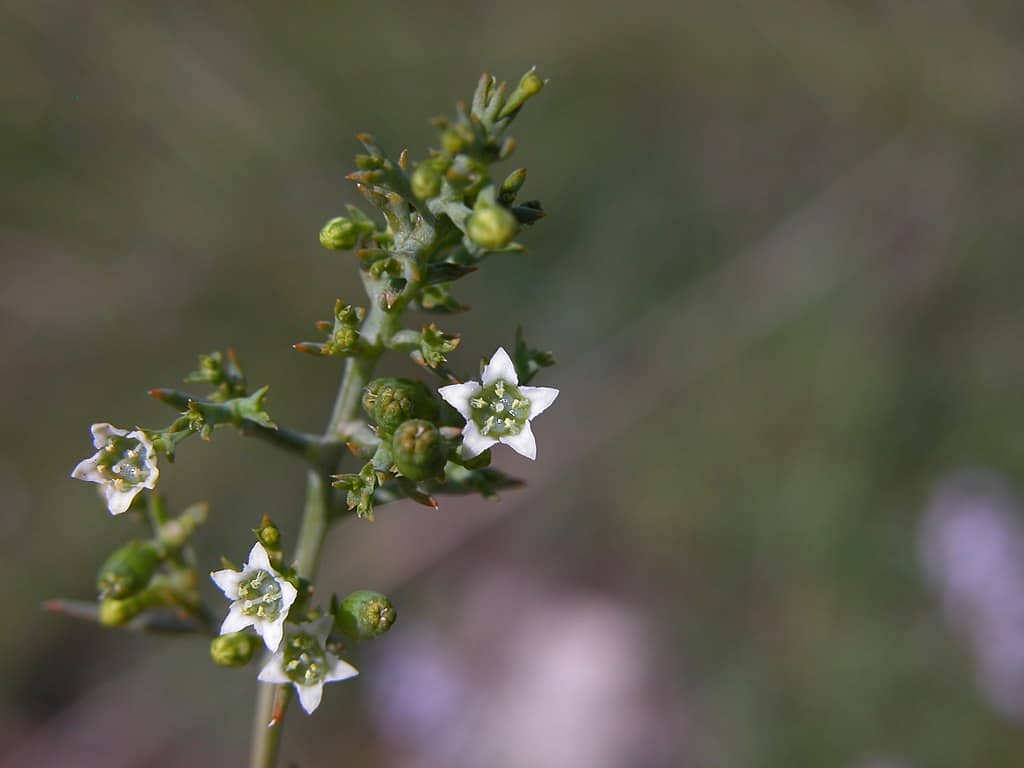
Although dubbed “bastard” toadflax, the plant is a close relative of mistletoe and a scrabble of survival in dry downlands. Its small stature belies its ecological importance: it’s both species-rich and the sole sustenance for specialist insects.
Spotlight on the Down Shieldbug
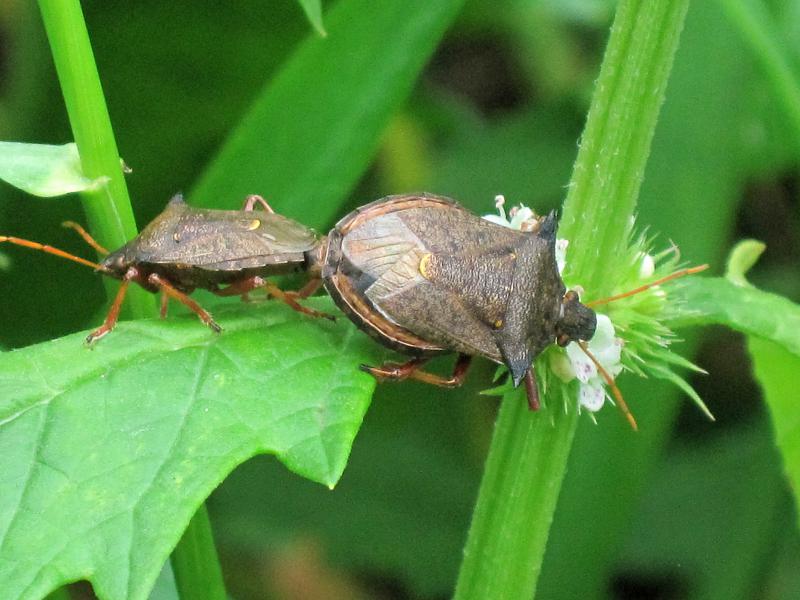
Beneath the plant’s leaves, Nic spotted small black-and-red shieldbug nymphs—the down shieldbug (Canthophorus impressus). These bugs rely completely on bastard-toadflax, developing through five juvenile stages to become metallic blue adults about half the size of green shieldbugs.
An Intimate Ecological Connection

This encounter highlighted a remarkable specialist relationship: a monophagous insect wholly dependent on a rare, specialized plant found only on southern English downlands. For the shieldbug, the prostrate plant is an entire world.
A Call to Respect and Preserve

Nic’s fieldwork illustrates how small-scale interdependencies form the hidden threads of biodiversity. The Guardian’s Country Diary encourages us to observe slowly, value these specialized relationships, and safeguard their fragile habitats.

adventuring, photography and videography. I am currently working towards a BSc in Biodiversity and Ecology at Stellenbosch University to go on to specialise in Marine Sciences one day.
Please send any feedback to Feedback@animalsaroundtheglobe.com
- Curious Black Bear Plays on Swingset - July 18, 2026
- Meet Deep Blue: The Largest and Oldest Living Shark Ever Recorded - July 17, 2026
- Cat Accidentally Eats Fish When Drinking Water - July 17, 2026