
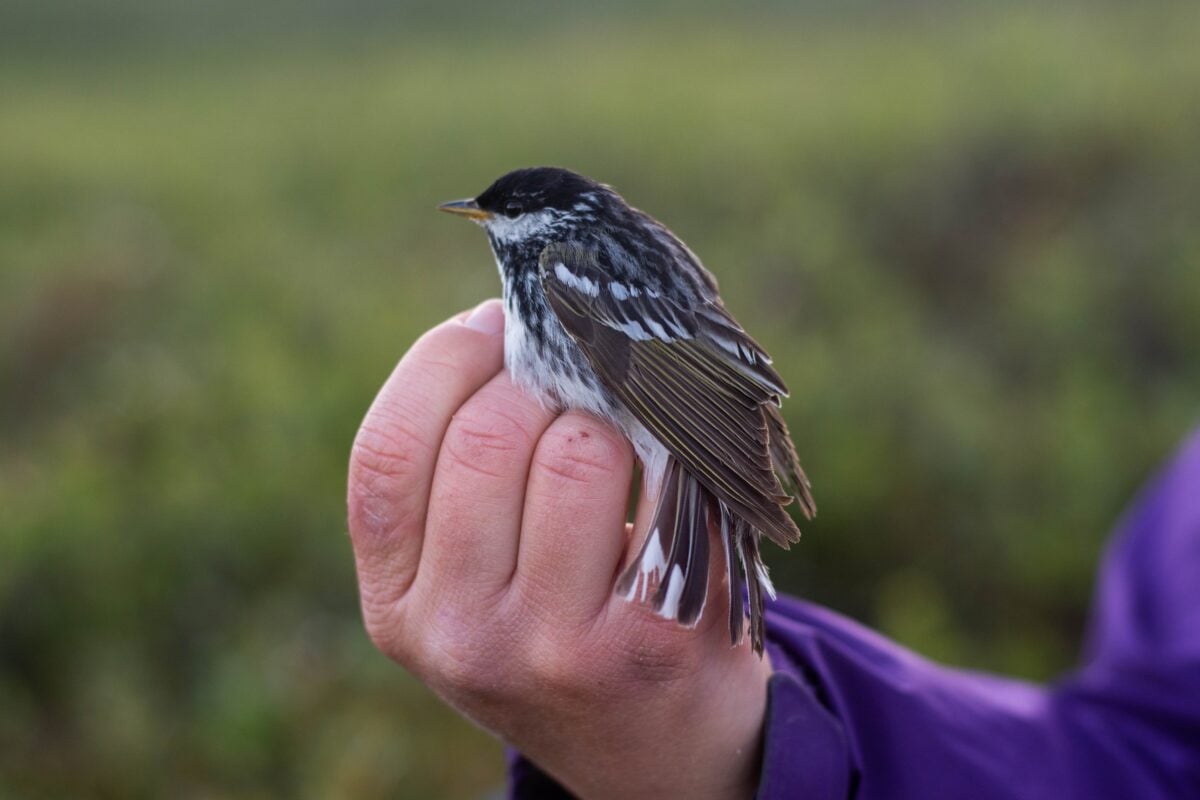
Most people picture bird banding as something almost administrative – snap on a tiny metal ring, open your hand, done. That image is wrong, and it’s wrong in a way that matters. In the final seconds before a bird leaves a bander’s grip, a trained handler is silently running a diagnostic sequence most bystanders never even notice: reading fat stores, feather wear, skull density, even eye color, like a doctor scanning a chart in real time.
A wild bird spends less than two minutes total in human hands. That’s it. Yet field ornithologists will tell you that those two minutes reveal more about a bird’s survival odds than months of casual birdwatching ever could. What actually happens in that tiny window – and why it matters so much – is about to change how you look at every bird you see again.
#1 – The Weight Says More Than a Number Ever Could
🔥 Would you like to save this?
We'll email this post to you, so you can come back to it later!
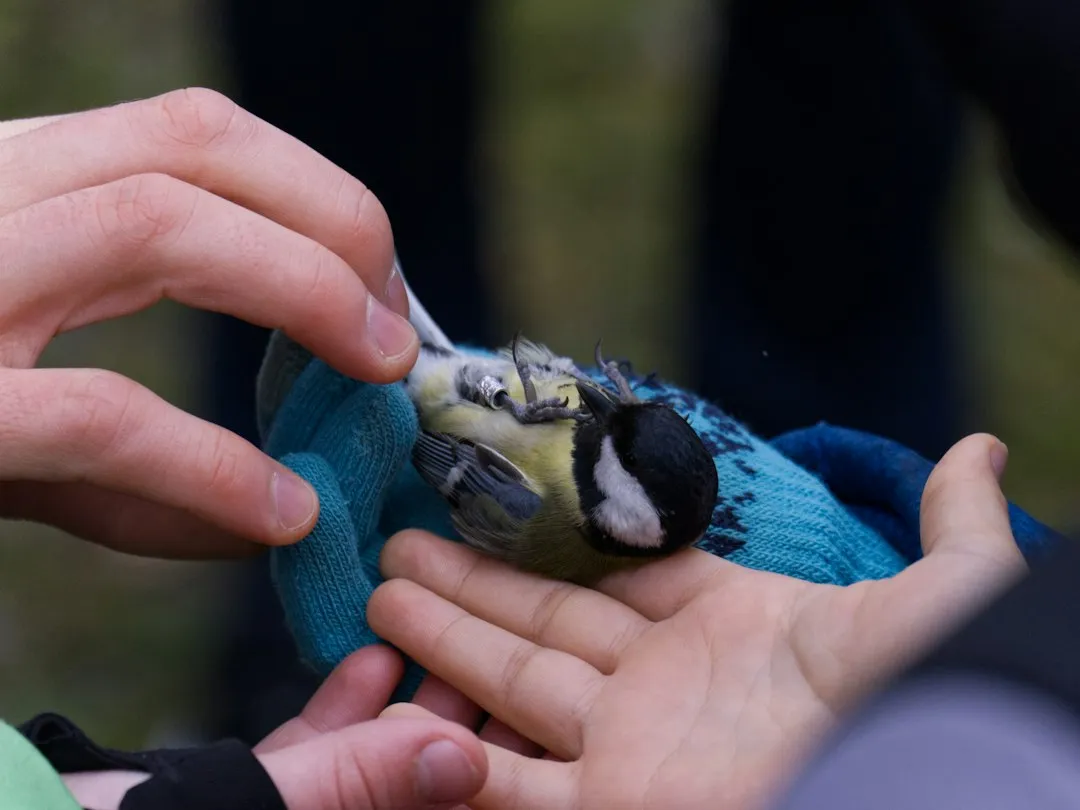
A bander doesn’t record body mass because a datasheet demands it. That number is closer to a survival forecast than a statistic. The bird is confined in something as ordinary as a film canister or a pill bottle, placed head-first on a tiny electronic scale zeroed out beforehand, and weighed in seconds. It looks almost comically low-tech for something so revealing.
Here’s the surprising part: a few grams can mean the difference between life and death. A chickadee sitting even 10% below its species’ winter average is flirting with a bad night out there. But weight alone lies without context – it swings hour to hour with feeding and digestion, so experienced banders always cross-check it against fat score. A heavy bird with zero visible fat might simply be gravid; a light bird stuffed with fat reserves might have just digested its last meal. Numbers alone don’t tell the truth. Context does.
#2 – Fat Scores Reveal a Hidden Migration Countdown
🔥 Would you like to save this?
We'll email this post to you, so you can come back to it later!
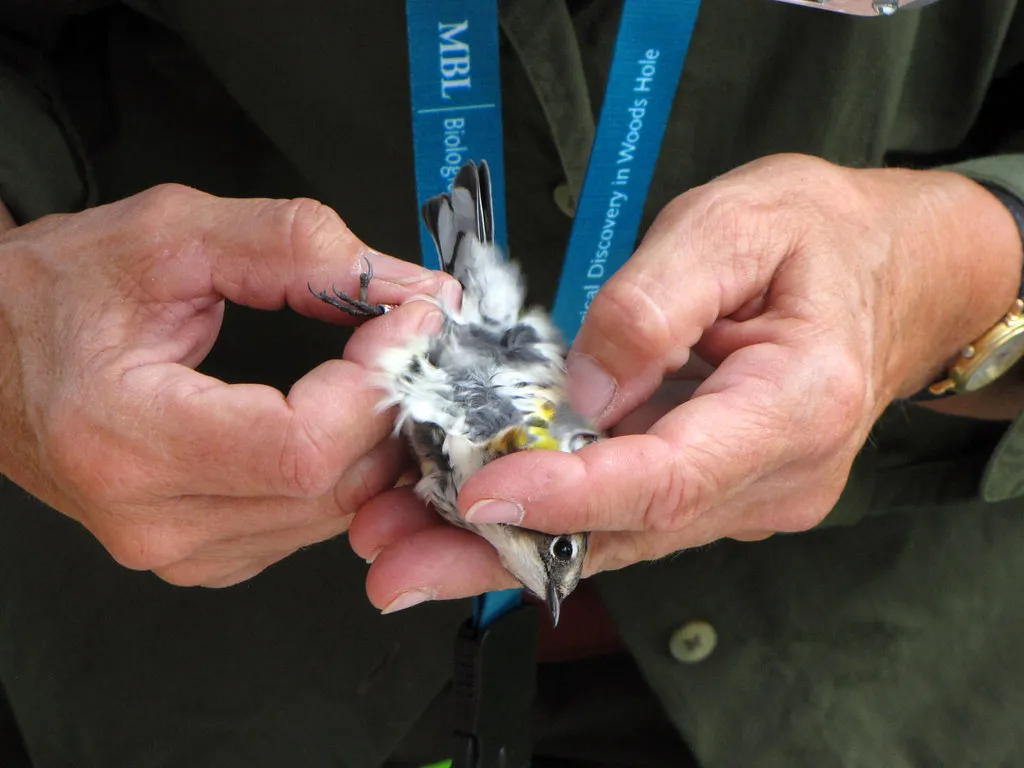
Here’s something most casual birdwatchers never realize: banders can basically see through skin. By gently blowing through a straw, a bander parts the chest and belly feathers to expose the skin underneath, checking for visible fat deposits. It sounds strange until you understand what it’s really doing – reading a fuel gauge for a journey the bird hasn’t even started yet.
That yellowish smear glowing faintly under translucent skin usually shows up first near the “wishbone,” one of the earliest places fat accumulates, and sometimes as two visible streaks under the wings. A bird loaded with fat is close to departure. One with nothing stored still has weeks of feeding ahead of it. This ten-second check predicts migratory timing more reliably than any calendar date ever could.
Fast Facts
- Fat is typically scored on a simple scale from 0 (no visible fat) to 5 (heavily bulging fat deposits).
- The furcular hollow, right over the wishbone, is usually the very first spot where fat becomes visible.
- A fat score of 0 isn’t a red flag on its own – it just means the bird hasn’t started fueling up yet.
- Migratory songbirds can pack on significant extra weight in fat reserves before a long overnight flight.
#3 – Wing Chord Measurements Expose Species Impersonators
🔥 Would you like to save this?
We'll email this post to you, so you can come back to it later!
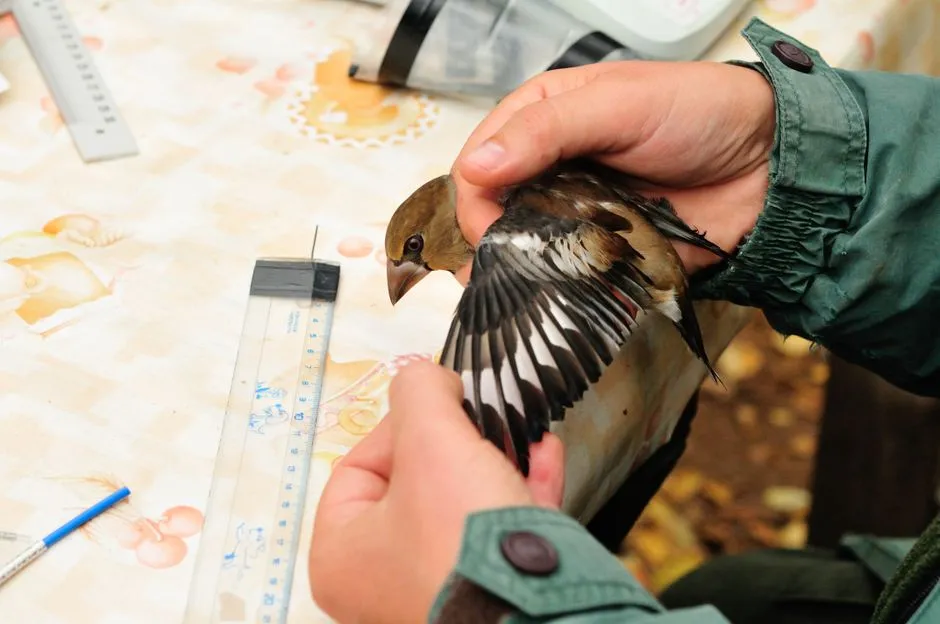
Most people assume identifying a bird is as simple as noting its color and shape. It isn’t – some species are nearly impossible to tell apart without a ruler in hand. That’s why every captured bird gets identified to species, aged, sexed, and run through a series of morphological measurements: wing chord, fat score, tarsus length, and mass.
Wing chord – the distance from the bend of the folded wing to the tip of the longest primary feather – becomes the deciding vote when plumage alone can’t settle an argument between two look-alike species. A ruler slides under the folded wing, from wrist to feather tip, and the number that comes back can flip an identification entirely. In several sparrow and flycatcher groups, wing length is the only thing separating species that field guides make look almost identical. Skip this step, and a bander risks feeding bad science into a permanent federal dataset.
#4 – Molt Patterns Read Like an Age Report
🔥 Would you like to save this?
We'll email this post to you, so you can come back to it later!
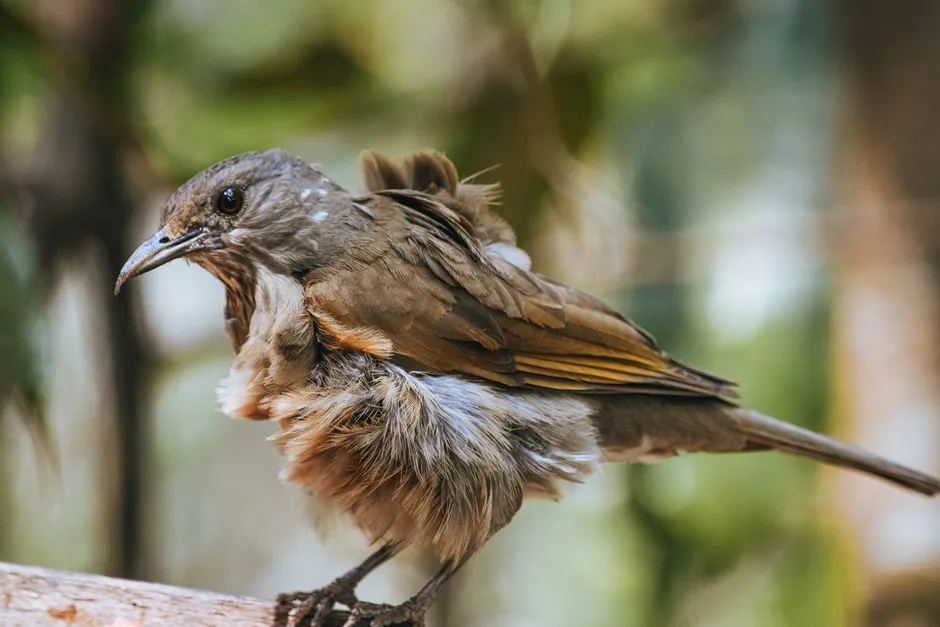
Feathers don’t lie about age, even when a bird’s confidence does. A juvenile can act just as bold and territorial as an adult, but its feathers tell a completely different story. Recording plumage and molt characteristics is one of the oldest, most refined techniques in the entire banding toolkit – a skill banders have been sharpening for decades.
These methods have been quietly perfected over generations as ornithologists learn more about molt cycles and plumage timing, so while modern banders work much like their predecessors, their accuracy and speed keep improving with every bird processed. A worn, sun-faded flight feather sitting right next to a crisp, dark replacement is a dead giveaway – that bird hasn’t finished its first full molt yet, meaning it hatched that same year, no matter how confidently it’s flapping in someone’s hand.
#5 – Skull Density Separates the Rookies From the Veterans
🔥 Would you like to save this?
We'll email this post to you, so you can come back to it later!
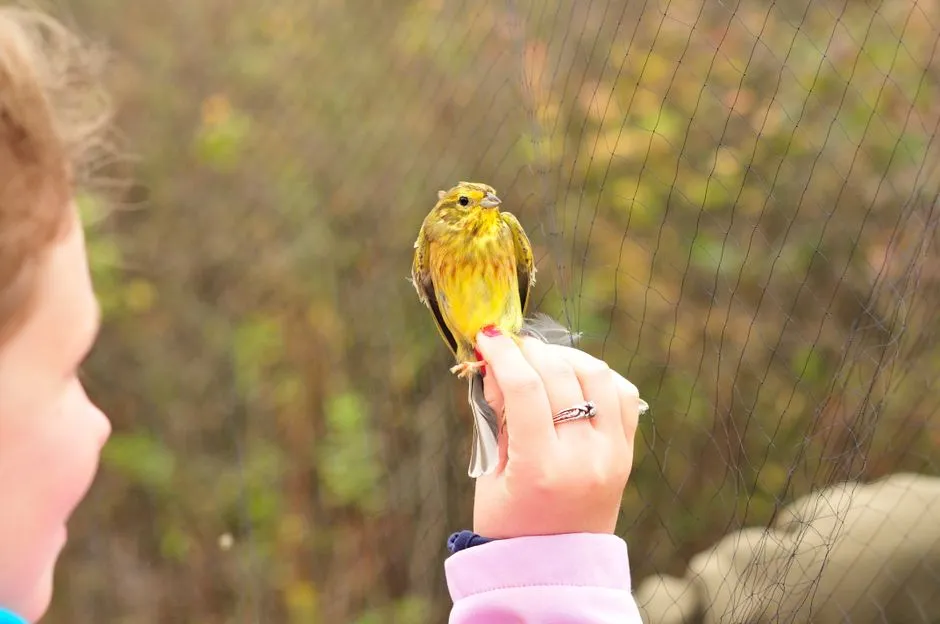
Here’s a fact that stuns most first-time visitors to a banding station: banders can check bone density right through skin and feathers. In fall, a bander parts the feathers on top of the bird’s skull and checks whether the bone has fully hardened – a process not unlike how a human infant’s soft spot gradually closes over time.
A young bird’s skull hasn’t finished ossifying yet. It shows up as faint translucent windows when feathers are parted and light hits the scalp just right. An adult’s skull, by contrast, looks uniformly opaque and solid. This single check, done in under five seconds, can separate a bird hatched three months ago from one that’s survived three winters. Watch it done once and it looks almost like a magic trick – a bander tilts a tiny skull toward daylight and calls out an age class with total confidence.
Worth Knowing
- Skull ossification in songbirds generally finishes several months after hatching, which is why this check works best in fall.
- The “windows” a bander sees are simply patches of skull bone that haven’t finished calcifying yet.
- By spring, most young birds have fully hardened skulls, so this technique becomes far less reliable.
- Skulling is almost never used alone – it’s paired with molt and plumage checks to confirm an age call.
#6 – Eye Color and Skin Tone Whisper Extra Clues
🔥 Would you like to save this?
We'll email this post to you, so you can come back to it later!
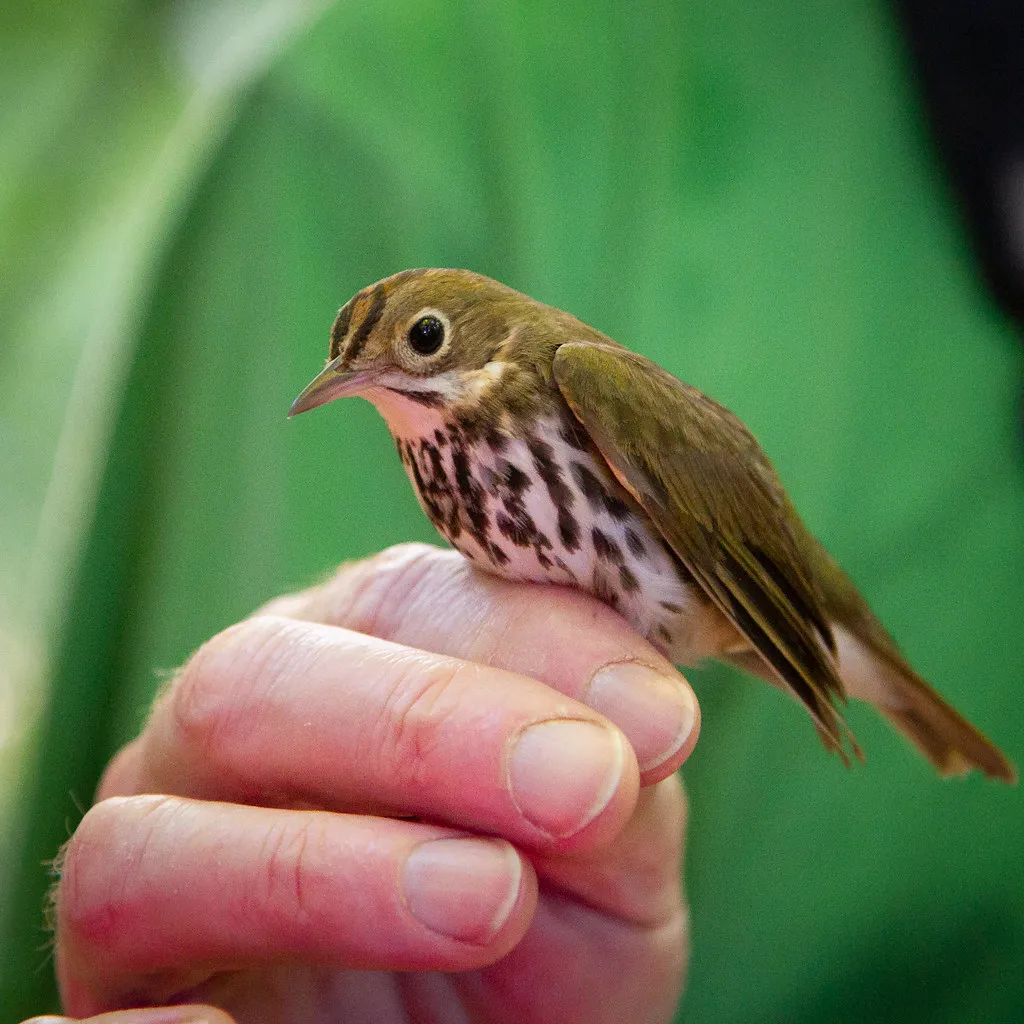
Most people assume a bird’s eye is just an eye. Experienced banders know better. In several species, the exact shade of the iris – a rich amber versus a dull gray cast – can quietly separate a young bird from a mature one.
This detail almost never comes up in casual birding conversation because it’s subtle and easy to miss. But paired with skull and feather data, eye color becomes a confirming vote rather than a lone verdict. The real skill isn’t spotting one clue – it’s stacking three or four small, imperfect signals until they all point the same direction. A single mismatched clue is often exactly why a careful bander double-checks a bird before writing anything down permanently.
#7 – Breeding Condition Gets a Direct, Uncomfortable Check
🔥 Would you like to save this?
We'll email this post to you, so you can come back to it later!
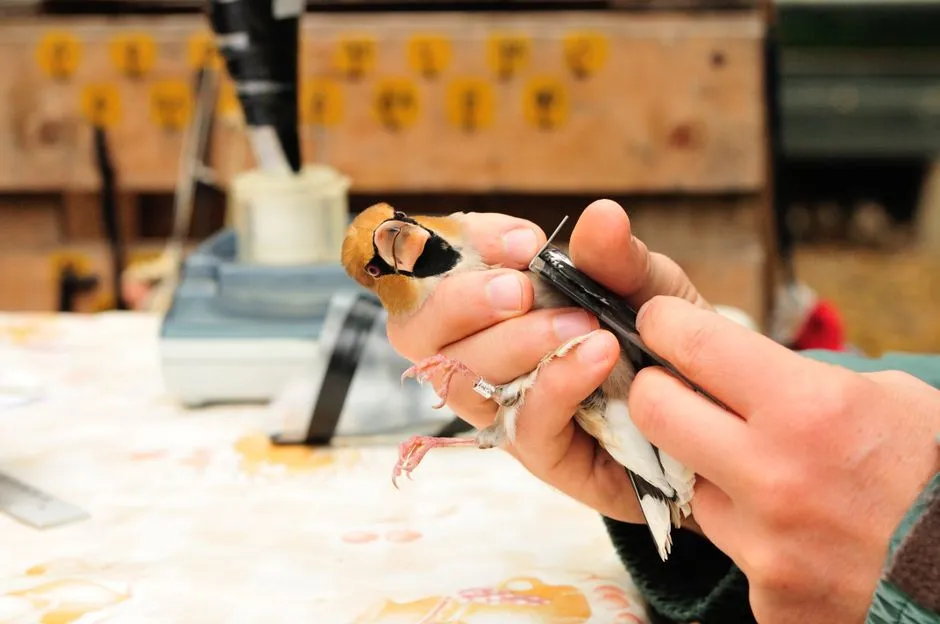
This is the part that surprises newcomers most: banders physically check reproductive status in the field, right alongside sex, fat stores, feather condition, age, wing chord, and mass. It sounds invasive because it kind of is – but it’s also fast, and it matters enormously.
In females, a bare, wrinkled patch of skin on the belly – the brood patch – signals active incubation duty happening back at a nest somewhere. In males, a swollen cloacal protuberance signals breeding readiness. Neither check takes more than a couple of seconds, but both change everything that happens next. A bird captured mid-breeding season gets prioritized for immediate release over routine processing, because if a nest full of eggs depends on that parent’s quick return, the entire station protocol shifts to get that bird airborne again, fast.
The birds don’t know we’re trying to help them. They just know they’re stuck. Speed is the only kindness we can offer.
Common sentiment echoed by field banders describing why release speed matters
#8 – Feather Wear Tells a Travel Diary
🔥 Would you like to save this?
We'll email this post to you, so you can come back to it later!
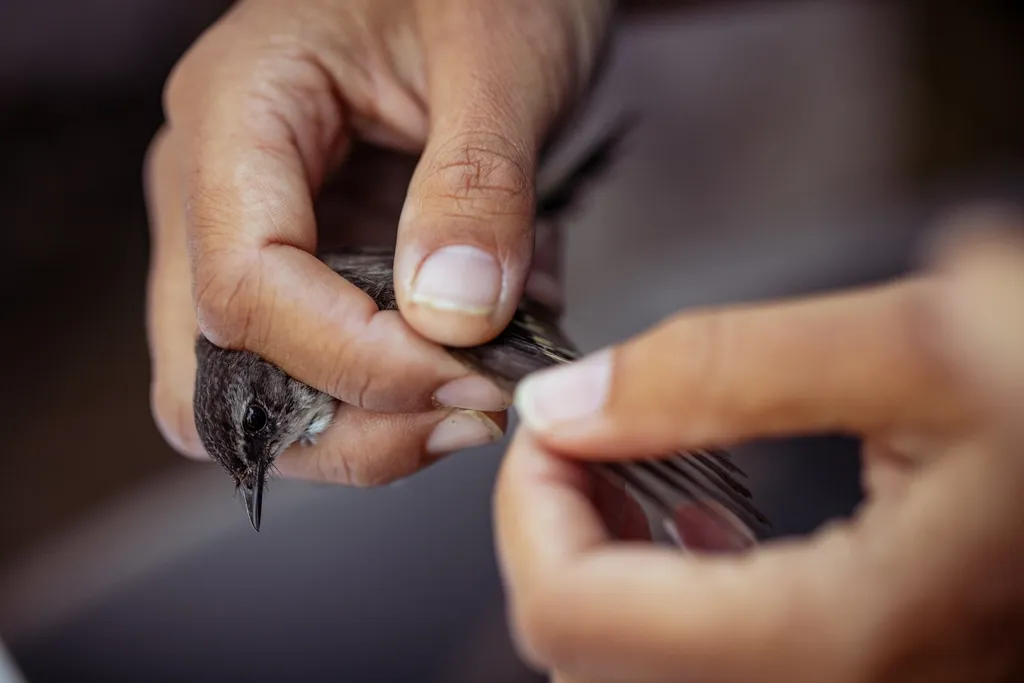
Not every clue banders rely on involves measuring tools – some simply require looking closely. A bander inspects the tips of the first five primary feathers, checking for nicks, fraying, and bleaching, then assigns a wear code based on what they see.
A heavily frayed, sun-bleached wingtip tells a completely different story than a crisp, unworn one. Feathers that have flown thousands of migratory miles look distinctly different from feathers grown just weeks ago on a local breeding ground. This wear code becomes part of a permanent record, later helping researchers reconstruct migration timing and molt strategy across entire populations – all pulled from a two-second glance at feather tips most people would never think to examine.
#9 – The Struggle in the Hand Reveals Hidden Stress
🔥 Would you like to save this?
We'll email this post to you, so you can come back to it later!
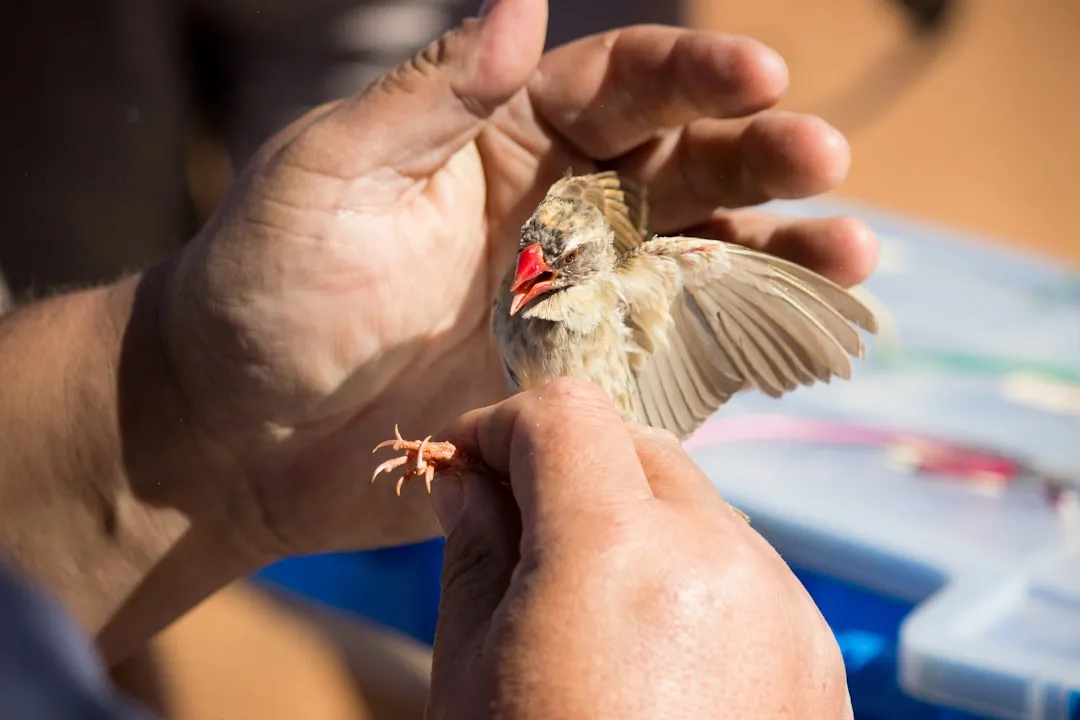
Here’s an opinion that might ruffle feathers among casual hobbyists: not every bird should be fully processed, no matter how rare or exciting the species is. During breeding season especially, birds are already stretched thin by the demands of parenthood, and extra handling stress can genuinely threaten their survival – or their offspring’s.
Trained banders learn to spot subtle stress signals – rapid panting, limp posture, unnatural stillness – that inexperienced handlers routinely miss entirely. Any bird showing excessive stress, or known to be incubating or newly fledged, gets banded and released ahead of the others, or in severe cases, released without banding at all. This is the moment good banders make a judgment call that puts the bird’s survival above completing every data field. A partial dataset beats a dead bird every single time, and any station that pretends otherwise isn’t operating ethically.
Quick Compare
- Full workup: species ID, age, sex, wing chord, fat score, and mass recorded – typically takes under a minute for a calm bird.
- Priority release: band applied, minimal handling, no extra measurements – reserved for stressed, incubating, or newly fledged birds.
- No-band release: bird let go immediately with zero processing – used only when stress signs are severe.
- In every scenario, the underlying goal is identical: get the bird back to its life as fast as safely possible.
#10 – The Band Number Becomes a Permanent Commitment
🔥 Would you like to save this?
We'll email this post to you, so you can come back to it later!
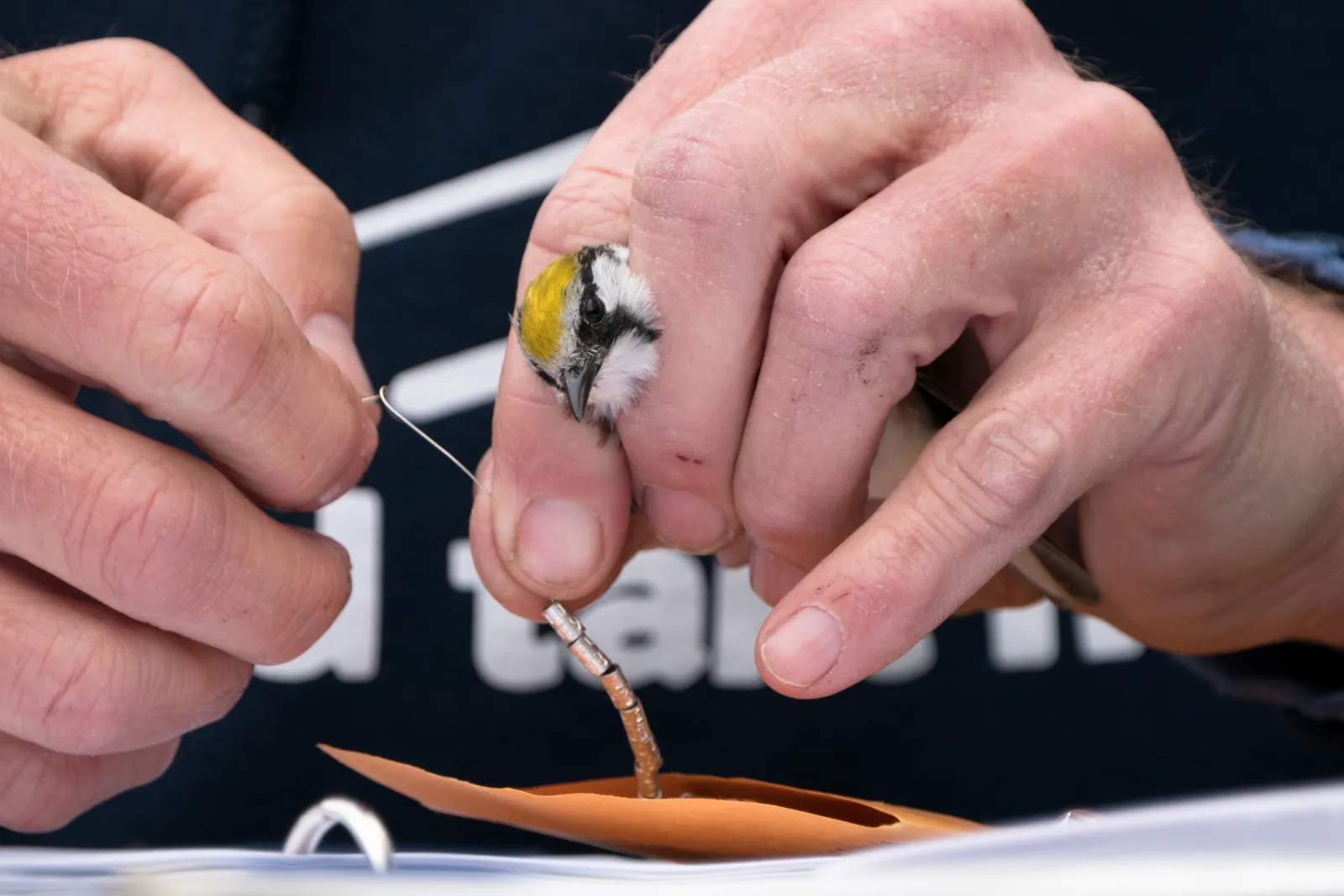
This is the point of no return in the entire process. Before that aluminum ring ever touches a leg, the bander needs to be completely confident about the species identification. Once the band closes, that bird carries a unique numeric identity for the rest of its life – sometimes for over a decade in long-lived species.
Bird banding exists specifically because so many research questions require tracking individual birds over time, and beyond the numbered metal band, some birds also get color bands that allow identification from a distance without ever recapturing them. A misread digit or a mismatched band size renders that bird’s entire future data trail useless, or worse, misleading. This is why experienced banders triple-check everything before it’s crimped shut – there’s no undo button once a wild bird flies off wearing the wrong information for the rest of its life.
#11 – The Final Once-Over Catches What Everything Else Missed
🔥 Would you like to save this?
We'll email this post to you, so you can come back to it later!
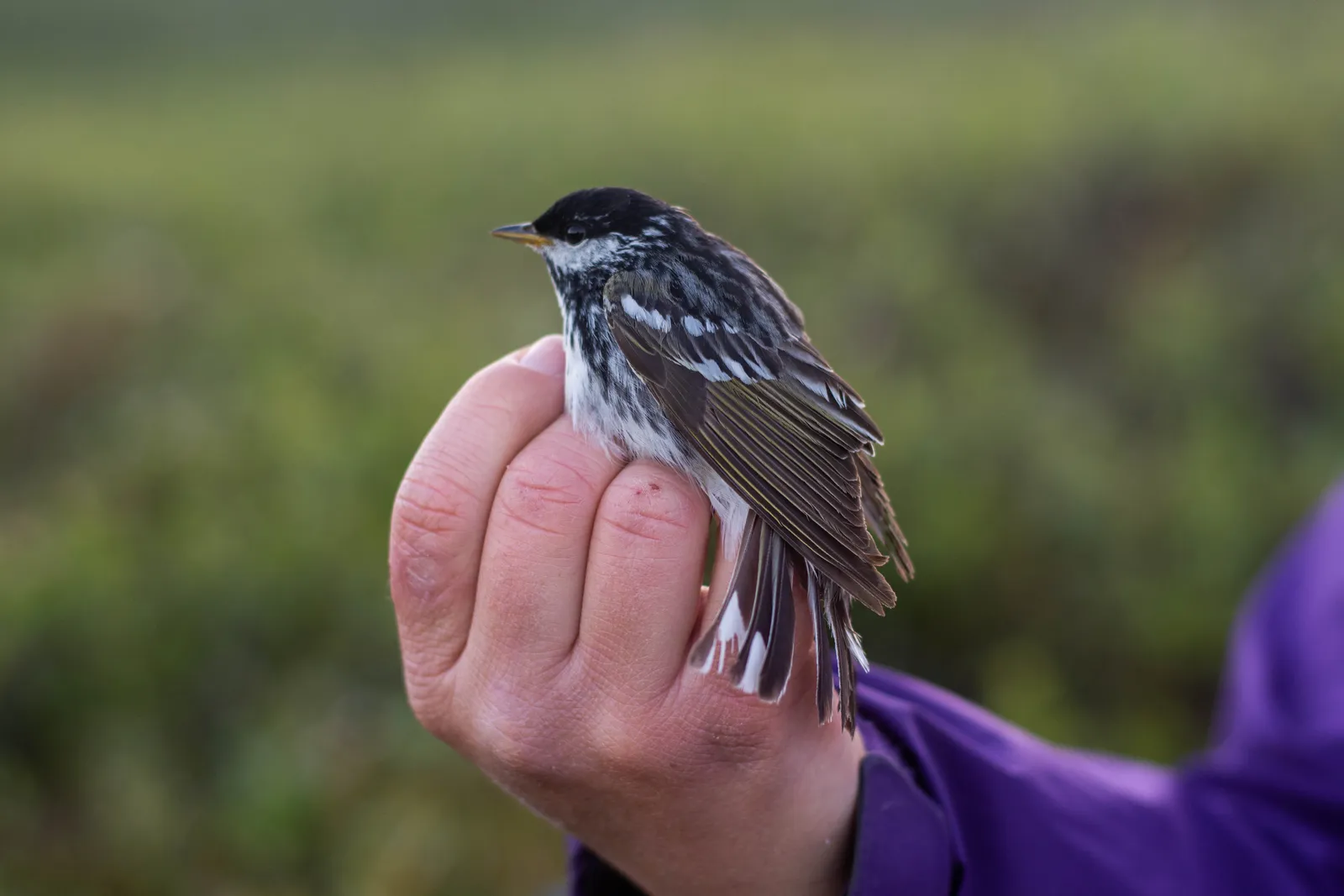
Just before a bird leaves the hand, there’s one last visual sweep – a gut-check moment experienced banders never skip. After mass is recorded, the bird gets one final look, photographed if needed, before being released back into its routine.
This last look isn’t redundant. It’s a safety net. Banders scan for anything overlooked earlier – a loose band, an odd feather tuft hiding an injury, unusual breathing, lingering blood from extraction. The entire process, start to finish, is designed to be shockingly fast. If everything goes as it should, that bird spends less than two minutes in hand, total. That speed isn’t corner-cutting – it’s the entire point. Every second saved is a second less stress on a wild animal that never asked to be studied.
#12 – Release Technique Is Its Own Quiet Skill
🔥 Would you like to save this?
We'll email this post to you, so you can come back to it later!
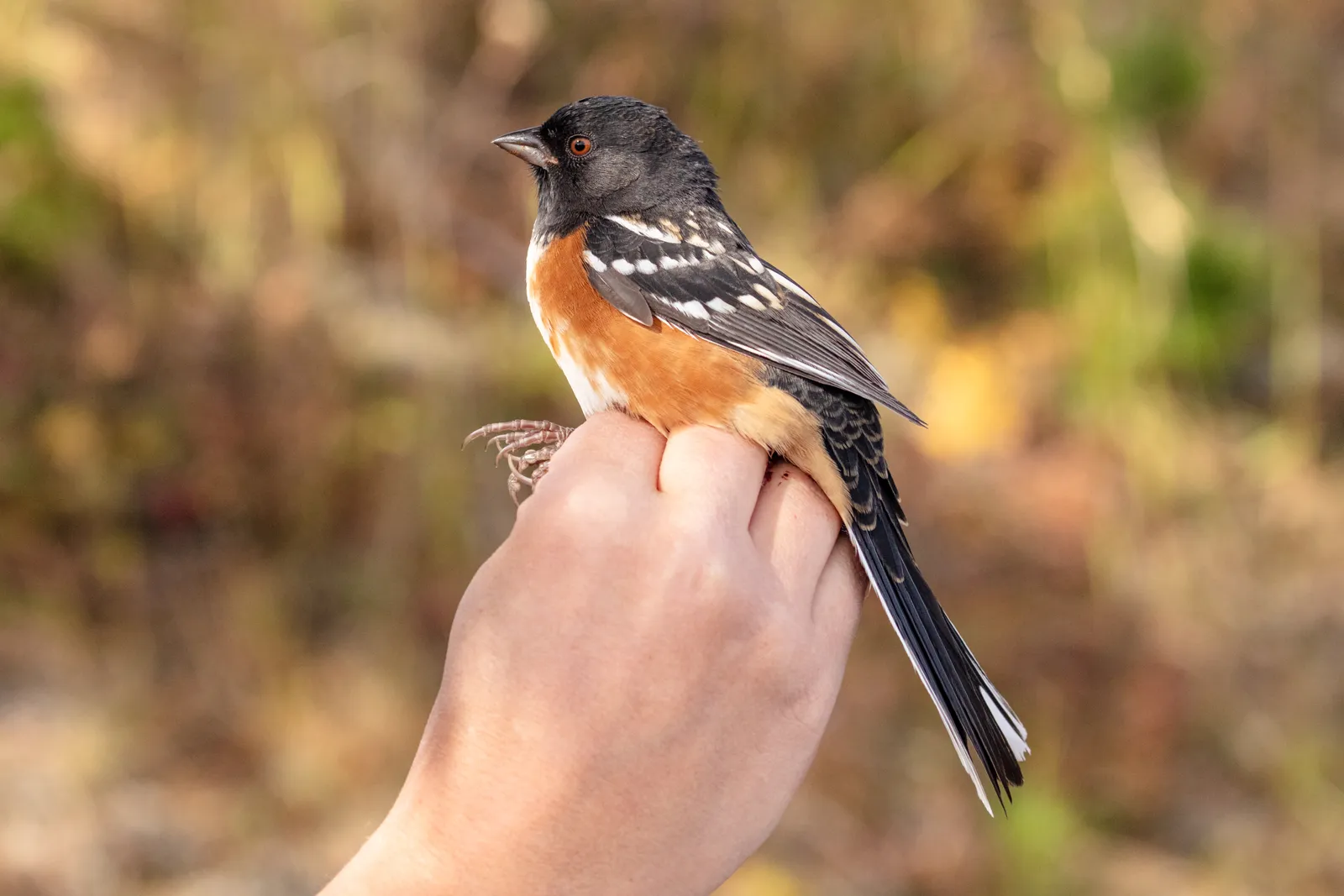
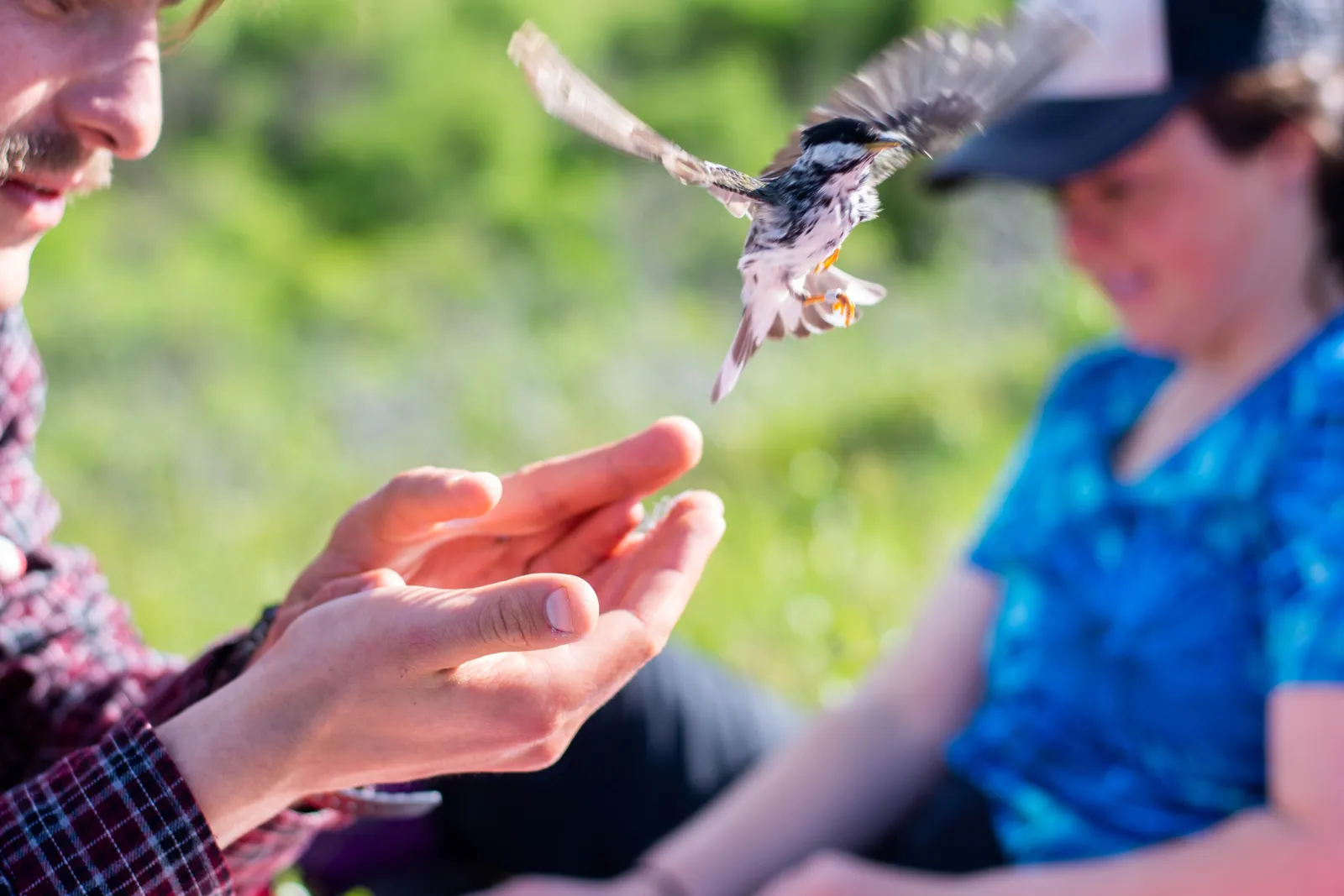
Even letting go has a method most people never consider. The bander places the bird’s feet on a flat, extended hand, then slowly loosens grip on its body until the bird decides to launch on its own terms.
Some birds don’t leave gracefully – they leave with attitude. Catbirds, for instance, are notorious for sneaking in one last quick bite to the hand before finally taking off. Banders read body language in these final seconds too: a coiled posture signals imminent flight, while stillness might mean lingering shock. Even the moment of release gets logged with a condition code, because even a “successful” release can carry asterisks worth tracking for future research.
#13 – Release Codes Turn a Single Bird Into Permanent Science
🔥 Would you like to save this?
We'll email this post to you, so you can come back to it later!
The very last thing written down might be the most consequential entry on the entire datasheet. A release code marks whether the bird went out unharmed, or notes if it was found injured, or was injured somewhere in the banding process itself.
This tiny code transforms one bird’s ten-minute encounter into a permanent, searchable scientific record. Banding remains fundamental to ornithological research, forming the backbone of how scientists monitor bird populations and behavior over time – a tradition that traces back to some of the earliest tools ever used to track migratory animals. This is the moment a single wild bird officially becomes data, potentially useful for decades, across borders, long after the bander has forgotten that particular individual’s face.
At a Glance
- Extraction from net or trap, handled with a secure but gentle grip.
- Species ID, age, and sex determined through molt, skull, and plumage checks.
- Wing chord, mass, and fat score measured and logged.
- Band fitted, number triple-checked, and recorded permanently.
- Final health scan, condition code assigned, bird released – all in under two minutes.
The Bottom Line
🔥 Would you like to save this?
We'll email this post to you, so you can come back to it later!
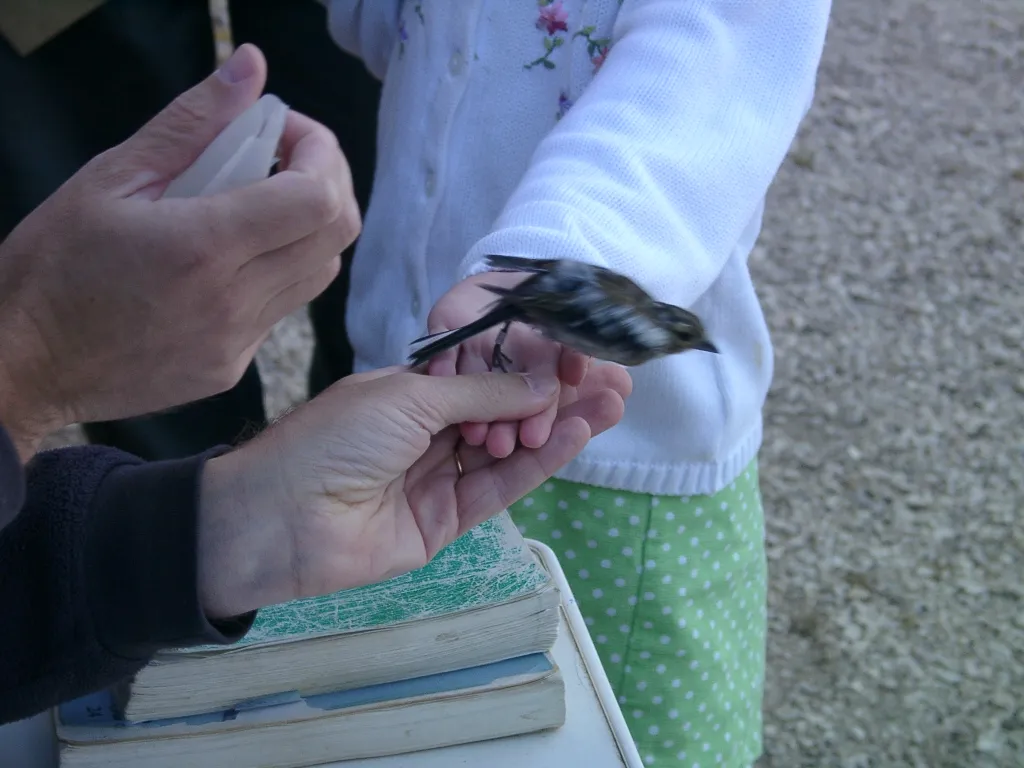
The seconds before release aren’t an afterthought – they’re where decades of ornithological training compress into a rapid-fire diagnostic sequence most spectators never notice. A skilled bander reads fat, bone, feathers, and behavior faster than most people can read a room, and gets it right almost every time, because the margin for error is a wild animal’s life. Anyone who still thinks banding is a casual hobby activity hasn’t watched a trained bander work up close – this is real fieldwork, disguised as a five-minute encounter, happening in someone’s open palm. Have you ever watched a bird released after banding? Tell us what you noticed.

- 23 Warm Corners an Elderly Cat Keeps Returning To All Winter - October 29, 2026
- 16 Behaviours Showing a Cat Considers a House Permanent Now - October 29, 2026
- 15 Wildlife Programmes a Lifetime Pass Holder Over 62 Can Join Free - October 29, 2026