
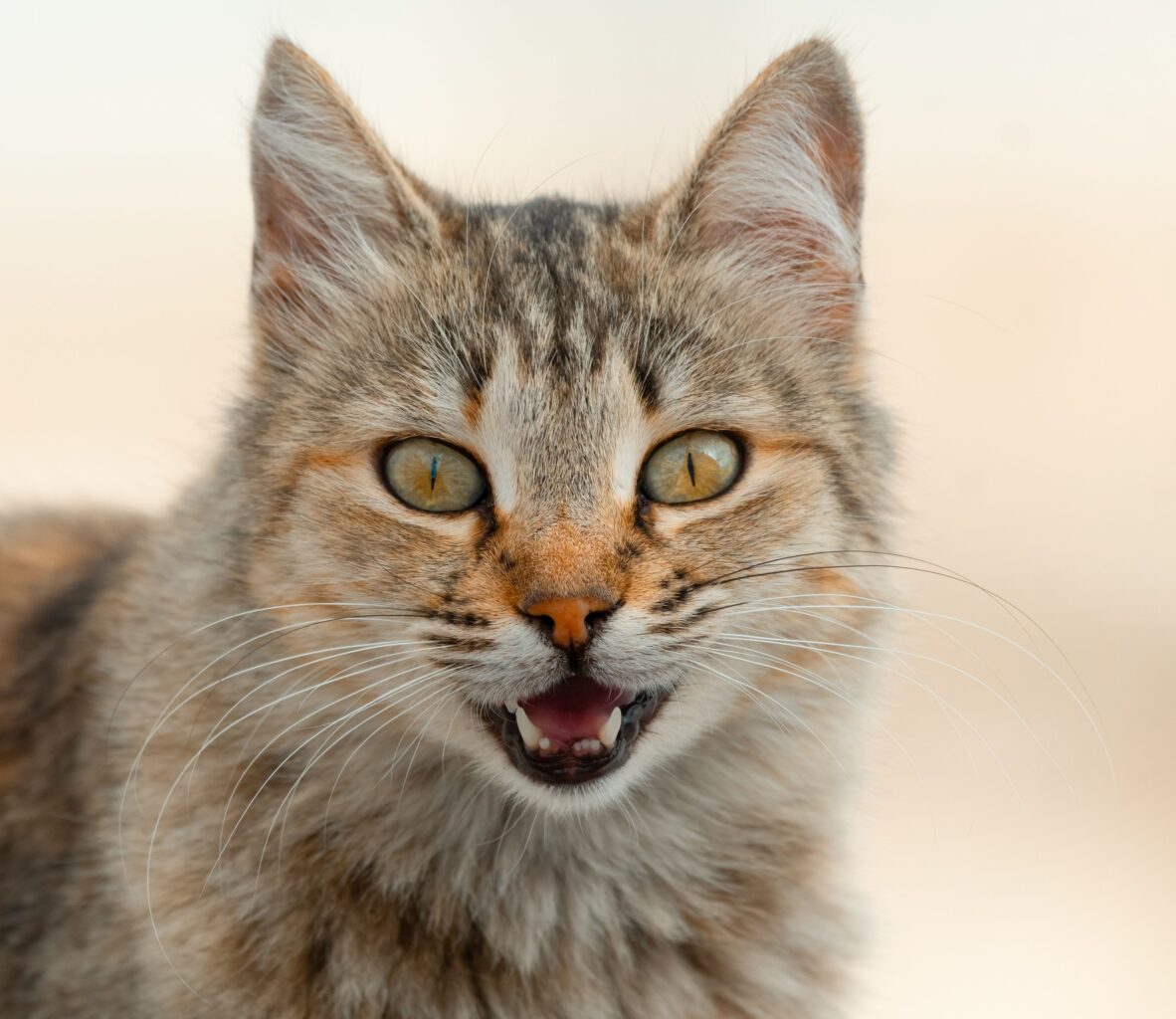
Most cat owners have said it at least once: “She’s just being fussy.” Meanwhile, veterinary dentists and feline anatomists have quietly been building a very different case for years.
The truth is that a huge chunk of what looks like attitude is actually mechanical – a jaw built like a pair of scissors, not a pair of pliers, trying to cope with food, toys, and textures it was never designed to handle the way a dog’s jaw is. Most owners never learn how a cat’s jaw actually works, and that single gap in knowledge is exactly why so many “picky” or “moody” behaviors get misread for years. Here’s what veterinary anatomists and dental specialists actually say.
#1 – The Scissor Jaw: Why Your Cat Can’t Chew Side to Side
🔥 Would you like to save this?
We'll email this post to you, so you can come back to it later!
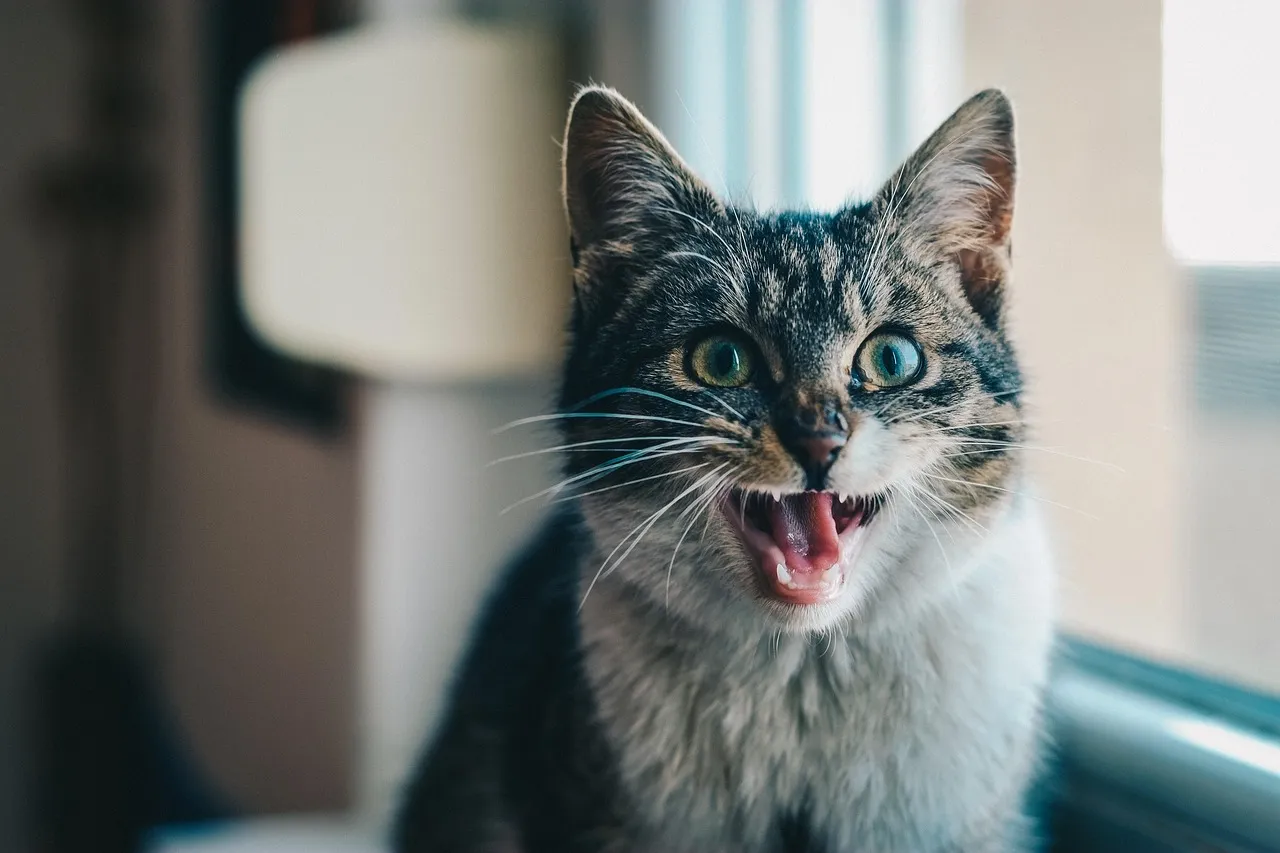
Here’s the anatomical fact that changes everything: a cat’s jaw simply cannot move the way a human’s or a dog’s does. Where our jaws grind in a circular motion, a cat’s temporomandibular joint is built almost entirely for opening and closing, like a hinge.
The strong masseter muscles that raise the lower jaw restrict lateral movement, so the jaw mostly moves up and down – holding prey in a viselike grip and slicing off pieces of meat with the carnassials. Because of how the molars meet, the lower jaw cuts like the blades of a pair of scissors, and side-to-side motion is essentially locked out. That single anatomical detail explains why so many cats seem to “refuse” to chew certain foods properly – they physically cannot grind sideways the way we assume all mammals do. But that’s nothing compared to what’s happening at the back of the mouth in #2.
#2 – No Grinding Teeth: Why “Chewing” Isn’t Really Chewing At All
🔥 Would you like to save this?
We'll email this post to you, so you can come back to it later!
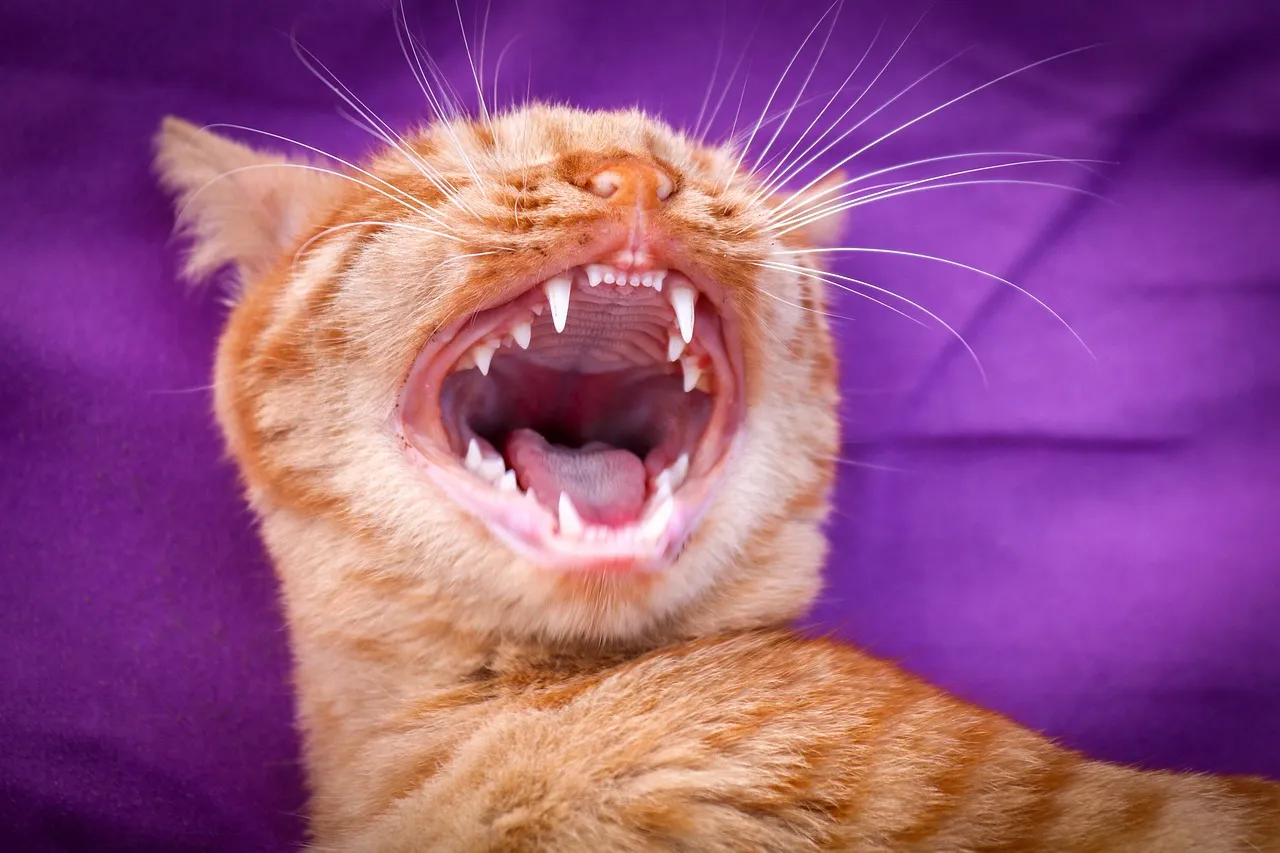
Most owners assume a cat is chewing when it’s actually just cutting. There is little to no specialization in feline teeth for grinding, because cats have no flat-crowned crushing teeth at all.
They don’t chew or grind food so much as slice it – a massive difference from how a human meal gets processed. It’s also why a cat gulping down chunks that look “too big” isn’t being lazy or careless about effort; its mouth was never built with molars for mashing anything. The idea that cats “should” chew like small dogs is simply biologically wrong. Owners who scold a cat for “wolfing” food are punishing normal anatomy. This lack of grinding surface also shapes which foods a cat rejects outright, and #3 goes even deeper into why.
#3 – The Carnassial Shear: Built to Slice, Not Munch
🔥 Would you like to save this?
We'll email this post to you, so you can come back to it later!
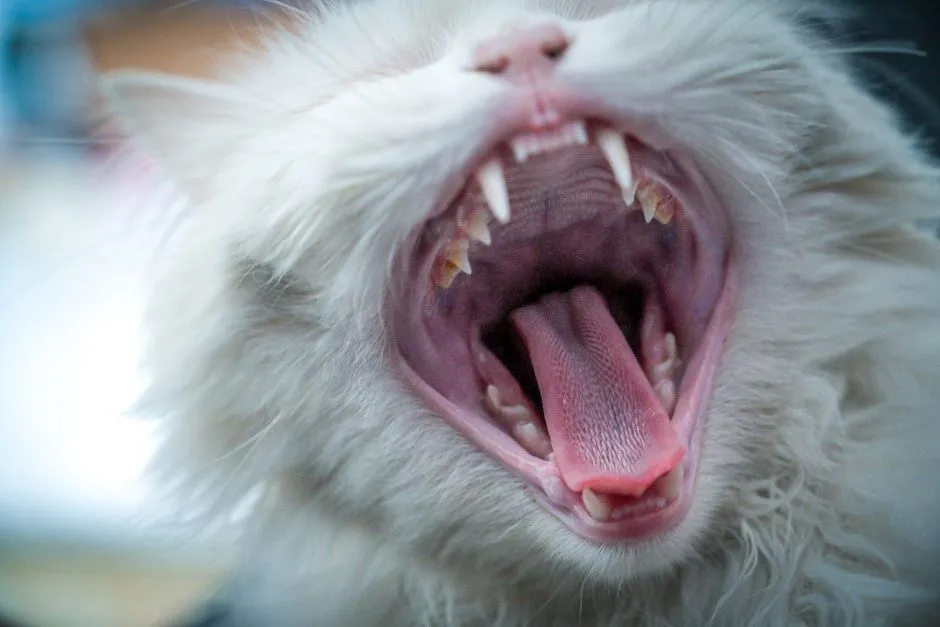
A cat’s back teeth are essentially built-in shears, and that changes how every single bite gets processed. Felids are the most strictly carnivorous branch of the entire order Carnivora, and their highly developed carnassial teeth reflect exactly that specialization.
Cats also carry a reduced number of premolars and molars, landing on a typical dental formula of just 30 teeth total – fewer than most dogs. Because of that reduction in cheek teeth, a gap remains between the canines and premolars in nearly every cat species, and that gap isn’t decorative. It changes how food sits in the mouth before the carnassials slice it. Most owners have no idea their cat is working with fewer teeth than a dog and a built-in structural gap, which is exactly why chunky, irregular kibble pieces get spat out or ignored. That structural gap becomes even more relevant once you understand what happens at mealtime in #4.
Fast Facts
- Adult cats have 30 teeth total, versus roughly 42 in most dogs
- There are no flat molars for grinding – only shearing carnassials
- A natural gap (diastema) sits between the canines and premolars in nearly every cat
- The jaw hinge allows almost no side-to-side motion, unlike a human or dog jaw
#4 – The Buccal Shear Trick: Why Cats Tilt Their Heads to Eat
🔥 Would you like to save this?
We'll email this post to you, so you can come back to it later!
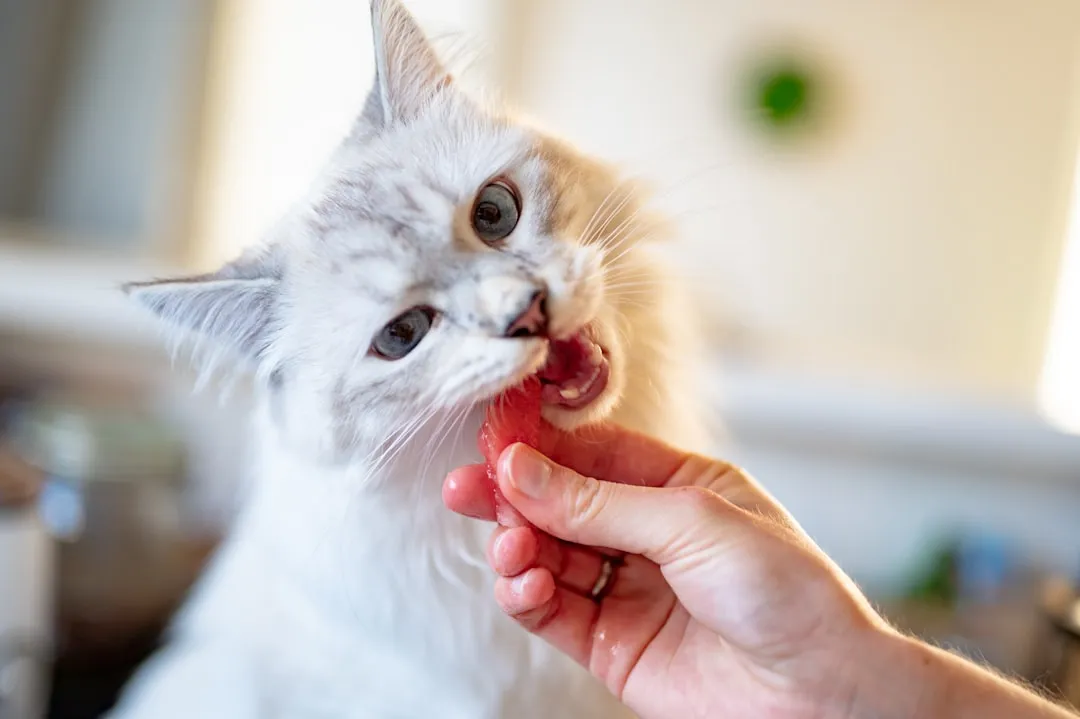
If you’ve ever watched your cat turn its head sideways to bite down, that’s not personality – it’s mechanics. When a cat chews on one side of the mouth, the lower jaw has to swing over to that side so the lower teeth can shear upward and forward against the uppers.
That sideways head-tilt is the cat’s only real workaround for a joint that can’t move laterally on its own. Chewing, in a cat, mostly boils down to a rhythmic opening-and-closing sequence, with the molars cutting like scissor blades the whole time. That tilted head you’ve probably called “weird” or “dainty” is a functional necessity, not a quirk. It’s the cat compensating for a joint that simply won’t rotate side to side. But head tilting is nothing compared to the sound many owners find genuinely unsettling, covered in #5.
#5 – Jaw Chattering: The Sound Owners Mistake for Bad Behavior
🔥 Would you like to save this?
We'll email this post to you, so you can come back to it later!
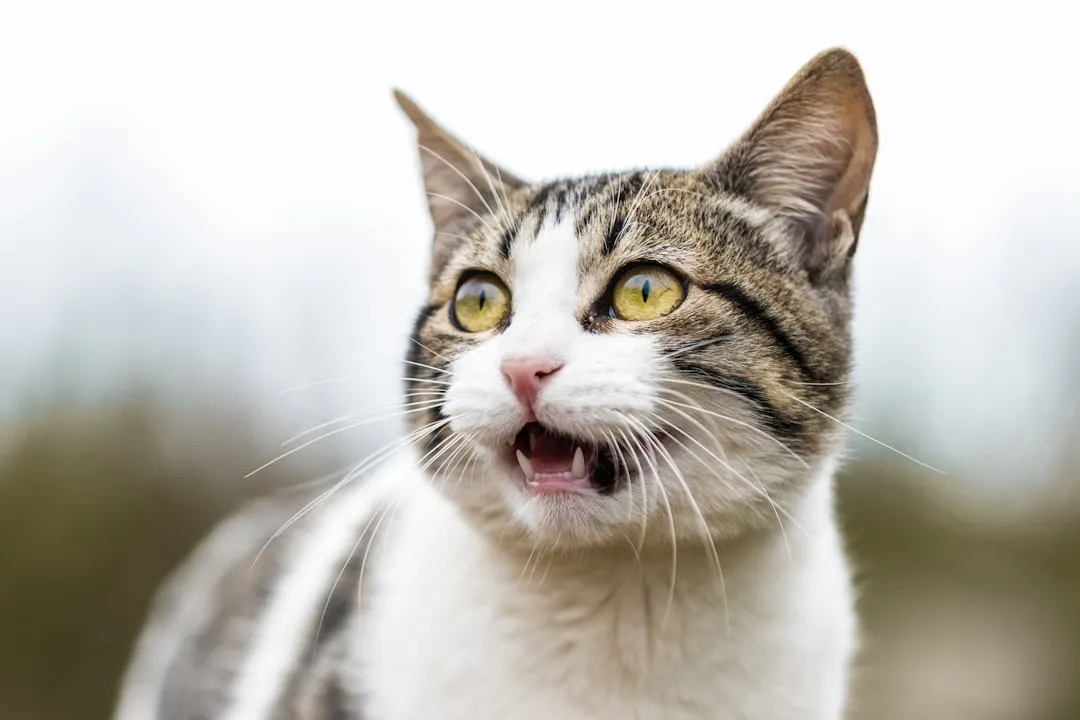
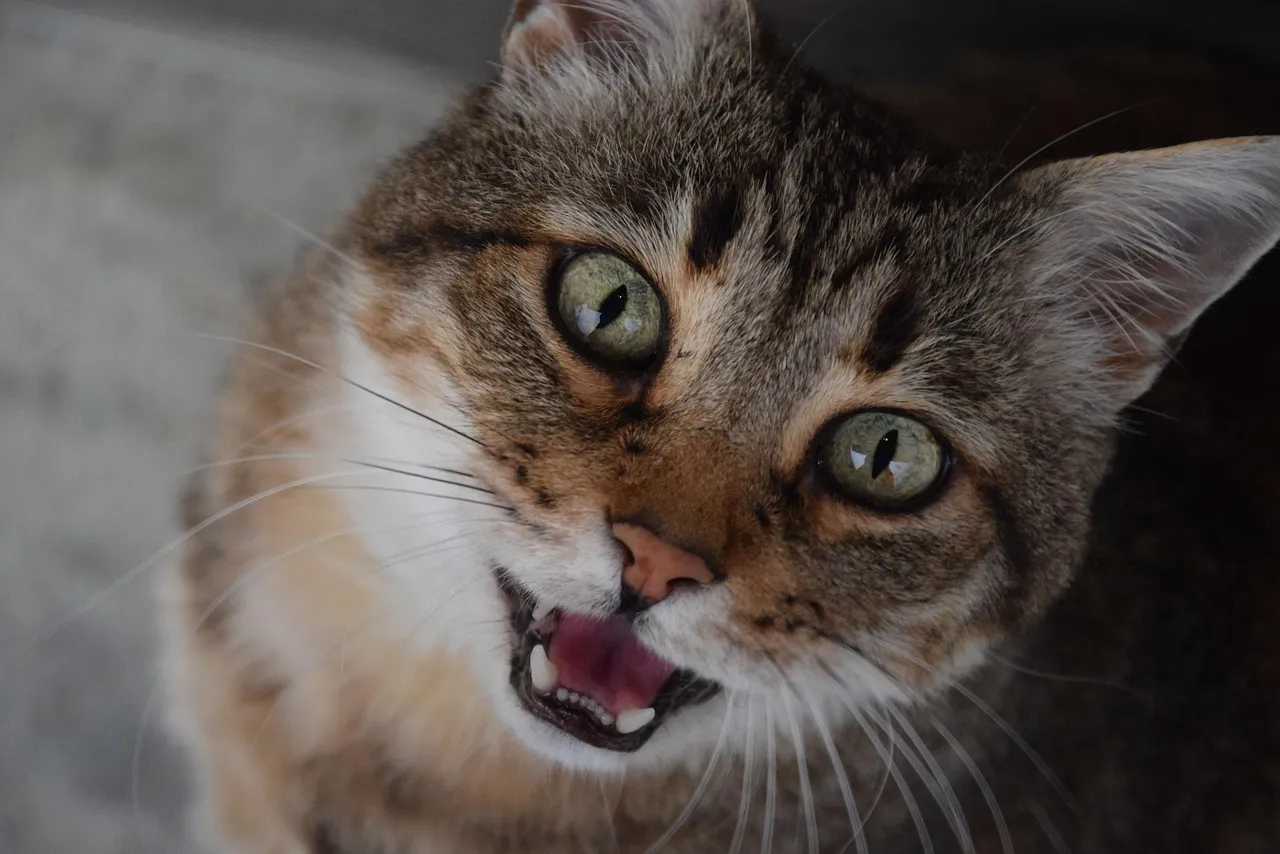
That rapid clicking sound your cat makes at the window isn’t a tantrum – it’s one of the most misunderstood jaw movements in the entire species. Researchers describe it as a rhythmic stuttering of the jaw with the mouth held open in a tense position.
It’s mostly voiceless, meaning the cat’s vocal cords aren’t vibrating at all – the sound comes entirely from the mechanical clashing of teeth and jaw. One leading theory ties it directly to hunting mechanics: chattering may simulate the “kill bite,” since cats typically kill prey with a precise bite to the scruff of the neck, using that chattering motion to line the bite up. Scientists still haven’t fully proven why the jaw moves this specific way, and current research treats the kill-bite theory as a hypothesis, not settled fact. Owners who assume chattering always means “excited and happy” are missing something far more serious that shows up in #6.
#6 – When Chattering Isn’t Hunting – It’s Pain
🔥 Would you like to save this?
We'll email this post to you, so you can come back to it later!
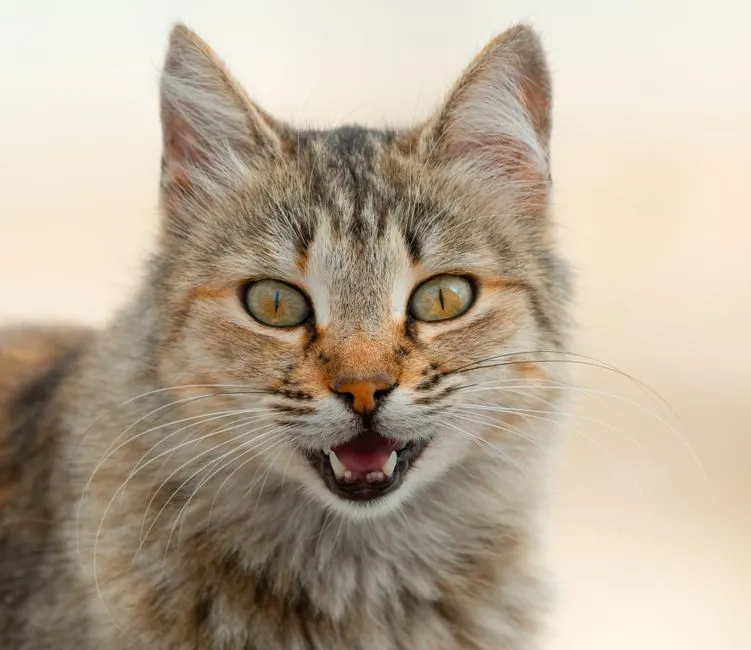
Here’s the part almost no owner expects: the exact same jaw movement seen at the window can also be a symptom of dental disease. Tooth resorption can be intensely painful, especially during eating, and its warning signs include drooling, chewing on one side, dropping food, vocalizing at mealtime, avoiding food altogether, and jaw chattering.
Cats with resorptive lesions may chatter their teeth the instant the affected tooth is touched or probed. The difference between “excited hunting chatter” and “painful chatter” often comes down to context – one happens at a window with prey nearby, the other happens at the food bowl. Most owners never connect a chattering jaw at dinnertime to a dental emergency, assuming instead the cat is just being difficult about the food. That confusion gets even more dangerous once you learn how common this hidden disease actually is, which #7 covers.
#7 – Tooth Resorption: The Hidden Epidemic Behind “Fussy” Eating
🔥 Would you like to save this?
We'll email this post to you, so you can come back to it later!
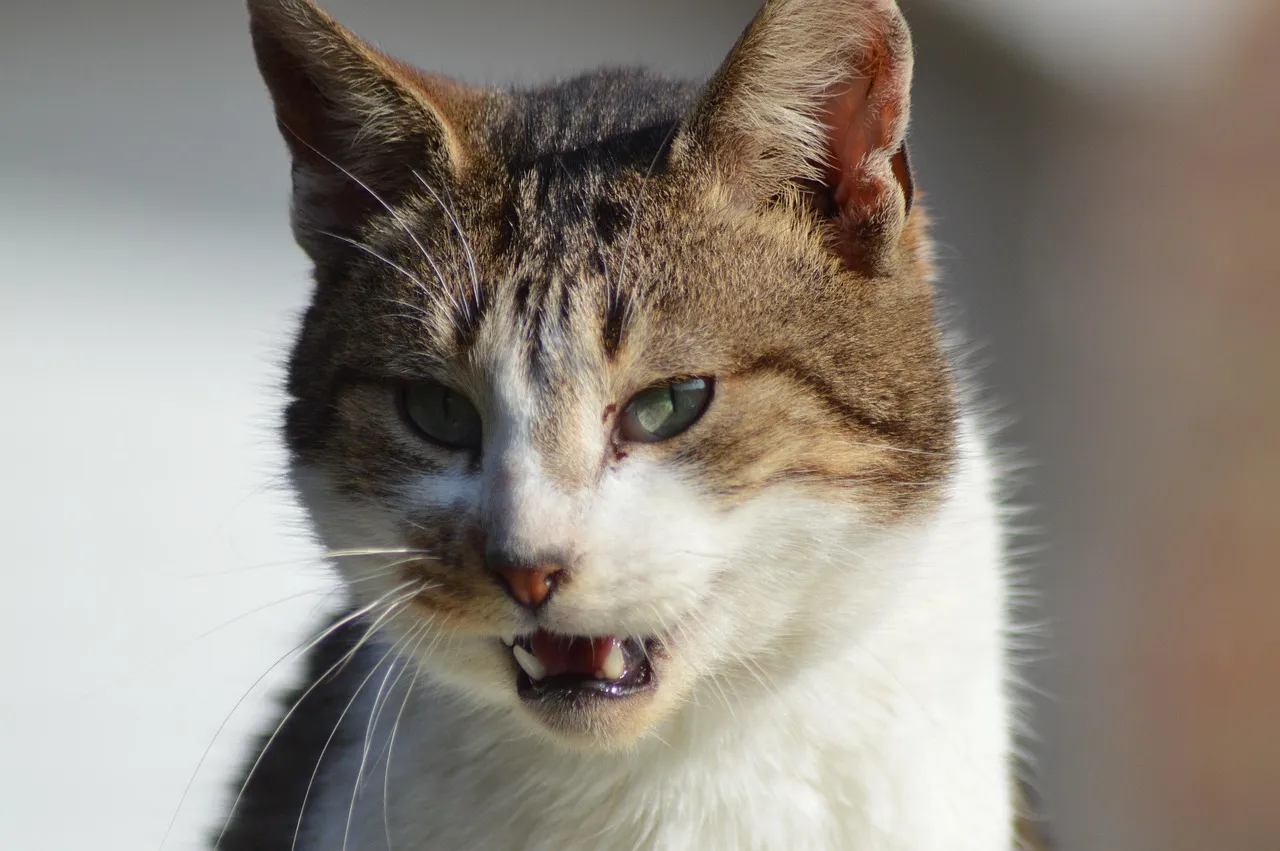
This is the statistic that should make every cat owner rethink the word “picky” entirely. Feline tooth resorption is common in pet cats, with anywhere from 28.5% to 67% diagnosed with one or more resorptive lesions – some sources put the real number closer to two-thirds of all felines affected at some point in life.
The teeth most commonly hit are the lower premolars, especially the third premolar on each side. That means the majority of adult cats may be quietly living with a painful jaw condition their owners never see. Because cats instinctively hide pain, a cat that suddenly turns its nose up at crunchy kibble isn’t being dramatic – it may be protecting an inflamed tooth. This exact pattern shows up in how cats physically eat, which is exactly what #8 breaks down.
At a Glance: Tooth Resorption
- 28.5% to 67% of pet cats develop one or more resorptive lesions
- Lower premolars, especially the third premolar, are hit hardest
- Warning signs include drooling, one-sided chewing, and mealtime jaw chattering
- Cats instinctively mask pain, so symptoms often go unnoticed for months
#8 – Eating on One Side: The Jaw Clue Hiding in Plain Sight
🔥 Would you like to save this?
We'll email this post to you, so you can come back to it later!
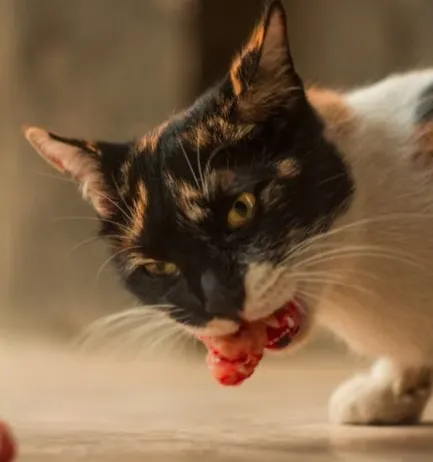
If your cat consistently chews with one side of its mouth, that’s not a quirky habit – it’s a diagnostic clue vets look for immediately. Eating on one side, turning the head while eating, dropping food, staring at the bowl, walking away mid-meal, vocalizing during a meal, and making a mess are all recognized signs of oral pain.
Owners frequently read these behaviors as attitude, boredom with the food, or “spoiled cat syndrome.” Yet any cat can develop tooth resorption with age, and some cats are shockingly good at hiding discomfort from the humans who love them. A cat avoiding one side of its mouth is almost never being dramatic – it’s actively protecting a sore tooth or joint. This is one of the most consistently missed red flags in home feeding routines, and it connects directly to a bigger swallowing pattern discussed in #9.
#9 – Swallowing Without Chewing: A Workaround, Not Rudeness
🔥 Would you like to save this?
We'll email this post to you, so you can come back to it later!
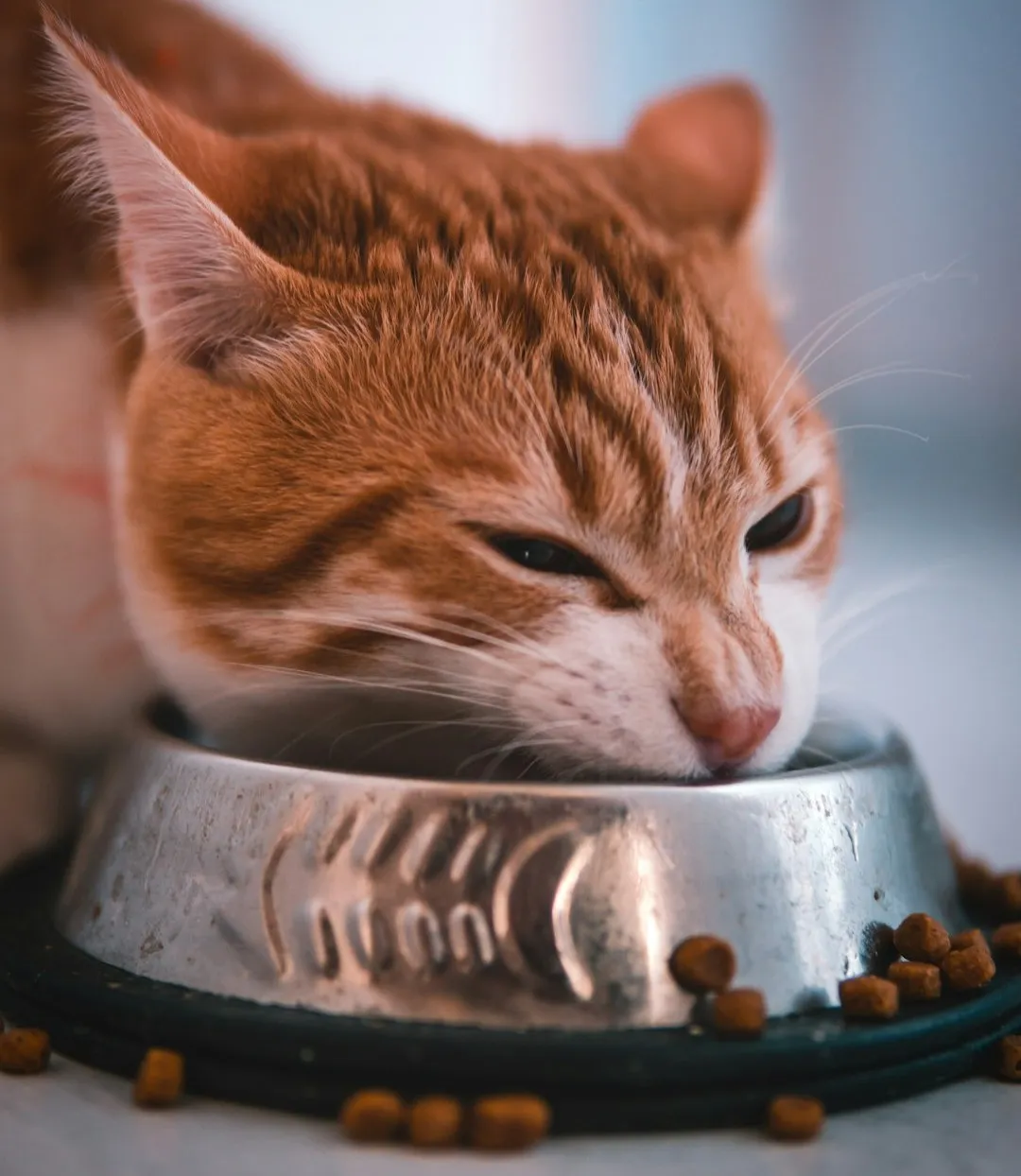
Owners often laugh off a cat that seems to “inhale” its food, but this behavior can actually be a coping mechanism for jaw pain. One of the earliest signs of multiple resorptive lesions is a cat that starts swallowing food without chewing, or suddenly develops a strong new preference for soft food.
It’s a subtle shift that’s easy to miss, because the cat is still eating – just differently. Most owners assume a cat swallowing food whole is simply greedy, when it may actually be avoiding contact between food and a painful tooth. Veterinary sources note that appetite usually stays intact until resorption becomes severe, which is exactly why that switch to soft food is such an important early warning sign. The next jaw-related surprise involves a joint most owners have never even heard of, detailed in #10.
#10 – The TMJ Click: A Joint Problem Disguised as Attitude
🔥 Would you like to save this?
We'll email this post to you, so you can come back to it later!
Cats have a genuinely unique vulnerability in their jaw joint that most owners never learn about. The temporomandibular joint is formed by the elongated condylar process of the mandible fitting into the mandibular fossa of the skull.
Cats actually have a higher rate of TMJ luxation than dogs, thanks to decreased movement at the jaw’s midline joint and a comparatively short jaw length. When this joint is affected, signs can include pain while chewing, reluctance to bite down, an audible click with jaw movement, pain when the face is touched, and a noticeably reduced range of motion. A cat that suddenly avoids hard treats or resists having its face touched may be dealing with a genuine joint issue, not stubbornness. This structural fragility becomes even more relevant once you factor in what happens to the muscles surrounding that joint, which is the focus of #11.
The signs of oral pain in cats are often subtle, and owners – even experienced ones – can easily miss them until the disease has progressed.
American Association of Feline Practitioners, Dental Care Guidelines
#11 – Jaw Muscle Disease: When “Stubborn” Is Actually Muscular
🔥 Would you like to save this?
We'll email this post to you, so you can come back to it later!
This condition is rare, but it completely upends the idea that food refusal is always about preference. Abnormal jaw movement is a defining problem in cats with focal inflammatory myopathy, because it limits how wide the cat can even open its mouth to take food in.
If the disease turns chronic, the muscle bulk of the jaw and face can shrink considerably, and in advanced cases a feeding tube may be needed just to keep the cat nourished on a liquid or gruel diet. A cat that seems to “refuse” to open its mouth wide for food may be physically incapable of doing so, not choosing to be difficult. It’s an extreme example, but it captures a pattern that runs through nearly every entry on this list: what looks like personality is frequently physiology. That same physiology shapes bite alignment too, which #12 explores.
#12 – Malocclusion: The Bite Misalignment Owners Never Notice
🔥 Would you like to save this?
We'll email this post to you, so you can come back to it later!
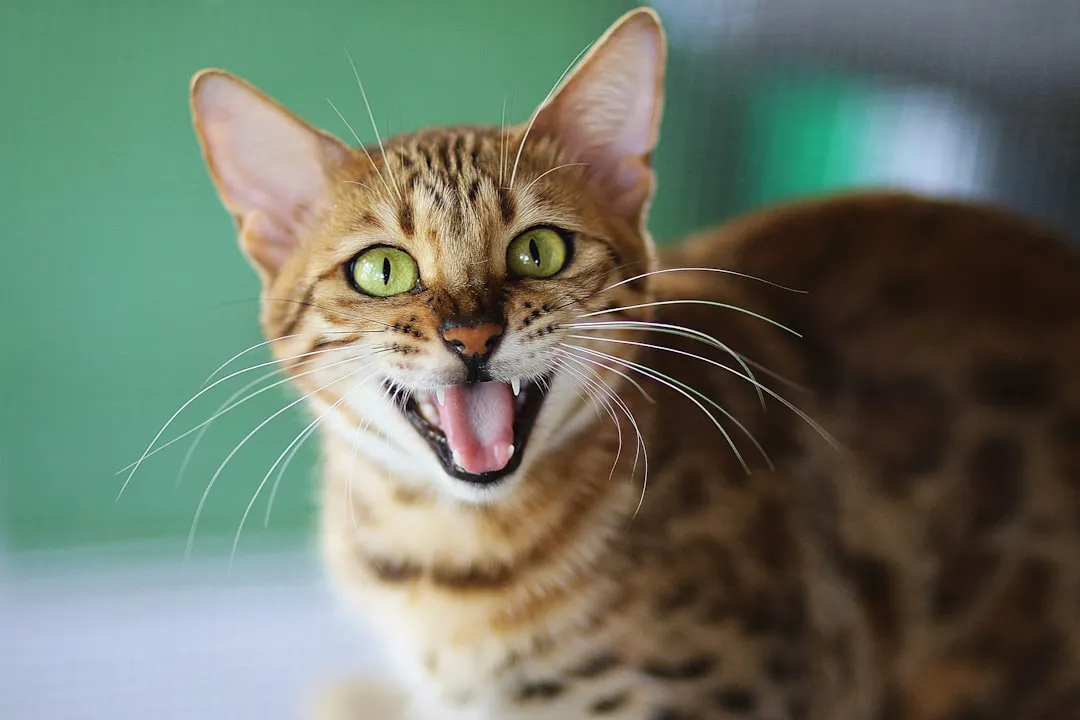
A crooked bite doesn’t just affect looks – it can quietly interfere with everyday eating in ways owners rarely connect to the jaw. Malocclusion is usually the result of a birth defect or trauma to the lower jaw, where a broken bone heals misaligned without proper treatment, producing an overbite or underbite.
In severe cases, malocclusion can leave a cat unable to fully close its mouth. A cat with an underlying bite problem may consistently drop food, favor mushy textures, or avoid biting down hard – patterns owners routinely chalk up to attitude. Few owners ever think to check bite alignment when a cat “suddenly” becomes harder to feed, yet it’s a well-documented structural cause. This finally sets up the single most misunderstood jaw-related behavior of all, saved for #13.
Worth Knowing
- TMJ luxation is more common in cats than dogs due to a shorter jaw and limited midline movement
- Malocclusion can stem from birth defects or an untreated jaw fracture
- Focal inflammatory myopathy can shrink jaw muscle mass over time
- Every one of these conditions can look identical to “picky eating” from the outside
#13 – Texture Rejection: The Jaw’s Final, Loudest Warning Sign
🔥 Would you like to save this?
We'll email this post to you, so you can come back to it later!
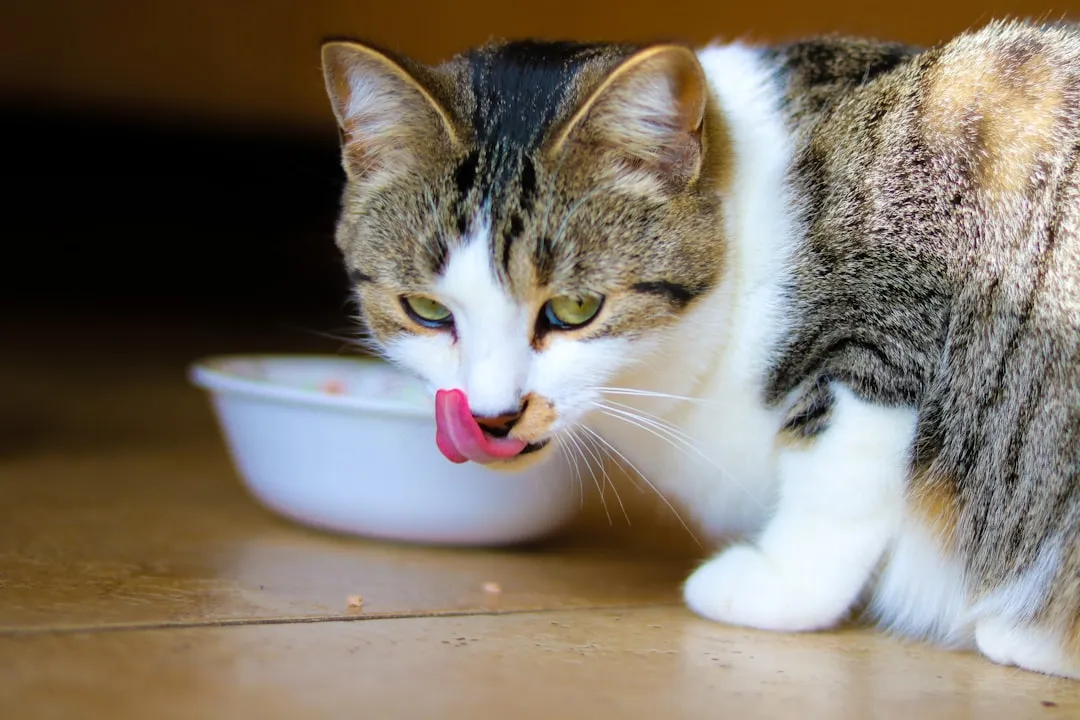
This is the behavior almost every owner has experienced, and almost every owner has misread. Some cats prefer smooth pâtés, others favor chunky bits or gravies, and that preference is rarely random – texture is one of the biggest drivers of pickiness in the species.
A cat raised on kibble might reject wet food at first simply because the texture feels foreign in a mouth that only knows how to shear, not mash. Combine that with a jaw that can’t grind sideways, teeth built purely for slicing, and a startlingly high rate of hidden dental disease, and texture rejection stops looking like vanity entirely. The single loudest “fussy” behavior in cats – refusing a texture – is very often the jaw’s last and clearest warning sign. Once you connect every jaw quirk on this list, “picky eater” starts to look like the wrong diagnosis almost every time.
The Bottom Line
🔥 Would you like to save this?
We'll email this post to you, so you can come back to it later!
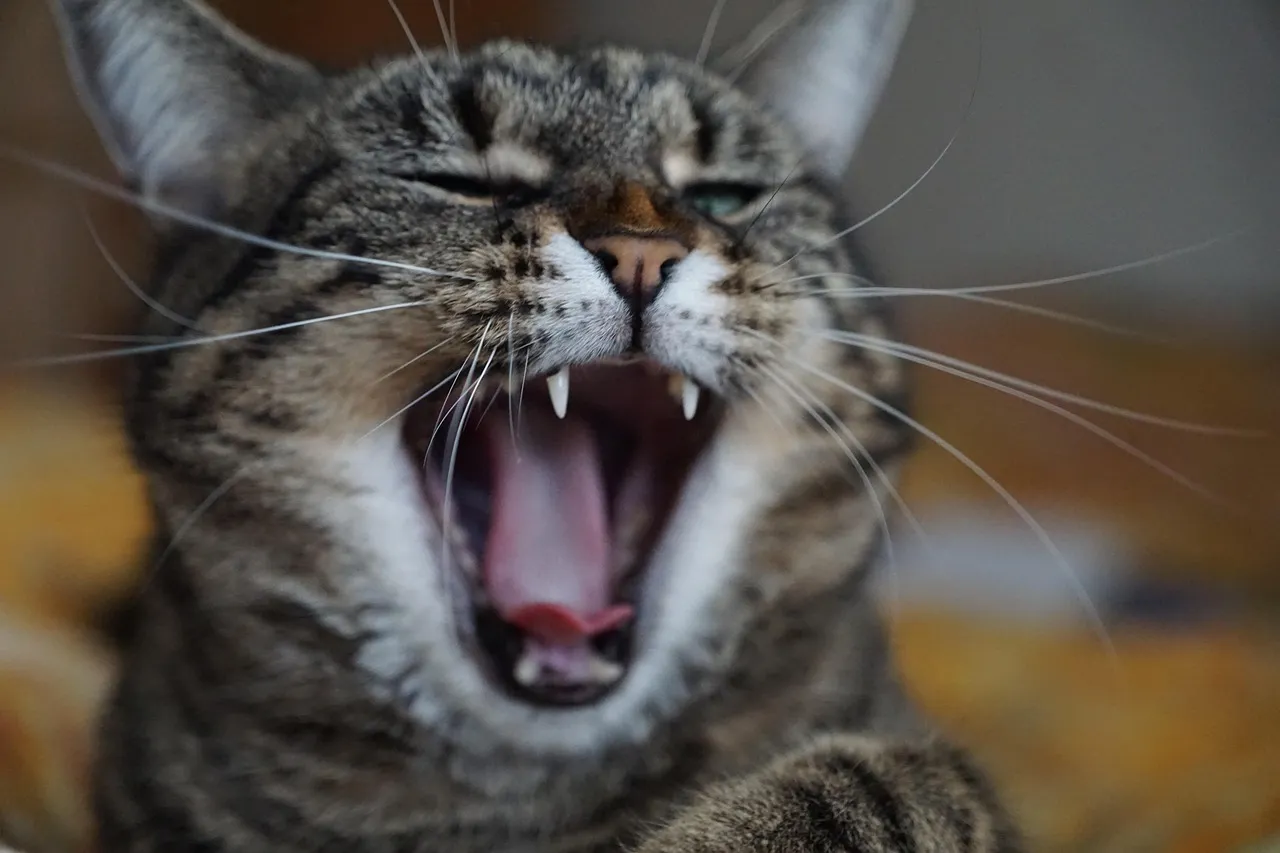
A cat’s jaw was never built to behave like ours – it shears instead of grinds, hinges instead of rotates, and hides pain instead of announcing it. What owners call fussiness is frequently a scissor-shaped jaw doing exactly what evolution designed it to do, or a warning sign of tooth resorption, TMJ trouble, or muscle disease going unnoticed.
With up to two-thirds of cats affected by dental resorption at some point, “picky” may be one of the most misdiagnosed behaviors in pet ownership. The uncomfortable truth is that most “attitude” is anatomy, and most “spoiled” cats are simply in pain nobody caught yet. Maybe the real question isn’t why your cat is being picky – it’s what her jaw has been trying to tell you all along.

- 23 Warm Corners an Elderly Cat Keeps Returning To All Winter - October 29, 2026
- 16 Behaviours Showing a Cat Considers a House Permanent Now - October 29, 2026
- 15 Wildlife Programmes a Lifetime Pass Holder Over 62 Can Join Free - October 29, 2026