

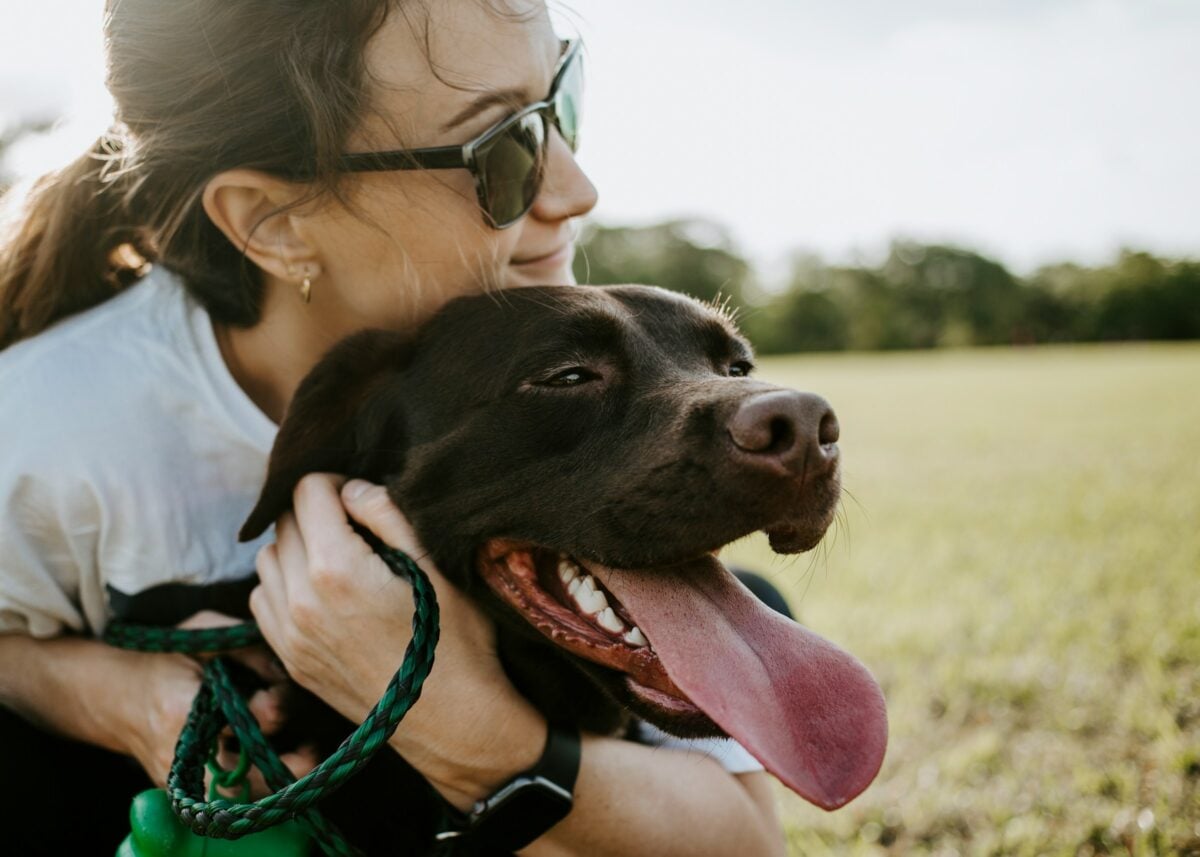
Somewhere between 29% and 50% of dogs quietly panic every single time you reach for your car keys – and most owners never clock it. They see a dog lying by the door and think “clingy” or “dramatic.” What’s actually happening is closer to a covert surveillance operation, one built on scent, sound, posture, and routine, running silently in the background of your dog’s brain for minutes before you even decide to leave.
Veterinary behaviorists have spent years mapping exactly how this plays out, step by step, cue by cue. Some of it is sweet. Some of it is heartbreaking. And a few of the findings genuinely contradict what most dog owners have believed for decades. Here’s what actually happens inside your dog’s head in the moments before you walk out the door.
#1 – They Start “Shadowing” You From Room to Room

🔥 Would you like to save this?
We'll email this post to you, so you can come back to it later!
Long before you touch the doorknob, your dog quietly becomes your personal security detail, tracking your every move through the house.
This isn’t random neediness. Behaviorists call it “shadowing” – following the owner from room to room, sometimes whining or pacing along the way – and it’s one of the most reliable early warning signs trainers watch for when assessing a dog’s stress response. It’s not a glitch in your dog’s personality. It’s a prediction model, quietly built from years of watching what happens right before you disappear.
Here’s the nuance most people miss: shadowing alone doesn’t mean your dog is anxious. Some dogs simply enjoy being near their person and would follow you around on a lazy Sunday with zero stakes involved. Experts are clear that following only becomes a red flag when it’s paired with other stress signals. Still, if your dog is suddenly glued to your ankles the moment you start moving with purpose through the house, they’ve likely already clocked that something is about to change.
Fast Facts
- Shadowing means following the owner room to room, often paired with whining or pacing
- It’s one of the earliest stress cues trainers check for during behavior evaluations
- Not automatically a warning sign – some dogs simply enjoy staying close
- Becomes concerning only when combined with other stress signals, like panting or restlessness
#2 – They Read Your Body Language Like a Book
🔥 Would you like to save this?
We'll email this post to you, so you can come back to it later!
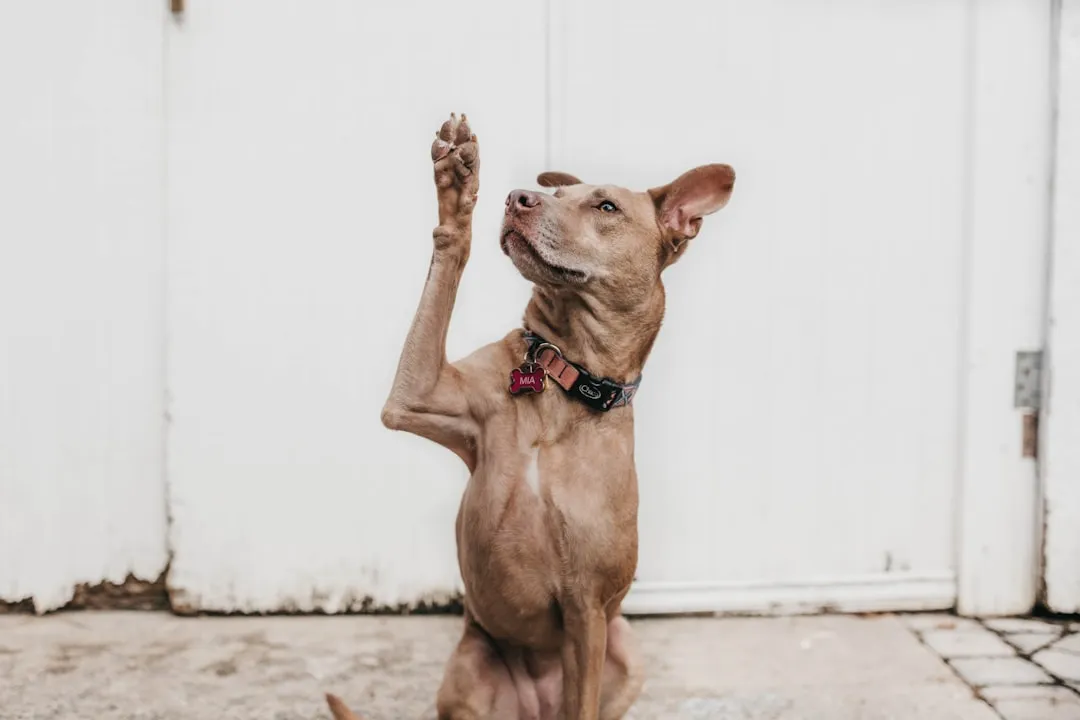
Your dog doesn’t need you to say a word. The way you walk alone gives you away.
Humans assume communication is mostly verbal. Dogs operate on an entirely different channel – kinesics, the study of body movement – and they’re remarkably tuned in to subtle shifts in your posture, your gait, and your facial expressions. That means your dog is constantly scanning you for micro-signals long before you’ve consciously decided anything.
The most surprising part is that researchers believe dogs may recognize a specific facial expression tied to departure. When someone is about to leave, they tend to move with more purpose and avoid prolonged eye contact – a kind of unconscious “departure face” that dogs learn to associate with imminent separation. Some breeds are simply sharper at catching this than others, since certain dogs are naturally hyper-vigilant to human cues. If your dog seems to “know” before you’ve even said goodbye, that’s not a coincidence. That’s biology doing its job.
#3 – Their Nose Detects Your Stress Hormones Before You Admit Them
🔥 Would you like to save this?
We'll email this post to you, so you can come back to it later!
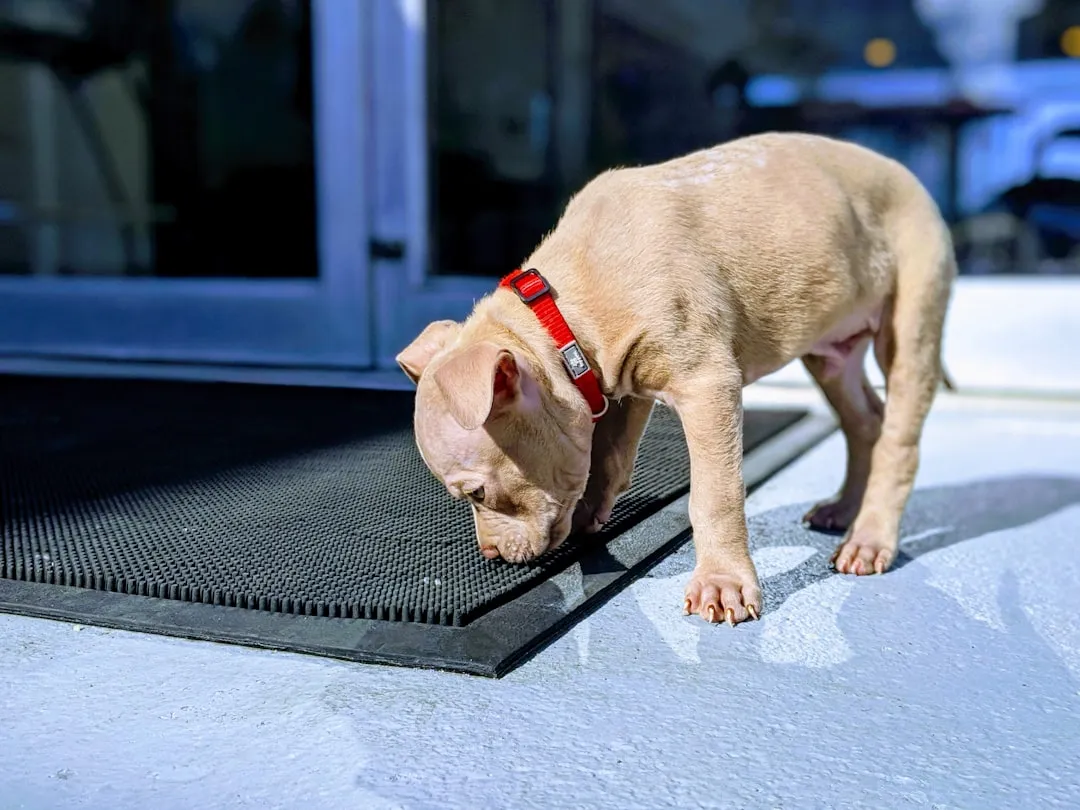
Here’s the part that sounds like science fiction but isn’t: your dog may be smelling your anxiety before you’ve even admitted it to yourself.
A dog’s sense of smell isn’t just “better” than ours – it operates on a completely different scale, estimated at 10,000 to 100,000 times more acute than human smell. That level of sensitivity opens the door to something remarkable. Researchers believe dogs can detect minute chemical shifts in human sweat caused by the anticipation of leaving, including small spikes in cortisol and adrenaline.
In other words, if you feel even a flicker of guilt or rush about walking out the door, your dog’s nose may be registering it as an actual chemical signal – not a feeling they’re imagining, but something they’re physically detecting. Layer that onto the fact that dogs are deeply empathetic social animals, and the picture gets even clearer: when an owner feels rushed, anxious, or guilty about leaving, the dog often absorbs that emotional residue as if it were their own.
Worth Knowing
- Canine smell is estimated at 10,000 to 100,000 times more acute than human smell
- Dogs may detect tiny chemical shifts in sweat tied to cortisol and adrenaline spikes
- A rushed or guilty feeling in you can register as an actual scent signal to your dog
- Dogs are highly empathetic and often absorb an owner’s stress as if it were their own
#4 – They’ve Memorized Your Exit Routine Down to the Object
🔥 Would you like to save this?
We'll email this post to you, so you can come back to it later!
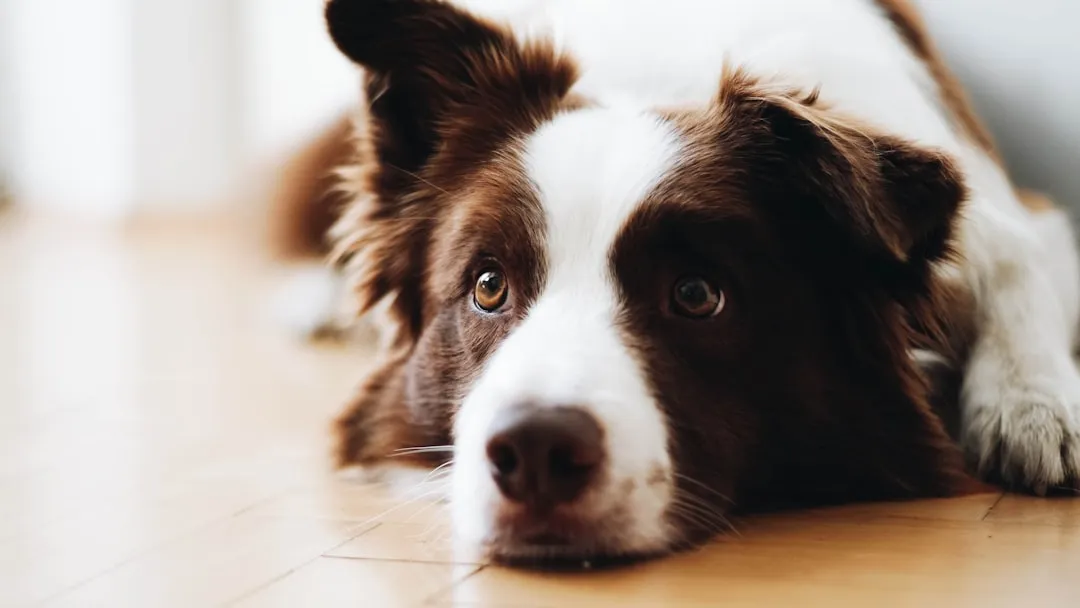
Keys. Shoes. A specific jacket. To your dog, these aren’t random items – they’re a countdown clock.
Dogs are pattern-recognition machines, and departure routines are some of the easiest patterns to crack. A dog might start pacing, panting, and whining the moment they notice their person applying makeup, lacing up shoes, or grabbing a bag and car keys. This isn’t a lucky guess. It’s a learned association, reinforced over dozens or hundreds of identical repetitions until the sequence itself becomes the warning.
Here’s the uncomfortable part most owners don’t want to hear: you trained this anxiety yourself, without ever meaning to. Every single time the same chain of actions precedes you walking out the door, the association gets stronger – to the point where simply putting on work clothes can trigger genuine anxiety in a dog who has learned exactly what that outfit means. Some trainers now recommend deliberately breaking the pattern – picking up your keys, putting on your shoes, and then just… sitting back down – specifically to weaken the conditioned response.
#5 – They Start Vocalizing Before You’ve Even Touched the Door
🔥 Would you like to save this?
We'll email this post to you, so you can come back to it later!
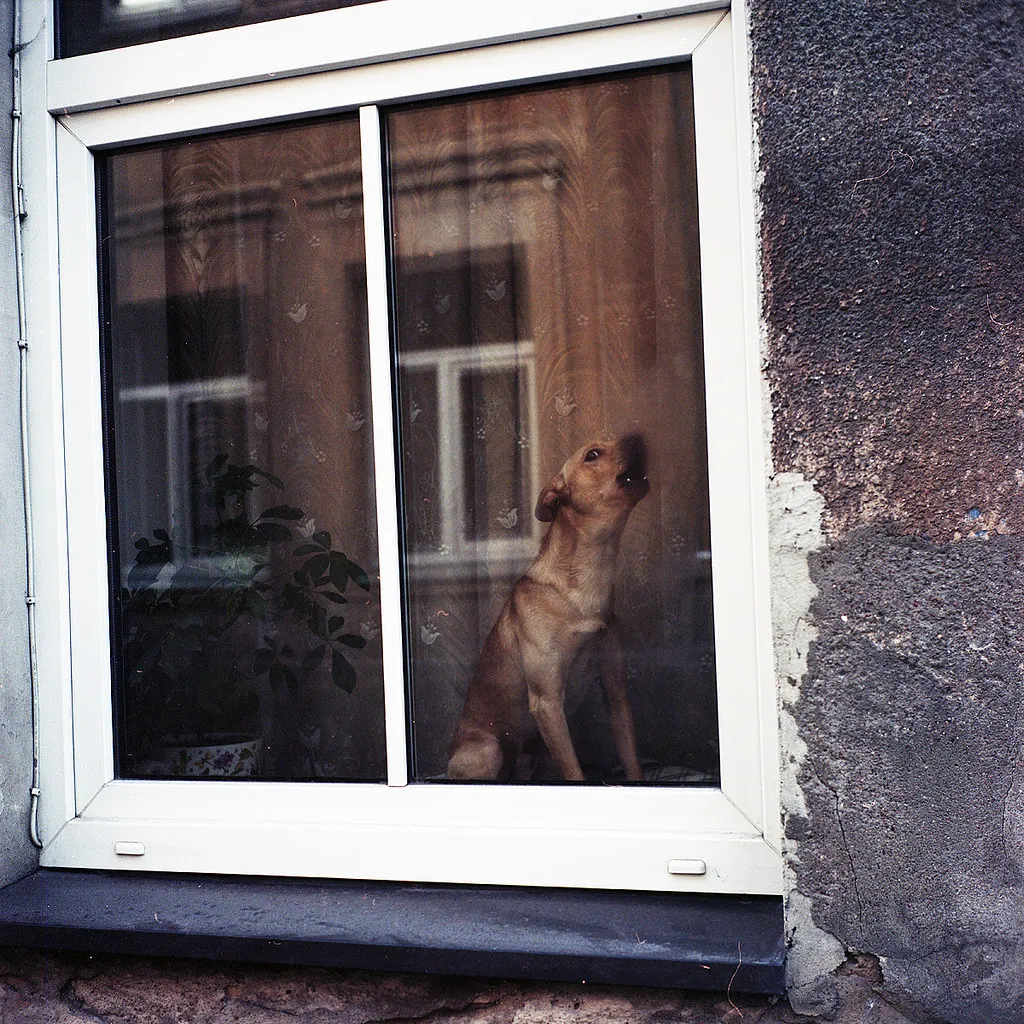
Whining isn’t your dog being annoying. It’s often the audible version of a panic response building in real time.
Vocalization is one of the most commonly reported pre-departure behaviors, and it tends to escalate the closer you actually get to leaving. Panting, pacing, drooling, or whining while you grab a coat or keys are all classic signs of a dog who already knows what’s coming – and this isn’t limited to puppies. Adult dogs show the exact same pattern, and vocalization is recognized as a core component of separation-related distress alongside pacing, restlessness, hypervigilance, and even destructive behavior.
Most owners assume whining means the dog simply wants attention. Often it means the opposite: the dog is already bracing for isolation. The pitch and frequency of the whine can shift depending on how close the trigger cues are to completion, which is why some dogs stay quiet during the coat-and-shoes phase but suddenly escalate the second a hand touches the doorknob.
#6 – They Pace Compulsively, Even in a Small Space
🔥 Would you like to save this?
We'll email this post to you, so you can come back to it later!
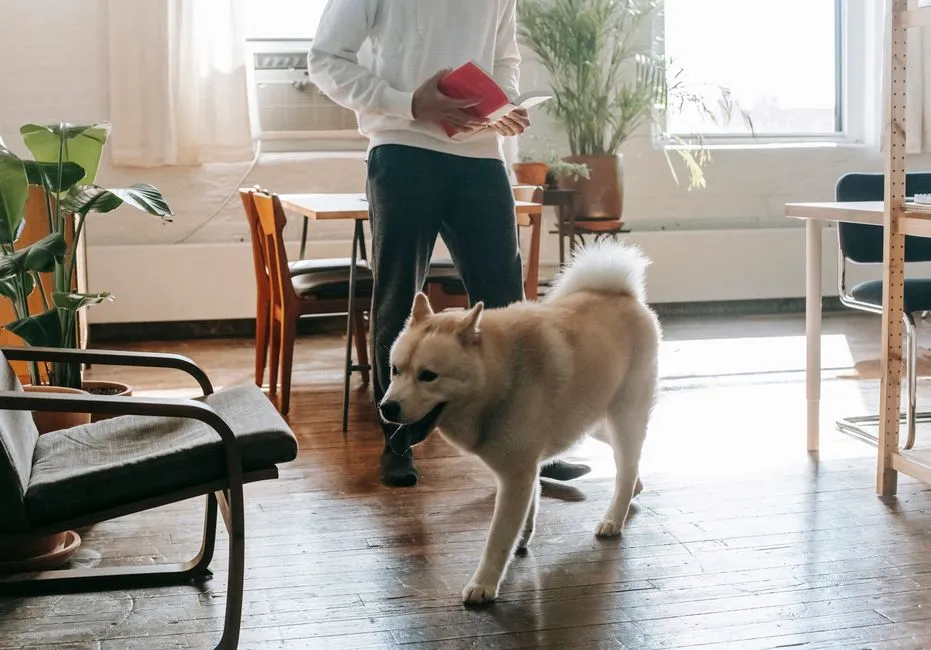
Restless circling isn’t a quirky habit. It’s a physical symptom of rising cortisol with nowhere to go.
Pacing shows up in nearly every clinical description of separation-related distress, and it’s one of the easiest signs for owners to spot because it’s so visually obvious – back and forth along a hallway, tight loops near the door, circling the same patch of carpet. Unlike whining, which comes and goes, pacing tends to be continuous and almost mechanical once it starts.
Here’s the twist: pacing frequently intensifies at night in senior dogs, not just during actual departures. Older dogs often pace and pant after dark, seem restless and unwilling to settle, and can even appear disoriented. That overlap matters, because it means pacing isn’t always a departure-specific signal – sometimes it’s a broader symptom of anxiety or cognitive decline that simply gets triggered by the added stress of an owner leaving.
Quick Compare
- Departure pacing: Triggered by cues like keys or shoes, tends to ease once the dog settles alone
- Senior nighttime pacing: Often unrelated to departures, tied to restlessness and possible cognitive decline
- Shared trait: Both stem from rising stress hormones with no physical outlet
#7 – They Show Subtle Stress Signals Most Owners Completely Miss
🔥 Would you like to save this?
We'll email this post to you, so you can come back to it later!
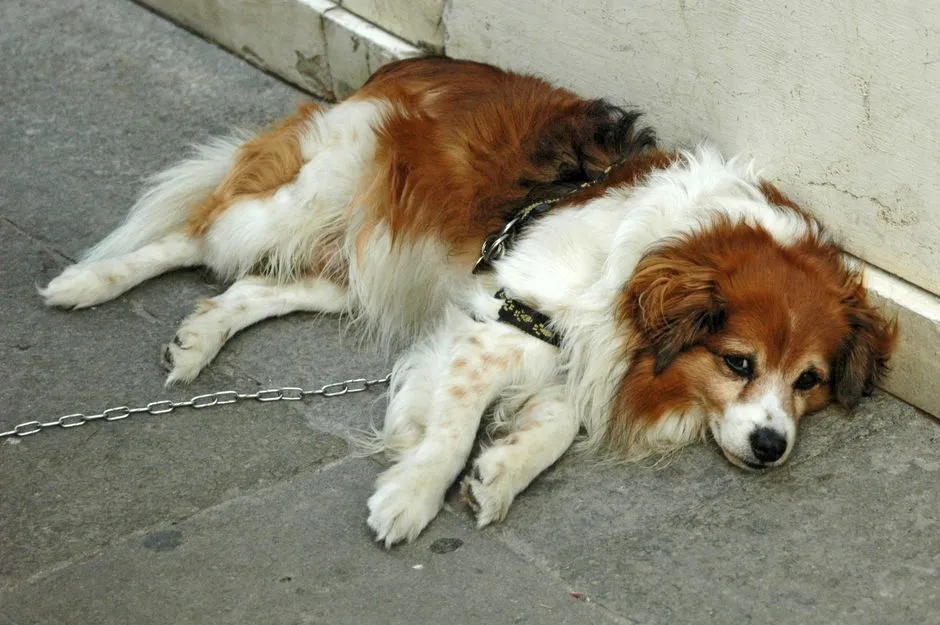
The scariest part isn’t the dogs who panic obviously. It’s the ones whose distress goes almost entirely unnoticed.
While barking and pacing are impossible to ignore, a huge portion of pre-departure stress hides in body language most people never learn to read. Lip licking, yawning, and wide, round eyes are genuine stress signals – but owners tuned only to obvious behaviors like barking routinely miss them completely.
Veterinary sources list an even longer set of overlooked cues: dilated pupils, panting, salivating, trembling, and even an unusually exuberant greeting later on. Your dog may be silently distressed every single time you leave, and you’d never know unless you specifically looked for it. That’s exactly why some behaviorists now recommend filming a dog’s pre-departure routine – the footage often reveals stress signals owners swore weren’t there.
#8 – They Stake Out the Exit Like a Checkpoint

🔥 Would you like to save this?
We'll email this post to you, so you can come back to it later!
Some dogs don’t just watch you leave. They physically post up at the exit like it’s a checkpoint they refuse to abandon.
This behavior sits at the more intense end of the spectrum, and it’s closely tied to dogs who’ve formed a hyper-attachment to one specific person rather than the household as a whole. For these dogs, camping near the door isn’t curiosity – it’s a last-ditch effort to stay close to their one designated safe person for as long as physically possible.
Controversially, many trainers argue this pattern is often accidentally reinforced by the owners themselves. Dogs raised with constant physical closeness to a single caregiver are statistically more prone to this kind of over-attachment, and it’s a recognized risk factor for separation-related distress. In severe cases, this exit-focused positioning escalates into destructive behavior once the person is actually gone – scratching at doors, chewing window frames, digging at thresholds – but the groundwork for it is almost always visible in the minutes before departure, if you know to look.
#9 – They Suddenly Can’t Stop Touching You
🔥 Would you like to save this?
We'll email this post to you, so you can come back to it later!
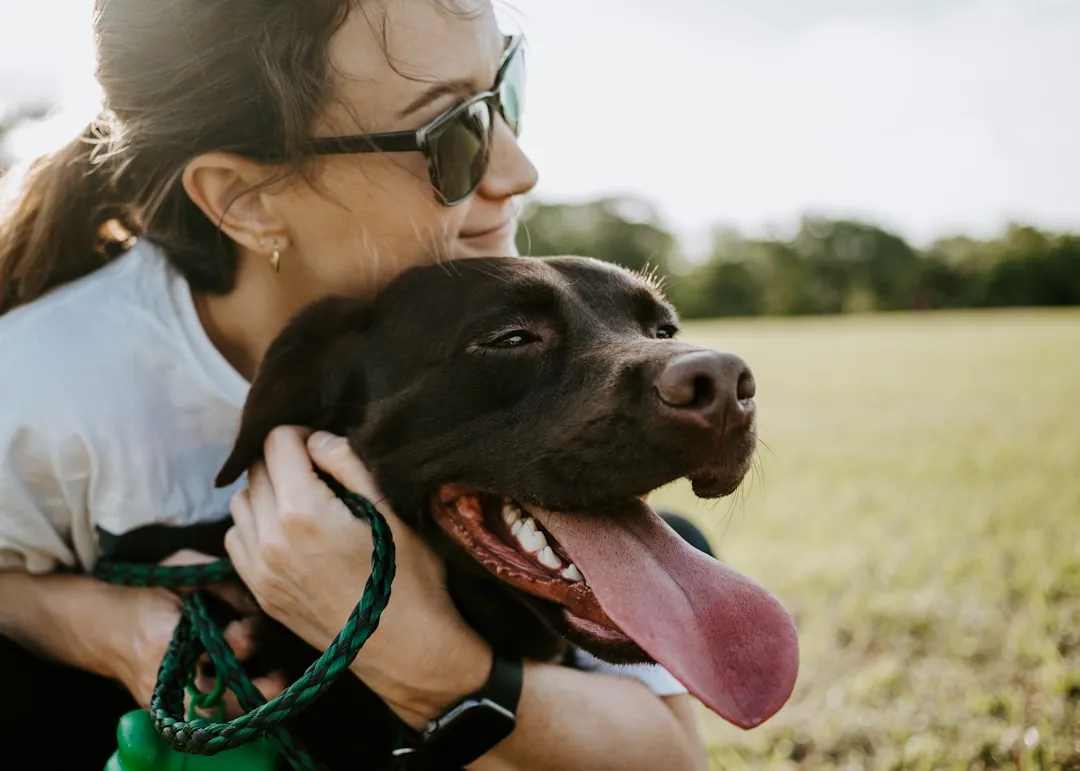
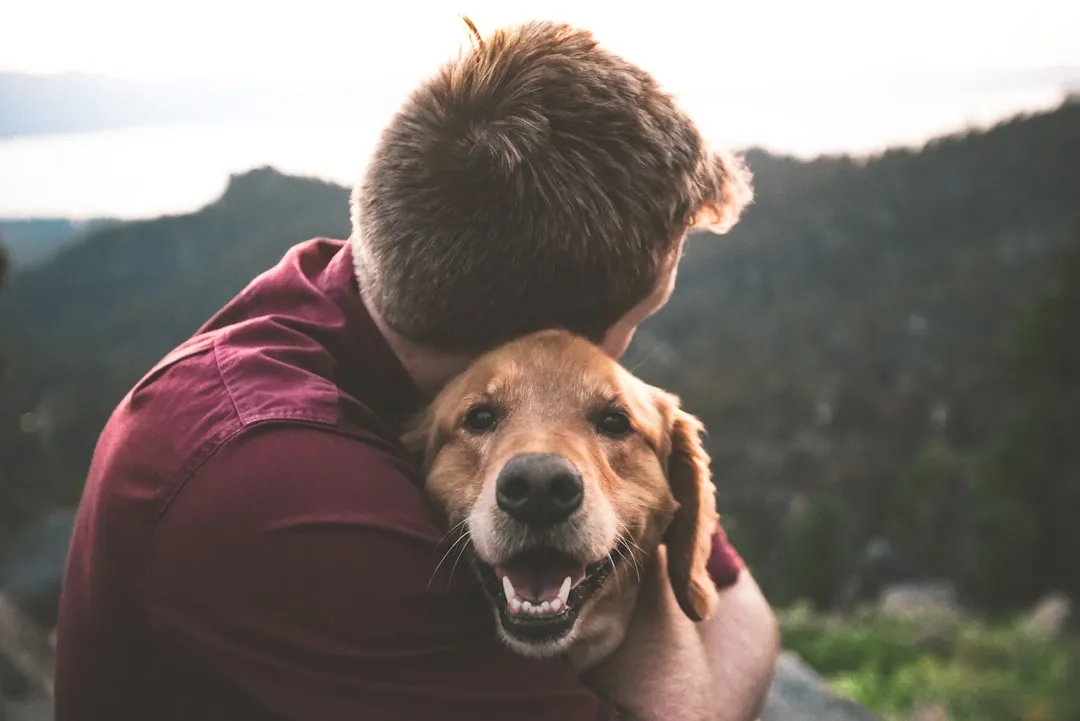
Leaning, pawing, nudging – right before you leave, your dog may suddenly need to be physically touching you at all times.
This heightened need for contact is a direct extension of everything else building throughout the pre-departure sequence. It’s not manipulation and it’s not guilt-tripping – it’s a genuine attempt to squeeze in physical closeness before an anticipated absence. Dogs already showing shadowing, pacing, and whining frequently escalate into direct contact-seeking the moment the final cues appear, like a hand on the doorknob or keys jingling.
Here’s a correction worth sitting with: the classic “guilty look” your dog gives you isn’t guilt at all. It’s not your dog “knowing what they did” when you come home to a chewed-up cushion. That flattened posture and averted gaze is a stress response to your body language, not remorse. The same misreading happens on the way out the door – owners often interpret clinginess as manipulation when it’s actually a legitimate physiological stress response, and punishing it can quietly make the underlying anxiety worse.
At a Glance
- Leaning, pawing, and nudging often spike right as final departure cues finish – keys jingling, hand on the doorknob
- This isn’t guilt or manipulation – it’s a genuine bid for closeness before an anticipated absence
- The classic “guilty look” after you return is a stress response to your body language, not remorse
- Punishing clingy behavior can quietly worsen the underlying anxiety
#10 – Their Body Physically Prepares for a Threat That Isn’t There
🔥 Would you like to save this?
We'll email this post to you, so you can come back to it later!
The final and most telling sign isn’t behavioral at all. It’s physiological, and it happens whether or not your dog ever makes a sound.
By the time you’re actually walking toward the door, many dogs have already entered a measurable stress state. Trembling, panting, lip-licking, and yawning can all signal a dog who is genuinely anxious – and this is a real, involuntary physiological response, not a choice and not drama. That internal state is exactly what produces the pacing, drooling, or barking that follows.
The most surprising fact of all: this reaction can begin within minutes of the very first departure cue, long before you’ve actually left the house. For dogs with genuine separation anxiety, this isn’t a mild inconvenience – it’s a legitimate panic response triggered by separation from their primary attachment figure, which is usually you. That distinction, panic versus preference, is exactly why so many trainers now push back on the old idea that dogs who react this way are simply “spoiled” or poorly trained.
The Bottom Line
🔥 Would you like to save this?
We'll email this post to you, so you can come back to it later!
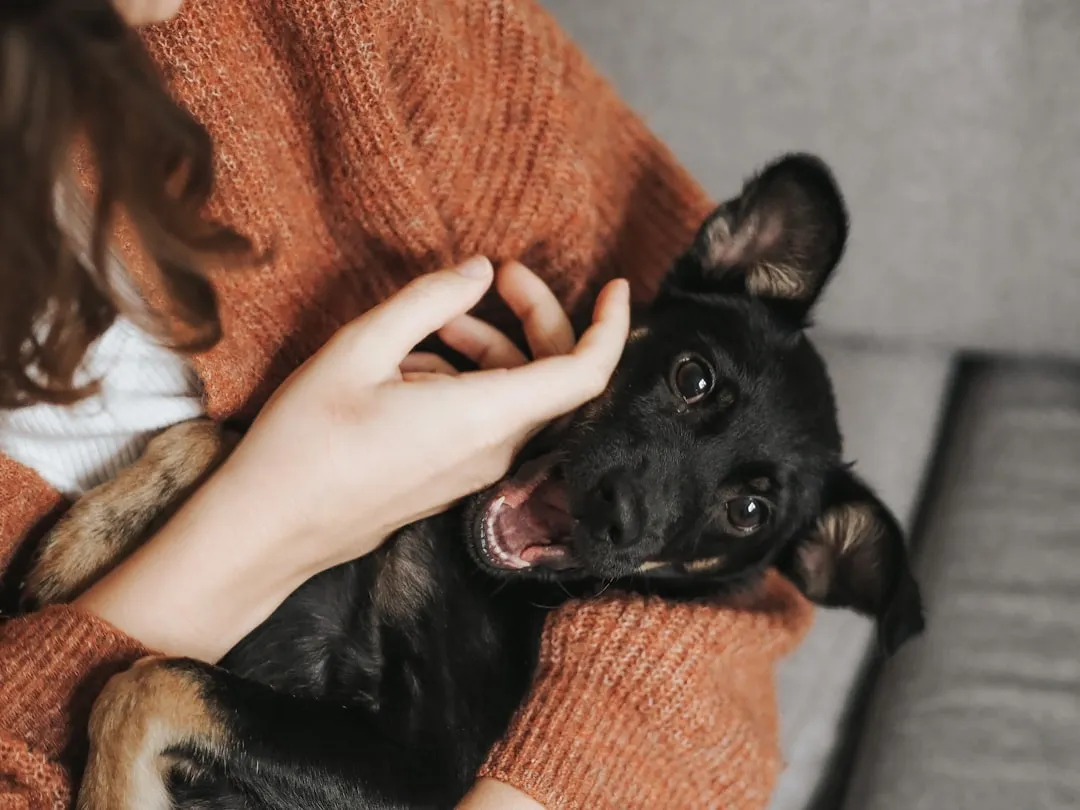
Your dog isn’t being dramatic when you grab your keys. It’s running a full-sensory prediction model built on scent, sound, and body language – and for a startling number of dogs, that prediction ends in genuine panic, not mild annoyance.
The biggest myth this whole picture destroys is the guilty look itself. It was never manipulation. It was never guilt. It’s a stress response dressed up as something we found easier to believe. With roughly a third to half of dogs showing some form of separation-related distress, this isn’t a fringe quirk reserved for “anxious” breeds – it’s closer to the norm than most owners will ever admit. Next time you catch your dog watching you tie your shoes, know that they’re not being needy. They’re bracing for something they’ve learned to fear, one countdown at a time. What’s your dog’s tell-tale sign that you’re about to leave? Drop it in the comments.

- 14 Wildlife Permits Waived for Americans the Year They Turn 62 - November 5, 2026
- Machu Picchu’s Engineering Feats Were Far Ahead of Its Time - November 5, 2026
- 12 Most Beautiful American Cities To See Before You Die - November 4, 2026