

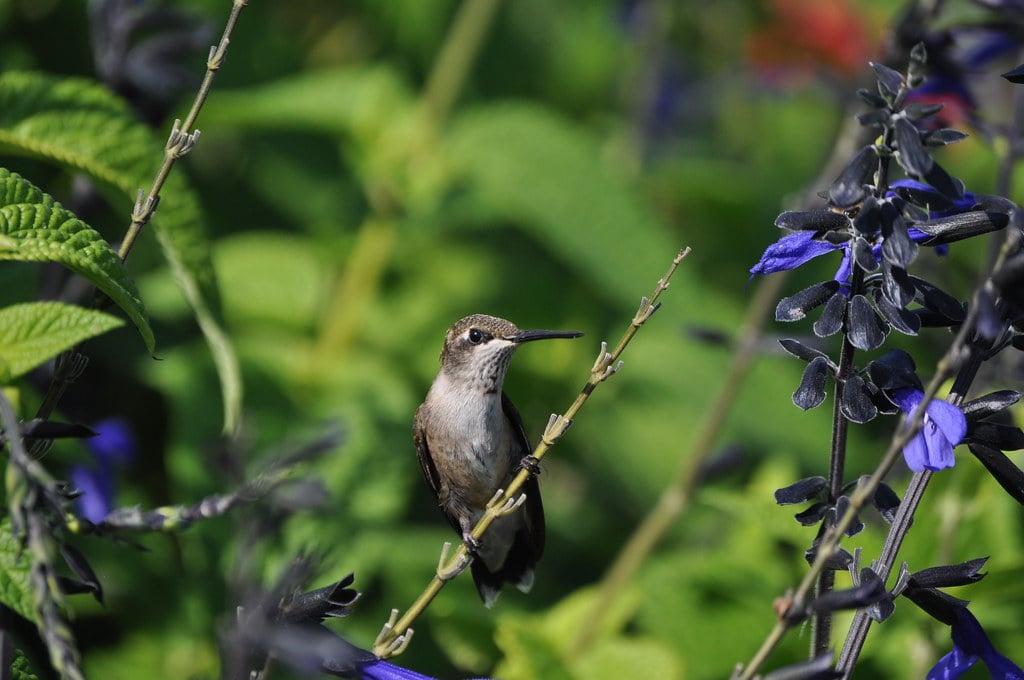
If you have ever watched a hummingbird vanish from your yard and wondered what happened, you are not alone. One week they are buzzing around your feeder like tiny jewel-colored helicopters, and then suddenly… nothing. It can feel strangely personal, like a tiny summer friend just ghosted you without saying goodbye.
Those last days before a hummingbird disappears are not random, and they are almost never about you doing something wrong. Behind the scenes, there is a tight schedule of biology, instinct, and survival decisions playing out. From frantic feeding to subtle changes in behavior, a lot happens just before that final day you see them.
In this article, we are going to slow those days down and look closely at what is really going on. We will talk about feeding frenzies, silent weight gain, territorial temper tantrums, and the quiet moments when a hummingbird’s whole life strategy shifts. By the end, you might never look at that last hummingbird of the season the same way again.
#12 A Sudden Feeding Frenzy That Looks Almost Desperate
🔥 Would you like to save this?
We'll email this post to you, so you can come back to it later!
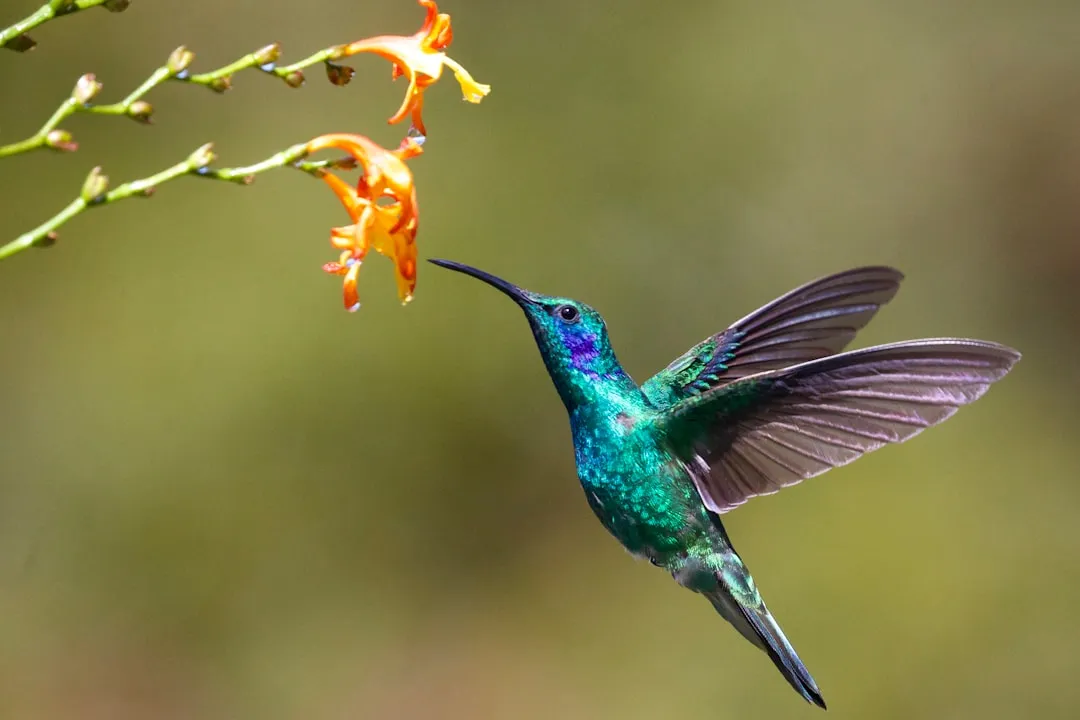
One of the first signs that a hummingbird is nearing the end of its time in your yard is a dramatic spike in how often it visits your feeders or flowers. It is not your imagination: the bird really is showing up more, and it is doing it with a kind of focused intensity that can feel almost frantic. To us it looks like overeating; to the bird, it is a life-or-death refueling stop.
In these days, a hummingbird may visit a feeder every ten to fifteen minutes, circling back again and again as if checking a gas gauge that never seems full enough. You might notice that even late in the evening, when it is usually calmer, it squeezes in just a few more sips before heading to roost. It is like watching a traveler at the airport chug water before boarding a long-haul flight.
This is because hummingbirds live right on the edge of an energy crisis, even on a normal day. When migration or a seasonal shift is approaching, that margin gets thinner. The bird must stack up as many calories as possible, as fast as possible, to build fat reserves that will power flights of sometimes hundreds of miles with few reliable food stops along the way.
- More frequent feeder visits than usual
- Short, efficient feeding sessions with little “playing around”
- Heavy activity even at dawn and dusk, trying to squeeze in extra energy
#11 Quiet Weight Gain You Will Never See, But Everything Depends On
🔥 Would you like to save this?
We'll email this post to you, so you can come back to it later!
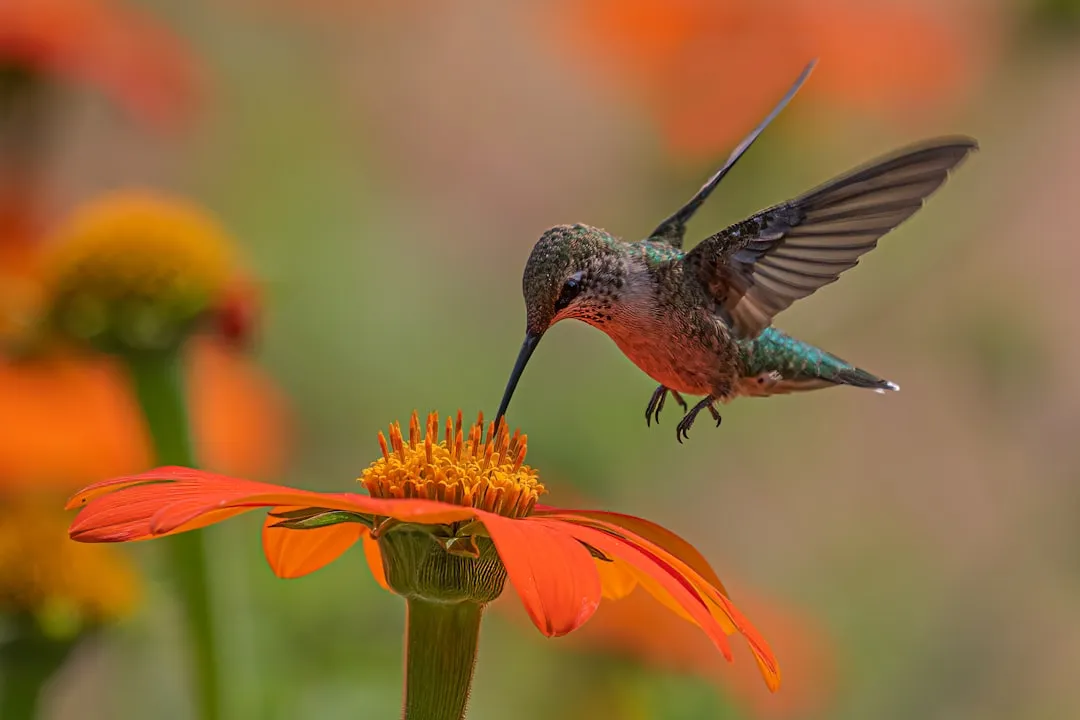
Here is the twist: even while hummingbirds are drinking like tiny addicts at your feeder, they are not trying to stay light and lean. In those final days, their survival depends on doing something that would usually be risky for an animal built for speed: they intentionally get fatter. That sounds almost ridiculous when you think of how small they are, but it is true.
Scientists who have weighed hummingbirds before and during migration periods have found that the birds can increase their body mass very noticeably in a short time. For a bird that is only a few grams to begin with, adding a hefty share of fat is like a human trying to carry a heavy backpack that has to last the entire hike. You will not see it with your eyes, but the scale absolutely will.
That fat is not a cosmetic extra; it is jet fuel. Unlike us, hummingbirds cannot stuff snacks in a bag and eat along the way. Much of their long-distance energy has to come from fat that is already stored under their skin before they take off. Those days of intense feeding are about converting sugar-rich nectar and small insects into stored energy that can be burned slowly over hours of nonstop flight.
To an observer, this period might simply look like “the bird is hungry today.” In reality, it is playing a very exact game: gain enough weight to survive the journey, but not so much that flying becomes clumsy or too costly. It is a balancing act you will never see with your eyes, and yet everything that happens next depends on it.
#10 Territorial Fights That Suddenly Look Meaner and More Serious
🔥 Would you like to save this?
We'll email this post to you, so you can come back to it later!
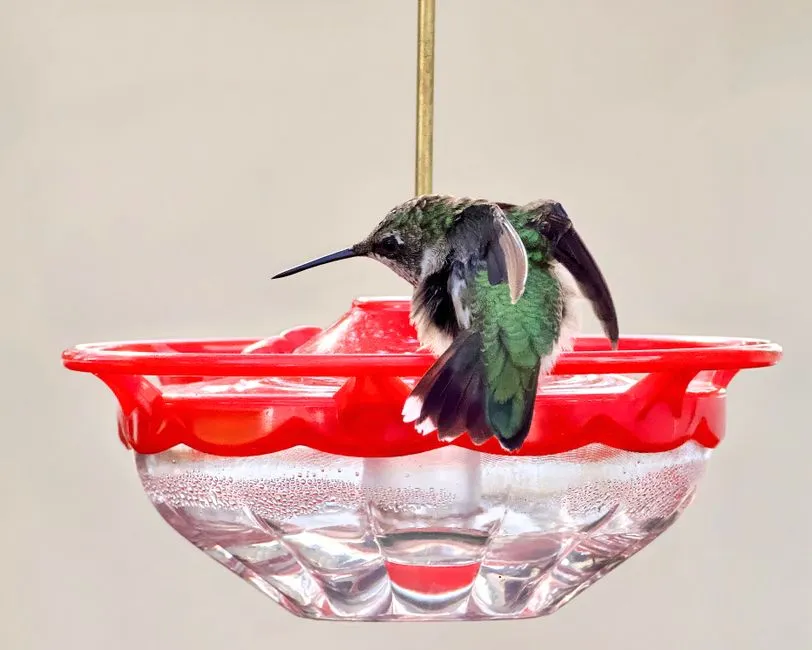
If you pay close attention in those last days, you may notice the tone at your feeder change. Early in the season, hummingbird chases can look almost playful, like aerial dogfights that are more about showing off than causing harm. As the days tick down, though, the stakes rise, and so does the aggression.
In the pre-departure phase, a dominant hummingbird may try harder than ever to control access to the richest nectar source. You may see more intense dive-bombing, sharp squeaks, and longer, more determined chases across your yard or even into nearby trees. Sometimes it seems like they are burning more energy fighting than they are gaining from the nectar they are defending.
This behavior is not random bad temper. In a season’s final stretch, every sip of nectar becomes strategic. Controlling a feeder means controlling a predictable stream of calories right when the bird is trying to bulk up. Territorial defense is just another expression of the same underlying urgency: stock up now or risk not having the reserves to make it through the next chapter, whether that is a migration or a seasonal shift in range.
- More frequent and longer chases around feeders
- One “bully bird” parking itself near the best feeding spot
- Less tolerance of other hummingbirds, even ones that were ignored earlier in the season
#9 Longer Rest Periods Between Bursts of Activity
🔥 Would you like to save this?
We'll email this post to you, so you can come back to it later!
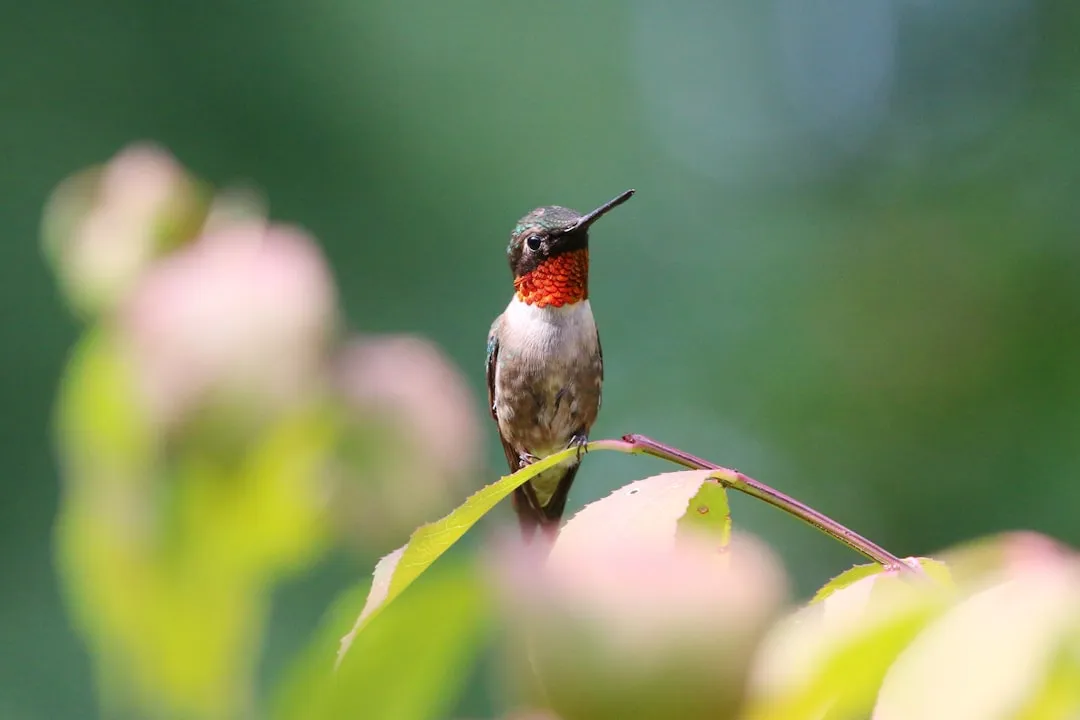
Here is something that often confuses observers: just when the hummingbird seems to be eating more, you may also notice it sitting still for longer than usual. It might perch quietly on a high branch, on a wire, or even on a small twig close to your feeder, looking almost like a tiny ornament. It is easy to think something is wrong, but this is often a calculated move.
Those longer rests are not laziness; they are energy management. A hummingbird’s heart and wings can run at astonishing speeds, but they cannot do that endlessly without breaks. In the days before a major change, the bird is trying to strike an efficient rhythm: fly hard, feed quickly, then pause and let the body handle digestion and fat storage.
If you watch closely, you might notice a pattern: two or three quick feeder visits, a flurry of chasing or hovering, followed by a long quiet spell in a nearby roosting spot. That perch time is when the bird cools slightly, processes the flood of sugars, and avoids unnecessary energy waste. Think of an athlete who alternates between explosive training sets and quiet recovery instead of sprinting nonstop until collapsing.
From a human point of view, this is one of the few moments when you can really sit with the idea that this wild, hyperactive creature is also fragile. Those still minutes on a branch are a reminder that even the fastest hearts need rest, especially when big distances or harsh weather are just days away.
#8 Subtle Shifts in Route, Timing, and “Mood” Around Your Yard
🔥 Would you like to save this?
We'll email this post to you, so you can come back to it later!
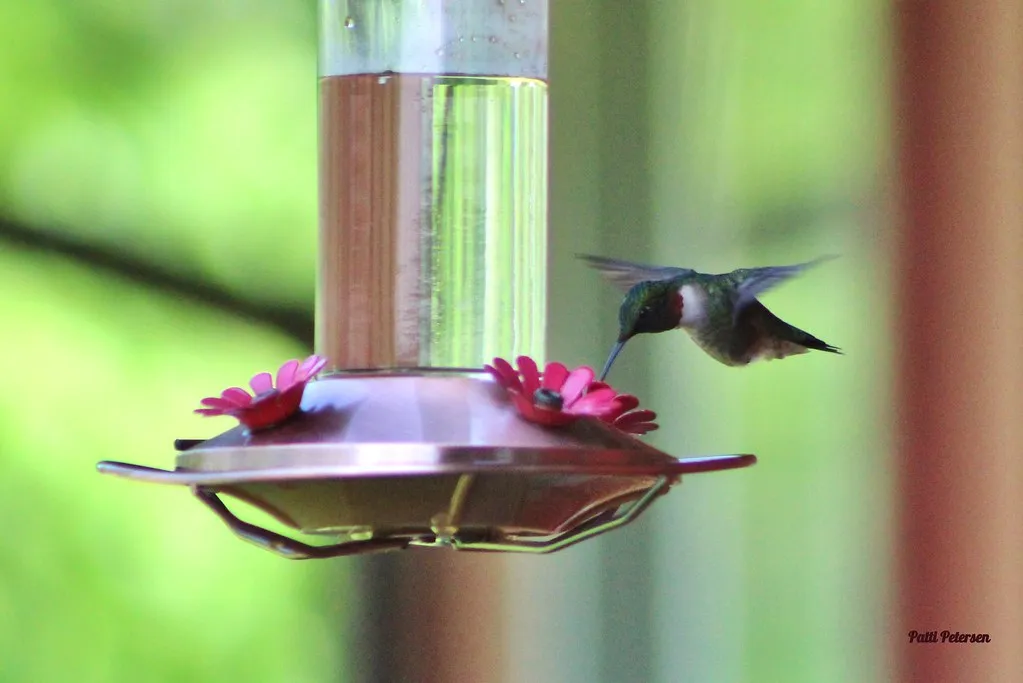
As the end approaches, many hummingbirds start to move through your yard in slightly different patterns. Maybe it stops visiting the flower bed on one side of the house and focuses almost entirely on the main feeder. Maybe it shows up earlier at dawn or keeps visiting later into the evening, stretching the edges of its usual schedule.
These small behavior changes can be hints that the bird is adjusting to a new daily strategy. Instead of meandering through a wide territory sampling different options, it starts to prioritize efficiency. The flight paths may straighten out, the pauses get shorter, and the bird might seem more all business than curious explorer.
In some cases, you might notice the bird spending more time higher in the air or at the tops of trees, especially right before or right after feeding. That can be part scanning for danger, part scouting for travel routes. You could think of it as the hummingbird repeatedly walking to the edge of town, looking down the road it will soon have to take, and then coming back home to get one more meal in.
- More direct flight paths between favorite perches and feeders
- Changes in the time of day visits are most common
- Less “exploring” behavior, more focused feeding and quick exits
#7 A Stronger Pull Toward Insects and Protein, Not Just Nectar
🔥 Would you like to save this?
We'll email this post to you, so you can come back to it later!
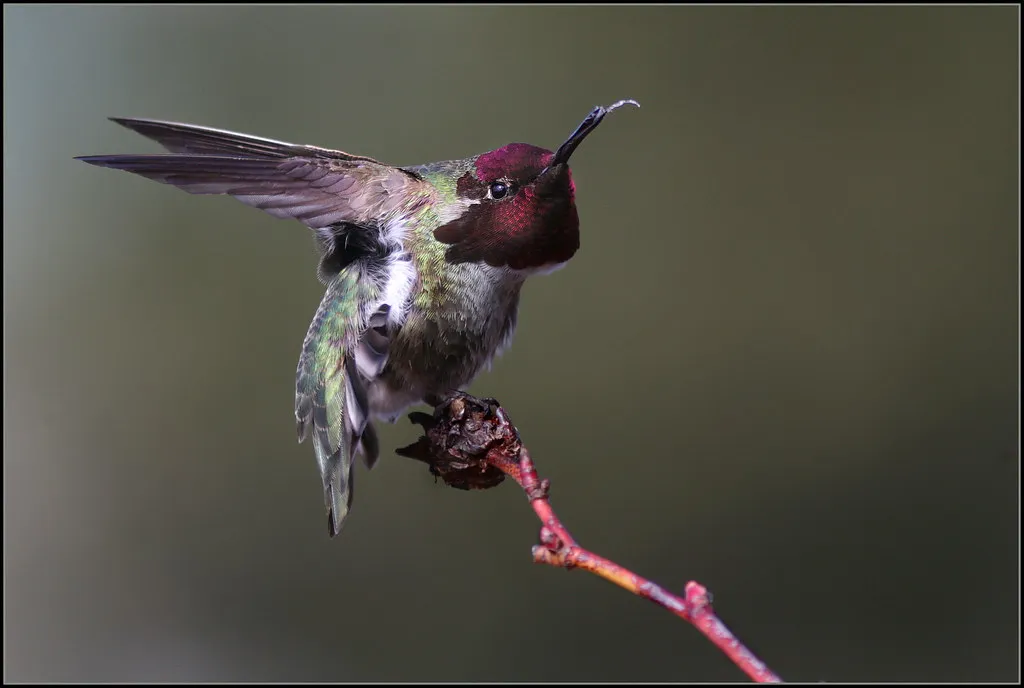
People often associate hummingbirds almost entirely with flower nectar or sugar water, but in the days before they disappear, another part of their diet becomes especially important: tiny insects and spiders. You may not notice this shift unless you happen to see one snatch a bug mid-air or hover near spider webs, but it matters a lot.
While nectar is the hummingbird’s rapid-fire energy drink, insects are more like a compact, balanced meal. They provide proteins, fats, and other nutrients that help maintain muscles and internal organs, which is crucial right before a physically demanding period. In simple terms, nectar keeps the engine running; insects keep the engine from falling apart.
During those pre-departure days, the bird may spend more time near swarms of gnats, hovering around tree canopies, or picking at tiny insects on leaves and bark. You might not spot the behavior unless you really watch for it, but the effect is real. The bird is topping off not just its fuel tank, but also its structural strength, making sure its body is not just energized, but actually ready for long flights or harsh weather.
If you have ever tried to live on sugary snacks alone for a few days, you know the crash is coming. Hummingbirds instinctively avoid that trap by weaving more protein into their last days, even if we mostly see them at the sugar bar we hung up for them.
#6 A Gradual Loosening of Attachment to “Your” Feeder
🔥 Would you like to save this?
We'll email this post to you, so you can come back to it later!
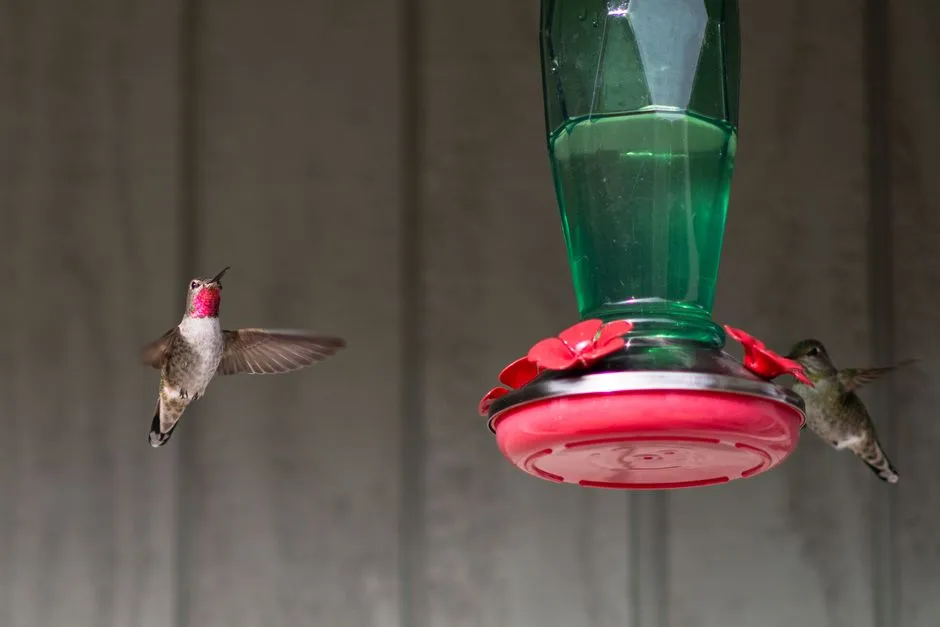
One of the strangest things to watch is how a hummingbird that seemed almost obsessed with your feeder begins, bit by bit, to care less. Maybe it skips a visit you were expecting. Maybe it gives up more easily when another bird chases it away. Over a few days, that constant presence can fade into something more irregular and unpredictable.
This fading attachment is not personal rejection; it is a sign that the bird’s mental map is expanding beyond your yard again. The tight daily loop between roost, feeder, and flower patch is gradually replaced by longer scouting flights that may extend far beyond what you ever see. It is as if the center of its universe shifts from “this exact spot” back to “the wider world.”
In practical terms, the bird may be checking alternative food sources, testing air currents, or sampling other habitats. It can also be a way of reducing risk: being too dependent on one feeder or one tiny region becomes dangerous if that resource suddenly disappears or if predators start to key in on that pattern.
- Visits become less predictable day to day
- Short, almost casual feeding instead of long, intense sessions
- More willingness to abandon a feeder if challenged by another bird
#5 Invisible Internal Changes: Hormones, Navigation, and Instinct
🔥 Would you like to save this?
We'll email this post to you, so you can come back to it later!
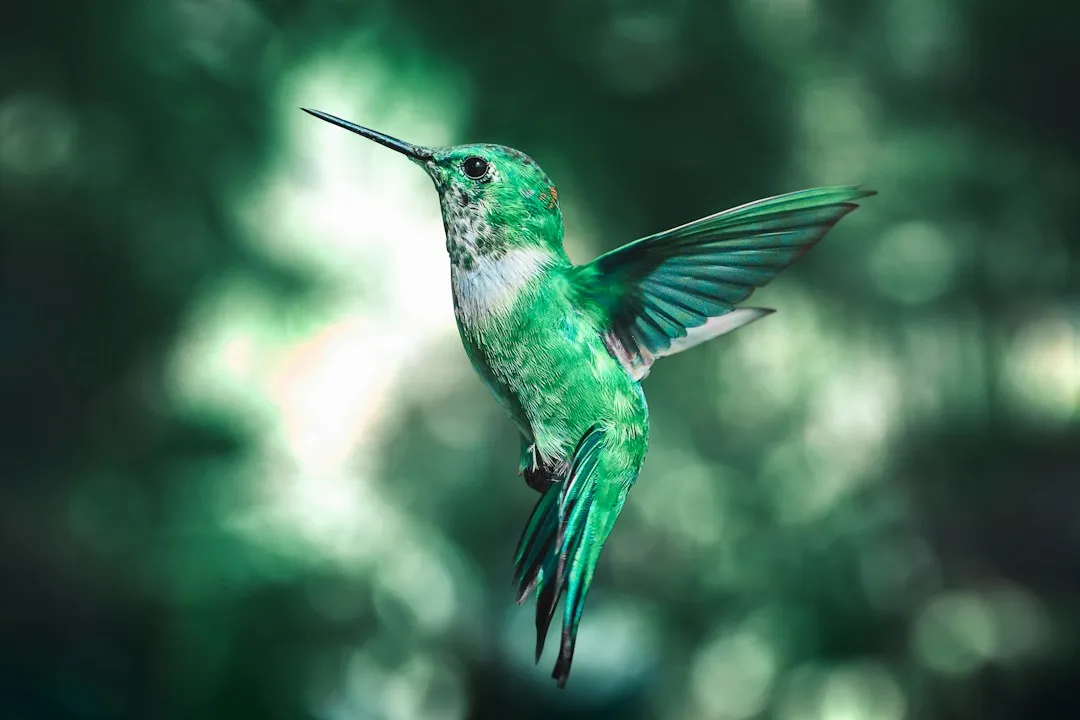
While we focus on what we can see outside, there is a hidden drama unfolding inside the hummingbird’s body. Seasonal changes in daylight, temperature, and food availability all feed into hormonal shifts that tell the bird it is time to move on. This is not a conscious choice in the way we think about decisions; it is more like a deep program that wakes up and starts pushing the bird toward action.
Hormones influence appetite, restlessness, and even how sensitive the bird is to day length. At a certain point, staying put becomes more uncomfortable than leaving, even if the bird is in what seems like a perfect garden. You might notice that it seems jumpier, more easily spooked, or less patient. That low-level restlessness is often one of the truest signs that departure is close.
There is also the remarkable question of navigation. Somehow, hummingbirds manage to find their way along routes that can stretch over mountains, deserts, and open water. In those last days, their brain and senses are quietly syncing up with cues like the sun’s position, landmarks, magnetic fields, and even smells. It is as if a tiny internal compass that had been in sleep mode slowly clicks to life and starts whispering: not yet, but soon.
We cannot watch any of that directly, which makes it tempting to romanticize or oversimplify. But the truth is powerful enough without legend: an animal that weighs less than a coin is quietly loading a full suite of internal software updates before taking on a journey that would exhaust many larger birds.
#4 Subtle Changes in Plumage Maintenance and Preening Behavior
🔥 Would you like to save this?
We'll email this post to you, so you can come back to it later!
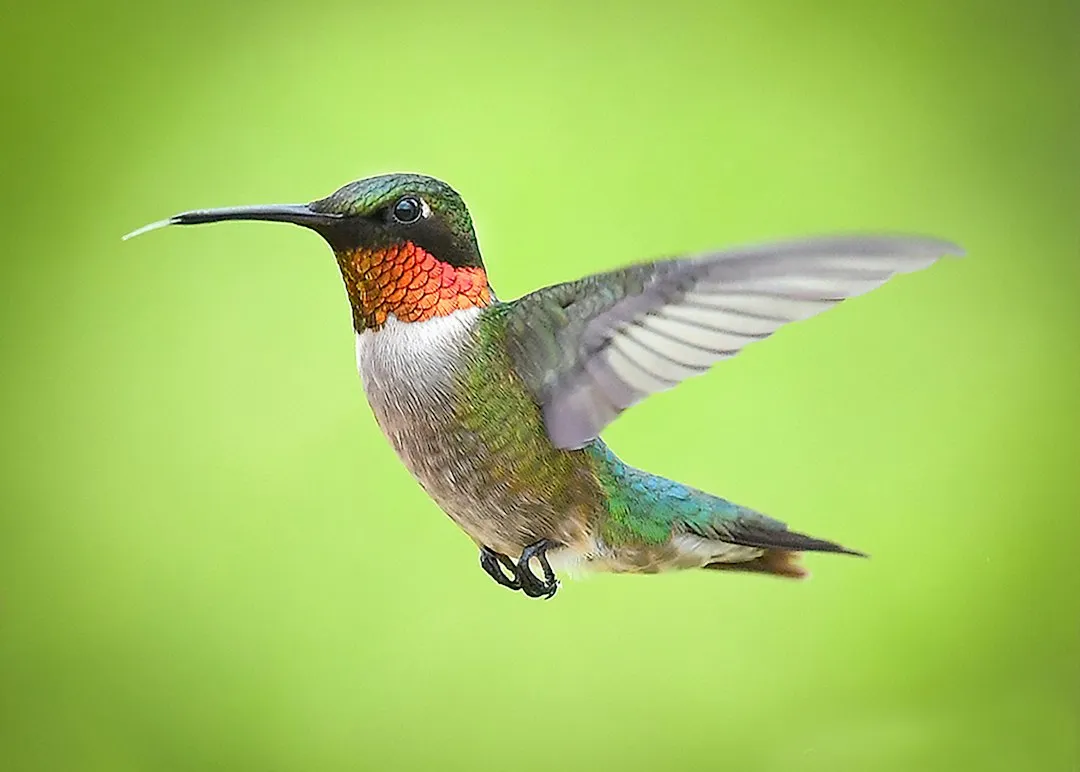
Another thing that often happens in those days, though it can be easy to miss, is a renewed focus on feather care. Hummingbirds already spend a surprising amount of time preening, aligning feathers, cleaning off dirt, and managing their tiny but complex wings. Right before a major change, that grooming can become even more focused.
Well-maintained feathers are not just about looks. They reduce drag, improve insulation, and keep flight efficient. When a hummingbird is about to cross long stretches with limited resting options, even small improvements in aerodynamic efficiency can add up to real survival advantages. That extra minute spent smoothing a wing feather might translate to more miles on the same energy budget.
From your porch or window, you might catch glimpses of the bird sitting low on a branch, twisting and bending in ways that make it look almost like a tiny acrobat. It will run its bill through feathers, shake out its body, and give quick, sharp wing flicks. Those motions look delicate, but they are the hummingbird’s version of tuning up every part of its flight machinery before takeoff.
I have sat outside and watched a single hummingbird spend what felt like forever preening after a long feeding session, only to take off with a speed and clarity that made sense only then. It drove home how much of their perfection in flight is earned through dull, repetitive care, not just raw talent built into their bodies.
#3 Last Checks of Shelter Spots and Safe Roosting Places
🔥 Would you like to save this?
We'll email this post to you, so you can come back to it later!
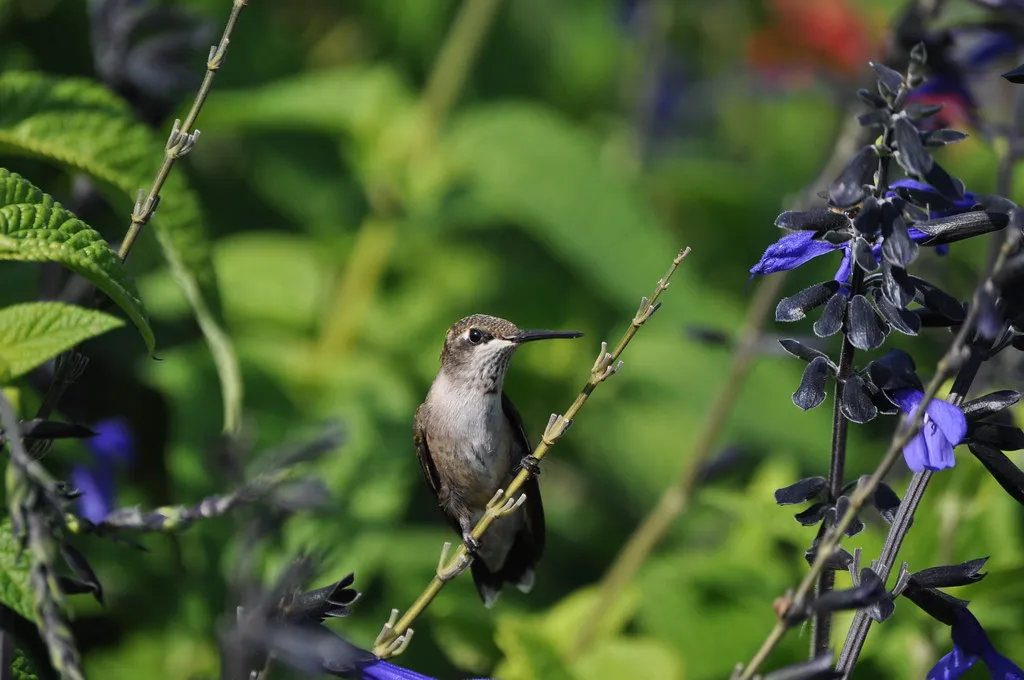
In the days before it vanishes from your view, a hummingbird is not only thinking about food. It is also, in its own way, checking on safety. Nights, storms, and predators do not go away just because the bird is about to move on. If anything, they become more dangerous when the body is stressed by travel or temperature shifts.
Many hummingbirds have a small handful of favorite roosting spots in or near a yard: a dense shrub, a sheltered branch, a vine-covered fence. In late-season days, you might see the bird dart in and out of these places, sometimes without stopping for food first. It is revisiting the safe corners of its personal map, and possibly testing new ones in case a quick escape or refuge is needed.
On cooler evenings, it might choose thicker cover or lower positions to reduce wind exposure and heat loss. On hotter days, it may use shaded roosts more aggressively between feedings. These micro-decisions are all about maximizing the chance that it wakes up the next day still able to fly, still able to reach the next stepping stone on its path.
- Frequent visits to dense plants or shrubs without obvious feeding
- More time spent out of direct view, especially at dusk
- Shifts in roosting choice depending on weather changes
#2 The Day It Leaves: A Quiet Exit You Almost Never See
🔥 Would you like to save this?
We'll email this post to you, so you can come back to it later!
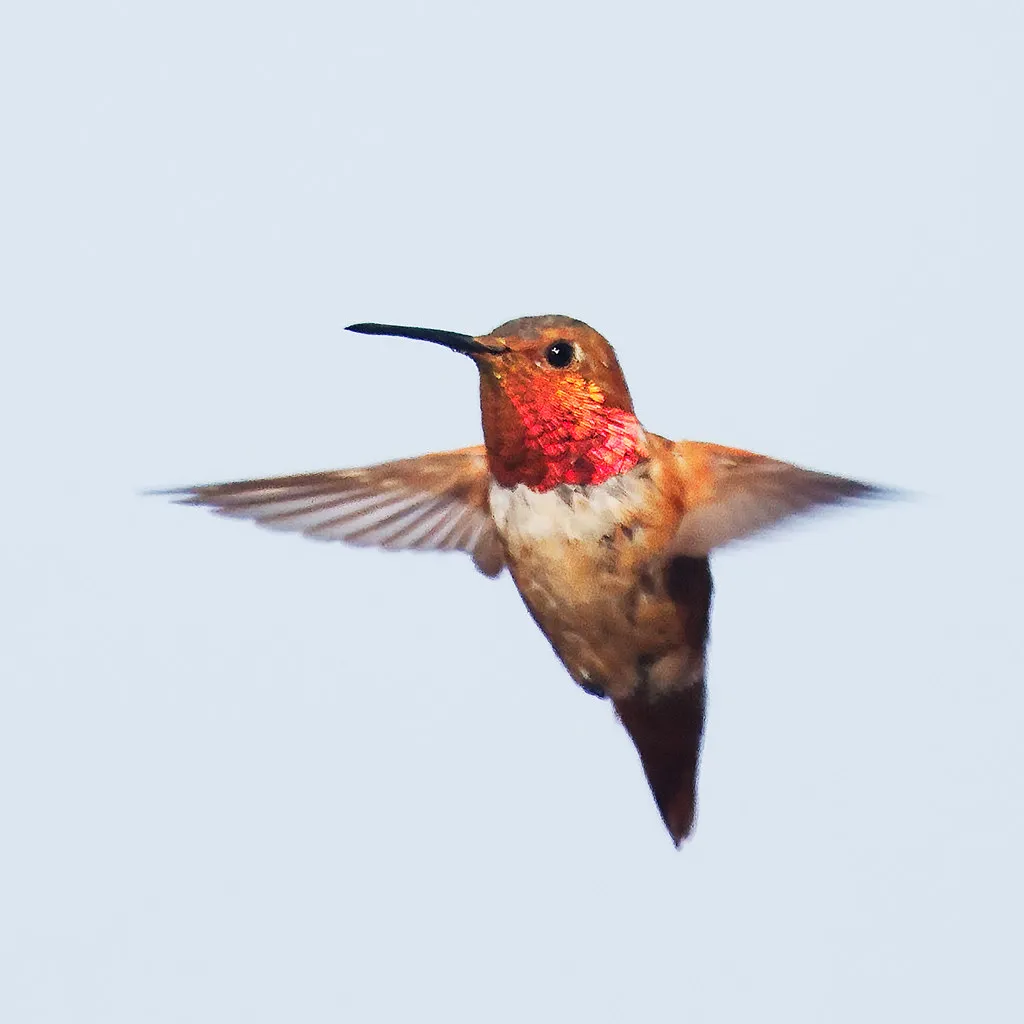
When the actual departure finally happens, it is rarely dramatic from our side of the glass. There is no lingering farewell visit, no long hover by the window, no cinematic pause in mid-air. Most of the time, the very last moment you see a particular hummingbird is completely ordinary: just another sip, another zigzag, another zoom into the trees that happens not to be followed by a return.
What changes is not that one visit, but everything that happens after it, somewhere beyond your sight. The bird might head to a slightly more distant feeding area for the day and gradually keep pushing farther. Or, if conditions are right and its fat reserves are loaded, it might move straight into a longer migratory stretch in a direction its body has been quietly preparing for weeks.
We tend to think in human emotional language and imagine the bird “saying goodbye,” but its mind is occupied by more concrete pressures: get enough food, find safe routes, avoid predators, stay warm enough, not overheat. Leaving your yard is just one small step in a much larger sequence, even if, for you, that step feels like the end of a brief seasonal relationship.
And so the feeder hangs there, suddenly quiet, with a little extra nectar left at the end of the day. For a lot of people, that silence sounds louder than the whir of wings they had gotten used to, a reminder that wild lives do not revolve around us, even when they happen right in front of our faces for a while.
#1 How to Read the Silence: What Their Disappearance Really Means
🔥 Would you like to save this?
We'll email this post to you, so you can come back to it later!
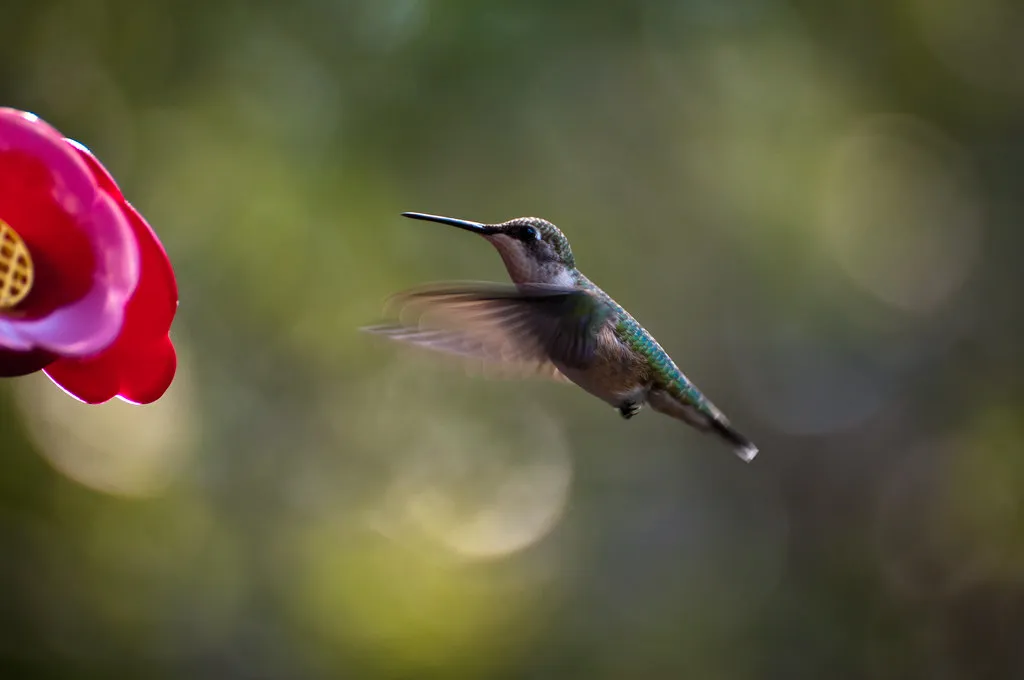
When a hummingbird stops showing up, it is tempting to assume the worst. People often worry that it died, that bad weather killed it, or that something they did scared it away. The reality is usually less tragic and more ordinary: the bird moved on because its biology told it to, not because your yard suddenly failed some test.
In most regions, disappearance is tied to migration or seasonal shifts in where food and shelter are best. A bird that once nested or refueled in your space may now be hundreds or even thousands of miles away, following flowers, insects, and favorable weather. Its absence from your feeder is not an absence from the world; it is just a sign that your chapter in its story ended.
That said, there are things you can do that affect what happens before and after that goodbye. Clean feeders, pesticide-free gardens, native flowers, and safe cover all help make those critical last days less stressful and more productive for the birds that pass through. You cannot control their instinct to leave, but you absolutely can influence how strong and prepared they are when they do.
- Disappearance is usually migration or movement, not sudden death
- Your role is to offer safe fuel, not to hold them in place
- A quiet feeder can mean your yard helped a bird successfully move on
Personally, I think there is something powerful in accepting that. A hummingbird’s visit is not a pet bond; it is a brief alliance between your small patch of earth and a wild traveler with its own agenda. When that alliance ends, it is not failure. It is the natural completion of a task well done: your flowers and feeders did their job, and the bird moved on strong enough to face whatever comes next.
Conclusion: Why Their Vanishing Act Should Change How We See Our Yards
🔥 Would you like to save this?
We'll email this post to you, so you can come back to it later!
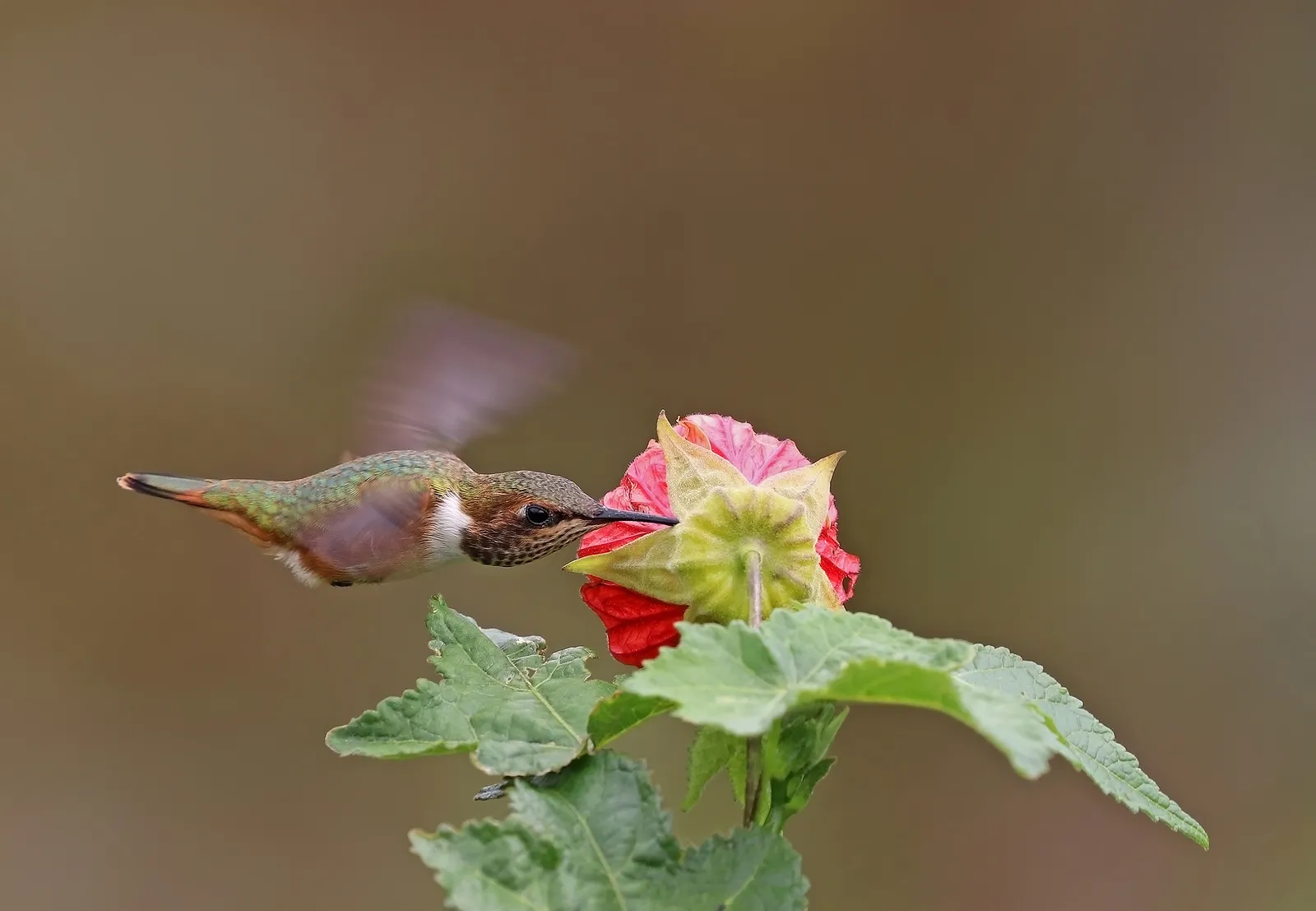
In the days before a hummingbird disappears, it is not fading away so much as sharpening itself for what comes next. It eats like there is no tomorrow, rests with a strategist’s precision, polices its territory, grooms its wings, tests routes, and quietly obeys a deep internal compass that does not ask for our opinion. If anything, those last few days around your feeder are some of the most intense, high-stakes moments in that tiny life.
I am convinced we underestimate what those visits mean. We like to think of ourselves as the hosts, handing out sugar water to cute guests. In reality, we are more like a gas station on a dangerous road. If we get the small things right – clean nectar, safe flowers, places to rest – we can tip the balance in favor of survival for a bird that is trying to cross vast and hostile spaces powered only by fat and instinct.
So when the hum stops and the feeder swings, do not just feel abandoned. Feel involved. Their absence is proof that they had the strength to leave. And the next time you see a hummingbird arrive out of nowhere, consider the possibility that you are witnessing a story that started hundreds of miles away, at another quiet feeder someone else is staring at, wondering where their bird went. Did you ever imagine that your backyard drama was part of a continent-sized journey all along?

- 14 Wildlife Permits Waived for Americans the Year They Turn 62 - November 5, 2026
- Machu Picchu’s Engineering Feats Were Far Ahead of Its Time - November 5, 2026
- 12 Most Beautiful American Cities To See Before You Die - November 4, 2026