
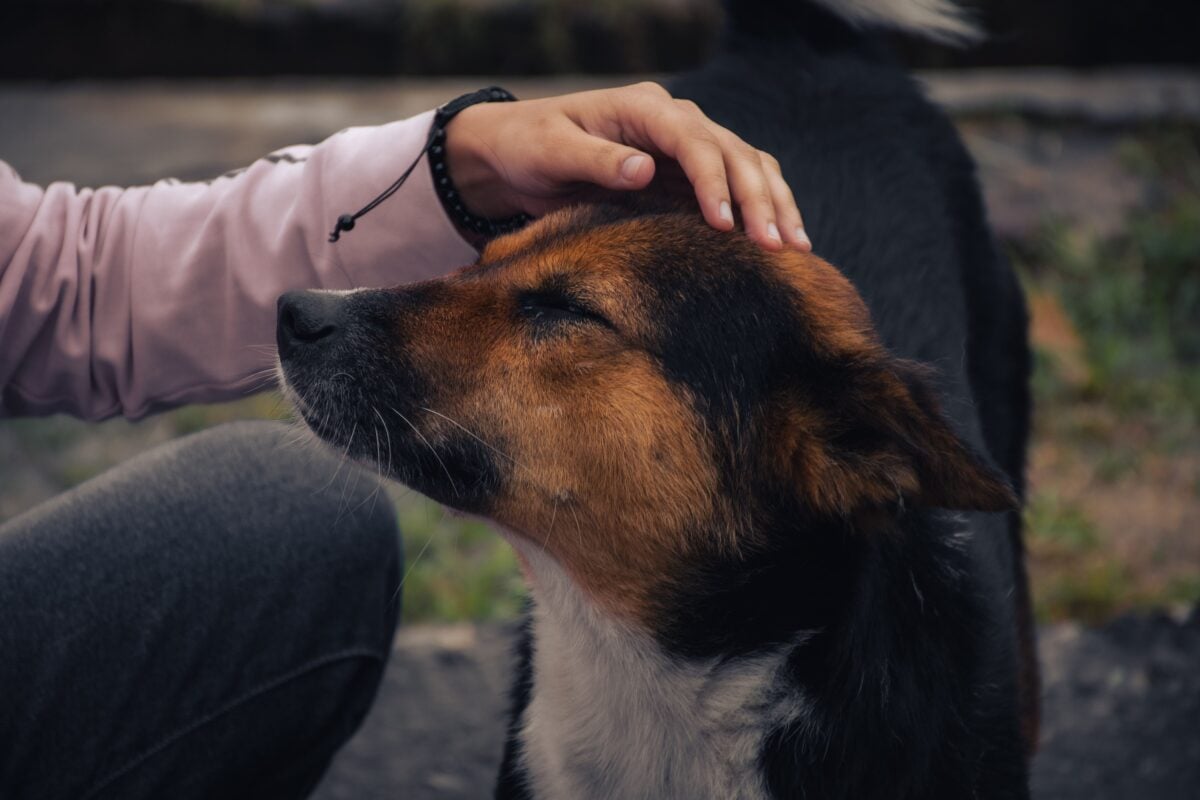
Most adopters think week one shows who their rescue dog really is. It doesn’t. It shows a dog in survival mode, and the polite, tiptoeing houseguest you met on day two is often just a very stressed one. If week three has handed you a dog with opinions, puddles and a sudden love of your socks, you’re in exactly the right place.
So is that a setback? Often, it’s the opposite. Ahead are ten week-three surprises, from the behavior that looks like a step backward but isn’t, to the “welcome home” tradition rescue groups say can quietly backfire. One of them may change how you read your dog’s worst day.
#10 – Week One Was Mostly Stress, Not Personality

🔥 Would you like to save this?
We'll email this post to you, so you can come back to it later!
The dog you met in week one probably wasn’t the real dog. Picture arriving somewhere with strange floors, unfamiliar smells, new voices and no idea how long any of it lasts. That’s your dog’s first week.
Rescue groups often describe the adjustment with the “3-3-3” framework. It breaks into three phases: the first 3 days, the first 3 weeks, and the first 3 months. The first phase is about decompression and overwhelm. Your dog isn’t showing you a personality yet. They’re getting through the day.
That changes how you should read early behavior. Much of what looks like a behavior problem in week one is usually just stress. Veterinary and rescue guides list the typical early signs:
- Excessive sleeping
- Pacing or hiding
- Limited appetite
- Avoiding interaction
Here’s the part most adopters miss. A calm, compliant dog in week one isn’t automatically a calm, compliant dog for life. The 3-3-3 rule is a general guideline, not a scientifically fixed timetable. It’s a map, not a prediction.
But that’s nothing compared to what happens once the household rhythm starts to click in #9…
#9 – The Routine Finally Clicks
🔥 Would you like to save this?
We'll email this post to you, so you can come back to it later!
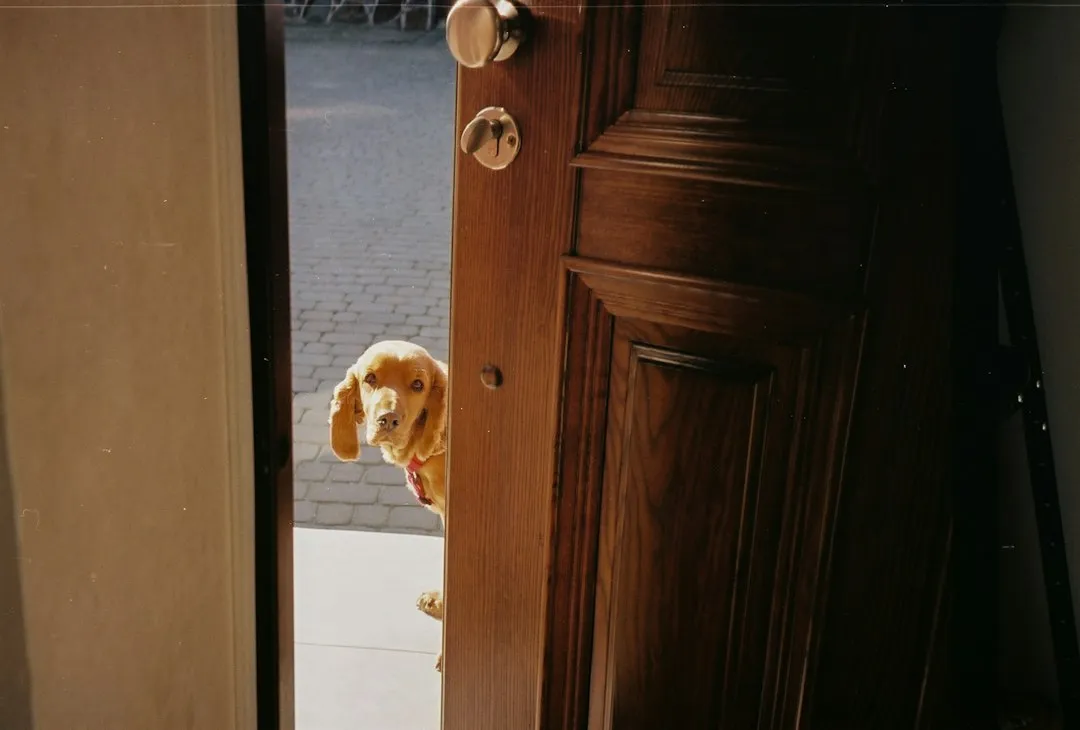
By week three, your dog has been studying you the whole time. Dogs are sharp readers of daily patterns, and every jingle of keys, every clink of a bowl and every pair of shoes by the door has been filed away.
Rescue guidance describes this stage as the point where dogs learn the rhythm of the house. They start to work out when meals happen, when walks happen, and what the rules are. You may not notice it happening. You’ll notice the result: a dog who waits by the door at walk time or shows up in the kitchen right before dinner.
In this stage, dogs begin observing your rules and schedule. That’s why consistency matters more than clever training. Guidance for adopters recommends putting structure and bonding ahead of tricks and obedience in the first weeks.
Most people want to show off a new “sit” by week three. Experts would rather see you nail the boring basics:
- Meals at roughly the same times each day
- Walks on a predictable schedule
- One consistent resting spot
- Calm, low-key greetings at the door
Predictability is a quiet kind of kindness. A dog who can guess what comes next doesn’t have to stay on guard all day.
Quick Compare: Week One vs. Week Three
- Energy: Week one often means heavy sleeping or pacing. Week three brings more interest in play.
- Appetite: Limited eating early on tends to give way to a steadier, improved appetite.
- Body language: Tightly curled rest can turn into sleeping stretched out.
- Household rhythm: Early confusion becomes a dog who anticipates walks and meals.
But the biggest surprise of week three isn’t the routine. It’s the personality that starts leaking out in #8…
#8 – The Real Personality Starts Leaking Out

🔥 Would you like to save this?
We'll email this post to you, so you can come back to it later!
The shy shadow in your hallway may turn out to be a clown. Many adopters are caught off guard by this stage, because the dog on the couch looks nothing like the one who flinched at the vacuum.
Somewhere between week two and month three, rescue dogs start to show who they really are. One rescue guide describes how a shut-down dog who hid under the bed might suddenly reveal a goofy, playful side. It can feel like meeting a second dog hiding inside the first.
Some dogs bloom within weeks. Others need far longer. Guidance from one pet-care source notes that some dogs take six months to a year to fully decompress and reveal their settled personality. Week three is a preview, not the final cut.
Signs your dog is getting comfortable include:
- Improved appetite and interest in play
- Following routines and showing affection
- A looser, more relaxed body, like sleeping stretched out instead of curled tight
But not every new trait on your dog’s “reveal” list is a welcome one, as #7 shows…
#7 – The Housetraining You Thought Was Done Comes Undone

🔥 Would you like to save this?
We'll email this post to you, so you can come back to it later!
The dog who seemed perfectly housetrained now leaves puddles. You were so sure that chapter was closed. Then you find a wet spot by the sofa and wonder what went wrong.
This is one of the classic week-three surprises. Rescue guidance describes behaviors that weren’t on the adoption profile showing up as the quiet dog settles in. One example is the dog who seemed housetrained starting to have accidents. Part of the reason is simple: a skill learned in one building doesn’t automatically carry over to a new one with different doors, floors and signals.
A few potty accidents appear on the list of behaviors considered normal in a new rescue dog. So do these:
- Startling at household sounds
- Refusing treats outside
- Following you from room to room
Still, keep one rule in mind. The 3-3-3 rule describes behavioral adjustment, and a rescue dog still needs veterinary care during this period. Repeated accidents can have a medical cause, such as a urinary tract infection or stomach upset, so don’t write them off as “just settling in.”
But if accidents surprise you, wait until you see how some dogs behave on a leash in #6…
#6 – The Leash Suddenly Becomes a Problem

🔥 Would you like to save this?
We'll email this post to you, so you can come back to it later!
The dog who ignored other dogs on day four is now lunging at them. Your heart sinks, your neighbors stare, and you wonder who this animal is.
Adopters often report this as the most alarming week-three change. Rescue guidance describes a dog who seemed fine with other dogs beginning to bark and lunge on leash. It feels like a personality switch. Often, it’s a dog who is no longer too overwhelmed to react.
A leash also takes away a nervous dog’s best option, which is to put distance between themselves and the thing that worries them. A dog who feels stuck may bark and lunge to say “go away.” Many new rescues also arrive with limited training. Expect to work on leash manners over several weeks, and don’t read a rough walk as a verdict on your dog.
Expert advice is consistent on how to respond:
- Reward calm behavior instead of correcting fearful behavior.
- Always leave a spooked dog a way to retreat.
- If your dog is fearful or reactive around other dogs, busy places like dog parks may need to be avoided altogether.
But the most telling sign of settling isn’t dramatic at all. It’s #5…
#5 – The Shadow Behavior Is Actually a Good Sign
🔥 Would you like to save this?
We'll email this post to you, so you can come back to it later!
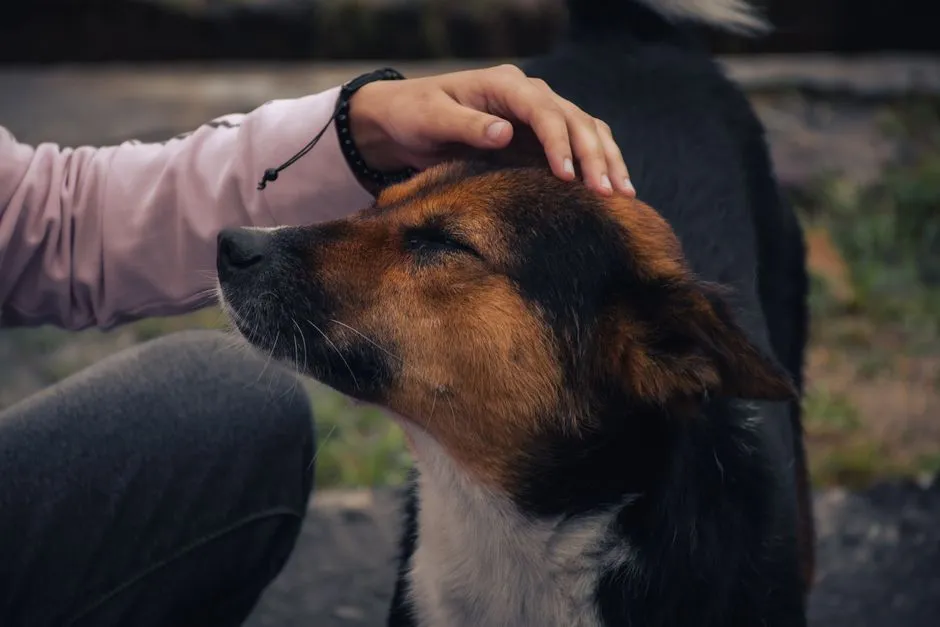
Your dog now follows you to the bathroom, and that’s not a problem. You can’t close a door without a nose appearing in the gap.
Many adopters worry when a rescue becomes clingy. Turns out, it’s on the list of things considered normal. A new rescue dog may follow you from room to room, startle at household sounds, or avoid eye contact. Some of those behaviors can look contradictory side by side, and that’s normal too.
Rescue sources point to several positive markers of a settling dog. These include improved appetite, interest in play, following routines, and showing affection. None of them need to arrive together. They tend to show up unevenly, one small step at a time.
Watch for small wins rather than big ones:
- Eating without hovering or pacing first
- Choosing to rest near you instead of hiding
- Showing curiosity about a toy or a walk
A dog who stays close is often a dog who has decided you’re the safest thing in a very confusing new world. That isn’t dependence you need to fix. It’s trust being built.
Worth Knowing
- Following you room to room sits on the normal list for a new rescue.
- Mixed signals are common: a dog can be clingy and jumpy on the same afternoon.
- Settling signs rarely arrive all at once, so count small wins.
- Persistent refusal to eat is different and deserves a call to your vet.
But there’s one popular “welcome home” tradition that experts say can quietly undo that trust, and it’s #4…
#4 – The Welcome Party Might Be the Biggest Mistake
🔥 Would you like to save this?
We'll email this post to you, so you can come back to it later!
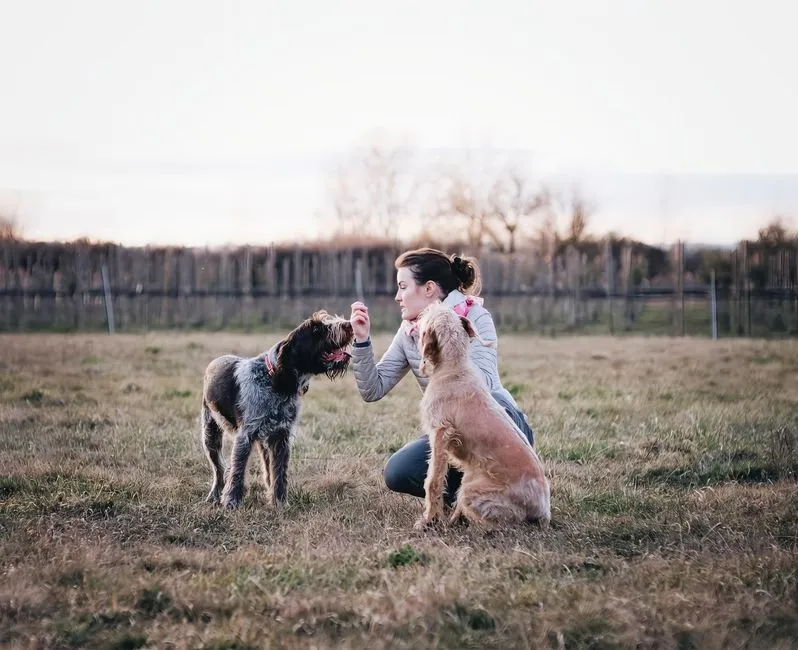
Plenty of adopters treat a big welcome party as a kindness. Rescue guidance points the other way.
One adoption guide says it bluntly: a dog doesn’t need a brewery patio, dog park, family barbecue and grooming appointment in week two. That’s a lot for any dog, and an overwhelming amount for one who’s still decoding the living room.
Guidance for week three says to keep avoiding busy environments and off-leash dog parks. This applies even as your dog starts looking more comfortable. A confident-looking dog at home isn’t automatically ready for the world.
Better to expand your dog’s world slowly:
- Expand access to the house as your dog shows comfort and appropriate behavior.
- Introduce visitors one at a time, calmly.
- Keep outings short and low-pressure.
But if your dog seems to take two steps back, don’t skip what comes next in #3…
#3 – Setbacks Are Part of the Map
🔥 Would you like to save this?
We'll email this post to you, so you can come back to it later!
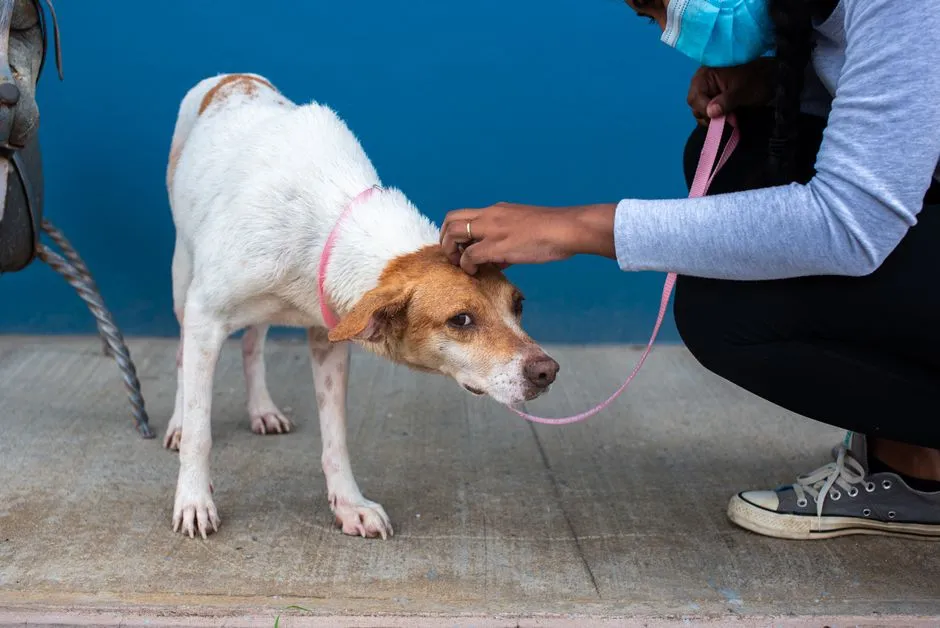
Your dog seems worse than they did on day three, and that can still be progress. Adopters ask this question constantly, and rescue FAQs address it directly.
Settling is rarely tidy. Progress in a rescue dog is rarely a straight line. A rough week can sit between two good ones, and a bad afternoon doesn’t erase the good weeks around it.
Here’s the contrarian take. The 3-3-3 rule is useful, but experts warn it can backfire. Treating month three as a finish line, or reading a still-nervous dog at week three as a failure, is where the rule does harm. Some trainers might call that rule overhyped. Others say adopters just need to use it more carefully.
Either way, the rescue consensus is clear:
- The framework is useful but not a rigid rule.
- A still-anxious dog at three weeks is common.
- Every dog has their own history, temperament and needs.
But there’s one situation where “just give it time” is the wrong advice, as #2 shows…
#2 – When Week Three Is Not Normal

🔥 Would you like to save this?
We'll email this post to you, so you can come back to it later!
“Wait three months” is not a plan for a dog who is struggling. Patience is a gift, but it isn’t a substitute for help.
Rescue guidance is careful on this point. A dog who isn’t settling, has significant behavioral concerns, or develops physical symptoms should be assessed, not simply told to wait. The 3-3-3 rule is a rule of thumb. It isn’t a medical rule, and it doesn’t replace an actual diagnosis.
Some red flags deserve a call to your vet, rescue or a qualified trainer:
- Persistent refusal to eat, aggression, or signs of illness
- Destroying bedding, swallowing fabric, or guarding a space
- Still hiding after three weeks, which may mean the dog needs more time, better safety, medical care, behavior help, or all of those
That last point matters. A dog who hides at three weeks isn’t “broken.” They may just need a different setup or more support than you’ve been giving.
At a Glance: Who to Call First
- Your vet: not eating, repeated accidents, or any sign of physical illness.
- A qualified trainer: guarding, leash reactivity that isn’t easing, or fabric chewing and swallowing.
- Your rescue group: a dog who is still hiding and whose setup you want a second opinion on.
Calling for help isn’t a sign you failed the dog. It’s what a good adopter does when the map stops matching the road.
But the most surprising lesson of week three comes down to something many owners call bad behavior, and it’s #1…
#1 – Misbehavior Is Often the First Real Sign of Trust
🔥 Would you like to save this?
We'll email this post to you, so you can come back to it later!
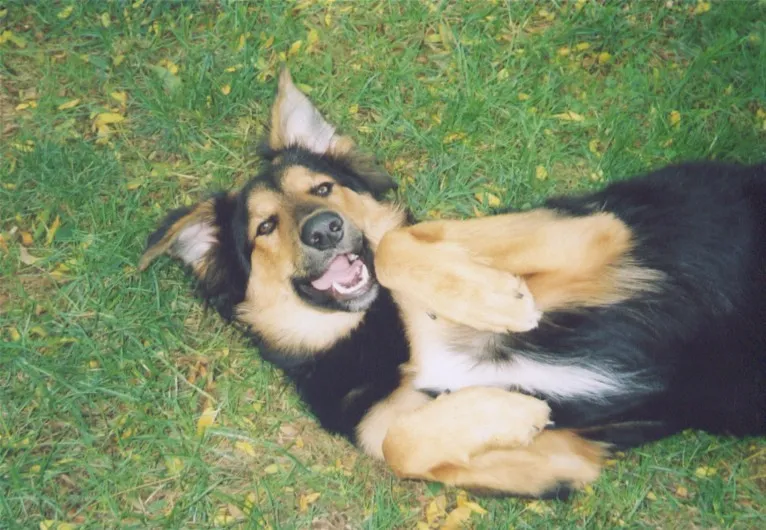
The day your rescue dog finally steals a sock might be the day they decided they live there. It sounds backward, but it’s one of the most hopeful moments of the whole adjustment.
Rescue guidance makes this point in a way that surprises many first-time adopters. Your dog is now comfortable enough to test boundaries. Other guides agree that dogs start forming initial trust and may also test limits as they learn what is allowed.
Testing limits can mean a dog feels secure enough to try. That’s why “regression” may be the wrong word for week three. Plenty of adopters feel frustrated when the polite houseguest disappears. In many cases, a more honest dog has taken their place.
Don’t mistake that for a license to ignore real problems. Swallowing fabric or guarding a space, for example, still deserves professional input. But everyday boundary-pushing, like counter-surfing, chewing or pulling, is often a sign your dog is learning what works in your home.
So what should you do with all of this? That’s the real question, and the answer is next.
The Bottom Line

🔥 Would you like to save this?
We'll email this post to you, so you can come back to it later!
Week one shows you a dog under pressure. Week three shows you a dog who is starting to feel safe, and that’s a messier, more honest picture. The quirks, the accidents, the leash drama and the stolen socks are often signs of trust, not failure.
Here’s our take: the 3-3-3 rule is best used as a patience tool, not a scoreboard. Don’t panic at week three, and don’t throw a party either. Keep life calm, keep a routine, and call the vet when something looks medical.
The perfect dog of week one was never real. The slightly chaotic one chewing your slipper is the one who finally believes this is home.
What did your dog do in week three that week one never hinted at?

- 10 Common Garden Pests That Are Actually Beneficial To Your Backyard Ecosystem - November 5, 2026
- 10 Unusual Reasons Older Adults Bond More Deeply With Certain Dog Breeds - November 5, 2026
- The Cheetah: The Speed King of the Animal Kingdom - November 5, 2026