
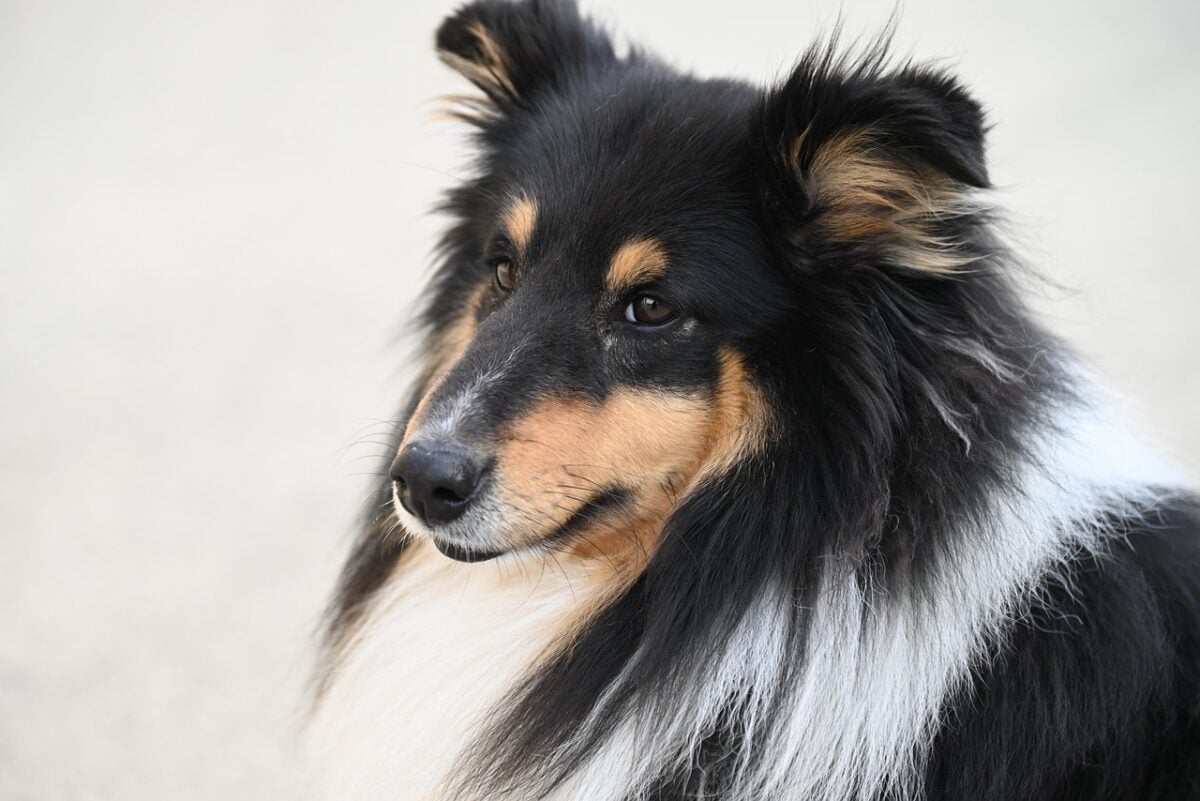
Most people picture a working sheepdog’s retirement as one long nap in a sunny doorway. Ask any real shepherd, though, and they’ll tell you the ending looks nothing like that. The truth is stranger, more emotional, and honestly a little uncomfortable to watch unfold in real time.
Some of the twelve signals below are heartbreakingly tender. A few are so strange that first-time observers assume something is wrong with the dog. And at least one of them is the exact moment a sheepdog decides, entirely on its own, that the job now belongs to you.
#1 – The Day They Stop Racing the Quad
🔥 Would you like to save this?
We'll email this post to you, so you can come back to it later!
Every shepherd knows the sound: the engine fires, and for years that noise sends the dog exploding out the door like a shot from a gun. It’s the cue burned into their body since puppyhood.
So when a seasoned sheepdog suddenly stays lying down, or trots instead of sprints, it isn’t laziness. It’s the first quiet signal that the body and brain are renegotiating the job.
Many handlers remember the exact morning it happened. The dog looked at the quad, then at them, as if asking, “Do I really have to?”
It’s not just age. It’s a shift from “must reach the sheep first” to “must do this correctly and safely.” You’ll see more deliberate strides, wider flanks, fewer dramatic bursts, and sometimes the old dog will hang back and let a younger one rush in, almost like passing the torch on purpose.
#2 – The Quiet “Body Check” After Every Job
🔥 Would you like to save this?
We'll email this post to you, so you can come back to it later!
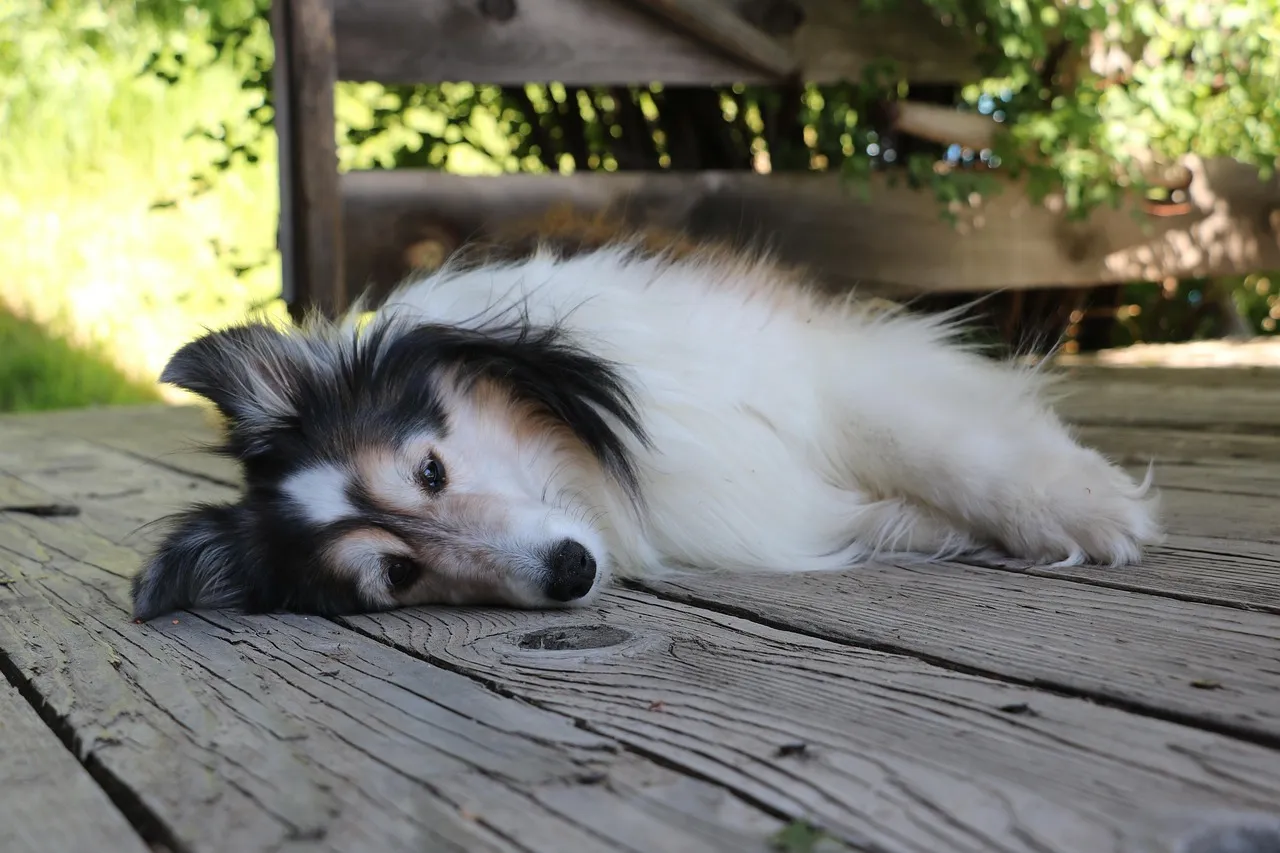
In their prime, sheepdogs finish a gather and instantly scan for the next command, body coiled, ears flicking. Near the end of a working life, something new appears: a pause.
Older dogs will often complete a task, then stand still for a beat, running a small internal “body check” before deciding whether to keep going. The tail dips, they lick their lips, or slowly stretch a hind leg.
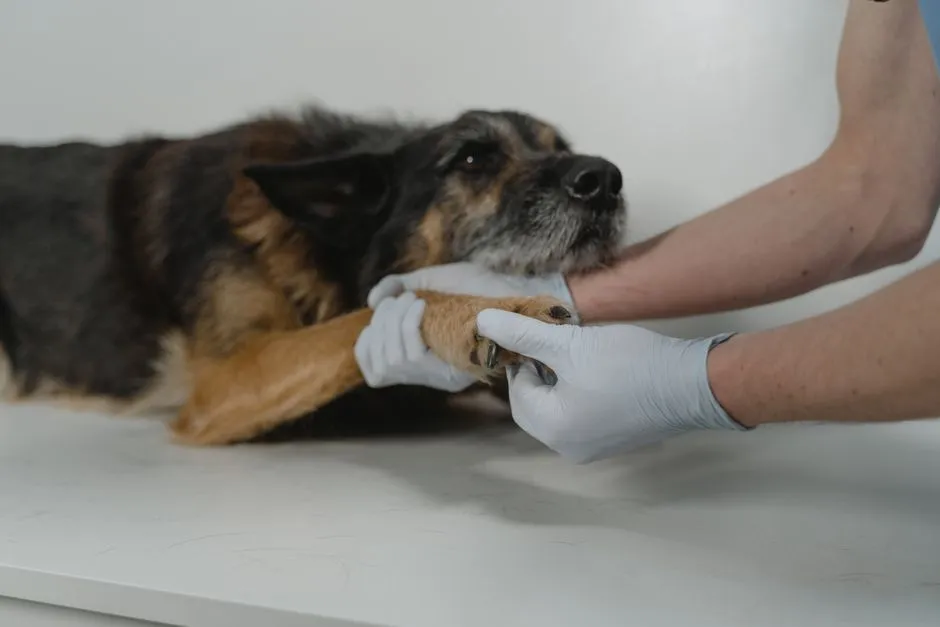
To an untrained eye, it looks like distraction or stubbornness. Experienced handlers know it’s the dog quietly assessing pain, fatigue, and balance, since arthritis and worn joints rarely show up as dramatic limping.
Sometimes that check ends with the dog choosing the gentler slope around a hill instead of charging over stony ground like it once did. It’s an honest signal, and ignoring it is how good dogs get pushed into pain they never complain about out loud.
Fast Facts
- Joint stiffness in senior dogs is often worse first thing in the morning and eases as they move
- Subtle signs like lip-licking, yawning, or slow stretching can signal discomfort long before limping appears
- Working dogs are especially good at masking pain because stoicism was part of the job
- Choosing an easier route or slower pace is frequently the first visible clue something has changed
#3 – Training the Youngster Like a Grumpy Old Coach
🔥 Would you like to save this?
We'll email this post to you, so you can come back to it later!
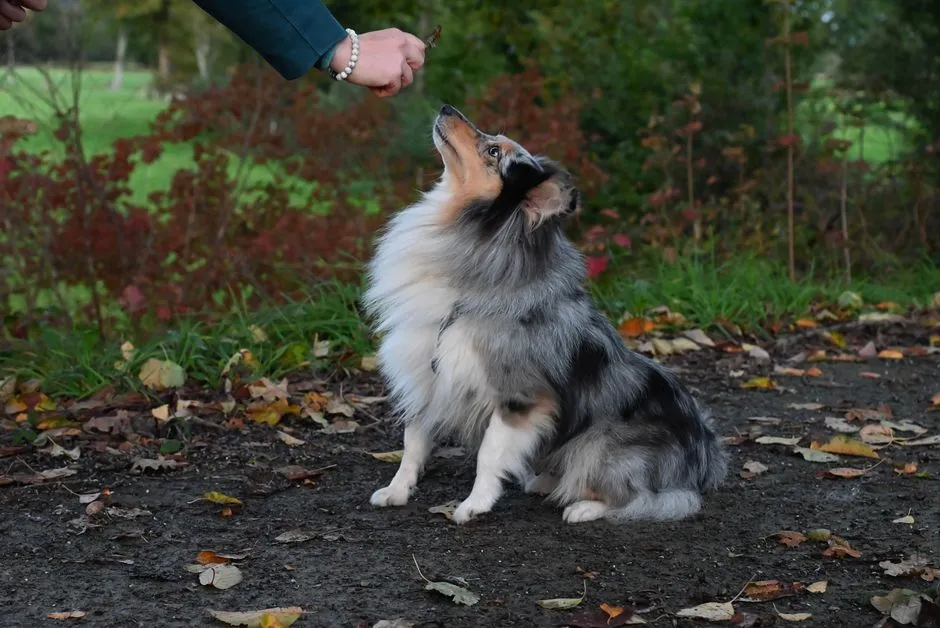
Most people assume it’s the human who trains the next sheepdog. On good farms, that’s only half true. Near the end of a working life, an older dog often starts “coaching” the youngster with body language, blocking moves, and the occasional pointed growl.
Watch closely when a young dog cuts too tight on the sheep. The old dog may physically shoulder them out of the way, hold the line, then fire off a hard stare that clearly says, “Not like that.”
Some will trot in behind a green dog to “spot” them, ready to correct if the sheep break. Others hang back farther than necessary, silently showing the youngster how wide to cast.
People online love to call this dominance or resource guarding. Seasoned handlers see something more specific: the elder dog only steps in when the stock is genuinely at risk or the youngster is being reckless. It’s not aggression. It’s standards.
#4 – Guarding the House Instead of the Hills
🔥 Would you like to save this?
We'll email this post to you, so you can come back to it later!
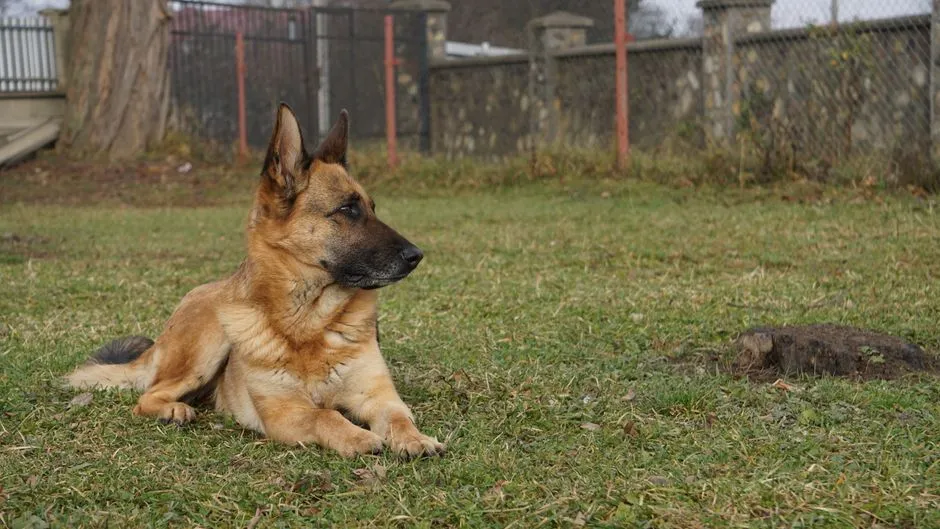
Here’s a shift that surprises even tough shepherds. The dog that once lived for the hill gradually starts choosing to guard the yard instead, lingering near gates, porches, or barns rather than pushing to load up for work.
Their sense of “my job” shrinks from thousands of acres down to a small, precious circle around home. Vision fades, hearing dulls, and hips ache on steep terrain, but the drive to protect never fully switches off. It just gets reassigned.
You’ll notice more barking at strangers, more following family members room to room, more lying in the one spot where they can watch both the gate and the door at once. Some owners panic and think, “He’s turned into a house dog overnight.”
In reality, his working brain simply found a new domain small enough for his aging body to still succeed in. Call it retirement, but it also comes with a quiet promotion: Chief of Home Operations.
#5 – Choosing Comfort Over Command, Without a Shred of Guilt
🔥 Would you like to save this?
We'll email this post to you, so you can come back to it later!
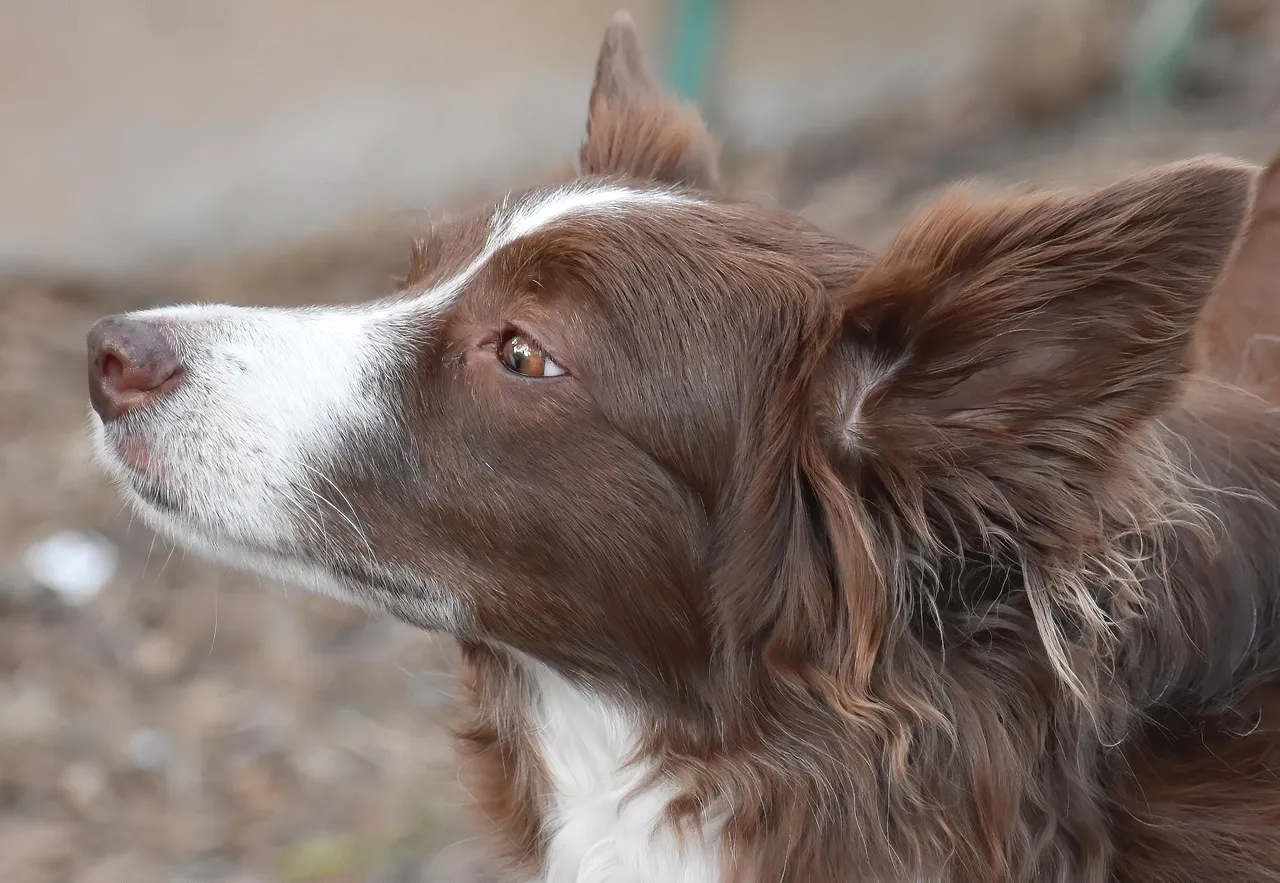
For most of their career, a good sheepdog is almost frighteningly obedient. You whistle, they move. Near the end of the working years, though, something rebellious creeps in: they’ll sometimes ignore a command that conflicts with what their body can actually handle.
Ask for a tight flank on a steep, rocky bank, and the old dog arcs wider instead, taking the easier slope. Signal an explosive outrun, and they answer with a controlled trot. Once, you’d correct that instantly.
Now, if you’re paying attention, you realize they aren’t confused. They’re negotiating, because years of hard experience tell them exactly what their joints and lungs can no longer do, no matter how much heart they still have.
This is one of the hardest signals for proud handlers to accept. The good ones adjust the job to fit the dog: lighter work, shorter gathers, more breaks, because choosing comfort over command isn’t a flaw. It’s a wise old dog refusing to break itself for someone else’s ego.
Quick Compare
- Prime-years dog: explosive outrun, tight flanks, sprints to every command
- Veteran dog: controlled trot, wider arcs, picks the safer ground first
- Prime-years dog: obeys instantly, even past its own limits
- Veteran dog: negotiates the command based on what the body can actually do
#6 – Sleeping in New, Strategic Places
🔥 Would you like to save this?
We'll email this post to you, so you can come back to it later!
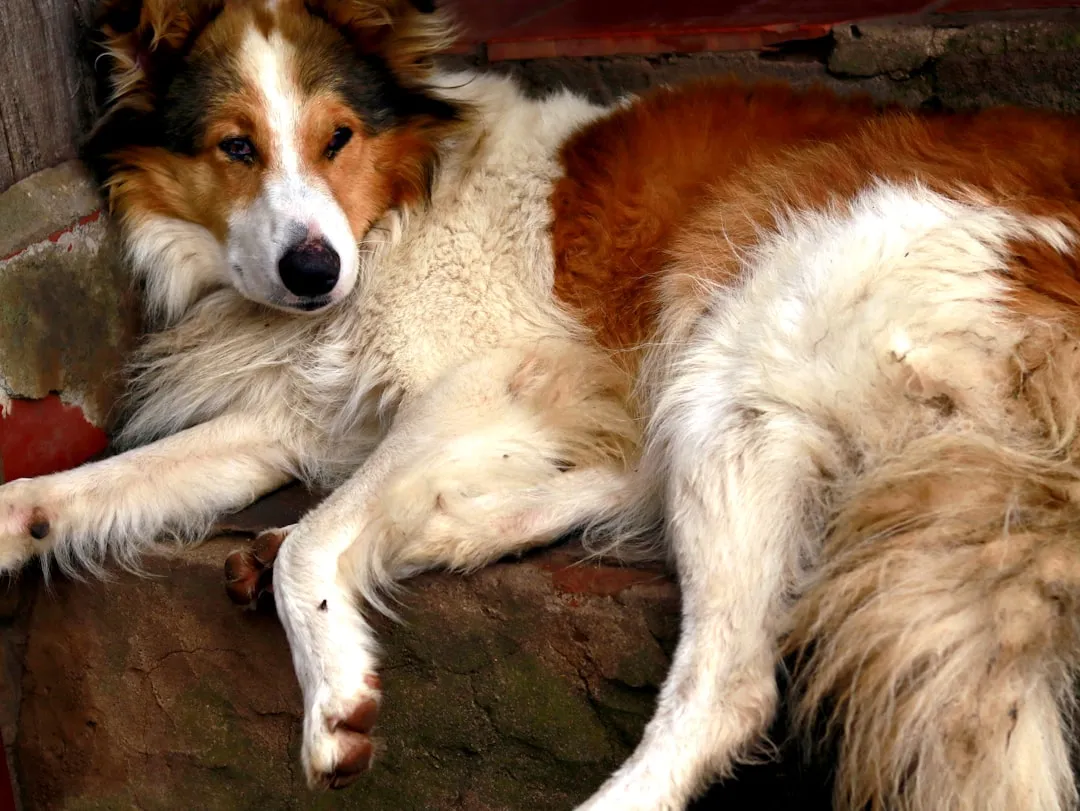
Young sheepdogs crash wherever they fall, by the door, in the dirt, anywhere they can keep half an eye on the world. Older dogs near retirement get deliberate about it, choosing spots that keep them close to their people while still monitoring key sounds and movement.
You might suddenly find them:
- Moving their bed closer to the back door or hallway
- Preferring a spot where they can see both the kitchen and the yard
Some will even ask, in their own quiet way, to sleep inside after years of preferring the kennel. They’re not going soft. Reduced hearing pushes them to rely more on sight and vibration, and aching joints pull them toward softer flooring and warmer corners.
The emotional part is this: many handlers say that in these late years, their sheepdog starts choosing sleeping positions close enough to actually touch their humans through the night. That’s not neediness. That’s an old worker quietly making sure the bond survives the job.
#7 – Watching Work Like a Retired Foreman
🔥 Would you like to save this?
We'll email this post to you, so you can come back to it later!
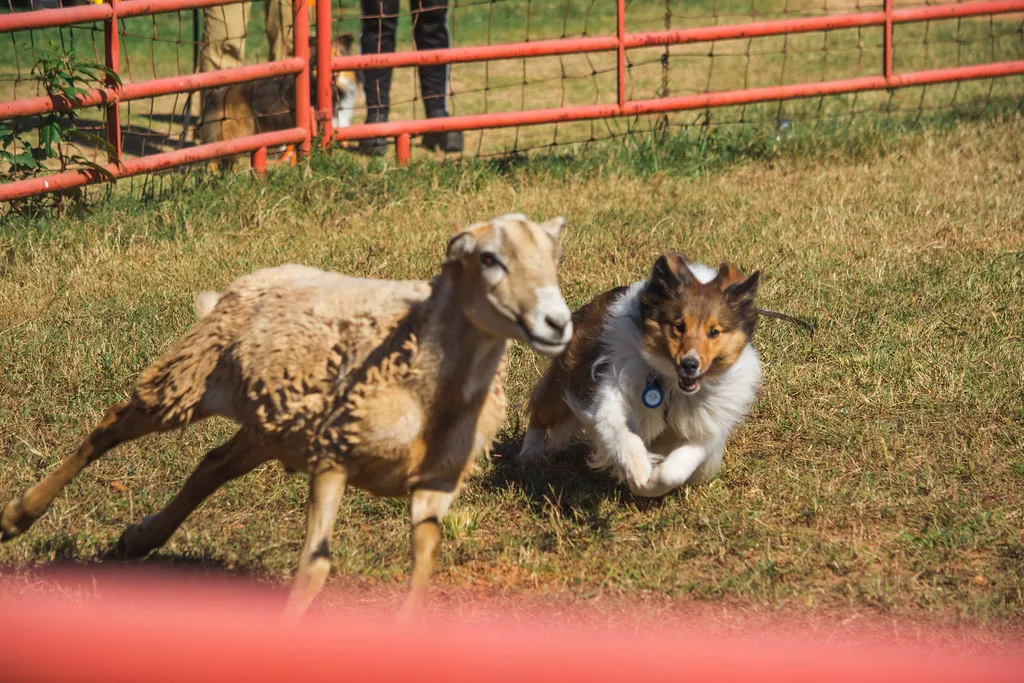
One of the clearest, oddest signals shows up the first time you leave the old dog home while taking the youngster out to work. Instead of whining at the fence, some retirees calmly settle where they can see the fields or hear the whistles, tracking the whole job from a distance.
Their eyes follow the sheep. Their ears tilt to every whistle. When things get messy out there, you’ll sometimes hear a low grumble, like a retired foreman muttering, “I wouldn’t have done it that way.”
On the days the work goes smoothly, they relax, even doze off, seemingly satisfied the new crew is finally getting it right. Handlers argue about whether that’s real pride or human projection.
What’s not up for debate is that the drive to manage stock never fully disappears. Retirement for a sheepdog isn’t an off switch, it’s a change in vantage point, from the ridgeline to the porch rail.
At a Glance
- Picks a spot with a clear view of the fields or gate instead of pacing or whining
- Ears and head track whistles and sheep movement from a distance
- Visibly relaxes or naps once the job looks like it’s going well
- Stays alert to sound long after giving up the physical work itself
#8 – Turning Strangely Gentle With Lambs and Children
🔥 Would you like to save this?
We'll email this post to you, so you can come back to it later!
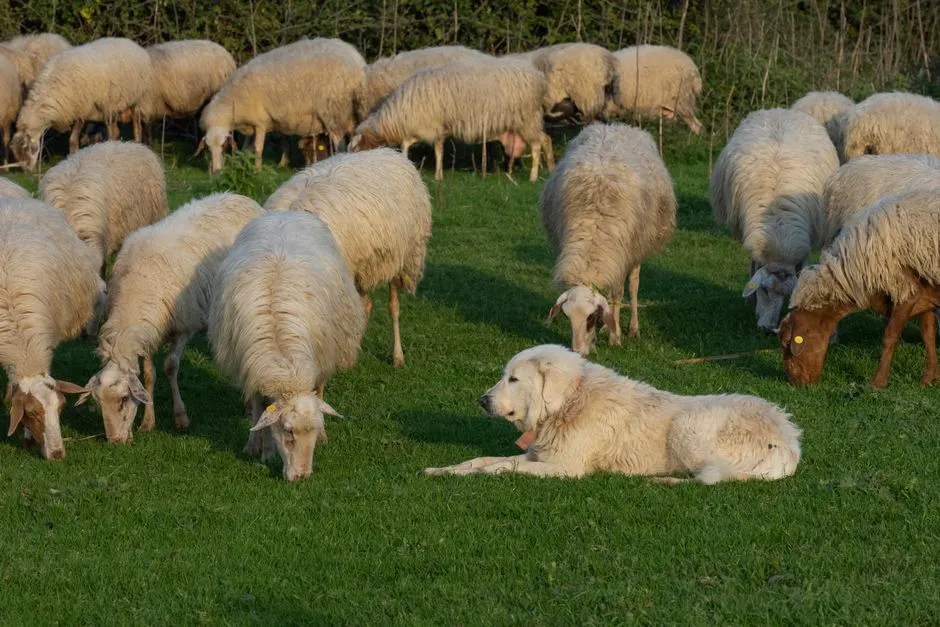
A hard, gritty hill dog, the kind that will stand its ground against an angry ewe, can transform completely in retirement. Handlers often notice these tough dogs growing noticeably gentler with lambs, kids, and even small pets as the working years wind down.
You might see them:
- Let toddlers lean on them, tug their ears, or fall asleep using them as a pillow
- Nose tiny lambs carefully instead of bossing them the way they would older sheep
Reduced hormones and workload explain part of this softening. But there’s also a skill at work: after years of precise pressure control, the dog understands fragility on a deep level, knowing exactly how much force moves a stubborn ewe versus a wobbly lamb.
Some shepherds admit this shift genuinely unnerves them, since it doesn’t match the fearless animal they relied on through bad weather and hard seasons. But it isn’t weakness. Becoming the “grandparent soul” of the farm is often the last, quiet evolution of a working dog’s wisdom.
#9 – Seeking Out One-on-One Time and Avoiding the Chaos
🔥 Would you like to save this?
We'll email this post to you, so you can come back to it later!
At the peak of their career, plenty of sheepdogs are perfectly happy in the thick of everything: other dogs, shouting, machinery, moving stock. As retirement gets closer, a clear pattern emerges. They start choosing calm, one-on-one time with their person over loud, high-energy scenes.
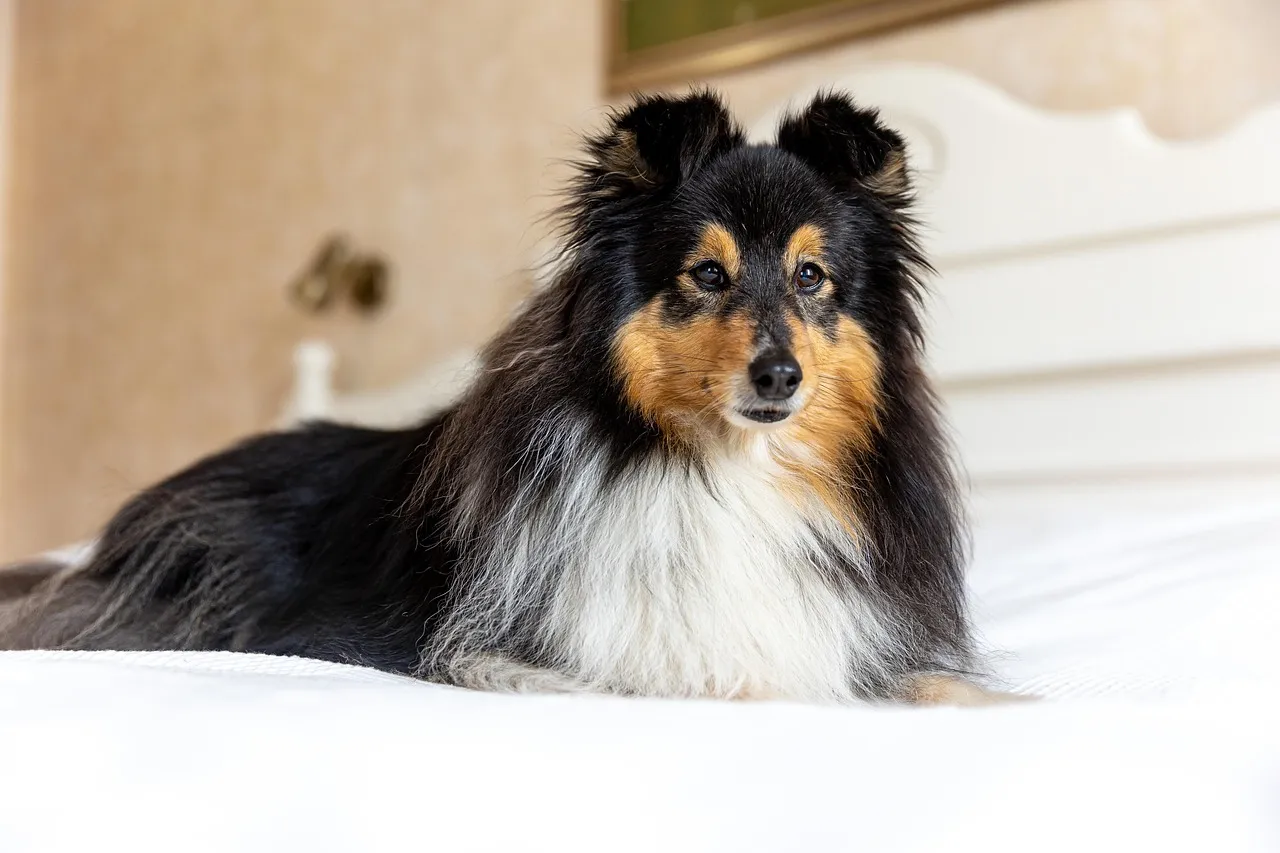
You’ll notice them slipping away from a crowded yard to sit quietly beside you instead, resting their head on your knee while you’re on the phone, or asking for a slow evening walk instead of racing the younger dogs.
Some will actively avoid rowdy puppies or hyper house guests, tossing out a quick warning growl if pestered. Casual observers read this as “grumpy” or “antisocial.”
In reality, it’s emotional triage. With less physical resilience and slower recovery, the dog allocates its limited energy to what matters most, and a dog that once lived for the mob now lives for the quiet conversation instead.
#10 – Building Odd Little Rituals Around You
🔥 Would you like to save this?
We'll email this post to you, so you can come back to it later!
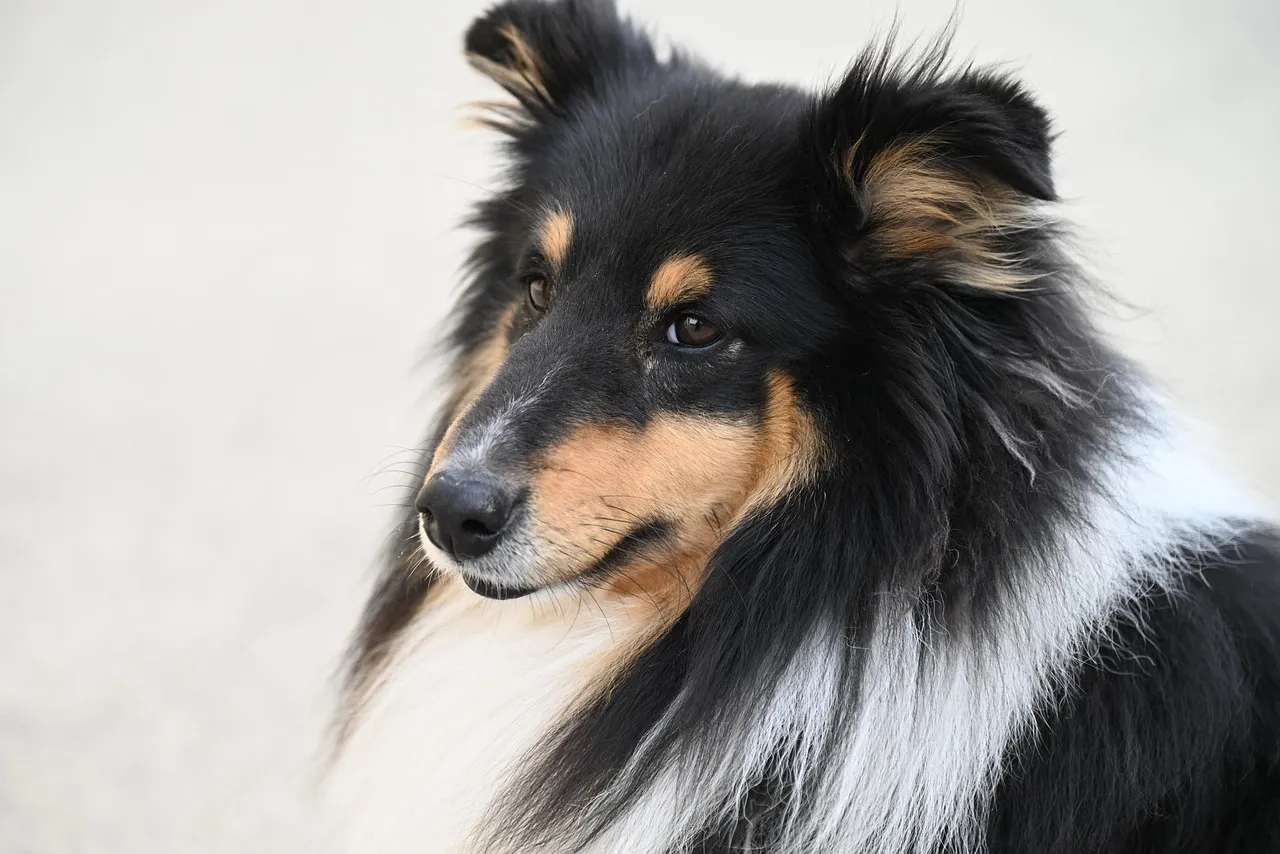
As the working routine shrinks, many retired sheepdogs invent new, almost ceremonial behaviors around their humans, small repeated actions at specific times, like emotional check-ins scheduled into the day.
Common examples include:
- A precise “goodnight circuit” where they visit each family member before settling
- A morning nudge at the exact same time every day, followed by a particular stretch or yawn
- Sitting by the window at the hour you usually return from the fields, even if you’re running late
These aren’t random quirks. When the predictable structure of daily work, gather, move, pen, repeat, disappears, a working brain still craves pattern, so the dog rebuilds that structure around you instead of the sheep.
Some owners find these new habits intensely moving. Others miss them entirely until they’re gone. The harsh truth is simple: when a sheepdog starts building rituals around your presence instead of your whistles, you’ve stopped being just their handler. You’ve become their whole world.
#11 – The Sudden “Good Days” That Feel Like a Comeback
🔥 Would you like to save this?
We'll email this post to you, so you can come back to it later!
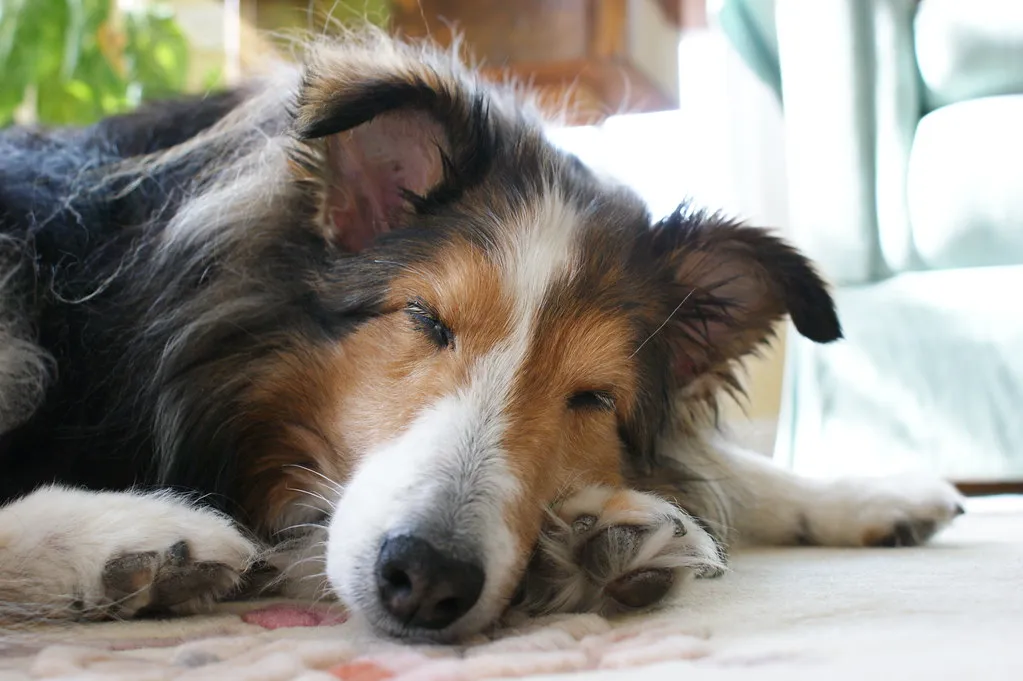
Here’s the part that blindsides people. Near the very end, when stairs are hard and real work is long over, many sheepdogs get occasional “perfect” days where they suddenly move better, act sharper, or seem ten years younger.
They trot to the yard with that old swagger, or answer a whistle like they’re back in their prime. Owners often mistake this for recovery: “He’s finally turning a corner.”
In aging animals, brief rallies like this are common as the body cycles through inflammation, pain, and adrenaline. A retired dog might insist on one last light job, moving a few quiet sheep, or simply riding the quad with shining eyes, and it feels like a gift because it is one.
The danger is denial. Some people push harder in these moments, chasing the ghost of what the dog used to be, instead of savoring the rally and protecting the dog from overdoing it. As every seasoned shepherd will tell you, those magical good days often show up right before the final signal.
Worth Knowing
- Short bursts of energy in senior dogs often come from adrenaline, not renewed strength
- These rallies can follow a low-pain window rather than signal lasting improvement
- Pushing a dog to repeat the effort can trigger a harder crash afterward
- The safest response is to enjoy the moment briefly, then let the dog rest
#12 – The Moment They Finally Hand the Job Back to You
🔥 Would you like to save this?
We'll email this post to you, so you can come back to it later!
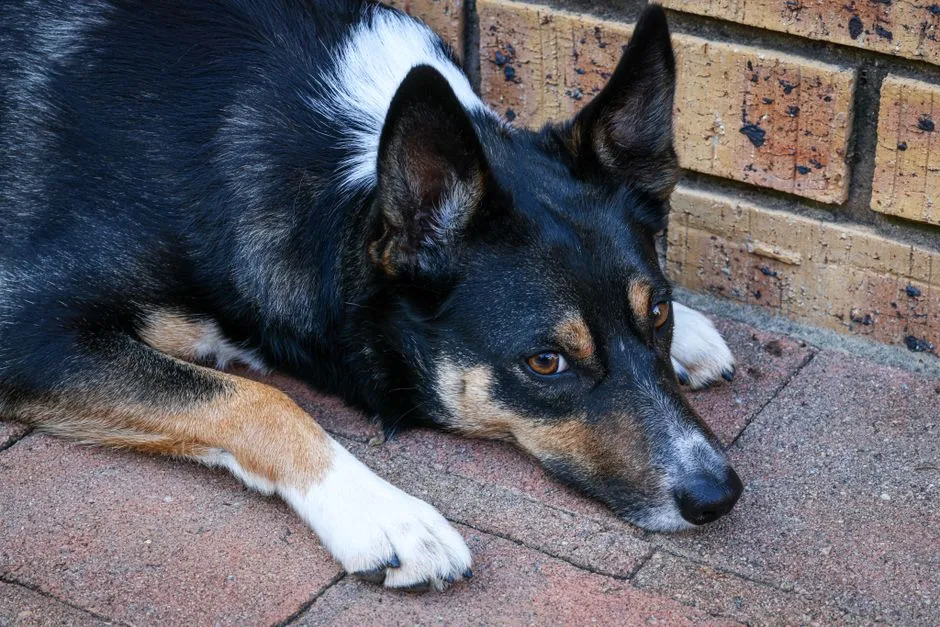
The most surprising signal isn’t physical at all. There comes a day, sometimes ordinary, sometimes unmistakably heavy, when a once-relentless sheepdog looks at you mid-task and simply opts out. Not stubbornly. Not dramatically. Calmly.
Maybe you call them to load up, and they quietly turn back to their bed instead. Maybe you open the kennel, and rather than bolting for the truck, they glance at the fields, then choose the porch. Their eyes are still bright, still loving, but no longer hungry for the work itself.
They’re not quitting you. They’re releasing the job. It’s rarely one cinematic moment, it’s usually a cluster of days where the dog gently disengages from the work while still clinging to your side, wanting your presence more than your commands.
Fighting that handover, dragging them back into full workloads, demanding old performance, isn’t loyalty. It’s selfishness. Accepting it means admitting that the animal who carried generations of your seasons has finally put the responsibility back where it always belonged, on your shoulders.
The Bottom Line
🔥 Would you like to save this?
We'll email this post to you, so you can come back to it later!
What a sheepdog does at the end of a working life isn’t some neat, Hallmark fade-out. It’s a series of sharp, specific signals: refusing to race the quad, coaching the youngster like a cranky genius, guarding the house instead of the hills, choosing soft beds and softer company, inventing rituals around you once the sheep no longer define the day.
They don’t just stop working. They methodically reshape their job from managing stock to managing your heart.
Here’s the uncomfortable opinion: if you miss or ignore these signals because you’re chasing “one last good season,” you’re not honoring a working dog, you’re using one. The real test of a handler isn’t the tidy outrun. It’s whether you can read the quiet retirement cues and answer them with the same courage your dog showed in every storm.
Did we miss a signal you’ve seen in your own dog’s final years? Say it out loud in the comments, because some future shepherd out there might need to read exactly that.

- 12 Surprising Facts About North American Mountain Lions You Never Knew - November 5, 2026
- Wild Salmon Populations Are Rebounding in the Pacific Northwest, A Sign of Healthier Rivers - November 5, 2026
- 8 Fascinating Facts About Owls You Never Knew - November 5, 2026