
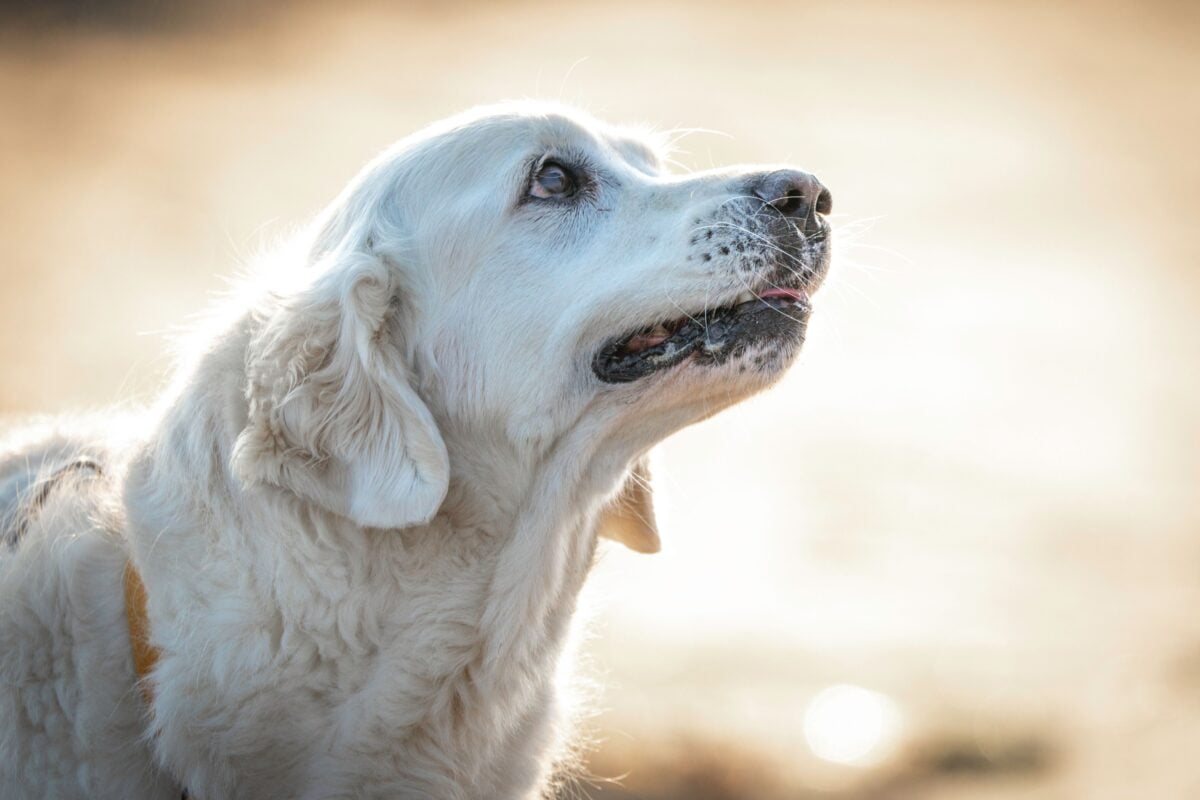
Everyone assumes the same thing when an old dog goes missing in wide-open country: he’s gone. No phone, no GPS, no map, and half the time his eyes and ears aren’t what they used to be. So when a gray-muzzled dog turns up three, five, even ten miles from where he wandered off, standing at the exact front door he left, people call it a miracle.
It isn’t. What actually gets a senior dog home through unfamiliar country is a quiet stack of biology, memory, and instinct most owners never notice happening in the first place. Some of it is genuinely strange science. Some of it will make you feel a little guilty for underestimating him. Here are the 16 real reasons old dogs find their way back – starting with the one hiding in plain sight on every walk you’ve ever taken together.
#16 – The “Scent Map” They Built Years Ago
🔥 Would you like to save this?
We'll email this post to you, so you can come back to it later!
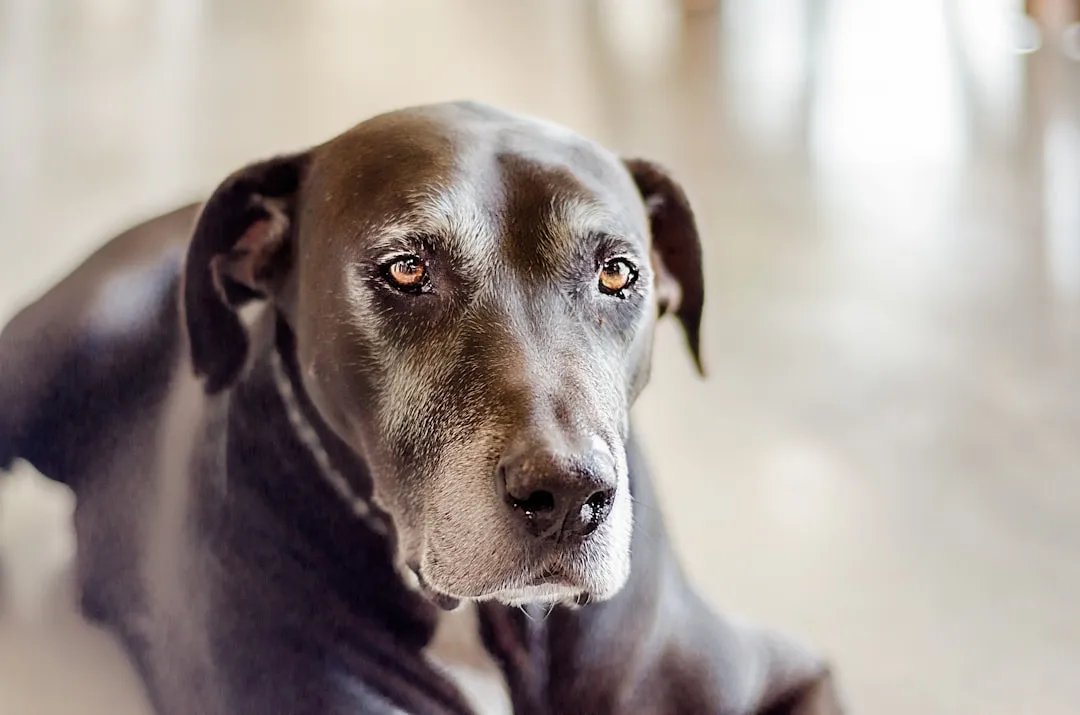
Older dogs may move slower, but their noses are still working at full power. Many seniors are running on what behaviorists call a mental scent map – a smell-based layout of their territory built up over years of walks, car rides, and bathroom breaks along the same routes. That map doesn’t erase itself just because the dog’s joints got stiff.
Every fencepost, ditch, and barn out there holds information: other dogs’ urine and droppings, wild animal trails, and your own scent from daily routine. A senior dog who’s slipped away often reverses those trails home, picking up familiar odors like your truck’s tires on gravel or the manure from the neighbor’s farm he passes every single day.
- Other dogs’ urine and feces
- Wild animal scent trails
- Your own scent from daily routines
To us, a dirt road looks generic. To a dog, it smells like a library card catalog with his own name on half the cards. Owners assume old dogs forget everything – but many seniors can still follow scent patterns laid down years earlier, especially once stress sharpens their focus.
#15 – Using Wind Direction Like a Living Compass
🔥 Would you like to save this?
We'll email this post to you, so you can come back to it later!
Most people don’t realize dogs actively read the wind, not just the ground. When a senior dog is lost in open country, he’ll often stop cold, lift his head, and go still. That’s not confusion. That’s him sampling the air for the faintest trace of home.
In rural areas, wind carries scent from surprising distances – your cooking, the farm animals on your property, even wood smoke from your chimney. Older dogs, arthritis and all, will zigzag or walk in slow arcs, constantly adjusting toward wherever a scent seems to be getting stronger.
- Your cooking or backyard grill
- Farm animals or feed from your property
- Wood smoke from your chimney
It’s crude, but it functions like a nose-based compass. People love to call it “homing instinct,” but really it’s just decades of practice using wind as a moving searchlight. The wind does the broadcasting. The dog just tunes in.
#14 – Magnetic Orientation: The Weird Science Almost No One Knows
🔥 Would you like to save this?
We'll email this post to you, so you can come back to it later!
Here’s where it gets genuinely strange. Several studies suggest dogs may sense the Earth’s magnetic field, sometimes aligning their bodies along a north-south axis before choosing a direction. Owners of seniors who trekked home across open country often swear the route was “too straight to be random” – and they might be onto something.
We don’t know exactly how strong this sense is or how much it matters day to day. But in featureless landscapes – flat fields, snow, wide plains – dogs sometimes show a consistent directional bias that scientists link to a magnetic reference point, like a faint built-in compass they lean on when smells and landmarks run thin.
Fast Facts
- A two-year study tracking 70 dogs across 37 breeds found they consistently lined up along a north-south axis when relieving themselves under calm magnetic conditions.
- Researchers monitoring 27 hunting dogs on hundreds of homeward trips found that about a third of the time, dogs ran roughly 65 feet along that same north-south line before switching to a fresh route toward their owner.
- A follow-up study found this alignment behavior actually fades with age – older dogs show it less consistently than dogs in their prime.
- Scientists still can’t fully explain why it happens – only that it’s real, repeatable, and measurable.
For a senior dog who’s lived in the same patch of country for years, that quiet sense of “which way feels right” may be what keeps him from walking in giant, exhausting circles. Not magic, not psychic. Just one more layer of orientation stacked on top of smell, sound, and memory.
#13 – Muscle Memory of Old Walking Routes
🔥 Would you like to save this?
We'll email this post to you, so you can come back to it later!
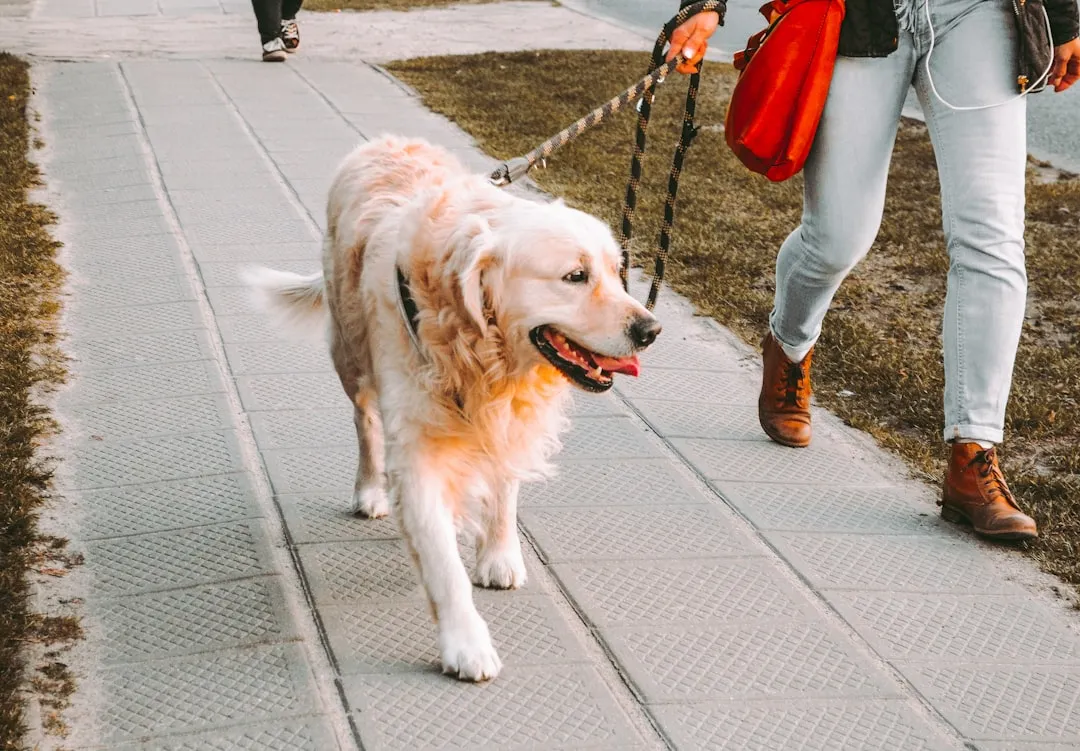
Most people assume memory loss comes standard with old age in dogs. In reality, many seniors carry a shockingly accurate memory of their classic walking routes, especially in the country, where paths are wide, repetitive, and etched in over years.
Think about your own routine: the same dirt lane for years, the same turn at the mailbox or creek, the same pause at the tree line. To a dog, every one of those micro-patterns lives in muscle memory. When a senior gets lost, he doesn’t wander randomly – he defaults to the last pattern that worked.
- You probably took the same dirt lane for years
- You turned at the same crossroads, mailbox, or creek
- You paused at the same tree line or pasture fence
Even an arthritic dog that hasn’t walked far in months may still remember: up the hill, left at the tall pines, down past the old shed. It’s like your feet remembering the drive home on autopilot – except his whole body is the GPS.
#12 – Following the Sound and Smell of Farm Life
🔥 Would you like to save this?
We'll email this post to you, so you can come back to it later!
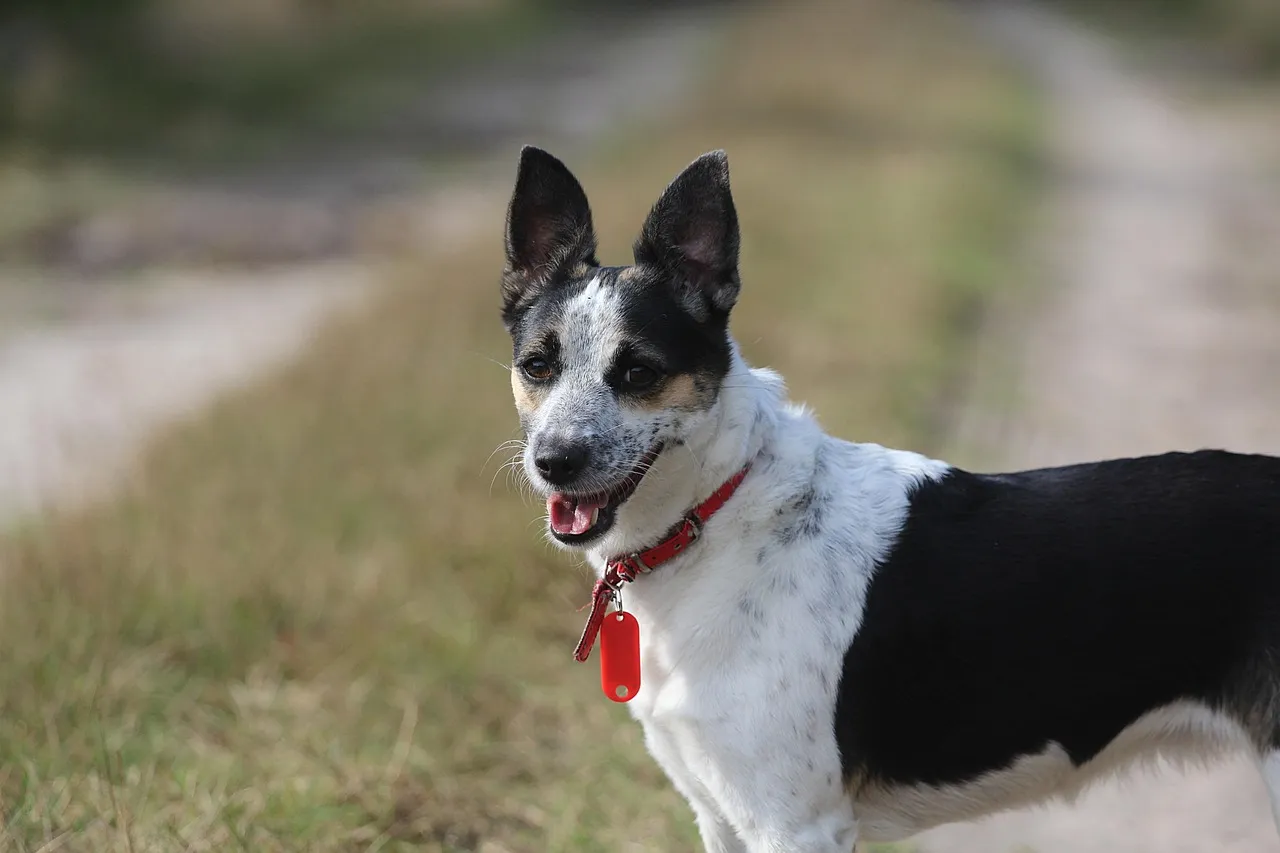
In the country, home isn’t just a building – it’s a whole soundscape and smellscape. Senior dogs who’ve lived years near farms know the unique mix of tractor engines at certain hours, the hum of a particular road, and the exact scent of your livestock or feed.
When lost, many older dogs aren’t looking for the house first. They’re heading toward the familiar “noise and smell cloud” they’ve always associated with safety. Your cows don’t smell like the neighbor’s cows. Your chicken coop doesn’t smell like theirs.
- Tractor engines at certain times of day
- The hum of a specific road or grain dryer
- The scent of your particular livestock or feed
Owners often say, “but he went a way we never walk!” True – yet the destination was familiar enough that any route pointing toward that signature blend of sounds and smells felt close enough to follow. Dogs navigate more by sensory destination than by mapped route.
#11 – Their Private “Do Not Cross” System
🔥 Would you like to save this?
We'll email this post to you, so you can come back to it later!
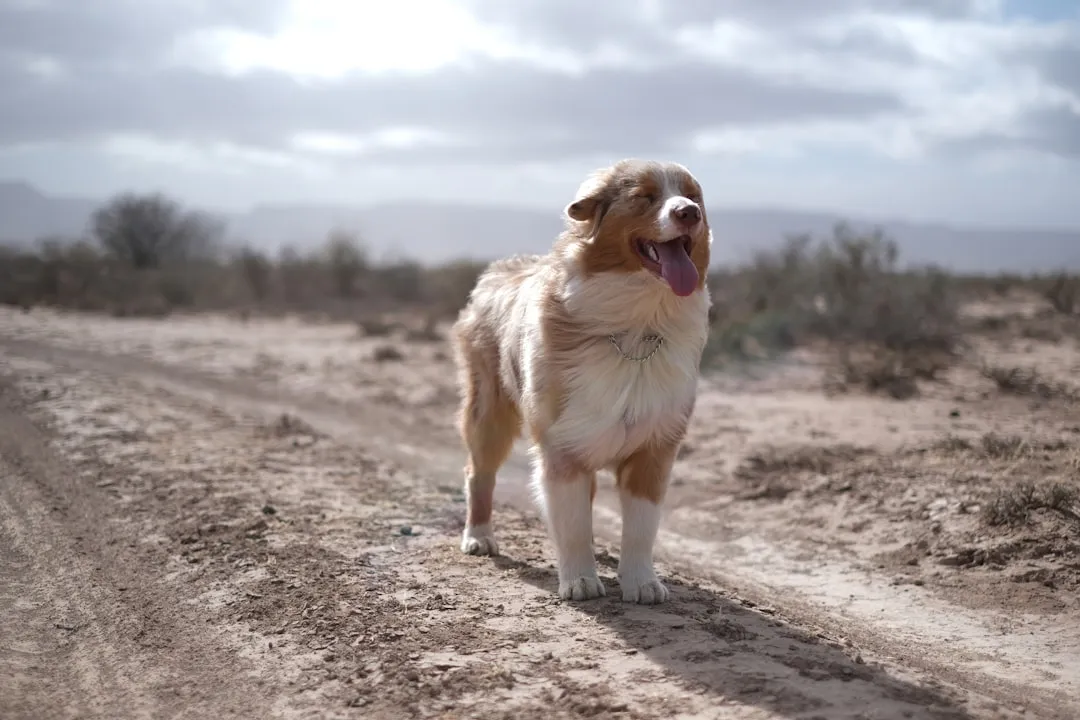
Here’s a detail most people miss: senior dogs in rural areas quietly build their own traffic code over the years. They learn which roads are fast and loud, which tracks are quiet, and which paths tend to lead to trouble.
A lot of older dogs who find their way home do it by avoiding danger they’ve already catalogued – skirting the paved road for the drainage ditch, cutting behind hedgerows to dodge a neighbor’s barking dogs, sticking to field edges instead of wide open ground.
- Skirting the main paved road and using the drainage ditch instead
- Cutting behind hedgerows to avoid barking farm dogs
- Sticking to field edges instead of open, exposed areas
This isn’t nerves talking – it’s risk management shaped by a lifetime outdoors. Their map isn’t just where to go; it’s where not to go. That distinction can be the difference between a dog getting hit on the highway or slipping quietly along a slower track that still bends toward home.
#10 – Using Human and Dog “Help Desks” Along the Way
🔥 Would you like to save this?
We'll email this post to you, so you can come back to it later!
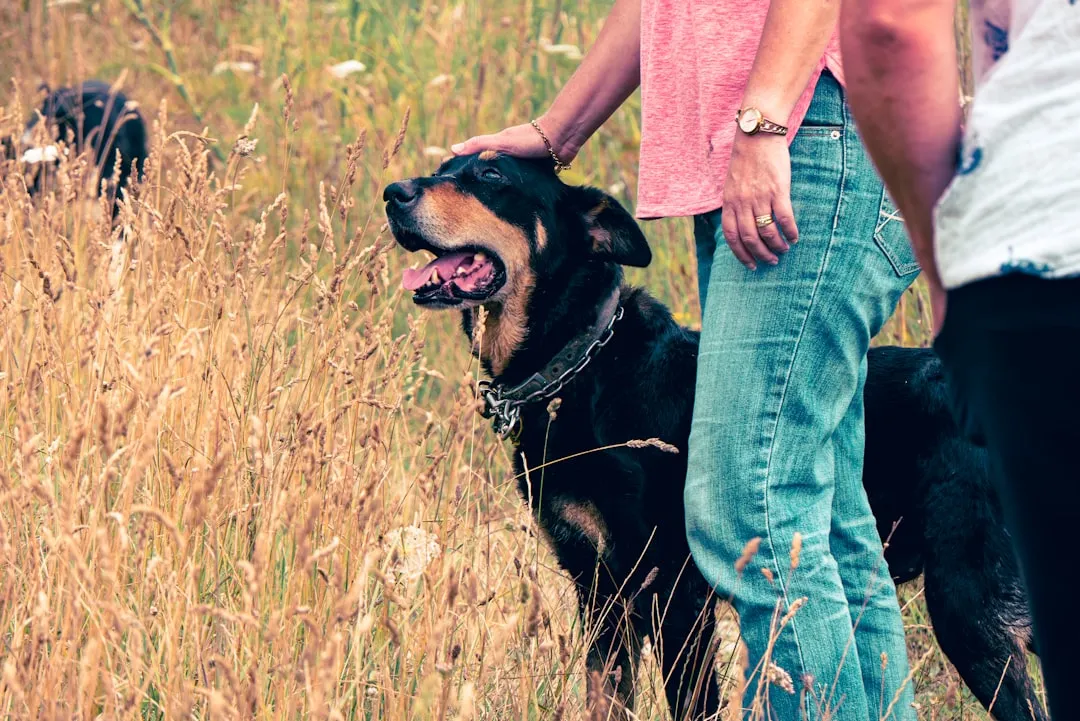
We love to picture our dog pulling off some lone, cinematic journey home. Reality check: a lot of senior dogs basically crowdsource the trip through a chain of farms, porches, and other dogs’ territory without anyone realizing it.
A tired old dog who wanders into a stranger’s yard might get water, food, or a nap spot – and unknowingly trigger someone to drive “toward the farms over that way” looking for the owner. Even getting chased off a property can, ironically, push him a little closer to home.
- Be given water, food, or a quick nap spot
- Trigger someone to drive toward nearby farms to look for the owner
- Get chased off in a direction that pushes them closer to home
Other dogs play a role too – territorial ones push outsiders along predictable pressure paths, away from their own turf, which your dog has spent years learning to avoid. Over distance, that can funnel a senior in a rough arc back toward his own acreage. The hero story of “he found his way back alone” usually hides a messier, more human-assisted truth.
#9 – Locking Onto Routine Times, Not Just Places
🔥 Would you like to save this?
We'll email this post to you, so you can come back to it later!
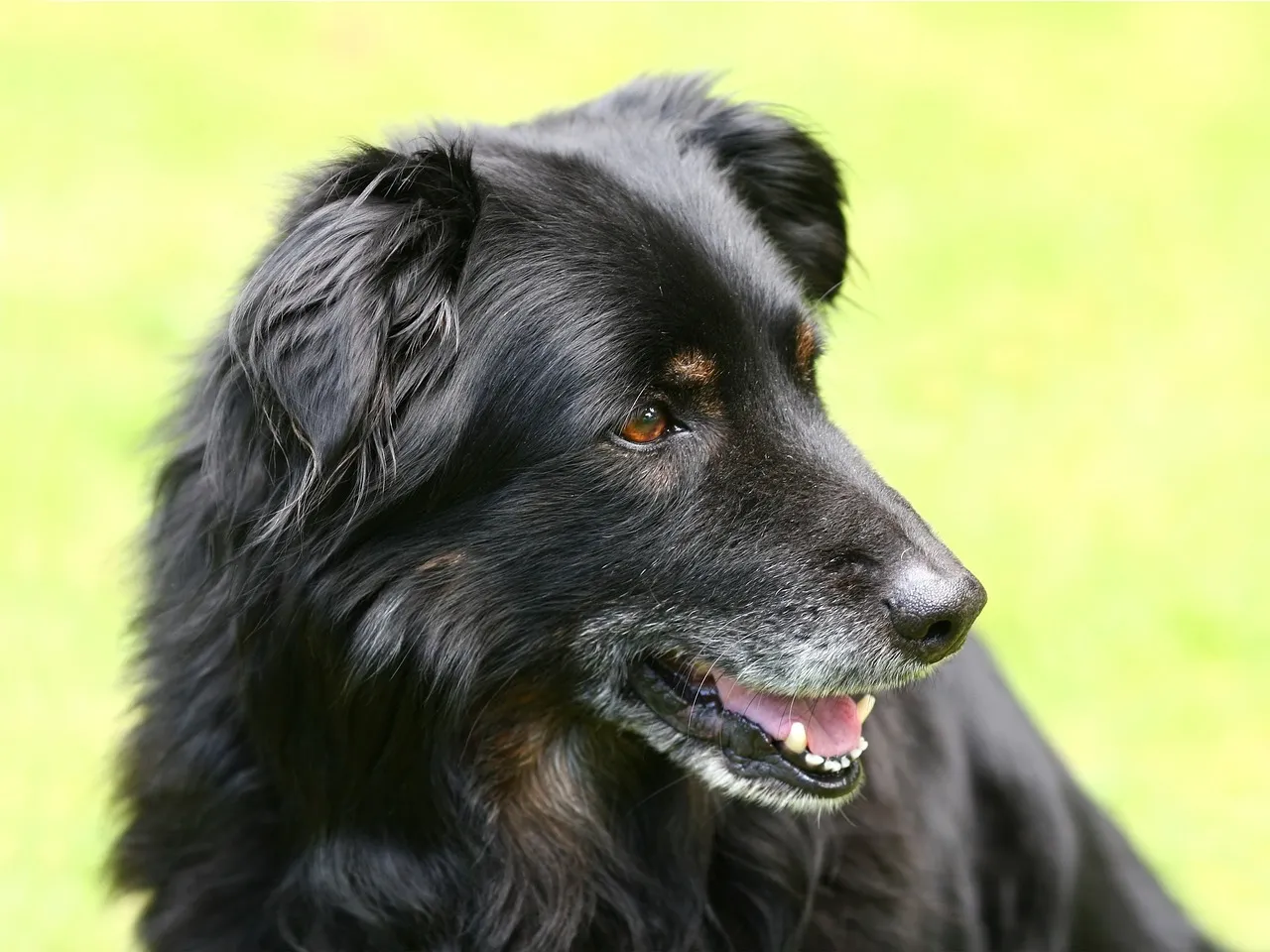
One under-appreciated trick: a lot of senior dogs navigate by time almost as much as by place. Their entire internal clock is built around feeding schedules, chores, and family patterns, and it doesn’t shut off just because they’re lost.
When they’re missing, they’re not only asking “where is home?” They’re also asking “what should be happening right now?” If it’s evening, they know you should be coming back from the fields, dinner smells should be in the air, certain lights should be on.
- You should be coming back from work or the fields
- Dinner smells should be in the air
- Lights might be on at certain houses
A senior dog who’s always joined you at the mailbox at 5 p.m. may head straight for that stretch of road at 5 p.m., even from unfamiliar ground. It feels uncanny when someone finds their dog “waiting right where we always meet” miles away – but it’s really just an old routine he clung to because it was the only stable thing in a confusing world.
#8 – Reading the Ground Like a History Book
🔥 Would you like to save this?
We'll email this post to you, so you can come back to it later!
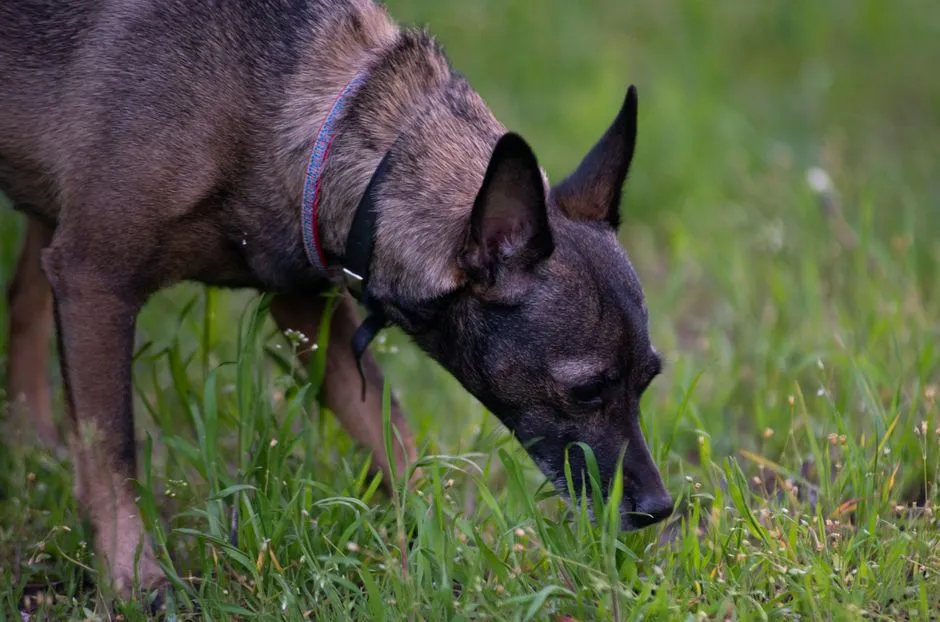
Country ground isn’t just dirt – it’s a running record of everyone who passed through. Even an aging nose can still pick up the crushed-grass trail of your truck, hoofprints from your cattle versus the neighbor’s herd, and the shifting smell of soil after rain.
A senior dog who seems to be wandering aimlessly may actually be scanning for overlapping signatures – the same tire tread from your driveway, the same mud smell from your back pasture – and reading that combination as “go this way.”
- The crushed-grass trail of your truck or quad
- Hoofprints from your cattle versus a neighbor’s herd
- The changing smell of soil where rain recently fell
Worth Knowing
- A dog’s nose can be sensitive enough to catch a strong, familiar scent from as far as 12 miles away under the right wind and weather conditions.
- Older dogs tend to lean on consistent, well-worn scent trails rather than exploring unfamiliar ground, which narrows their search pattern instead of widening it.
- Animal control records show elderly and disabled dogs are often recovered faster than young, adventurous ones – frequently within just a few blocks of where they wandered off.
A hayfield your neighbor cut last week doesn’t smell like the one you cut yesterday, and layered over years of experience, differences like that help older dogs filter out dead ends. It’s also why sudden change – new crops, construction, a fire – can throw a senior’s sense of direction completely off. The history book just got rewritten.
#7 – Emotional Anchors: Home Is a Feeling, Not Just a Spot

🔥 Would you like to save this?
We'll email this post to you, so you can come back to it later!
People don’t love hearing this, but it matters: not every dog wants to go “home” the way we picture it. For the seniors who do make the trek back, it’s often because the emotional pull toward their people is stronger than anything else in the field.
Senior dogs tend to be more bonded to their core humans, less interested in exploring for its own sake, and more driven by safety and predictability. That emotional anchor means that under stress, their brain defaults to one goal: find the humans. It amplifies anything that smells, sounds, or feels like you.
- More bonded to their core humans
- Less interested in exploring for fun
- More driven by safety and predictability
A kind stranger, another farm, even a bowl of good food won’t register as “destination” the way your voice or your front gate does. This is why some seniors will walk right past perfectly good shelter to keep moving in your direction. The pull to get back to their person is a navigation force all on its own.
#6 – Old Anxiety That Accidentally Keeps Them on Track
🔥 Would you like to save this?
We'll email this post to you, so you can come back to it later!
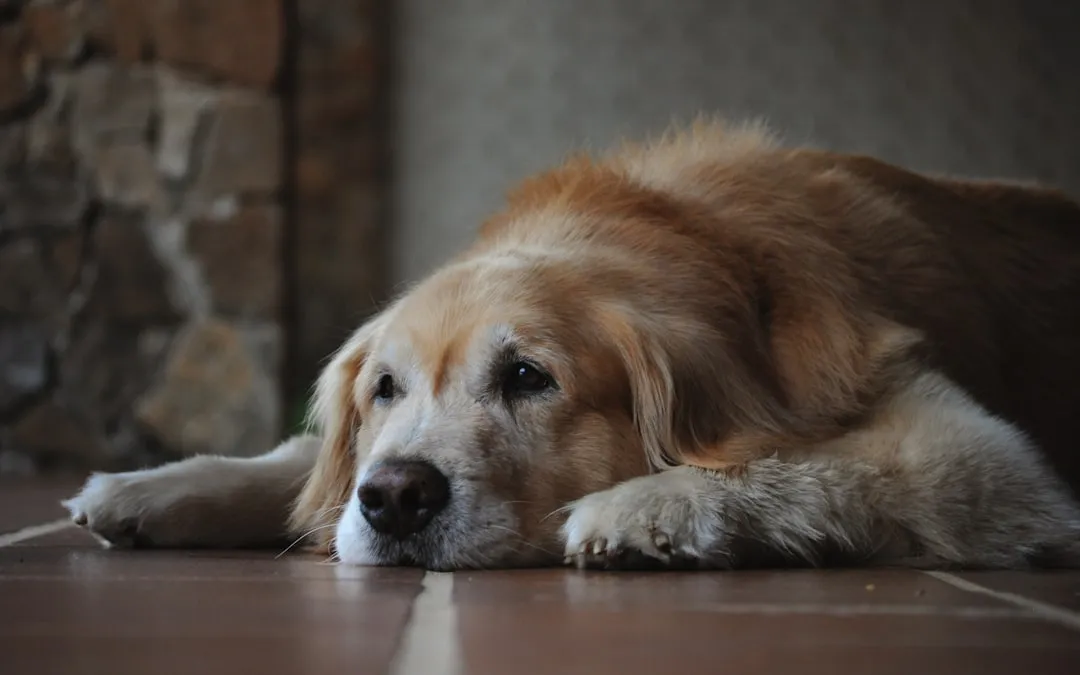
Here’s the uncomfortable truth: the same anxieties we feel guilty about might be quietly helping our dogs find their way home. Seniors who’ve always been a little nervous around strangers, other dogs, or loud machinery tend to avoid exactly those things when they’re lost.
That avoidance funnels them into quieter, more rural, more direct paths – treelines, streams, fence lines – that happen to arc back toward your property instead of toward busy roads and unfamiliar crowds.
- They skirt busier roads and populated clusters
- They avoid packs of unfamiliar farm dogs
- They shy away from noisy, industrial zones
Is chronic anxiety good for a dog? Not remotely. But pretending it plays no part in survival isn’t honest either. Ironically, the skittish old dog who “never liked strangers” may be the one most likely to keep walking, alone and uninterrupted, until he reaches your yard again.
#5 – The Hidden Role of Waterways and Drainage Lines
🔥 Would you like to save this?
We'll email this post to you, so you can come back to it later!
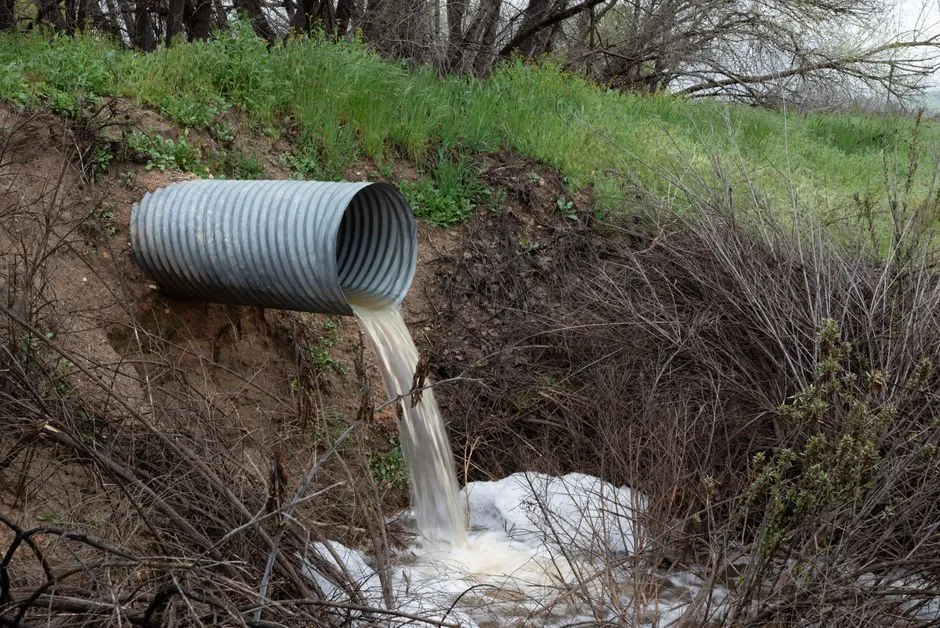
Most people search the roads first. Smart instinct, but incomplete. Dogs – especially seniors who prefer easier walking – often default to waterways and drainage lines that quietly connect distant areas like secret highways.
Creeks, irrigation ditches, and small rivers offer softer footing for arthritic joints, cover from wind and predators, and reliable access to water. Many country dogs have followed these same channels casually for years, just tagging along on walks – so when they’re lost, they slip right back into that pattern.
- Softer footing for arthritic joints
- Cover from wind and predators
- Consistent access to water
A creek that runs within a mile of your house is basically a long on-ramp to your front door. That’s why you sometimes hear stories of dogs tracked “all along the creek” for miles – it’s less clever mapping and more physical comfort and old habit combining into a surprisingly direct route.
#4 – Car Route Memory, Even If They’ve Never Walked It
🔥 Would you like to save this?
We'll email this post to you, so you can come back to it later!
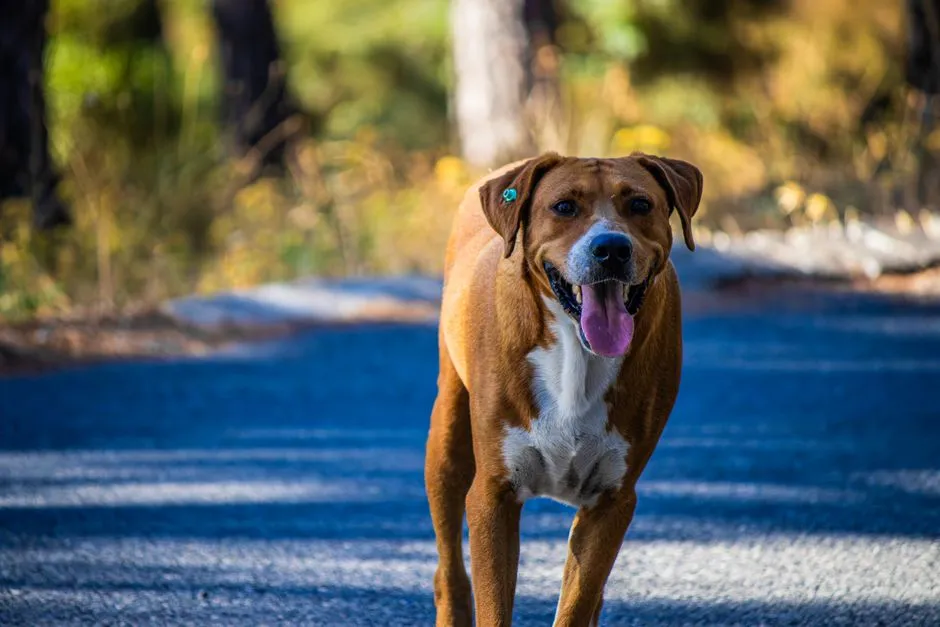
Here’s a trick that surprises most owners: some senior dogs remember car routes almost as clearly as walking routes. Even with the windows just cracked, they’ve logged smells, sounds, and turns for years riding shotgun into town and back.
So when a dog ends up lost along a back road that happens to intersect your usual driving path, he may recognize the smell of a specific gas station or feed mill on the wind, the familiar sequence of turns near home, or the distant sound pattern of the highway you always hear right before turning into your lane.
- The smell of a specific gas station or feed mill on the wind
- The unique sequence of turns near home
- The distant sound of a highway heard right before you turn into your lane
At a Glance
- Bobbie the collie mix walked roughly 2,800 miles from Indiana back to Oregon in 1924, crossing several mountain ranges over six months.
- Bucky the Labrador covered close to 500 miles from Virginia to South Carolina in search of his original owner.
- Georgia May, a rescue dog, made a documented 35-mile trek home after slipping away during a hike near San Diego.
He doesn’t need to have walked it to know it – the whole route was passively recorded from the passenger seat. That’s why some seniors seem to cut across country in a way that lines up eerily well with your usual driving shortcut. They’re stitching together pieces of a commute they never once walked on their own paws.
#3 – Community Smell “Zones” They’ve Mapped for Years
🔥 Would you like to save this?
We'll email this post to you, so you can come back to it later!
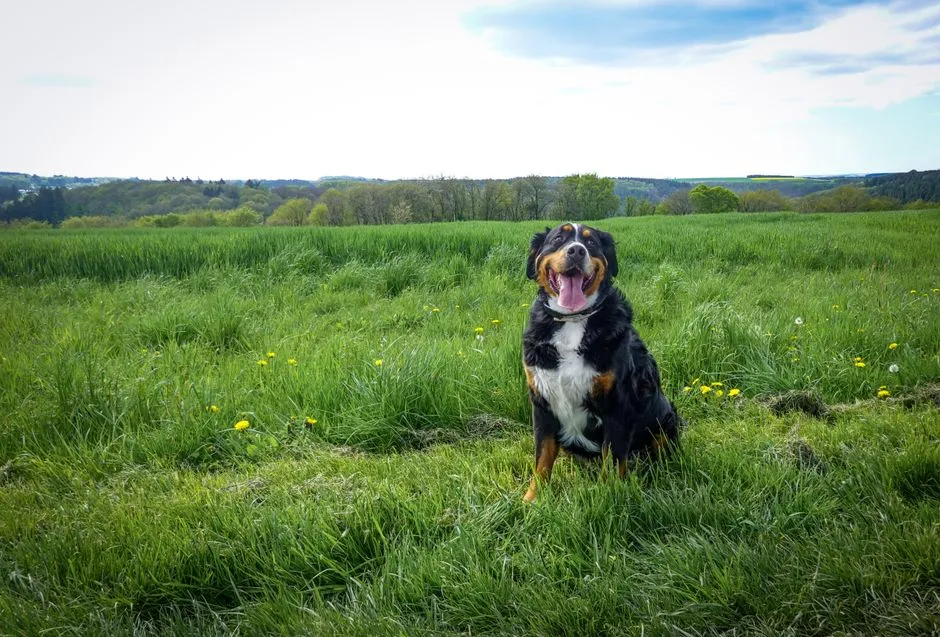
Country areas aren’t a blank slate – they’re chopped into huge, overlapping odor zones tied to certain farms, certain woods, certain industries. Over time, a dog builds a crude mental atlas: the chicken-farm zone, the pine-woods zone, the cow-pasture zone.
When a senior gets lost, he quickly works out where he sits on that atlas. Heavy pine and fox scent might mean the far side of the woods. The smell of the dairy farm you drive past every day might mean he’s closer than anyone thinks.
- “I’m in heavy pine and fox scent – this feels like the far side of the woods.”
- “I smell the dairy farm we drive past before heading home.”
From there, he doesn’t need an exact trail, just a directional shift – move from this smell-zone toward the one that means home. Think of it less like GPS and more like walking through overlapping Wi-Fi zones until you hit the strongest signal. The country is simply rich in signals a dog’s nose already knows how to read.
#2 – The Strange Advantage of Slowing Down
🔥 Would you like to save this?
We'll email this post to you, so you can come back to it later!
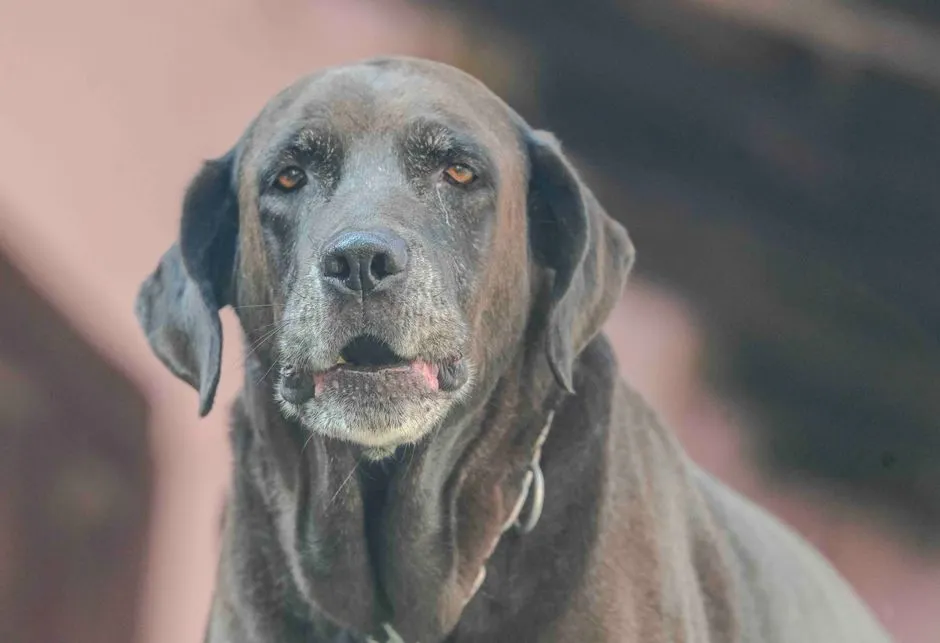
Everyone assumes age is nothing but a handicap out there. Sometimes, with navigation specifically, it isn’t. Senior dogs move slower, rest more, and think longer before charging ahead – and that forced pacing quietly reduces the number one killer in lost-dog cases: panic.
Because they can’t sprint for miles, seniors pause more often to re-sample air and ground, tend to stay within a single drainage, valley, or ridgeline, and are less likely to burn out and collapse far from any help.
- Pause more often to re-sample air and ground
- Stay roughly within a single drainage, valley, or ridgeline
- Avoid burning out and collapsing far from any help
Their limitations push them into a slower, more methodical search pattern, which raises the odds they’ll keep stumbling into familiar cues instead of blasting right past them in a blind panic. Is it risky to be old and lost? Absolutely – many don’t make it home. But the ones who do sometimes succeed precisely because age forced patience instead of desperation.
#1 – It’s Not Magic: It’s Layered Senses Working Together
🔥 Would you like to save this?
We'll email this post to you, so you can come back to it later!
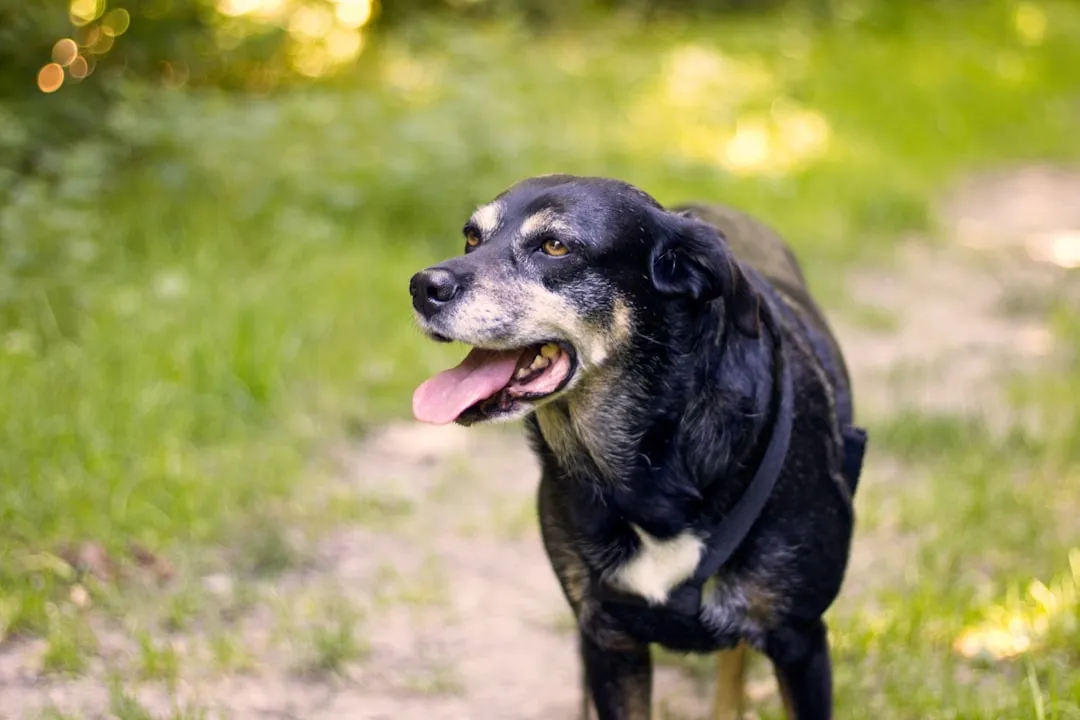
The most surprising truth in all of this? There’s no single superpower that explains how senior dogs cross miles of country they never formally learned. It’s the stacking of small advantages – scent mapping, wind reading, possible magnetic hints, emotional drive, routine, and quiet community help – built up over years and cashed in all at once.
Put it all together and you get a dog who knows your land and your neighbors better than you ever gave him credit for, a brain wired to cling to familiar patterns in a crisis, and a nose and body that never once stopped collecting data, even on the most boring, uneventful days.
- A dog who knows your land and neighbors better than you think
- A brain wired to cling to familiar patterns in crisis
- A nose and body that never stopped collecting data, even on “boring” days
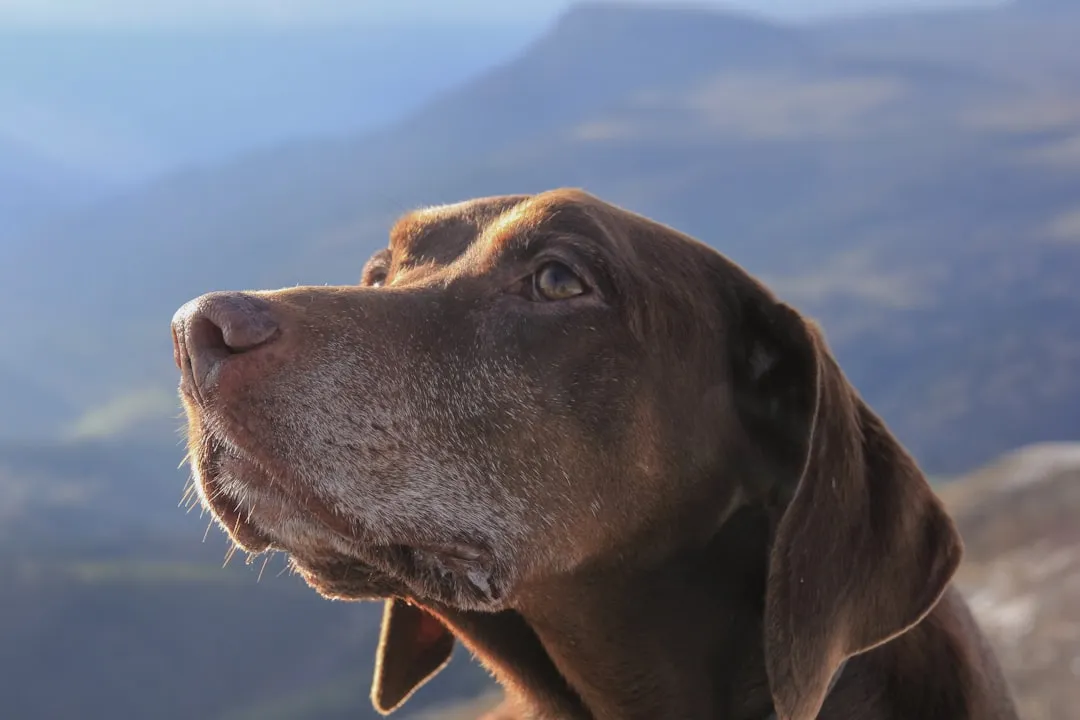
When a senior dog finds his way home, it’s tempting to call it fate. The reality is more humbling – his quiet, uneventful daily life with you built a toolkit he could fall back on the moment everything went wrong. It looks miraculous from the outside. Inside that gray head, it’s just the best use of every sense he’s got left.
The Bottom Line
🔥 Would you like to save this?
We'll email this post to you, so you can come back to it later!
Senior dogs finding their way home through country they’ve “never learned” isn’t a Disney miracle. It’s years of unnoticed training cashing out all at once. Every truck ride, every fence-line walk, every quiet evening tagging along while you fed the chickens was building a dense web of scent, sound, and memory without either of you realizing it.
When they get lost, that web becomes the safety net. Age still adds real risk, and plenty of seniors don’t make it back – pretending otherwise would be dishonest. But writing off the ones who do as “just lucky” massively undersells how hard their bodies and brains are working to close that distance.
Personally, I think we owe them more credit, and more responsibility to match it. Microchips and collars still matter. So does dropping the assumption that he “knows these fields like the back of his paw” just because he’s lived there his whole life. So – science, instinct, and habit doing all the heavy lifting… or is there still a sliver of something you can’t quite explain?

- 23 Warm Corners an Elderly Cat Keeps Returning To All Winter - October 29, 2026
- 16 Behaviours Showing a Cat Considers a House Permanent Now - October 29, 2026
- 15 Wildlife Programmes a Lifetime Pass Holder Over 62 Can Join Free - October 29, 2026