
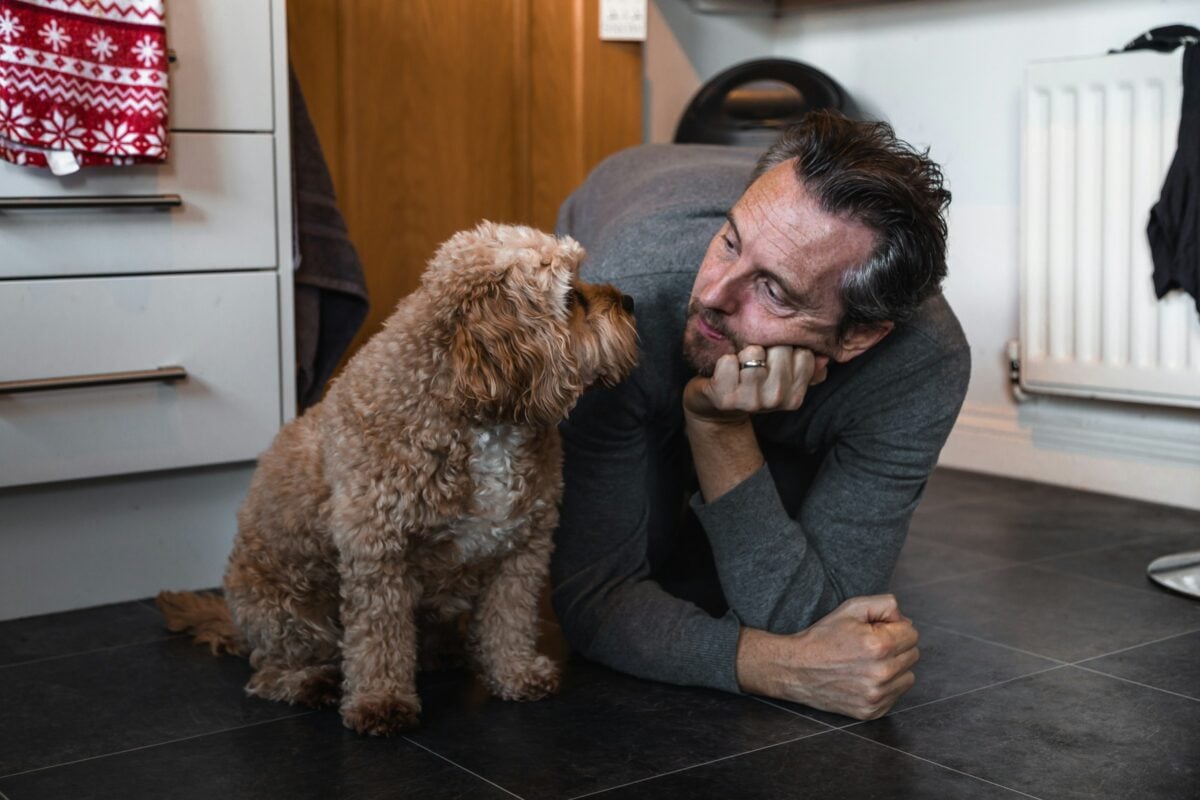
Everyone assumes a shelter dog’s story really begins on “gotcha day” – the leash walk to the car, the first treat at home, the photo with the big goofy grin. But the truth is almost the opposite. The chapter that decides the most, the one behaviorists keep circling back to in study after study, happens before any of that. It happens in the first 72 hours inside the kennel, and most of us have been reading it completely wrong.
Heart rates spike. Stress hormones flood the bloodstream. Dogs that look “chill” on camera may actually be shutting down, not settling in. That head tilt everyone finds so charming? It might be survival mode dressed up as personality. Here’s what the science – and the people who live inside kennels every single day – actually found when they looked closely at those first three days.
#1 – The Stress Spike Hits Before the Kennel Door Even Closes

🔥 Would you like to save this?
We'll email this post to you, so you can come back to it later!
Here’s the blunt truth nobody puts on the adoption flyer: most shelter dogs are already in crisis before they ever see a stainless-steel bowl. They’ve been lost, seized, surrendered, or dragged out of chaotic homes. By the time they reach intake, their cortisol – the body’s primary stress hormone – is already spiking, and the car ride, the strange smells, and the clanging doors just pour gasoline on a fire that started hours earlier.
Saliva-sample studies have repeatedly found that shelter dogs’ cortisol levels run significantly higher than those of pet dogs living in stable homes, often before a single form gets filled out. That means what you’re watching in those first hours isn’t really “who this dog is.” It’s “what this dog just survived.” Panting, pacing, drooling, refusing treats, or freezing into a statue aren’t warning signs of a bad dog – they’re textbook shock responses. Which is exactly why behaviorists consider “first impressions never lie” one of the most dangerous myths in rescue work.
Fast Facts
- Cortisol, the body’s primary stress hormone, is often already elevated before a dog reaches the kennel.
- Common survival-mode behaviors include panting, pacing, drooling, freezing, or refusing food.
- None of these first-hour reactions reliably predict how a dog will behave once the crisis passes.
#2 – Cortisol, Sleep, and the Myth of the “Calm” Kennel Dog

🔥 Would you like to save this?
We'll email this post to you, so you can come back to it later!
This is the part that quietly upends half of shelter culture: that impossibly calm dog you scroll past on Facebook, the one curled peacefully in the back of the kennel, might not be relaxed at all. Research tracking cortisol in shelter dogs shows levels often stay elevated for at least the first few days, and the kennel environment itself – the barking, the clanging, the strangers walking past nonstop – makes real recovery almost impossible.
Sleep studies on shelter dogs paint an even bleaker picture. Deep, restorative rest is exactly what a stressed nervous system needs to reset, but many shelter dogs get it in fragments at best – jolted awake by cleaning crews, barking neighbors, or footsteps at 2 a.m. So when a dog looks like it’s “just chilling” in the corner, there’s a real chance you’re watching learned helplessness instead: a dog too overwhelmed to try anymore. That distinction isn’t just academic. It quietly decides who gets flagged as adoptable and who doesn’t.
Worth Knowing
- Elevated cortisol can linger for several days, not just hours, inside a typical shelter environment.
- Constant noise, foot traffic, and unpredictable schedules make deep, restorative sleep nearly impossible.
- A dog that looks “settled” may actually be showing learned helplessness rather than genuine calm.
#3 – The Three-Day Behavior Mirage: Why Day 1-3 Are So Unreliable
🔥 Would you like to save this?
We'll email this post to you, so you can come back to it later!
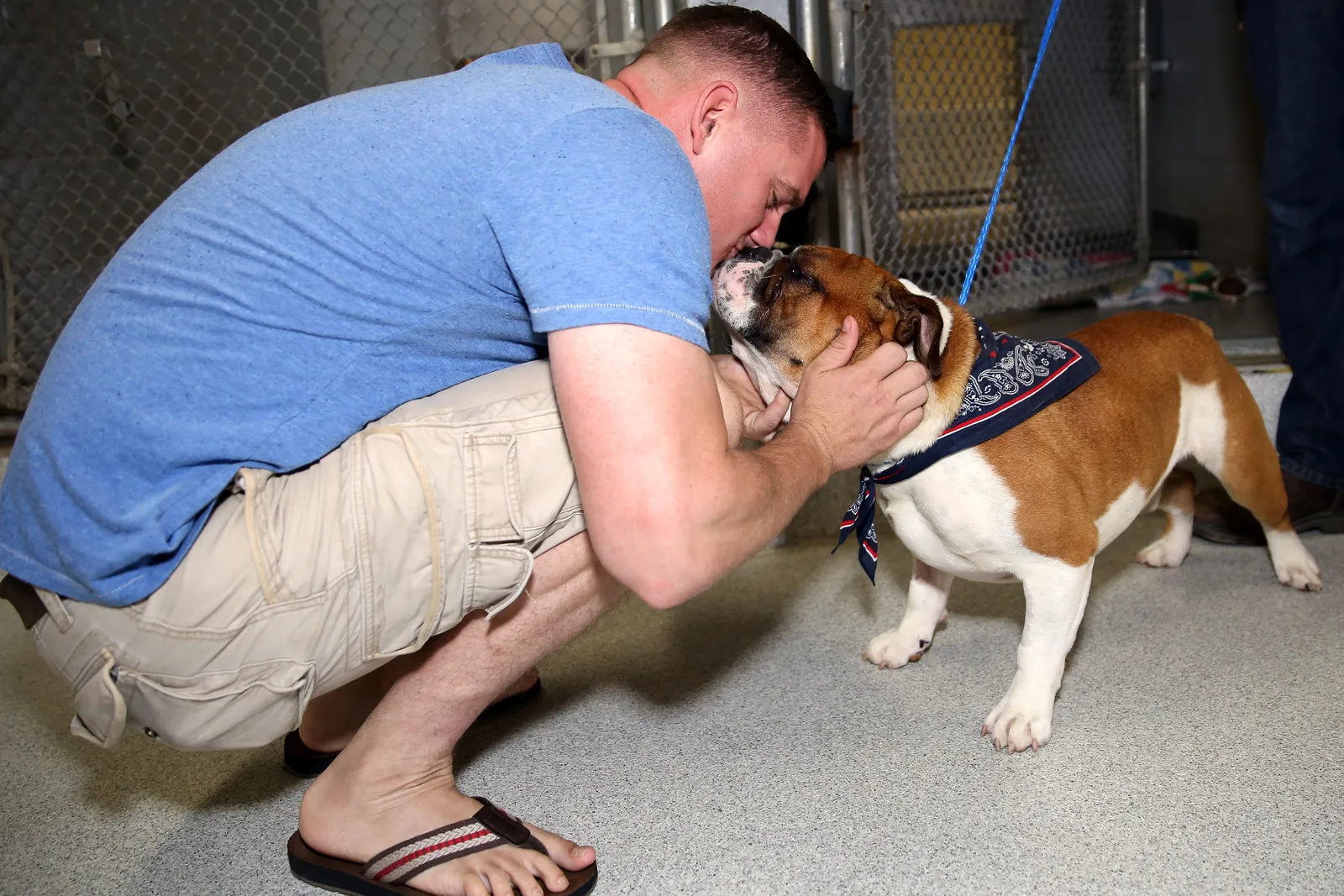
Most people don’t realize that behaviorists treat the first 72 hours as a kind of data-poor zone – a window where behavior reflects coping, not character. A terrified dog might lunge and bark at everyone on Day 1, then greet the same people gently by Day 4. A shut-down dog might ignore every toy and food bowl at intake, then suddenly come alive once the panic wears off.
That has real consequences. Temperament tests run too early can permanently label a dog as “aggressive,” “unfriendly,” or “unadoptable” based on nothing more than fear. Some research has found that repeated testing spread across several days predicts post-adoption behavior far more accurately than a single snapshot taken on arrival. Early tests tend to capture how a dog handles being terrified – not how they handle everyday life. Rushing to judgment in those 72 hours is a fast way to get it wrong, sometimes fatally wrong.
Quick Compare
- Day 1 snapshot: lunging, barking, or ignoring toys and food out of pure fear.
- Day 4 reality: the same dog often greets people calmly once the initial panic fades.
- Single-day testing: mostly captures panic, not personality.
- Multi-day observation: tracks real trends and predicts post-adoption behavior far more reliably.
#4 – Body Language Goes “Backwards” When Dogs Are Overwhelmed

🔥 Would you like to save this?
We'll email this post to you, so you can come back to it later!
This is where even well-meaning volunteers get badly misled. In the first 72 hours, many shelter dogs stop speaking clear, textbook “dog” and start speaking something scrambled instead. You might see a wagging tail on a rigid, frozen body, or a dog taking treats while its pupils are blown wide and its eyes are hard. On paper, that reads as friendly. In context, it can be a countdown timer.
Shelter trainers report a familiar pattern in overwhelmed dogs: mixed signals like a tail wag paired with a lip lick and whale eye, or a playful bow followed by a sudden freeze. Delayed reactions show up too – a dog tolerates touch fine, then “randomly” snaps the third or fourth time. It’s not random at all. The nervous system is slamming the brakes and the gas pedal simultaneously. A dog leaning into your hand on Day 1 might just be clinging to the only social anchor in a terrifying place, not truly consenting to being touched. That’s exactly why some of the most ethical shelters now default to assuming every dog is overwhelmed for the first three days, full stop.
- Mixed signals: tail wag with lip lick and whale eye; play bow followed by sudden freeze.
- Delayed reactions: tolerant one moment, sharply reactive the next, seemingly out of nowhere.
#5 – The “Quiet Dog” Problem: Shutdown Is Not Good Temperament
🔥 Would you like to save this?
We'll email this post to you, so you can come back to it later!
If there’s one group of dogs the first 72 hours completely betray, it’s the quiet, frozen ones. Staff will often say, “He’s such an easy dog, he just lies there.” But trauma science tells a very different story: shutdown is a classic survival response. When fight and flight feel useless, animals default to freeze – and in a kennel, freeze can look tragically, deceptively adoptable.
A shut-down dog in those early days may accept any handling without resistance, show zero interest in toys or walks, and eat mechanically or not at all. To an untrained eye, that reads as “bombproof.” To someone who studies shelter behavior, it reads as a dog that has quietly given up. Here’s the part that catches adopters off guard weeks later: once those dogs finally feel safe, their real preferences and boundaries show up for the first time – sometimes in a foster home, sometimes months into adoption. That’s the dog owners describe as “so calm at the shelter, then he started snapping at strangers.” He didn’t break. He finally woke up.
- Accepts any handling without resistance.
- Shows almost no interest in toys, walks, or interaction.
- Eats mechanically, or refuses food entirely.
#6 – Small Interventions in Those 72 Hours Change Entire Lifetimes

🔥 Would you like to save this?
We'll email this post to you, so you can come back to it later!
For all the grim science, this is the part people consistently underestimate: tiny, targeted changes in the first three days can tilt a dog’s entire future. Studies on environmental enrichment and gentle human contact show that even modest efforts – short, predictable quiet periods or brief positive handling sessions – can measurably lower cortisol and improve behavior scores over time.
Shelters leaning into this research build what some call “72-hour plans”: a decompression period before any big tests or meet-and-greets, calming routines with soft bedding and partial visual barriers, and choice-based contact where the dog is allowed to approach a person instead of being approached first. The idea is almost radical in its simplicity – treat those first three days as triage for the nervous system, not paperwork time. And it works. Dogs who get this kind of start don’t just test better on paper; they show noticeably more stable behavior once they land in foster care or a forever home.
- Giving new arrivals a decompression period before big tests or introductions.
- Using calming routines: soft bedding, partial visual barriers, consistent schedules.
- Limiting intrusive handling on Day 1 unless medically necessary.
#7 – What This Means for Adopters: The 3-3-3 Rule Exists for a Reason

🔥 Would you like to save this?
We'll email this post to you, so you can come back to it later!
Here’s where the lab coat meets your living room couch. What the research found about the first 72 hours inside a shelter lines up almost eerily well with what adopters experience at home. The popular “3-3-3 rule” – roughly 3 days to decompress, 3 weeks to learn the routine, 3 months to fully settle – isn’t gospel, but it’s surprisingly consistent with actual stress and adaptation research.
If those first 72 hours in the shelter are one earthquake, the first 72 hours at home are often a second, smaller one. Experienced adopters have learned to treat the dog they meet in the kennel as a draft version, not the final release – and to treat the first week home as a time for rest and low expectations, not dog parks and big family gatherings. The evidence-backed advice many trainers quietly give new adopters is blunt: don’t judge your dog, or your decision, during that first week. You’re both still recovering from the shelter, whether you realize it or not.
At a Glance: The 3-3-3 Rule
- First 3 days: decompression – expect fear, hiding, or a total lack of appetite.
- First 3 weeks: routine building – the dog starts learning your schedule, cues, and boundaries.
- First 3 months: true settling – real personality, quirks, and trust fully emerge.
When you step back and look at the whole body of research, one pattern is impossible to ignore: the first 72 hours in a shelter are a physiological and emotional shockwave, not a personality test. Elevated cortisol, fragmented sleep, scrambled body language, shutdown behavior mistaken for good manners – all of it makes early judgments about “good” and “bad” dogs scientifically shaky at best, and deeply unfair at worst.
We are still making life-or-death decisions about dogs based on their behavior during the single worst three-day window of their lives. My opinion is simple: that’s indefensible. Shelters and adopters who treat those 72 hours as a decompression zone instead of a casting call are quietly rewriting what “rescue” is supposed to mean. If we actually believe dogs deserve a fair shot, the bare minimum is respecting what the data already tells us – survival mode is not temperament, and a dog frozen in fear is not a finished portrait.
So here’s the question worth sitting with: should shelters be required to wait before labeling any dog “unadoptable,” or is that simply too idealistic for a system already stretched thin? Either way, the next time you scroll past a “perfectly calm” kennel dog, it might be worth wondering what that calm is actually costing them.

- 7 Everyday Habits That Can Make Your Senior Dog Happier - November 5, 2026
- 10 Enigmatic Structures That Continue to Puzzle Scientists Today - November 5, 2026
- 10 Strange Ruins in the Americas That Challenge What We Know About Early History - November 5, 2026