
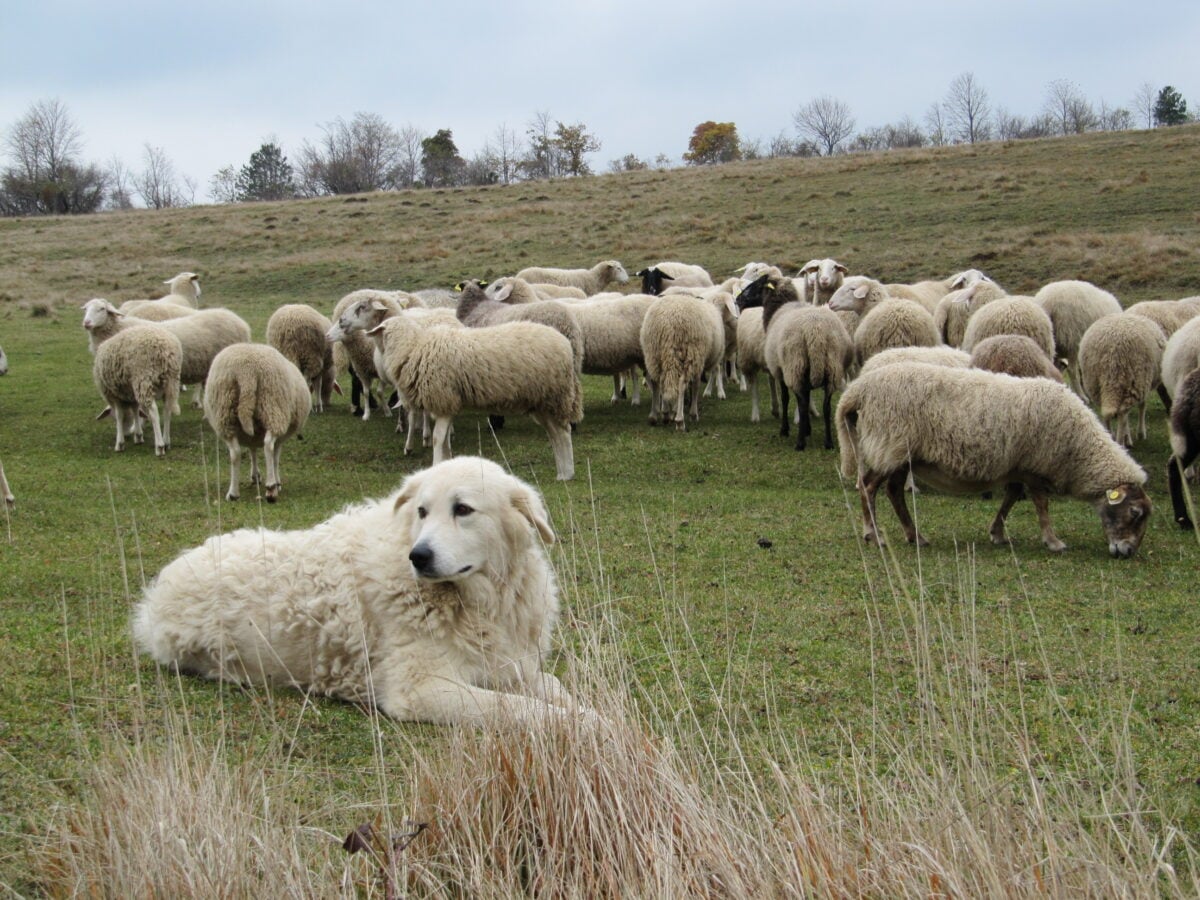
Most people watch a sheepdog work and see a fast, obedient tool – point, whistle, watch it run. Shepherds who’ve spent thirty years on a hillside will tell you that’s exactly backwards.
The real relationship isn’t command-and-obey. It’s closer to a decades-long marriage built on split-second trust, silent signals, and a shared read of chaos that no outsider could ever fully replicate. Strip away the postcard image of a dog circling fluffy sheep, and what’s left is stranger and more intimate: a working partnership that rewires how a person thinks, moves, and even feels pressure. Here’s what handlers – and the researchers who study them – actually say happens between the fence posts.
#1 – A Private Language No Outsider Can Translate
🔥 Would you like to save this?
We'll email this post to you, so you can come back to it later!
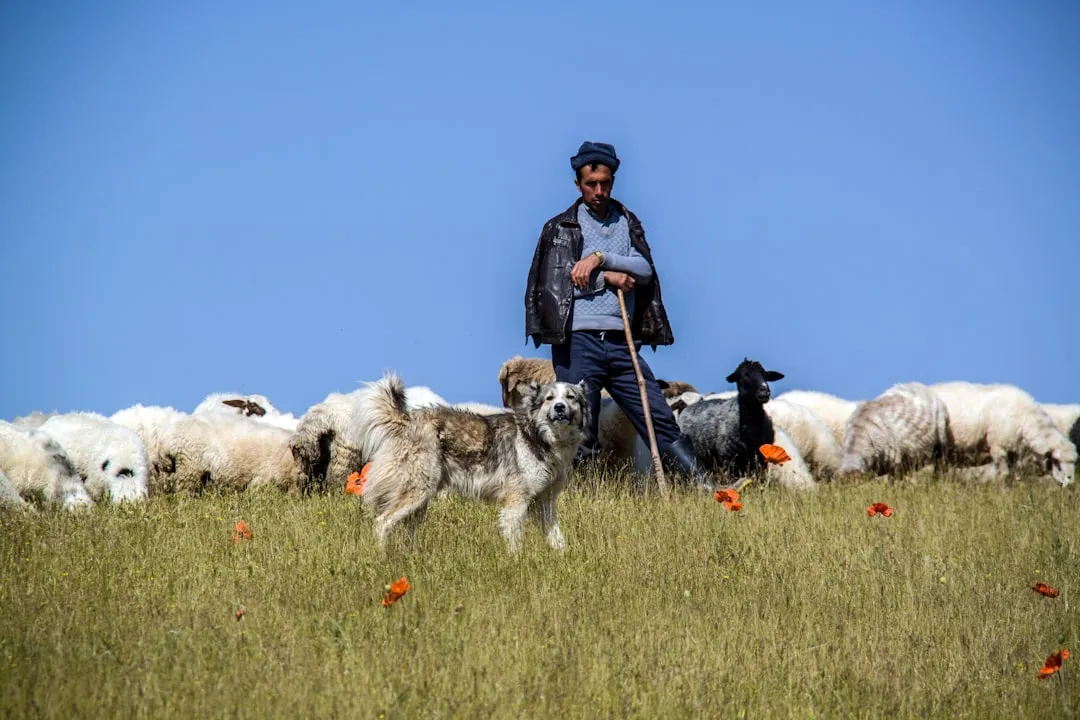
A stranger standing at a sheepdog trial hears noise. A handler hears a sentence. Shepherds have used whistle sounds to control sheepdogs for hundreds of years, because a shrill whistle carries far greater distances than the human voice. But it’s not a universal code – it’s personal. Each handler develops their own whistle vocabulary, built on conventions that are widely shared but never identical from one pair to the next.
That means every handler-dog team is essentially fluent in a private dialect nobody else fully speaks. A flank to the left, called “come by,” typically uses a low note, while a flank to the right, “away,” uses a high note. Handlers spend weeks practicing before they can produce reliable, distinct tones. A neighbor’s dog won’t respond the same way to a borrowed whistle, because the tone, cadence, and rhythm are as individual as a signature – and that’s not a small detail. It’s the entire foundation of the job.
#2 – Total Physical Trust at Distances Most People Can’t Imagine
🔥 Would you like to save this?
We'll email this post to you, so you can come back to it later!
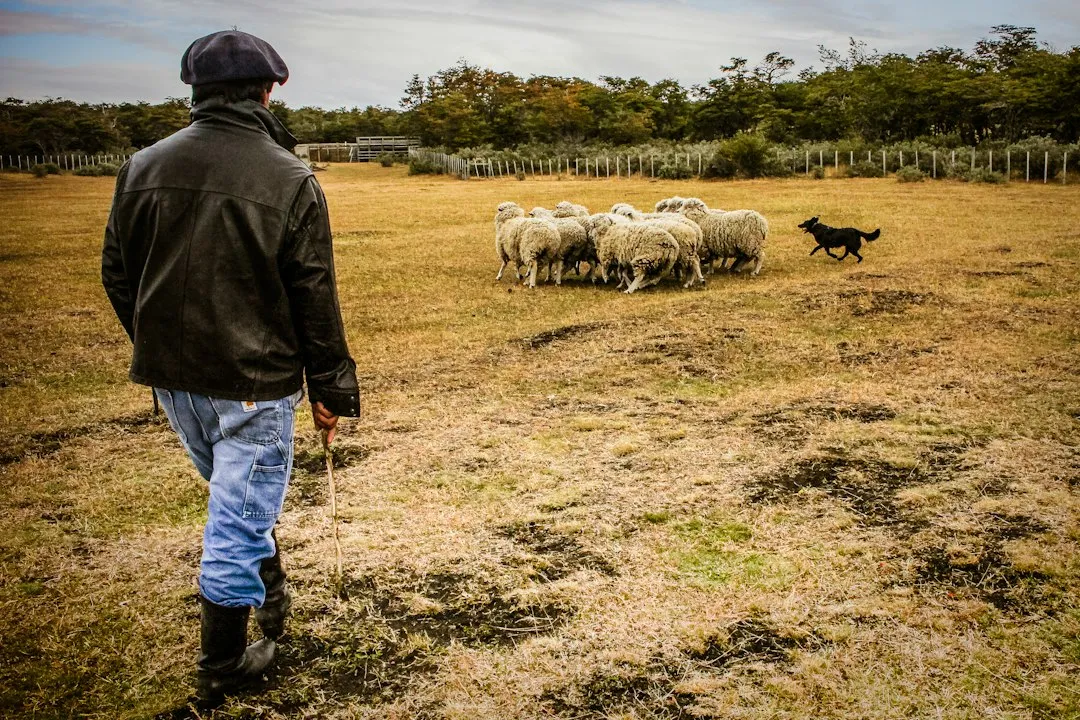
Here’s the part that stuns newcomers: the dog often can’t see the handler’s face, and the handler often can’t see the sheep. Shepherd’s whistles are built to communicate clearly at distances up to two miles. That’s not a typo – two miles of open hill, wind, rain, and terrain, with a dog reading tone alone and nothing else.
Most people assume technology has replaced this kind of raw trust. On working farms, it hasn’t. The whistles produce clear, high-frequency tones tuned to an optimal pitch for a herding dog’s hearing, built to cut through wind and adverse weather. A handler is essentially trusting an animal to make safety-critical decisions far outside their line of sight – something no GPS collar or drone fully replicates, because the dog is reading the sheep’s body language in real time, not following coordinates. That kind of blind-faith teamwork barely exists anywhere else between a person and an animal.
Fast Facts
- Shepherd’s whistles can carry usable signals up to two miles across open terrain.
- Each handler’s whistle tone, cadence, and rhythm function like a personal signature.
- Dogs respond to pitch and tone – not vocabulary – which is why borrowed whistles rarely work.
#3 – Split-Second Judgment the Handler Didn’t Command
🔥 Would you like to save this?
We'll email this post to you, so you can come back to it later!
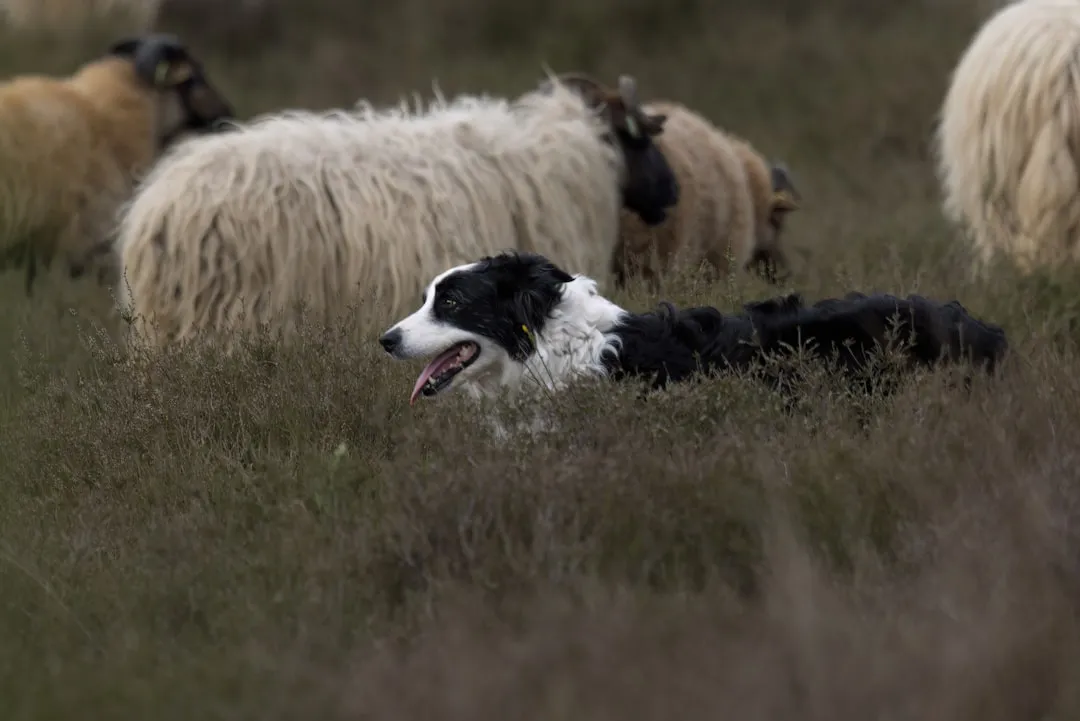
A common myth says the dog does exactly what it’s told, nothing more. In reality, good working sheepdogs are given room to think for themselves, and handlers depend on it. These dogs require close cooperation with a handler while still being trusted to use their own judgment and initiative in the moment.
That’s a strange kind of gift – a handler trains obedience into an animal, then deliberately steps back and lets it override instructions when the sheep demand it. Most handlers will admit the best dogs occasionally ignore a command because they’ve read the flock better than the human has. A sheep bolting the wrong way, a lamb separating from the group, a sudden gust scattering the flock – these moments happen faster than a whistle can travel. No robot, no second handler, and certainly no untrained pet could offer that kind of autonomous backup under real pressure.
#4 – A Communication System Built on Trust, Not Just Training
🔥 Would you like to save this?
We'll email this post to you, so you can come back to it later!
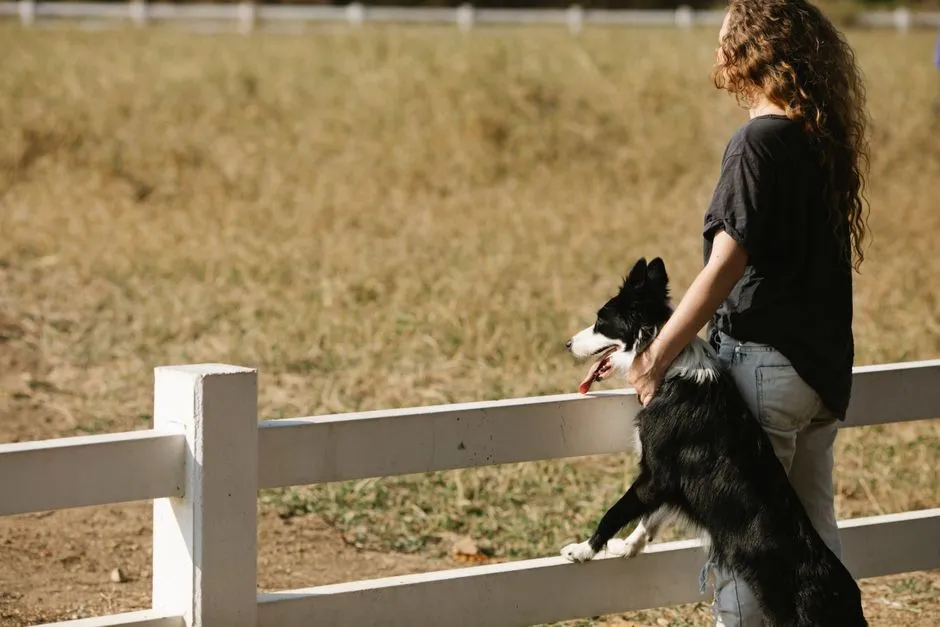
It’s tempting to think a well-trained dog is simply a well-programmed one. Handlers who’ve worked dogs for years say otherwise. Trust and communication form the actual foundation of this relationship – without trust, a dog leans on raw instinct instead of following commands, and without clear communication, it never fully understands what’s expected.
This is where the “nobody else” part of the equation becomes obvious. Communication isn’t just about words – it’s body language and tone, and herding dogs are highly observant, staying focused when a handler is calm and assertive while harsh or inconsistent behavior confuses and frustrates them. A visiting relative or substitute farmhand can shout the exact same word and get a blank stare, because the dog isn’t responding to vocabulary. It’s responding to a specific human’s rhythm, posture, and emotional steadiness calibrated over months or years – and that calibration can’t be handed off, borrowed, or faked overnight.
#5 – A Front-Row Seat to Raw, Unteachable Instinct
🔥 Would you like to save this?
We'll email this post to you, so you can come back to it later!
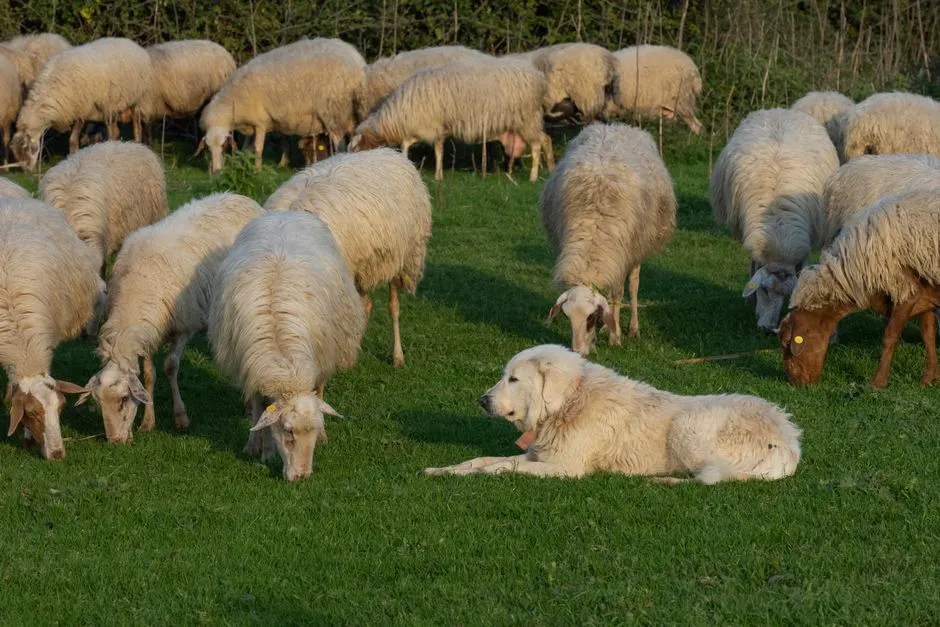
Most people think herding is a trick, taught from scratch like “sit” or “stay.” Science says otherwise. Genome-wide association studies published in Frontiers in Veterinary Science identified 44 genetic sites across five chromosomes linked to herding behavior, and the genes involved are neurological – shaping how the brain processes sensory information and controls impulses.
That means a handler isn’t just training a dog – they’re channeling something the dog was already wired to do before it ever saw a sheep. Watching that instinct switch on in real time – the crouch, the eye, the sudden stillness before a burst of speed – is a privilege almost no outsider gets to witness up close, because it only fully activates in the working context with a handler directing pressure. That raw, pre-wired drive is arguably the single most remarkable thing a handler gets to work with daily, and almost nobody else on the farm even notices it happening.
#6 – A Body Absorbing a Job’s Toll Few People Ever See
🔥 Would you like to save this?
We'll email this post to you, so you can come back to it later!
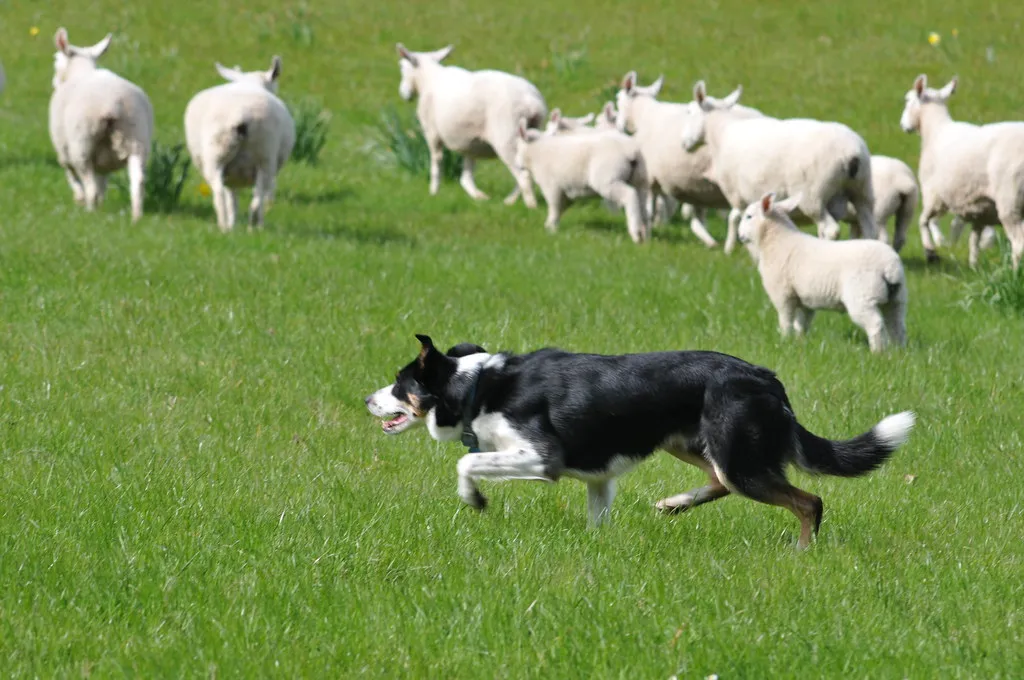
Here’s an uncomfortable truth most romanticized sheepdog stories skip entirely: this work is brutal on the body. Herding takes a measurable toll – a study of working sheepdogs in New Zealand found that over 40% had at least one musculoskeletal abnormality.
The specifics are sobering. The most common injury sites were the wrist, hips, toes, and knee joints, worn down by constant sprinting, sudden direction changes, and uneven terrain. A handler who works a dog daily is often the only person who notices the subtle limp, the slightly shortened stride, the hesitation before a jump that signals wear building silently. While most people romanticize the job as effortless instinct, the physical cost is one of the least discussed realities of the entire partnership, and it’s a burden the handler quietly monitors that nobody else even thinks to look for.
Worth Knowing
- More than 40% of working sheepdogs studied showed at least one musculoskeletal abnormality.
- Wrists, hips, toes, and knees take the brunt of the damage.
- Wear builds gradually from sprinting, sharp turns, and rough ground – not sudden trauma.
- Handlers, not vets, are often the first to spot the early signs.
#7 – A Second Set of Eyes That Never Blinks
🔥 Would you like to save this?
We'll email this post to you, so you can come back to it later!
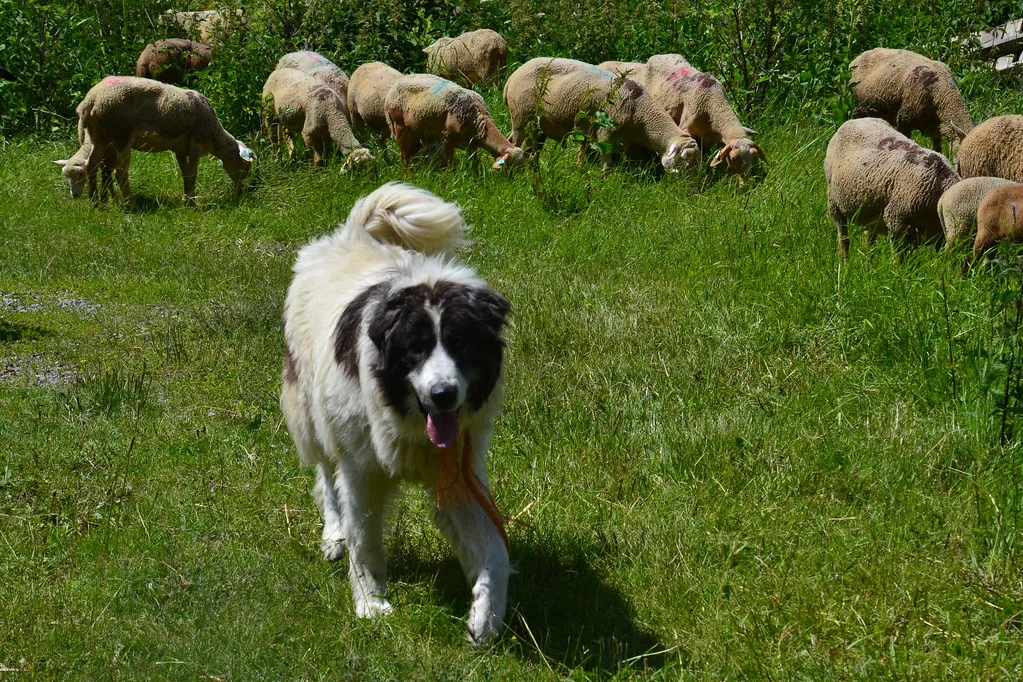
Ask any handler what they’d miss most without their dog, and many won’t say “the herding” – they’ll say the vigilance. Herding breeds were shaped over generations to stay locked onto movement and threat patterns a human eye simply glosses over.
That constant surveillance becomes a genuine extension of the handler’s own senses. At the heart of the behavior are sharp problem-solving instincts, as herding dogs quickly assess situations to guide livestock safely and effectively. A predator at the treeline, a sheep favoring one leg, a gap in the fence – the dog often clocks it seconds before the human does, then quietly repositions without being told. That layered awareness, built purely from repetition with one specific person, isn’t something a visiting worker or a different dog can replicate on day one.
#8 – Focus That Holds Even When Everything Falls Apart
🔥 Would you like to save this?
We'll email this post to you, so you can come back to it later!
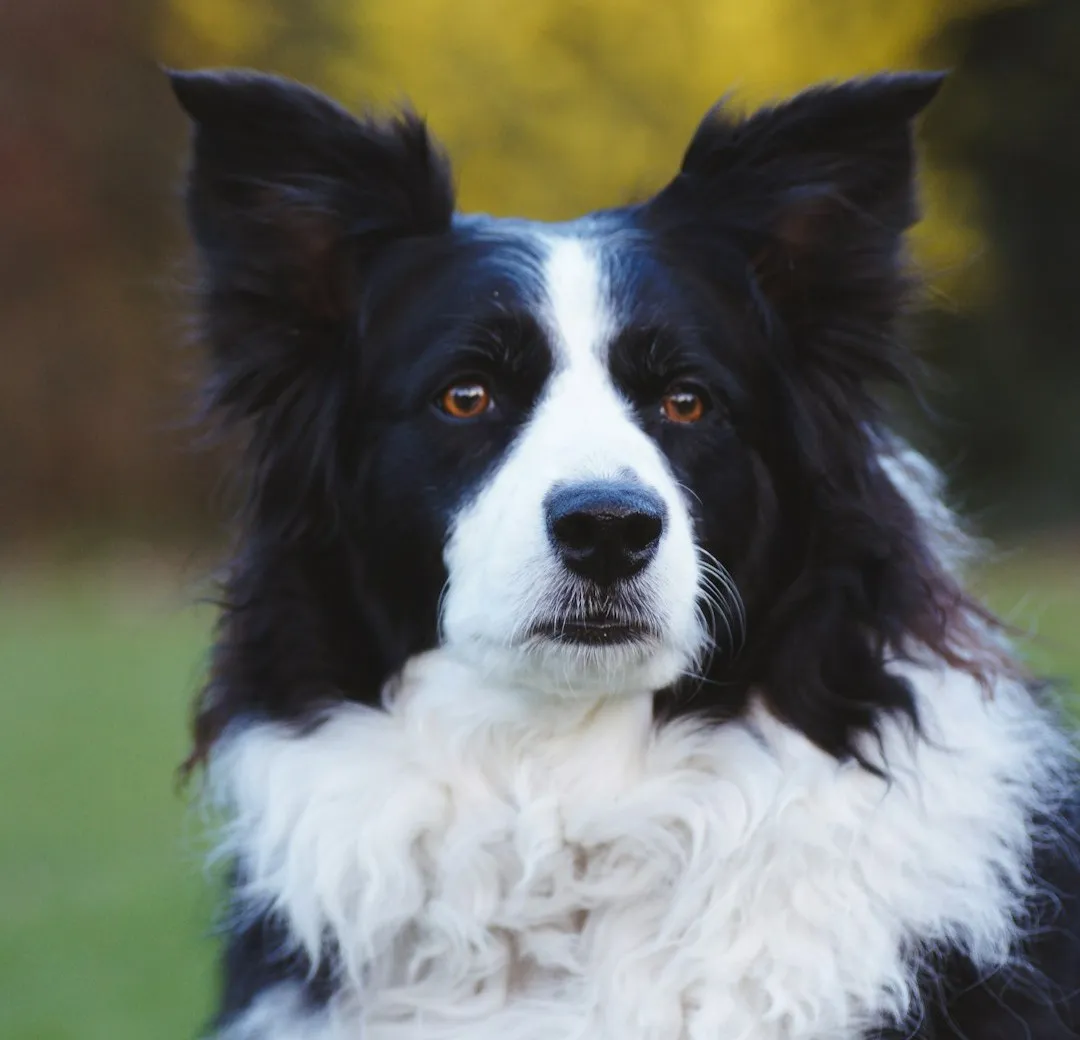
Chaos is normal on a working farm – a truck backfires, a gate swings open, weather turns in minutes. What separates a great working sheepdog from an ordinary pet is what happens to its focus when things go sideways.
Herding breeds carry a long history of working alongside people, honing their ability to control, chase, and corral under pressure without breaking concentration. Most spectators watching a trial see only the graceful outrun and the tidy pen at the end. They don’t see how many split-second disasters were quietly prevented mid-course by a dog that refused to lose focus. That unshakable composure under real pressure is arguably rarer than the herding skill itself, and it’s built specifically around one handler’s cues, not a generic obedience routine anyone could replicate.
#9 – A Sense of Timing No Manual Can Teach
🔥 Would you like to save this?
We'll email this post to you, so you can come back to it later!
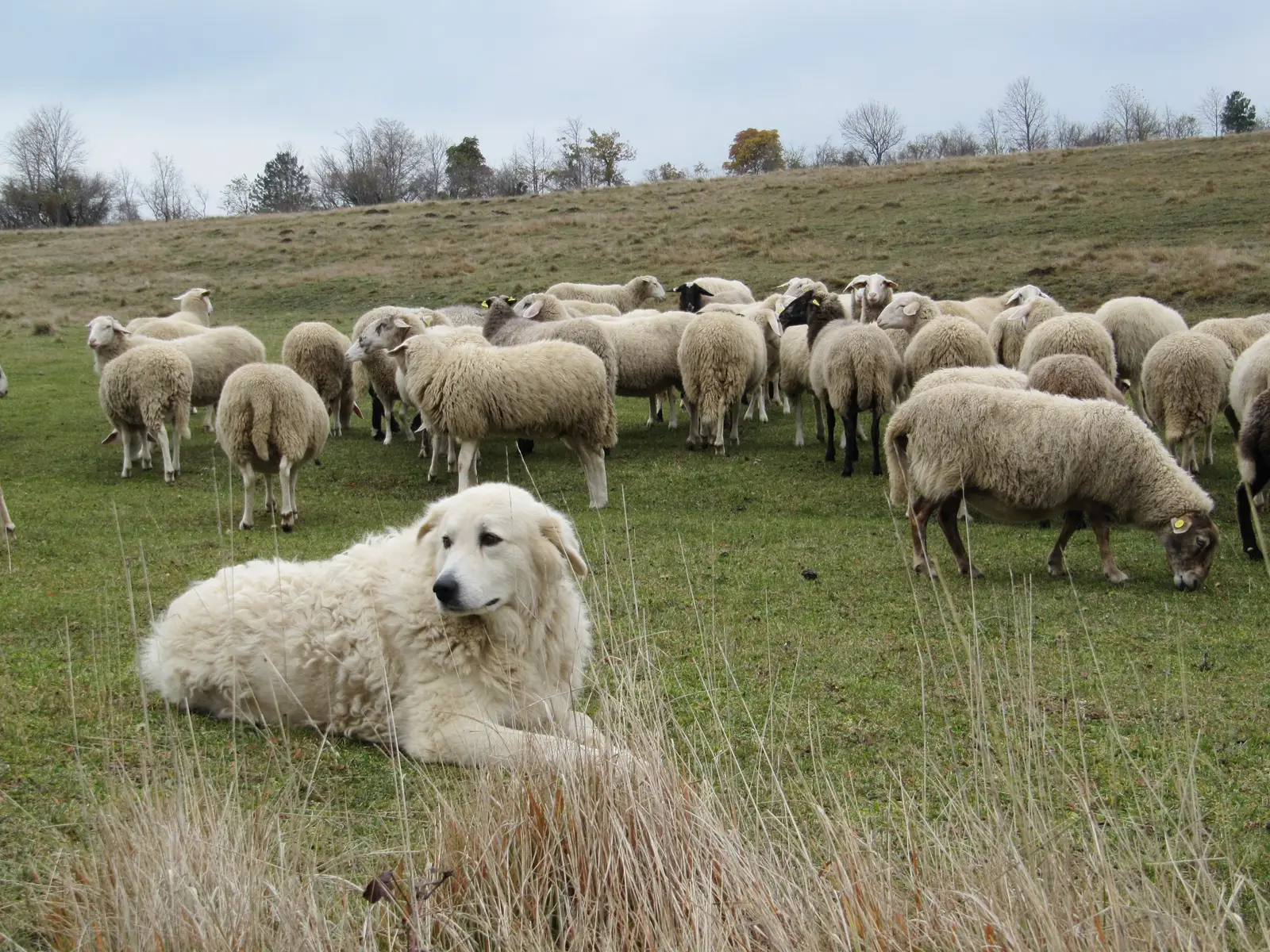
Timing is the invisible skill nobody talks about, yet it separates a smooth gather from a scattered disaster. Sheep are released at one end of a field, the dog is sent on an outrun to collect them, and the run proceeds through the lift, fetch, drive, shed, and pen stages.
Each stage demands a different rhythm, and the dog has to read exactly when to speed up, slow down, or freeze entirely – often before the handler consciously decides anything. Judges score every run precisely because timing is so hard to standardize; it’s felt, not memorized. A handler who has run the same dog for years develops an almost telepathic sense of when to stay silent and let the dog work, because they’ve learned exactly how that specific animal paces pressure. Nobody stepping in cold, no matter how skilled, can borrow that internal clock overnight.
At a Glance: The Stages of a Working Run
- Outrun – the dog circles wide to reach the sheep without startling them
- Lift – first contact, easing the flock into movement
- Fetch – bringing the sheep back toward the handler
- Drive – pushing the flock away in a straight, controlled line
- Shed – separating specific sheep from the group
- Pen – gathering the flock into an enclosure to finish the run
#10 – A Mirror That Reflects the Handler’s Own State
🔥 Would you like to save this?
We'll email this post to you, so you can come back to it later!
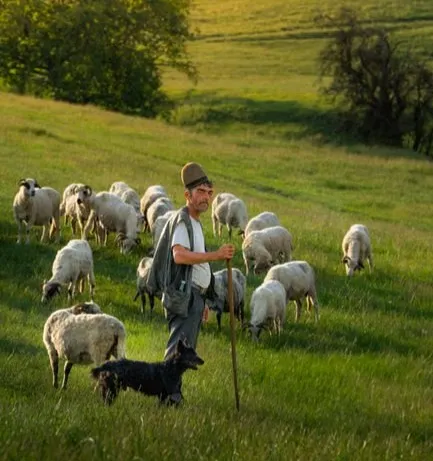
Here’s something few outsiders realize: a working sheepdog doesn’t just respond to commands, it responds to the handler’s emotional state, often before a word is spoken. A calm, assertive demeanor keeps the dog focused, while harsh or inconsistent behavior confuses and frustrates it.
That means a frustrated or rushed handler can visibly unravel the dog’s performance in real time, turning a clean run into a messy one within seconds. Experienced handlers describe it almost like the dog is a barometer for their own composure – tension in the shoulders, a clipped tone, an impatient step forward, and the dog reads all of it as instruction, even when none was intended. Most people assume the dog is simply “good” or “bad” on a given day, but veteran handlers argue the truth is less flattering: often it’s the human’s mood driving the outcome, not the dog’s ability.
#11 – A Working Bond Built Slowly, Never Bought
🔥 Would you like to save this?
We'll email this post to you, so you can come back to it later!
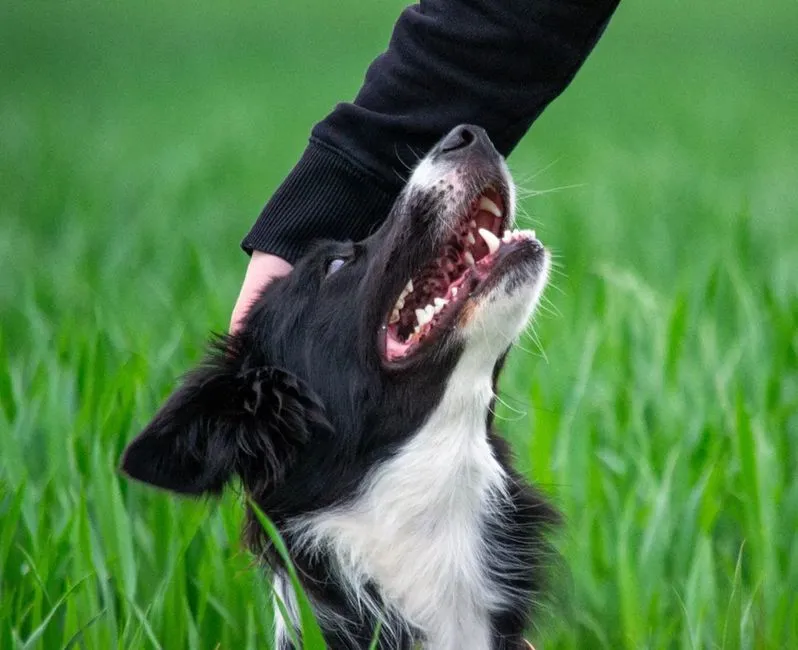
It’s a common assumption that a well-bred pup from good working lines is basically a finished product. Handlers who’ve raised multiple dogs know that’s a myth. The foundation is laid early, beginning the moment a puppy comes home, with basic obedience and socialization setting the stage for specialized herding work later.
That early groundwork only pays off through years of repetition with one consistent person. Positive reinforcement strengthens the bond, while consistency in commands and expectations helps the dog understand exactly what’s required. A dog sold mid-career to a new owner often needs months to rebuild that same reliability, because the consistency it learned belonged to the original handler’s habits, not some universal standard. While plenty of buyers assume they can simply purchase a “finished” working dog, many experienced handlers argue that’s one of the most expensive mistakes in the business – the real value was never fully transferable in the first place.
#12 – A Living Record of Genetic Heritage in Motion
🔥 Would you like to save this?
We'll email this post to you, so you can come back to it later!
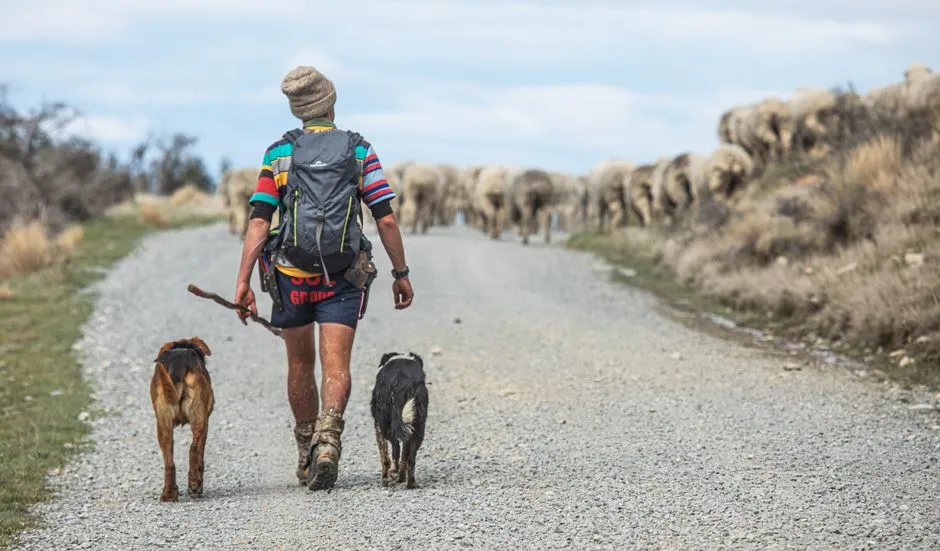
A working sheepdog isn’t just an individual animal doing a job – it’s a walking archive of centuries of selective breeding for one very specific purpose. Certain breeds trace back generations to regions where they herded sheep and cattle, their coats and builds shaped by the need to endure harsh weather while keeping constant watch over livestock.
Handlers who work these bloodlines daily get to witness centuries-old, purpose-built traits activate in real time – something a casual observer glimpses for a few minutes at a fair and never truly understands. These lean, athletic dogs were made to cover fields with agility and precision, their reflexes calibrated specifically to the person who has spent years directing them. A handler essentially inherits a piece of agricultural history every time they step into a field with one of these dogs – a connection almost impossible to explain to someone who’s never felt a centuries-old instinct answer their exact whistle.
Why It Stands Out
- Many working breeds were shaped over generations for one job: managing livestock in tough terrain.
- Coat, build, and stamina were bred for endurance, not appearance.
- These inherited traits only fully activate in a real working context with a familiar handler.
#13 – A Silence That Says Everything
🔥 Would you like to save this?
We'll email this post to you, so you can come back to it later!
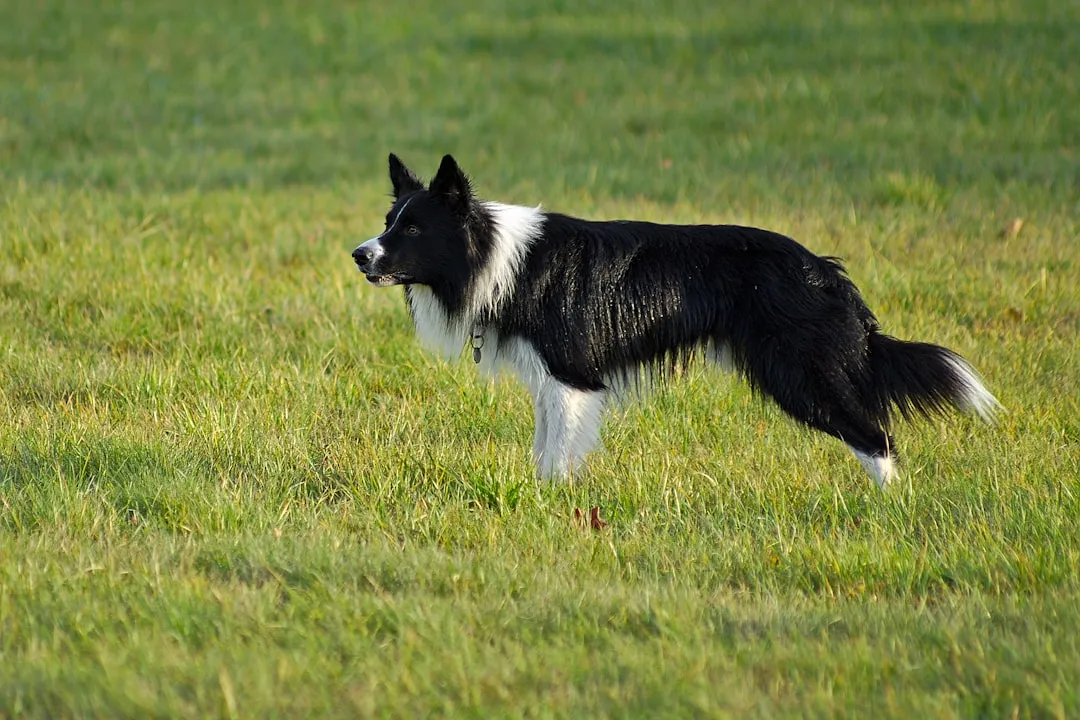
The final gift is the hardest to quantify, and maybe the most important: the quiet moments between commands, when nothing needs to be said at all. Long-time handlers describe a point where the dog simply anticipates the next move, reading pressure, wind, and flock behavior without waiting for instruction.
Herding dogs were bred to work closely with people, so they bond deeply and thrive with a human partner who understands their drives and knows how to communicate clearly. That depth of understanding doesn’t show up as a dramatic moment – it shows up as an absence of drama, a working session where the handler barely speaks and the dog simply gets it right, over and over. That silent, near-wordless competence is often what handlers say they’d miss most if the partnership ever ended, far more than any single skill or trick. It’s not something a substitute dog, a hired hand, or even a beloved family pet can replace, because it was built one repetitive, unglamorous day at a time between exactly two individuals.
The Bottom Line
🔥 Would you like to save this?
We'll email this post to you, so you can come back to it later!
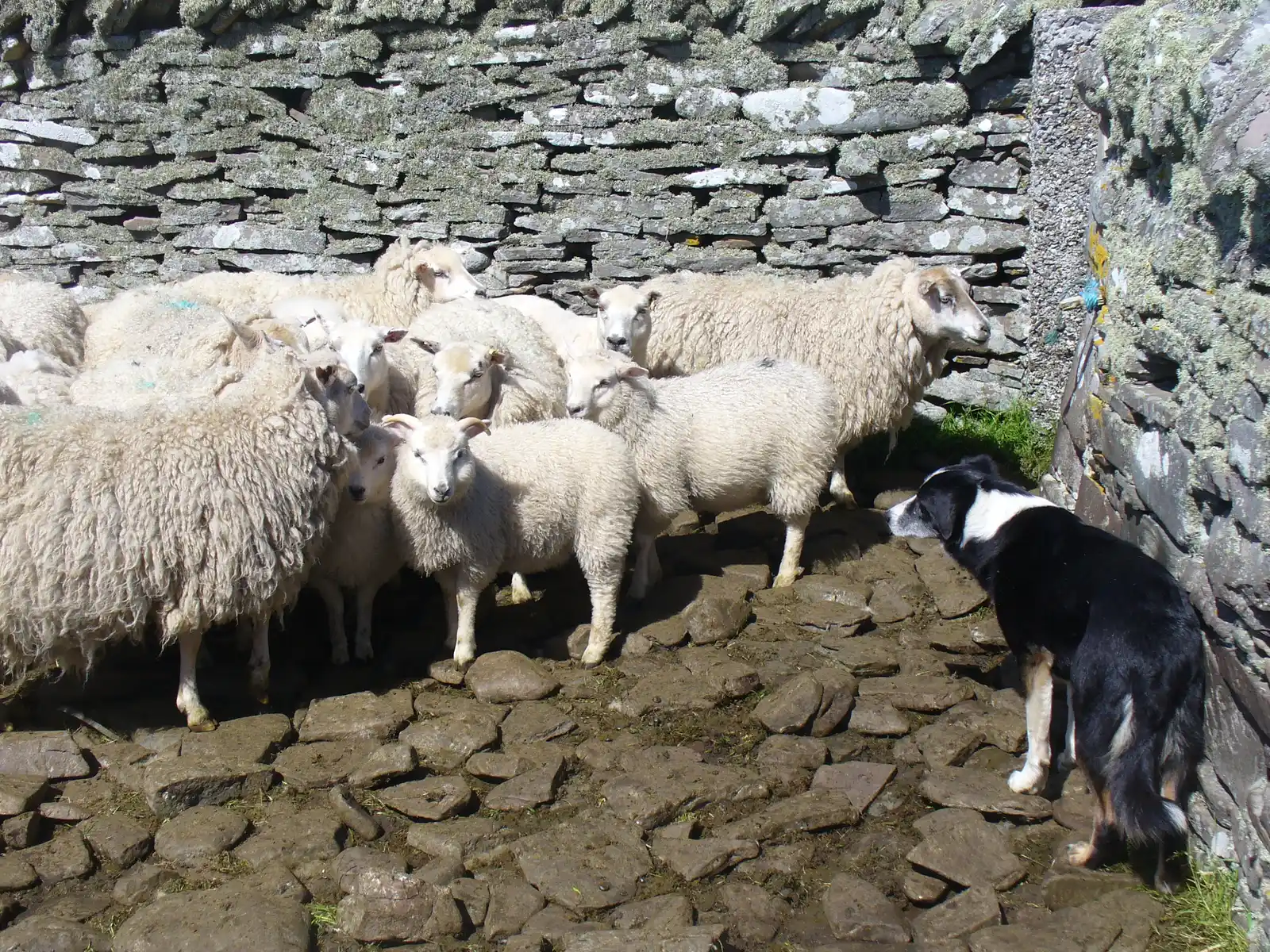
Strip away the postcard image, and a working sheepdog gives its handler something rare in modern life: an honest, high-stakes partnership built on instinct, injury, timing, and trust earned over years, not weeks.
The physical toll is real, the genetics are measurable, and the communication is so personal it can’t be borrowed or bought. No app, drone, or hired hand replicates the split-second judgment or the silent read of a storm rolling in. Frankly, most conversations about working dogs undersell how much of this bond is earned through repetition and discomfort, not affection alone – and that’s the part worth defending. What’s your experience with a working dog that “just knew” what to do? Tell us in the comments.

- 23 Warm Corners an Elderly Cat Keeps Returning To All Winter - October 29, 2026
- 16 Behaviours Showing a Cat Considers a House Permanent Now - October 29, 2026
- 15 Wildlife Programmes a Lifetime Pass Holder Over 62 Can Join Free - October 29, 2026