


You spent years building the ultimate climbing kingdom. The seven-foot cat tree. The window perch. The shelf-to-shelf highway across the living room. You did everything right – and now your cat won’t touch any of it.
Here’s the part almost nobody warns you about: once arthritis, weakness, or simple old age takes height off the table, everything you thought your cat wanted quietly stops mattering. The dream home flips upside down – literally. What replaces it is stranger, smaller, and far more emotional than most owners expect, and by the time you reach the last item on this list, you’ll probably realize your own house has been working against your cat for months without you noticing.
#8 – A Ground-Level Territory That Still Feels “Big”
🔥 Would you like to save this?
We'll email this post to you, so you can come back to it later!
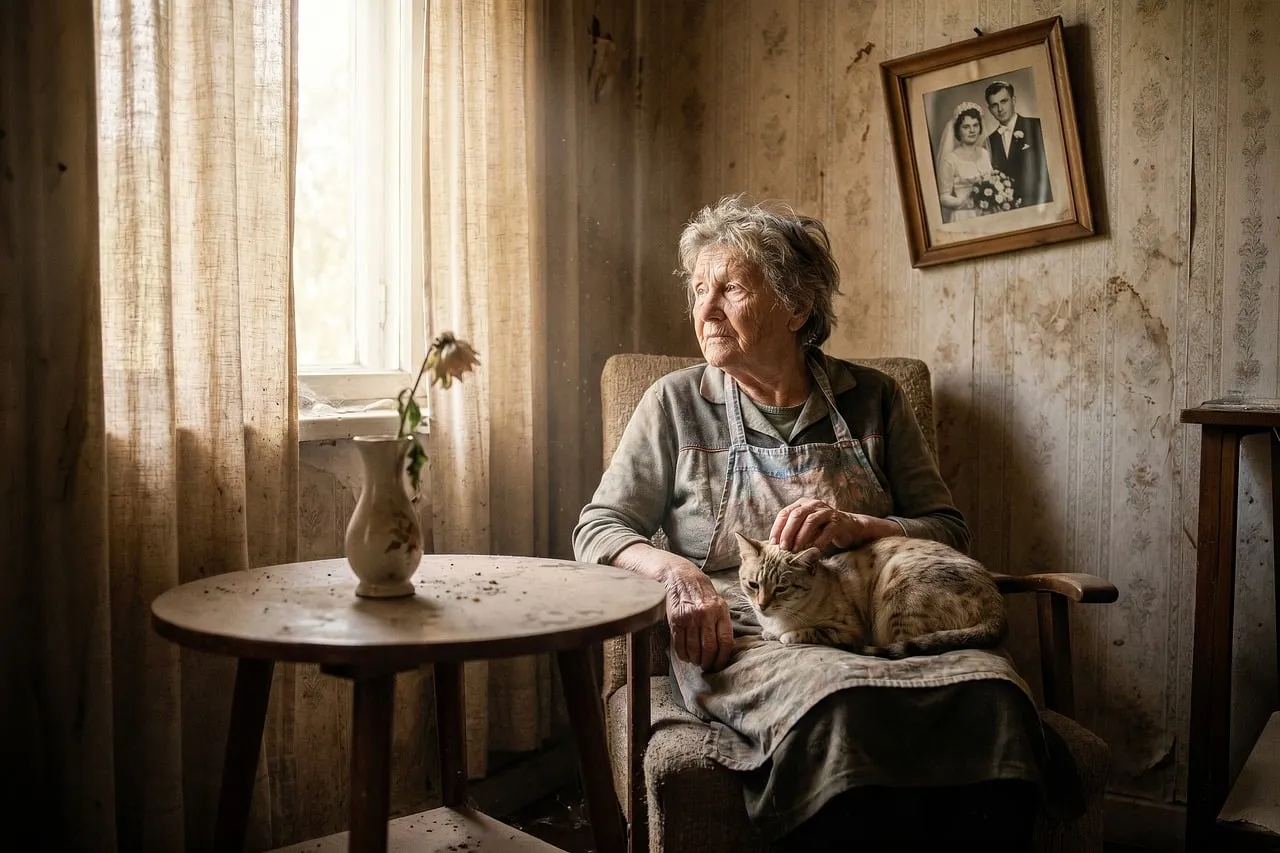
Most people assume cats crave vertical space forever. But when joints ache and balance gets shaky, a wide, stable ground-level zone suddenly matters more than any high perch ever did. Your elderly cat still wants to patrol, watch, and “own” their space – they just can’t do it in 3D anymore.
A height-limited cat starts shrinking their world down to whatever they can reach without jumping. That might end up being just the living room and hallway, one favorite bedroom, or literally one side of the house. If that ground-level territory is cluttered, noisy, or blocked by closed doors, the world gets smaller still – and a once-confident explorer can turn into a quiet, withdrawn rug ornament almost overnight. Not because they’re “just old,” but because their functional territory has quietly collapsed.
Fast Facts
- A closed door can permanently remove a room from a senior cat’s usable world.
- Wide, clutter-free walkways matter more to a senior cat than tall furniture.
- Clustering resources into one loop mimics the old “vertical patrol” instinct at ground level.
The fix is what behaviorists sometimes call a horizontal kingdom. Clear wide walkways. Cluster key resources – food, water, litter, beds – into one connected loop so your cat can circle the space the way they used to circle it from above. Keep the doors along that loop open as often as you can.
Most owners never realize that every closed door is now a dead end in what has become a one-story world. But that’s nothing compared to what we found about #7.
#7 – Low, Luxurious Resting Spots With a View (No Jumps Required)

🔥 Would you like to save this?
We'll email this post to you, so you can come back to it later!
We all love watching a cat lounge on the back of the couch or the top of a chair – but for a non-jumping senior, those “cute” spots have quietly become pain traps disguised as comfort. Once height is off the table, your cat starts hunting for plush, low resting spots that still deliver a sense of vantage point and safety.
The formula older cats are secretly asking for is pretty specific: a bed no higher than their elbow when standing, a surface soft enough to be comfortable but firm enough that they don’t sink and struggle to climb back out, and a location – a wall, a corner, a halfway point – where they can see both the door and the room at once.
A thick cushion tucked in a corner. A memory-foam mat beside your bed. A low ottoman with a non-slip blanket. Any of these can matter more to a senior cat than the fanciest cat tree on the market. If they used to sleep on your bed every night, a sturdy step or a covered bench right beside it lets them stay “with” you at a height they can actually manage.
Older cats are also quietly obsessed with visual safety – they want to see who’s coming without needing to leap to a windowsill. A floor-level bed near the patio door, or a low cot near a big window, does the same job the sill used to do. If your cat suddenly abandons a favorite spot, don’t assume they’re over it. They might just be over the jump. But that’s nothing compared to what we found about #6.
#6 – Non-Slip Pathways and “Runways” That Don’t Punish Old Joints

🔥 Would you like to save this?
We'll email this post to you, so you can come back to it later!
Most owners never think about how hostile modern flooring is to a cat that can no longer jump and now has to rely on slow, careful footing. Hardwood, laminate, and tile look beautiful – but to arthritic paws, they can feel like an ice rink. Add a sudden noise or a dog barreling past, and you’ve built the perfect setup for a slip, a strain, or a fall.
An elderly cat’s ideal house quietly offers predictable walking routes from bed to food to water to litter, textured surfaces along those routes, and zero “trap spots” where they’re forced to cross slick flooring at speed.
Quick Compare
| Surface | Risk for Senior Cats | Simple Fix |
|---|---|---|
| Hardwood / Laminate | High – slippery, jarring on joints | Runners or rug “stepping stones” |
| Tile | High – especially near water/litter zones | Rubber-backed mats |
| Carpet | Low – natural traction | Keep as connecting pathway |
Without realizing it, plenty of owners force their senior cats into risky little sprints every day – food in the tiled kitchen, litter in the tiled laundry room, beds in carpeted rooms separated by slippery stretches in between. Each crossing becomes a small act of bravery. If you’ve ever seen your cat pause and hesitate at the edge of the tile, that’s not weirdness. That’s fear layered on top of joint pain.
The fix is almost embarrassingly simple: long washable runners down slippery hallways, rug “stepping stones” between safe zones, and rubber-backed mats under favorite lounging spots so the bedding doesn’t slide out from under them when they get up. Once the ground stops feeling like a betrayal waiting to happen, elderly cats move more, explore more, and start acting like themselves again. But that’s nothing compared to what we found about #5.
#5 – Resources Clustered, Not Scattered: The Energy-Saving Layout
🔥 Would you like to save this?
We'll email this post to you, so you can come back to it later!
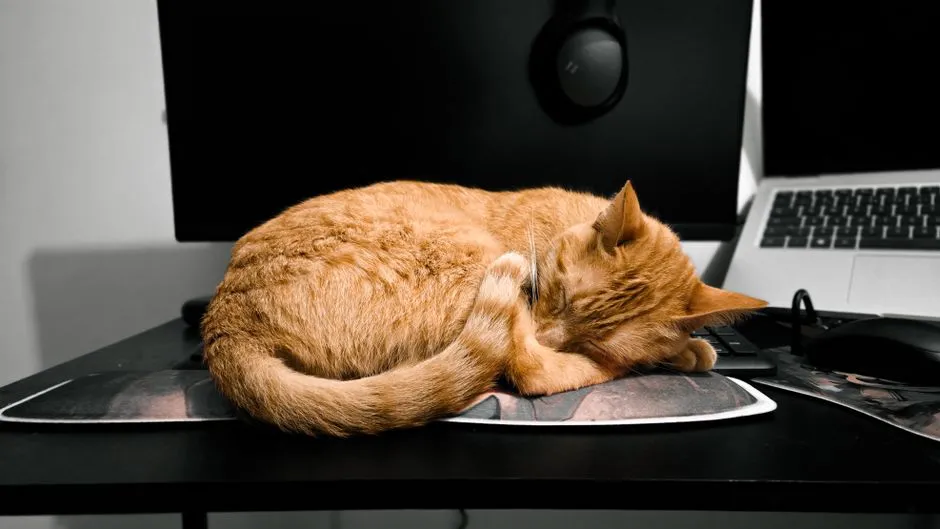
When height disappears, so does a lot of spare energy. Older cats don’t just lose spring in their legs – they lose margin. A short walk feels longer. A staircase feels like a mountain. A litter box at the far end of the house can become, in practical terms, just as inaccessible as a top shelf used to be.
Most people proudly spread “enrichment” all over the house – litter in the basement, food in the kitchen, bed in the bedroom, water somewhere in between. That’s great for a young, athletic cat. For an elderly one, it’s a logistical nightmare dressed up as a normal floor plan.
What senior cats actually want now is a tight, energy-efficient cluster of everything that matters – think of it as designing a tiny studio apartment for a retired tiger. A litter box that’s easy in and out, on the same level where they sleep. Food and water within a short, obstacle-free walk of their main bed. A second rest spot close to wherever the family actually hangs out.
This isn’t laziness on the cat’s part – it’s decision fatigue. An elderly cat will genuinely skip drinking water or delay using the litter box if either one requires too much effort, and that’s how you end up with dehydration or “accidents” right beside where they sleep. A dedicated senior station – litter tucked in a discreet corner, a low feeding mat, two beds of different textures, water close by – lets them live an entire comfortable day inside a ten or fifteen foot radius. You can watch their stress drop almost immediately. But that’s nothing compared to what we found about #4.
#4 – Temperature Control: Warm, Draft-Free Microclimates

🔥 Would you like to save this?
We'll email this post to you, so you can come back to it later!
Nobody really connects “getting old” with “getting cold,” but cats feel it just as sharply as we do. Once height is off the menu, your cat also loses easy access to the warmest spots in the house – the sunny back of the couch, the top of the fridge where heat rises. Suddenly floor-level drafts and cold patches become a real, physical problem.
A mobility-limited senior cat is quietly scanning the house for warm sun patches they don’t have to jump to reach, draft-free corners away from doors and windows, and soft surfaces that hold body heat instead of stealing it.
Worth Knowing
- The warmest spots in most homes – fridge tops, sunny couch backs – require a jump a senior cat can no longer make.
- Fabric thickness affects heat retention, which is why cats often switch to a folded blanket or hoodie.
- A cooler house overnight can mean hours of extra joint stiffness by morning for an arthritic cat.
If your older cat has ever abandoned a favorite bed overnight in favor of a folded blanket or your discarded hoodie, that wasn’t random – fabric thickness and heat retention matter enormously once arthritis enters the picture. Cold floors make stiff joints noticeably worse.
Building a warm zone at ground level isn’t complicated: keep beds away from door drafts, add a self-warming thermal mat near where you usually sit, and in colder climates consider a vet-approved low-heat pad with enough room for the cat to move off if they get too warm. Here’s the uncomfortable part – plenty of people cool their homes down at night to save money, and for a young cat, that’s fine. For a thin, arthritic senior, that nightly chill can mean hours of extra stiffness and pain by morning. But that’s nothing compared to what we found about #3.
#3 – Predictable Noise and Traffic, Not Constant Chaos
🔥 Would you like to save this?
We'll email this post to you, so you can come back to it later!
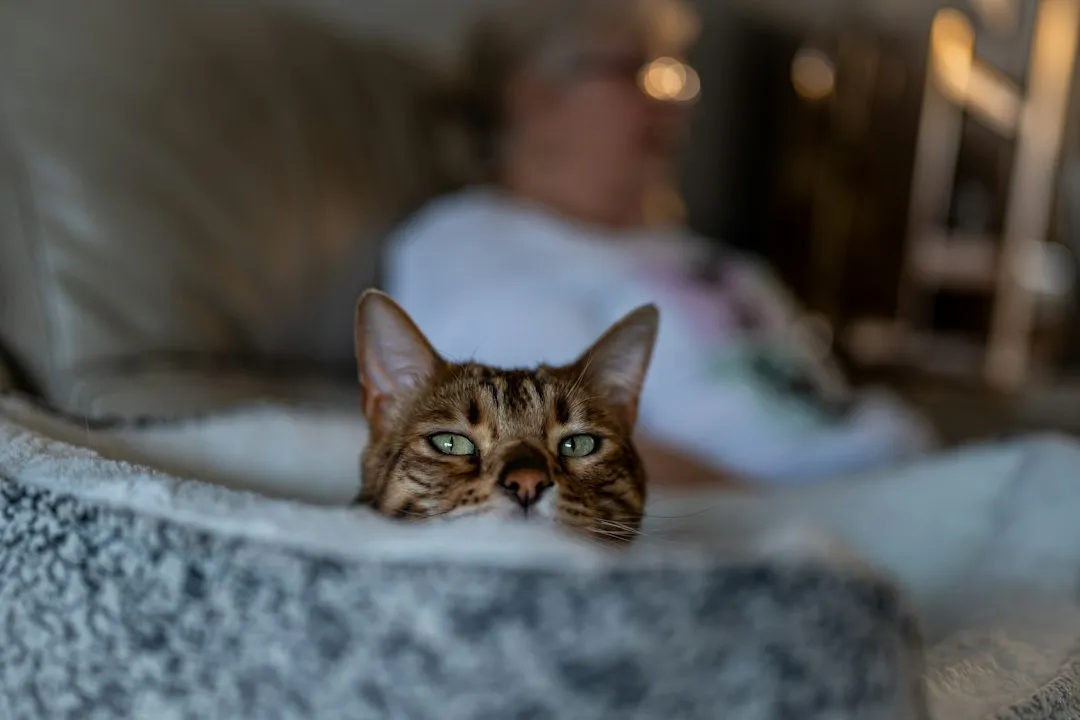
Everyone talks about cat furniture and food, but what elderly cats often care about most is the emotional layout of the home – especially once they can no longer escape vertically. When jumping was still possible, a cat always had a bailout option: the top of the fridge, a tall wardrobe, a high shelf. Once that door closes, they’re stuck living in the exact same traffic pattern as everyone else.
That means your older cat is suddenly at the mercy of toddler chaos, slamming doors, loud TVs, and dogs barreling through rooms with zero warning. Without an elevated retreat, they start hunting for low, hidden, predictable safe spots instead – under a bed that never gets shoved around, behind the same armchair, inside a closet that stays cracked open. If your layout keeps shifting, or if those hideouts keep getting blocked by storage boxes, you’re quietly taking away their last safety valve.
Cats want the same things dogs want: love, security, a sense of belonging, and territory.
Jackson Galaxy
Here’s the uncomfortable truth: in a lot of busy homes, the biggest daily stressor for an elderly cat isn’t physical pain – it’s the inability to escape human noise and movement. They don’t need a dozen beds scattered everywhere; they need one or two absolutely guaranteed quiet zones. One designated cat-safe room, kept stable and off-limits to kids and dogs, with a low bed and a partially covered hideaway, does more for a senior cat’s nerves than any toy ever could. Some owners argue their cat “needs to stay social,” but forcing constant exposure once retreat is no longer an option just cranks anxiety higher. A guaranteed sanctuary usually makes them braver everywhere else in the house. But that’s nothing compared to what we found about #2.
#2 – Senior-Friendly Litter Setups: Low Entry, High Priority
🔥 Would you like to save this?
We'll email this post to you, so you can come back to it later!
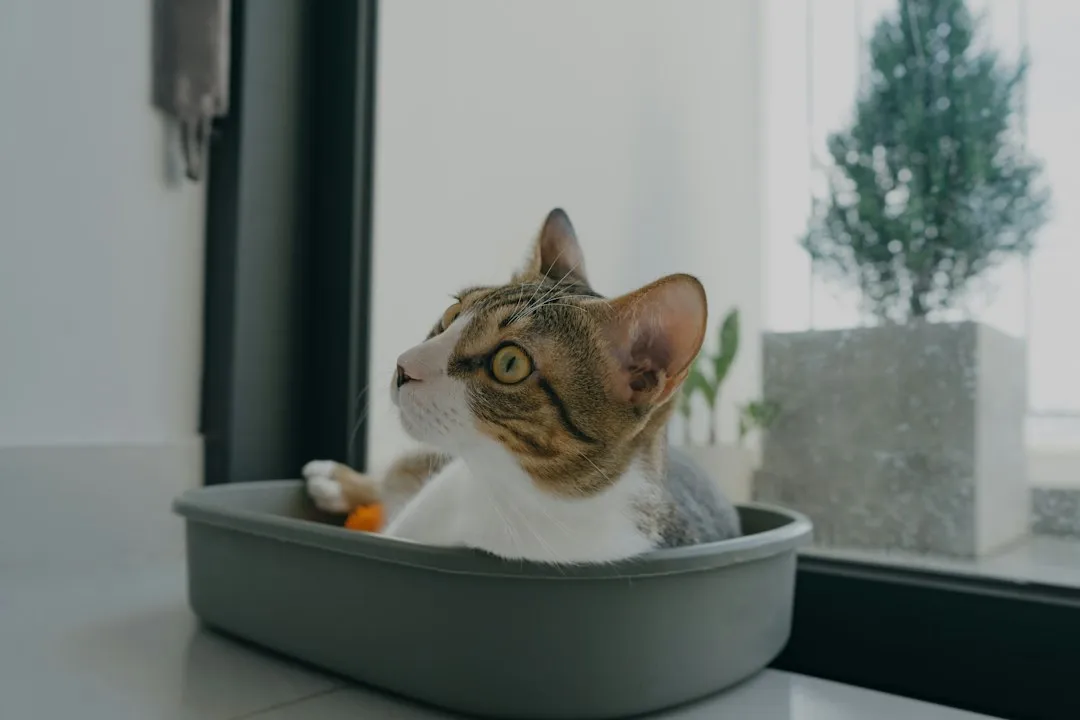
If there’s one place where height loss and mobility problems collide the hardest, it’s the litter box – and this is where a lot of otherwise devoted owners unintentionally let their senior cats down. High-sided boxes, top-entry lids, or a litter area that requires a trip down a flight of stairs can become practically unusable once stiffness, fading vision, or plain fatigue set in.
An older, ground-bound cat is hunting for three things: easy access with no stairs and no narrow mazes, close proximity so it’s never a trek from where they sleep and eat, and stable footing with nothing sliding or shifting underfoot.
At a Glance
- High-sided box: reduces mess but forces a painful leg-lift over the rim.
- Low-front senior box: easy in-and-out, even a modified storage bin works.
- Basement litter: stairs turn a routine trip into a daily obstacle course.
- Litter on the main living level: often ends “mystery accidents” almost overnight.
We tend to love tall boxes because they reduce mess, but an aging cat with creaky hips may genuinely struggle to lift a leg over that high edge. If they start going right beside the box instead of in it, that’s rarely “bad behavior” – it’s a mobility problem wearing a behavior costume. Pain turns the box into a hurdle, and the cat simply does what they can within a smaller radius.
The fix is low-front senior boxes – even a repurposed underbed storage bin with a cut-out works – placed at least one on the main level where the cat sleeps and eats, filled with soft, unscented litter that’s easy to dig without aggressive scratching. And here’s the part many people don’t want to hear: multi-story houses with every litter box tucked downstairs are one of the most common, entirely avoidable stressors for elderly cats. Once height is gone, stairs stop being exercise and start being a chore nobody signed up for. Bringing just one box up to their living level can stop “mystery accidents” almost overnight. But that’s nothing compared to what we found about #1.
#1 – Proximity to Their Human, Without Having to “Earn” It by Jumping
🔥 Would you like to save this?
We'll email this post to you, so you can come back to it later!
This is the part most people underestimate, and it’s the most emotional shift on this entire list. For years, your cat jumped onto the couch, onto your bed, onto the back of your chair to be near you. Affection and closeness were tied directly to height. Once jumping disappears, many elderly cats quietly lose access to their favorite person’s presence altogether.
They still want everything they always wanted – to sleep near your scent, to watch TV beside you, to be included in your nighttime routine, to be within arm’s reach for a slow scratch behind the ears. They simply can’t get there anymore.
So they lie on the floor next to the couch instead of on it. They sleep alone in the hallway while you’re upstairs in bed. They hover at the base of the window where they used to perch for hours. From the outside, it can look like they’re “getting distant with age.” In reality, the house has become vertically hostile to their emotional needs, and nobody told them where the new door was.
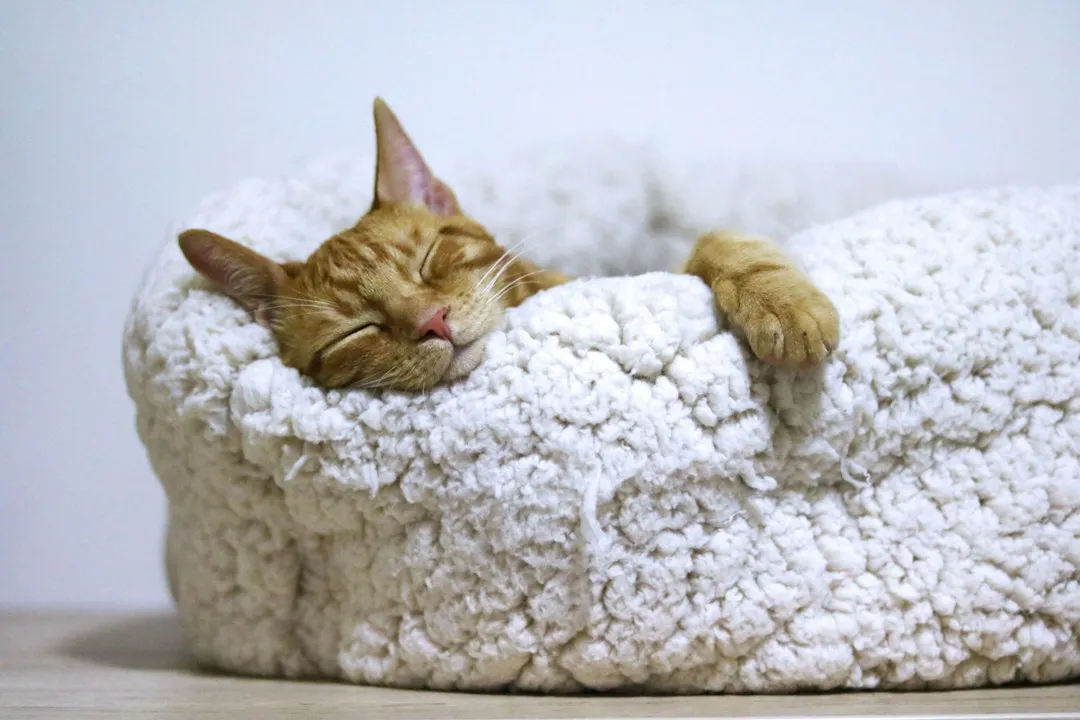
The fix isn’t aesthetic – it’s relational. A floor cushion or beanbag beside the couch so you occasionally sit at their level. A sturdy low bench next to the bed so they can rest almost at mattress height without a true jump. Choosing a low chair sometimes instead of always the high sofa, so they can climb into your lap without a leap of faith. When height is impossible, an elderly cat is really just looking for one thing: a home where closeness with their human doesn’t depend on athletic ability. A house where love is available at ground level is, to an old cat, the best house in the world.
Once height becomes impossible, the whole idea of a “perfect” cat home flips completely. It’s no longer about towering trees, dramatic perches, or ceiling-high shelves. It’s about a safe, horizontal world where an old cat can move without slipping, reach food and litter without a trek, stay warm without climbing, and escape chaos without needing a top shelf.
Here’s the opinion I’ll stand behind: most modern homes are quietly built for aesthetics and young, athletic cats – not for the cats who actually spend the most years living in them. Slick floors, basement litter boxes, tall beds, and wide-open noisy layouts all look great on a design blog and fail an arthritic sixteen-year-old completely. Fixing that means swallowing some pride, rearranging furniture you like, and admitting the house was built more for human convenience than feline comfort. But lower the world to ground level, bring your own presence down with it, and something unexpected happens – old cats don’t just cope better, they often become more affectionate, more confident, and visibly calmer than they’ve been in years. That’s not decline. That’s relief.

- 14 Wildlife Permits Waived for Americans the Year They Turn 62 - November 5, 2026
- Machu Picchu’s Engineering Feats Were Far Ahead of Its Time - November 5, 2026
- 12 Most Beautiful American Cities To See Before You Die - November 4, 2026