

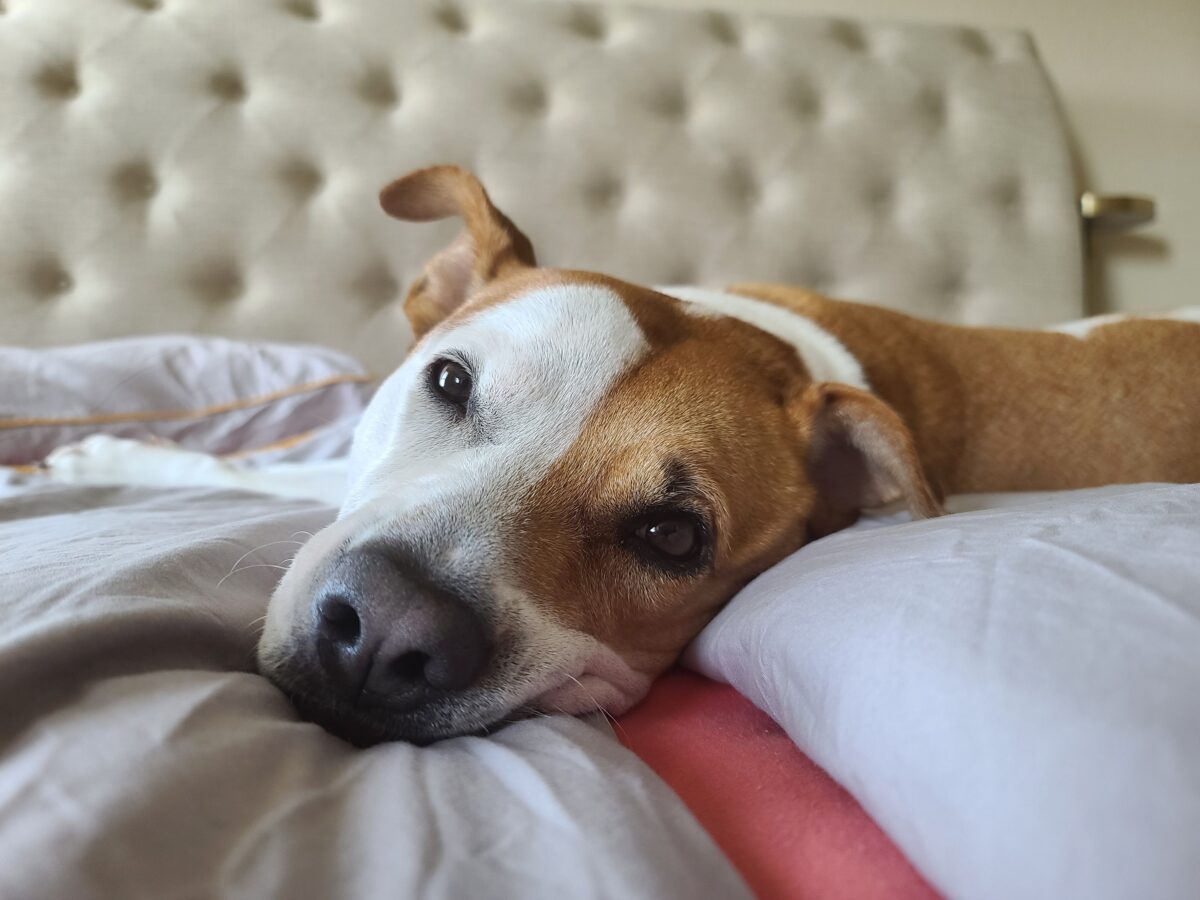
Most people assume the hardest part of losing a dog is that first quiet night. It isn’t. What actually wrecks people is something smaller, dumber, and way harder to explain to anyone who hasn’t lived it: the empty dog bed nobody knows what to do with. It just sits there, useless and full of meaning at the same time, and somehow the entire household starts rearranging itself around that one blank spot on the floor.
It doesn’t just mark where the dog used to sleep. It quietly rewires how everyone in the house wakes up, eats, argues, and even avoids each other. Families, therapists, and grief counselors have noticed the pattern for years, but almost no one talks about it out loud. Here’s what that one empty corner really does to a household – and why it hits so much harder than anyone expects.
#8 – The Silent Alarm Clock That Suddenly Stops Ringing
🔥 Would you like to save this?
We'll email this post to you, so you can come back to it later!
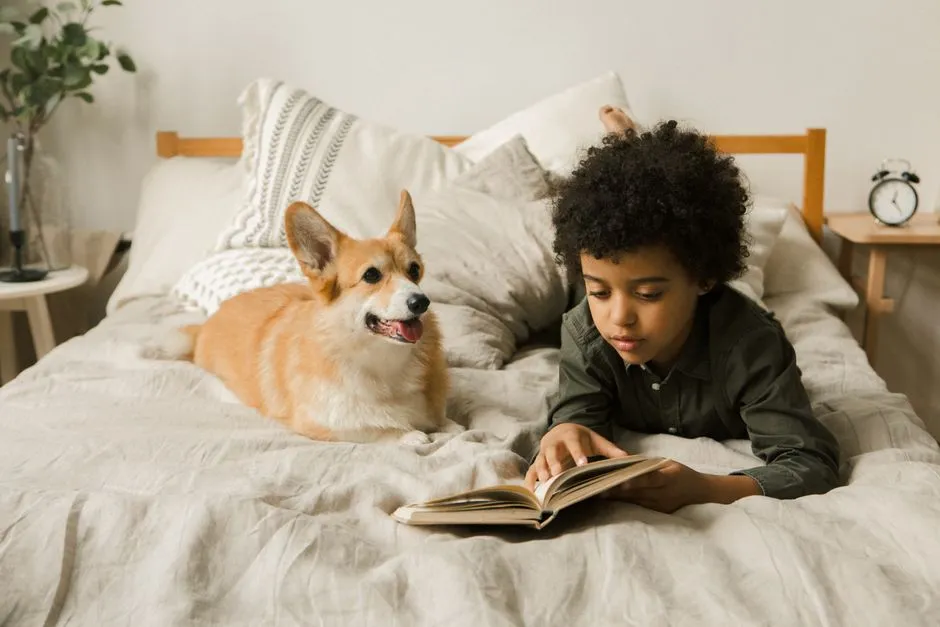
Most households have no idea how much the dog was the real alarm clock until the bed goes empty. Mornings don’t just feel quieter – they fall apart in slow motion.
For years, dogs run the same wake-up script: pacing, a soft whine, tail thumps, the jingle of a collar near the bed. Your body learns to time itself to those sounds without you ever noticing. So when that bed sits empty, people often oversleep for the first time in years – not from laziness, but because the unofficial morning manager just clocked out for good.
Fast Facts
- Pacing, soft whining, and collar jingles are common wake-up cues dogs use daily.
- Morning walks, feedings, and quick “let-outs” often anchor the first hour after waking.
- Losing that daily cue often shows up first as oversleeping, not sadness.
- Backup phone alarms rarely feel as effective as the routine they’re replacing.
Kids miss the bus. Coffee gets started later than usual. Showers get skipped because suddenly everyone is ten minutes behind and can’t explain why. People set three phone alarms to compensate, and none of them feel as real as a wet nose against their hand at 6:12 a.m. sharp.
The small stuff disappears too – no more quick “out you go” at the back door, no more filling the water bowl while the kettle boils. Each missing step leaves a tiny gap, and those gaps quietly fill with scrolling, staring, wandering. On paper, nothing has changed. In reality, the one thing that organized the whole morning is gone.
#7 – The Way Mealtimes Turn Awkwardly Quiet (And Weirdly Guilt-Ridden)
🔥 Would you like to save this?
We'll email this post to you, so you can come back to it later!
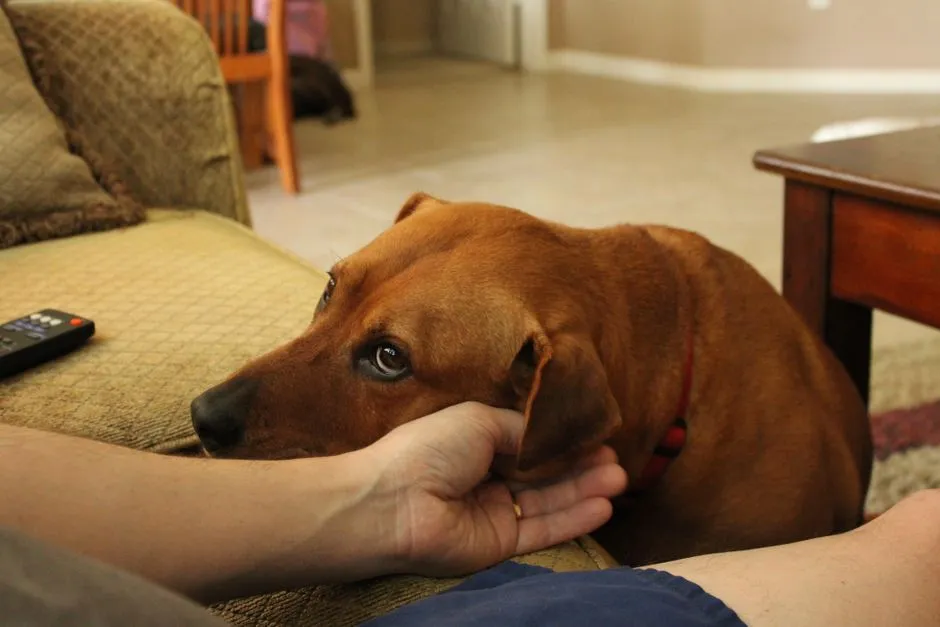
Dogs don’t just eat at mealtimes – they choreograph them. When the empty bed sits near the kitchen or dining table, it becomes a visual reminder that somebody’s missing every single time food comes out.
Families almost always describe the same moment: a hand reaches for the dog food bag out of habit, pauses mid-air, then stops cold. That half-second of realization hits like a gut punch, and suddenly every meal carries a heavy, guilty silence nobody asked for.
People start eating standing up at the counter instead of at the table. Someone takes their plate to another room “just this once,” then keeps doing it for weeks. Some families leave the bowls out long after they should have put them away, simply because moving them feels like erasing something.
This isn’t drama – it’s grief quietly rewiring routine. The dog wasn’t just “around” during dinner; they were part of the social script. Talking to the dog, sneaking a piece of chicken under the table, watching those eyes track every bite – all of it softened tension and filled the awkward gaps between people. Take that away, and some couples realize just how much they relied on the dog to change the subject or ease an argument. Kids feel the loss of their mealtime audience. Conversations get shorter. Some meals get skipped entirely.
#6 – How Chores and Household Roles Quietly Fall Apart
🔥 Would you like to save this?
We'll email this post to you, so you can come back to it later!
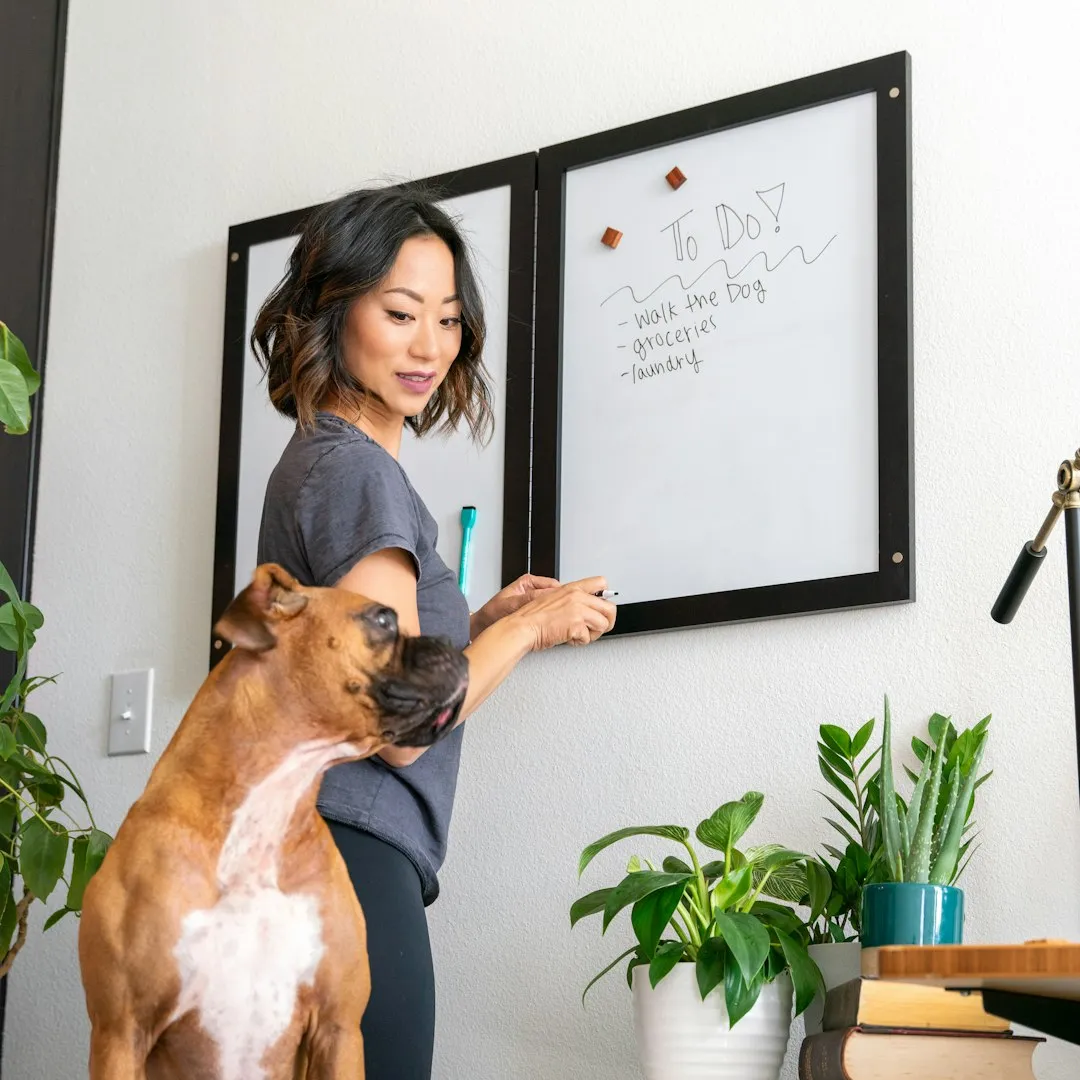
Most people don’t realize how many jobs in the house exist purely because of the dog – until that bed goes empty and those jobs vanish overnight. No more 7 p.m. walk. No more sweeping fur out of that one corner. No more rinsing bowls before bed.
It sounds like less work. It actually creates a strange vacuum. Entire roles inside the family disappear, and with them goes a built-in sense of purpose and rhythm that nobody realized they depended on.
Worth Knowing
- Daily walks often double as a built-in screen break for at least one family member.
- Feeding times create one of the few household tasks that almost never get skipped.
- Grooming, brushing, and bath days quietly disappear from the weekly rhythm.
- Vet visits and reminders stop showing up on the family calendar.
The person who took the bedtime walk loses their automatic excuse to step away from screens and breathe. The kid who fed the dog every afternoon loses their one daily “I’m responsible for something alive” moment. Dog chores were often the only tasks in the house that never got skipped or negotiated – you forget to fold laundry, but you never “forget” a 6 p.m. feeding.
When that anchor point disappears, the rest of the chore chart starts sliding too. The empty bed itself often becomes a quiet tug-of-war – some want it gone immediately because looking at it hurts, others insist it stay because moving it feels like betrayal. One person starts deep-cleaning everything in sight; another lets the laundry pile up. The house looks the same from the outside, but the structure holding it together has loosened in ways nobody can quite point to.
#5 – The Emotional “Drop Zone” Where Everyone Starts Avoiding That Room
🔥 Would you like to save this?
We'll email this post to you, so you can come back to it later!
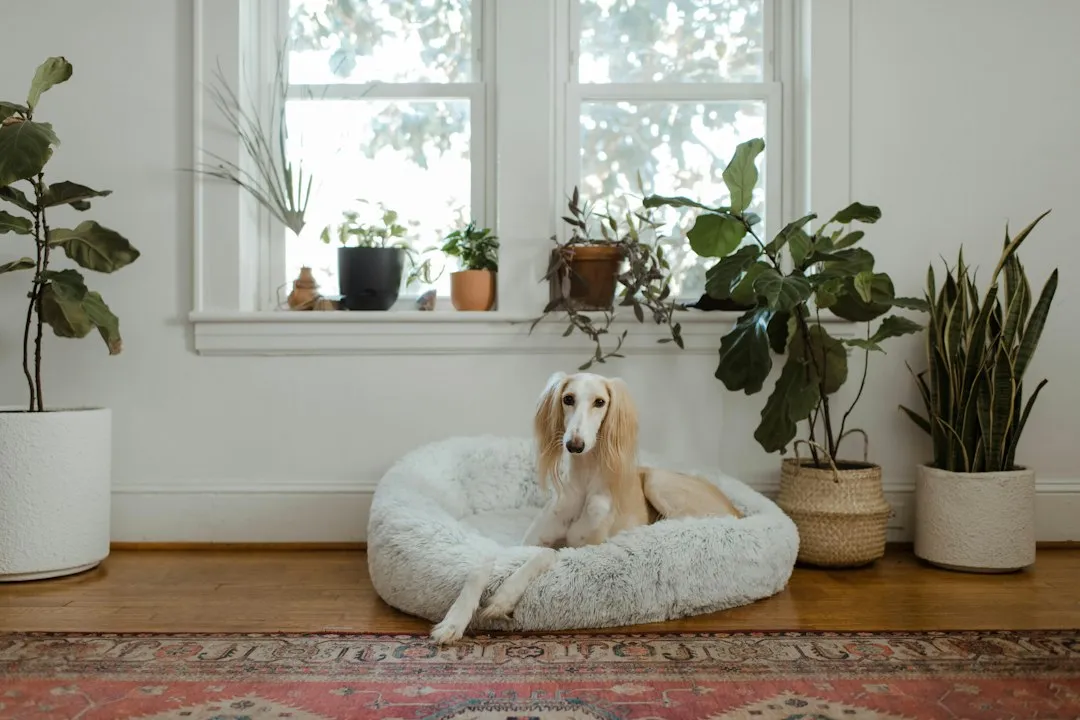
Once the bed is empty, the space around it quietly becomes a danger zone. People walk past it a little faster. They stop lingering. Conversations that used to happen naturally near that spot just… stop happening.
Think about where most dog beds actually sit – the living room, the hallway, the bedroom corner. The exact places where people used to sit on the floor to decompress, rest a hand on warm fur during TV, or pause between rooms just to say “hey, buddy.” Now there’s a hollow where there used to be life.
Psychologically, that space becomes what’s known as an avoidance point – a location that triggers sadness, so the brain quietly reroutes around it. Someone takes a different path to the kitchen. A kid starts doing homework in their room instead of at the table that faces the empty bed. Over a few weeks, the entire traffic pattern of the house shifts. One side of the couch becomes “too close.” Families start watching TV in separate bedrooms and blame it on “busy schedules,” when really it started with simple, unspoken avoidance.
There’s usually one person who keeps sitting near the bed anyway, scrolling on their phone, pretending they’re fine. They’re not. That’s often the quietest griever in the house – the one whose nervous system is still calibrated to reach down for a warm body that simply isn’t there anymore.
#4 – How Kids’ Behavior and Sleep Patterns Go Sideways
🔥 Would you like to save this?
We'll email this post to you, so you can come back to it later!
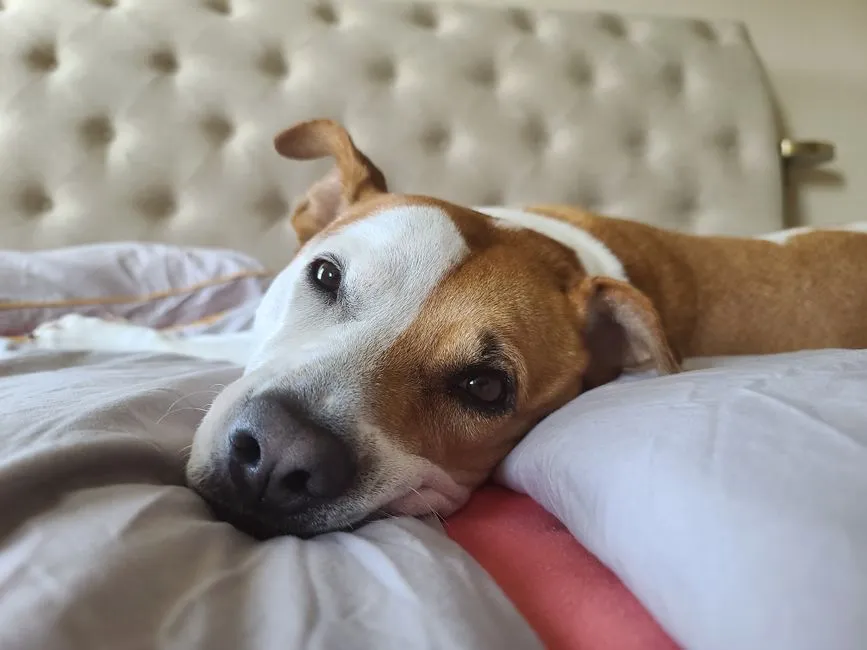
For kids, a dog isn’t just a pet – it’s often their first real anchor of safety that isn’t a parent. When the bed goes empty, the shift in a child’s behavior can be subtle at first, then impossible to ignore.
Some kids check the bed repeatedly “just to see,” even though they already know. Others start asking to sleep in their parents’ room again, something they outgrew years earlier. Nightmares and bedtime anxiety spike, especially if the dog used to sleep near their door.
At a Glance
- Repeated checking of the empty bed, even when a child already knows it’s empty.
- Requests to sleep in a parent’s room again after years of sleeping independently.
- New or worsened nighttime anxiety, especially if the dog slept near their door.
- Quiet self-blame that rarely gets said out loud unless a parent asks directly.
The dog’s bed was often a quiet symbol that someone was on duty all night. Kids fell asleep to gentle snoring or collar jingles, a kind of living nightlight. When silence replaces that sound, a child’s brain can register it as “no one is guarding the house anymore” – even if they can’t say that out loud.
School mornings suffer too. Kids who used to leap out of bed to greet the dog now move sluggishly. Homework gets “forgotten,” not out of defiance but distraction. And here’s the part adults rarely admit: some kids secretly blame themselves – “I should have played with him more,” or “I got mad that one time.” That guilt sits right next to the empty bed like another invisible occupant, and in homes where parents stay silent about the loss, kids often mirror that silence with tantrums, clinginess, or outbursts over nothing at all.
#3 – The Way Couples Discover Just How Much the Dog Buffered Their Relationship
🔥 Would you like to save this?
We'll email this post to you, so you can come back to it later!
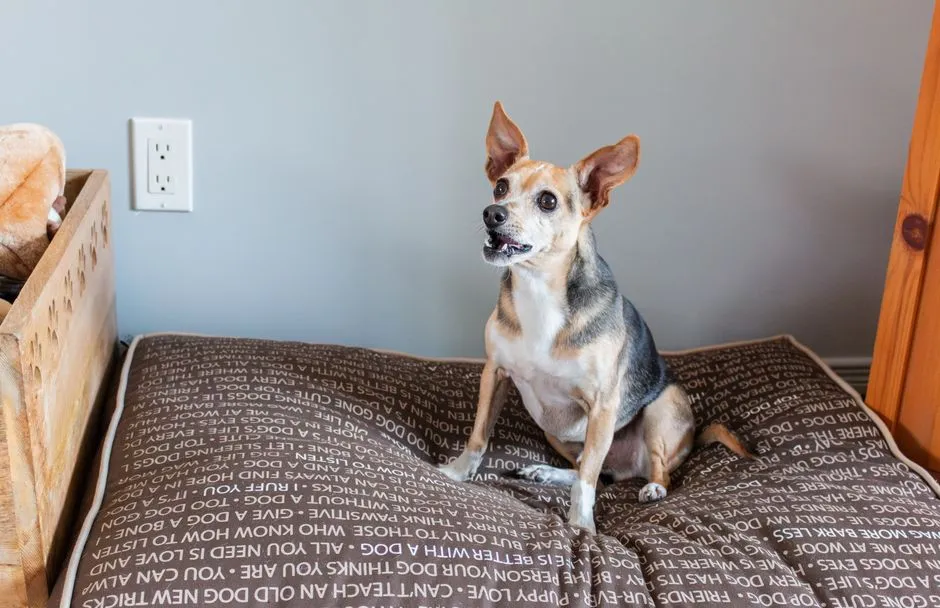
This is the part almost nobody wants to admit: for a lot of couples, the dog was the emotional referee, the comic relief, and the built-in excuse to reconnect when things got tense. The empty bed quietly exposes all of it.
After an argument, one partner sits by the dog bed to “talk to the dog” – which is really a soft way of saying, “I’m still here if you want to fix this.” Jokes about the dog’s snoring cut tension before it built. “Did you see what he did today?” was a safe, shared topic when everything else felt heavy. Remove that, and suddenly there’s just a silent bed and no easy, non-confrontational way back to each other.
Couples notice they talk less. Nights once spent together on the couch, dog wedged between them, turn into separate screens in separate rooms. The harsh truth is that if communication was already fragile, the dog’s absence exposes cracks that used to be easy to ignore. Arguments feel sharper. Pauses feel colder. There’s no cheerful tail left to interrupt a downward spiral.
Dogs are not our whole life, but they make our lives whole.
Roger Caras
For some couples, grief over that empty bed briefly pulls them closer – they cry together, argue over what to do with it, share memories. Then, once they think they’ve “gotten past it,” they quietly stop checking in with each other, and that’s often when resentment settles in like a second ghost in the room. If your daily routine included feeding, walking, and sleeping near the same animal, that routine was part of the glue. Remove it, and you find out fast what else was actually holding you together.
#2 – The Grief That Sneaks Into Work, Screens, and Social Lives
🔥 Would you like to save this?
We'll email this post to you, so you can come back to it later!
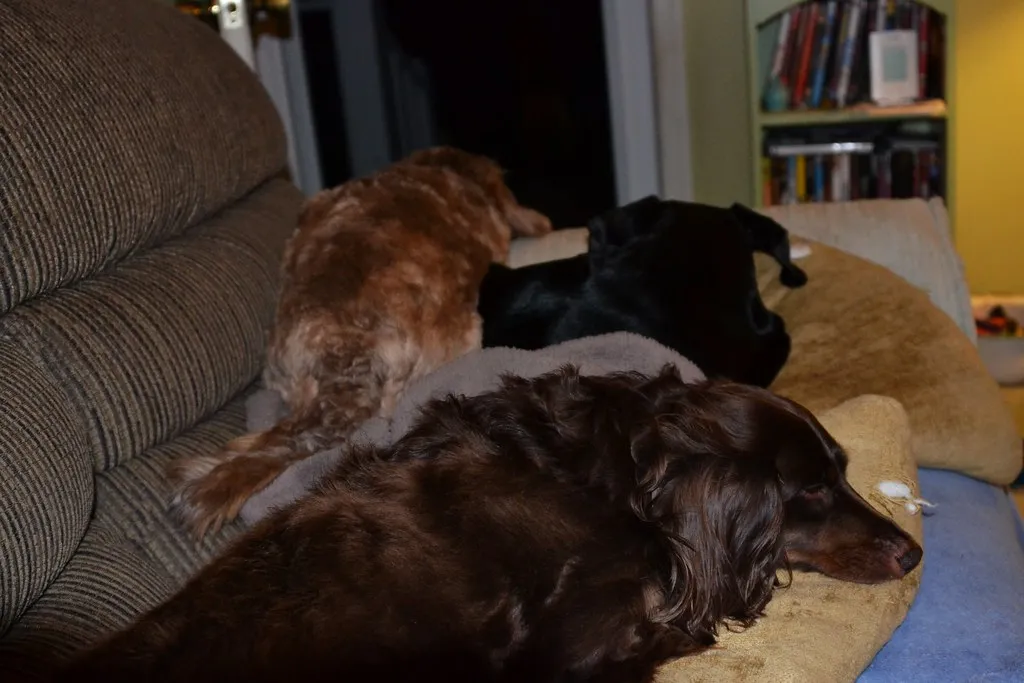
Most people don’t take time off work when a pet dies. They tell themselves, “It’s just a dog, I’ll be fine,” and shove everything back into normal as fast as possible. The empty bed at home makes that ten times harder than they expected.
People start staying later at work, not out of ambition but to avoid coming home to that empty space. They say yes to every social invite, not because they’re moving on, but because they’re avoiding the hardest room in the house. Screens take over at night, replacing the old habit of leaning down for goodnight scratches.
Why It Stands Out
- Staying later at work becomes a subtle way to delay coming home.
- Saying yes to every invitation can be avoidance dressed up as socializing.
- Old walking routes and dog parks get quietly crossed off the list.
- Irritability and short tempers often show up before sadness ever gets named.
The disruption leaks into everything. Concentration drops. Small tasks get forgotten. People get frustrated with themselves without ever connecting it back to the empty bed in the corner. Sleep slips because staying up late feels easier than lying in a quiet room where the dog used to snore.
There’s a social awkwardness too – most workplaces are painfully bad at handling pet loss, so mentioning it risks getting labeled “overly sensitive.” That suppressed grief doesn’t disappear; it reroutes as irritability, impatience in traffic, or snapping at people over nothing. Friends post dog photos online, and instead of joy, some people feel a gut-level sting – they mute accounts, avoid old walking routes, skip the dog park they used to love. Step counts drop. Physical health quietly takes the hit. The empty bed becomes a symbol not just of what they lost, but of who they feel like now: someone coming home to a house that isn’t eagerly waiting for them anymore.
#1 – The Identity Freefall: When the Empty Bed Exposes Who You Are Without “Your Dog”
🔥 Would you like to save this?
We'll email this post to you, so you can come back to it later!
At the deepest level, an empty dog bed doesn’t just disrupt a routine – it shakes identity. If you’ve been “the dog person” in the house for years, you built an entire self around that role: caretaker, protector, playmate, comforter. When the bed goes empty, that identity suddenly has nowhere to land.
This is why some people keep the bed exactly as it was for months, sometimes years. They’re not holding onto an object. They’re holding onto who they were in that role – the feeding, the walking, the vet visits, the seasonal photos, the daily little updates that were really expressions of a self grounded in loving one creature.
When those actions stop, the day fills with strange open space where meaningful tasks used to be. Evenings lose their easy excuse to step outside and breathe. The phone starts serving up “on this day” photos that land like small emotional grenades. Some people quietly ask themselves, “Who am I if I’m not their person anymore?” It sounds dramatic until you remember that routine is how humans anchor purpose, and pets are one of the steadiest sources of that purpose most of us will ever have.
The bed sitting stubbornly in the same spot becomes a mirror – reflecting back the version of you that had somewhere to pour your love every single day. Some people rush to fill that space with a new dog almost immediately. Others can’t imagine it for years. Both get judged, as if there’s one correct speed for grief. In reality, it usually comes down to one honest question: how long until you can look at that bed and not flinch?
The Bottom Line
🔥 Would you like to save this?
We'll email this post to you, so you can come back to it later!
An empty dog bed looks like nothing – a cushion, some worn fabric, maybe a little fur that never quite vacuums out. But it quietly reroutes an entire household’s wake-up times, mealtimes, chore lists, kids’ sleep, a couple’s communication, even how long people stay at work or out with friends just to avoid one corner of one room.
Here’s my honest take: most people around you will assume you’re “over it” within a week, while you’re still tripping over invisible habits months later. That gap between how fast people expect you to heal and how long it actually takes is the real cruelty in all of this – not the bed itself, but the silence everyone expects you to perform around it.
What you eventually do with that bed – keep it, store it, pass it on, or set up a new one – matters far less than admitting how much that quiet corner changed you while nobody was watching. So be honest with yourself: what did that empty spot really do to your house?

- 14 Wildlife Permits Waived for Americans the Year They Turn 62 - November 5, 2026
- Machu Picchu’s Engineering Feats Were Far Ahead of Its Time - November 5, 2026
- 12 Most Beautiful American Cities To See Before You Die - November 4, 2026