

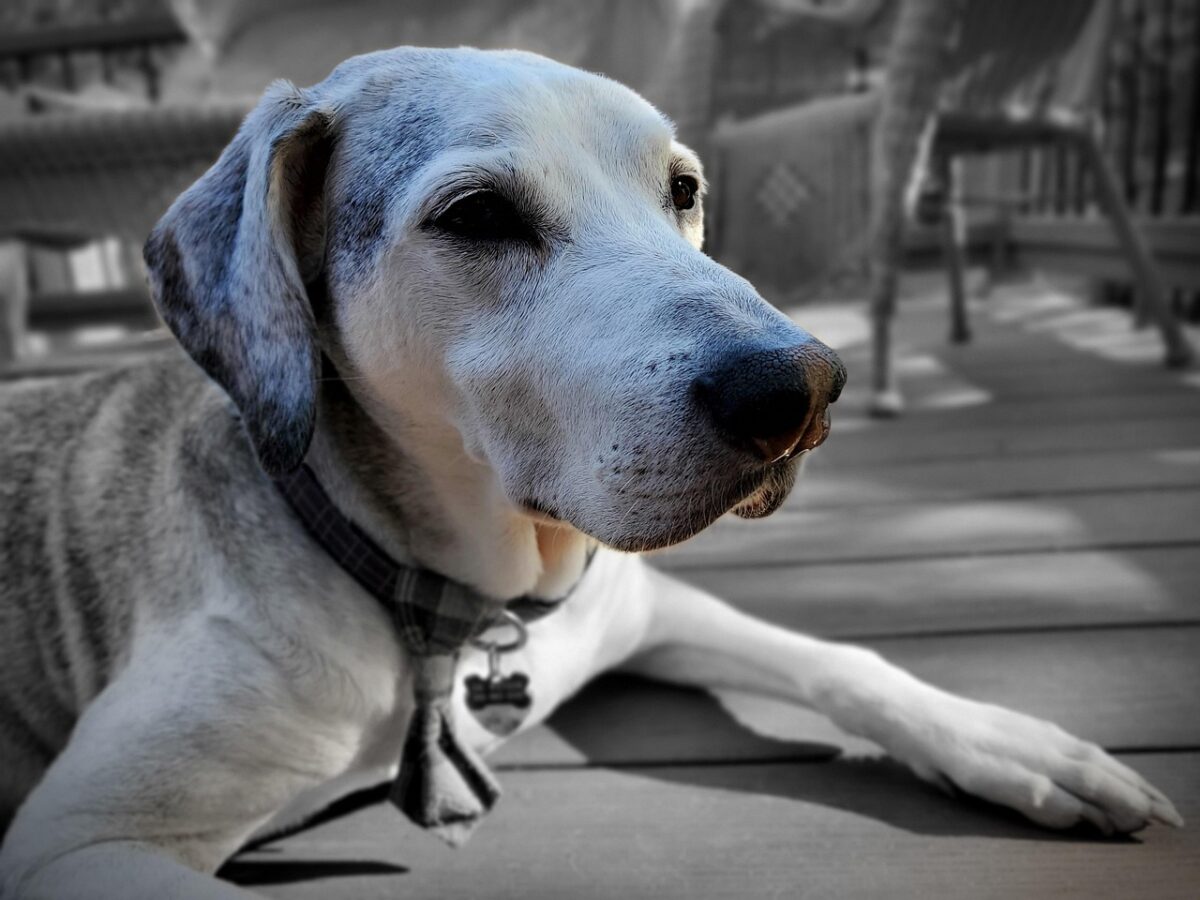
Most people assume a calmer old dog is simply a “well-behaved” one. The truth vets keep repeating in exam rooms is very different. A dog that stops demanding walks, stops nudging for treats, or stops barking at the mailman isn’t mellowing out – it’s often quietly telling you something hurts, something’s foggy, or something’s failing.
Old dogs rarely start doing scary new things first. They stop doing familiar, joyful ones – and owners are usually too relieved by the sudden calm to ask why. Underneath, it’s often pain, sensory loss, or a brain working overtime just to keep pace with a body that’s slowing down. Here’s what vets actually say is happening behind that quiet, starting with the withdrawal almost every family gets wrong first.
#16 – Stops Begging for Table Scraps
🔥 Would you like to save this?
We'll email this post to you, so you can come back to it later!
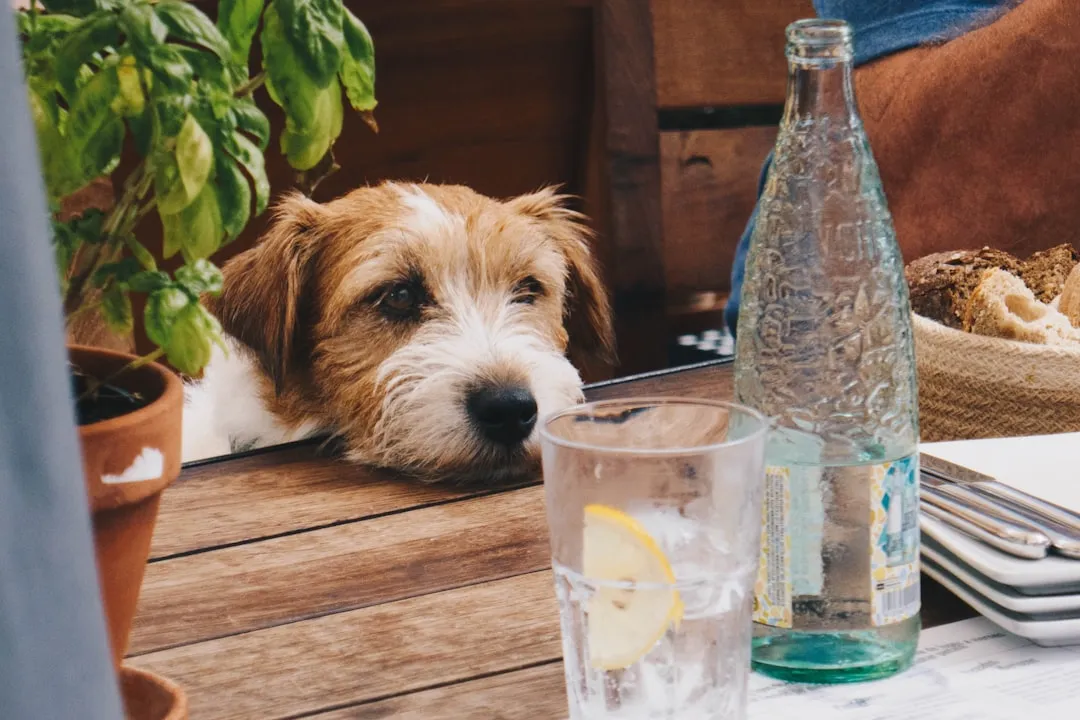
Every dog owner knows the drill: the hopeful stare, the paw on your knee, the not-so-subtle drool while you eat dinner. When that theatrical begging just stops, most families assume the dog has “finally learned manners.” Vets see it differently.
A sudden drop in food-motivated behavior is one of the more reliable early warning signs of an aging dog’s health. Owners might notice it as shifts in appetite, unexplained weight change, lower energy, or a vague sense that the dog just doesn’t seem quite like itself. That “not themselves” feeling is exactly what vets ask about during senior wellness visits, because it’s often the only clue before bloodwork confirms anything.
Dental pain is a major hidden driver here. A dog whose mouth hurts will still eat soft kibble out of habit but won’t bother begging for a chewy piece of steak, because the anticipated jaw pressure isn’t worth the reward anymore. Thyroid changes and quiet nausea from kidney or liver stress can kill that “give me food” drive long before appetite disappears completely. But that’s nothing compared to what’s happening in #15.
#15 – Stops Nudging Your Hand for Pets
🔥 Would you like to save this?
We'll email this post to you, so you can come back to it later!
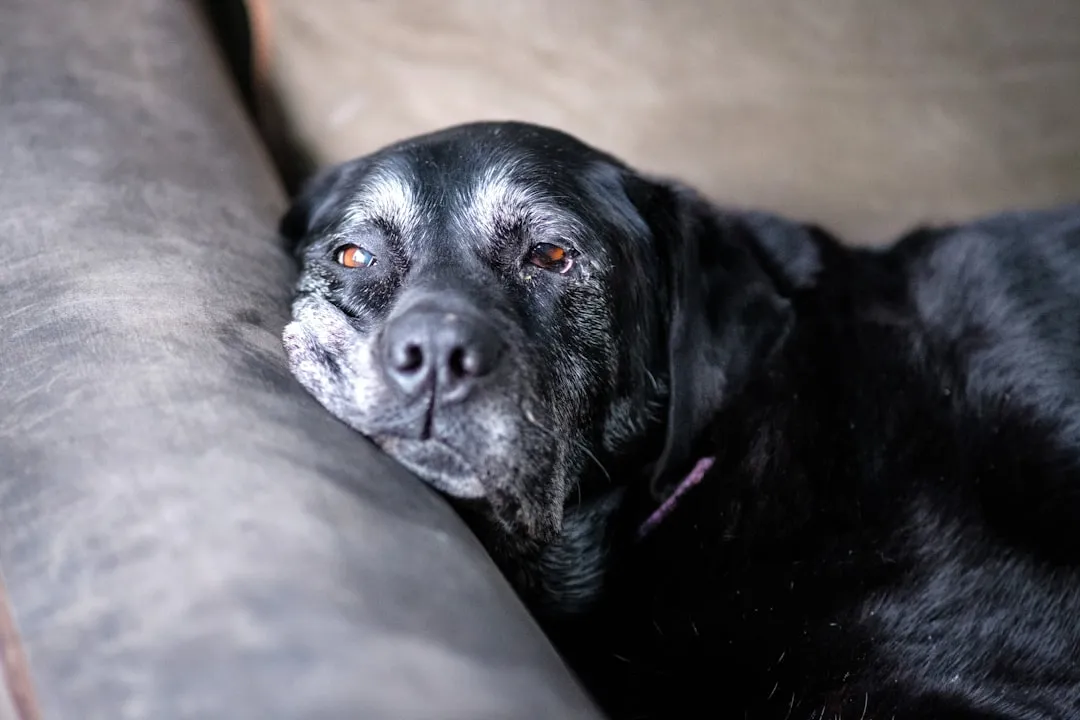
A dog that used to headbutt your palm until you scratched behind its ears, and now just lies there, isn’t getting less affectionate. Something in that request loop has broken.
Increased irritability, confusion, or withdrawal can point to pain or cognitive changes, and the nudge-for-attention behavior is one of the first casualties. Dogs with early arthritis in the neck or shoulders often stop initiating head-tilts and nudges because the motion itself pulls on sore joints. Cognitive decline plays a role too – the dog may still want contact but simply forget the “ask” behavior that used to get it.
Owners frequently misread this as the dog “becoming independent,” which is a comforting story but rarely the real one. Senior dogs can become more withdrawn, showing less interest in things they once loved, and the shift tends to become more pronounced over time. The fix usually starts with a vet ruling out joint pain before anyone assumes it’s just an aging personality. Next up is a withdrawal that’s even easier to miss entirely.
#14 – Stops Whining at the Door to Go Out
🔥 Would you like to save this?
We'll email this post to you, so you can come back to it later!
The dog who used to scratch, pace, and whine at the back door with total urgency now waits silently – sometimes too silently, resulting in accidents nobody expected. This one gets blamed on “getting lazy,” but it’s rarely that simple.
If a senior dog suddenly seems to forget its house training or strains while urinating, that can point to a urinary tract infection or kidney disease, though some incontinence is common in elderly dogs and manageable with medication. Cognitive dysfunction can also erase the memory of the whole “ask to go out” ritual, even when bladder control itself is fine.
Worth Knowing
- Sudden accidents after years of reliable house training often point to a urinary tract infection, kidney changes, or diabetes rather than a memory lapse.
- Straining, dribbling, or oddly frequent trips outside are worth mentioning at the very next appointment, not waiting for the annual exam.
- Cognitive decline can wipe out the “ask to go out” habit completely even when the bladder itself is working just fine.
- A simple urine test is often the fastest, least expensive way to rule out the most common causes.
House soiling could come from trouble finding the door, trouble remembering the routine, difficulty physically getting up, or an underlying issue like a UTI. Here’s the uncomfortable part: most owners wait far too long to mention this at checkups because they’re embarrassed for the dog, not realizing it’s one of the most treatable items on this whole list. That silence costs comfort. Slide #13 covers a withdrawal owners almost always mistake for stubbornness.
#13 – Stops Pawing at the Leash Before Walks
🔥 Would you like to save this?
We'll email this post to you, so you can come back to it later!
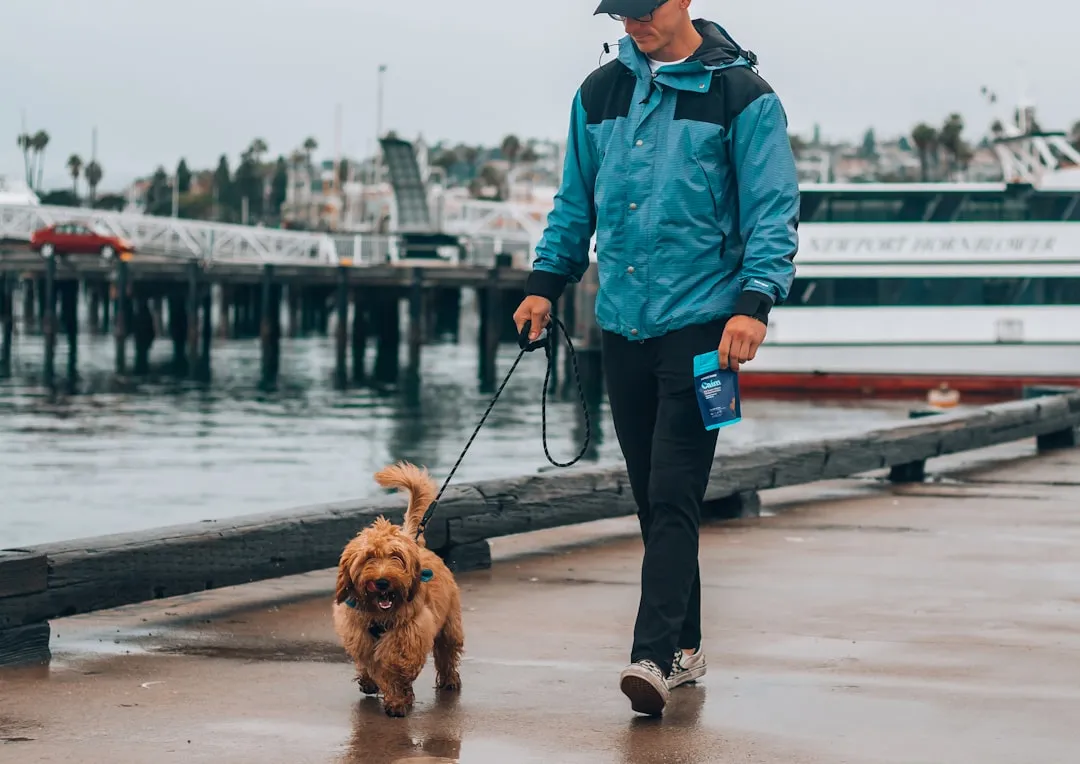
The leash used to trigger spinning, jumping, and frantic excitement. Now it just hangs there, and the dog barely lifts its head. Vets flag this as one of the clearest soft signals of joint pain hiding in plain sight.
Dogs rarely announce pain or fatigue directly – they simply opt out. The same logic applies to walk-anticipation behavior. Difficulty jumping, stiffness after rest, or sudden hesitation before stairs are common signs of joint or muscle discomfort building underneath.
Decreased stamina is often written off as “just old age,” but chronic pain from conditions like osteoarthritis has to be considered first. Once that pain is treated, owners frequently see the old walk-excitement return almost overnight. This is genuinely one of the most reversible items here, which makes it frustrating how often it’s dismissed. Next: a demand that used to be loud, now nearly gone.
#12 – Stops Asking to Play Tug-of-War or Fetch
🔥 Would you like to save this?
We'll email this post to you, so you can come back to it later!
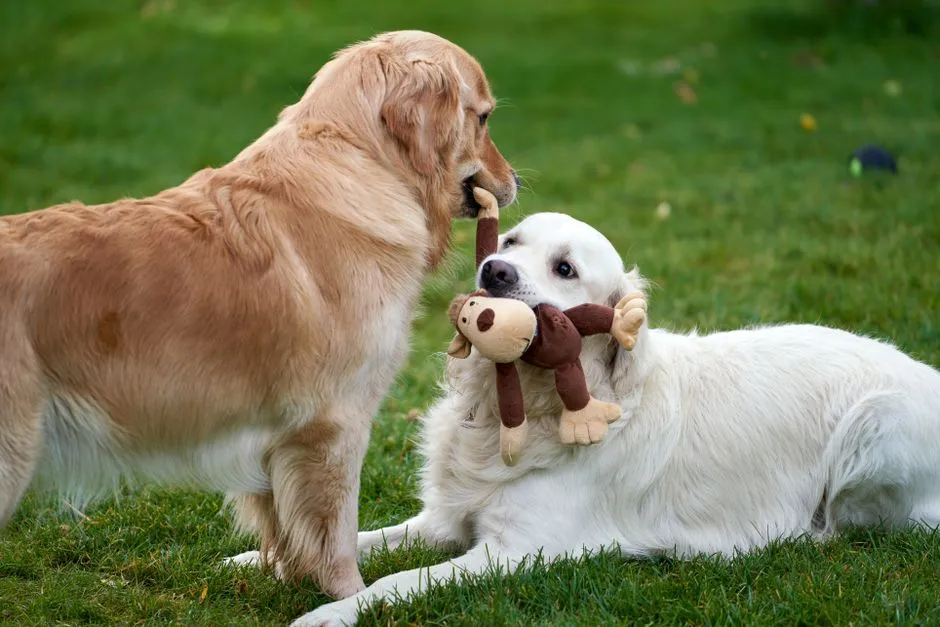
Toys used to get shoved into your lap on repeat. Now the same toy sits untouched by the couch for days. Owners call this maturity. Vets call it opting out of something that now hurts.
A sudden stop in play is less “normal aging” and more often a sign of discomfort, illness, or stress, since pain from joints, back, or teeth commonly reduces play – and play is optional, which makes it the easiest thing for a dog to drop first.
As dogs age, activity naturally declines, and shorter, less frequent play can be normal if the dog still eats well, moves comfortably, and stays engaged with the family. But play is also one of the earliest “soft signals” that something is off. Dismissing lost play drive as “just getting old” without a vet visit is one of the bigger mistakes senior-dog owners make. What comes next is subtler and even sadder.
#11 – Stops Asking to Be Lifted Onto the Couch or Bed

🔥 Would you like to save this?
We'll email this post to you, so you can come back to it later!
A dog that used to scratch at the cushions or stare up expectantly until someone hoisted it up now just curls up on the floor instead. This is rarely contentment – it’s usually pain avoidance in disguise.
Pain signs in dogs tend to be subtle at first, starting as a reluctance to do what once came easily, like jumping onto furniture or into the car, before progressing to a total inability to do it at all. By the time a dog stops asking altogether, that reluctance has usually been building for months.
Reluctance to jump or climb stairs, subtle gait changes, and lost interest in favorite spots are categories vets specifically use to judge quality of life in aging dogs. Ramps, orthopedic steps, and proper pain management can restore this behavior almost overnight when joints were the real problem all along. Slide #10 tackles a request most owners genuinely miss.
#10 – Stops Requesting Car Rides
🔥 Would you like to save this?
We'll email this post to you, so you can come back to it later!
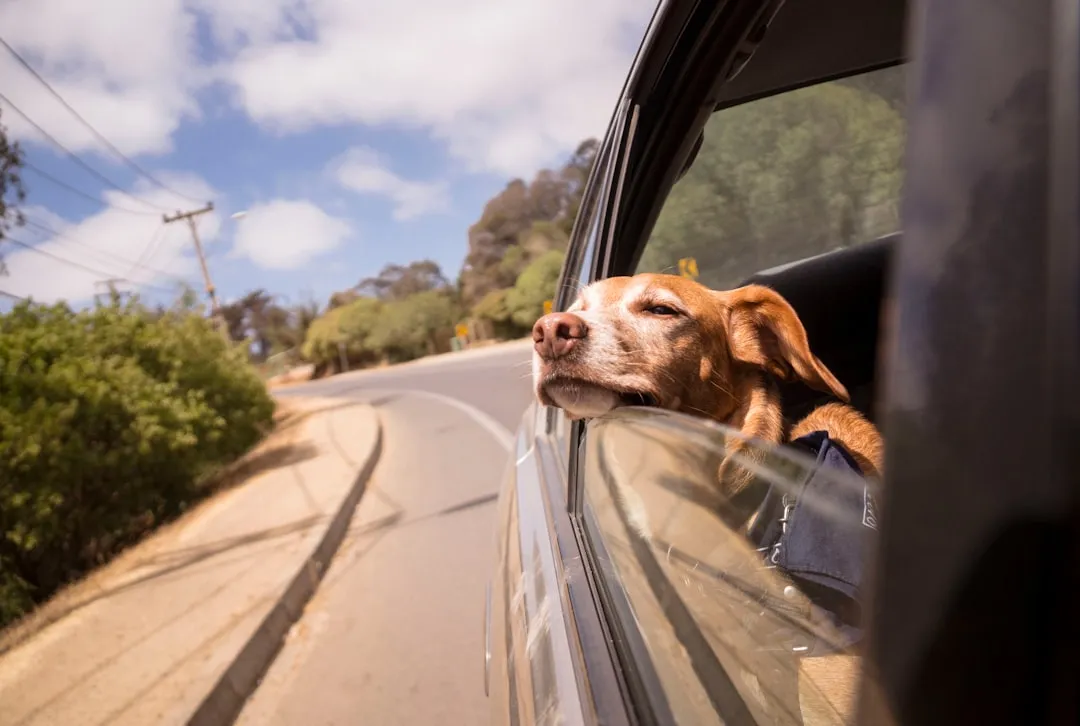
The jingle of keys used to send the dog into a spinning frenzy by the front door. Now there’s barely a twitch of the ear. Vets see this shift as a combination of sensory fade and motion-related discomfort.
Hearing loss plays a bigger role here than most owners realize – if the dog can’t hear keys jingle from another room, the excitement simply never gets triggered. Because vision and hearing tend to fade gradually, it helps to keep furniture arrangements consistent and approach a hard-of-hearing dog where it can see you coming.
Motion sickness and joint pain from jumping into a vehicle also quietly kill the enthusiasm. A dog whose hips ache doesn’t want to leap into a truck bed or back seat, so the “ask” fades right along with the physical ability. Here’s an easy test: call your dog from another room without any visual cue, and you’ll often get your answer fast. Slide #9 is one vets describe as heartbreakingly easy to miss.
#9 – Stops Initiating Eye Contact and Daily Check-Ins
🔥 Would you like to save this?
We'll email this post to you, so you can come back to it later!
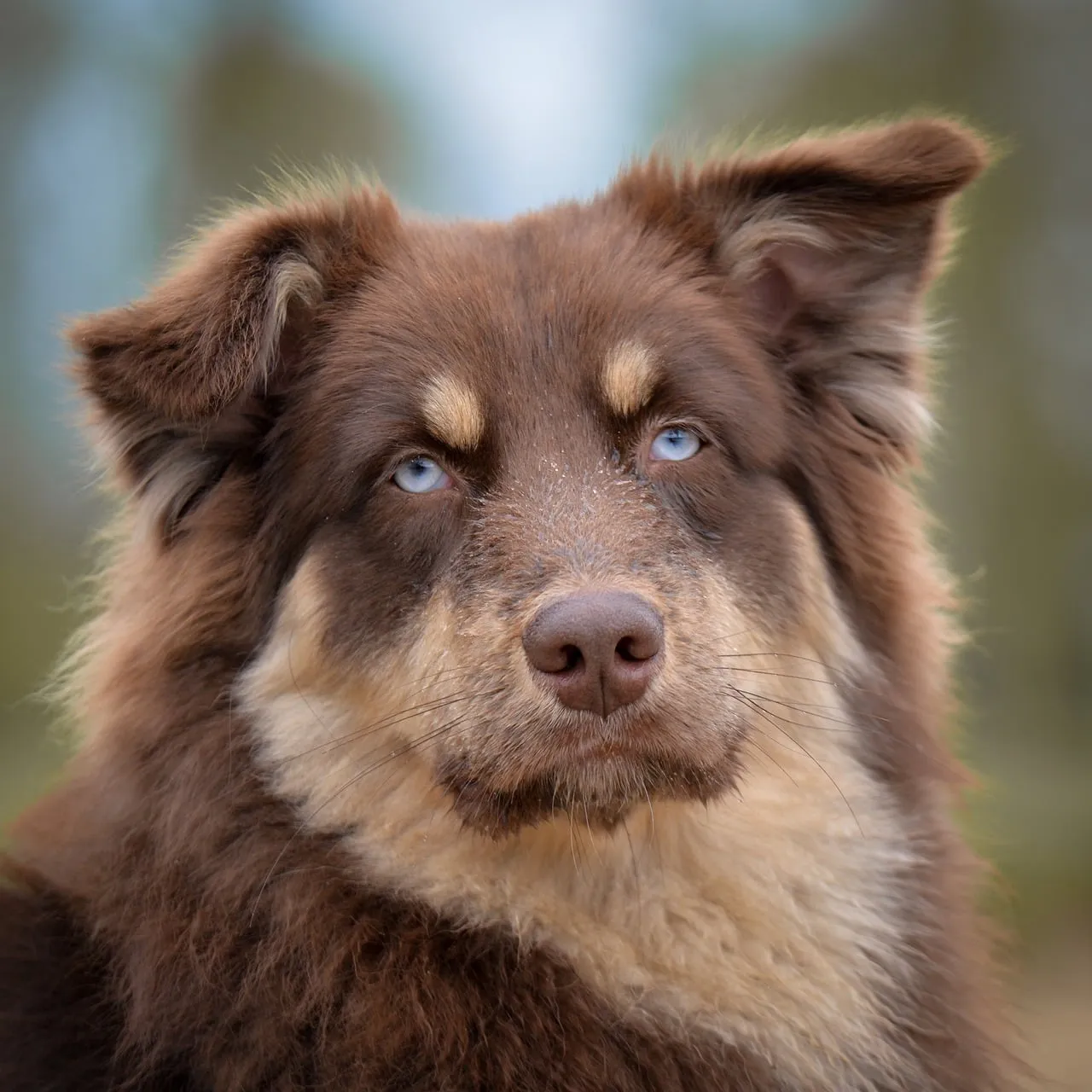
Healthy dogs glance over constantly – quick looks from across the room, head tilts, silent “you good?” moments. When a senior dog quietly stops doing this, families assume it’s simply “in its own world.” Vets know it’s rarely that simple.
Vision decline is the most obvious culprit, since a dog that can’t clearly see your face from across the room has no reason to keep looking your way. Cloudy-looking eyes are common with age, but it’s still worth ruling out cataracts or other eye disease rather than assuming it’s harmless.
Cognitive dysfunction is the other major factor, often first noticed as confusion, restlessness, or vocalizing during evening hours. The dog isn’t emotionally distant – the wiring that fuels those quiet check-ins is fraying. Slide #8 covers a withdrawal tied directly to the mouth.
#8 – Stops Asking to Chew Bones or Tough Treats
🔥 Would you like to save this?
We'll email this post to you, so you can come back to it later!
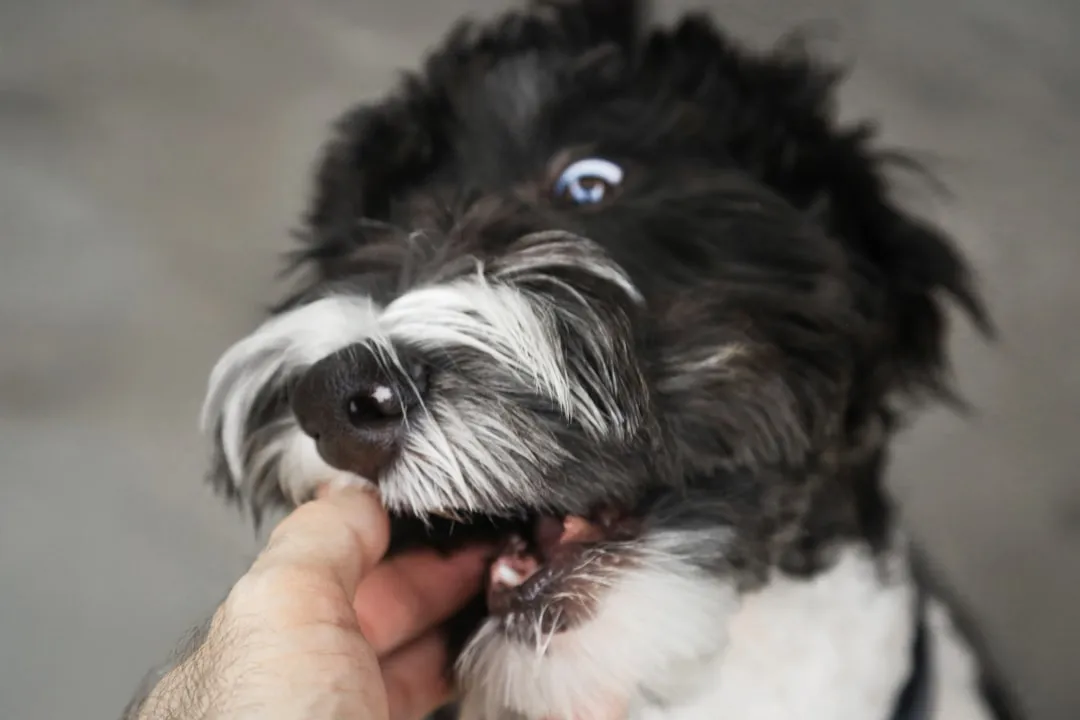
A dog that used to guard a bone like treasure now walks past the same bone without a second glance. Owners chalk this up to changing taste. Vets check the teeth first.
Bad breath is a common tell of dental disease, and it can even hint at internal problems like kidney disease. Chewing hard items becomes genuinely painful once dental disease sets in, and dogs are remarkably good at quietly avoiding exactly the activities that hurt, without ever showing an obvious limp or wince.
Fast Facts
- More than 80% of dogs older than three already have some degree of active dental disease.
- Most dogs show no obvious pain response even when the disease is advanced.
- Bad breath, brownish tartar, and a sudden disinterest in chew toys are usually the only outward clues.
- A professional cleaning under anesthesia remains the only reliable way to see what’s happening below the gumline.
Dental disease grows more common with age, and dental pain can chip away at appetite, mood, and quality of life long before anyone notices. Skipping annual dental exams because “they’re eating fine” is one of the more common mistakes vets see, since chewing behavior fades long before mealtime appetite does. Slide #7 is about a sense most owners never think to monitor.
#7 – Stops Sniffing and Exploring During Walks
🔥 Would you like to save this?
We'll email this post to you, so you can come back to it later!
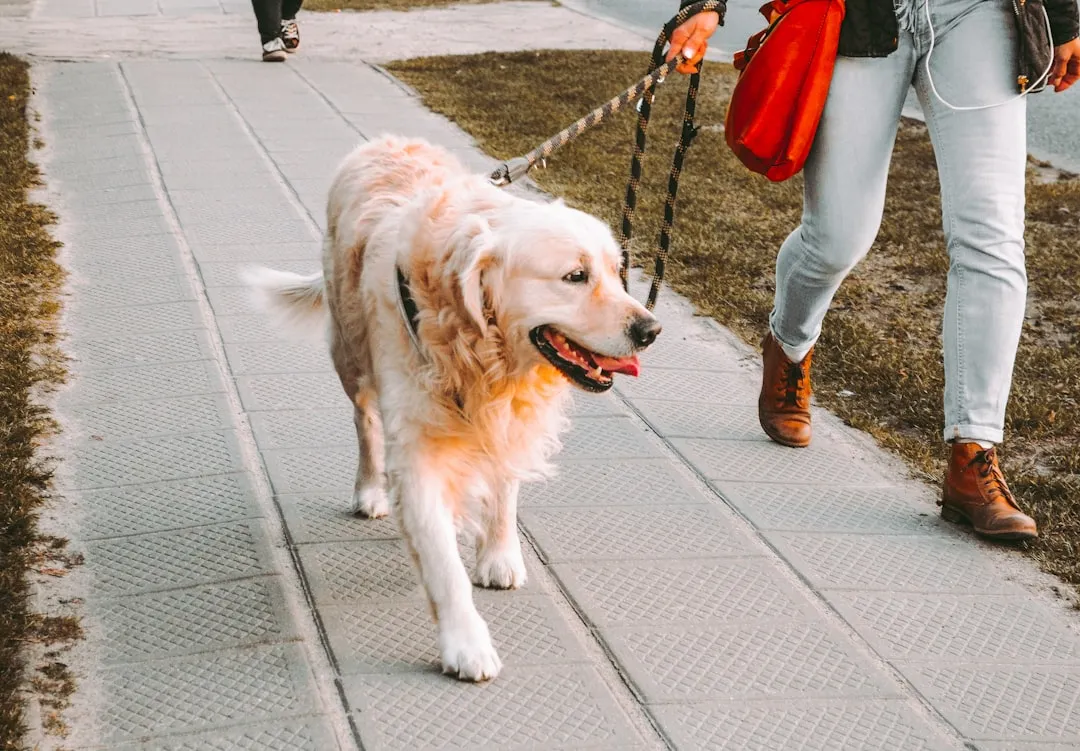
Walks used to mean zigzagging across every patch of grass, nose glued to the ground. Now the same dog trudges in a straight line, barely sniffing anything. This isn’t “getting efficient” – it’s often a sign the walk itself has become work, not joy.
Reduced stamina is frequently misread as normal aging, but conditions like hypothyroidism or heart disease can quietly drain the energy needed for anything extra. A dog conserving what little energy it has for basic locomotion has none left over for the optional joy of exploring smells.
Reduced sniffing can also point to a fading sense of smell itself – a sensory loss that gets far less attention than declining eyesight or hearing but reshapes a dog’s entire experience of the world. Slide #6 involves a ritual most families take for granted every single day.
#6 – Stops Greeting You at the Door
🔥 Would you like to save this?
We'll email this post to you, so you can come back to it later!
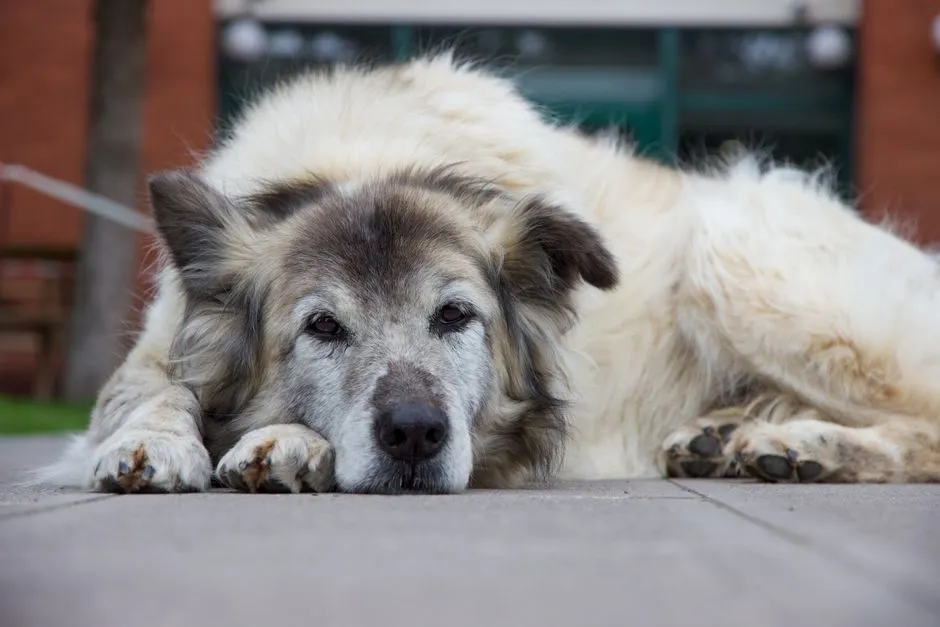
The tail-wagging, spinning, whole-body-wiggle welcome used to happen every time you walked in. Now the dog barely lifts its head from the bed. Families often say the dog “just knows it’s us now.” Vets rarely buy that explanation alone.
As pain, fatigue, or cognitive fog build up, dogs naturally become less interactive with the people around them. A dog that used to sprint to the door may simply no longer have the joint comfort to get up quickly, so the sprint gets replaced by a tail thump from a lying position.
Confusion, lower energy, and rising anxiety often show up first in these small daily rituals – long before anything looks “medically” wrong. This is precisely why vets ask owners to describe routine behaviors, not just obvious symptoms, during senior checkups. Slide #5 is one of the most physically telling on this entire list.
#5 – Stops Asking to Sleep Pressed Against You
🔥 Would you like to save this?
We'll email this post to you, so you can come back to it later!
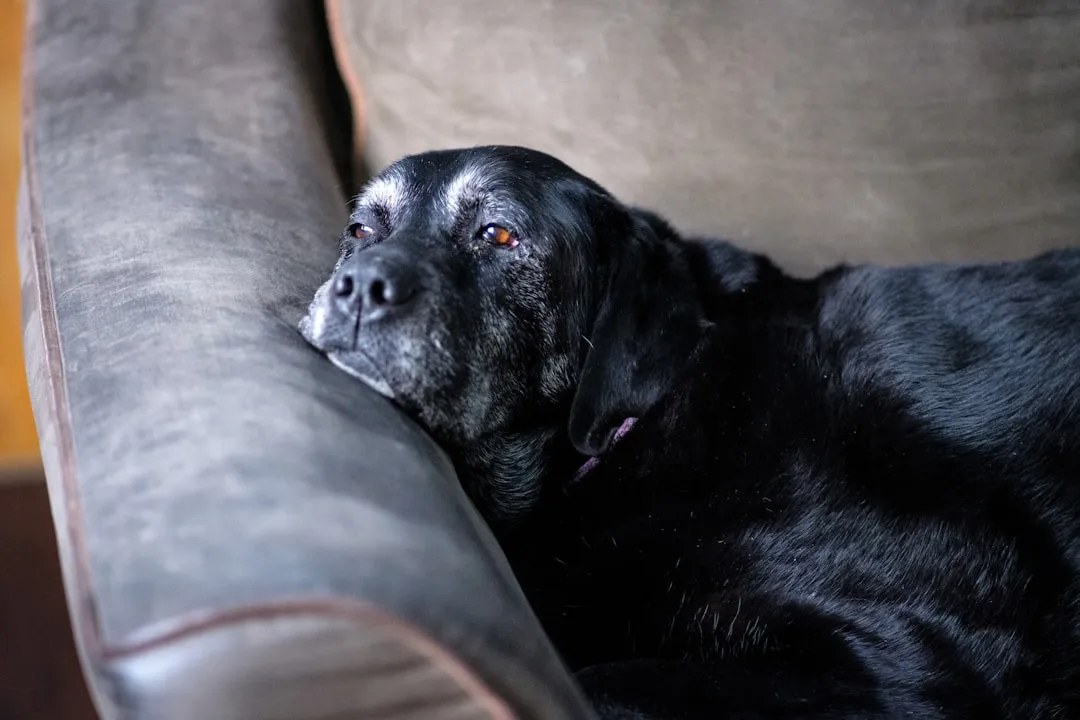
A dog that used to burrow under the covers or sleep glued to your leg now chooses the cold floor instead. Most owners find this confusing, even hurtful – but it’s rarely about affection fading.
Joint pain makes close, tangled sleeping positions genuinely uncomfortable, so a dog will often choose isolation not because it wants space, but because rolling around or getting bumped in the night now hurts. Pacing at night and an inability to settle are common sleep-related red flags vets watch for in aging dogs.
At a Glance
- Canine cognitive dysfunction is estimated to affect roughly 14% of dogs once they pass age eight.
- By 15 to 16 years old, an estimated 68% of dogs show at least one sign of cognitive decline.
- Disrupted sleep-wake cycles – restlessness at night, pacing, or trouble settling – are among the earliest flags vets look for.
- Fewer than 2 in 100 affected dogs ever receive an official diagnosis, largely because families mistake the signs for simple old age.
Seniors naturally prefer calmer routines and sleep more overall, but a dog actively avoiding physical closeness during sleep is a different story from simply napping more. This is one worth raising at the next vet visit rather than filing under “personality change.” Slide #4 covers something almost every owner assumes is just “getting old and quiet.”
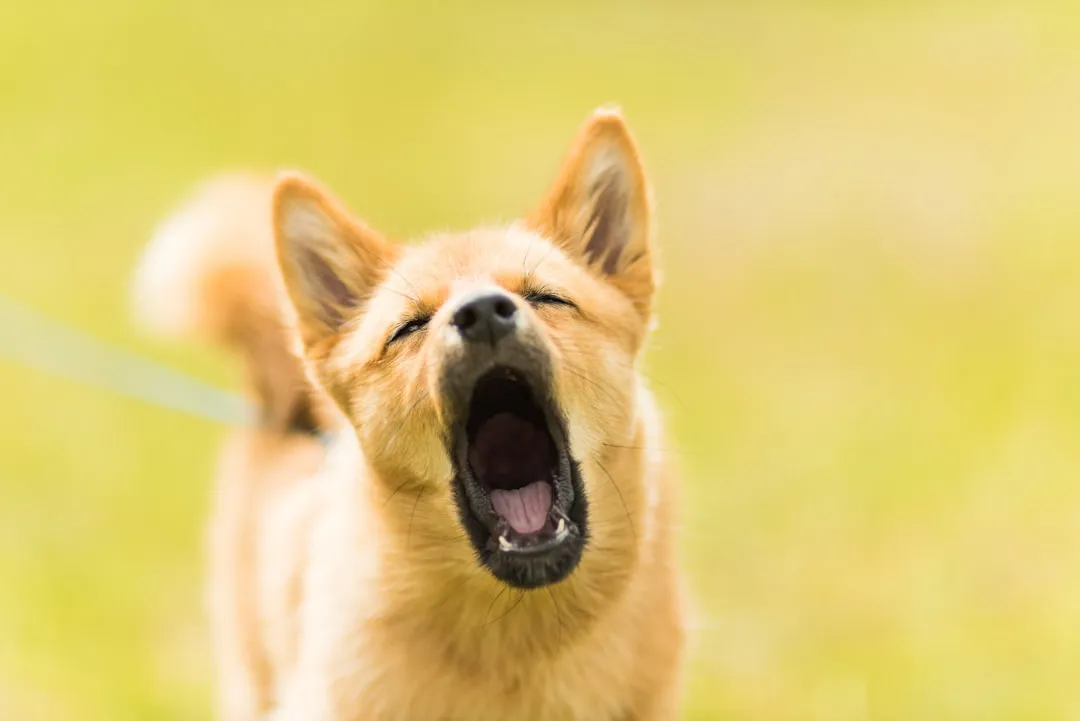
#4 – Stops Vocalizing to Demand Things
🔥 Would you like to save this?
We'll email this post to you, so you can come back to it later!
The dog that used to bark at the fridge, whine at 6 p.m. sharp for dinner, or demand attention with a sharp yip now stays almost completely silent. This quiet gets mistaken for good behavior far too often.
Increased whining, crying, or barking can signal cognitive dysfunction, hearing loss, pain, or anxiety – but the reverse, a dog going quiet after years of demanding vocalization, is just as significant and far less discussed. Hearing loss is a major driver here: a dog that can’t hear its own voice may simply stop using it as a tool for communication.
Symptoms of cognitive decline are often first noticed as confusion, restlessness, or vocalizing in the evening, which means vocal changes can run in either direction depending on which part of the brain or senses is affected first. A dog going silent deserves the same attention as one suddenly barking nonstop. Slide #3 is one vets say gets dismissed as “just tired” more than almost anything else.
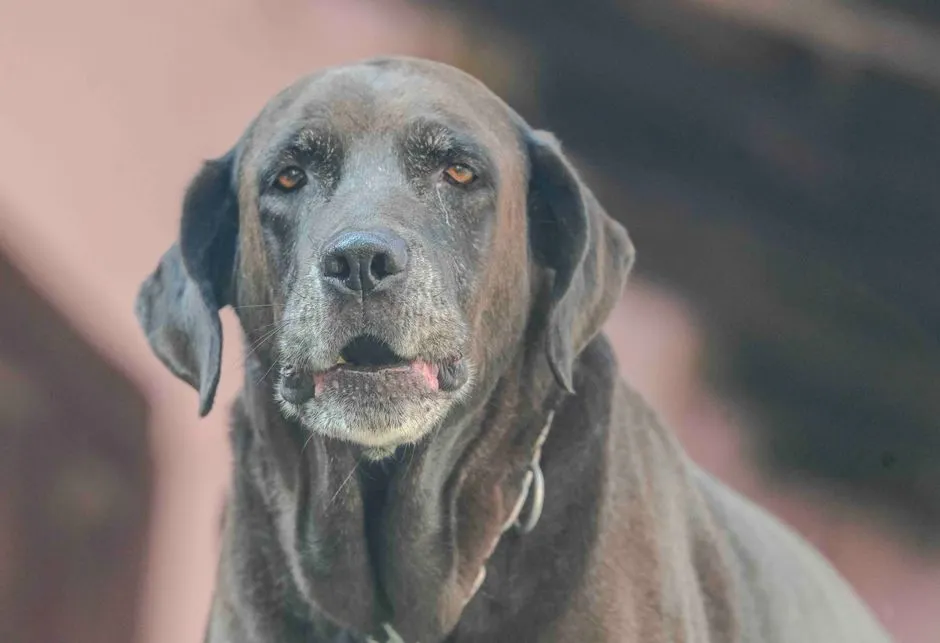
#3 – Stops Demanding Playtime With Other Dogs
🔥 Would you like to save this?
We'll email this post to you, so you can come back to it later!
A senior dog that used to strain at the leash to greet every dog on the block now looks away, disengaged, uninterested. Owners assume the dog “just doesn’t like other dogs anymore.” Vets see pain avoidance and sensory decline instead.
Older dogs naturally engage in less play due to physical limits, and if that pullback comes with stiffness, licking joints, or irritability when touched, pain should be treated as a leading suspect. Social play involves fast movement, sudden pivots, and body contact – exactly the motions that hurt most with arthritis.
Cognitive aging can also affect attention and motivation, changing which games even feel manageable, and some dogs simply become more easily startled by fast-moving play. A dog avoiding other dogs isn’t necessarily becoming antisocial – it may just be protecting a body that can no longer safely keep up. Slide #2 is a subtle one most families notice only in hindsight.
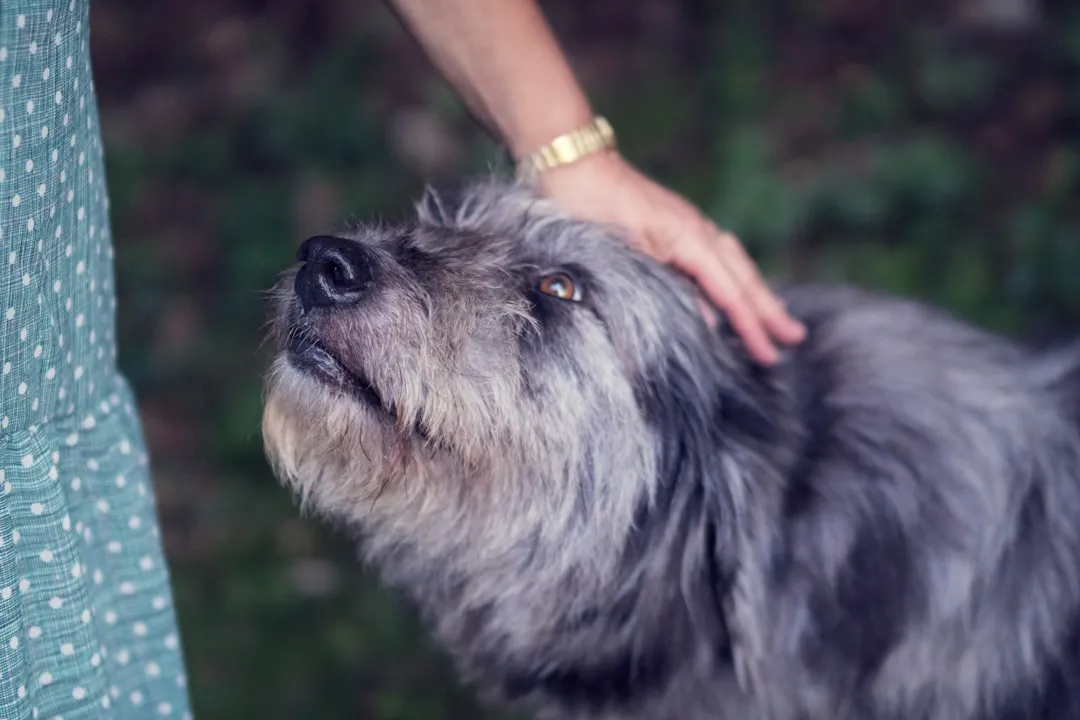
#2 – Stops Reacting to Sounds That Used to Trigger Instant Barking
🔥 Would you like to save this?
We'll email this post to you, so you can come back to it later!
The doorbell, the mail truck, the neighbor’s dog – sounds that used to trigger an immediate, dramatic response now barely register. This gets celebrated as the dog “finally calming down,” but vets read it very differently.
Progressive hearing loss is the most common explanation, and it happens gradually enough that families adjust without realizing how much has actually changed. Because the loss creeps in over months, there’s rarely one dramatic moment that triggers alarm.
Behavioral change is often the first sign of illness in a pet, long before physical symptoms appear.
American Veterinary Medical Association
Cognitive dysfunction can compound the hearing loss, dulling the urgency a dog once felt to respond to anything happening around it. A “calm” senior dog that stopped reacting almost overnight deserves a hearing check, not just a compliment. And now, the withdrawal vets consistently call the hardest one to watch.
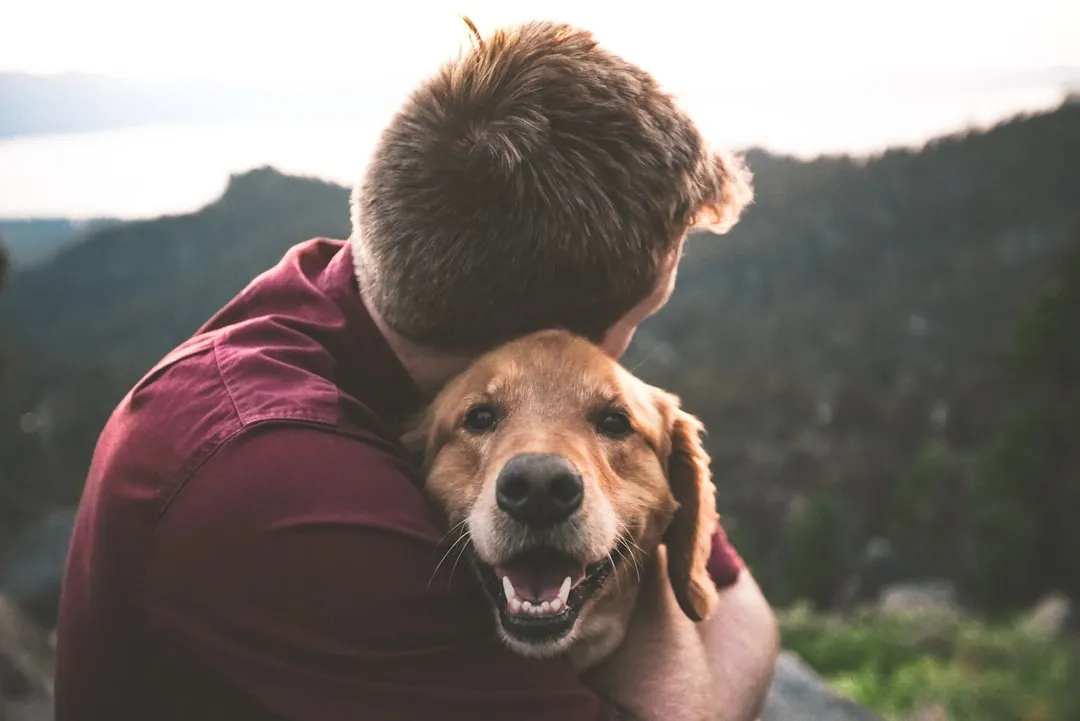
#1 – Stops Asking to Simply Be Near You
🔥 Would you like to save this?
We'll email this post to you, so you can come back to it later!
This is the one vets describe as the quietest, and the saddest, of them all: a dog that used to follow you room to room, tail wagging, just to stay close, eventually stops making that effort altogether. It rarely means the bond is gone – it usually means the dog physically can’t keep up with love the way it used to.
Lack of interest in family interaction is one of the specific categories vets use to judge whether a senior dog’s quality of life is slipping, precisely because closeness-seeking is one of the deepest, most instinctive behaviors a dog has. When it fades, something significant is almost always happening underneath.
Quick Compare
- Normal aging: naps more, moves a bit slower, still perks up and seeks you out when you sit down.
- Worth a vet visit: stops seeking closeness almost entirely, seems confused around familiar people, or actively avoids being touched.
- Normal aging: takes a beat longer to get up and greet you.
- Worth a vet visit: no longer attempts to get up at all, even for people it clearly still recognizes.
Pain, arthritis, and chronic illness commonly drive these changes, and they can hide in plain sight for months before anyone notices. Canine cognitive dysfunction adds confusion, sleep disruption, and anxiety on top of it. The dog isn’t choosing distance – its body or brain is simply making closeness harder to pursue than it used to be, which is exactly why this particular withdrawal deserves the fastest response, not the slowest.
The Bottom Line

🔥 Would you like to save this?
We'll email this post to you, so you can come back to it later!
Sixteen quiet withdrawals, one consistent pattern: dogs don’t announce decline, they simply stop asking. No more begging for scraps, no more pawing at the leash, no more spinning at the sound of keys – each one looks like calm maturity on the surface while hiding pain, sensory loss, or cognitive fog underneath.
Senior dog behavior changes are almost always caused by physical, metabolic, cognitive, or sensory decline, not just “old age,” and they’re worth a veterinary exam every single time, not a shrug. The unpopular opinion worth sitting with: most families wait until the silence becomes undeniable before calling a vet, when the real window for help was months earlier.
Which of these withdrawals has your dog already gone quiet on? Drop it in the comments – the earlier someone catches it, the more of it can actually be fixed.

- 14 Wildlife Permits Waived for Americans the Year They Turn 62 - November 5, 2026
- Machu Picchu’s Engineering Feats Were Far Ahead of Its Time - November 5, 2026
- 12 Most Beautiful American Cities To See Before You Die - November 4, 2026