

Most people assume a new rescue animal learns to trust a sanctuary because of gentle staff, quiet paddocks, or slow feeding schedules. Caregivers who work the overnight shifts will tell you that’s only half the story. The real turning point almost never comes from a human hand at all.
It comes from the oldest resident in the herd, pack, or pen – the one who already survived the fear, the quarantine, and the disorientation of arriving somewhere new. What that single animal does in the first hours and weeks with a terrified newcomer is stranger, more deliberate, and more powerful than most visitors ever realize. Here’s what sanctuary staff actually see happen the moment a veteran resident meets the next scared arrival.
#1 – The Old Resident Shows Where the Water Actually Is
🔥 Would you like to save this?
We'll email this post to you, so you can come back to it later!
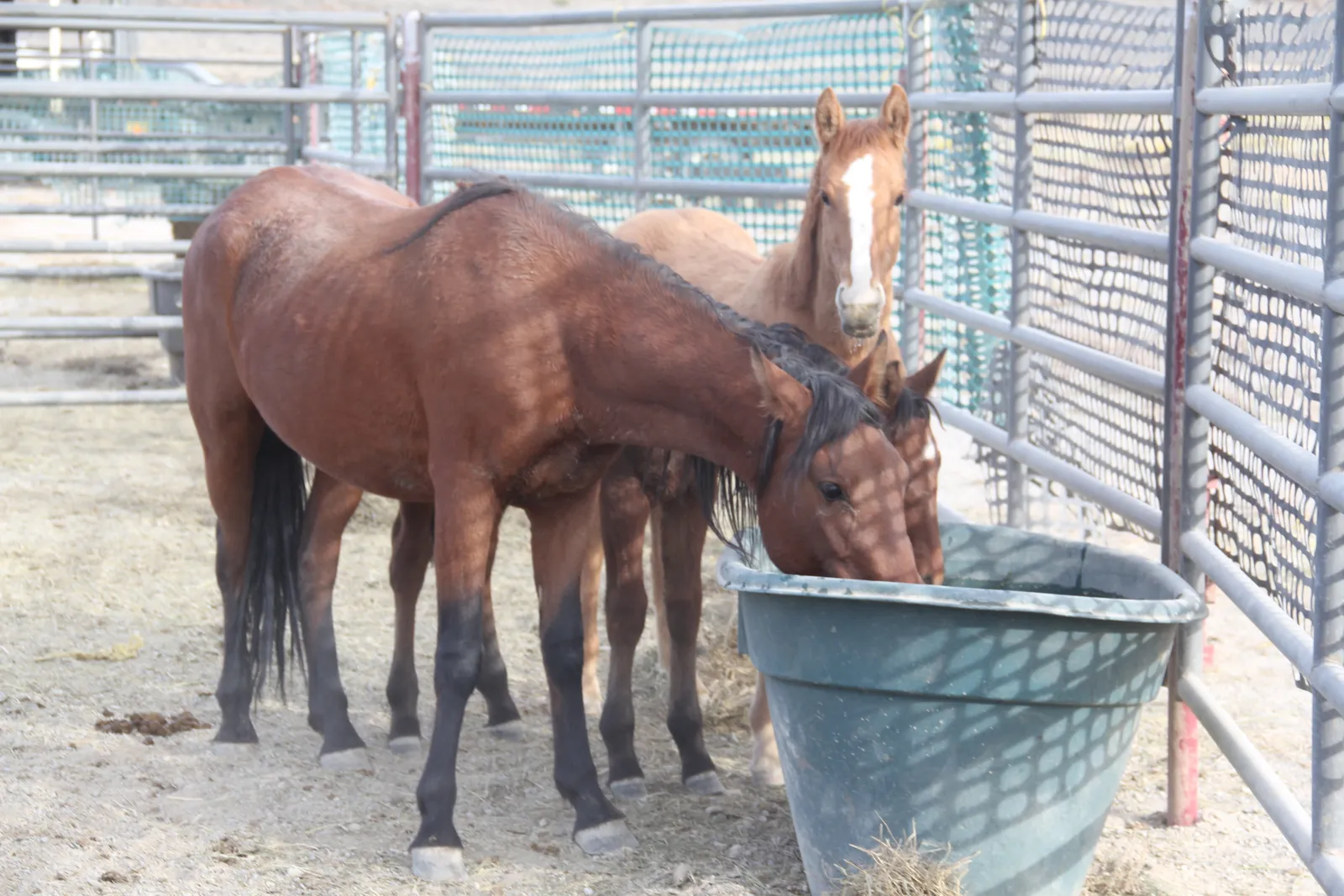
Every terrified new arrival has the same first problem: they don’t know where anything is. Food, water, shelter – it’s all a mystery, and mystery is exhausting for an animal already running on stress hormones. This is where a seasoned resident becomes irreplaceable almost instantly.
At equine sanctuaries built around herd dynamics, this isn’t a nice bonus – it’s the entire rehabilitation model. When a new, unsocialized rescue arrives, they aren’t “trained” by humans in a round pen; they’re adopted by the Founding Herd, where stable, confident horses act as anchors that teach newcomers the “language of the horse” – how to respect boundaries, how to find water, and how to trust the rhythm of the ranch.
That single skill – knowing where the resources are – cuts a newcomer’s stress window from weeks to days. But that’s nothing compared to what we found about #2.
Fast Facts
- New arrivals often locate food, water, and shelter far faster when copying a calm elder’s daily routine instead of exploring alone.
- Herd-based sanctuaries often build a small “Founding Herd” of steady veterans whose entire job is mentoring new intakes.
- Stress hormones tend to settle faster once a newcomer has a living map to follow, rather than a human giving directions.
#2 – It Teaches Boundaries Without a Single Growl

🔥 Would you like to save this?
We'll email this post to you, so you can come back to it later!
Most people picture “boundaries” as a fight waiting to happen. In a well-run sanctuary, that’s almost never how it works. The old resident sets limits calmly, and the new animal learns fast because the correction never comes from panic.
In dog behavior circles, this is one of the most documented mentor behaviors. One of the best things a young dog can learn from an older dog is the concept of boundaries, socially speaking – many older dogs will let an energetic youth know when enough is enough or that certain behaviors aren’t acceptable.
Experts are blunt about why this matters so much: this boundary-setting by older dogs should be calm, fair, and measured, because the idea is to teach – not scare or upset – the little one. The surprising fact here is that a firm elder is gentler on a newcomer’s nervous system than a hovering, overly cautious human ever could be. Coming up in #3, the lesson gets even more physical.
#3 – The Old Resident Becomes a Living Stress Meter
🔥 Would you like to save this?
We'll email this post to you, so you can come back to it later!
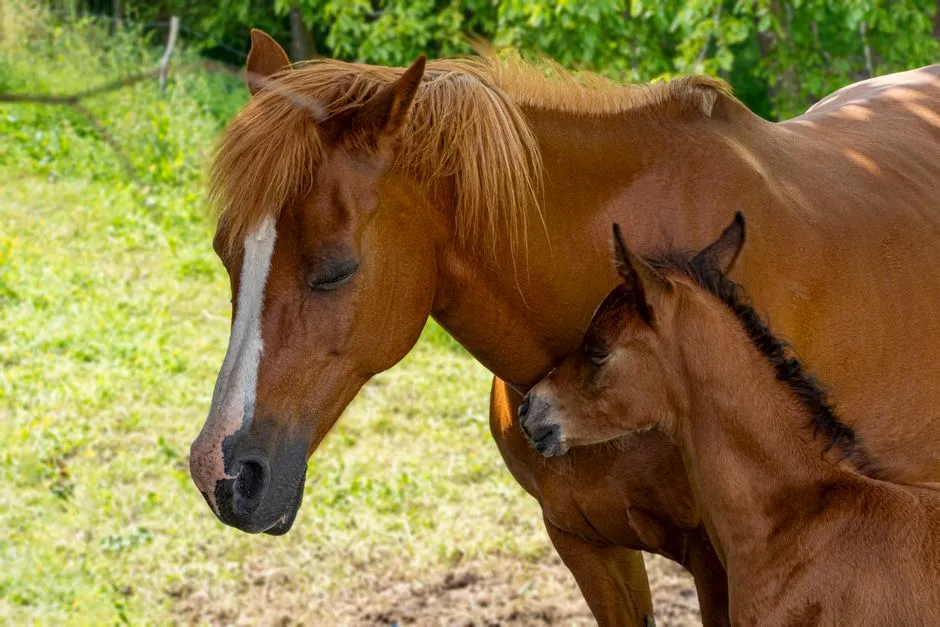
New arrivals watch the veteran resident like a hawk – not out of curiosity, but survival instinct. If the elder is relaxed, the newcomer’s own nervous system starts to downshift almost automatically.
This is a documented phenomenon across species, often called social buffering. The older animal serves as a calming influence, reassuring the newer arrival that they are safe, and this companionship can significantly ease anxiety since the environment itself starts to feel secure with the mentor nearby.
On a wilder scale, this shows up in horse sanctuaries dealing with rescues that arrive in a state of chronic alert. A rescued horse often arrives in “Hyper-Vigilance” – constant stress – and in small paddocks, a horse feels trapped, which keeps cortisol levels spiked. The old resident, simply by existing calmly nearby, becomes the antidote. Wait until you see what happens in #4 when the newcomer tests that calm.
#4 – It Teaches the New Arrival What Play Actually Looks Like
🔥 Would you like to save this?
We'll email this post to you, so you can come back to it later!
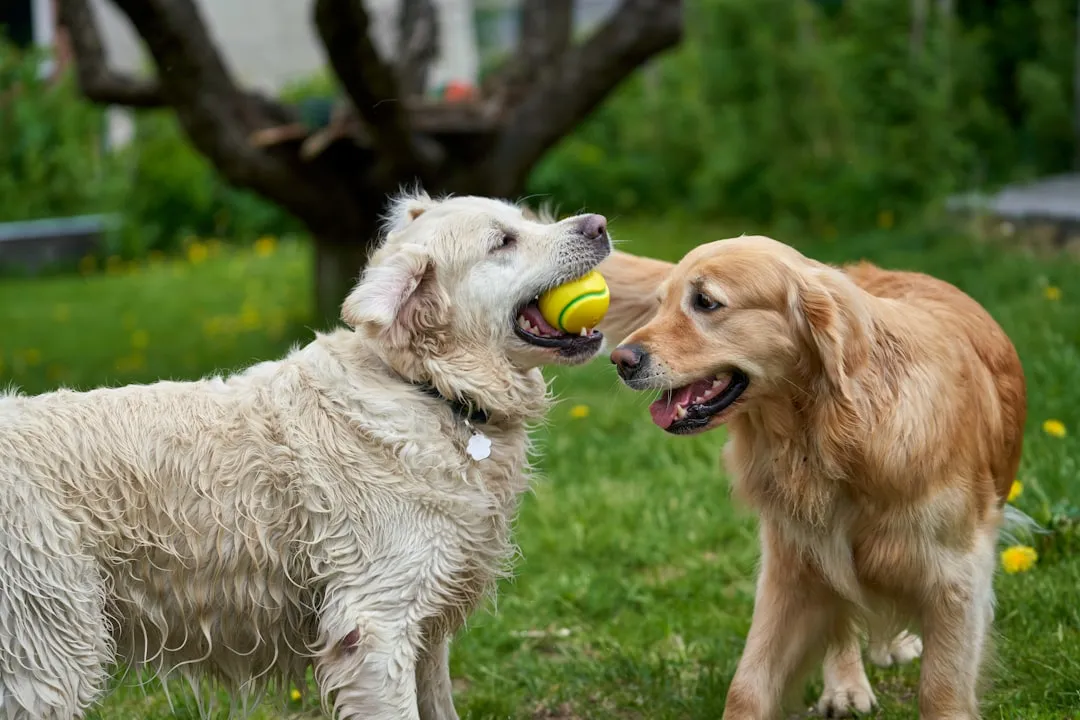
Play sounds harmless until you realize most new arrivals don’t actually know the rules. Years of neglect, confinement, or isolation strip away the social vocabulary animals are supposed to learn as juveniles – and an elder resident quietly rebuilds it.
This retraining happens through repetition, not lectures. The boundless energy of a newcomer can be effectively managed by an older animal through play, which matters not just for exercise but for teaching the limits of rough play, since an older animal can demonstrate appropriate play behavior and prevent overly aggressive interactions.
This is one of the more controversial opinions among caregivers: many now argue that letting animals “sort it out” through supervised play does more long-term good than months of isolated human-led behavior modification. The unexpected part is that rough, tumbling play often does more social healing than quiet, careful handling ever does. Next, in #5, the lesson turns into something closer to a survival manual.
#5 – The Old Resident Passes Down a Mental Map of Danger

🔥 Would you like to save this?
We'll email this post to you, so you can come back to it later!
This is where the teaching stops being about manners and becomes about literal survival. Older animals – especially long-lived, socially complex ones – carry information newcomers have no way of acquiring on their own.
Nowhere is this clearer than with elephants. During a 1993 drought in Tanzania, some elephant herds survived simply because their matriarch remembered a permanent water source from the 1950s – proof that African savanna elephants carry a repository of generational knowledge that is absolutely essential for survival.
At wildlife rehabilitation centers, this generational memory gets deliberately preserved. Certain females seem to know that younger orphans thrive on tactile affection and provide it in abundance, and behind every successful elephant dynasty you’ll find a wise matriarch carrying a treasure trove of knowledge. Most people don’t realize a single elder’s memory can be the difference between a herd surviving a drought and one that doesn’t. But #6 shows what happens when that knowledge is missing entirely.
Worth Knowing
- Elephant family groups are typically made up of six to twenty closely related females and their young, led by the oldest female.
- A matriarch is rarely the most aggressive animal in her group – her authority comes from something else entirely.
- Long-term fieldwork has turned an old observation into a measurable one: a matriarch’s age tracks closely with how well her family survives.
#6 – Without an Elder, Newcomers Become Dangerously Unruly

🔥 Would you like to save this?
We'll email this post to you, so you can come back to it later!
Here’s the part sanctuaries rarely advertise: skip the old resident, and things go badly, fast. This isn’t speculation – it’s documented in real wildlife management disasters.
Orphaned elephants relocated without elders became unusually aggressive toward staff, visitors, and researchers, and out-of-control young males ended up killing dozens of white rhinos in one park. The aggression only subsided once older, more dominant males were introduced for the younger ones to tag along with and learn from.
That’s a genuinely uncomfortable fact to sit with: removing the elder wasn’t a minor oversight, it directly caused violent, deadly behavior. Some sanctuary staff now argue that pairing new arrivals with a calm, older resident should be mandatory policy, not an afterthought. In #7, we’ll look at how sanctuaries deliberately engineer these introductions.
#7 – Sanctuaries Deliberately Slow-Walk the First Meeting
🔥 Would you like to save this?
We'll email this post to you, so you can come back to it later!
Nobody just tosses a terrified new arrival into the group and hopes for the best. The introduction to the old resident is often the most carefully staged event in the entire intake process.
At Best Friends Animal Society, this is treated as a structured, multi-day protocol. If more walks are needed before everyone is comfortable, dogs live separately and are walked for multiple days, with the new dog removed from the shared run at night and re-introduced each morning – a routine that can stretch across the entire first week.
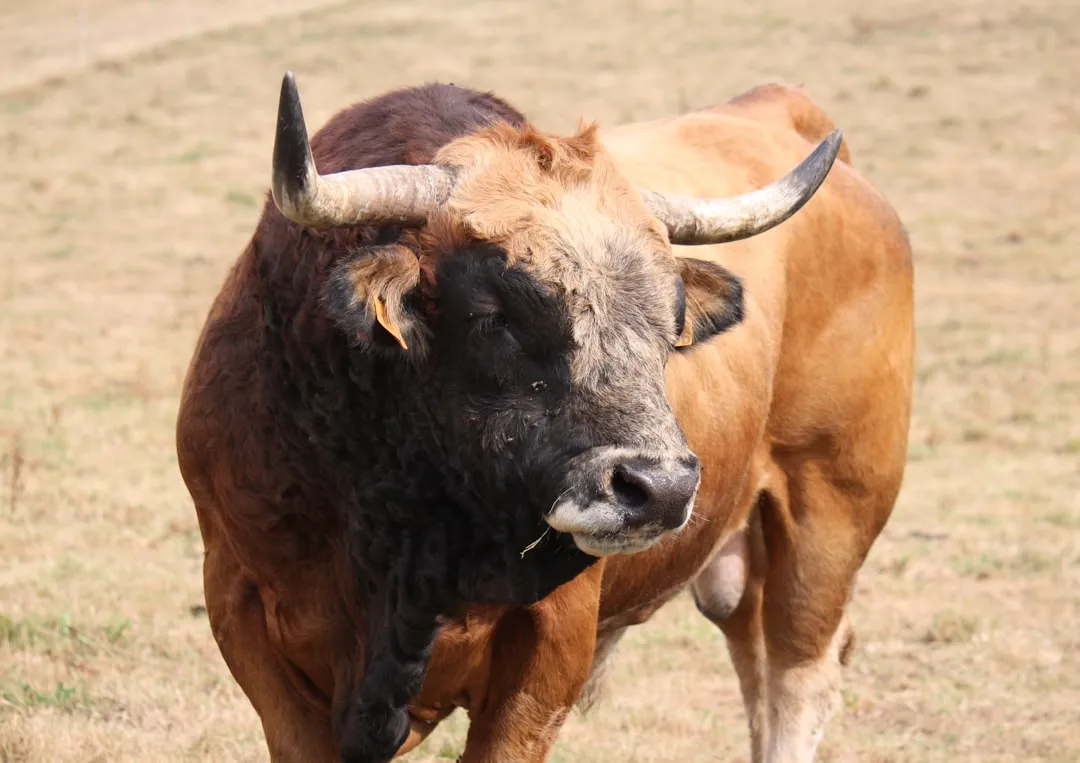
Farm sanctuaries follow a similar philosophy but with even more caution around larger animals. If a new resident is a mature bull, caregivers have to think carefully about human safety, since not all bulls are confrontational but they can behave quite differently than a neutered male – meaning only the most experienced, cow-savvy caregivers should work around him. The old resident is often the calm constant that makes this slow process bearable. Up next in #8: the health risk nobody talks about.
#8 – The Elder Gets Introduced Only After Quarantine Clears
🔥 Would you like to save this?
We'll email this post to you, so you can come back to it later!
Here’s an uncomfortable truth: the old resident doesn’t meet the newcomer on day one, no matter how much everyone wants that reunion photo. Disease risk comes first, always.
New arrivals are kept in quarantine as a preventative measure, since some illnesses can show up later. The quarantine area is often on the other side of the sanctuary, away from the main living space, so the new resident cannot even see the others yet.
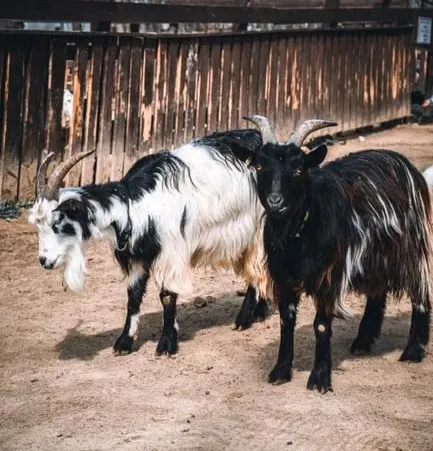
Goat and pig sanctuaries take this even further. Asymptomatic, positive individuals can still transmit disease to others despite appearing perfectly healthy, and because the time it takes for the body to develop detectable antibodies varies, an incoming resident who was recently infected can initially test negative. That means the old resident’s teaching moment is deliberately delayed – a frustrating but necessary buffer that protects the whole group. In #9, we’ll get into what happens the moment that quarantine door finally opens.
At a Glance
- Depending on perceived risk, a newly arrived horse is often quarantined for anywhere from 7 to 30 days.
- Many sanctuaries set a blanket rule of at least 30 days of quarantine for any new resident, regardless of species.
- Best practice calls for a full intake evaluation within 24 hours of arrival, so problems are caught before quarantine even really begins.
#9 – The First Face-to-Face Is Slower Than You’d Expect
🔥 Would you like to save this?
We'll email this post to you, so you can come back to it later!
When quarantine ends, sanctuaries don’t fling the gates open. The meeting between the veteran resident and the newcomer is often measured in single, cautious steps.
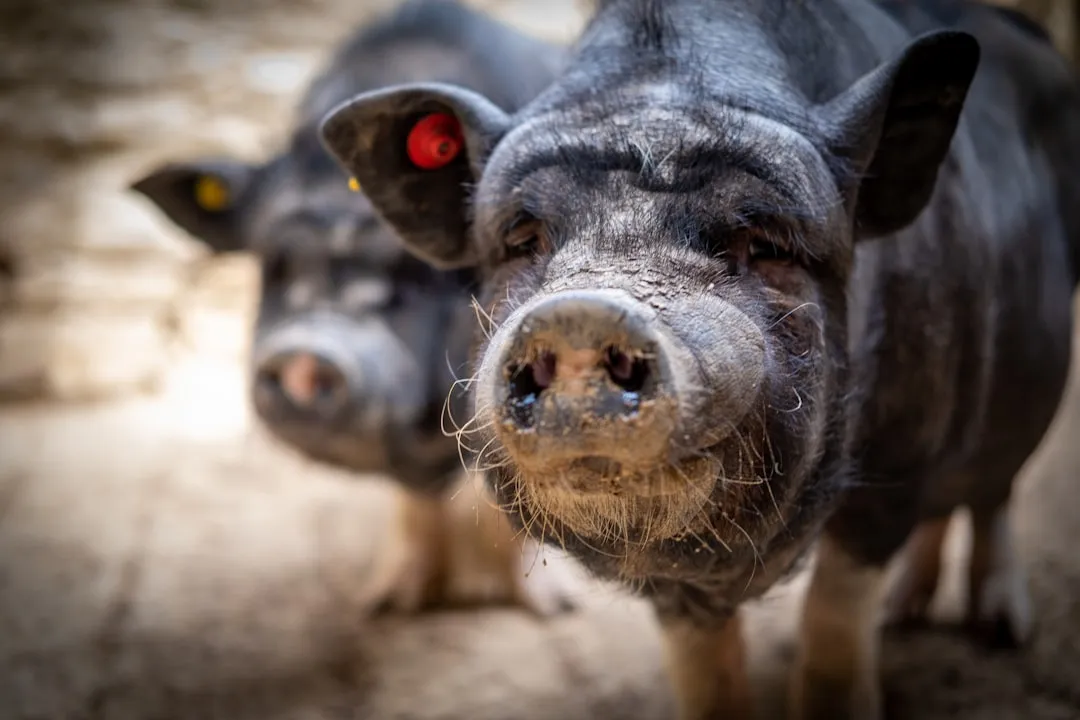
If a new pig is fearful or confrontational, caregivers keep human safety front of mind, since being in a confined space with a fearful or aggressive pig can be genuinely dangerous. Staff are trained to read body language and watch for the earliest signs of agitation before anyone gets close.
This caution isn’t pessimism – it’s respect for how overwhelming a first encounter can be for a traumatized animal. Sanctuary teams describe adjusting groupings constantly based on how the newcomer responds to the elder, not the other way around, weighing compatibility, safety, and emotional comfort with every decision. That’s #10’s cue – because sometimes the softest introductions come from the least expected animals.
#10 – Even “Difficult” Elders Often Soften for Newcomers
🔥 Would you like to save this?
We'll email this post to you, so you can come back to it later!
Here’s a controversial opinion many caregivers now hold: the crankiest, most standoffish old resident is often the one who becomes gentlest with a frightened newcomer. Personality isn’t fixed – context changes everything.
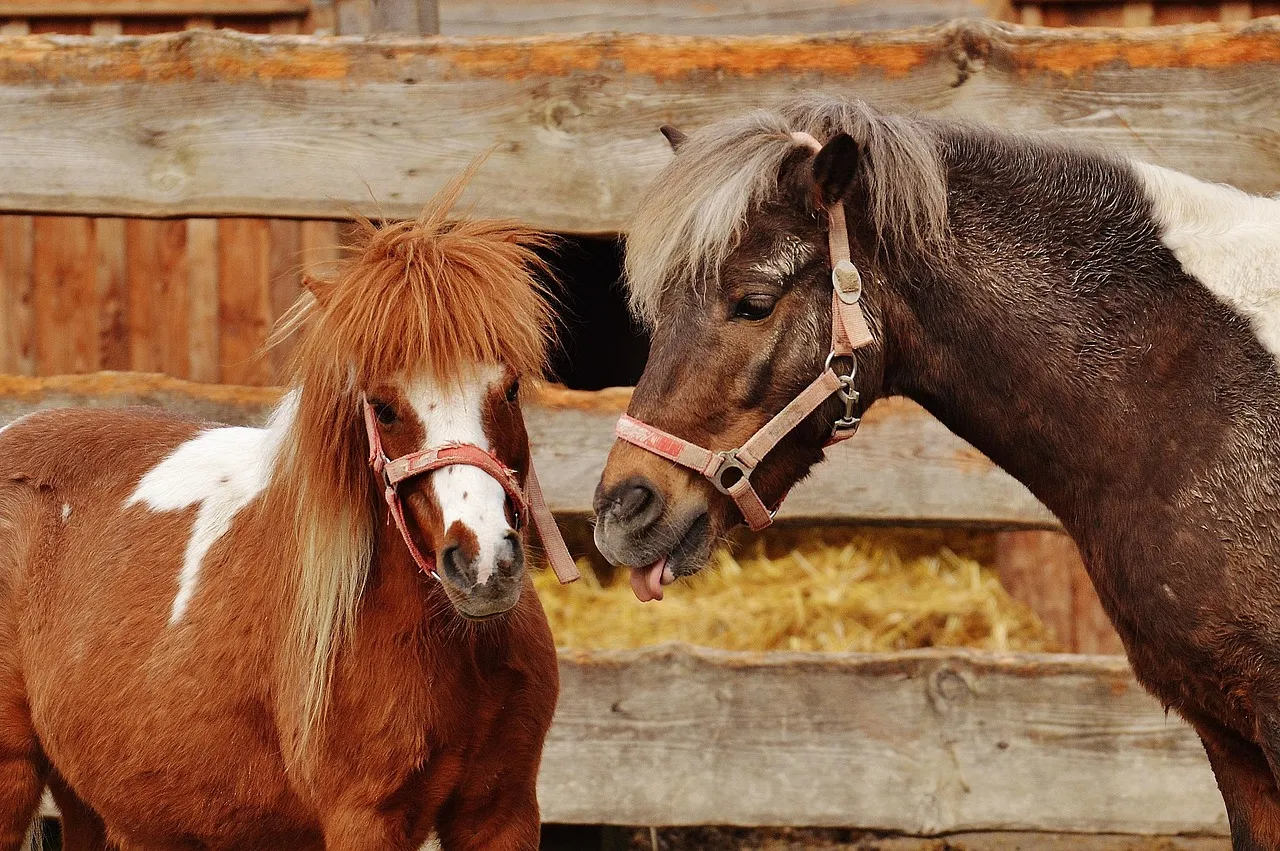
Farm sanctuaries built around individual personalities see this constantly. Every resident has a name, a history, a set of preferences, and a personality that becomes obvious within minutes – one resident may sprint toward a belly rub, while another sets clear boundaries that caretakers honor without hesitation.
That same boundary-setting elder, staff note, is often the calmest presence a scared newcomer encounters in its first week. The unexpected twist is that the animal least interested in human affection is frequently the most patient teacher for another animal. This challenges the popular idea that only “friendly” elders should be paired with newcomers. In #11, the focus shifts from personality to something far more primal: resource conflict.
Quick Compare
- The Disciplinarian Elder: Sets firm limits fast, corrects pushy behavior with a look instead of a fight, and rarely tolerates rough play near food.
- The Nurturing Elder: Offers physical closeness, tolerates clumsy mistakes, and lingers near the newcomer through the hardest first nights.
- The Overlap: Staff say the same elder often flips between both roles depending entirely on what the newcomer needs, not on the elder’s own personality.
#11 – It Teaches Newcomers How Not to Fight Over Food

🔥 Would you like to save this?
We'll email this post to you, so you can come back to it later!
Resource guarding is one of the fastest ways a sanctuary introduction can go wrong, and it’s almost always a learned – or unlearned – behavior. The old resident’s response to shared resources becomes the newcomer’s blueprint.
In traditional boarding settings, aggression like kicking and biting is usually caused by “resource guarding” – animals fighting over a single hay flake or a small water trough. Sanctuaries that use wide, multi-station feeding setups report far fewer of these incidents, specifically because established residents model calm access instead of competition.
This is a point worth arguing about: some sanctuary staff insist that scattering food across a large space matters more for teaching newcomers peace than any amount of human supervision does. The surprising fact is that a single confident elder eating calmly next to a resource can defuse tension faster than physically separating two anxious animals. Coming up in #12: the lesson that has nothing to do with food, and everything to do with comfort.
#12 – The Old Resident Offers Something Staff Physically Cannot

🔥 Would you like to save this?
We'll email this post to you, so you can come back to it later!
There’s a form of comfort an old resident provides that no amount of human care can fully replace – the comfort of being understood by something that shares your exact fear and biology.
In the wild, baby elephants are raised in a cocoon of love, with mothers and nannies wrapping their trunks around a calf’s belly, shoulder, and neck – a beautiful, joyful, communal affair also observed among the more maternal members of orphan herds.
Sanctuary staff describe this instinct as something that simply switches on. A rotation of remarkable females step up and serve as mentors to the orphans following in their footsteps, feeling the instinct to take over where human caregivers cannot possibly fill the void. Most people underestimate how much of “recovery” in a sanctuary is really just one traumatized animal finally being touched correctly by another. But nothing prepares you for #13 – the lesson every sanctuary hopes it never has to teach twice.
#13 – Eventually, the Newcomer Becomes the Elder

🔥 Would you like to save this?
We'll email this post to you, so you can come back to it later!
This is the part almost nobody talks about: the old resident is training its own replacement, whether the sanctuary planned it that way or not. Every lesson passed down is also a succession plan.
Elephant sanctuaries see this cycle play out with striking clarity. When a matriarch disappears, she is typically replaced by one of her oldest daughters as the leading lady – though if leaders become younger and more inexperienced too fast, it depletes the memory bank the whole herd relied on.
The same pattern shows up in smaller sanctuaries too – a once-terrified newcomer, now settled, calmly greeting the next fearful arrival exactly the way it was once greeted itself. San Diego Zoo’s wildlife team documented this directly in one elephant known for her role in the group: she keeps the order, teaches the young ones how to navigate steep paths, and, most incredibly, greets every new orphan who arrives at the sanctuary with a heartfelt and emotional hello. The single most striking fact in this entire piece is that trauma recovery in a sanctuary is rarely a solo journey – it’s a relay race, passed silently from one scared animal to the next.
The Bottom Line
🔥 Would you like to save this?
We'll email this post to you, so you can come back to it later!
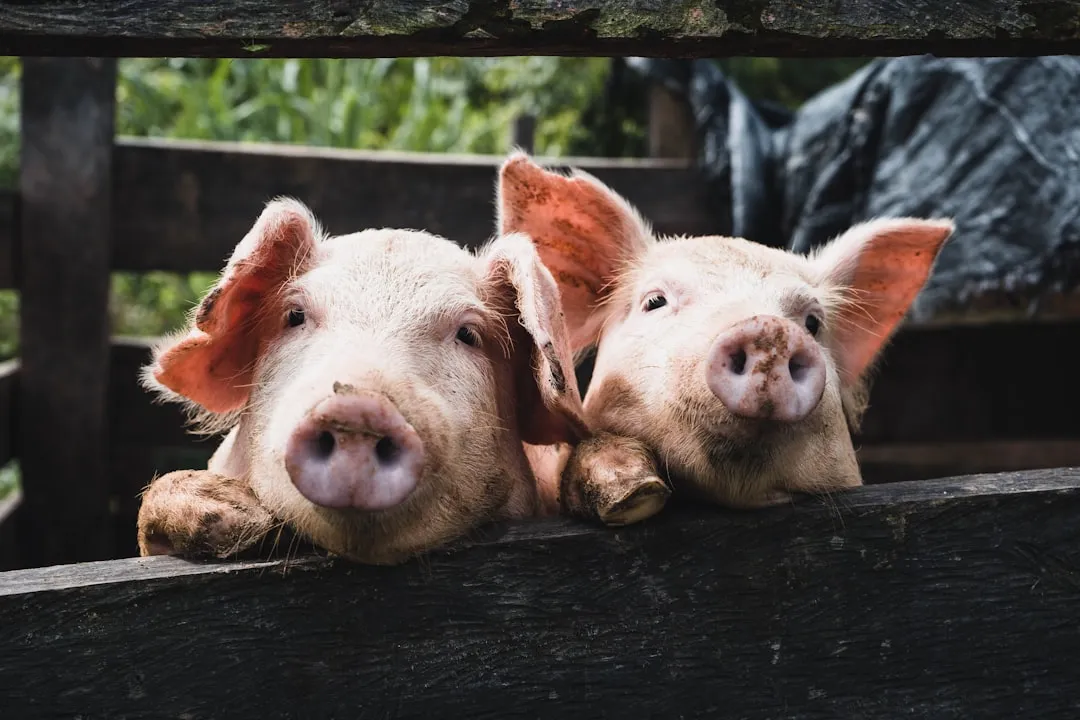
The evidence is consistent across species: horses, dogs, pigs, cows, and elephants all lean on an experienced elder to survive the terrifying first weeks in a new place. The old resident isn’t a bonus feature of a good sanctuary – it’s often the actual treatment plan.
Staff can manage quarantine, medical checks, and feeding schedules, but they cannot replicate the specific comfort of being understood by another animal who’s already lived through the same fear. That job belongs to the veteran resident, every single time – and honestly, it’s the one part of rehabilitation that no budget, no training program, and no amount of good intentions can buy.
Do you think sanctuaries rely on this pairing too much, or not nearly enough? Drop your take in the comments.

- 23 Warm Corners an Elderly Cat Keeps Returning To All Winter - October 29, 2026
- 16 Behaviours Showing a Cat Considers a House Permanent Now - October 29, 2026
- 15 Wildlife Programmes a Lifetime Pass Holder Over 62 Can Join Free - October 29, 2026