
Think of the last time you watched a bald eagle soar across an open sky. Maybe you wondered where it was headed, or why it chose that particular path through the clouds. These magnificent birds have been perfecting their travel strategies for thousands of years, and their approaches to movement might just mirror our own American wanderlust more than you’d expect.
Northern birds are migratory, while southern birds are resident, remaining on their breeding territory all year, creating a fascinating parallel to how Americans approach their own travel decisions. Some of us are serial vacationers, constantly planning the next adventure, while others prefer the comfort of familiar destinations year after year.
The Territory Defenders: Homebodies Who Venture Out Occasionally
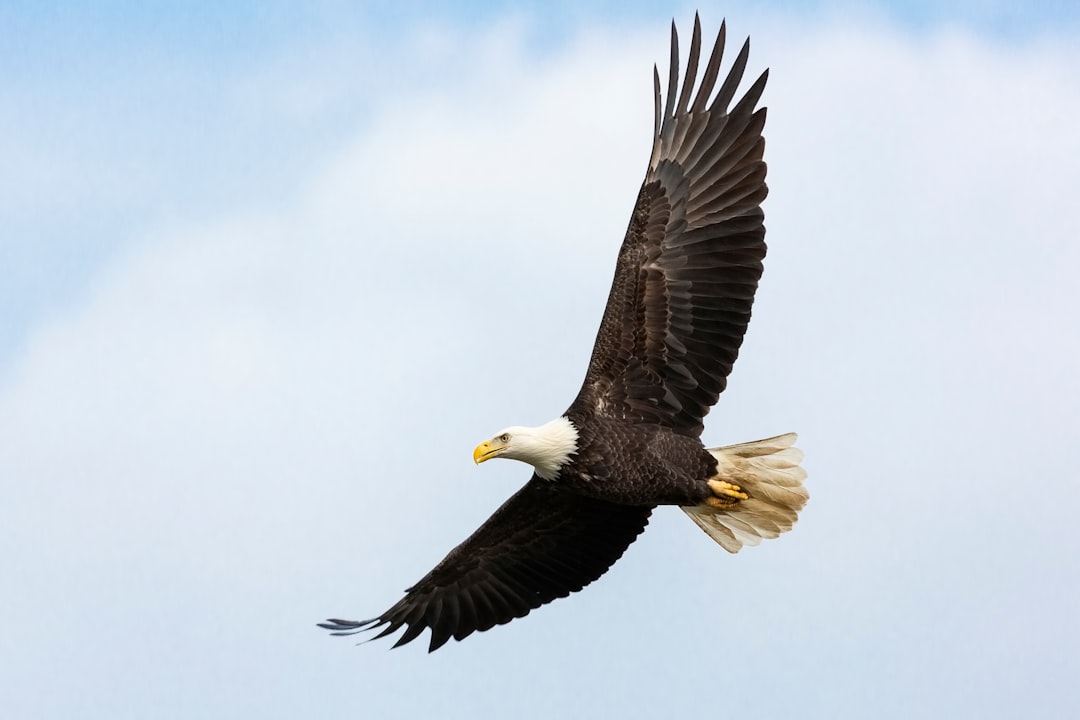
They vigorously defend their nesting territory when breeding, yet become gregarious when not breeding. This behavior perfectly captures the American traveler who loves their hometown but transforms into an adventurous explorer once vacation time arrives.
Just like eagles who stay close to their nesting area and not move far at all. If they do have to move to find open water and food, generally they will only move as far as they need to find a suitable over-wintering area, many Americans prefer domestic travel. Domestic tourism is expected to grow by 3% annually, comprising 70% of travel spending by 2030. Baby Boomers (73%) mostly travel domestically.
The Floaters: Young Wanderers Seeking Their Place
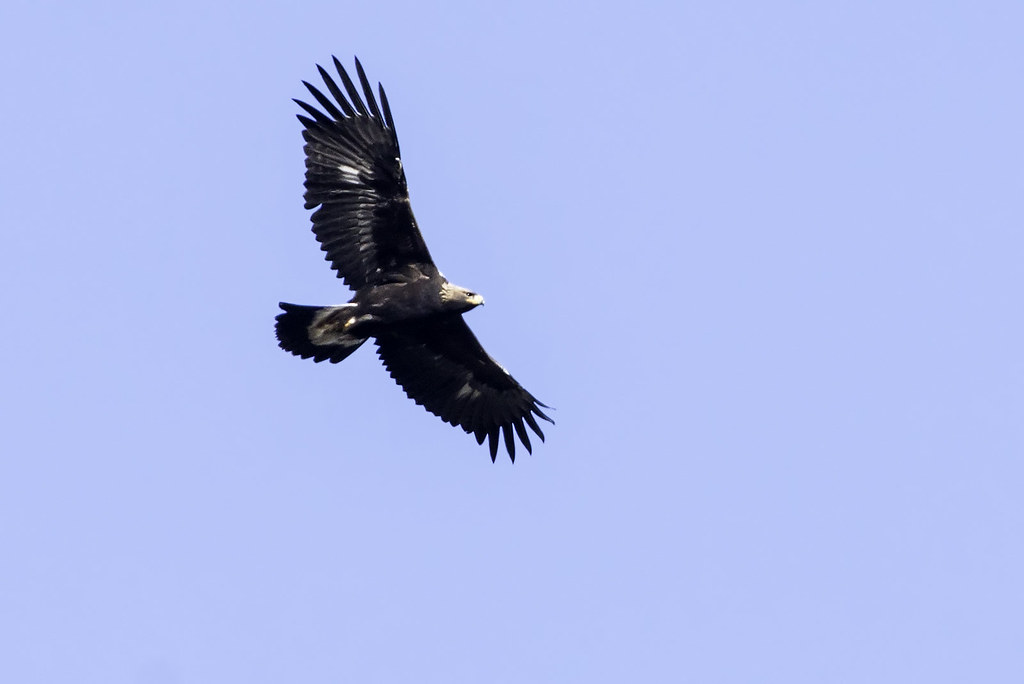
Breeding age eagles are often referred to as floaters. Floaters typically wander within the geographic location from where they hatched and migrate seasonally using the same route. The floaters wandering is likely tied to a search for nesting habitat, and of course, a mate.
This perfectly describes young American travelers, particularly Gen Z and millennials. Gen Z (approximately half) lean more toward international travel, constantly exploring different destinations before settling into their preferred travel patterns. 70% of American millennial and Gen Z travelers looking for unique adventures their friends haven’t considered.
The Strategic Route Planners: Efficiency Meets Adventure
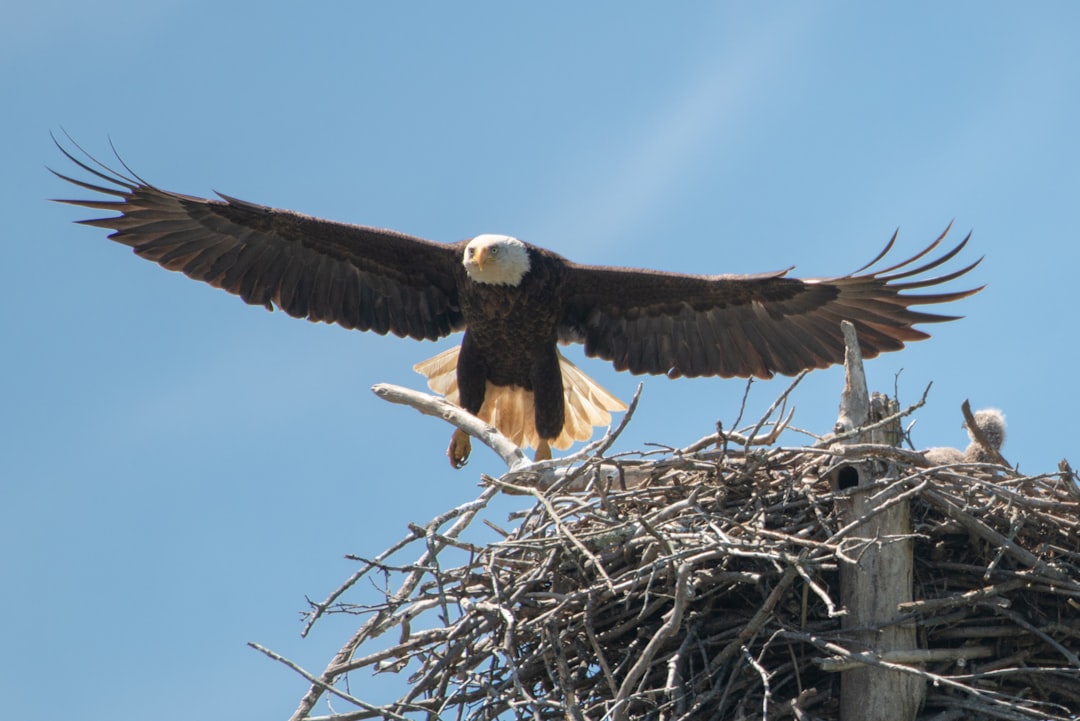
In the spring, adult eagles departing their wintering area usually follow a pretty direct route to their nesting area, wanting to get back quickly. In the fall, these eagles are in no such hurry to get back to the wintering area, and take a more leisurely route.
American business travelers mirror this exact pattern. They take direct, efficient routes when traveling for work but embrace leisurely exploration during vacation time. Two-thirds of travelers extend work trips for personal leisure, combining the eagle’s spring efficiency with their fall wandering.
The Solo Travelers: Independent Explorers
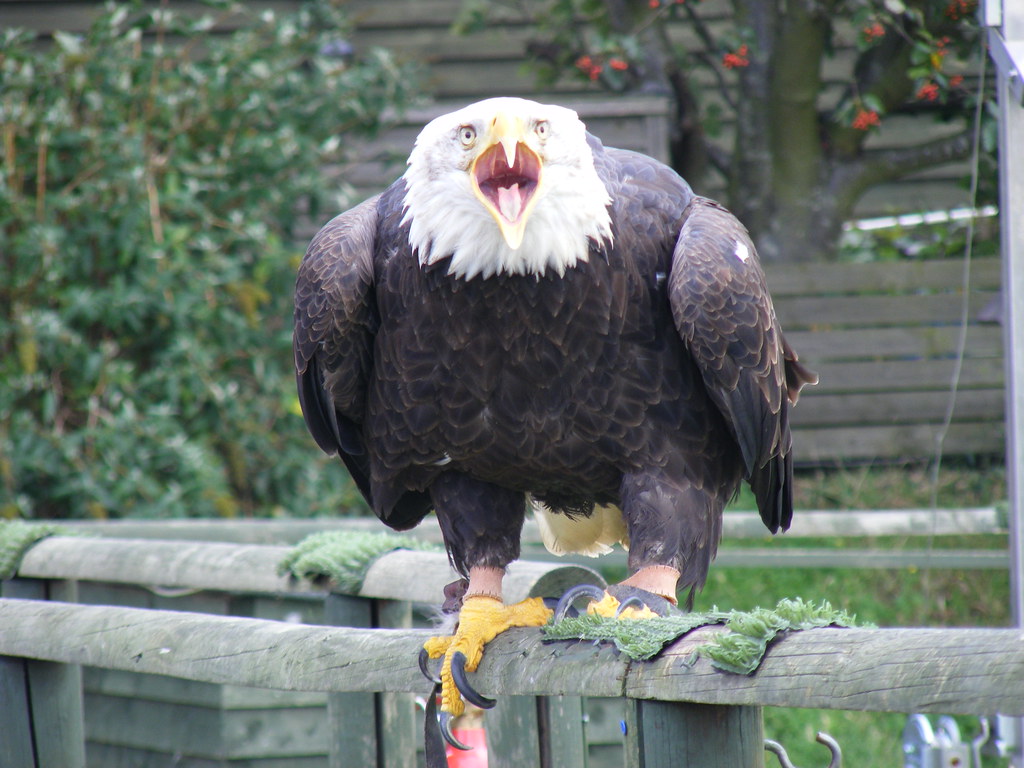
Bald Eagles generally migrate alone, although they sometimes congregate at roosting and feeding sites during their movements. This independent travel style resonates strongly with American solo travelers.
around a quarter of travelers have taken solo trips, with growing interest in solo travel. Solo Travel Women: Take 3 more trips a year and are the most likely to travel alone. Like eagles who gather socially at feeding spots, solo travelers often join group activities or connect with others at their destinations while maintaining their independent journey style.
The Thermal Riders: Opportunistic Budget Travelers
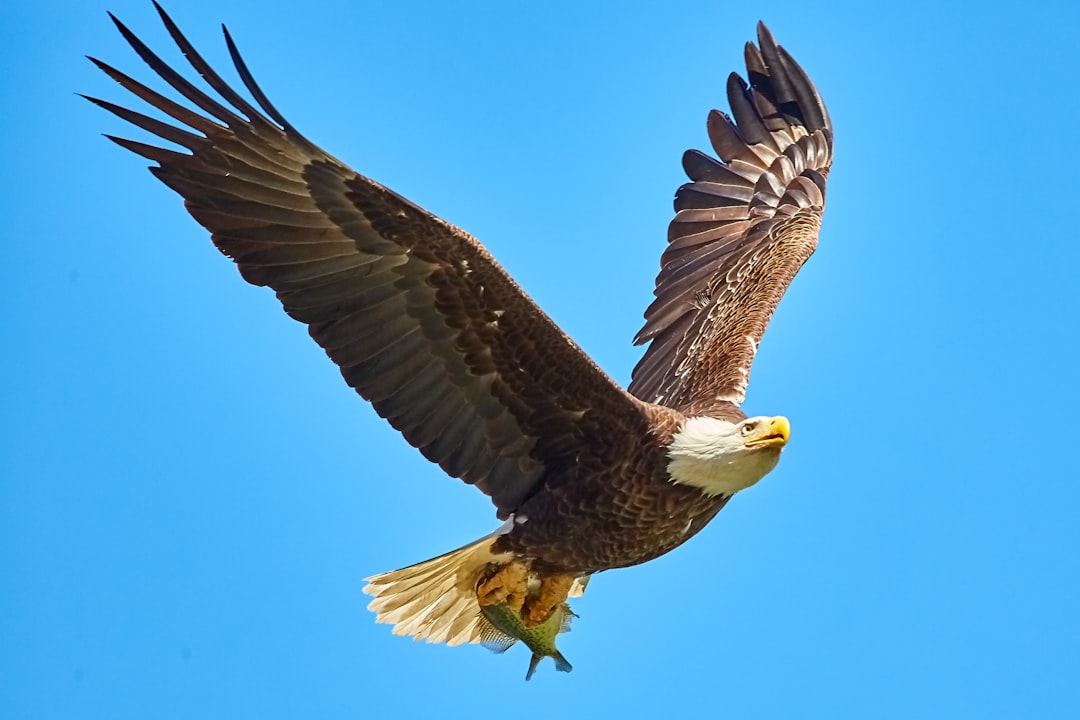
During migration, eagles will ride columns of rising air called thermals and can average speeds of 30 mph. These birds have mastered the art of efficient travel by using natural resources to their advantage.
Budget-conscious American travelers display similar opportunistic behavior. 44% of travelers opted for destinations closer to home due to rising costs, while Nearly one in two (49%) are more inclined to travel off-peak. Like eagles catching thermals, smart travelers catch deals and ride the waves of lower prices and fewer crowds.
The Territorial Couples: Committed Partnership Travelers
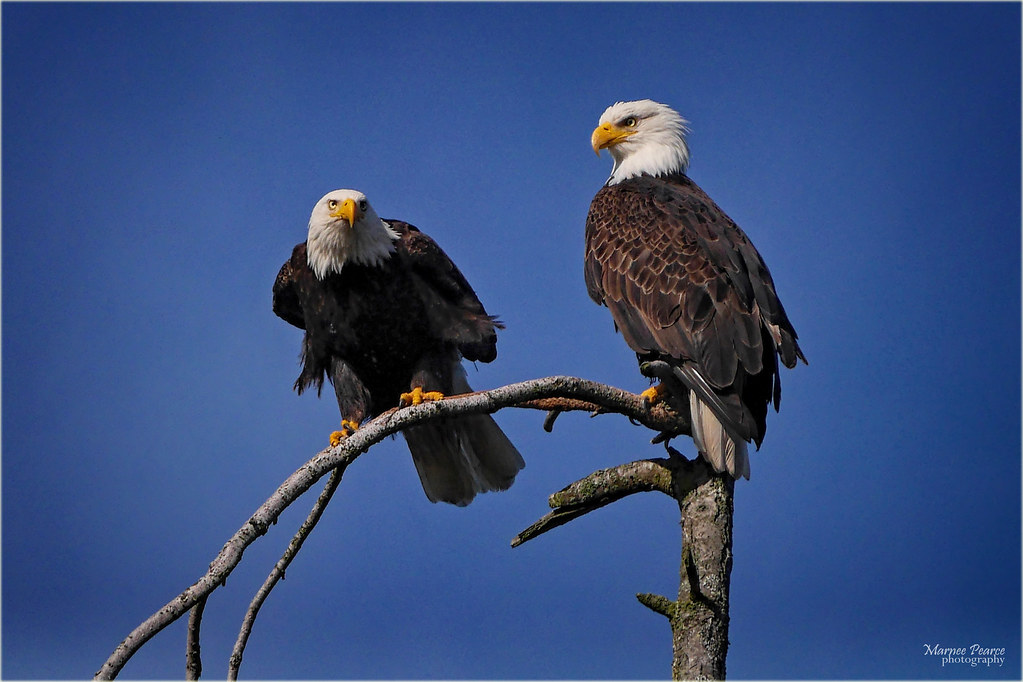
Bald eagles have high mate fidelity and generally mate for life. However, if one pair member dies or disappears, the survivor will choose a new mate. Their commitment to partnership travel is remarkable.
Couples seeking romantic getaways are a substantial portion of travelers, 20% of American travelers do so. Baby Boomers are the most likely to travel with their significant other (33%). These travelers, like eagle pairs, prefer exploring together and often return to the same beloved destinations year after year.
The Food-Focused Adventurers: Following Resources
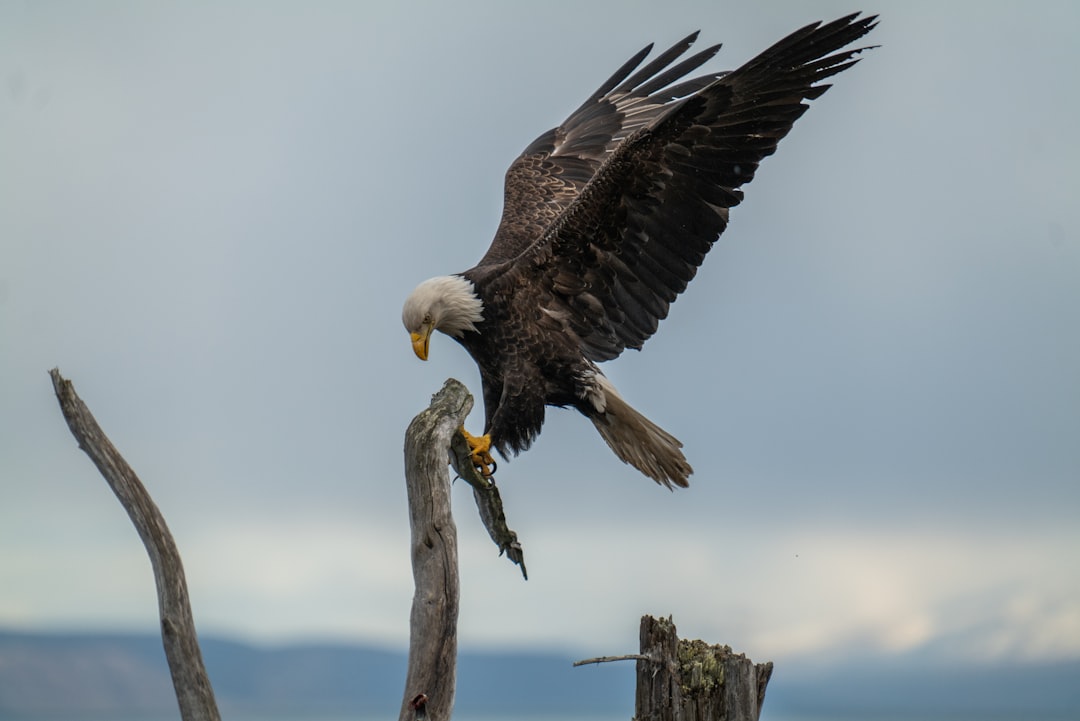
Eagles typically search for food in aquatic habitats, and fish are their preferred prey. They are opportunistic hunters, however, and their diets vary considerably depending upon both season and location.
American food tourists exhibit this same adaptability and focus. Food services such as restaurants, bars, and grocery stores were the most popular spending category at 26.7%. This was followed by 23.1% on lodging. Like eagles adjusting their diet by location, food-focused travelers adapt their culinary adventures based on regional specialties and seasonal availability.
The Seasonal Migrants: Weather-Driven Wanderers
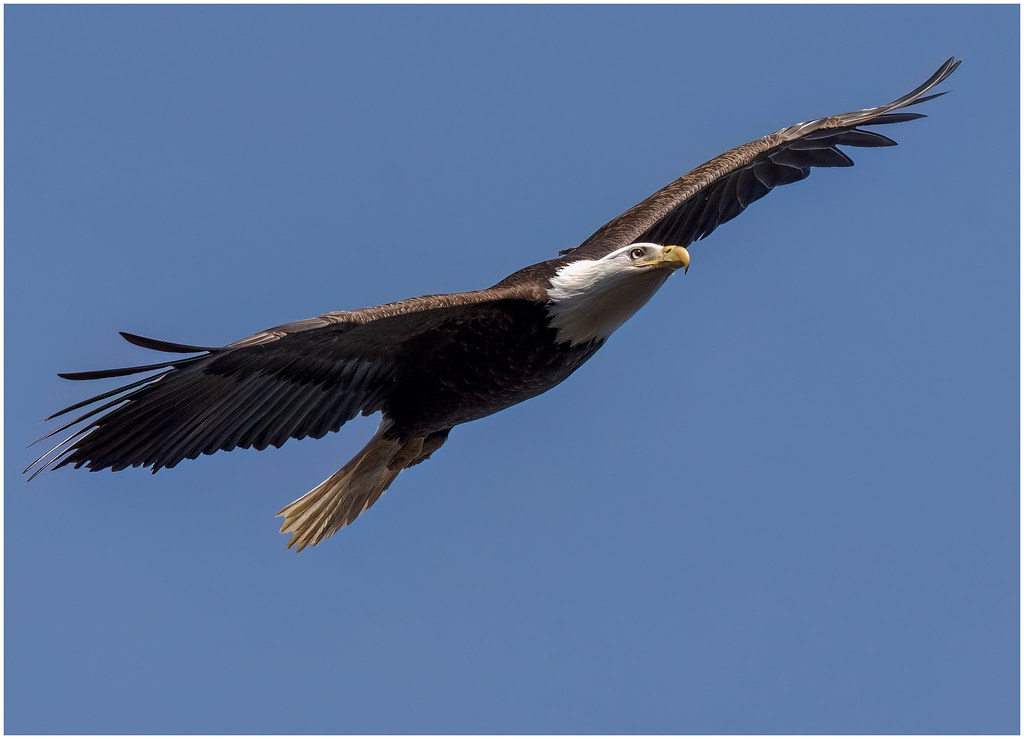
Northern adults may set out on the fall migration when lakes and rivers begin to freeze over, usually returning to breeding territory when weather and food permits. They don’t necessarily head south to reach the more temperate regions, but they will travel in several directions.
Rising temperatures are altering travel patterns. You might find yourself opting for cooler destinations or traveling during spring and autumn instead of summer. American seasonal travelers, like eagles, are increasingly flexible about direction, focusing more on climate comfort than traditional north-south patterns.
The Experience Collectors: Memory-Making Specialists
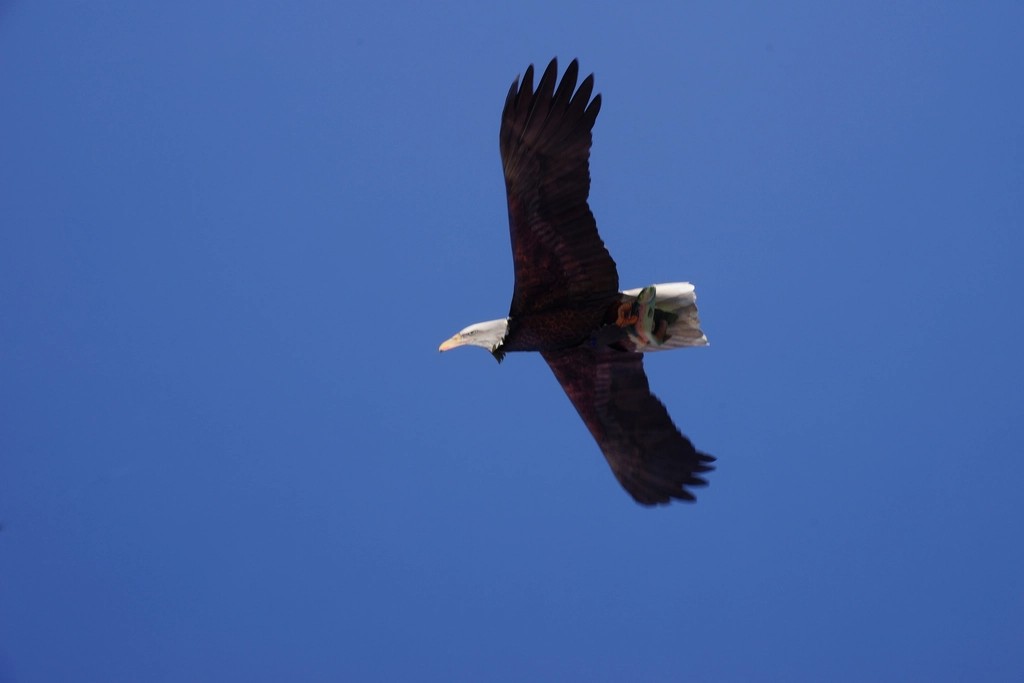
These birds obviously store great amounts of information or memory of the landscapes in their lives, as they easily move 50 – 100 miles in a winter day in search of food. Eagles build extensive mental maps of their territories and favorite spots.
Modern American travelers, particularly younger generations, mirror this behavior perfectly. 47% of U.S. millennials & 50% of Gen Z would prefer to save money on flights and spend more on experiences. 84% of millennials plan to spend the same or more on travel in 2025. They’re building their own mental catalogs of meaningful experiences across the country.
The Community Congregators: Social Gathering Seekers
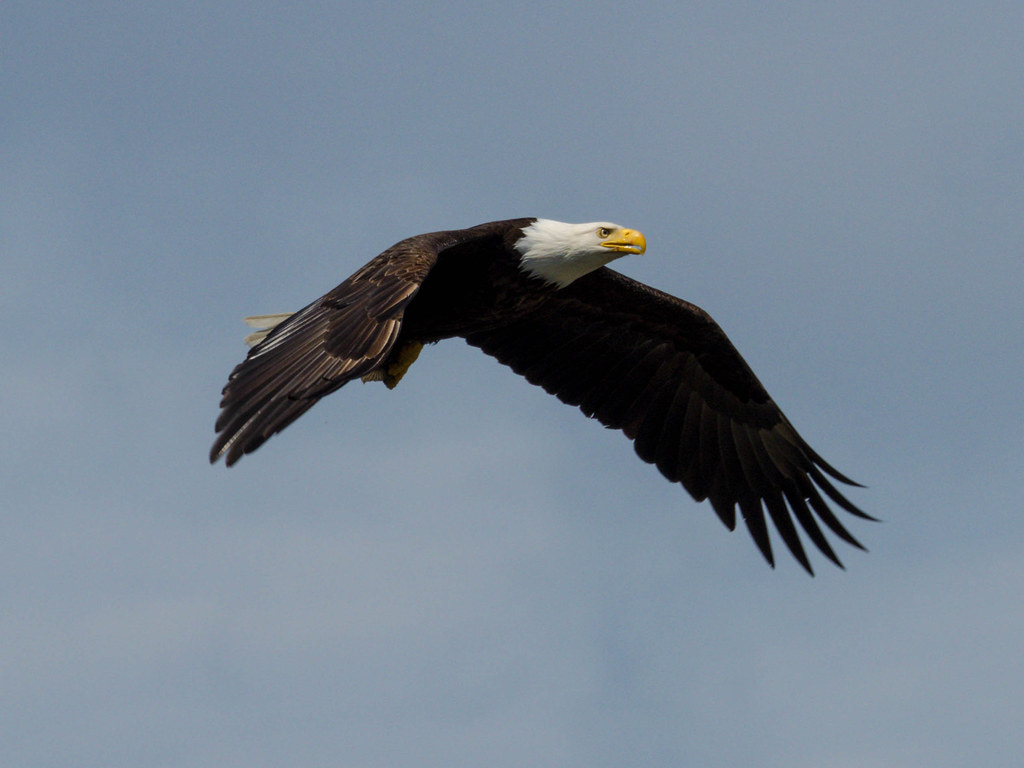
At other times of the year, however, they can be quite social, and winter aggregations are common in areas where food is abundant. More than a thousand eagles, for example, regularly congregate along the Chilkat River in Alaska.
Family vacations remain a cherished tradition for 36% of American travelers. 26% of American holidaymakers traveled or will travel solo this 2023, Baby Boomers seem the most likely to do so (30%). Like eagles gathering at prime feeding locations, American families converge on popular destinations during peak seasons, creating their own version of the Chilkat River phenomenon at places like Disney World or Yellowstone.
Conclusion
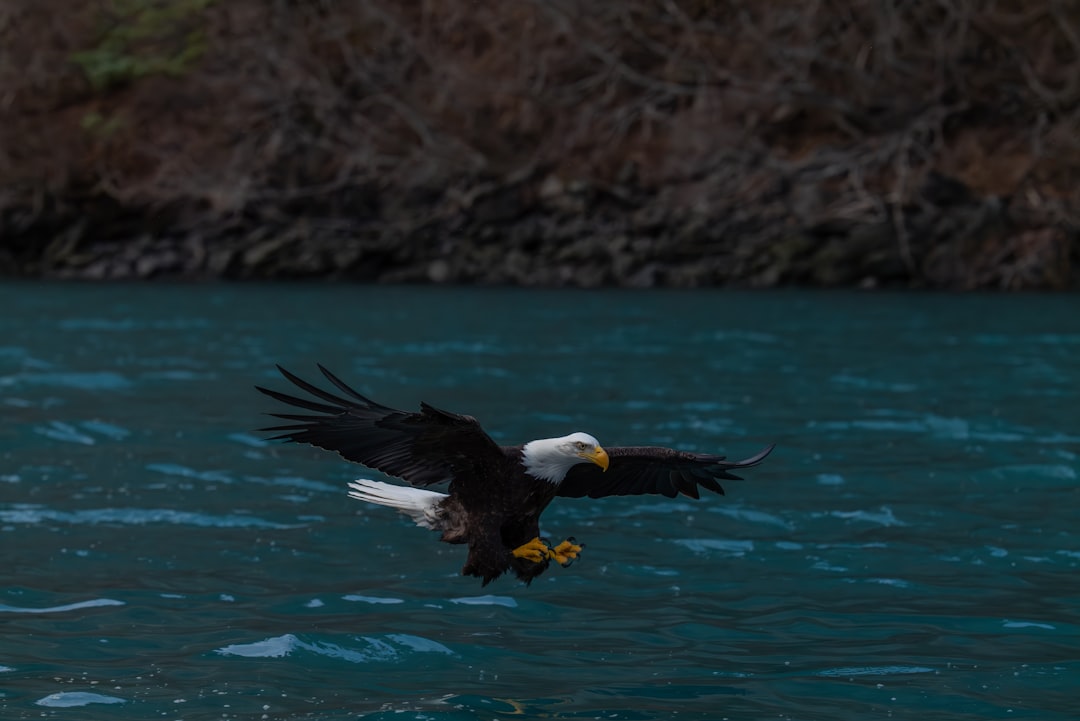
The parallels between bald eagle travel patterns and American vacation styles reveal something profound about movement and exploration. Whether we’re the territory defenders who venture out occasionally, the young floaters searching for our perfect destination, or the committed couples who travel as a team, we’re all following ancient patterns of movement that have guided creatures across this continent for millennia.
Eagles have taught us that there’s no single “right” way to travel. Some of us need the efficiency of direct routes, while others thrive on the leisurely exploration of scenic byways. Some prefer the independence of solo flight, while others find strength in traveling as a pair or group.
Perhaps the most important lesson from these magnificent birds is their adaptability. They adjust their travel style based on age, season, resources, and life circumstances. As American travelers, we can embrace this same flexibility, allowing our travel preferences to evolve as we do.
What kind of eagle traveler are you? Tell us in the comments.

- 14 Signs the Backyard Birds That Left Your Yard Are Quietly Coming Back - July 21, 2026
- 12 Cat Breeds Vets Refuse To Recommend to First Time Owners - July 21, 2026
- 6 US States With the Most Alligators - July 21, 2026