
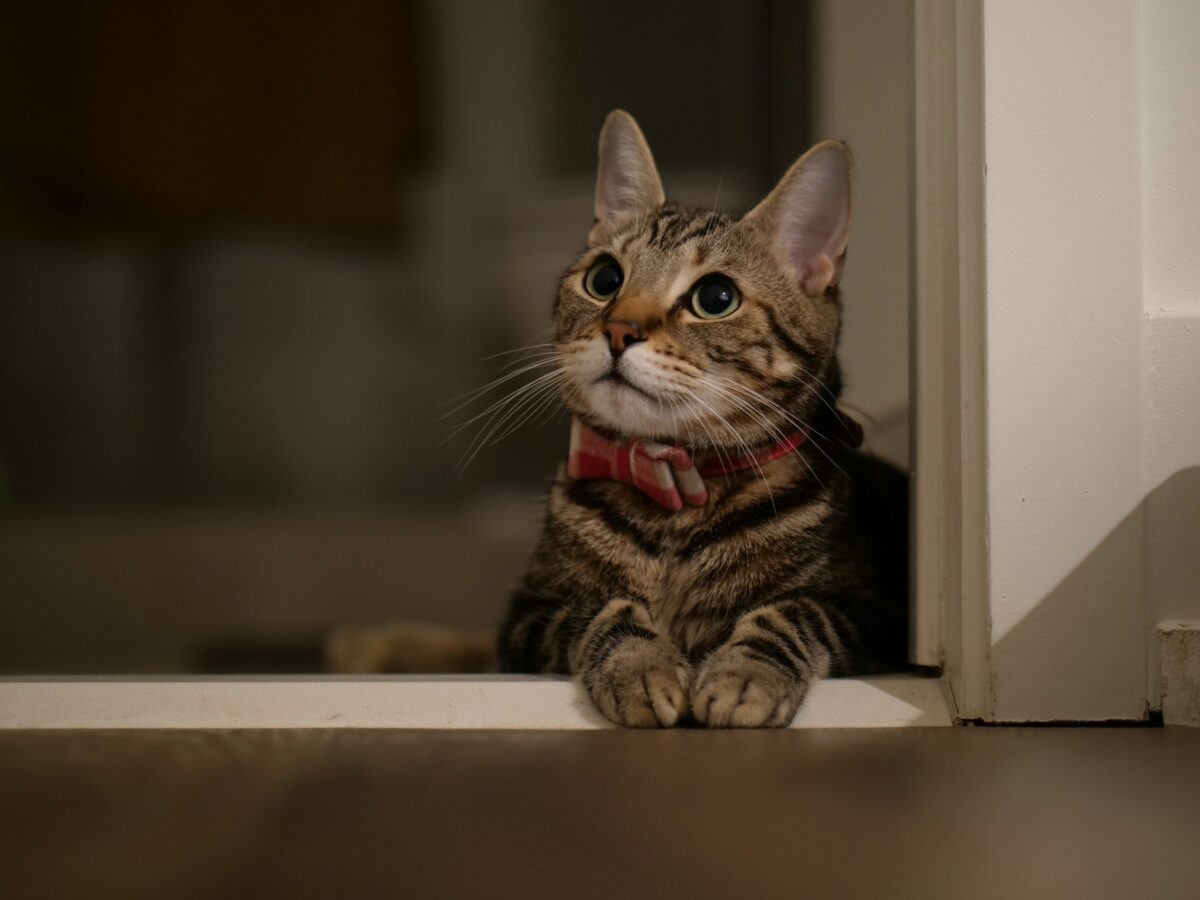
You probably think you know your cat. Sleeps eighteen hours a day, eats on command, occasionally sends a glass careening off the counter for no reason. Normal, boring, predictable. Then researchers strapped cameras, motion sensors and smart collars onto ordinary housecats and hit record – and the footage stopped being cute. It started being strange.
Behind closed doors, even the laziest lap cat turns into something else entirely: a pattern-obsessed, ritual-driven little scientist running experiments you were never meant to see. Some of it lines up neatly with feline evolution. Some of it, even serious animal behavior labs admit, they simply cannot explain. Here are the 17 behaviors caught on camera – starting with the one that looks the most like your cat is hunting something that isn’t there.
#17 – The “Invisible Prey” Hunt
🔥 Would you like to save this?
We'll email this post to you, so you can come back to it later!
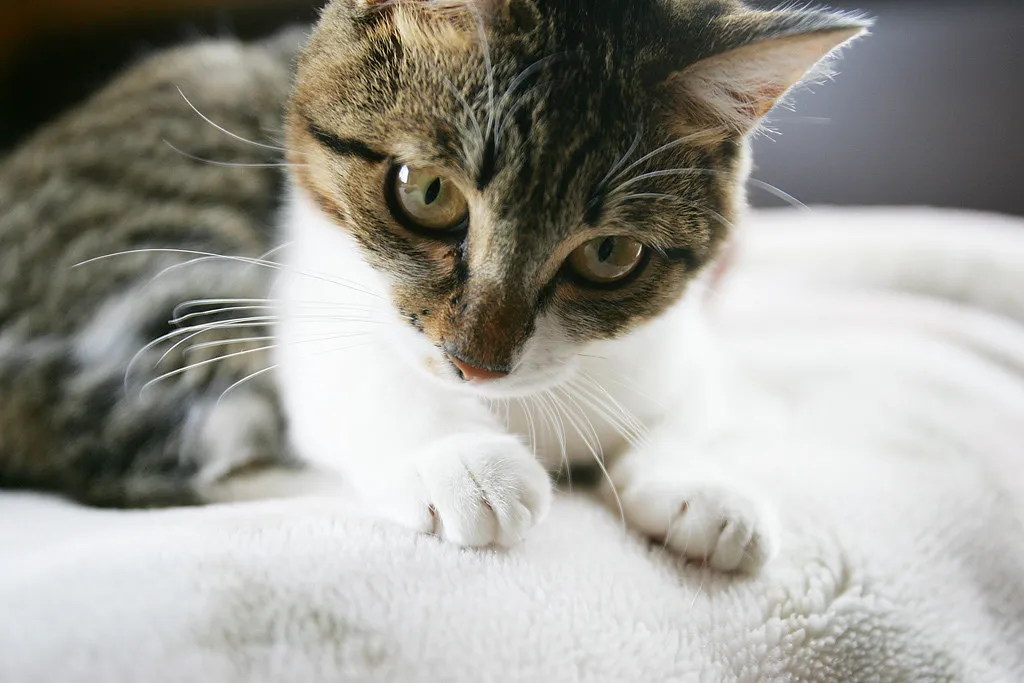
Cats don’t just nap when they think no one’s looking – many act out full, committed hunting sequences in completely empty rooms. Cameras have caught them:
- Stalking bare walls and chair legs like they’re stuffed with mice
- Launching perfect ambush pounces at absolutely nothing
One theory says this is just instinct rehearsal, like dreaming with the muscles switched on. But in a lot of the footage, the behavior is shockingly coordinated – tail twitch, ear angle and step placement all matching exactly how a wild cat stalks a live mouse.
No toy, no sound, no bug. Just a laser-focused predator working through a script only it can see. Some ethologists think cats might be chasing faint reflections, vibrations or high-frequency sounds we simply can’t detect, while others admit they have no idea why cats “hunt ghosts” this often. When researchers reviewed home camera footage, what surprised them wasn’t that it happened – it was how long some cats stayed locked into it.
But that’s nothing compared to what we found about #16…
#16 – The 3 A.M. Territory Patrol
🔥 Would you like to save this?
We'll email this post to you, so you can come back to it later!
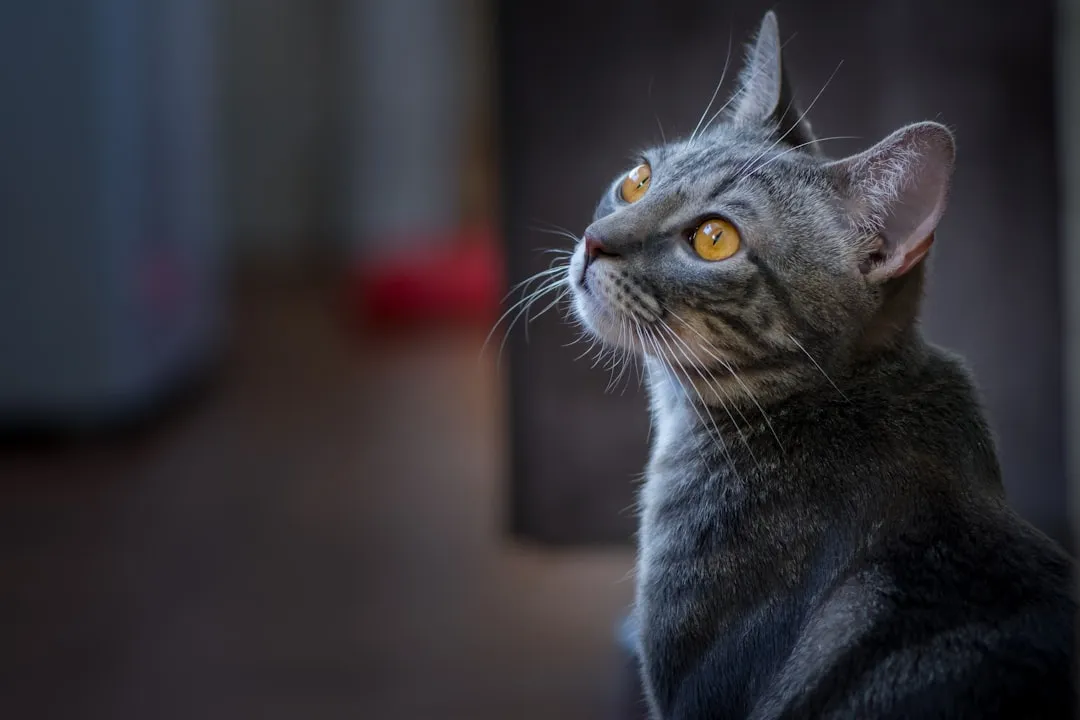
Everyone jokes about the “3 a.m. zoomies,” but what cats do when you’re not there is far more organized than random sprinting. Motion trackers show many cats walking the exact same loop around the home at nearly the same time each night, like a security guard clocking in for a shift.
They pause at doors, windowsills and hallway chokepoints, sniff the air, then move on – classic territorial patrol behavior straight out of the wild cat playbook.
At a Glance
- Patrol routes tend to hit the same doors, windowsills and hallway chokepoints every time
- Indoor cats keep the routine going even when nothing outside has changed in years
- The timing is consistent enough that some researchers suspect an internal territorial “clock”
The weird part? Indoor cats keep doing it even when nothing in the environment has changed for years. No new animals outside, no new smells, no rival cat crossing the yard. Their internal “patrol schedule” is so consistent that some researchers suspect there’s a built-in territorial clock running independent of any outside trigger.
A few behaviorists write it off as boredom or restlessness, but the patterns are hard to dismiss. Cats will break off from a warm, cozy sleeping spot, complete a full inspection circuit of the house, then return to bed – as if some invisible rule says the territory has to be checked, no exceptions.
But that’s nothing compared to what we found about #15…
#15 – The Creepy “Listening Statue” Mode
🔥 Would you like to save this?
We'll email this post to you, so you can come back to it later!
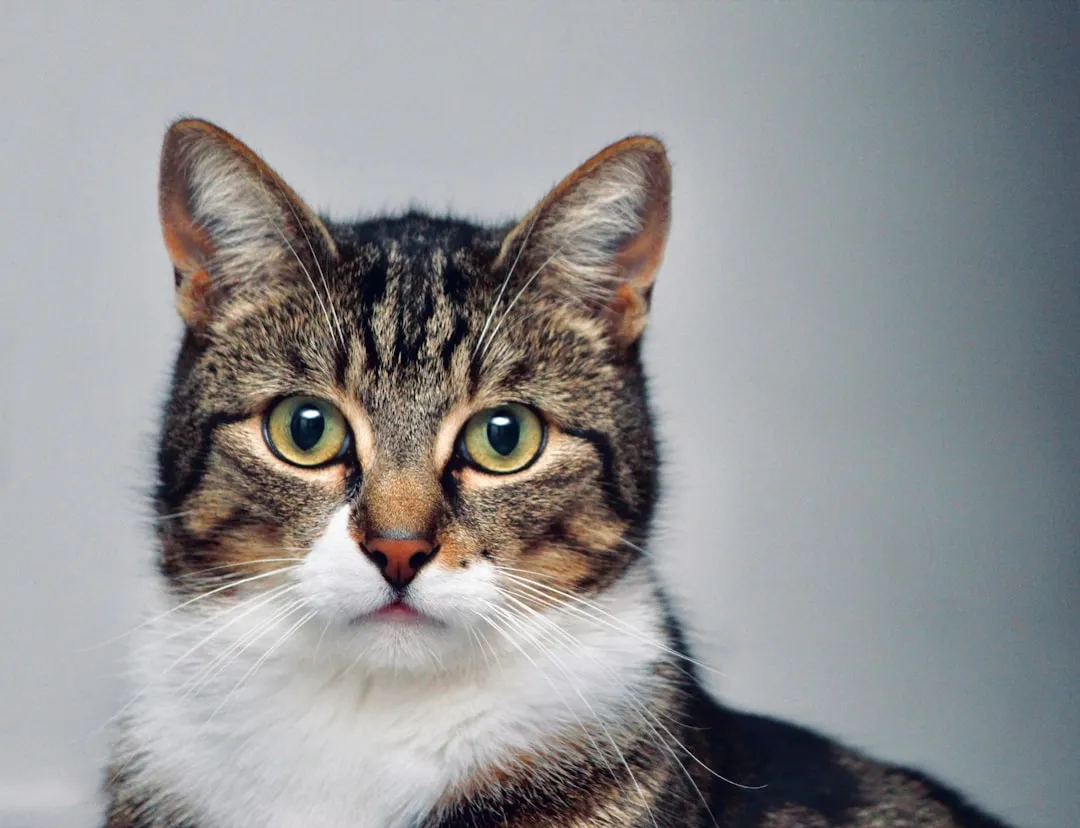
When nobody is watching, plenty of cats don’t move at all – and that stillness is exactly what makes scientists uneasy. Video studies show long stretches where a cat sits perfectly still, body low, ears rotating independently like tiny radar dishes.
They look like statues, but the ears tell a different story: they’re tracking multiple sound sources at once, often ones humans never register. In quiet apartments, cats have been filmed locked into this “surveillance trance” for 20 to 30 minutes straight, reacting to subtle building noises, distant traffic hum, and maybe even the footsteps of insects.
We know cats can hear frequencies up to roughly 64 kHz, far beyond human range. What we don’t know is why they sometimes prioritize listening over everything else – including food and play. Some experts think this is an ancient survival routine: freeze, map the acoustic landscape, detect predators or prey before they detect you.
Others suspect indoor cats build a detailed “sound map” of their territory and quietly update it, room by room, night after night. Owners are often unsettled when they finally see the footage – the cat looks like it’s listening to something moving inside the walls.
But that’s nothing compared to what we found about #14…
#14 – The Mysterious Door & Corner Staring Rituals

🔥 Would you like to save this?
We'll email this post to you, so you can come back to it later!
Everyone’s seen a cat stare at a closed door or a random patch of wall. But the version they perform when nobody’s home is next-level strange. Cameras show cats returning to the same door frame, ceiling corner or wall spot multiple times a day, sitting or standing in front of it as if they’re waiting for something to appear.
Sometimes there’s a tiny draft, a distant elevator hum, or plumbing noise to blame. But in plenty of recordings, there’s no measurable stimulus at all. The cat stares, blinks slowly, maybe chirps under its breath, then walks away – only to repeat the exact same ritual hours later.
Some cats pair this with very soft “contact calls,” almost like they’re checking in with someone who isn’t there. Skeptical scientists chalk it up to hypersensitivity – cats picking up micro-noises, electromagnetic hums or faint smells our equipment can’t register.
Others quietly admit we don’t have a satisfying explanation yet, especially when the behavior locks onto specific times of day. It’s one of the reasons cats keep spawning both ghost stories and legitimate research proposals.
But that’s nothing compared to what we found about #13…
#13 – The Secret Furniture “Renovation” Project
🔥 Would you like to save this?
We'll email this post to you, so you can come back to it later!
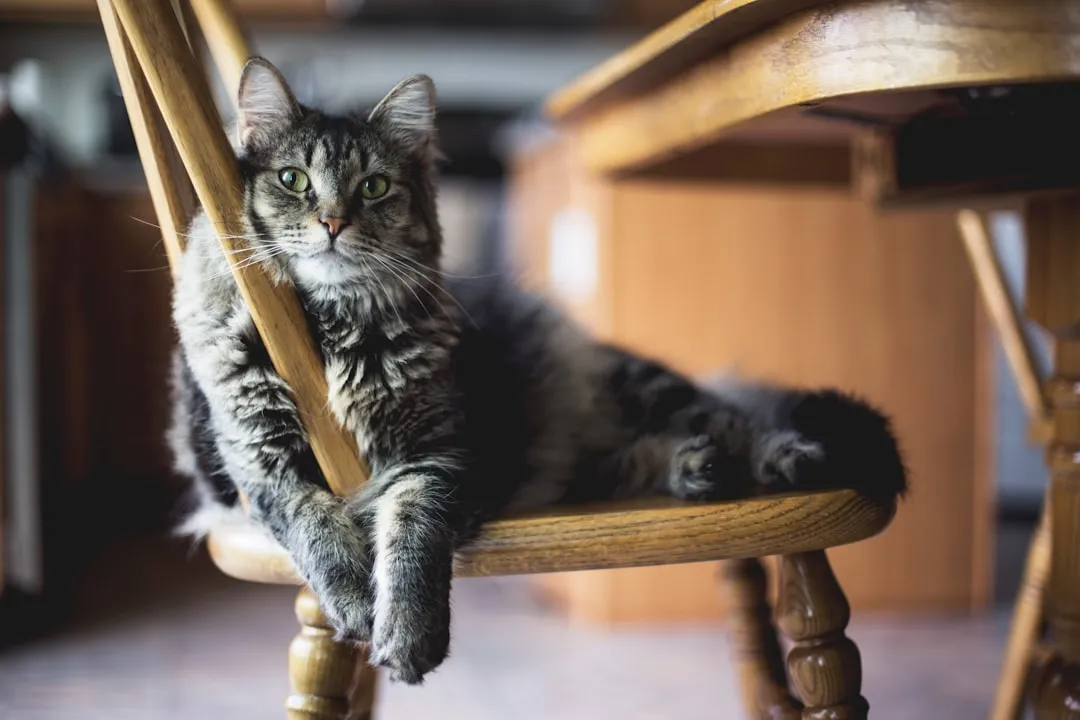
Left alone, plenty of cats turn into tiny architects. Owners who come home to a slightly shifted rug or a chair a few inches off its mark often blame themselves – until they check the camera.
The cat slowly pushes, tugs or scratches at fabrics and light objects, then walks around them, re-approaching from different angles, as if testing new layouts. What’s odd is how systematic it looks: a cat might nudge a mat, step onto it, jump off, circle back, then nudge it again in a completely different direction.
Some cats repeatedly push light stools or boxes into specific positions, over and over. Behaviorists suspect they’re refining “launch pads” and escape routes – optimizing jump distances and hiding spots down to the inch. This kind of environmental micro-engineering is almost never taught; it just appears.
We know cats build detailed mental maps of their territory, including vertical routes most humans never notice. Why some individuals quietly redesign the room, though, is still up for debate – comfort, tactical advantage, anxiety relief, or something else entirely. Whatever the reason, a shocking number of “mysterious” household shifts turn out to be late-night feline construction projects.
But that’s nothing compared to what we found about #12…
#12 – The “One Perfect Spot” Obsession
🔥 Would you like to save this?
We'll email this post to you, so you can come back to it later!
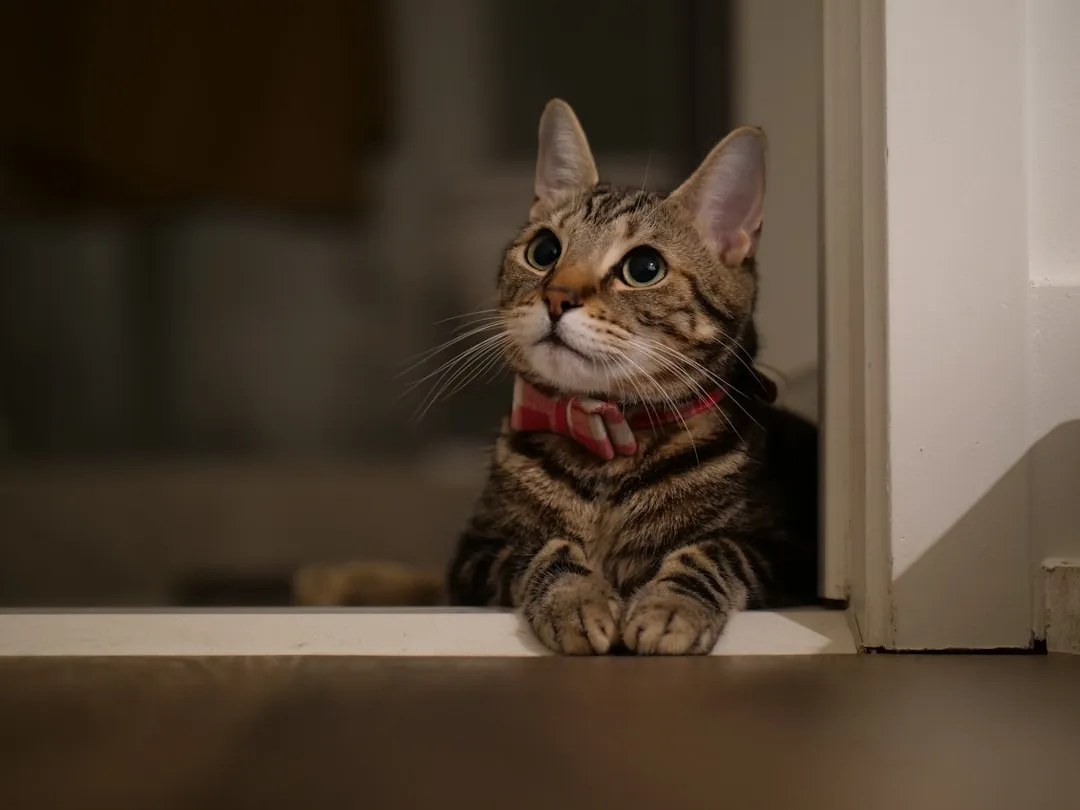
Ask any multi-room cat owner and they’ll know exactly what you mean: there’s always that one bizarre spot the cat loves – a narrow stretch of hallway, a patch of tile, a single stair tread. When cameras run all day, something striking shows up.
The cat doesn’t just visit this zone; it spends disproportionate chunks of its alone time there, even when cozier, softer places are sitting right next to it.
Sometimes the spot catches a sunbeam or sits over a warm heat pipe, which makes sense. But often it isn’t the comfiest or safest area in the house at all – and the cat still loafs, rolls, and runs long grooming sessions only there. Some cats will sprint from another room just to throw themselves onto that exact floorboard, then leave again minutes later.
Scientists have floated airflow, faint vibrations, magnetic fields, even tiny slope changes that alter how the body feels at rest. None of it is fully convincing, especially since the preferred spot sometimes shifts over months. It’s almost as if cats assign invisible “value points” to parts of the home that only they can sense – then guard them like sacred ground.
But that’s nothing compared to what we found about #11…
#11 – The Clockwork Meal Anticipation Without a Clock
🔥 Would you like to save this?
We'll email this post to you, so you can come back to it later!
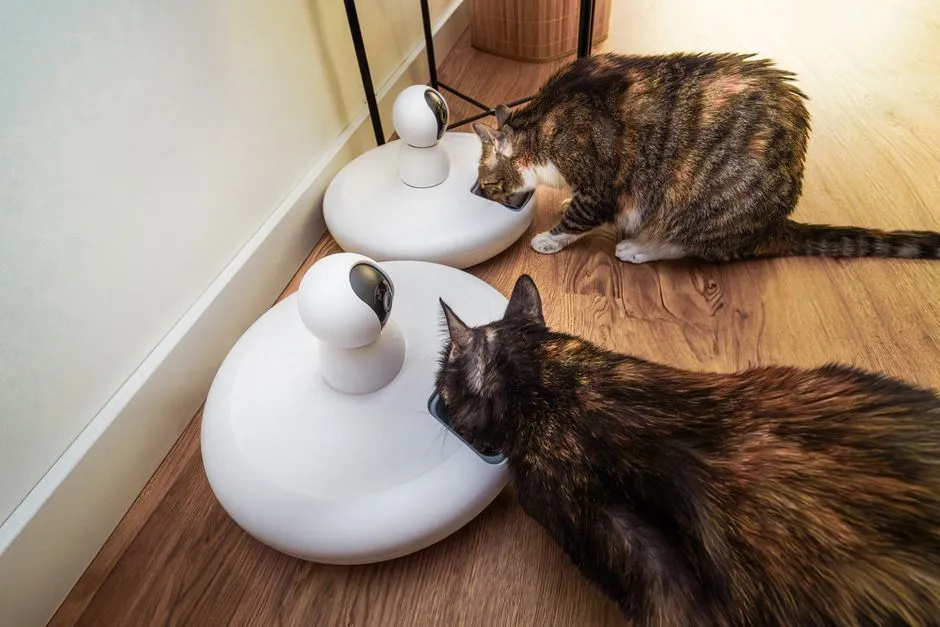
Plenty of cats show up around mealtime when humans are home to notice. But when nobody is there and food comes from an automatic feeder, some cats still gather in the feeding area minutes before it goes off, day after day, with eerie accuracy.
They’ll pace, sit, lick their lips, or stare at the empty bowl long before any sound happens. We know animals develop circadian rhythms and time-of-day associations, but the precision here is unsettling.
In some tracked cases, cats began anticipating timed events to within a 10-minute window over long stretches – even when the feeding times were subtly shifted. There’s no visible clock, no obvious cue. Just an internal sense of “now.”
Some researchers argue cats are tracking a mix of body rhythms, ambient light changes, and the building’s daily noise cycle. Others float the idea of an innate “interval timing” ability science hasn’t fully mapped. What’s clear is that cats are far better timekeepers than most owners realize, and they practice the skill even in a completely empty apartment.
But that’s nothing compared to what we found about #10…
#10 – The Phantom Companion Interactions
🔥 Would you like to save this?
We'll email this post to you, so you can come back to it later!
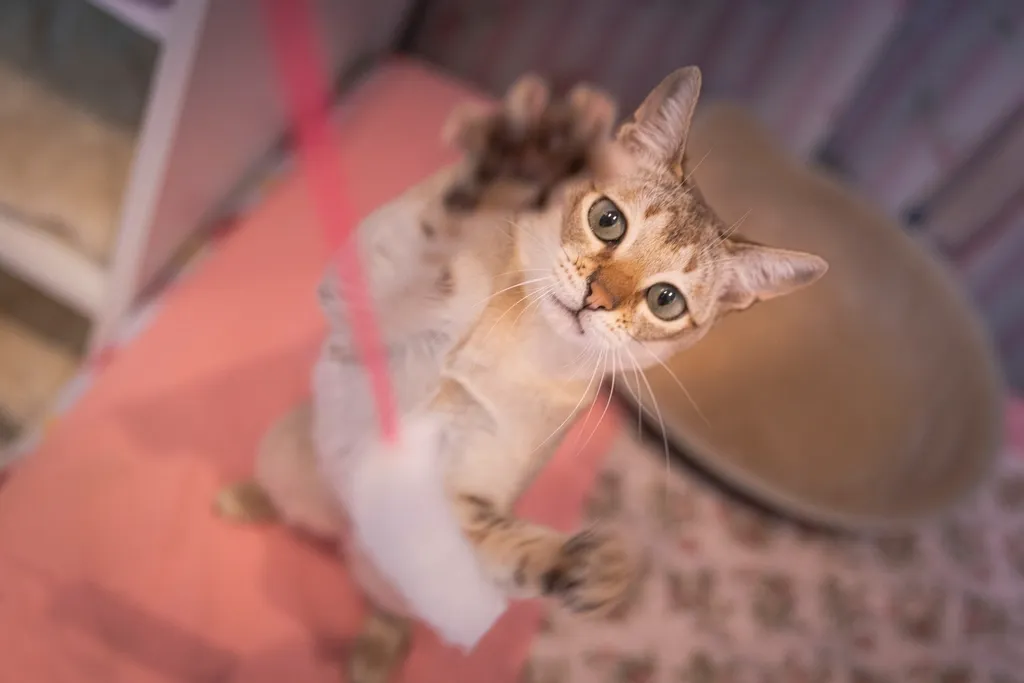
This is the one that makes even skeptical owners squirm a little. When alone, many cats seem to interact with an absent partner – play-bowing to empty space, batting at the air beside them, or going through full wrestling motions with nothing there.
Some vocalize in the exact tone they’d use with a known cat friend or human, then pause, as if listening for a response that never comes.
Is it imagination? Habit? Grief? We know cats form strong attachments and routines around beloved companions, and after another pet dies or a person moves out, some cats have been recorded “playing” with them for weeks, sometimes months. Their body language mirrors real social interaction – ears back, sideways kicks, chase-and-retreat patterns – all aimed at absolutely nobody.
Behaviorists suggest this might be self-soothing, or a way of replaying social scripts to cope with change. Others compare it to humans talking to themselves out loud. Either way, it raises an uncomfortable question: how much of your cat’s social life is happening with beings you can’t see?
But that’s nothing compared to what we found about #9…
#9 – The Sudden, Silent “Freeze & Flee” Episodes
🔥 Would you like to save this?
We'll email this post to you, so you can come back to it later!
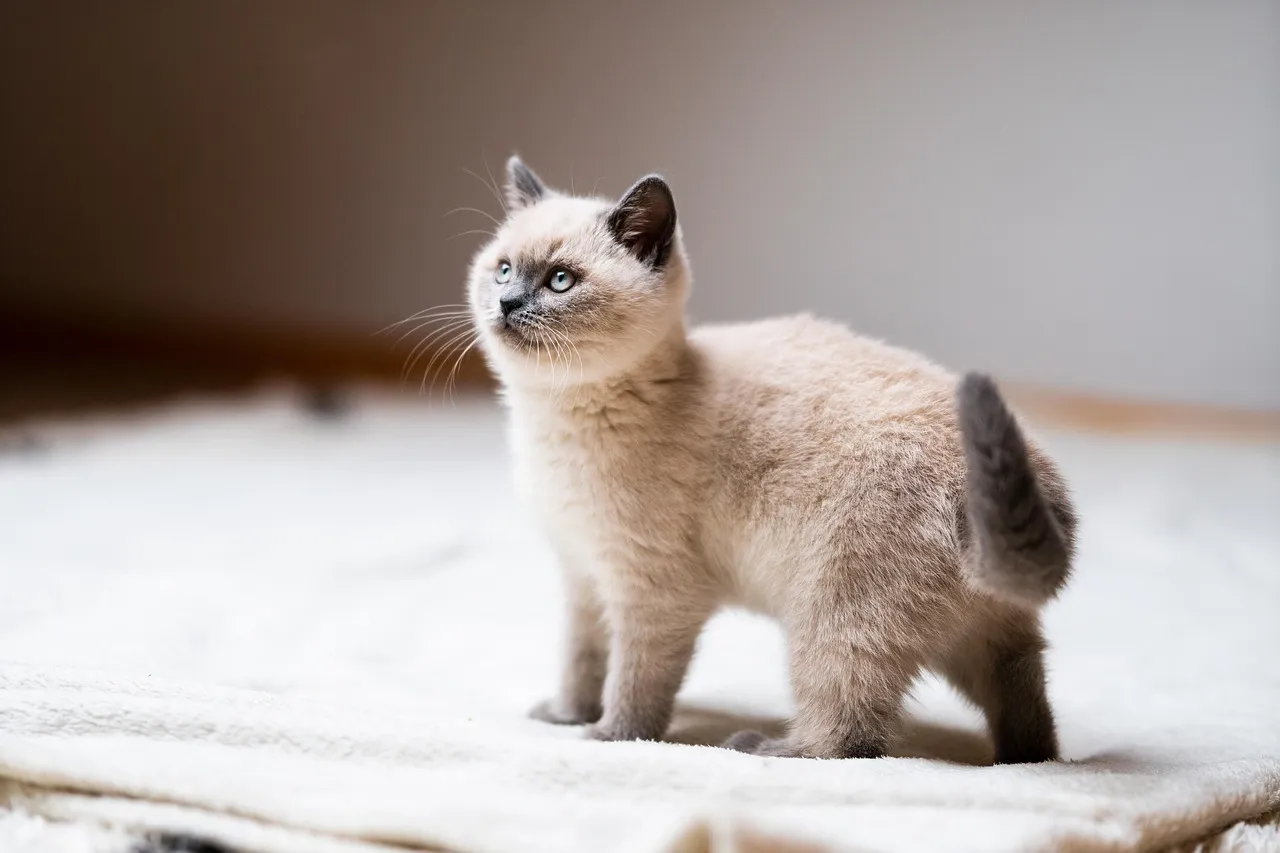
You’ve probably seen half of this live: your cat suddenly stares, ears prick, and bolts from the room. What you don’t see, unless you’re recording, is how often it happens when you’re gone – and how extreme it can get.
Some cats will be resting peacefully, then snap into full panic mode with no obvious trigger. Bodies flatten, pupils blow wide, and they flee straight to one specific “safe” spot.
Reviewing the footage afterward often shows nothing – no door slam, no thunder, no visible stimulus of any kind. In a few cases, ultra-sensitive microphones pick up a distant siren or an appliance cycling on, but plenty of episodes stay completely unexplained.
Some experts label it generalized anxiety; others think we’re simply missing key environmental cues, maybe low-frequency vibrations or ultrasonic noise humans can’t register. Either way, your cat’s “random” panic is oddly consistent: same hiding place, same recovery time, then straight back to normal – the trigger is the only mystery.
But that’s nothing compared to what we found about #8…
#8 – The Hyper-Precise Grooming Routes
🔥 Would you like to save this?
We'll email this post to you, so you can come back to it later!
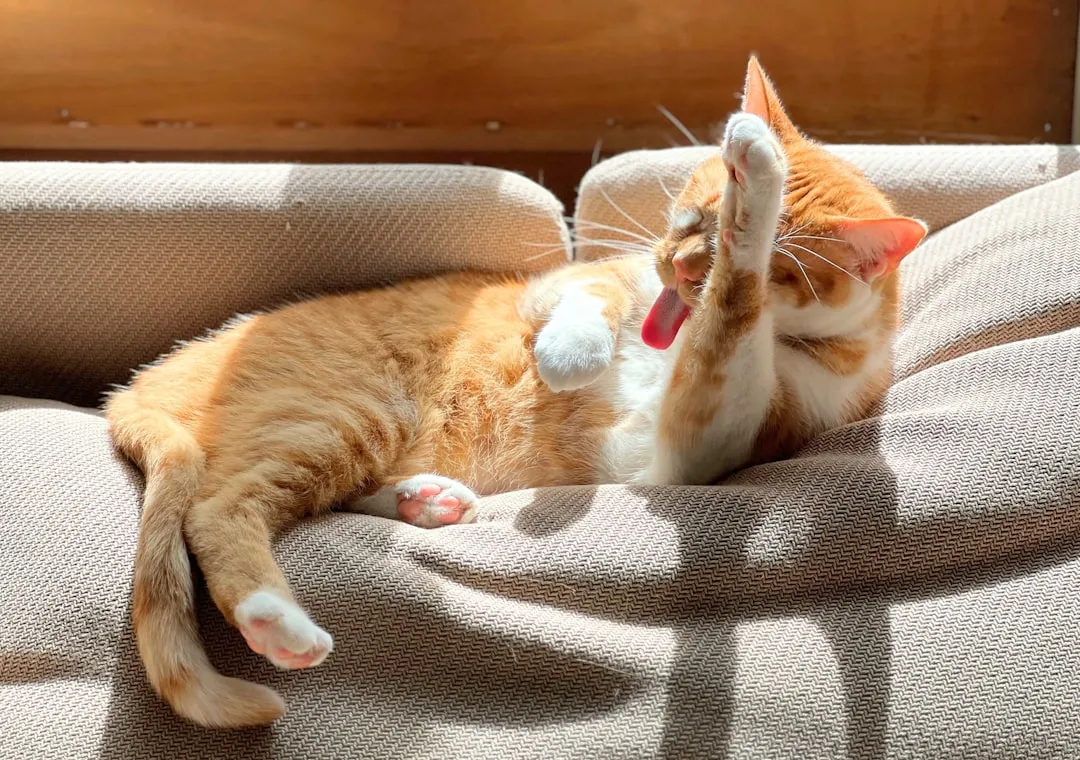
Cats groom in public all the time, so it barely registers. But watch them alone on camera and the pattern gets disturbingly precise – many follow identical grooming sequences, paw by paw and whisker by whisker, like a choreographed routine they’ve rehearsed for years.
Right ear, left ear, jawline, shoulder, flank, tail – the order barely changes. We know grooming regulates temperature, scent and stress, but the sheer mathematical precision is the strange part.
Worth Knowing
- Grooming can eat up as much as 30-50% of a cat’s total waking hours
- Tiny hook-shaped papillae on the tongue work like a built-in hairbrush and comb
- The same head-to-tail order tends to repeat almost every single session
Some researchers have noticed cats using nearly the same number of licks per body region in every session, adjusting only slightly for dirt or moisture. Why build such rigid choreography for something as basic as cleaning?
One idea is that these are deeply ingrained neural “programs,” primitive routines that almost never update. Another is that predictable, repetitive grooming acts as a built-in anxiety regulator, checking every part of the body for threats in a fixed order. Either way, nobody fully understands why the sequence itself matters so much – or why breaking it seems to stress some cats out.
But that’s nothing compared to what we found about #7…
#7 – Window “Traffic Monitoring” With Impossible Focus
🔥 Would you like to save this?
We'll email this post to you, so you can come back to it later!
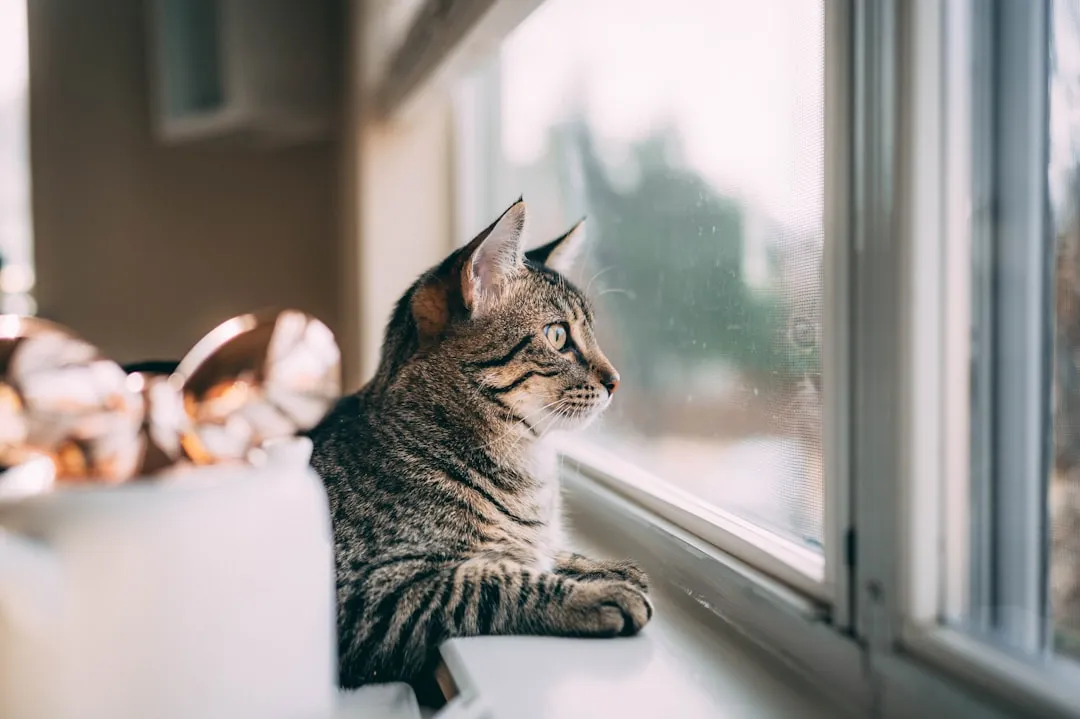
Everyone assumes window watching is just boredom. The data says otherwise. Left alone, many cats run long, locked-in sessions at windows, cataloging every bit of movement outside – people, cars, birds, even passing shadows.
On video, their heads track objects with surgical precision, sometimes following something so far away a human couldn’t spot it without zooming in.
What puzzles researchers is how selective the attention is. A cat might ignore twenty passing cars, then snap to high alert for the twenty-first, tracking it until it vanishes. No different color, no unusual sound – yet the cat’s whole body says this one matters.
In some cases, cats react more strongly to familiar patterns, like the footsteps of a known neighbor or the shape of a regular dog walker, suggesting they’re building a mental database of “territory traffic.” Some experts believe cats are quietly scoring threat levels and escape routes, rehearsing responses they may never need. We know they’re watching closely; we just don’t know exactly what story they think they’re watching.
But that’s nothing compared to what we found about #6…
#6 – The Strange “Toy Burial” and Hoarding Drives
🔥 Would you like to save this?
We'll email this post to you, so you can come back to it later!
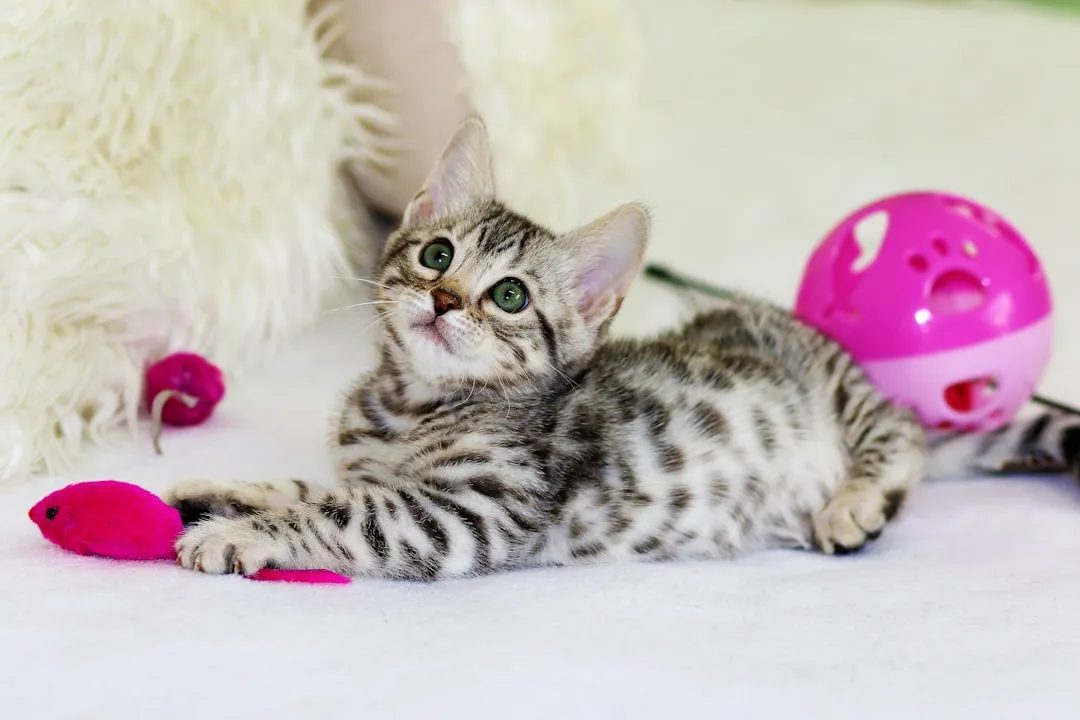
When nobody’s around, plenty of cats become secret hoarders. Toys, socks, hair ties, food wrappers – they’ll drag these items to hidden caches under beds, inside closets, or behind furniture, sometimes covering favorite items with a blanket or tucking them under a rug entirely.
Fast Facts
- Caching echoes wild feline habits of hiding leftover prey for later
- Favorite items are sometimes covered with fabric or tucked under rugs
- Some cats “rebury” the exact same toy in a new hiding spot every few days
There’s an obvious link to prey caching in wild felines. But indoor cats often hoard objects with zero nutritional value, and they seem to care about specific items far more than others – a single crinkly ball might get moved room to room and “reburied” over and over, like buried treasure.
Some cats even vocalize while transporting a chosen item, using the exact chirp they’d use for real prey. Behaviorists can explain part of this as redirected hunting or leftover maternal instinct.
What science hasn’t nailed down is why only certain objects make the cut, and why some cats guard their stash fiercely while others forget it exists by morning. It raises a question a lot of owners would rather not think about: how much of your home is quietly mapped as your cat’s private storage unit?
But that’s nothing compared to what we found about #5…
#5 – The Uncanny “Owner Tracking” When You’re Gone
🔥 Would you like to save this?
We'll email this post to you, so you can come back to it later!
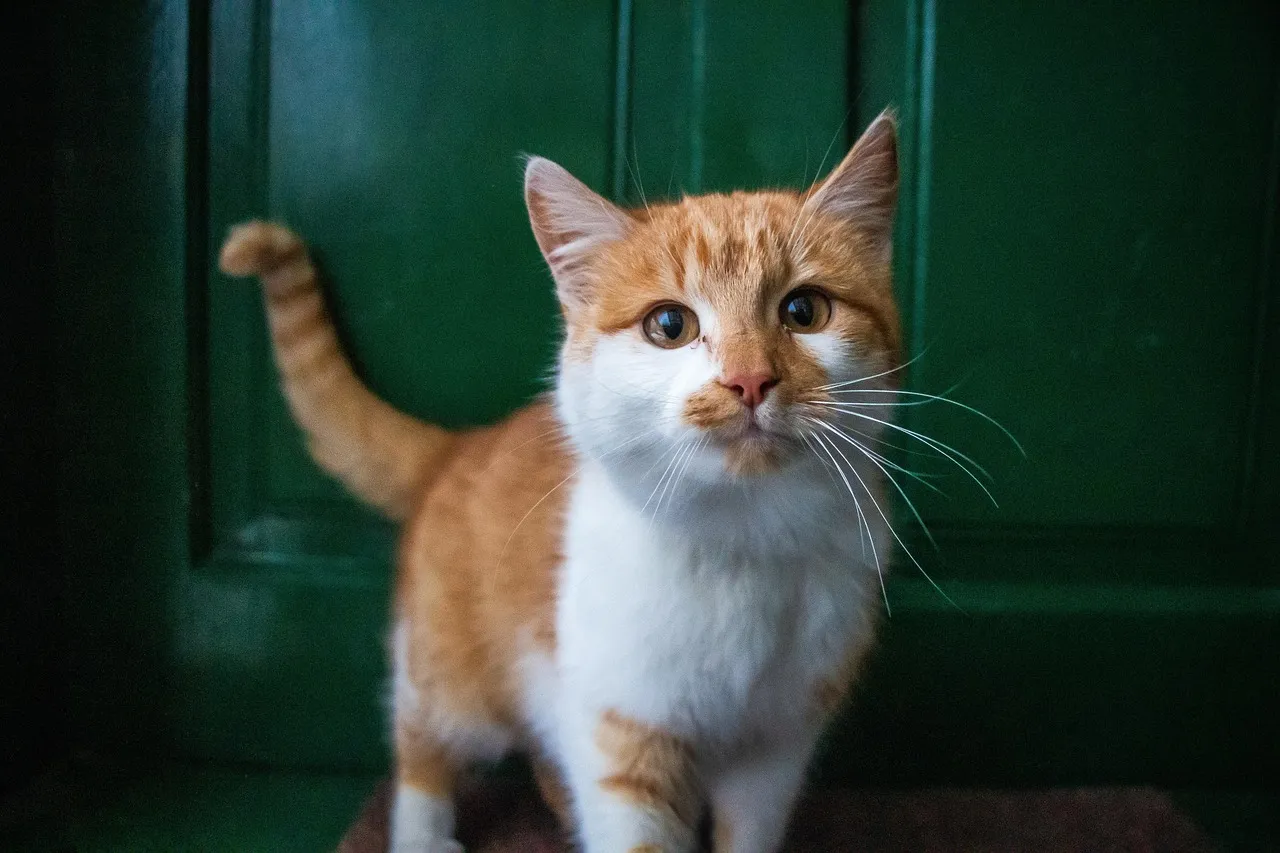
Even when you’re out, some cats seem to know exactly where you are or when you’re coming back – and they act on it. Cameras have caught cats heading to the door or window minutes before an owner arrives, well before any engine noise or footsteps could give it away.
Others spend noticeably more time near a specific bedroom or desk associated with one person, but only when that person is away, almost like they’re visiting the scent left behind.
Science can explain part of this: cats have an extraordinary sense of smell and a strong grasp of routine. They may be reading light angles, neighborhood sounds, or daily rhythms as proxies for your schedule. But in controlled studies, some cats still anticipated owner return outside of any strict routine, which has left researchers with more questions than answers.
Are they picking up on subtle building vibrations from an elevator or garage door? Tracking the pattern of your absence like an internal math problem? Or is there a social component we simply haven’t cracked yet – some kind of low-level separation radar? Whatever the mechanism, cats quietly tracking their humans in absentia remains one of the most intriguing, least understood behaviors on this list.
But that’s nothing compared to what we found about #4…
#4 – The Night-Long “Micro-Exploration” Missions
🔥 Would you like to save this?
We'll email this post to you, so you can come back to it later!
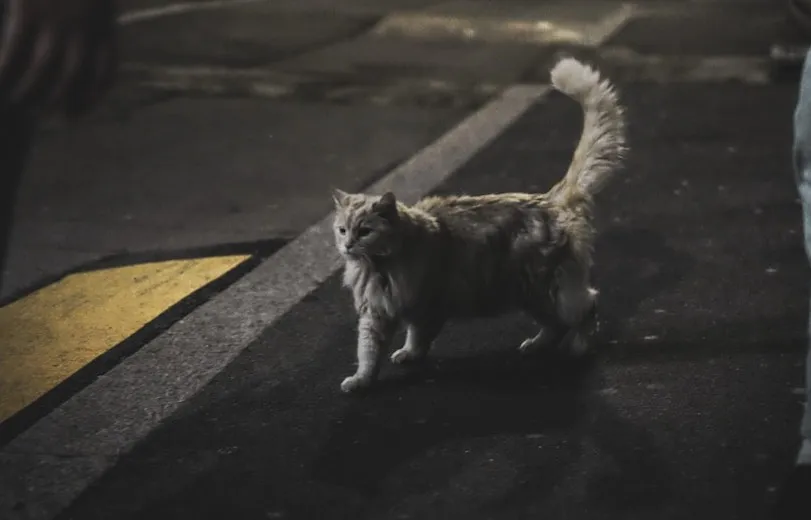
If you assume your cat just sleeps through the night while you’re out, the footage disagrees. A lot of cats run slow, meticulous “research expeditions” around the home – investigating every bag, shelf and crack, sniffing, pawing, and sometimes trying to pry open cupboards or doors they ignore completely during the day.
What’s striking is how methodical it looks. A cat might circle a room clockwise, then counterclockwise, lingering on very specific spots. It pauses far longer at new objects than familiar ones, and some cats seem to “test” a surface with a paw before ever putting weight on it.
This isn’t just curiosity; it looks like deliberate data collection about the territory. Researchers suspect it’s a way to update an internal 3D map of the home while things are quiet and free of human interference.
But why some cats schedule full exploration nights while others barely move an inch remains unclear. Are certain personalities simply more “scientist-like”? Or are there subtle environmental shifts we’re not noticing that quietly trigger the mission?
But that’s nothing compared to what we found about #3…
#3 – The Emotion “Reboot” After You Leave
🔥 Would you like to save this?
We'll email this post to you, so you can come back to it later!
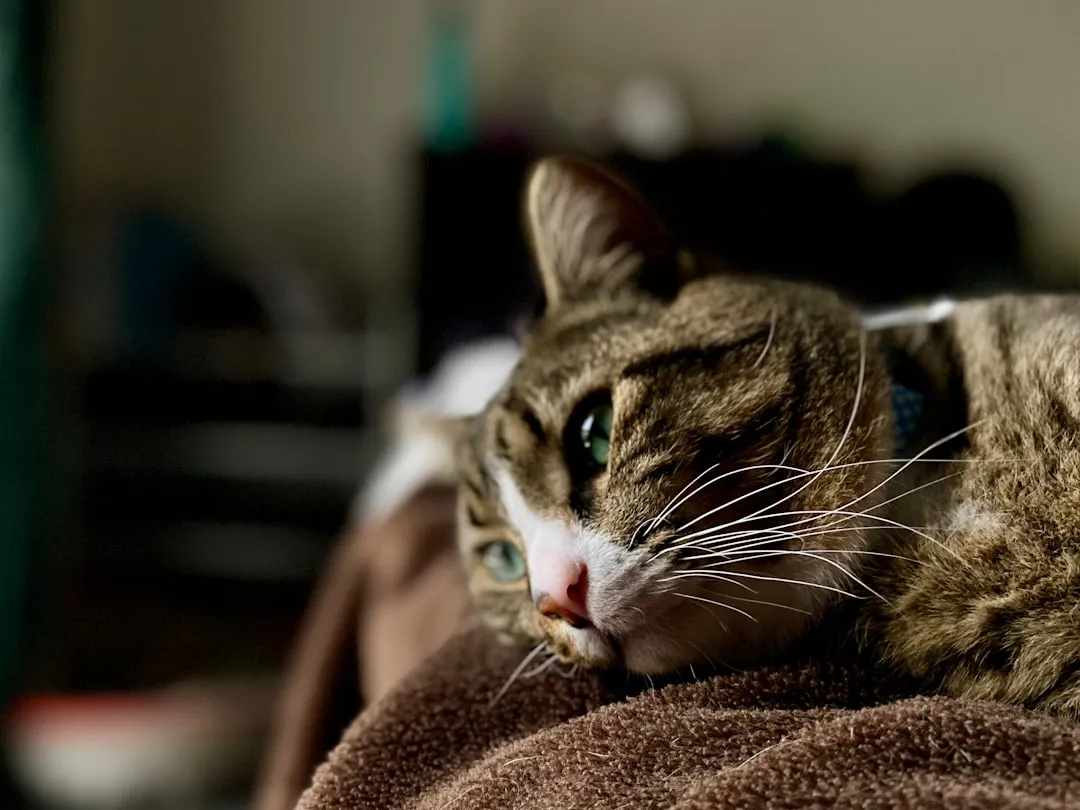
Here’s something most people never consider: your cat’s emotional state can change dramatically within minutes of you closing the door. Some studies using video and audio found that cats who looked perfectly calm around their owners switched into stress behaviors – pacing, over-grooming, distressed meowing – almost the moment they were left alone. Others did the exact opposite, only relaxing once the house went quiet.
Quick Compare
- Around owners: many cats appear calm, quiet and settled
- Left alone: some cats pace, over-groom or vocalize with visible distress
- Other cats do the reverse, only fully relaxing once the house empties out
The confusing part is how inconsistent this is across individuals. Two cats in the same home can have completely opposite “alone personalities,” and we still can’t predict which one will turn clingy, destructive, or blissfully chilled-out based on how they act in front of you.
A cat has absolute emotional honesty: human beings, for one reason or another, may hide their feelings, but a cat does not.
Ernest Hemingway
Experts know separation can be stressful for some cats, but the exact emotional cocktail – boredom, anxiety, relief, or simple relief at finally getting some space – is hard to measure. We have heart rate and movement data, but translating that into emotion is still part science, part guesswork. One thing is clear: your cat’s internal life in your absence is richer and stranger than you think.
But that’s nothing compared to what we found about #2…
#2 – The Baffling “Energy Reset” Naps
🔥 Would you like to save this?
We'll email this post to you, so you can come back to it later!
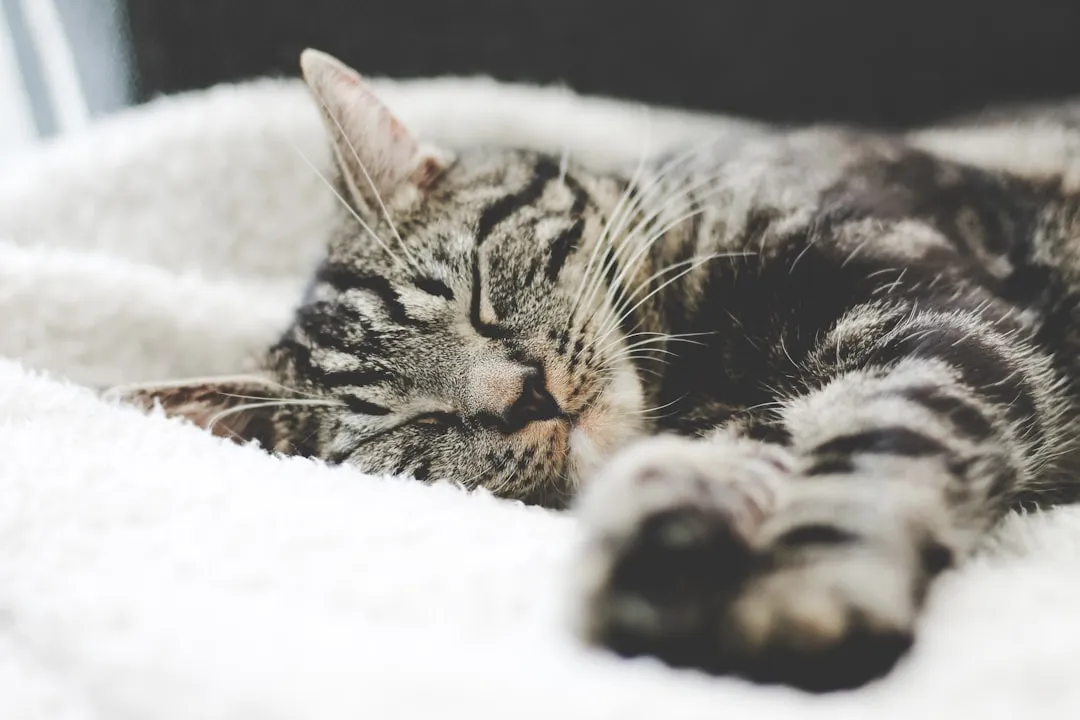
Cats sleep constantly, but their naps when nobody’s watching follow oddly specific patterns. Instead of one long rest, many cats take a series of micro-naps – 5, 10, 20 minutes – popping awake into full alertness, then dropping straight back down. On time-lapse video, it looks like someone flicking a switch on and off all day long.
We know wild predators use “polyphasic sleep” to stay ready for threats and opportunities. Still, domestic cats take it to an extreme, and studies show their transitions from deep rest to high responsiveness are much faster than most mammals of a similar size.
What we don’t fully understand is how they manage that switch neurologically without any grogginess or confusion in between. Some researchers suspect cats are constantly balancing two competing priorities – conserving energy and staying ready to hunt or flee – and their brains may simply be wired to hover near wakefulness.
Even in stable, quiet, perfectly safe homes, the same odd on-off rhythm persists. That suggests this sleep style is hard-coded far more deeply than comfort or environment can explain.
But that’s nothing compared to what we found about #1…
#1 – The “Nothing There” Social Vocalizations
🔥 Would you like to save this?
We'll email this post to you, so you can come back to it later!
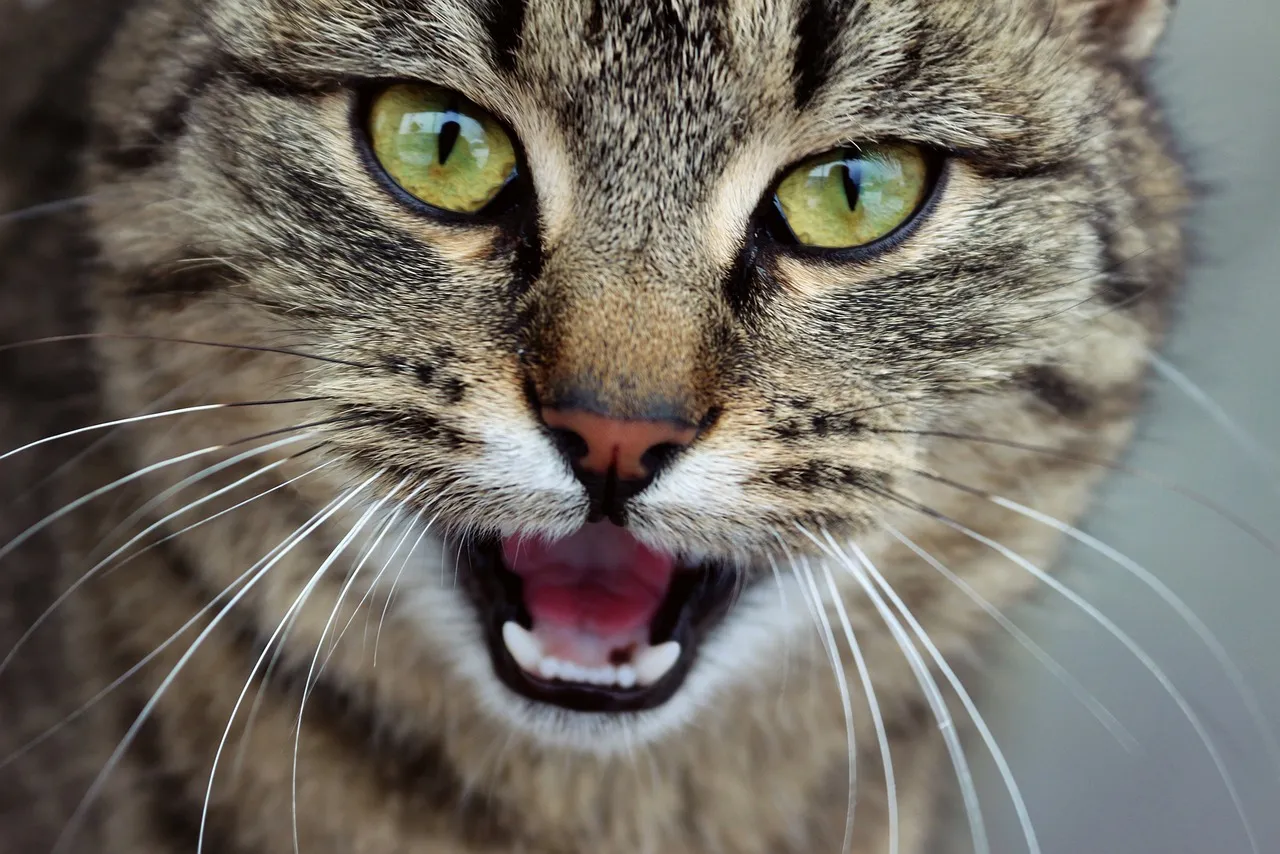
The single strangest thing cats do when nobody’s watching might also be the most human. Audio-only recordings reveal that many cats “talk” far more when alone than when people are around – and not just random meowing.
They produce complex strings of chirps, trills, and half-meows that resemble the interactive sounds they use with humans or other cats, even in homes where they’re the only pet.
Sometimes these monologues happen while the cat moves from room to room, almost like it’s checking in with invisible housemates. Other times, the cat sits in the center of a room and vocalizes softly into the air, pauses, then answers itself with a different sound entirely. It looks and sounds uncannily like one side of a conversation.
Science can explain parts of feline vocalization, but not this. Are they practicing communication? Replaying social interactions from memory? Trying to summon a response from a partner that isn’t there? Or simply using sound the way humans hum to themselves, to regulate their own mood? Nobody knows for sure – but your “quiet” cat may be running an entire secret language it only speaks when the audience has left the room.
The Bottom Line
🔥 Would you like to save this?
We'll email this post to you, so you can come back to it later!
For all the confident things people claim to “know” about cats, the footage tells a far less comfortable truth: we share our homes with a predator whose inner life is still mostly unmapped. From invisible prey hunts to one-sided conversations and territory patrols that serve no obvious purpose, cats routinely run highly structured, deeply instinctive behaviors that science cannot fully decode.
Some of it traces back cleanly to evolution. Some of it we wave away as sensitivity or habit. But a stubborn, undeniable core remains flat-out mysterious – and honestly, that’s the part I find most convincing that we’ve underestimated them for centuries.
That mystery is exactly why cat owners argue about it online at 1 a.m. Some swear it’s all perfectly normal. Others are convinced their cat is “seeing something.” My honest take? The less romantic, more thrilling answer is the right one: we don’t fully understand them yet, and maybe we never fully will.
Which of these secret behaviors have you caught your own cat doing – and what do you think it really means?

- 23 Warm Corners an Elderly Cat Keeps Returning To All Winter - October 29, 2026
- 16 Behaviours Showing a Cat Considers a House Permanent Now - October 29, 2026
- 15 Wildlife Programmes a Lifetime Pass Holder Over 62 Can Join Free - October 29, 2026