

Atmospheric pressure plays a crucial role in weather patterns and daily life. When it reaches record highs, it can lead to significant changes in the environment and impact human health. Understanding what high pressure means helps explain its effects on weather, health, and aviation.
How High Pressure Affects Weather

When atmospheric pressure is high, it usually brings calm and stable weather. Clear skies and dry conditions are common because high pressure prevents clouds from forming. In winter, extreme high pressure can trap cold air near the surface, leading to very low temperatures. During summer, prolonged high pressure can cause heatwaves by keeping warm air in place. Storms and rainfall are less likely under these conditions, as high pressure suppresses cloud formation and upward air movement.
Impact on Human Health

Changes in atmospheric pressure can affect people in different ways. Some individuals experience headaches or joint pain when pressure shifts rapidly. High pressure can also make the air denser, which may cause breathing difficulties for those with respiratory conditions. In some cases, changes in pressure can influence blood circulation, leading to mild discomfort for sensitive individuals. Although most people do not notice these changes, those who are sensitive to atmospheric shifts may feel the effects more strongly.
Effects on Aviation
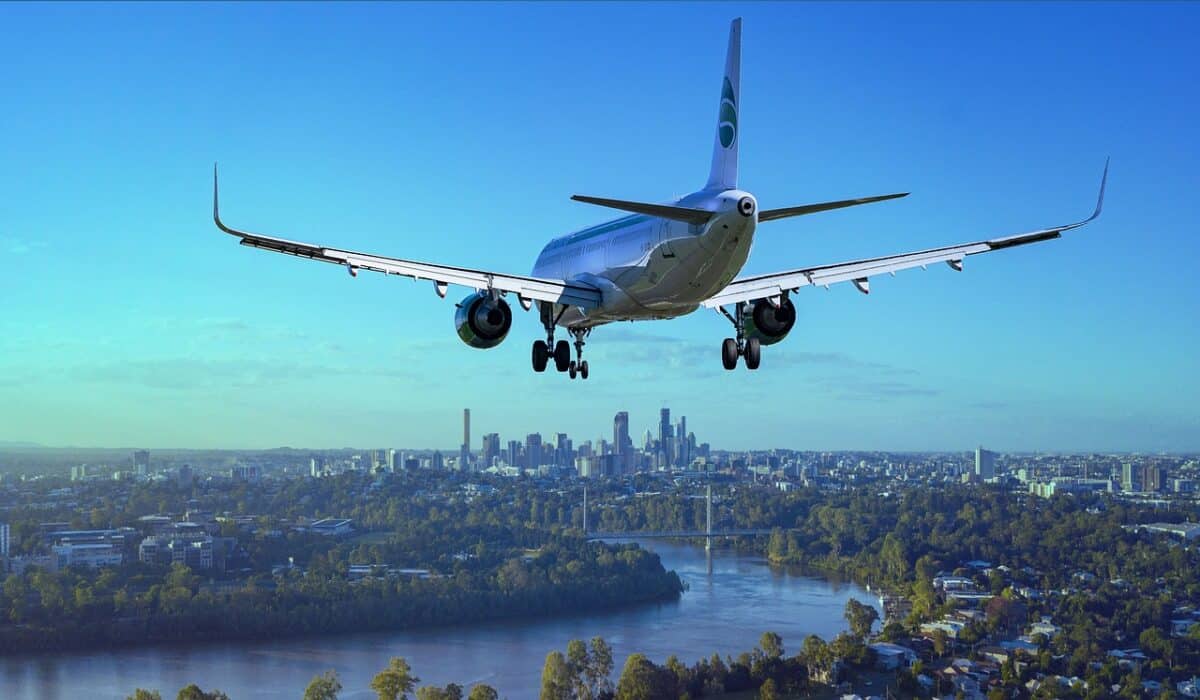
High atmospheric pressure alters air density, which can influence aircraft performance. Pilots must adjust for these changes, especially during takeoff and landing. Weather forecasts rely on monitoring pressure changes to predict conditions that might affect flights. Airlines and meteorologists use this data to ensure safe and efficient travel.
Influence on Agriculture
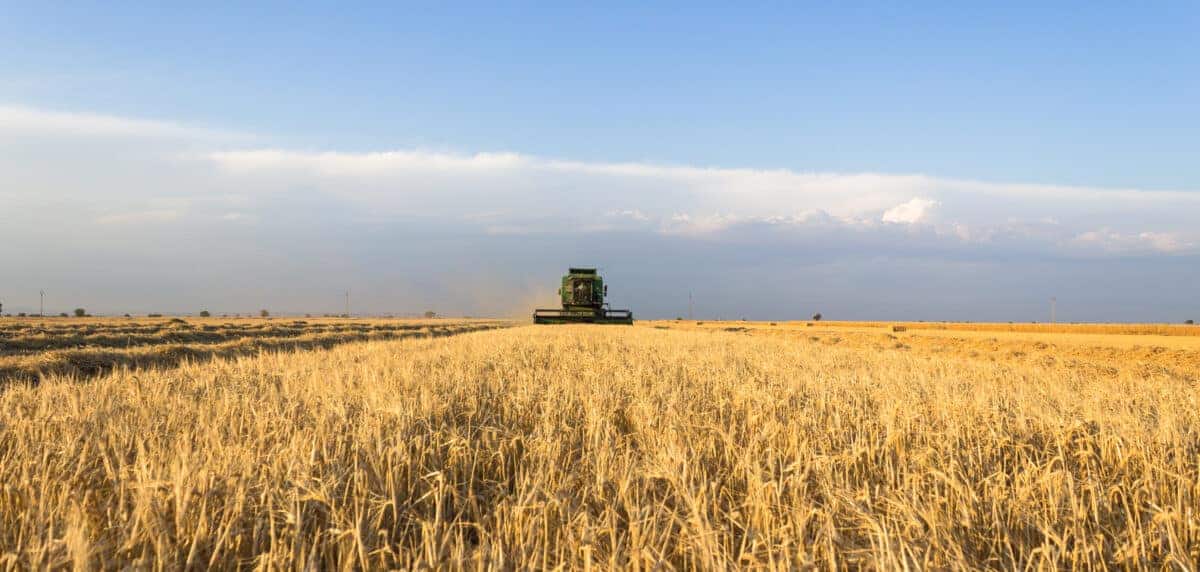
Extreme high pressure can impact agriculture by affecting soil moisture and precipitation patterns. Prolonged periods of high pressure can lead to drought conditions, which reduce crop yields and stress livestock. Farmers must adapt to these changes by adjusting irrigation methods and selecting drought-resistant crops to maintain food production.
High Pressure and Oceanic Conditions

Atmospheric pressure also affects ocean currents and sea levels. High pressure systems can contribute to changes in wind patterns, which influence ocean circulation. These shifts can alter marine ecosystems and impact fisheries by changing the availability of nutrients and fish migration patterns. Coastal regions may also experience variations in sea levels due to the atmospheric pressure changes.
The Role of Climate Change

Some scientists suggest that climate change may be influencing the frequency and intensity of high-pressure systems. As global temperatures rise, the distribution of pressure systems could shift, leading to more extreme weather events. Studying these trends helps meteorologists and climate researchers better understand long-term changes in atmospheric behavior and prepare for future impacts.
Conclusion

Record-high atmospheric pressure can create stable weather conditions, but it also brings challenges such as extreme cold, heatwaves, and health effects. While it reduces storm activity, it can still impact daily life and transportation. Monitoring atmospheric pressure helps experts anticipate its effects and keep people informed.

- The Perfect Pet for Each Zodiac Sign - July 7, 2026
- The Wild Animal That Embodies Your Zodiac Sign’s Spirit - July 6, 2026
- 7 Steps to Planting Admirably Beautiful Bluebonnets - July 6, 2026