

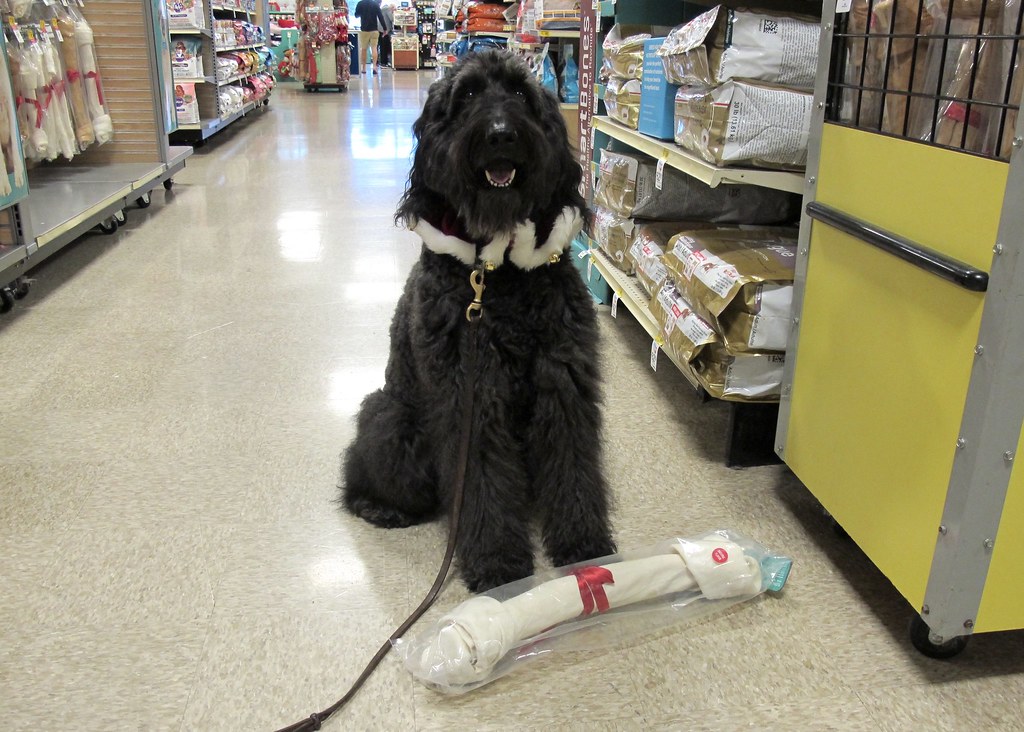

A Surprising Chew That Packs a Punch (Image Credits: Flickr)
Dog owners often reach for femur bones as a natural treat, drawn by their size and appeal, yet these chews carry both rewards and serious potential pitfalls that demand careful consideration.
A Surprising Chew That Packs a Punch
Each year, thousands of dogs end up in veterinary clinics due to bone-related injuries, highlighting the double-edged nature of femur bones as chews. These large thigh bones from cattle provide a robust option for dogs, satisfying their instinct to gnaw while offering tangible health perks. Owners report that their pets stay engaged for hours, turning what could be destructive boredom into productive activity.
Beyond entertainment, femur bones contribute to dental care by scraping away plaque as dogs chew, potentially lowering the chances of gum problems. The marrow inside delivers a flavor boost that excites even picky eaters, and the bones supply calcium essential for strong skeletal health. Still, this appeal comes with caveats; not every dog handles them the same way, and improper use can lead to emergencies.
Unpacking the Hidden Dangers
Femur bones pose risks that escalate quickly if overlooked, particularly when cooked or ill-suited to a dog’s size. Splintering occurs as dogs bite down, creating sharp pieces that injure mouths, lodge in throats, or pierce intestines, sometimes requiring surgery. Choking stands out as an immediate threat, with larger fragments blocking airways and demanding swift intervention.
Gastrointestinal troubles follow close behind, including vomiting, diarrhea, or blockages that cause constipation and pain. Smaller breeds face amplified dangers from oversized bones, while aggressive chewers might crack teeth on the dense structure. Owners must recognize these issues early – watch for excessive drooling, lethargy, or appetite loss – to prevent minor problems from becoming life-threatening.
Safe Ways to Offer Bones and Better Alternatives
To minimize hazards, select raw femur bones from trusted sources, ensuring they match your dog’s breed and strength; freeze them for freshness and thaw slowly in the fridge. Supervision remains non-negotiable – limit sessions to 15-20 minutes and discard any bone showing cracks or small bits. Veterinary guidelines emphasize raw over cooked options, as heat makes bones brittle and prone to breaking apart dangerously.
For safer chewing, consider these alternatives that mimic the satisfaction without the peril:
- Carrots or apple slices for low-calorie crunch and vitamins.
- Dehydrated sweet potato chews, which support digestion and provide fiber.
- Bully sticks, fully digestible protein treats ideal for moderate chewers.
- Dental-specific products like vegetable-based sticks that clean teeth gently.
These options keep dogs occupied while avoiding bone fragments, and many come in sizes tailored to different breeds.
Veterinary Guidance on Bone Choices
Professionals consistently stress portion control and breed-specific sizing when recommending femur bones, noting their value for larger dogs under close watch. Raw versions edge out processed ones for nutrient retention, but even then, they advise against daily use to prevent overconsumption of minerals. Consultations help tailor advice, especially for pups with pre-existing conditions like sensitive stomachs.
| Practice | Reason |
|---|---|
| Supervise always | Prevents swallowing hazards |
| Opt for raw | Reduces splinter risk |
| Size appropriately | Matches dog’s jaw strength |
Following such steps allows enjoyment without undue worry, aligning with broader pet care standards.
Key Takeaways
- Raw femur bones offer dental and mental benefits but demand strict oversight to avoid splinters or choking.
- Watch for distress signals like vomiting or lethargy, and seek vet help promptly.
- Explore vegetable-based or digestible chews as reliable, low-risk substitutes.
In the end, femur bones can enrich a dog’s routine when handled responsibly, but prioritizing safety through supervision and alternatives often proves the wiser path for long-term health. What experiences have you had with dog chews? Share in the comments below.

- Urban Coyotes Show Remarkable Adaptability, Learning to Thrive in City Environments - July 22, 2026
- Beavers Are Nature’s Engineers, Creating Vital Habitats for Other Wildlife Species - July 21, 2026
- The Recovery of the California Condor Offers Hope for Other Critically Endangered Birds - July 21, 2026