
Think about the last time you saw a rat scurrying near a rubbish bin, or a pigeon waddling across a city square, and instinctively felt a jolt of disgust. Now here’s the uncomfortable question: did you feel that way because the animal was genuinely dangerous, or simply because someone, somewhere, decided it should be despised?
The line between “pest” and “misunderstood creature” is far blurrier than most of us care to admit. Across history, culture, ecology, and human psychology, the label of “pest” gets applied in ways that are surprisingly inconsistent, emotionally driven, and sometimes outright unfair. So let’s dive in, because the answer might genuinely surprise you.
The Definition of ‘Pest’ Is More Human Than Scientific

Here’s the thing most people never stop to consider: the word “pest” isn’t really a biological category. A pest is any organism harmful to humans or human concerns, particularly creatures that damage crops, livestock, and forestry or cause a nuisance to people, especially in their homes. Notice something? The definition is entirely about us.
Most wildlife species are considered pests only in relatively few circumstances and may be neutral or highly desirable in most situations. That’s a staggering truth hiding in plain sight. The same crow that ruins a farmer’s crop is, in a different forest, a highly intelligent and ecologically critical bird.
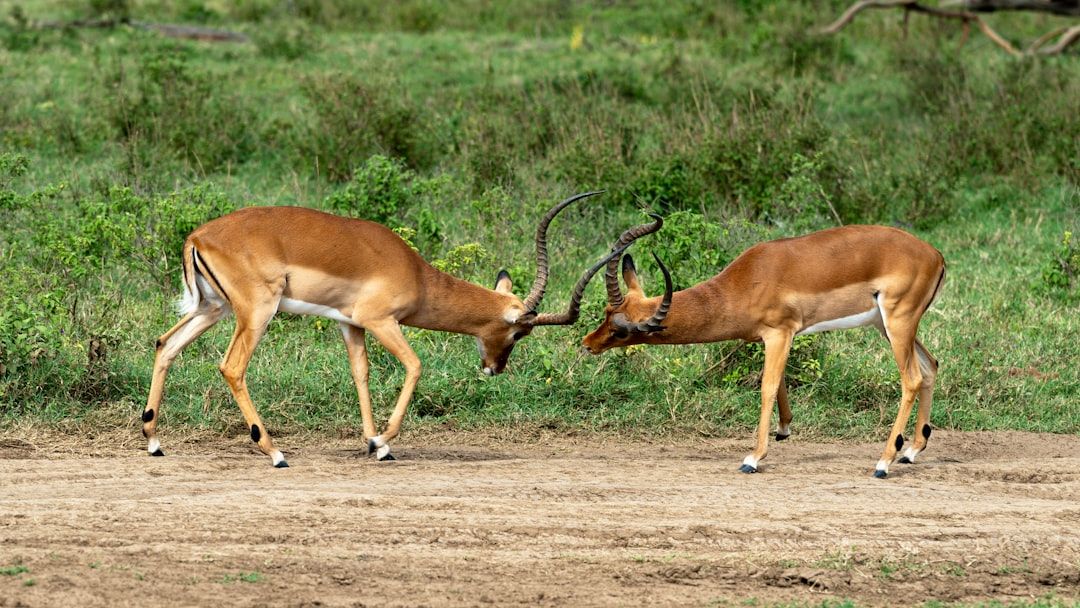
Animals are considered pests or vermin when they injure people or damage crops, forestry, or buildings. That sounds reasonable enough. Until you realize that by that logic, elephants trampling a village cornfield in Kenya are “pests,” while the exact same elephants draw tourists from around the world just a few miles away. Context does all the heavy lifting.
Honestly, I think there’s something almost comically self-centered about the way humans have built this entire category of “pest” that essentially means: “animal that inconveniences me right now.” The label shifts depending on who’s watching, from where, and what they stand to lose.
Location, Location, Location: When ‘Place’ Creates the Problem
One of the most fascinating and underappreciated factors in the pest debate is physical location. It’s not about what the animal does. It’s about where it does it.
The construction of animals as problems relies upon cultural understandings of nature and culture relationships. Animals have their place, but are experienced as “out of place” and often problematic when they are perceived to transgress spaces designated for human habitation. Think of it like a neighbor analogy. Your neighbor’s dog is adorable when it stays in their yard. The moment it digs up your garden, suddenly it’s a problem animal.
We think of pests in the same way we think of weeds. Weeds are plants that are out of place and pests are animals that are out of place. But that then begs the question: who determines what an animal’s place is? That is the precise question that unravels the whole system.
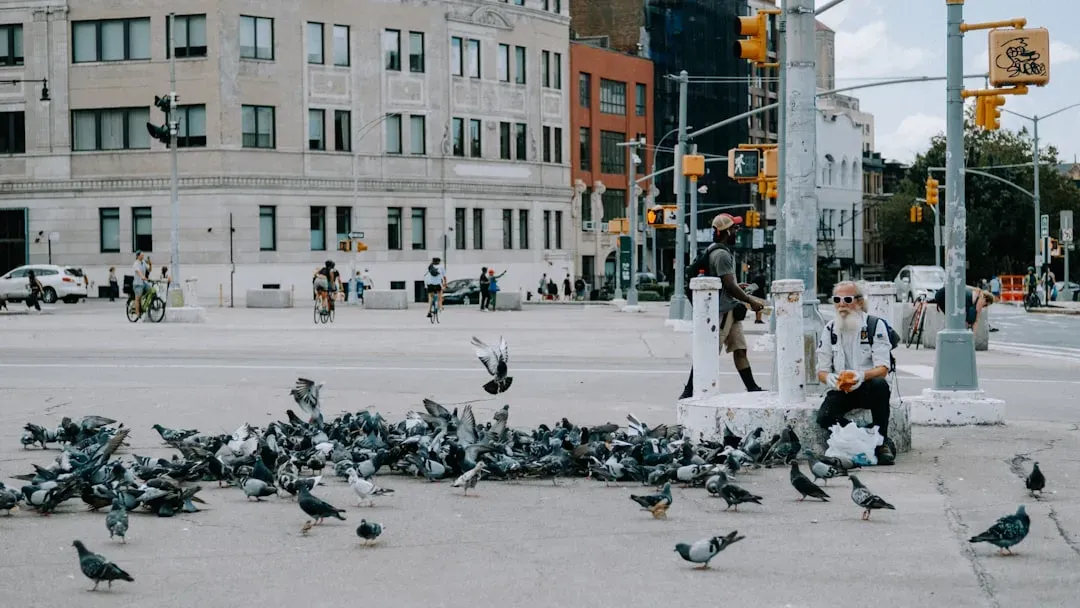
Pigeons cross those boundaries frequently and visibly, inhabiting the spaces that we think of as our own. More than most other urban animals, they prefer concrete and sidewalks and ledges over grass and shrubs. Rats will retreat to the sewers and remain out of view, but pigeons invade the spaces we’ve designated for people. That visibility alone is what earned them their infamous “rats with wings” label. Not disease. Not real danger. Just the audacity to exist somewhere humans find inconvenient.
The Power of Cultural Perception and Changing Utility
Perhaps the most emotionally striking factor in all of this is how radically human culture shapes which animals earn the “pest” label. And it shifts over time in ways that should make all of us uncomfortable.
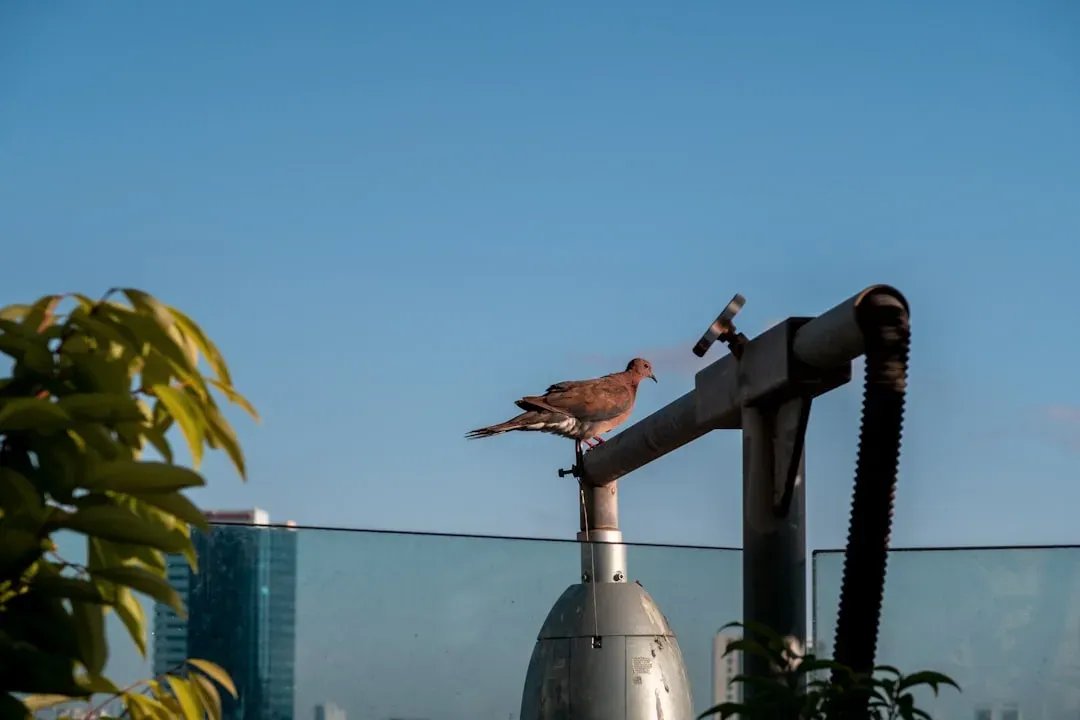
We domesticated the pigeon around 5,000 years ago because pigeons are delicious, their poop makes excellent fertilizer, and pigeons have an amazing ability to return to their roost every day. They made great food, great fertilizer, and excellent messengers. We bred these animals and valued them for millennia. Then came the telephone, chemical fertilizers, and factory chicken farming.
We developed the telephone, and chemical fertilizer, and chicken. The pigeon lost its value. It continued doing what the pigeon has always done. It didn’t change. We changed. We stopped needing it, so we stopped valuing it. And from there, the cultural slide into “pest” status was swift and merciless.
While pigeons have been our neighbors in cities for thousands of years, they were problematized only recently, going from innocent bird, to mundane nuisance, to public enemy in just a few decades. The early mentions of pigeons in the late 19th century were actually sympathetic, condemning the sport of pigeon shooting. That transformation, from cherished to despised within a single century, tells you everything about how arbitrary the “pest” designation truly is.
While it may not seem important if certain species are more beloved than others, social attitudes can influence which animals people protect and which they kill without second thought. The way we talk about animals decides their fate. That is a genuinely haunting thought. Language builds narrative. Narrative builds policy. Policy builds extermination programs.
The Ecological Reality: Many ‘Pests’ Are Quietly Essential
Let’s be real. Strip away the cultural bias for a moment and look at what these so-called pests are actually doing in their ecosystems. The picture changes dramatically.
Opossums don’t always win popularity contests, but they provide serious benefits. These quiet, nocturnal animals consume large numbers of ticks each season, helping reduce the spread of tick-borne illnesses. They also eat insects and carrion, acting as natural cleanup crews. The opossum. Arguably one of the ugliest, most uninviting animals in the North American backyard. Also quietly one of the most useful things living near your home.
Bats, often associated with spooky images, are actually incredible creatures that play a vital role in pest management. These nocturnal mammals are essential for the ecosystem as they aid in pollination and seed dispersal. Bats are natural pest controllers, consuming vast quantities of insects. A single bat colony near your property is essentially a free, silent mosquito control service working through the night.
Despite overwhelming attention being given to crop pests, most animals are either benign or beneficial to crop production. Species considered benign have no discernible impact on crop productivity, while beneficial species provide key ecosystem services such as pollination or pest control. This is a critical point that the general public almost never hears. The “pest” category is actually a tiny fraction of the animal kingdom. The vast majority of creatures humans interact with are either neutral or actively helpful.
Toads can eat up to 10,000 bugs in one summer, making them an efficient and earth-friendly alternative to common pesticides. Ten thousand. In a single season. From one toad that most gardeners would happily shoo away without a second thought.
Economic Harm Versus Ecological Role: The Real Balancing Act
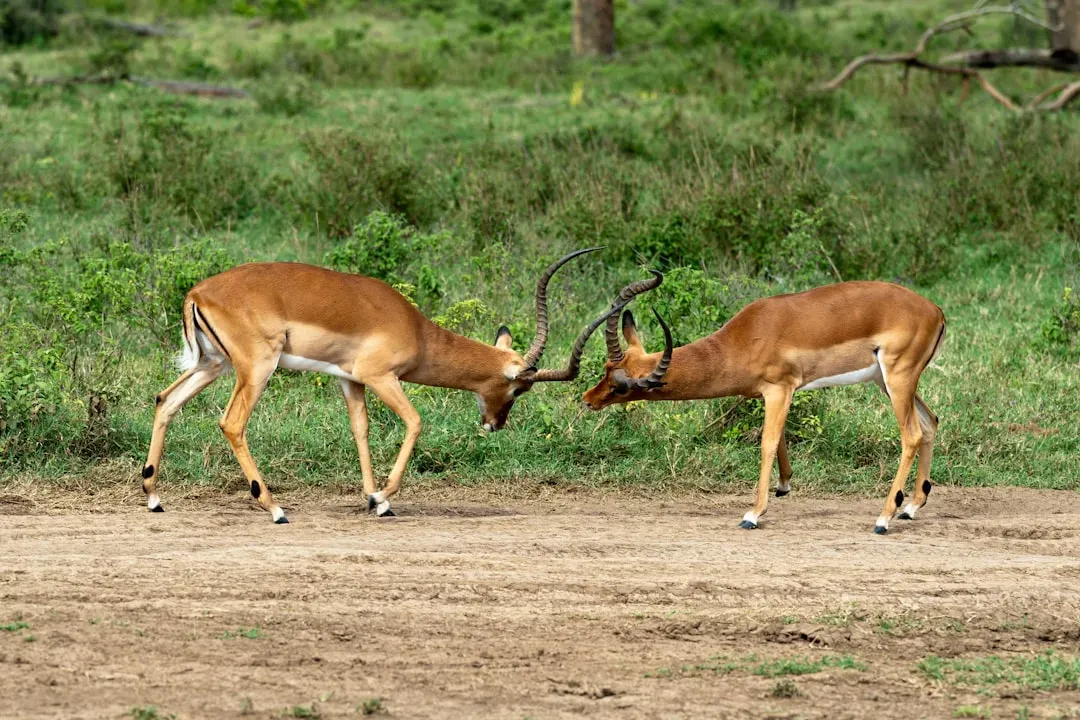
There are, of course, cases where the pest label does carry real weight. I know it sounds like I’ve been defending every creature with claws and a bad reputation, but nuance matters here.
Animal pests are defined as vertebrate or invertebrate species that negatively impact humans, including causing economic losses in agricultural crop production and transmitting diseases. That is a legitimate and measurable standard. When a locust swarm obliterates entire growing seasons in East Africa, the suffering caused is not a matter of perspective.
Elephants are regarded as pests by the farmers whose crops they raid and trample. Mosquitoes and ticks are vectors that can transmit ailments but are also pests because of the distress caused by their bites. Grasshoppers are usually solitary herbivores of little economic importance until conditions are met for them to enter a swarming phase, become locusts, and cause enormous damage. These are real examples where the pest classification is entirely justified. Context matters enormously. A deer in a forest is majestic. That same deer in your vegetable garden three nights running is genuinely destructive.
Pest animal management should be based on actual rather than perceived impacts and should be supported by monitoring to measure whether impact reduction targets are being achieved. That phrase “actual rather than perceived impacts” is doing an enormous amount of work. It draws a firm line between science-based pest management and fear-based or aesthetics-driven persecution.
We create every single pest we have because pests are about what we want and what we believe about our environments. We created pests. Powerful words, and honestly, a little difficult to sit with.
Conclusion: The Pest in the Mirror
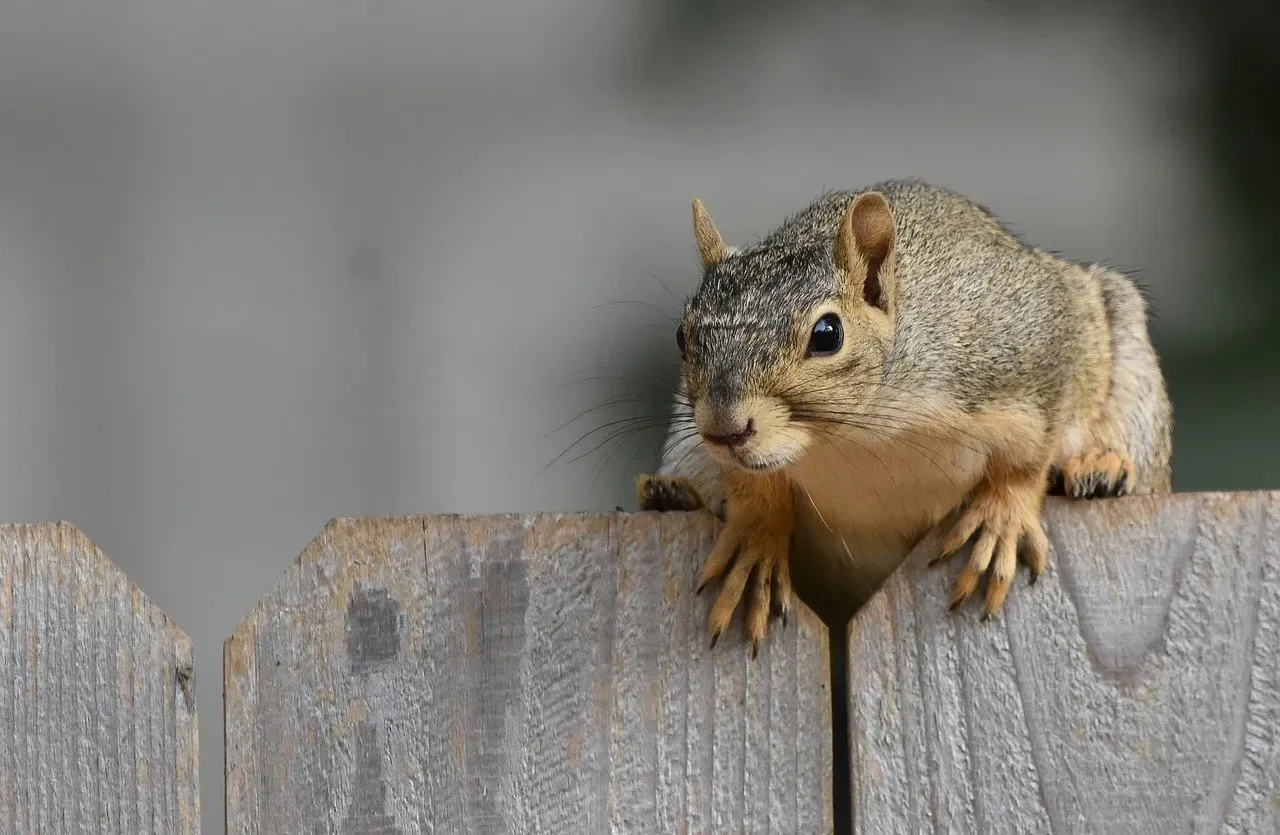
Here is the uncomfortable truth the science keeps pointing back to: the “pest” label says at least as much about us as it does about the animal wearing it. It reflects what we value, what we fear, what we believe we deserve, and what we think nature owes us.
House cats have managed to largely avoid being labeled as pests, despite having contributed to the extinction of at least 63 species and counting. Mice, deer, and certain types of insects are all considered friends or foes depending on the situation. Let that sink in. We’ve genuinely given a pass to one of the most ecologically destructive domestic animals on earth simply because we love them.
We can change what we call pests by changing our perspective, by changing the way we live with these animals. That is not naive idealism. It’s a practical, evidence-backed argument. When we design cities and farms that don’t inadvertently invite certain animals in and then punish them for arriving, we get fewer conflicts overall.
The next time you reach for the word “pest,” it might be worth pausing for just a moment. Ask whether the animal is truly causing measurable harm, or whether it has simply wandered into a space you’ve decided belongs only to you. That distinction, quiet and easy to miss, is the entire difference between pest and misunderstood neighbor.
What do you think – is it time we rethought which animals truly deserve the pest label, and which simply need a little more room to exist alongside us?

- 14 Quiet Signs Your Dog Knows Its Time Is Near and Wants You Close - July 22, 2026
- 10 Falcon Facts That Will Blow Your Mind - July 22, 2026
- 5 Incredible Migratory Journeys Animals Make Every Year - July 22, 2026