

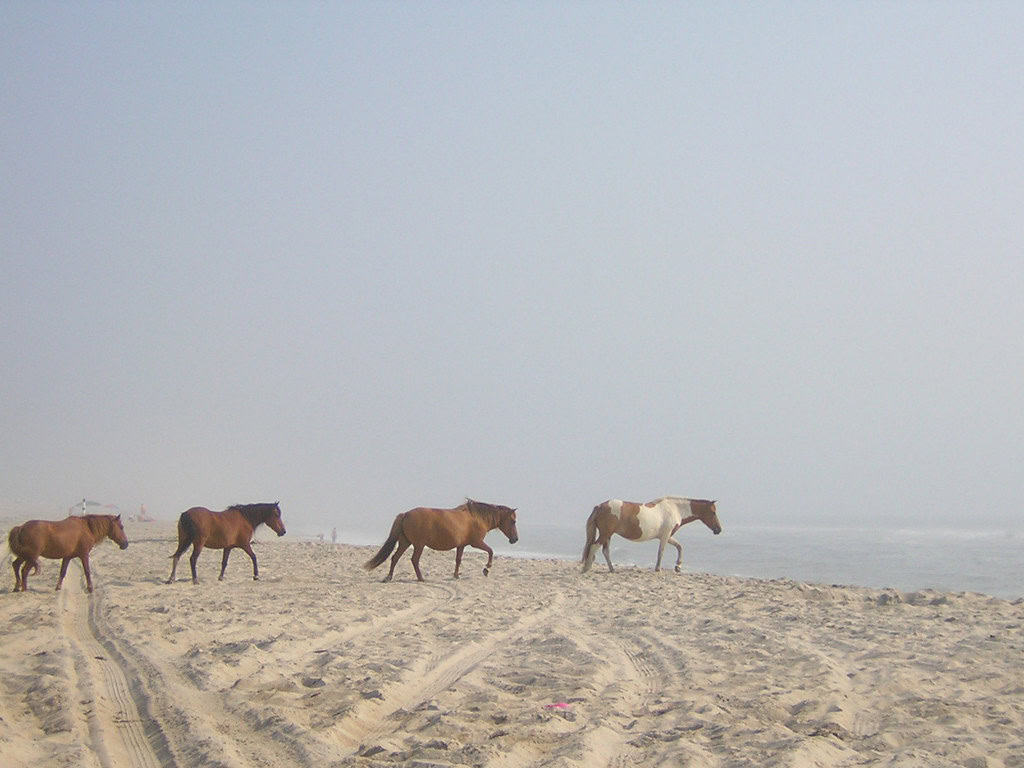
The deserts of the American West are home to thousands of wild horses, descendants of animals brought by Spanish explorers and later released or escaped from ranches and farms. These majestic creatures have become iconic symbols of American freedom and the untamed wilderness. However, their presence on public lands has sparked intense debate among conservationists, ranchers, government agencies, and horse advocates. As the Bureau of Land Management (BLM) continues its controversial wild horse management programs, a critical question emerges: what would happen to desert ecosystems if these wild horses were removed? This article explores the complex ecological, cultural, and management implications of removing wild horses from U.S. desert environments.
The Historical Context of Wild Horses in American Deserts
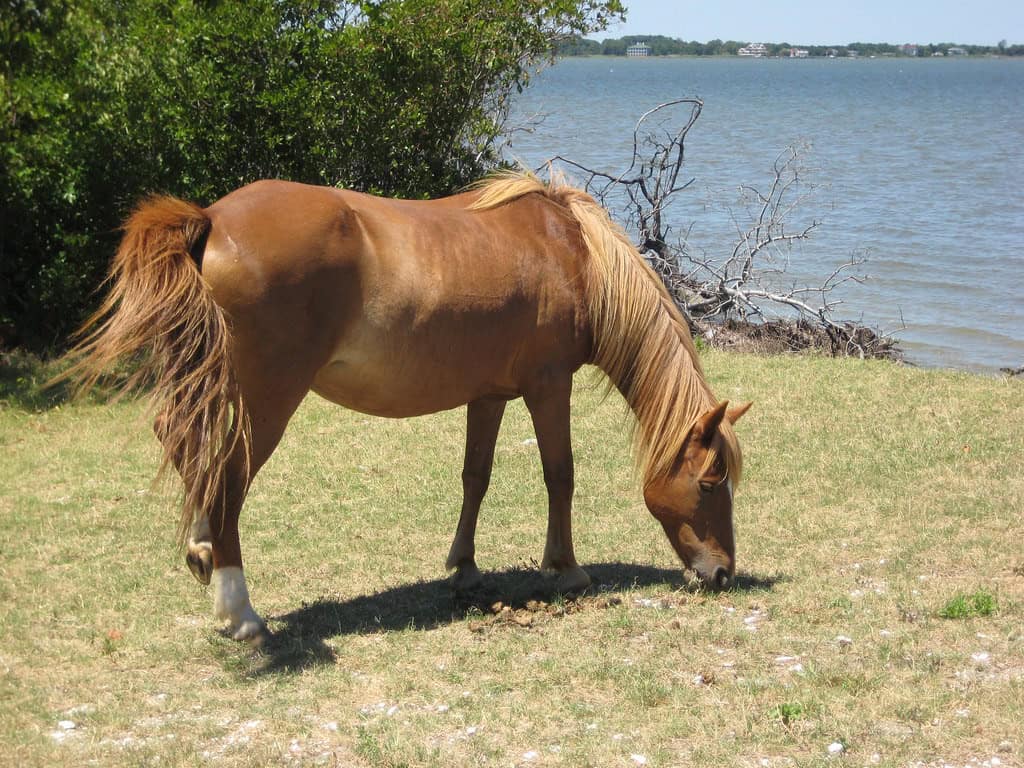
Wild horses, or mustangs, have inhabited North American landscapes for centuries, though they are not native in the strictest sense. Modern horses evolved in North America millions of years ago but went extinct approximately 10,000 years ago. The horses we see today descended from domesticated horses reintroduced by European colonizers, primarily Spanish explorers in the 16th century. Over generations, these horses established feral populations across the American West, adapting to harsh desert conditions and becoming integral parts of these ecosystems.
By the early 20th century, wild horse populations had declined dramatically due to capture for military use, slaughter for pet food, and habitat loss. This decline led to public outcry and eventually to the Wild Free-Roaming Horses and Burros Act of 1971, which declared these animals “living symbols of the historic and pioneer spirit of the West” and mandated their protection. Today, approximately 86,000 wild horses roam across public lands, far exceeding the BLM’s designated population target of about 27,000 animals, creating the ongoing management challenges we see today.
Current Management Approaches and Controversies
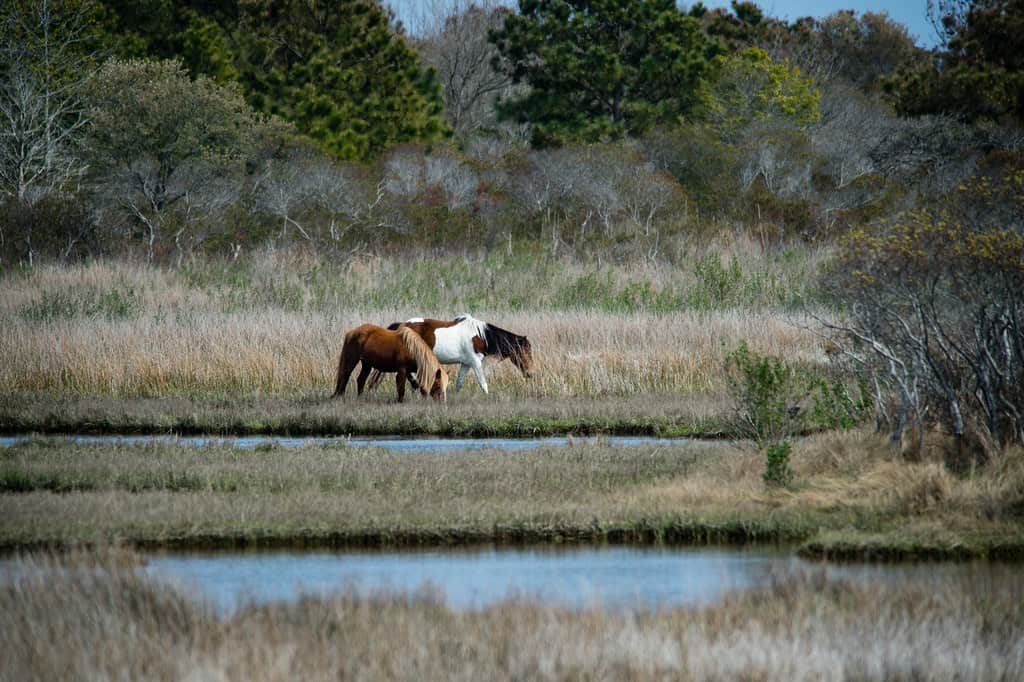
The Bureau of Land Management currently employs several approaches to manage wild horse populations, including helicopter roundups, fertility control, and adoption programs. The most controversial method—helicopter roundups—involves using aircraft to herd horses into temporary corrals. These operations have been criticized for causing stress, injury, and occasionally death to the animals. Once captured, horses are either offered for adoption, sent to long-term holding facilities, or, in some cases, sold to private buyers.
These management approaches have sparked intense debate. Horse advocates argue that roundups are inhumane and unnecessary, while ranchers and some conservationists contend that overpopulation of horses damages fragile desert ecosystems and competes with livestock for limited resources. The BLM spends approximately $90 million annually on its wild horse and burro program, with most funds going toward maintaining horses in holding facilities rather than managing them on the range.
Ecological Impact of Wild Horses on Desert Environments

Wild horses interact with desert ecosystems in complex ways. As large herbivores, they consume approximately 1.5% of their body weight in forage daily—about 15-20 pounds for an average adult horse. Their grazing behavior differs from that of native wildlife and domestic livestock; horses use their front teeth to clip vegetation close to the ground and can consume coarser vegetation that other animals avoid. This grazing behavior can significantly impact plant communities, especially in riparian areas where horses often congregate.
Research has documented both negative and positive ecological effects of wild horses. Negative impacts include soil compaction, vegetation loss around water sources, and competition with native wildlife for limited resources. However, some studies suggest that horses may also provide ecological benefits, such as seed dispersal, creating trails that serve as firebreaks, and even improving soil fertility through manure deposition. These complex interactions make it challenging to predict exactly how desert ecosystems would respond if horses were removed entirely.
Water Resources and Riparian Areas

Perhaps the most significant ecological impact of wild horses occurs around desert water sources. In arid environments, water is a precious and limited resource, and horses can spend substantial time at springs, seeps, and streams. Studies have shown that heavy use by horses can lead to trampling of vegetation, soil erosion, and water quality degradation in these sensitive riparian zones. Native wildlife species that depend on these water sources may be negatively affected by horse activity.
If wild horses were removed from desert landscapes, riparian areas would likely experience the most immediate and visible recovery. Vegetation around water sources would likely rebound, potentially improving habitat for native fish, amphibians, and aquatic invertebrates. Water quality might improve as well, with reduced turbidity and bacterial contamination from horse waste. However, the recovery pattern would depend on many factors, including the presence of other large herbivores such as cattle and the management approaches applied to these areas after horse removal.
Competition with Native Wildlife

Wild horses compete with native wildlife for resources in desert ecosystems. Desert bighorn sheep, pronghorn antelope, mule deer, and various small mammal species must share limited forage and water with horse herds. Research has documented spatial displacement of native wildlife from water sources when horses are present, suggesting that competition does occur. However, the extent and significance of this competition varies widely depending on local conditions, population densities, and seasonal factors.
If horses were removed, some native wildlife populations might benefit from reduced competition. Desert bighorn sheep, which are particularly sensitive to disturbance at water sources, might reoccupy areas they had abandoned due to horse presence. Small mammal populations might increase in response to greater vegetation availability. However, these responses would not be uniform across all ecosystems or wildlife species, and other factors—including climate change, invasive species, and human activities—would continue to influence wildlife populations regardless of horse presence or absence.
Plant Communities and Vegetation Dynamics

Desert plant communities have evolved with grazing pressure from native herbivores, but the grazing behavior of horses differs from that of native species. Horses consume more forage per individual than smaller native herbivores and can significantly reduce plant biomass in areas where they concentrate. They also selectively graze on certain plant species, potentially altering plant community composition over time. In some cases, heavy horse grazing has been associated with increases in invasive plant species that are less palatable or more resistant to grazing.
If wild horses were removed, plant communities would likely undergo succession toward states more similar to those that existed before horse introduction or population increase. Native grasses and forbs might increase in abundance and diversity, particularly in heavily grazed areas. However, the trajectory of plant community recovery would depend on many factors, including the presence of invasive plant species, climate conditions, and management actions. In some cases, the removal of grazing pressure could actually favor the spread of certain invasive plants that benefit from reduced competition with native species.
Soil Compaction and Erosion

Wild horses impact desert soils through hoof action, which can lead to soil compaction and increased erosion rates, particularly in heavily used areas such as trails and around water sources. Compacted soils have reduced water infiltration capacity, which can increase surface runoff and erosion during rain events. This impact is particularly significant in desert environments where soil formation is extremely slow and recovery from disturbance can take decades or centuries.
The removal of wild horses would likely lead to gradual improvements in soil conditions in areas that had experienced heavy use. Reduced trampling would allow for natural soil recovery processes, including the activities of soil microorganisms, insects, and small burrowing mammals that help maintain soil structure and fertility. However, the rate of recovery would vary depending on climate, soil type, and the severity of previous impacts. In some heavily degraded areas, active restoration efforts might be necessary to accelerate recovery.
Cultural and Historical Significance

Beyond ecological considerations, wild horses hold immense cultural and historical significance in the American West. They are powerful symbols of freedom and the frontier spirit for many Americans, and their presence on the landscape connects present-day observers to the region’s colonial and indigenous past. Native American tribes, particularly those with strong horse traditions, often view wild horses as culturally significant animals deserving of protection and respect.
The removal of wild horses would represent a significant cultural loss for many communities and individuals who value these animals as living heritage. Tourism related to wild horse viewing would decline, potentially affecting local economies in regions where wild horse populations are a draw for visitors. The aesthetic value of seeing horses running free across desert landscapes—an experience that inspires artists, photographers, and ordinary citizens—would be lost. These cultural and historical factors must be weighed alongside ecological considerations in any comprehensive assessment of wild horse management.
Predator-Prey Dynamics

In natural ecosystems, large herbivore populations are typically regulated by predators. However, large predators capable of hunting adult horses—primarily mountain lions and wolves—have been eliminated or severely reduced across much of the American West. This lack of natural predation has contributed to horse population growth rates of approximately 15-20% annually in some herds. The absence of predation pressure also affects horse behavior, allowing them to utilize habitats and resources that might otherwise be too risky.
If horses were removed from desert ecosystems, predator-prey dynamics would shift. Predators that occasionally take foals or weakened adult horses would need to rely more heavily on native prey species. This could potentially increase predation pressure on species like mule deer or pronghorn. However, in most areas, the effect would likely be minimal since horses currently make up only a small portion of most predators’ diets. The more significant impact would be on scavengers such as coyotes, eagles, and vultures, which benefit from horse mortalities, particularly during harsh winter conditions.
Economic Implications of Horse Removal
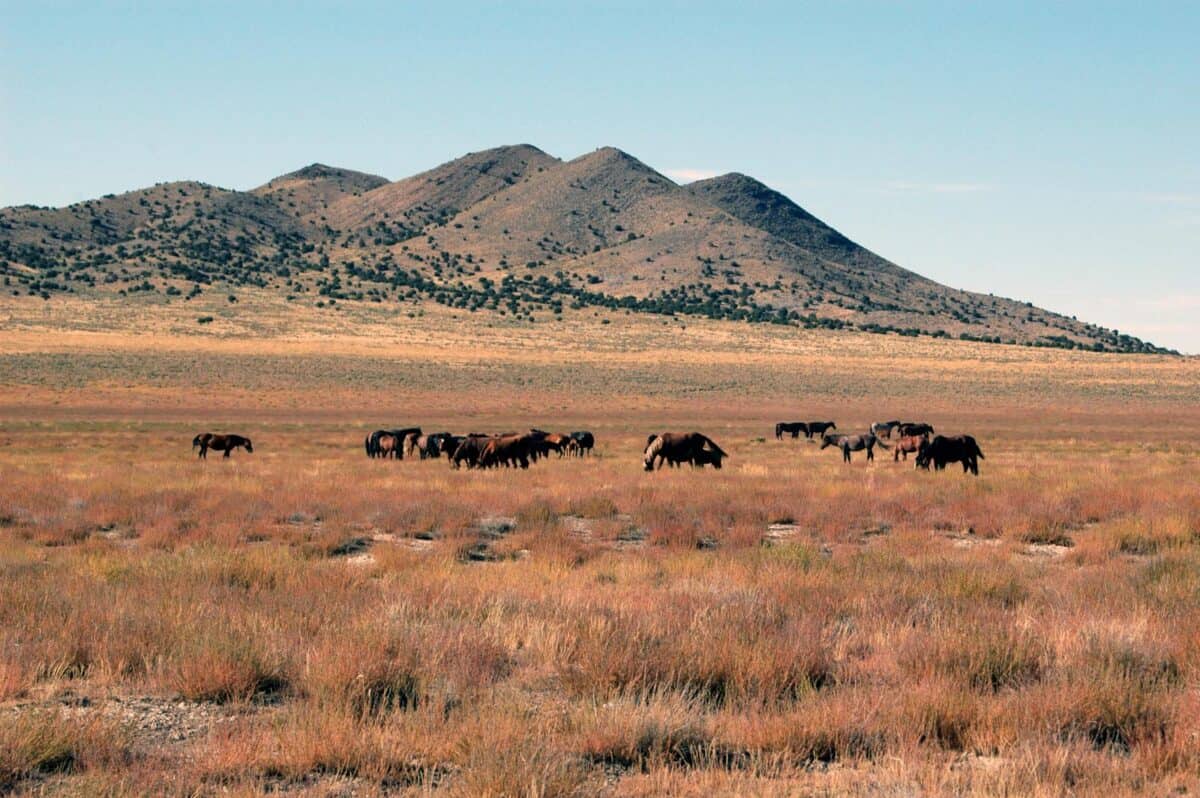
The management of wild horses carries significant economic costs, with the BLM spending approximately $90 million annually on its wild horse and burro program. Much of this budget goes toward maintaining horses in long-term holding facilities, which costs approximately $5 per day per horse. The complete removal of wild horses from desert ecosystems would likely increase these costs substantially in the short term due to expanded roundup operations and the need for additional holding capacity or alternative solutions for removed horses.
From another economic perspective, the presence of wild horses affects rangeland allocation for livestock grazing. Public lands where horses roam are typically managed for multiple uses, including cattle and sheep grazing. Horse removal would potentially allow for increased livestock allocations, benefiting ranching operations that hold grazing permits on these lands. However, this economic benefit would need to be weighed against the economic losses to tourism and recreation industries that benefit from wild horse viewing opportunities, as well as the intrinsic ecological and cultural values that wild horses provide.
Alternative Management Approaches

Rather than complete removal, many experts advocate for more balanced approaches to wild horse management. Fertility control, particularly the use of immunocontraceptive vaccines like PZP (porcine zona pellucida), offers a humane alternative for population control. These vaccines prevent pregnancy in treated mares for 1-2 years and can be administered via darting, avoiding the stress and risk of roundups. When implemented consistently, fertility control can gradually reduce population growth rates and eventually lead to population stabilization or decline.
Other alternative approaches include strategic fencing to protect sensitive habitats, creation of designated wild horse territories with appropriate population targets based on ecological carrying capacity, and increased adoption efforts through programs like the BLM’s Adoption Incentive Program. Some advocates have proposed creating dedicated wild horse preserves on private or public lands specifically managed for horse welfare and ecosystem health. These approaches offer middle-ground solutions that could address ecological concerns while preserving wild horse populations on the landscape.
Conclusion: Balancing Ecological Health and Cultural Heritage

The question of what would happen if wild horses were removed from U.S. deserts has no simple answer. From an ecological perspective, the removal of horses would likely benefit some aspects of desert ecosystems, particularly riparian areas and heavily grazed plant communities. Native wildlife might experience reduced competition for resources, and soil conditions could gradually improve in areas of previous heavy use. However, these changes would not be uniform across all landscapes and would be influenced by many other factors, including climate change, invasive species, and human land use decisions.
From a cultural and historical perspective, the loss of wild horses would represent a significant diminishment of the American West’s living heritage. These animals have captured the public imagination and represent important cultural values of freedom and wildness. Their removal would sever a tangible connection to the region’s past and eliminate experiences valued by many Americans. The challenge facing land managers, conservationists, horse advocates, and the public is finding management approaches that balance ecological health with the preservation of cultural heritage.
The most promising path forward likely involves compromise—neither complete removal nor unmanaged population growth, but rather thoughtful management approaches that maintain sustainable horse populations on appropriate landscapes while protecting sensitive habitats and native species. This might include fertility control to stabilize populations, strategic placement of water sources to reduce impacts on riparian areas, and targeted management of specific herds based on local ecological conditions. By approaching wild horse management with scientific rigor, cultural sensitivity, and a willingness to seek middle ground, we can preserve both desert ecosystems and the wild horses that have become an integral part of the American landscape.
Ultimately, the debate over wild horses reflects broader questions about how we value and manage public lands in the face of competing priorities and limited resources. By engaging thoughtfully with the ecological, cultural, and economic dimensions of this issue, we can work toward solutions that honor both natural systems and human values.

From exploring the marine wonders in the Azores and witnessing the vast savannas of Kenya, to delving deep into the rich biodiversity of South Africa and traversing iconic landscapes in Australia and the US like Yellowstone, Chris's experiences are vast.
With a penchant for diving alongside sharks, the ocean holds a special place in his heart.
Through his academic insights, he champions wildlife conservation, striving with 'Animals Around The Globe' to cultivate a profound connection between humans and animals, enhancing our mutual appreciation.
Connect with him at Feedback@animalsaroundtheglobe.com.
- This Monkey Has a Mustache - July 21, 2026
- How Steve Irwin Changed the World’s View of Wildlife - July 21, 2026
- The Catfish That Caused Earthquakes in Japanese Folklore - July 21, 2026