


Wildlife mating rituals represent some of nature’s most fascinating and important behaviors. These carefully orchestrated interactions—from elaborate dances to competitive displays—have evolved over millions of years to ensure successful reproduction and species survival. While it may be tempting for wildlife enthusiasts, photographers, or casual hikers to observe these intimate moments up close, interrupting mating rituals can trigger a cascade of negative consequences that extend far beyond the immediate moment. Understanding these potential impacts is crucial for anyone who spends time in natural environments and encounters wildlife in their natural habitat.
The Ecological Importance of Mating Rituals
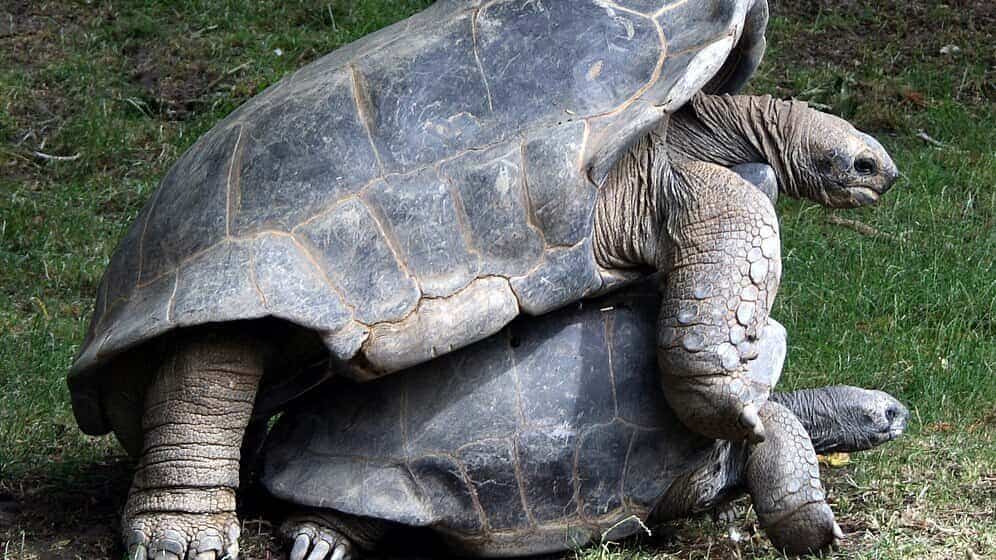
Mating rituals serve as essential evolutionary mechanisms that have developed over millennia to ensure species survival. These behaviors aren’t merely random acts but carefully designed systems that allow animals to select the most suitable partners, demonstrate genetic fitness, and maintain healthy populations. Many species only breed during specific seasonal windows, making successful mating during these periods critical for their continued existence. When these rituals are successful, they contribute to biodiversity maintenance and ecosystem health. The complex behaviors involved—from the elaborate tail displays of peacocks to the synchronized dances of grebes—represent significant energy investments by the animals, highlighting just how important these interactions are for reproductive success.
Immediate Behavioral Responses to Disturbance
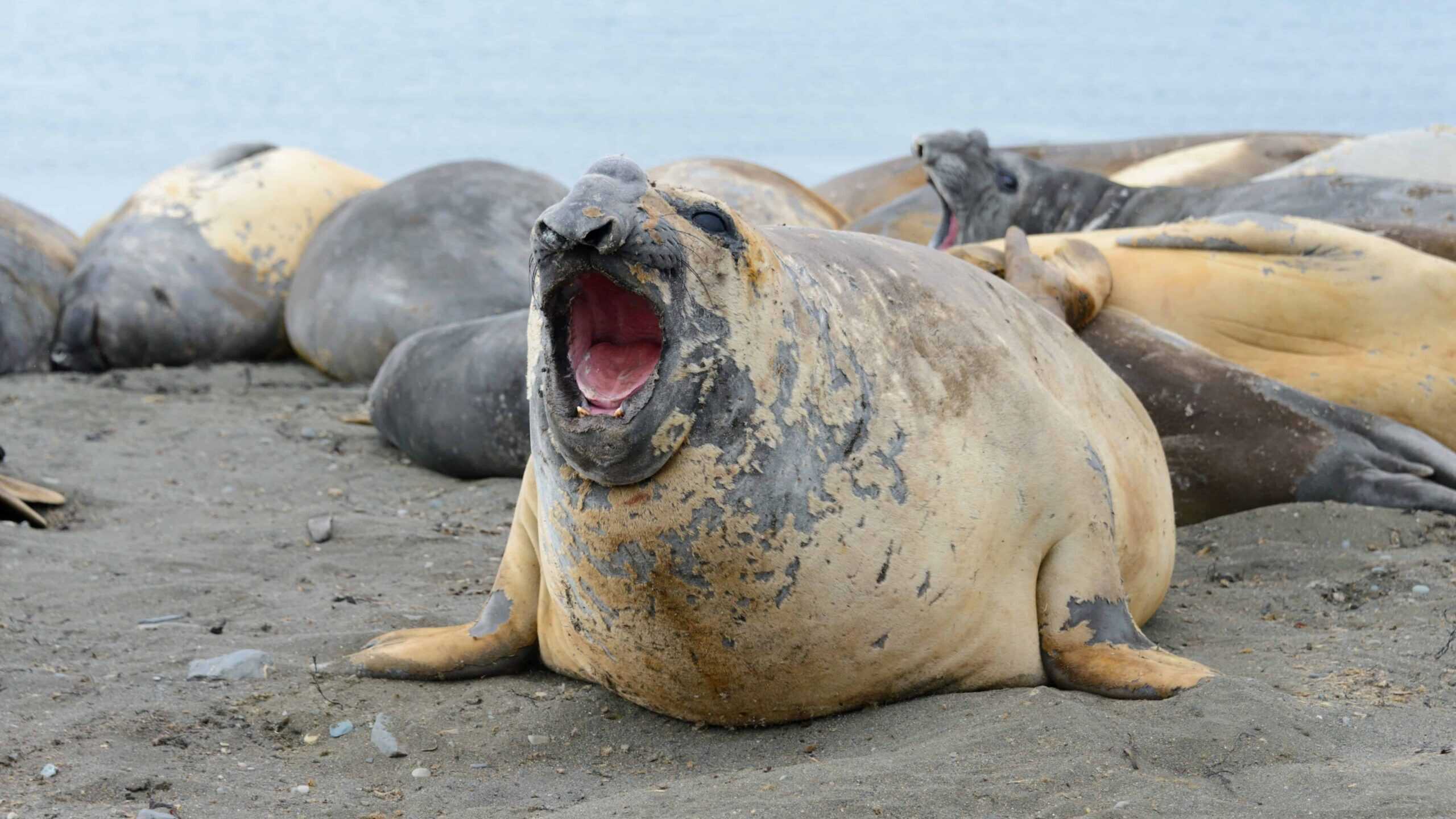
When humans or other intruders disrupt a mating ritual, wildlife typically responds with immediate defensive or evasive behaviors. Most commonly, animals will abruptly cease their mating activities and enter a heightened state of alertness. Flight responses are particularly common, with animals abandoning their potential mates to seek safety. Some species might exhibit stress behaviors such as freezing in place, vocalizing alarm calls, or displaying agitated movements. More aggressive species might even confront the perceived threat, particularly if the mating territory is being defended. These reactions divert critical energy away from reproduction and can completely terminate courtship behaviors that might have taken hours or days to develop to that point. Research has shown that even brief human presence can cause some bird species to abandon nesting sites for hours or even permanently.
Physiological Stress Responses
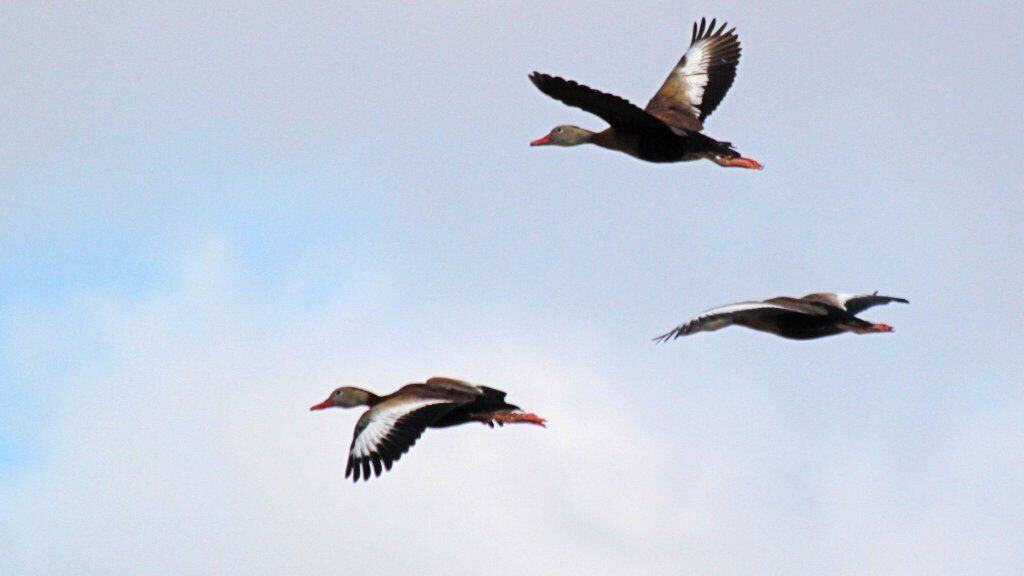
Beyond the visible behavioral changes, interrupting mating rituals triggers significant physiological stress responses in wildlife. When disturbed, animals experience immediate hormonal changes, including spikes in stress hormones like cortisol. These hormonal fluctuations can directly interfere with reproductive hormones, potentially reducing fertility or disrupting the timing of egg release in females. The body’s shift from reproductive mode to stress response mode diverts energy away from reproduction, which can be particularly problematic for species that have limited mating windows or are already nutritionally stressed. Studies on various bird species have documented increased heart rates, elevated body temperatures, and altered metabolic functions following human disturbances during breeding periods. In some cases, chronic exposure to such stressors can lead to long-term suppression of reproductive function, particularly in already vulnerable populations.
Failed Reproduction and Population Impacts
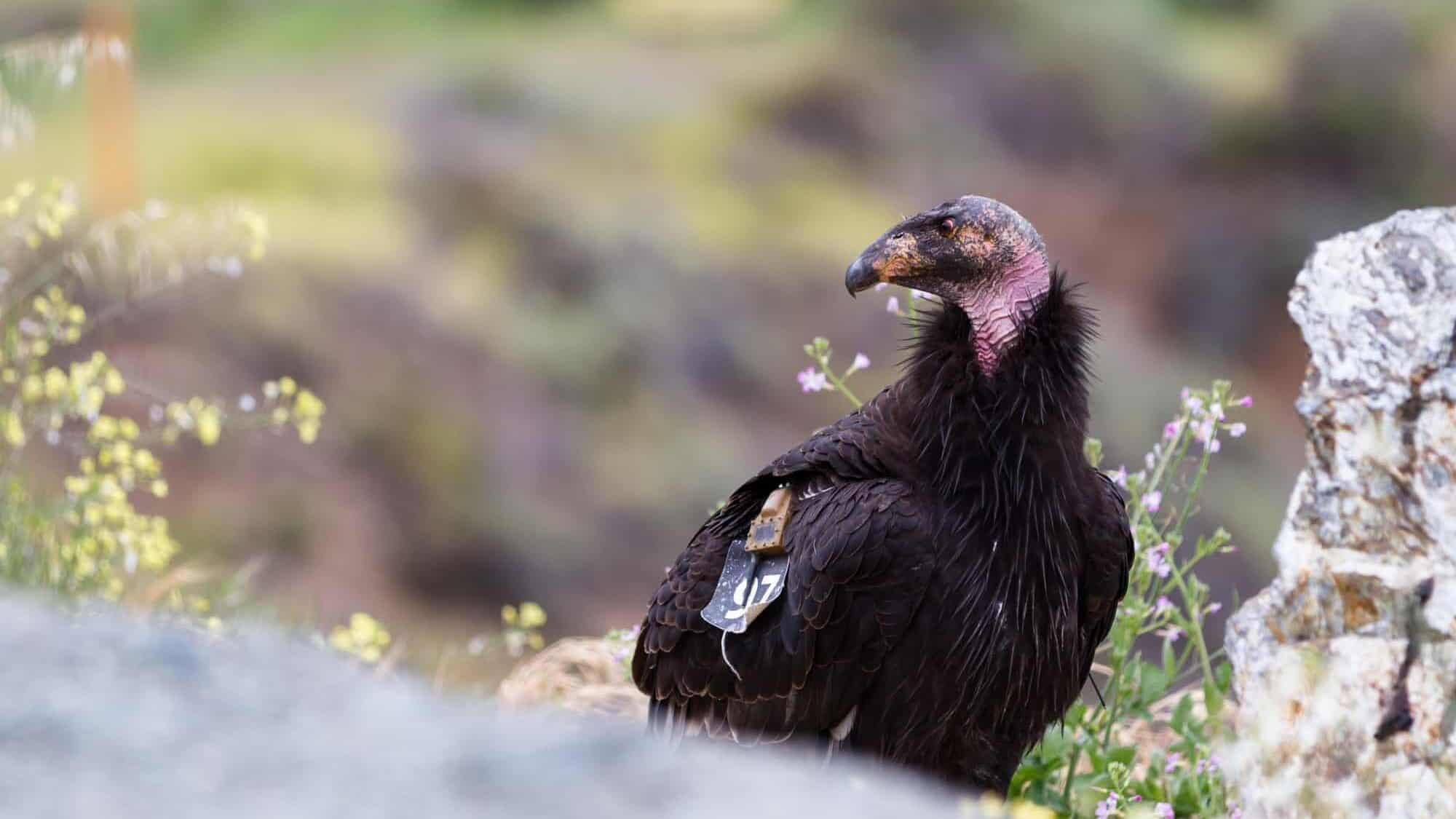
Perhaps the most direct consequence of interrupting wildlife mating rituals is failed reproduction. When courtship is disrupted, animals often cannot complete the necessary behaviors to ensure successful fertilization. For species with complex, multi-stage mating rituals, interruption at any point might mean starting over or abandoning the attempt entirely. In seasonal breeders, missing a mating opportunity might mean waiting another full year to reproduce. These individual reproductive failures, when multiplied across a population, can lead to significant demographic consequences. Research has documented population declines in certain sensitive species where human disturbance is common during breeding seasons. For endangered or threatened species already facing survival challenges, even small reductions in reproductive success can push them closer to extinction. The California condor, for example, has such limited breeding opportunities that any disturbance during courtship can have outsized consequences for recovery efforts.
Territory Abandonment and Habitat Shifts
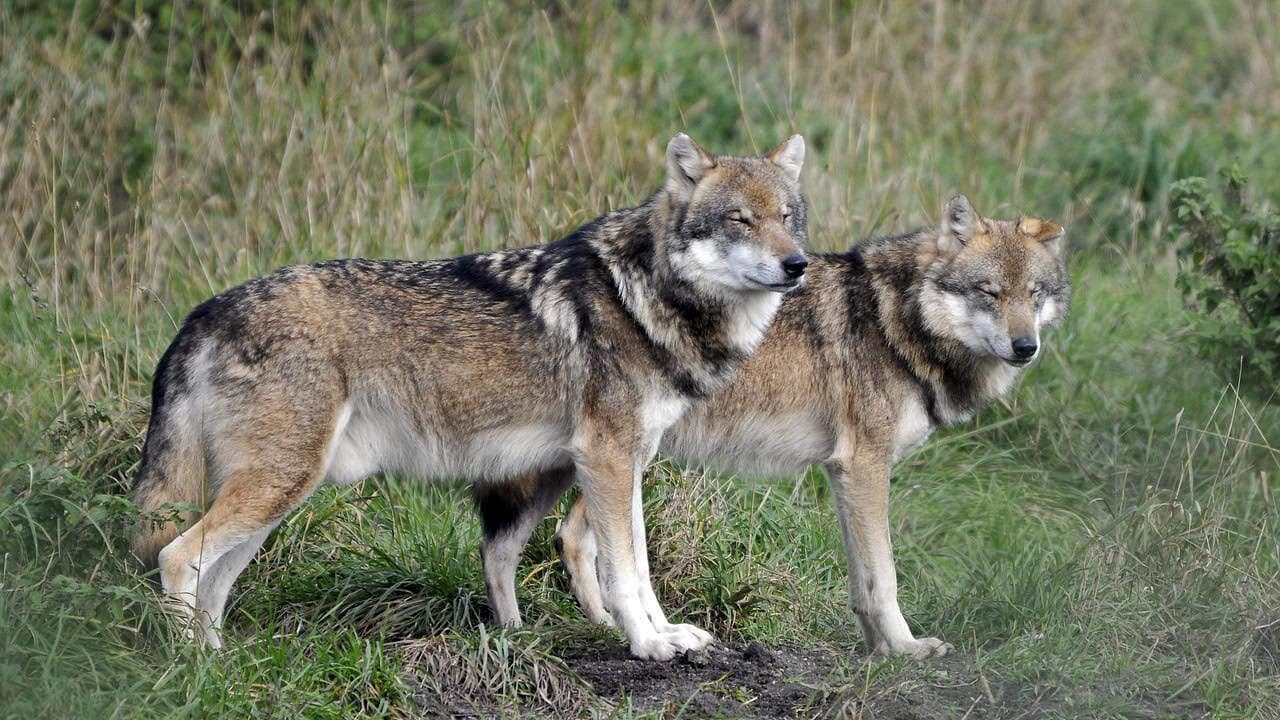
Repeated disturbances during mating seasons can lead to more permanent changes in animal behavior, including territory abandonment. Many species return to specific, high-quality breeding grounds year after year, but will relocate if these areas become consistently associated with disturbance or danger. This habitat shift often forces animals into suboptimal territories with fewer resources, more predators, or less suitable nesting conditions. Wildlife biologists have documented this phenomenon across numerous species, from wolves abandoning traditional denning sites to marine birds relocating entire colonies after sustained human presence. These habitat shifts have cascading ecological effects, potentially altering predator-prey dynamics and community structures in both the abandoned and newly occupied areas. Even more concerning, in fragmented landscapes with limited suitable habitat, displaced animals may have nowhere appropriate to relocate, further compromising their reproductive success.
Altered Mate Selection and Genetic Consequences
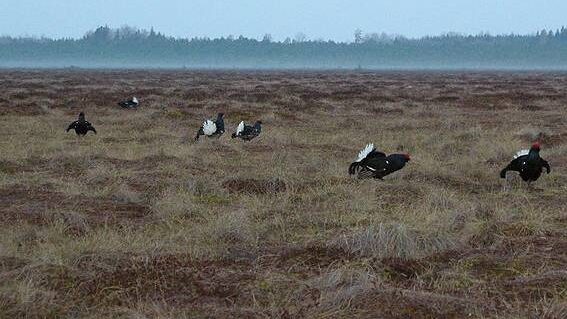
When mating rituals are interrupted, animals often make hasty or compromised mate selections rather than optimal choices. Natural mate selection processes typically favor genetic fitness, with females often choosing males based on specific indicators of health, strength, or territorial success. Interruptions can short-circuit this evolutionary process, leading to suboptimal pairings that might not have occurred under undisturbed conditions. Over time, this interference with natural selection can have population-level genetic consequences, potentially reducing genetic diversity or favoring traits less beneficial for long-term survival. Studies examining bird populations in areas with high human activity have documented changes in mating patterns compared to undisturbed populations of the same species. These altered selection pressures represent a subtle but potentially significant form of human-induced evolutionary change that may undermine species resilience over generations.
Increased Vulnerability to Predation
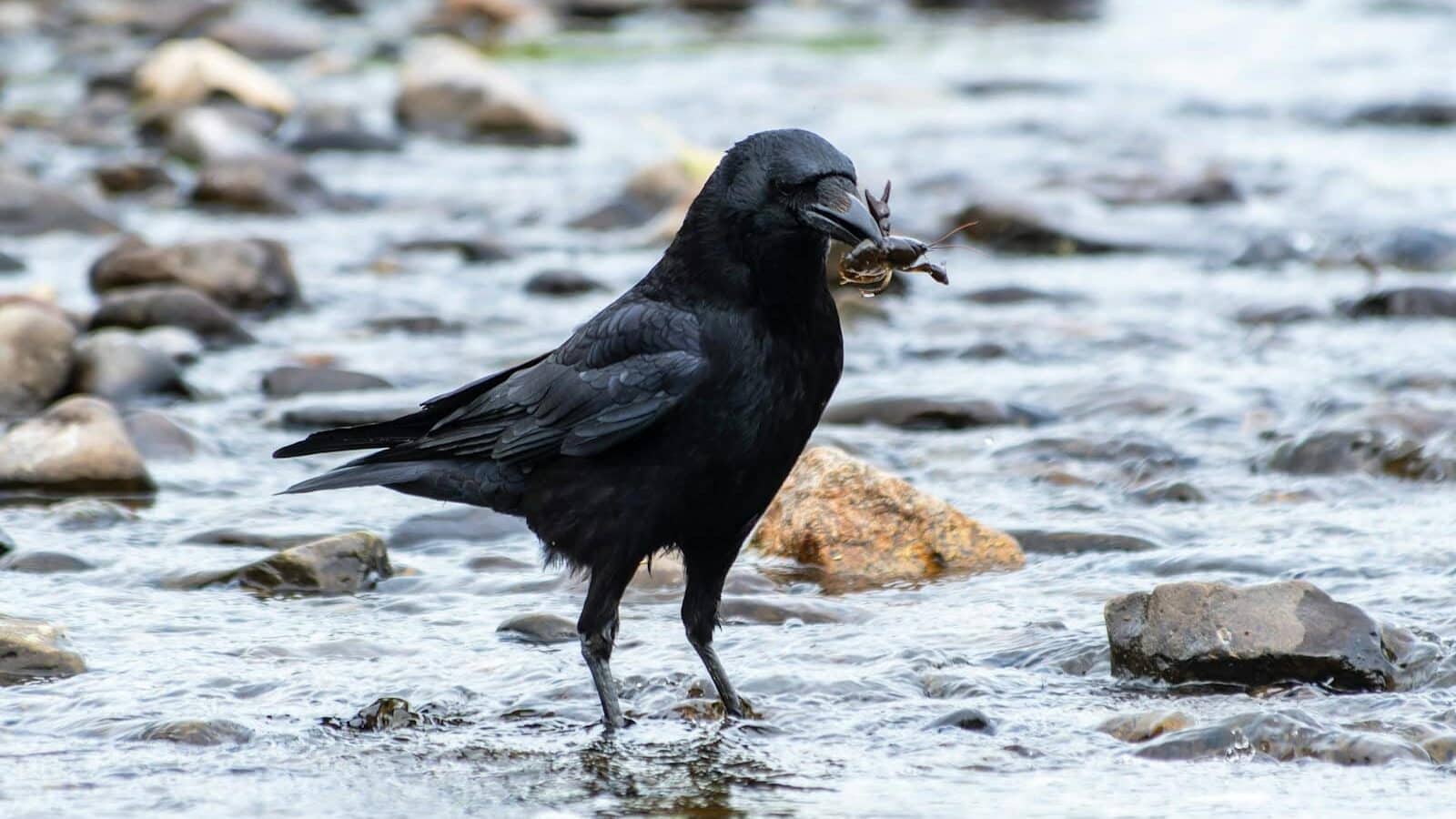
Animals engaged in mating rituals are already in a vulnerable state with decreased vigilance for predators. When these rituals are interrupted by humans, the resulting confusion and disorientation can further increase predation risk. Startled animals fleeing from perceived human threats often move in conspicuous ways that attract predator attention. Additionally, stress behaviors like alarm calls can inadvertently signal an animal’s location to nearby predators. Research in several ecosystems has documented opportunistic predators learning to associate human disturbance with easier hunting opportunities. In colonial nesting birds, human disturbance often causes adult birds to flush from nests, leaving eggs or young exposed to aerial predators. This relationship between human disturbance and increased predation has been well-documented in shorebird populations, where even well-intentioned birdwatchers approaching too closely can trigger chain reactions that lead to significant nest losses.
Species-Specific Sensitivity to Interruption
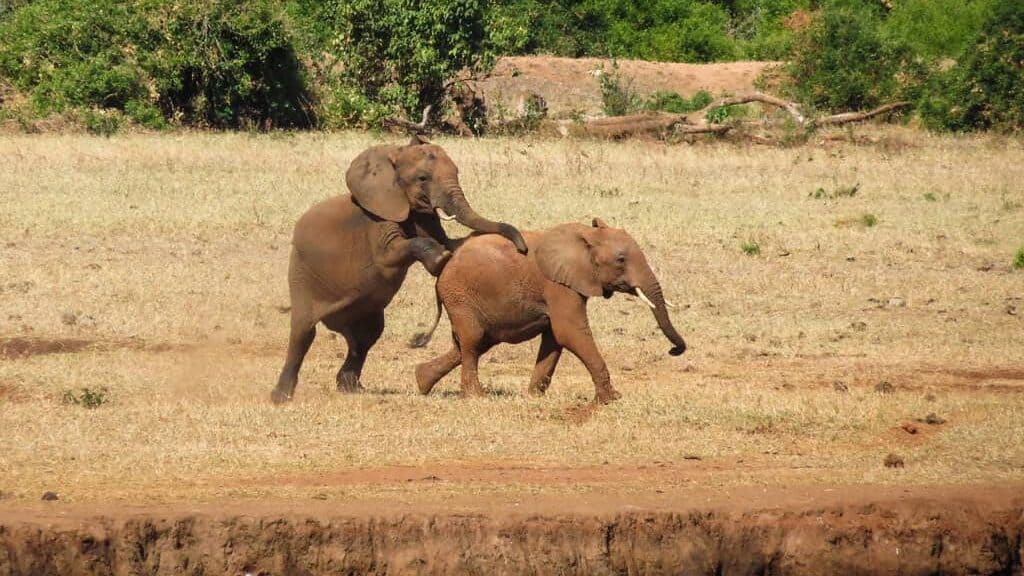
Wildlife species vary dramatically in their sensitivity to human disturbance during mating. Some species demonstrate remarkable resilience, quickly resuming mating behaviors once a disturbance passes, while others show extreme sensitivity with long-lasting effects from even minor interruptions. Generally, species with more complex, energy-intensive mating rituals tend to be more vulnerable to disturbance impacts. Large mammals with long reproductive cycles, like bears or elephants, may experience particularly significant consequences from mating disruptions since they have fewer reproductive opportunities over their lifetimes. Similarly, birds with elaborate courtship displays often abandon breeding attempts entirely after human interference. Conservation biologists now recognize disturbance sensitivity as an important factor in species management, with particular attention paid to creating undisturbed buffer zones around known breeding sites for sensitive species during critical periods. Understanding these species-specific vulnerabilities has become increasingly important for wildlife management as human presence expands into previously remote habitats.
Legal and Ethical Considerations
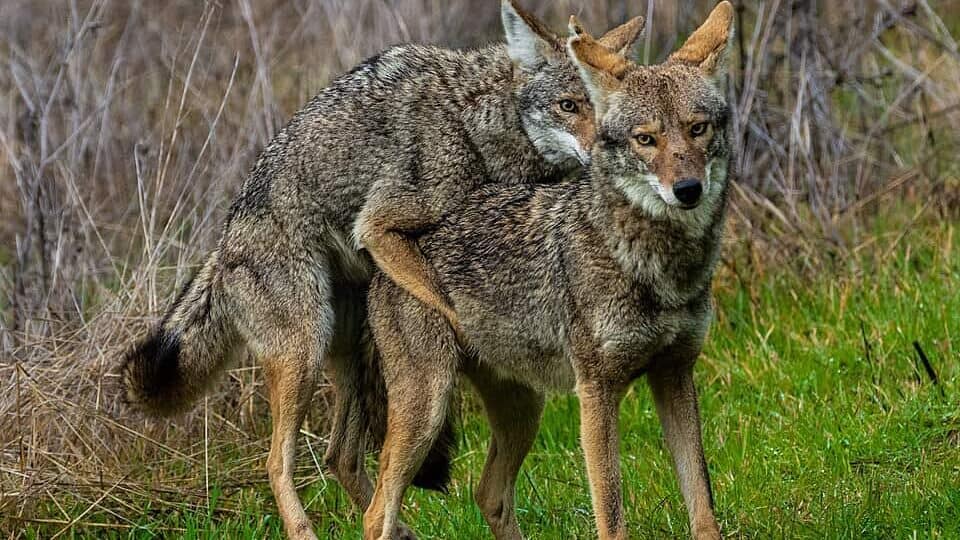
Disturbing wildlife during mating periods isn’t just biologically problematic—it often violates laws and ethical standards. In many countries, wildlife harassment laws specifically prohibit actions that disrupt breeding activities. For example, in the United States, the Migratory Bird Treaty Act provides legal protection against disturbing nesting birds, with potential fines for violations. Protected species often have additional legal safeguards against breeding disturbance. Beyond legal considerations, wildlife observation ethics, as promoted by organizations like the National Audubon Society and the International Wildlife Photography Ethics Committee, emphasize maintaining appropriate distances and using techniques that minimize impact on natural behaviors. The growing field of conservation psychology recognizes that while people often disturb wildlife unintentionally, education about the consequences of these actions can effectively modify behavior. Wildlife photographers, in particular, face ethical dilemmas when balancing the desire for intimate wildlife images against the potential impacts of close approach during sensitive periods.
Responsible Wildlife Viewing Practices
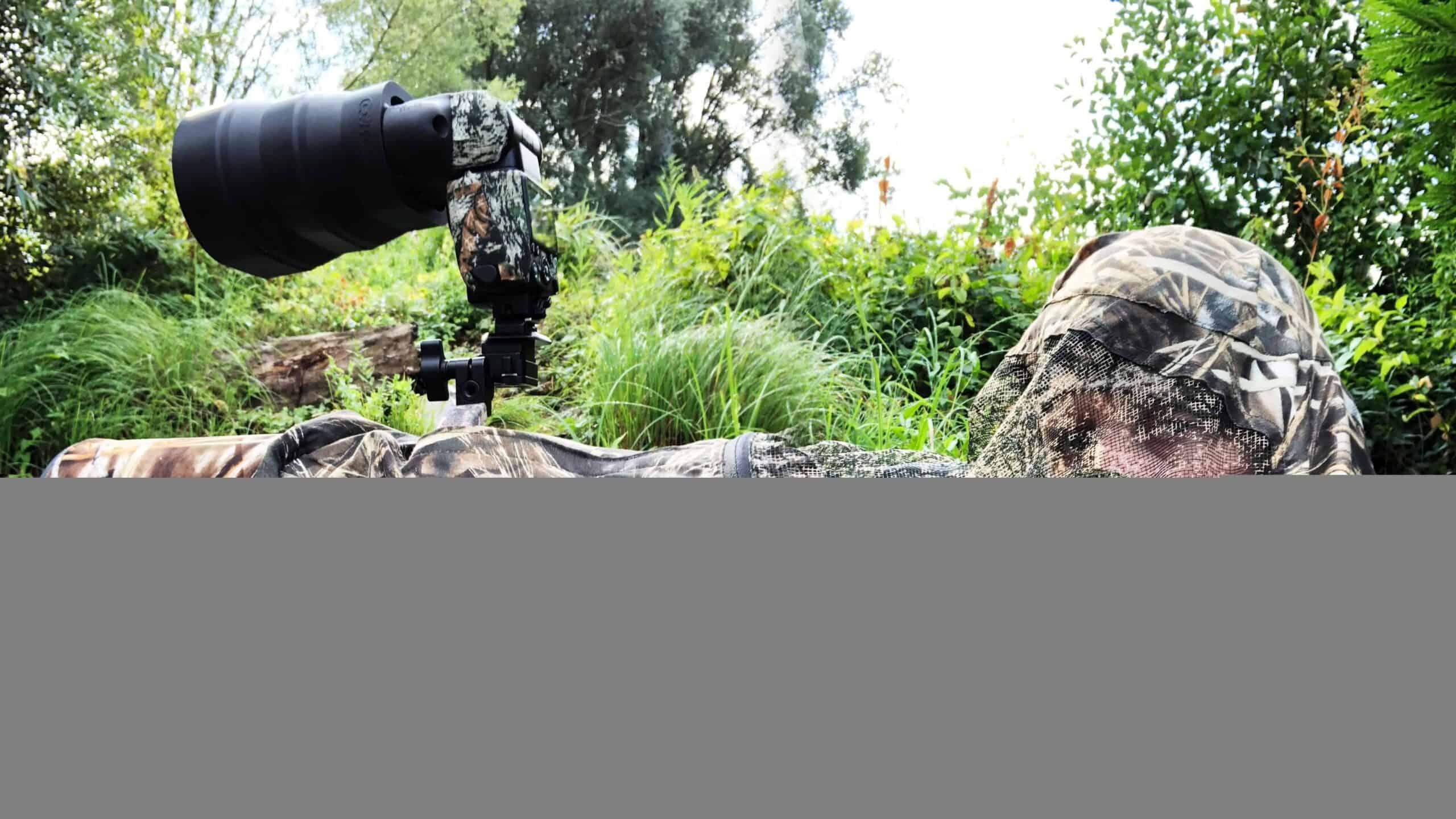
Fortunately, wildlife enthusiasts can observe natural behaviors, including mating rituals, without causing harmful disruption by following established best practices. Maintaining appropriate distances is the single most important factor—wildlife professionals recommend using binoculars, spotting scopes, or telephoto lenses rather than close approaches. Learning to recognize signs of wildlife distress, such as alarm calls or interrupted activities, allows viewers to adjust their behavior before causing significant disruption. Timing visits to avoid peak breeding seasons or the most sensitive times of day can significantly reduce impact. Wildlife management agencies increasingly provide specific guidance for different species and habitats, including recommended viewing distances and seasonal restrictions. Many protected areas now establish temporary closures around known breeding sites, which responsible visitors should respect even when not physically blocked off. Following established trails rather than creating new approaches to wildlife also helps minimize disturbance by keeping human activity predictable and contained to areas where wildlife has already developed some habituation.
Technological Solutions and Adaptations
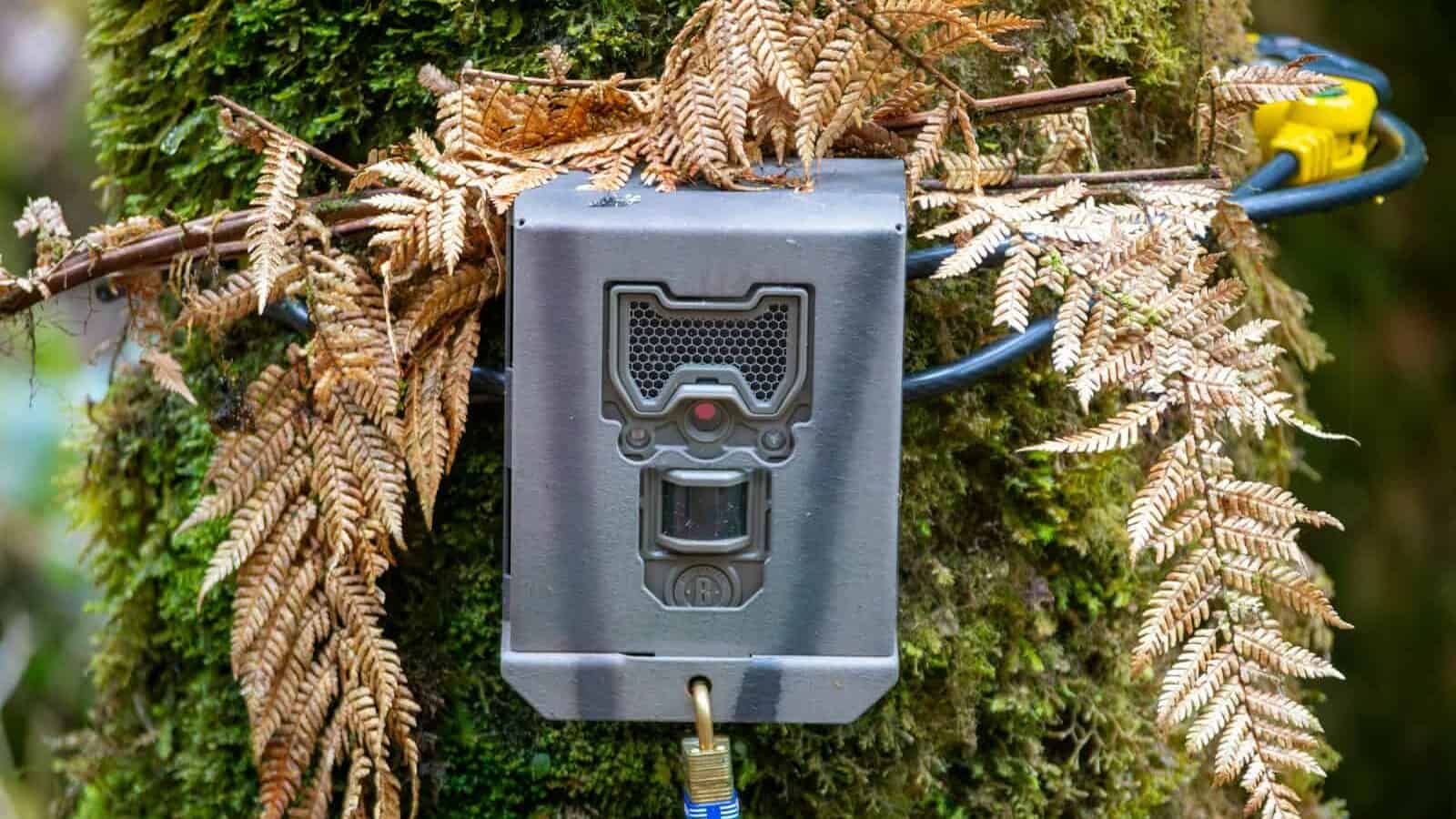
Advancing technology offers promising solutions for observing mating rituals while minimizing disturbance. Remote camera systems, including trail cameras and live-streaming wildlife cams positioned before breeding seasons, allow observation without human presence. Wildlife researchers increasingly employ drone technology with strict protocols regarding flight altitude and approach angles to study breeding behavior with minimal impact. Some wildlife tour operators now use specialized blinds or viewing platforms strategically positioned at appropriate distances from known mating grounds. Advanced wildlife photography equipment, including extreme telephoto lenses and high-resolution sensors, enables documentation of natural behaviors from distances that don’t trigger stress responses. These technological approaches not only reduce disturbance but often provide superior viewing experiences by allowing observation of completely natural behaviors without the behavioral modifications that human presence typically induces. As these technologies become more accessible, they offer promising alternatives to close-approach wildlife viewing during sensitive periods.
Case Studies of Disturbance Impacts
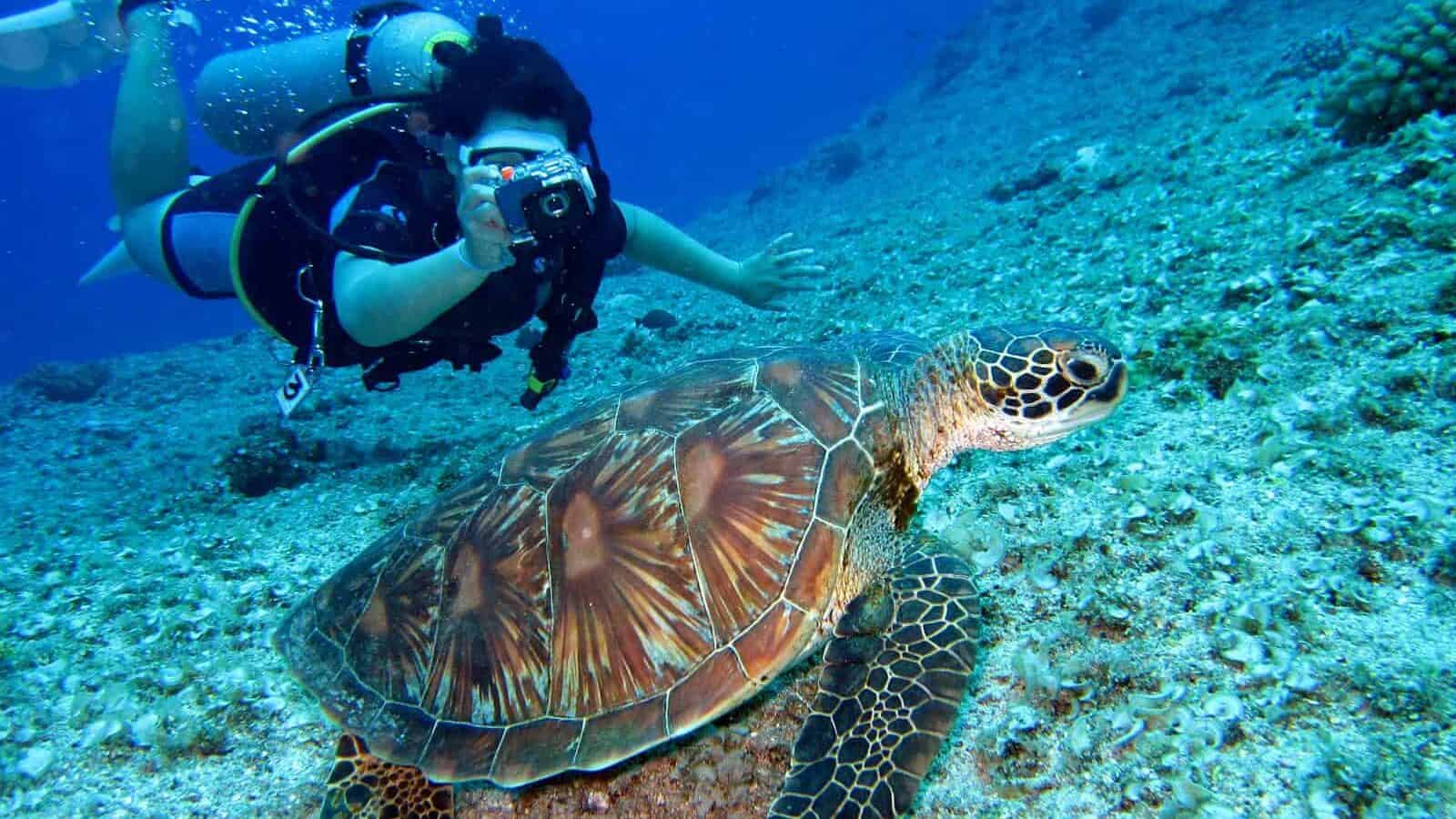
Documented examples from wildlife research illustrate the concrete impacts of mating ritual disruption. A long-term study of Florida scrub-jays found that territories experiencing frequent human disturbance showed 30% lower reproductive success compared to undisturbed territories. Research on sage grouse leks (mating grounds) demonstrated that birds abandoned traditional display areas after repeated disturbance from wildlife photographers approaching too closely. In marine environments, studies of sea turtle nesting beaches documented significantly reduced nesting attempts on beaches with high human activity, particularly nighttime disturbances with artificial light. Perhaps most dramatically, research on mountain gorillas found that tourist groups approaching too closely during breeding interactions caused aggressive reactions from silverback males and disrupted group cohesion for hours afterward. These case studies highlight both the reality and diversity of disturbance impacts across different ecosystems and taxonomic groups. They also underscore the importance of science-based management approaches that account for species-specific sensitivities and establish appropriate viewing guidelines based on empirical evidence rather than arbitrary standards.
Understanding the consequences of interrupting wildlife mating rituals underscores the delicate balance required between our desire to observe nature and our responsibility to protect it. The science is clear that human disturbance during breeding can have significant negative impacts ranging from immediate stress responses to long-term population effects. Yet this knowledge empowers rather than discourages wildlife appreciation by helping us develop viewing practices that minimize our footprint on natural behaviors. By maintaining appropriate distances, using technology thoughtfully, respecting seasonal sensitivities, and following established guidelines, we can witness the wonder of wildlife reproduction while preserving the integrity of these ancient and essential behaviors. The most meaningful wildlife encounters are those that leave animals undisturbed, continuing their natural lives as though we were never there—a principle that applies with particular importance to the intimate and vulnerable moments of courtship and mating.

- The Lethal Colors of the Poison Dart Frog: Nature’s Warning - July 20, 2026
- The Most Powerful Volcanic Eruption Ever in World History - July 20, 2026
- Why Dogs Tilt Their Heads - July 20, 2026