


Dogs are known for their boundless energy, wagging tails, and excited barks when it’s time for a walk. But what happens if those walks never materialize? While many dog owners understand that regular walks are important, not everyone realizes the profound impacts that a lack of exercise can have on their canine companions. From physical health deterioration to behavioral problems and psychological distress, the consequences of never walking your dog extend far beyond a missed opportunity for fresh air. This article explores the multifaceted effects of neglecting this crucial aspect of dog care and offers insights into how to ensure your furry friend’s wellbeing, even when traditional walks aren’t always possible.
Physical Health Consequences

The most immediate and visible impact of never walking your dog is on their physical health. Dogs, regardless of breed or size, need regular exercise to maintain a healthy weight and proper muscle tone. Without adequate physical activity, dogs quickly become overweight or obese, which affects approximately 56% of dogs in the United States according to the Association for Pet Obesity Prevention. This excess weight puts additional strain on their joints, heart, and respiratory system, potentially leading to arthritis, cardiovascular issues, and reduced respiratory efficiency. Even smaller breeds that require less exercise still need regular movement to maintain their metabolic health and prevent muscle atrophy. Over time, a sedentary lifestyle can reduce your dog’s lifespan by up to 2.5 years compared to active dogs of similar breeds.
Obesity and Related Diseases

Obesity in dogs is not just about appearance—it’s a serious health condition that can trigger numerous secondary diseases. Dogs that never get walked are at significantly higher risk for developing diabetes mellitus, with studies showing inactive dogs are three times more likely to develop this condition. They also face increased chances of developing hypertension, certain types of cancer, and kidney disease. Overweight dogs experience more difficulty regulating their body temperature, making them more susceptible to heat stroke during warmer months. The financial impact is substantial too; treating obesity-related diseases in pets costs owners an average of $2,000-$3,000 more annually compared to maintaining preventative care that includes regular exercise.
Joint and Mobility Issues

A lack of regular walking leads to poor joint health and mobility issues in dogs. Walking helps lubricate joint surfaces and strengthens the surrounding muscles that support proper joint function. Without this natural maintenance, dogs can develop premature arthritis, ligament injuries, and chronic pain. Large breeds are particularly susceptible to these issues, but small breeds aren’t immune either. Research has shown that dogs who don’t receive regular exercise develop joint problems an average of 3-4 years earlier than active dogs. The deterioration often begins subtly—perhaps your dog seems a bit stiff in the mornings or hesitates before jumping on furniture—but can progress to severe mobility limitations that significantly impact quality of life. By the time these symptoms become obvious, irreversible damage may have already occurred.
Behavioral Problems and Destructiveness

Dogs are naturally active creatures with instincts to explore, sniff, and investigate their surroundings. When these needs aren’t met through regular walks, behavioral problems often emerge as the dog seeks outlets for their pent-up energy. Destructive behaviors such as excessive chewing, digging, and scratching commonly develop in under-exercised dogs. One study found that dogs who receive less than 30 minutes of physical activity daily are 86% more likely to display destructive behaviors in the home. These aren’t signs of a “bad dog” but rather indicators of unmet physical and mental needs. What many owners mistake for disobedience or spite is actually the dog’s attempt to self-soothe and expend energy through the only means available to them. This destructiveness can result in damaged furniture, ruined gardens, and even self-injury as the dog chews or licks obsessively.
Psychological Impact and Mental Health

The psychological impact of never walking your dog can be just as severe as the physical consequences. Dogs that don’t receive adequate exercise and environmental stimulation commonly develop anxiety, depression, and compulsive disorders. A 2019 study published in the Journal of Veterinary Behavior found that dogs who received less than 1 hour of outdoor activity daily showed significantly higher scores on assessments measuring anxiety and stress behaviors. Walking isn’t just physical exercise—it’s mental stimulation that allows dogs to process new information, smells, and experiences. Without this stimulation, cognitive decline can accelerate, particularly in senior dogs. The psychological effects may manifest as excessive barking, pacing, licking, or even aggression as the dog struggles to cope with chronic stress and unfulfilled instinctual needs.
Toilet Training Regression
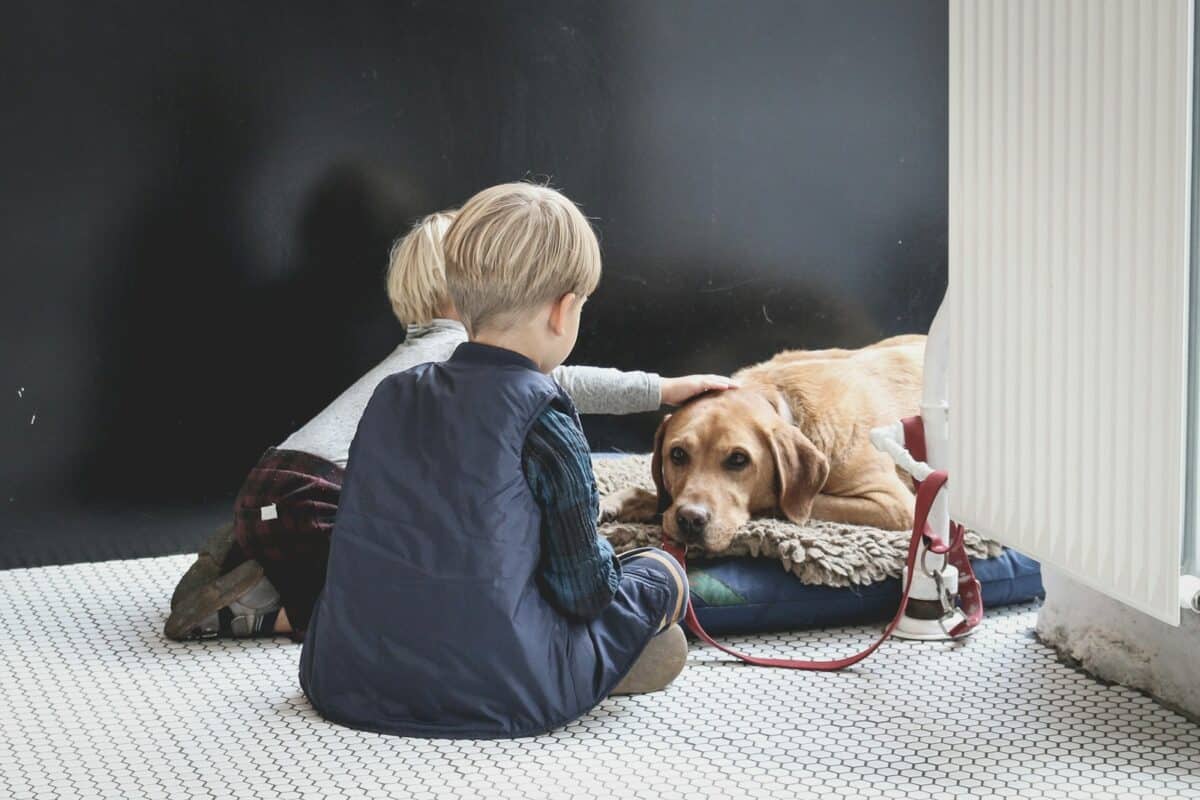
Regular walks provide necessary opportunities for dogs to relieve themselves outside the home. When these opportunities are eliminated, even well-trained dogs may begin having accidents indoors. A dog’s bladder and bowel health depends on regular emptying at appropriate intervals. Without walks, dogs may be forced to hold their urine for uncomfortably long periods, potentially leading to urinary tract infections, bladder stones, or incontinence issues. Research indicates that dogs who aren’t walked regularly are 70% more likely to develop urinary tract problems compared to those who receive at least three daily walking opportunities. Additionally, the stress of having to “hold it” for extended periods can cause anxiety that further exacerbates behavioral issues. Many owners don’t realize that what appears to be deliberate house soiling may actually be a physical inability to maintain previous toilet training due to lack of appropriate opportunities.
Social Development and Interaction

Dogs are social animals that benefit tremendously from interactions with other dogs and people. Walks provide essential opportunities for these social encounters, allowing dogs to learn appropriate greeting behaviors, communication skills, and boundaries. Without these experiences, dogs often develop poor social skills or fear responses to unfamiliar dogs and people. This socialization deficit can be particularly damaging for puppies who have critical developmental periods for learning social behaviors. Studies show that dogs who don’t receive regular opportunities for controlled social interaction are three times more likely to develop fear-based aggression toward other dogs. Even adult dogs require ongoing social experiences to maintain their social skills and confidence. A dog that’s never walked may become increasingly isolated, further compounding psychological stress and behavioral issues.
Diminished Bond Between Dog and Owner

The shared experience of walking creates a unique bonding opportunity between dogs and their owners. This activity allows for focused interaction away from household distractions and establishes the owner as a provider of positive experiences. When walks are never provided, an important element of the human-animal bond is missing. Research published in the journal Anthrozoös found that dog owners who regularly walked their pets reported stronger emotional connections and greater satisfaction with their relationships compared to non-walking owners. Walking together establishes trust, reinforces the family pack structure, and creates shared memories that strengthen attachment. Dogs who are never walked may still love their owners, but they miss out on a profound bonding experience that contributes to mutual understanding and respect. This diminished bond can manifest in reduced responsiveness to commands and a general disconnection between pet and owner.
Breed-Specific Considerations
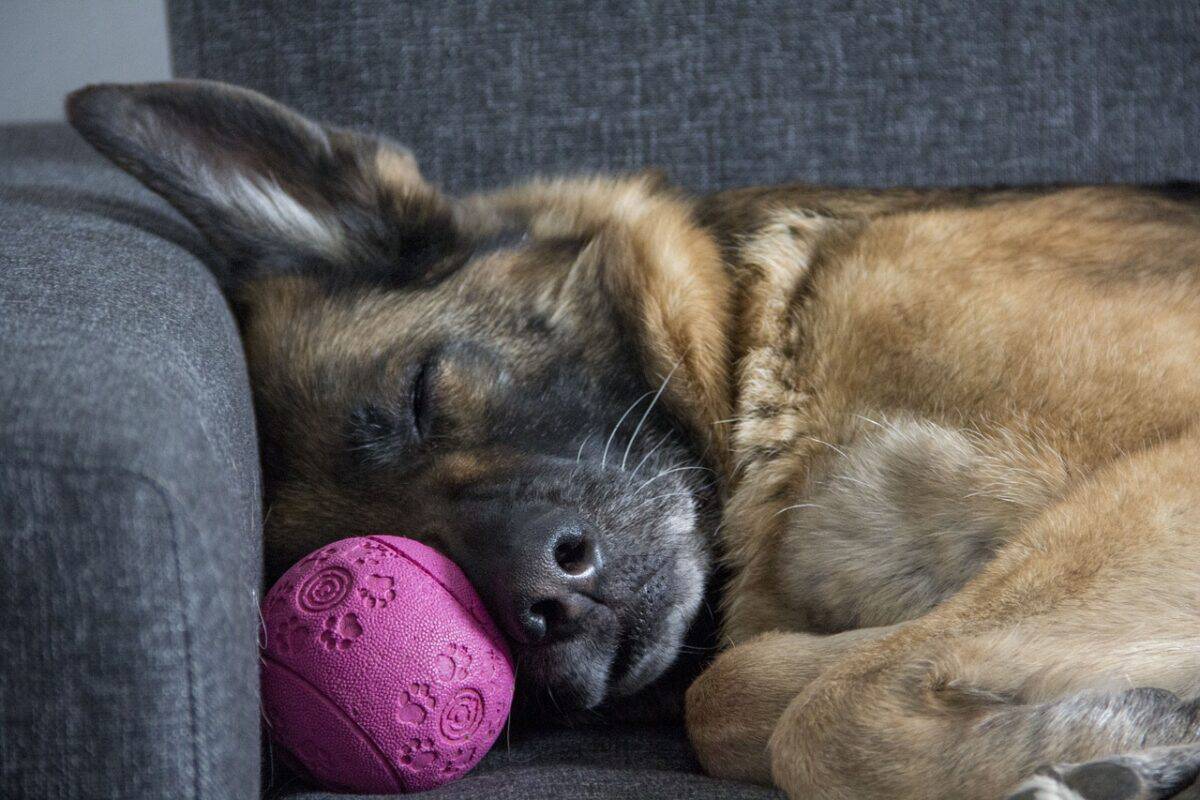
The consequences of never walking your dog vary somewhat by breed, as different dogs have been selectively bred for different purposes and activity levels. Working breeds like Border Collies, German Shepherds, and Huskies suffer particularly severely when denied exercise, often developing extreme behavioral issues including neurotic behaviors, excessive vocalization, and even self-harm. These high-energy breeds may require 1-2 hours of activity daily to remain physically and mentally balanced. Medium-energy breeds like Beagles and Cocker Spaniels still need regular walking to prevent health and behavioral problems, while even lower-energy breeds such as Bulldogs and Basset Hounds benefit significantly from moderate daily exercise tailored to their physical capabilities. The misconception that certain breeds “don’t need walks” has led many owners to inadvertently neglect their dog’s fundamental needs, regardless of the dog’s size or perceived energy level.
Sensory Deprivation

A frequently overlooked consequence of never walking your dog is sensory deprivation. Dogs experience the world primarily through their sense of smell, and walks provide critical opportunities for this sensory exploration. A dog’s nose contains up to 300 million olfactory receptors compared to a human’s mere 6 million, making scent their dominant sense for gathering information. When confined to a home environment with limited scent variety, dogs experience a form of sensory deprivation that can lead to frustration and cognitive decline. Research in canine cognition suggests that sniffing and exploring new environments stimulates the canine brain in ways comparable to how reading or problem-solving engages human minds. Without these stimulating sensory experiences, dogs can develop a form of “canine boredom” that manifests as lethargy, depression, or conversely, hyperactivity as they attempt to create stimulation in their limited environment.
Alternative Exercise Options

While traditional leashed walks are ideal, there are situations where they might not be possible due to owner disability, extreme weather conditions, or other limitations. In these cases, alternative exercise options become crucial to maintaining a dog’s wellbeing. Indoor activities like hide-and-seek games, obstacle courses, treadmill training (with proper acclimation), and puzzle toys can provide physical activity and mental stimulation. Secure yard play with interactive toys can offer exercise opportunities, though this should not permanently replace walks and their associated benefits. For owners with physical limitations, professional dog walking services, pet sitters, or arranging walking exchanges with neighbors or family members can ensure dogs receive needed exercise. Doggy daycare facilities provide supervised play and socialization for dogs whose owners work long hours. Even if traditional walks aren’t possible, making a committed effort to provide alternative exercise shows responsibility toward meeting your dog’s fundamental needs.
Legal and Ethical Implications

In some jurisdictions, failing to provide adequate exercise for your dog may have legal implications under animal welfare laws. While specific exercise requirements aren’t always explicitly stated in legislation, many animal welfare acts include provisions requiring owners to meet their pets’ physical, behavioral, and psychological needs. In the UK, for example, the Animal Welfare Act 2006 explicitly states that animals must be able to exhibit normal behavior patterns, which for dogs includes regular exercise. In the United States, animal neglect laws in some states can be applied in severe cases where dogs suffer demonstrable harm from lack of exercise. Beyond legal considerations, there are clear ethical obligations to provide for a dog’s wellbeing once you’ve chosen to bring them into your home. Animal welfare organizations worldwide recognize appropriate exercise as a basic right for dogs, alongside proper nutrition, veterinary care, shelter, and companionship.
The consequences of never walking your dog extend far beyond a simple lack of exercise, affecting virtually every aspect of your pet’s physical health, behavior, psychological wellbeing, and quality of life. Regular walks represent a fundamental component of responsible dog ownership that cannot be entirely replaced by other forms of care, no matter how loving. If circumstances make traditional walking difficult, the importance of finding appropriate alternatives cannot be overstated. Remember that dogs cannot advocate for themselves—they depend entirely on their human companions to recognize and meet their needs. When considering bringing a dog into your life, honestly evaluating your ability to provide appropriate exercise should be a primary consideration in determining whether a particular breed—or any dog at all—is right for your lifestyle. Our canine companions give us unconditional love and loyalty; providing them with the exercise they need is one of the most basic ways we can return that devotion.

- The Threats Tigers Face Today—From Poaching to Habitat Loss - July 29, 2026
- The Most Chill Animals Taking Over the Internet: Meet the Capybara Kings - July 29, 2026
- Prairie Dogs and Bison: Wildlife of the Tallgrass Prairie - July 29, 2026