

Picture this. You’re on safari, watching a herd of massive elephants peacefully grazing under the African sky, when suddenly storm clouds gather overhead. The question that might never cross your mind in that moment is actually one of nature’s most devastating realities. When lightning meets a group of these gentle giants, the outcome can be both shocking and heartbreaking.
A herd of eighteen wild Asiatic elephants has been found dead in India’s northeastern state of Assam, possibly because of a huge lightning strike. Fourteen adult elephants were found dead by villagers on Thursday, and another four bodies were found scattered on the foothills of the Kundoli reserve forest area of Assam. This isn’t just a tragic tale from a faraway land. It’s a glimpse into what happens when nature’s most powerful electrical discharge encounters Earth’s largest land mammals. So let’s get started.
The Physics Behind Lightning’s Deadly Touch
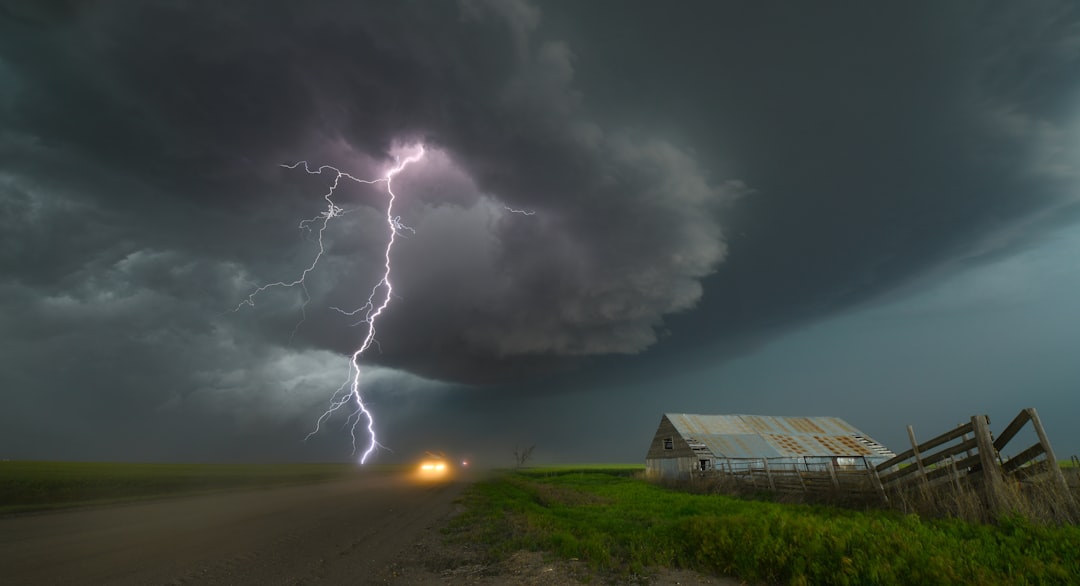
Lightning packs an incredible punch that most people never truly comprehend. Lightning involves a near-instantaneous release of energy, with a typical lightning bolt containing about 1-5 billion joules of energy. The air around the lightning flash rapidly heats to temperatures of about 30,000 °C (54,000 °F). That’s hotter than the surface of the sun, concentrated in a channel just inches wide.
When lightning strikes near a group of elephants, it doesn’t need to hit them directly to be lethal. Step potential is the most common mechanism of lightning injury and occurs when the current is propagated on and in the ground away from the lightning strike. Think of it like ripples spreading across a pond, except these ripples are deadly electrical currents racing through the earth.
Why Elephants Are Particularly Vulnerable
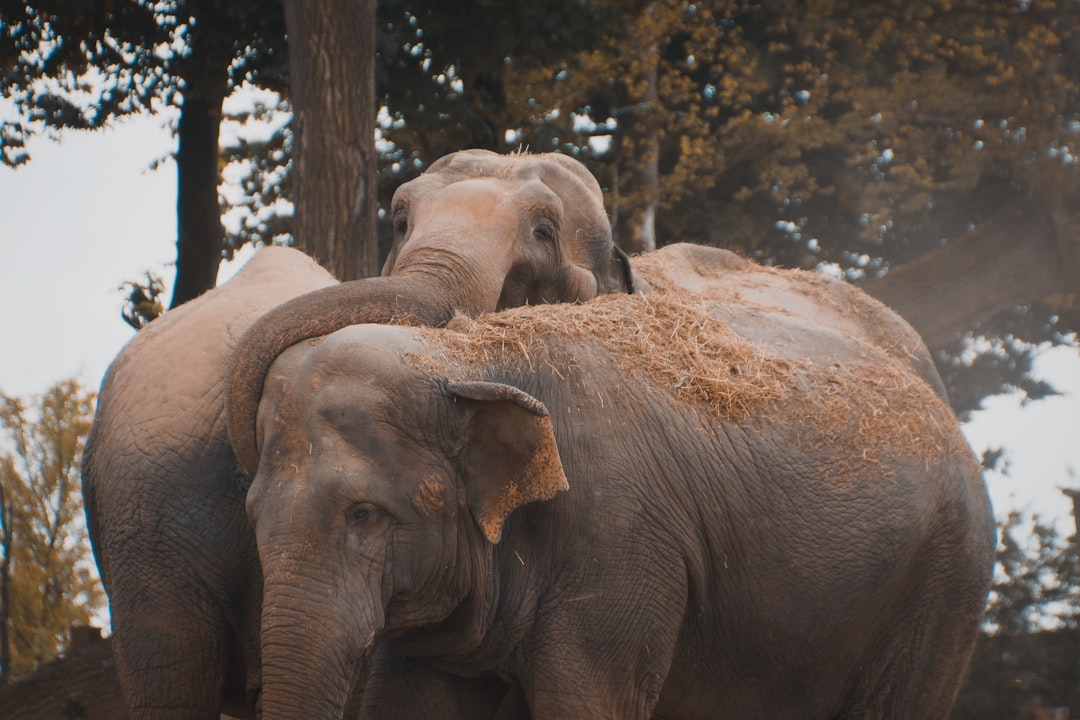
Size matters when it comes to lightning strikes, but not in the way you’d expect. In cattle, adults are more likely than calves to experience lightning strike. One hypothesis to explain the higher susceptibility of quadrupeds compared to humans is that, in quadrupeds, the electrical current passes through the heart when travelling through points of ground contact between forelimbs or between forelimb and hindlimb. An explanation for the difference in lightning injury susceptibility between animals of different sizes is that larger animals have greater potential differences of electrical charge between their front feet and hindfeet than smaller animals have.
Elephants, being the largest land mammals, face the greatest risk. Their massive bodies create longer pathways for electrical current to travel. A portion of a pulse of electricity moving across the surface of the ground first encounters one foot and may then decide to take a little side trip up one leg and through the animal’s torso before exiting back down to the ground via another leg. The greater the distance between any two legs, the greater the chance of death or injury.
The Tragic Reality of Group Deaths
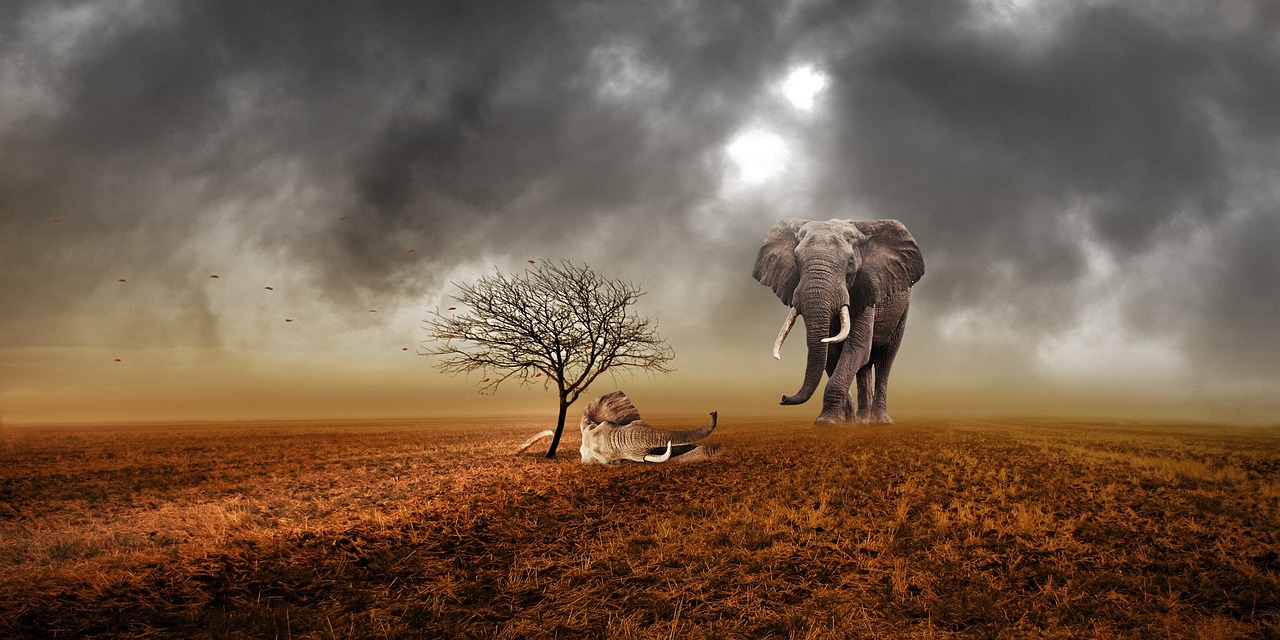
When lightning strikes near a herd, the consequences can be catastrophic for multiple animals at once. When lightning kills a large group of animals, such as those reindeer in Norway, it is typically ground current, rather than a direct strike, that’s the culprit. In effect, the animals’ legs can act like electrodes to complete an electrical circuit from the ground, through their bodies, and back to the ground.
The devastating impact becomes clear when we look at documented cases. The forest guard reached the remote area on Thursday and found 14 elephants dead atop a hill and four at its bottom at the reserve in Assam’s Nagaon district. A veterinarian checks the dead bodies of wild elephants, suspected to have been killed by lightning, on a hillside in Nagaon district of Assam. The positioning tells a story of animals seeking higher ground or shelter, only to find themselves in the worst possible place during an electrical storm.
How Ground Current Becomes a Silent Killer
The most insidious aspect of lightning deaths in herds isn’t the dramatic bolt from the sky. It’s what happens underground. Certain types of trees, especially hardwoods such as oaks and those that are tall and have spreading root systems just beneath the ground surface, tend to be struck by lightning more often than others. Electrification of these root systems charges a wide surface area, particularly when the ground is already damp. When roots beneath a shallow pool of water become charged, the pool becomes electrified.
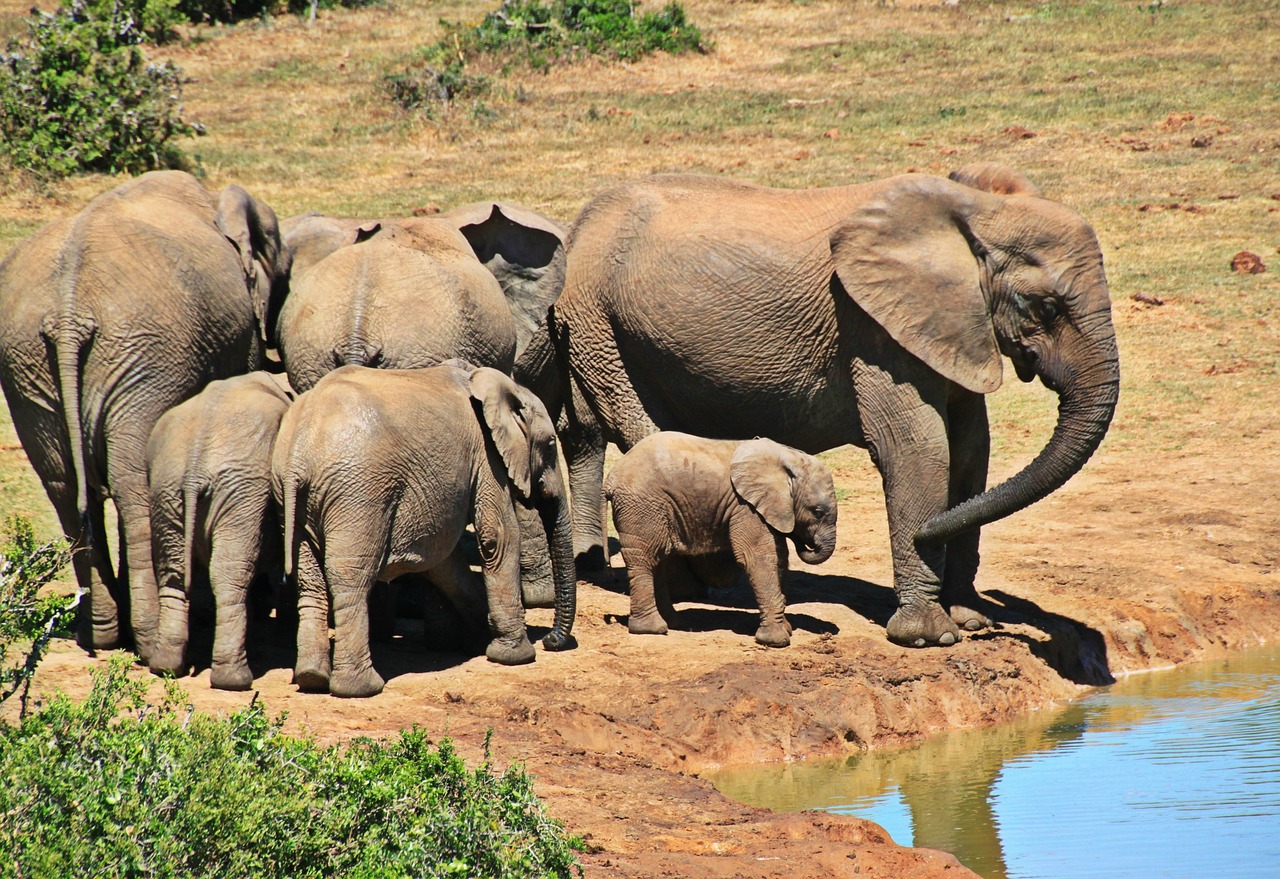
Elephants often gather around water sources or seek shelter under large trees during storms, unknowingly placing themselves in the most dangerous locations. The very survival instincts that have served them for millions of years can become deadly traps in the face of lightning’s indiscriminate power.
The Heartbreaking Evidence Left Behind
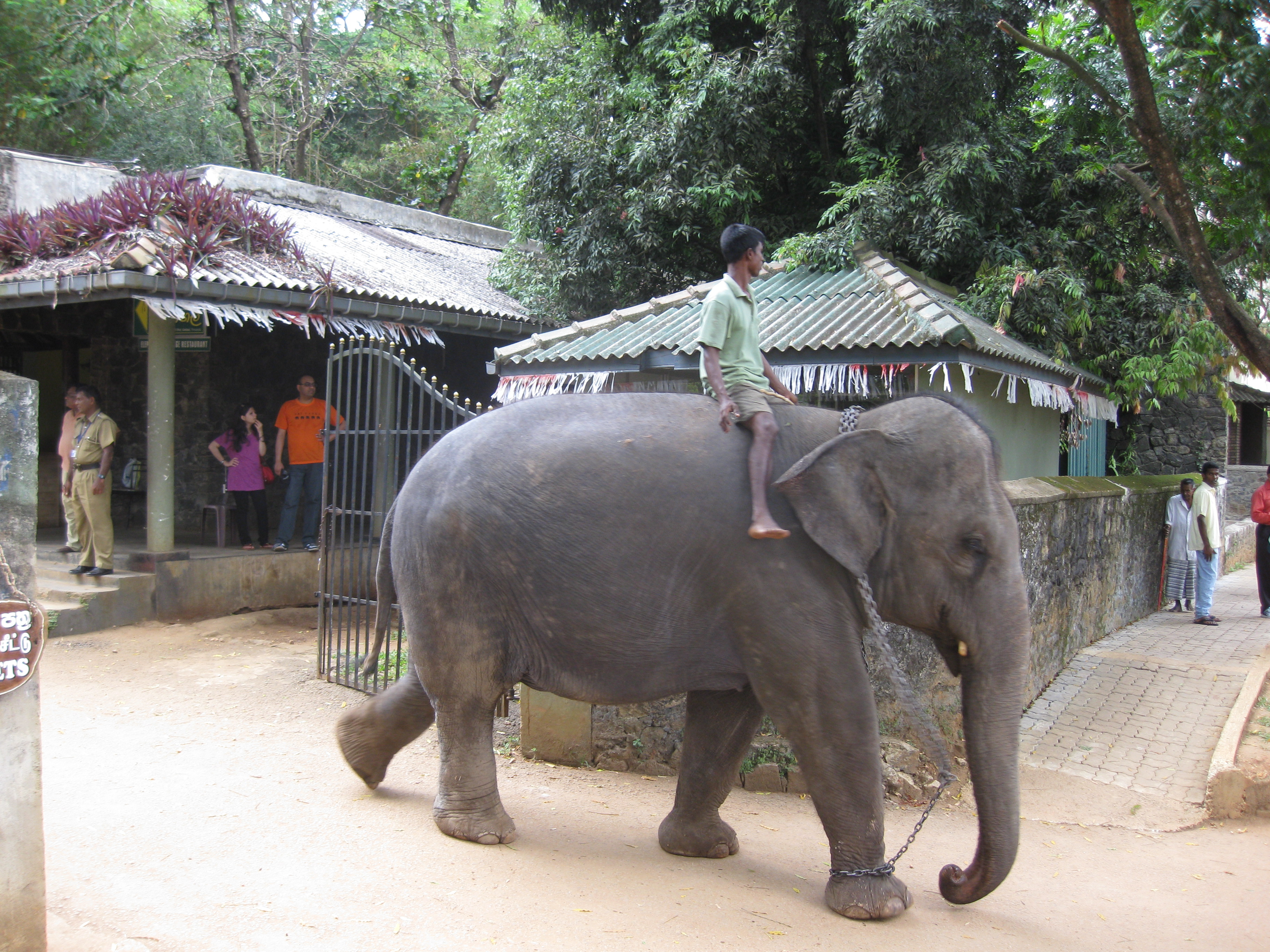
Determining whether lightning caused elephant deaths requires careful investigation. If lightning struck the ground nearby, close examination of an affected animal’s feet might provide the only physical evidence of pathology. The coronary bands and soles should be closely examined because those areas have lower electrical resistance compared to the hoof capsule and might be more likely to show signs of injury.
However, singe marks are rarely found on recovered animals. Keraunographic markings (branchlike erythematous markings or patterns on skin after a lighting strike) are considered pathognomic of lightning injury in humans; however, they are rarely described in animals, presumably because they are obscured by pigmentation and hair. The lack of obvious burn marks makes lightning strikes particularly difficult to diagnose in elephants.
Natural Defensive Behaviors That Backfire
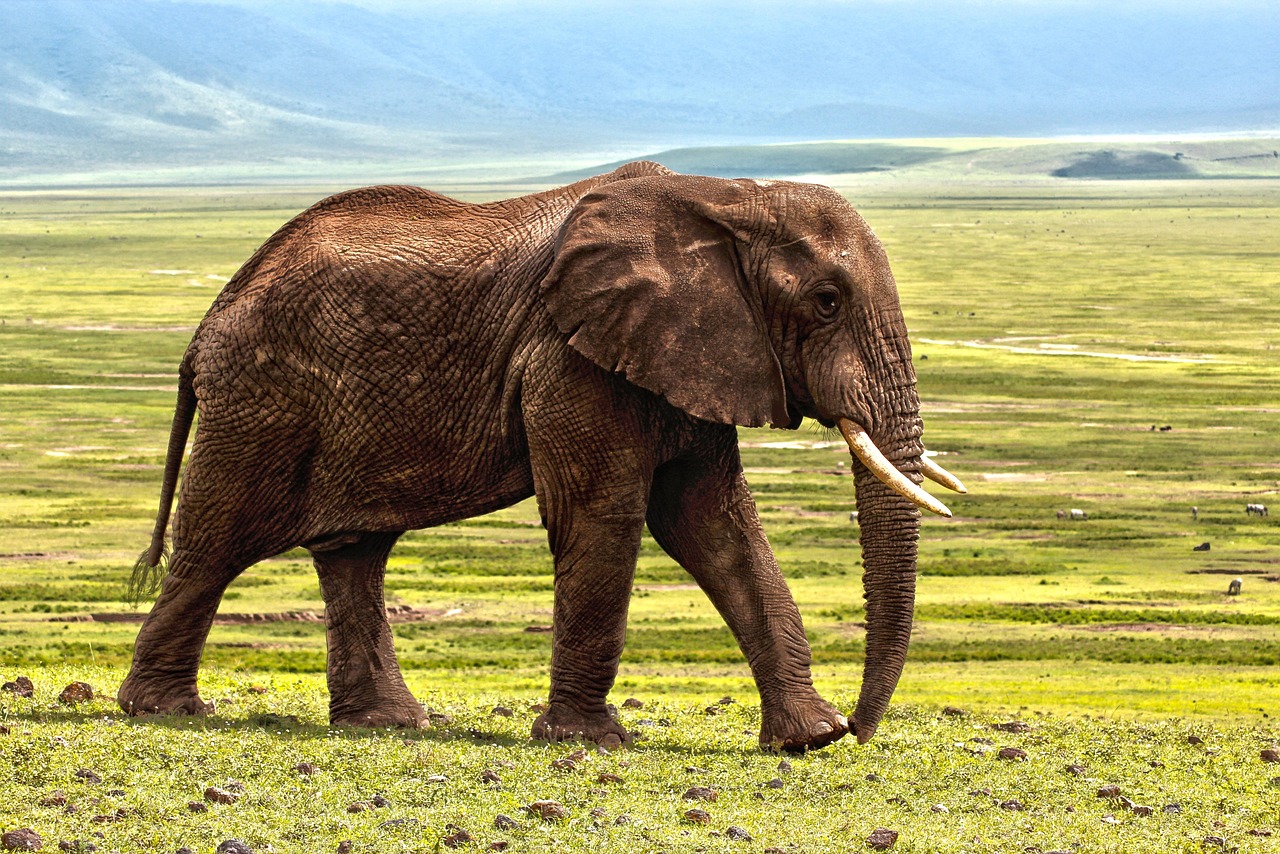
Ironically, elephants’ sophisticated survival instincts can work against them during electrical storms. When a threat is detected, elephants form a defensive circle around the vulnerable individuals, with adults facing outward and the young ones in the center. When a threat is detected, elephants form a defensive circle around the vulnerable individuals, with adults facing outward and the young ones in the center.
This protective formation, which serves them well against predators, becomes tragically counterproductive during lightning strikes. There are unfortunate instances where large groups of wildlife, including herds of cattle and flocks of birds on open water, can be struck by lightning when sitting close together. The very closeness that provides security from lions and other predators increases their vulnerability to electrical death.
The Mysterious Science of Animal Lightning Detection
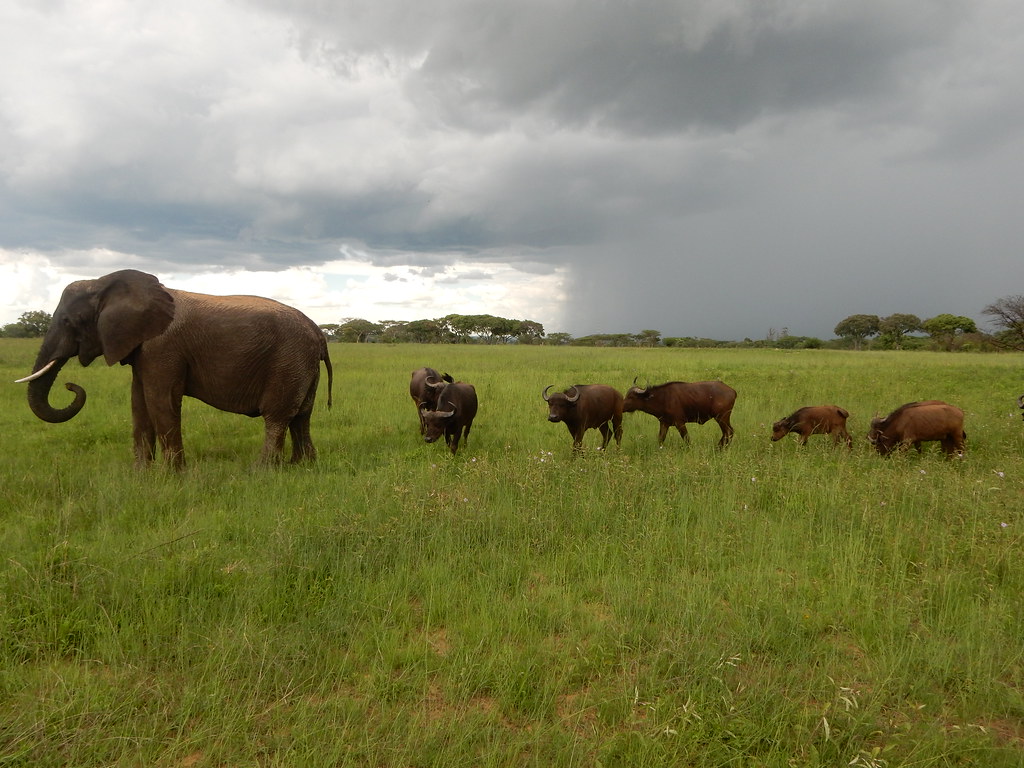
Scientists have long wondered whether elephants can sense approaching electrical storms. Sound in a highly social animal, such as an elephant, plays a crucial role. Sound influences survival of the species through communication, reproduction, resource utilization, and predation avoidance. Their ability to detect infrasound, low-frequency sounds below human hearing range, might give them advance warning of storms.
Earth’s largest land animal has the extraordinary ability to “hear” through their foot pads in what’s known as seismic communication. They can register one another’s calls up to five miles away by detecting sounds and vibrations that travel through the ground. Yet this remarkable sensory system, which helps them navigate their world, cannot always protect them from lightning’s sudden strike.
The Aftermath and Investigation Challenges
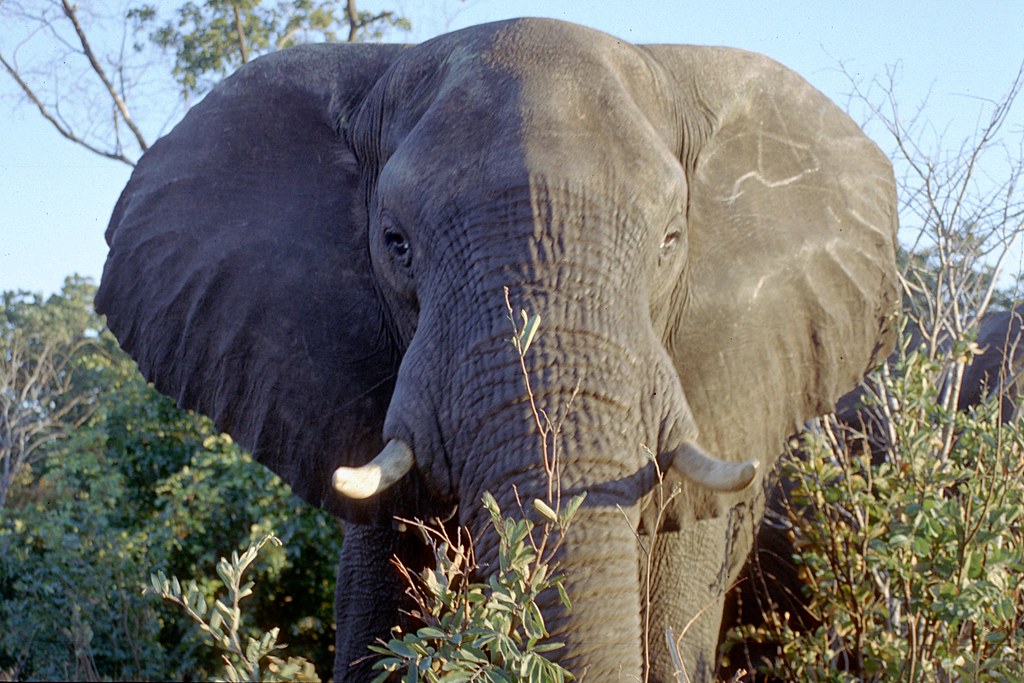
When authorities discover multiple dead elephants, determining the cause requires extensive investigation. Prominent conservationist Soumyadeep Datta, from environmental activist group Nature’s Beckon, said that was unlikely, based on social media images. “Poisoning could be behind the death of the elephants,” Datta told AFP news agency. The skepticism is understandable given the tragic frequency of elephant deaths from human causes.
Few conditions affecting livestock cause such peracute death of multiple animals clustered in a small area as lightning strike does. This clustering pattern, combined with the lack of other obvious causes, often points investigators toward lightning as the culprit. The challenge lies in proving what happened when nature itself has erased most of the evidence.
Conclusion
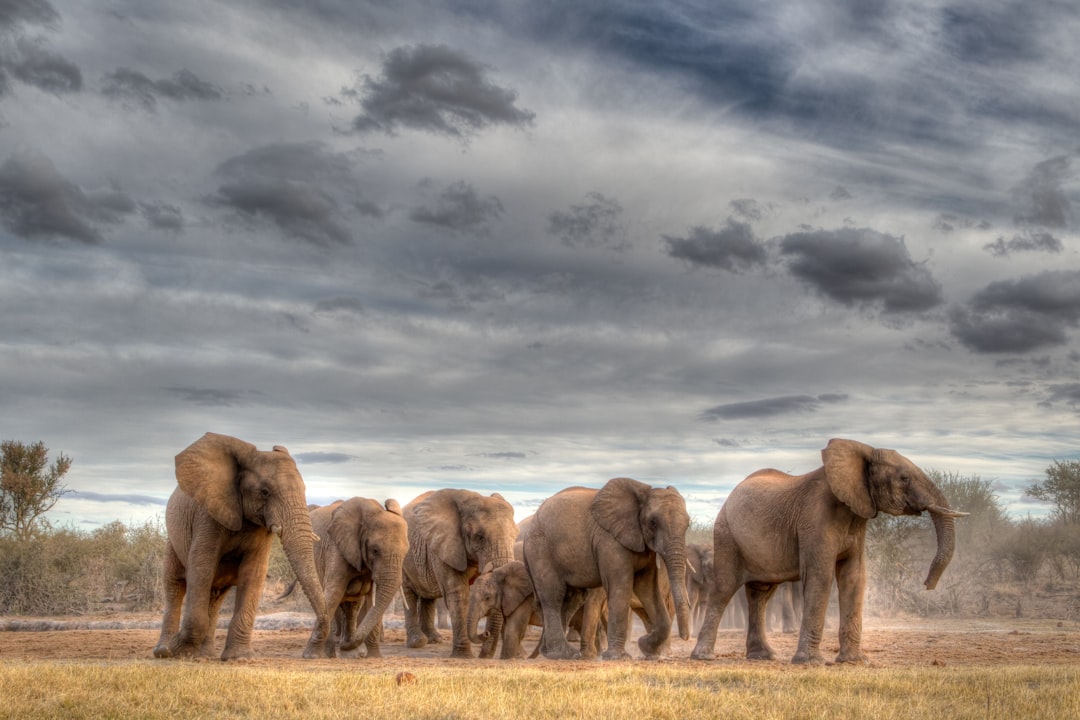
When lightning strikes a herd of elephants, it reveals both the awesome power of nature and the heartbreaking vulnerability of even the mightiest creatures. These gentle giants, with their complex social bonds and remarkable intelligence, can be felled in an instant by forces they cannot fight or flee. The tragedy extends beyond individual deaths to the disruption of entire family structures that have taken decades to develop.
What makes these incidents particularly poignant is how the elephants’ greatest strengths become their weaknesses. Their size makes them more susceptible to electrical injury, their social cohesion clusters them in dangerous proximity, and their instinct to seek shelter often leads them to the very places where lightning prefers to strike. It’s a sobering reminder that in nature’s grand theater, even the largest actors are subject to forces beyond their control.
What do you think about these remarkable yet tragic encounters between lightning and elephants? Tell us in the comments.

- What Guardian Dog Breed Are You According to Your Zodiac Sign - August 9, 2026
- Animal Science Says Chimpanzee Grooming Builds Alliances as Much as It Removes Dirt - August 9, 2026
- Top 10 Animals and Wildlife in South Dakota - August 9, 2026