
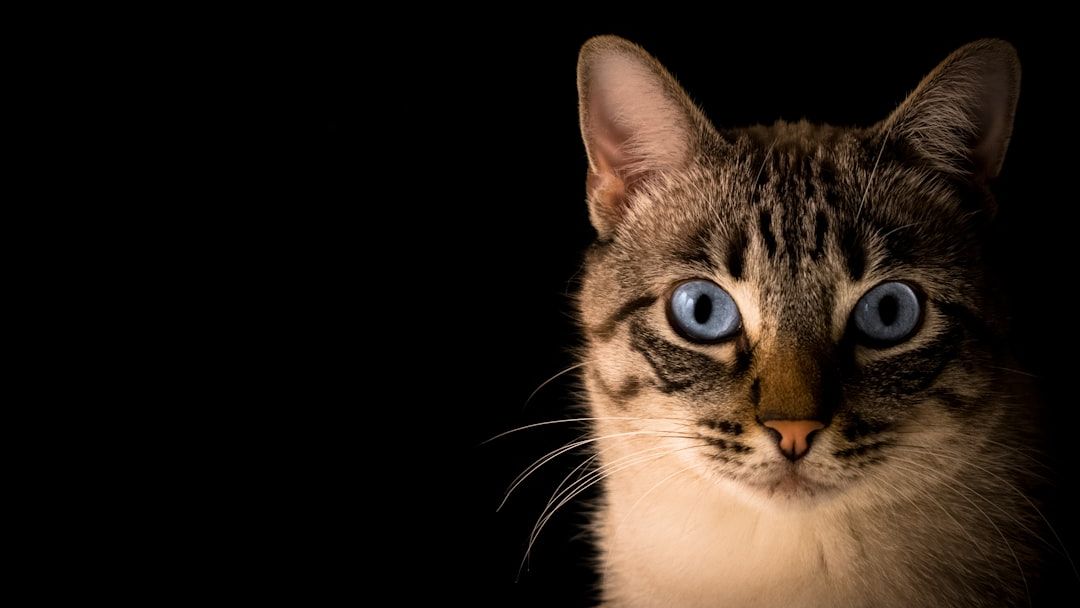
There’s a particular moment most cat owners know well. You’re sitting quietly, maybe reading or just zoning out, and you glance down to find your cat already watching you. Completely still. Completely focused. So you hold the gaze, curious and a little transfixed, waiting to see who blinks first.
That silent standoff turns out to be far more layered than it appears. The way cats use their eyes to communicate, evaluate, and even bond with humans is one of the more fascinating corners of animal behavior research, and it genuinely changes how you think about living alongside these creatures.
#1. Your Cat Reads It as a Potential Threat
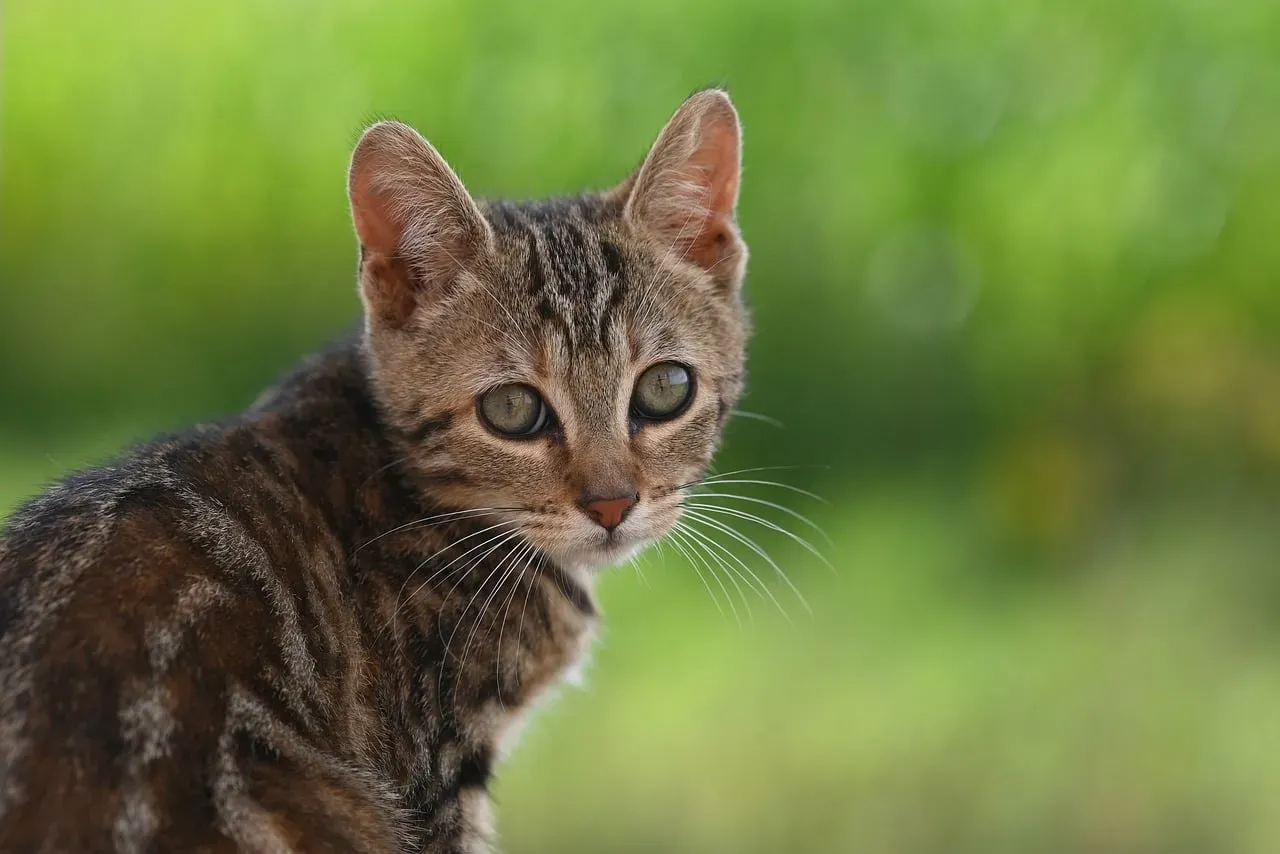
In the animal kingdom, direct eye contact often signals dominance, aggression, or a challenge, and cats are no exception. This isn’t a personality quirk specific to grumpy or antisocial cats. It’s wired deep into their evolutionary history.
A prolonged stare without blinking may make a cat feel threatened or uncomfortable. In the wild, predators often stare to size up their prey, and that instinct remains in the domestic house cat. So while your intentions are completely harmless, your cat’s nervous system doesn’t necessarily know that.
When cats are in rivalry, they initially try to out-stare each other. If one of the cats eventually looks away, it usually signals surrender. However, if prolonged staring cannot resolve the problem, it may progress into swatting or wrestling while they continue to stare at each other. Your extended gaze, even as a curious human, can tap into exactly those same instincts.
#2. The Slow Blink Changes Everything
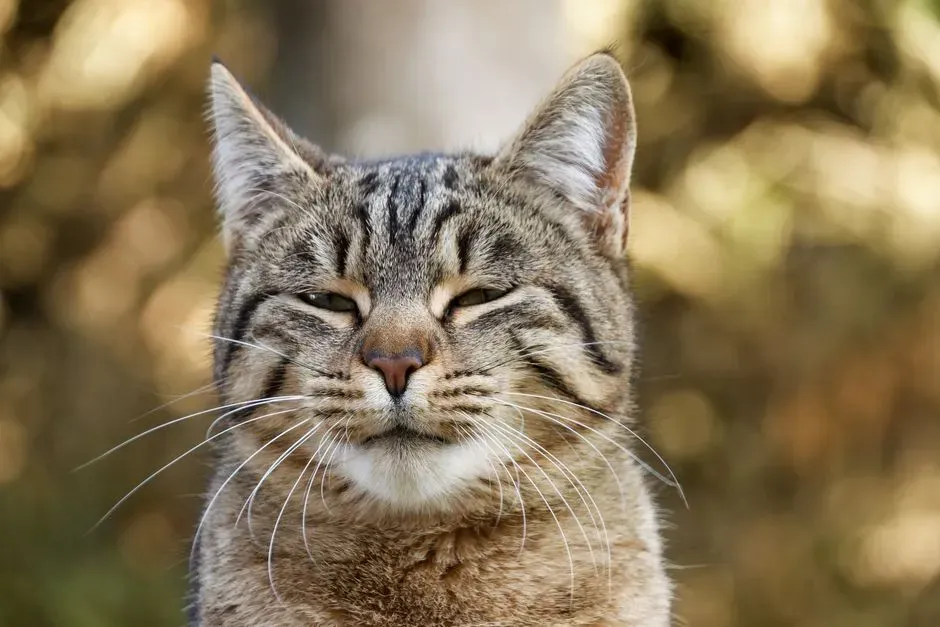
According to a 2020 study published in Scientific Reports, the secret to positive feline eye communication lies in one gentle gesture: the slow blink. Instead of smiling the way humans do, cats communicate friendliness by narrowing their eyes and blinking slowly. It’s a subtle but measurable shift from staring to speaking.
A team of psychologists designed two experiments to determine whether cats behave differently toward humans who blink slowly. In the first experiment, cat owners were tasked with slowly blinking at 21 cats from 14 different households. The results showed that cats were more likely to blink slowly toward humans after the humans blinked at them.
In the second experiment, it was the researchers, not the owners, who blinked slowly at the cats. They found that cats were not only more likely to blink back but also more likely to approach the human’s hand after the human blinked. It’s important to note that while communicating through slow blinking requires attention and eye contact, direct eye contact in the form of a prolonged stare can still be perceived negatively and as threatening behavior by cats, so slow blinking needs to be used in a subtle, non-confrontational way.
#3. Something Happens in Your Brain Too
Studies show that eye contact between cats and their owners can trigger the release of oxytocin, often called the “love hormone.” This chemical boost creates feelings of trust and affection, not just for your cat but for you, too. It’s a biological feedback loop: your cat stares, you feel loved, and the bond between you grows stronger.
This hormonal exchange is similar to what happens between mothers and babies, or close friends. It’s a reminder that our relationships with our pets are built on real, measurable chemistry. That sense of being seen by a cat isn’t purely emotional projection. There’s actual neurological activity behind it.
Although oxytocin has historically been known for its role in childbirth and lactation, recent research has revealed its impact on social behavior beyond reproduction. Previous studies have suggested that it plays a role in sociability, anxiety behaviors, peer recognition, trust, and the formation of bonds across species. The connection you feel when a cat holds your gaze is, in a very real sense, chemically legitimate.
#4. Their Eyes Are Telling You Something Specific
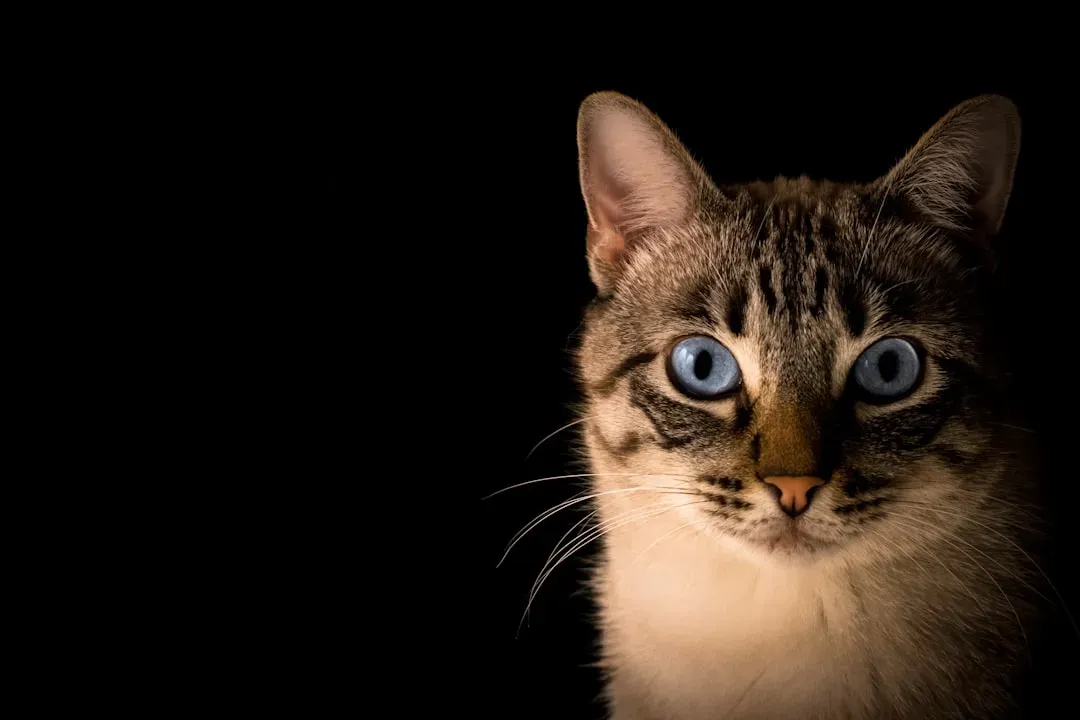
Knowing how to decipher the meaning of your cat’s eyes can help you better understand your cat and build a stronger bond. A cat’s eyes can communicate a wide range of emotions, including fear, excitement, anger, trust, and affection. The trick is learning to read those signals in context rather than in isolation.
If your cat is staring at you with half-closed eyes, this is a sign that they’re comfortable being vulnerable around you. For cats, closing their eyes is the ultimate sign of trust. Dilated pupils, on the other hand, can point to excitement or fear, so the meaning may depend on whether your cat is breaking in a brand-new toy or you just pulled the vacuum cleaner out of the closet.
Cats open their eyes wide when they are alert and assessing their surroundings. Exposing wide-open eyes to potential injury can itself be a sign of trust. However, cats that stare unblinking from a distance can do so out of a need for control, dominance, or aggression. Context really does carry all the weight here.
#5. The Long-Term Effect on Your Bond
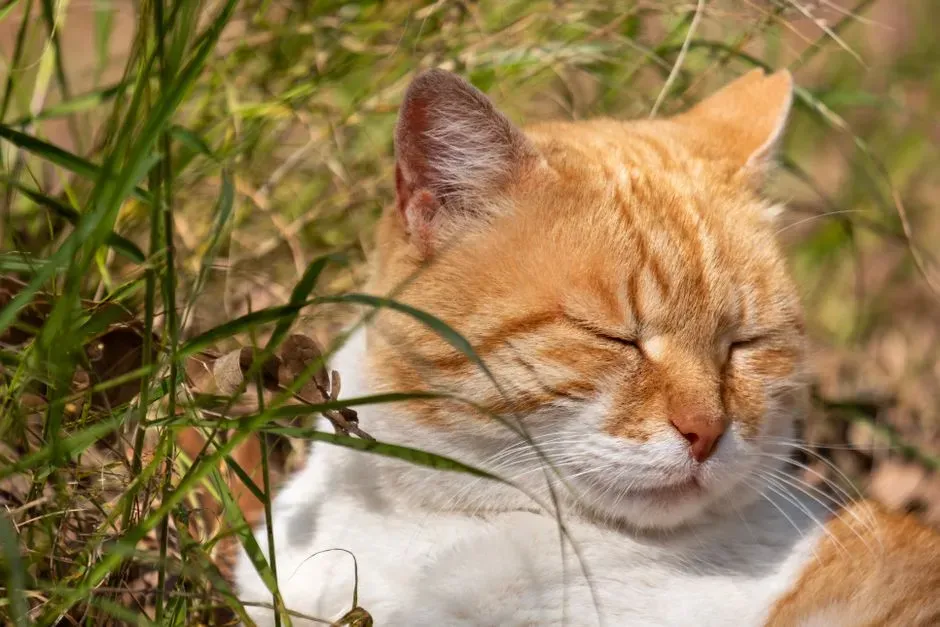
Recent studies have shown that cats are far more attuned to their human companions than previously believed. They often mirror their owners’ personalities and can even pick up on emotions like sadness. Despite common stereotypes, the relationships they form with humans are both deep and meaningful.
Research has demonstrated that cats that responded to human slow blinking by using eye closures themselves were rehomed quicker than cats that closed their eyes less. Cats that were initially identified as more nervous around humans also showed a tendency toward giving longer slow blink movements in response to human slow blinking. These results suggest that the slow blink sequence may have a dual function, occurring in both affiliative and submissive situations.
The implications of this discovery go well beyond simple curiosity. The research published in Scientific Reports suggests that the slow blink technique could be particularly useful in stressful situations, such as vet visits or shelter environments. Professionals working with cats could use it to ease tension and build trust more quickly. That’s a practical takeaway with real weight, especially for anyone working with cats that have had difficult starts.
What This All Means for You and Your Cat
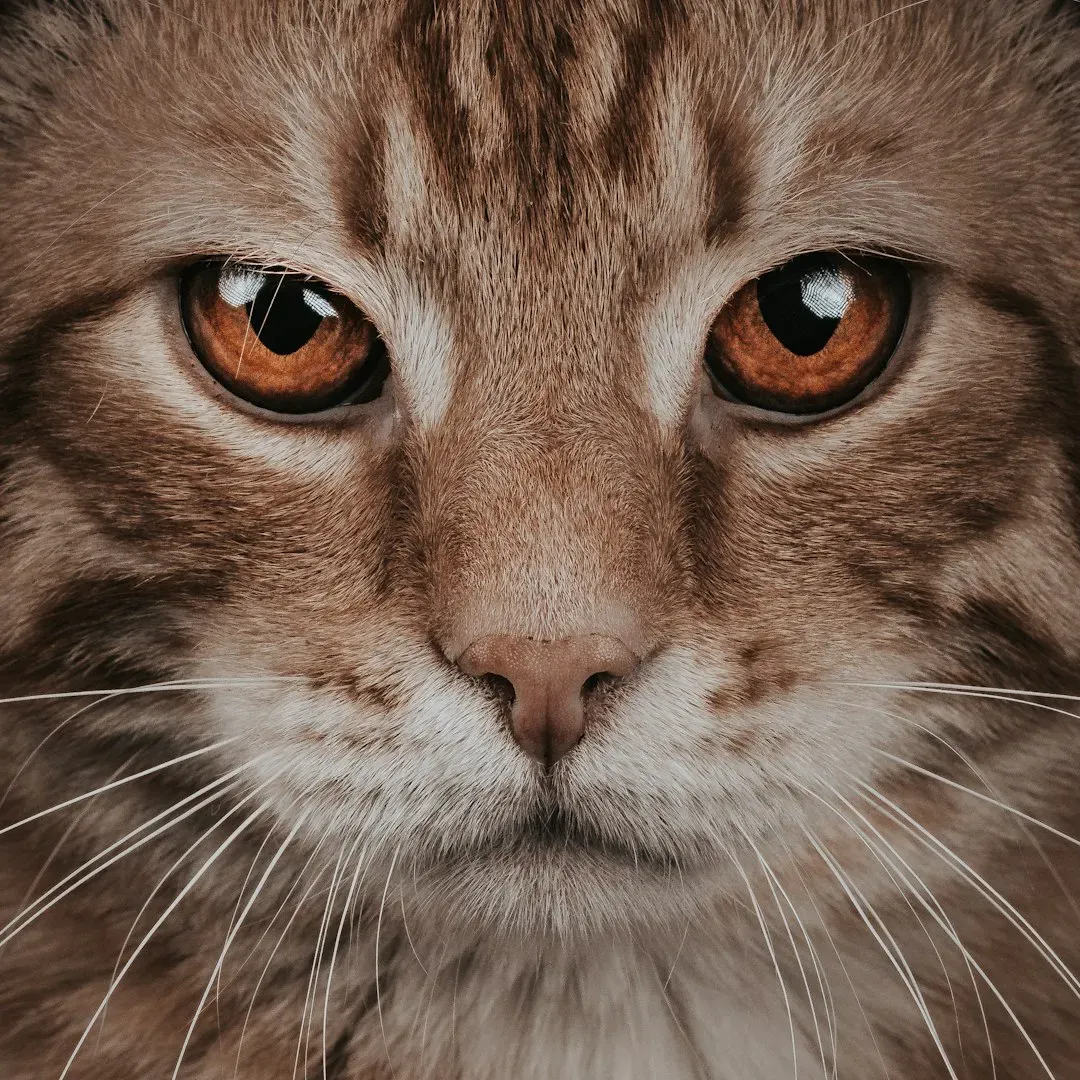
The next time you find yourself locked in a staring contest with your cat, you’re not just participating in a cute domestic ritual. You’re engaging in a form of interspecies communication that researchers are still actively mapping out. The stare itself carries risk, but what you do within it matters enormously.
You can look back at your cat with a soft gaze, but directly staring into your cat’s eyes could be perceived as aggressive and may make your cat uncomfortable. It’s not that you should never look into a cat’s eyes, but a direct stare may appear aggressive. Softly or indirectly gazing at your cat, however, could signal comfort and trust.
There’s something genuinely moving about the fact that cats developed a gesture, the slow blink, specifically to tell us they’re at ease. The slow blink shares certain features with the Duchenne smile in humans, as well as positive emotional responses seen in other mammals. This suggests that cats may share some of the same features of positive signaling found across a wide range of animals, including humans.
The next time your cat settles into that steady gaze and then slowly closes their eyes at you, don’t overthink it. Just blink back. Slowly. That’s the whole conversation, and it’s enough.

- 6 Exotic Bird Species You Can Spot in U.S. National Parks - July 19, 2026
- 11 Iconic American Birds Facing New Challenges and How You Can Help - July 19, 2026
- 10 Friendliest Animals in the World - July 19, 2026