

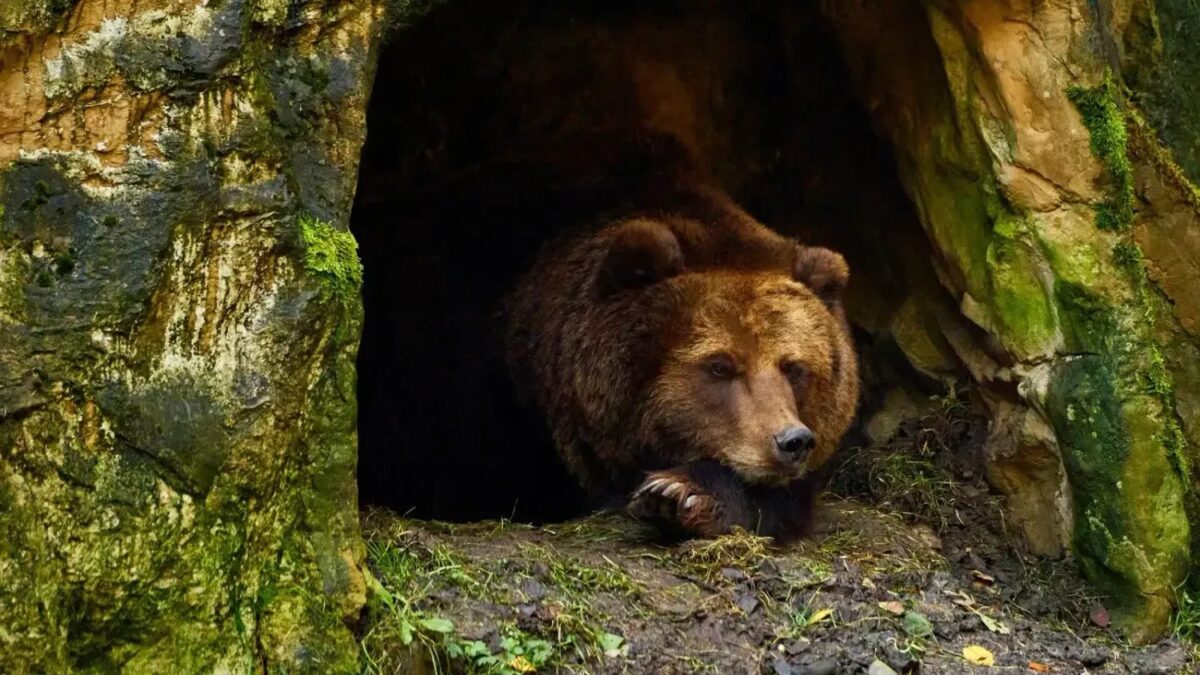
Imagine sleeping for months without moving, yet waking up with your muscles almost perfectly intact. For most humans, even a few weeks of bed rest can cause dramatic muscle wasting. So how do bears, ground squirrels, and other hibernating animals pull off what seems biologically impossible?
Scientists have been chasing this question for years, and the answers coming out of recent research are genuinely surprising. There’s something happening inside hibernating animals at the molecular level that could reshape how we think about muscle preservation, aging, and even long-term space travel. Let’s dive in.
The Strange Science of Hibernation and Muscle Preservation
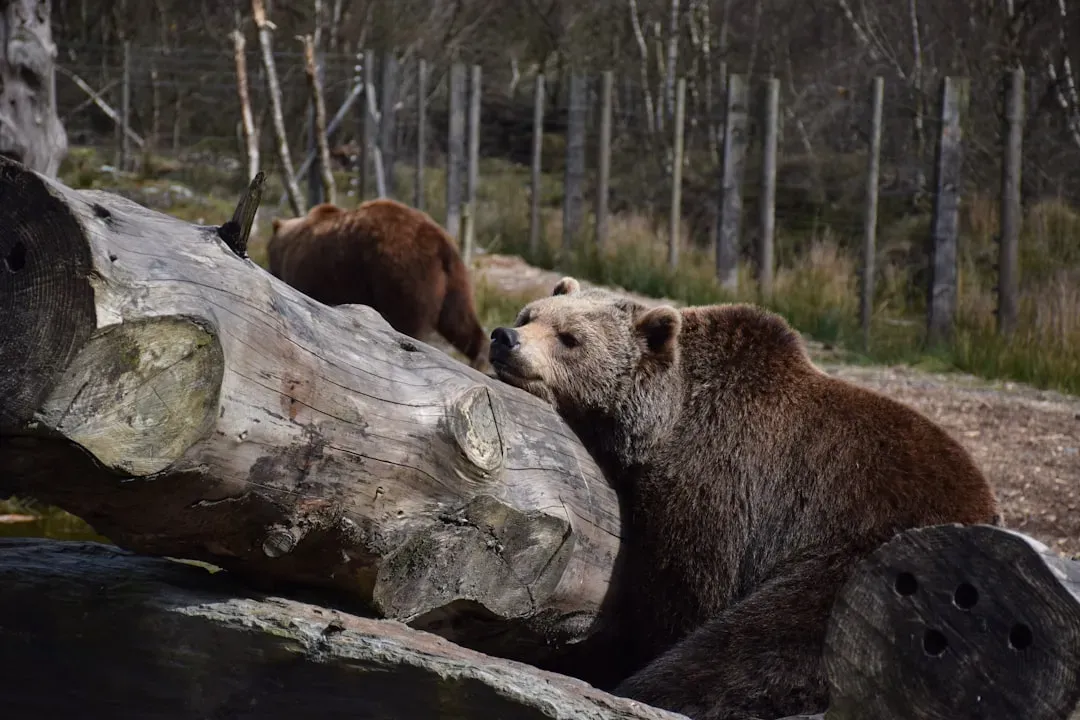
Here’s the thing most people don’t realize: hibernation isn’t just a long nap. It’s an extreme physiological state where body temperature plummets, heart rate slows to just a few beats per minute, and metabolism drops to a fraction of its normal level. Animals in this state can go months without food, water, or movement.
What makes this remarkable is that in humans, prolonged immobility triggers a process called disuse atrophy, where muscles literally shrink from lack of use. Yet hibernating animals emerge from their dens each spring with muscle mass and strength surprisingly well preserved. That contrast is what’s driving researchers to look much more closely at the underlying biology.
The Molecular Signals That Protect Muscle Tissue
Researchers studying hibernating ground squirrels have found something genuinely fascinating: these animals appear to actively regulate the molecular pathways that would normally trigger muscle breakdown. During deep hibernation, certain protein degradation signals are suppressed in ways that aren’t fully seen in non-hibernating mammals.
Specific proteins involved in the ubiquitin-proteasome pathway, which is basically the cell’s machinery for breaking down damaged or unneeded proteins, seem to be dialed down during torpor. Think of it like a self-destruct mechanism that the body simply pauses. Scientists believe this isn’t accidental. It looks like a tightly controlled biological program, not just a passive slowdown.
The Role of Periodic Arousals During Hibernation
One of the more counterintuitive findings involves what happens during brief warming episodes within the hibernation period. Hibernating animals don’t stay cold and still the entire winter. They experience short bursts of arousal, warming back up temporarily before dropping into torpor again.
Honestly, this used to puzzle researchers because those arousals are metabolically expensive. Why burn precious energy reserves just to wake up briefly? It now appears these short active periods may play a critical role in stimulating muscle maintenance, essentially giving muscles a periodic biological “signal” that keeps atrophy at bay. It’s almost like a scheduled maintenance ping that the body sends to its own tissues.
What This Could Mean for Aging and Muscle Wasting in Humans
Muscle loss is one of the most debilitating aspects of aging. The condition, known as sarcopenia, affects a significant portion of older adults and contributes to falls, reduced independence, and a steep decline in quality of life. Current interventions are limited, mostly relying on physical therapy and nutritional support.
This is where the hibernation research gets exciting for human medicine. If scientists can identify the exact molecular switches that hibernating animals use to preserve muscle, it may be possible to develop therapies that mimic those mechanisms in humans. The idea isn’t to make people hibernate, obviously, but to borrow the biological blueprint and apply it in a clinical setting. That’s an enormous potential leap forward.
Applications for Patients with Limited Mobility
Beyond aging, there’s a huge population of patients who experience muscle wasting due to conditions they simply can’t avoid. People recovering from major surgeries, those with spinal cord injuries, or patients on prolonged bed rest all face serious muscle loss that complicates recovery and long-term outcomes.
Current medicine doesn’t have a great solution for this. You can’t really exercise a patient who is unconscious or severely ill. But if a drug or treatment could activate hibernation-like muscle-preservation pathways, even partially, the potential impact on recovery times and patient outcomes would be significant. Let’s be real, that could change the entire landscape of critical care medicine.
The Connection to Space Travel and Long Duration Missions
It’s hard to say for sure where the most dramatic application of this research will eventually land, but space exploration is a compelling candidate. Astronauts on long-duration missions already face serious muscle and bone loss due to microgravity. The longer the mission, the worse the problem becomes, and a trip to Mars would push that challenge to an entirely new level.
Scientists and space agencies have long explored the concept of induced torpor for deep space travel, partly as a fuel-saving strategy but also as a health preservation tool. If hibernation biology can be more precisely understood and eventually replicated pharmacologically, it brings that concept closer to practical reality. What hibernating bears figured out through millions of years of evolution might end up powering humanity’s journey to other planets.
Where the Research Goes From Here
The current work is still largely in the foundational science phase. Researchers are building a detailed map of which genes are upregulated or suppressed during hibernation-related muscle preservation, and comparing those patterns across multiple hibernating species to find common threads.
The hope is that consistent patterns across species will point toward universal biological mechanisms rather than quirks specific to one animal. From there, identifying drug targets or genetic interventions becomes a more realistic goal. It’s painstaking, methodical work, but the foundation being laid right now feels genuinely significant. The animals that sleep through winter might just be holding the keys to one of medicine’s most stubborn and costly challenges.
Conclusion
The idea that a bear sleeping in a den could hold clues to treating muscle disease in elderly patients or helping astronauts survive deep space travel sounds almost absurd. Yet here we are, and the science is real, growing, and genuinely promising. Nature, as it turns out, has been quietly solving problems that human medicine is only beginning to frame properly.
I think what’s most striking about this research is the humility it demands. We’ve been studying muscle biology for decades, yet a hibernating ground squirrel has mechanisms we haven’t come close to replicating. Sometimes the most important breakthroughs come not from building something new, but from paying attention to what already exists in the natural world.
What do you think? Could understanding hibernation biology genuinely change how we treat muscle disease in humans? Share your thoughts in the comments below.

- Beavers Are Nature’s Engineers, Creating Vital Habitats for Other Wildlife Species - July 21, 2026
- The Recovery of the California Condor Offers Hope for Other Critically Endangered Birds - July 21, 2026
- Bats Play a Crucial Role in Controlling Insect Populations Across the United States - July 21, 2026