

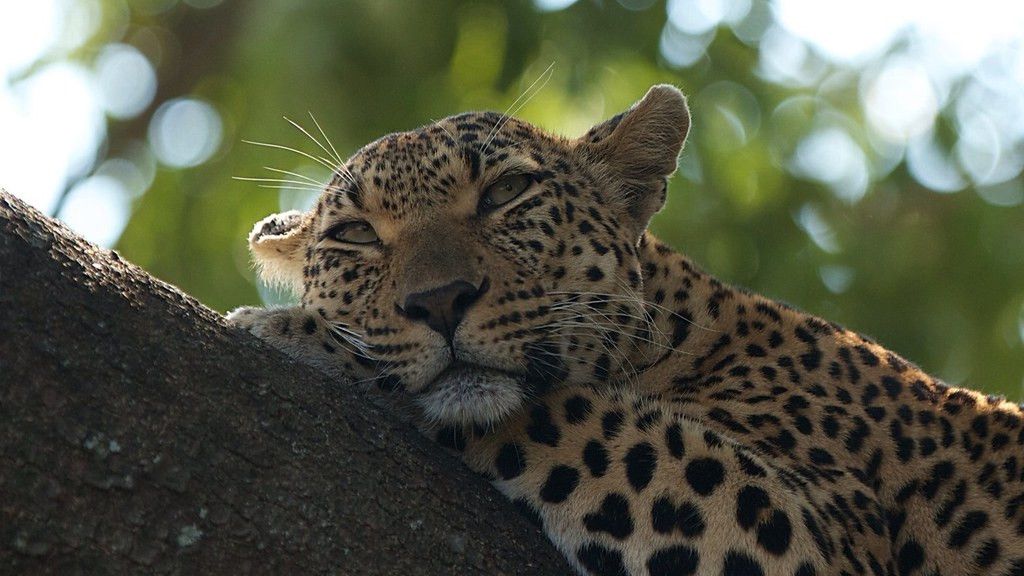
Something remarkable just happened in the wild landscapes of South Africa’s Western Cape. After roughly 200 years of silence, the land is finally breathing with the footfall of leopards again. It’s one of those stories that sounds almost too good to be true, yet here we are.
Wildlife conservation doesn’t always hand us victories like this. More often, it’s a slow grind of declining numbers and shrinking habitats. So when a rewilding effort actually works, it deserves every bit of attention it can get. Let’s dive in.
A Vanished Predator, Finally Coming Home
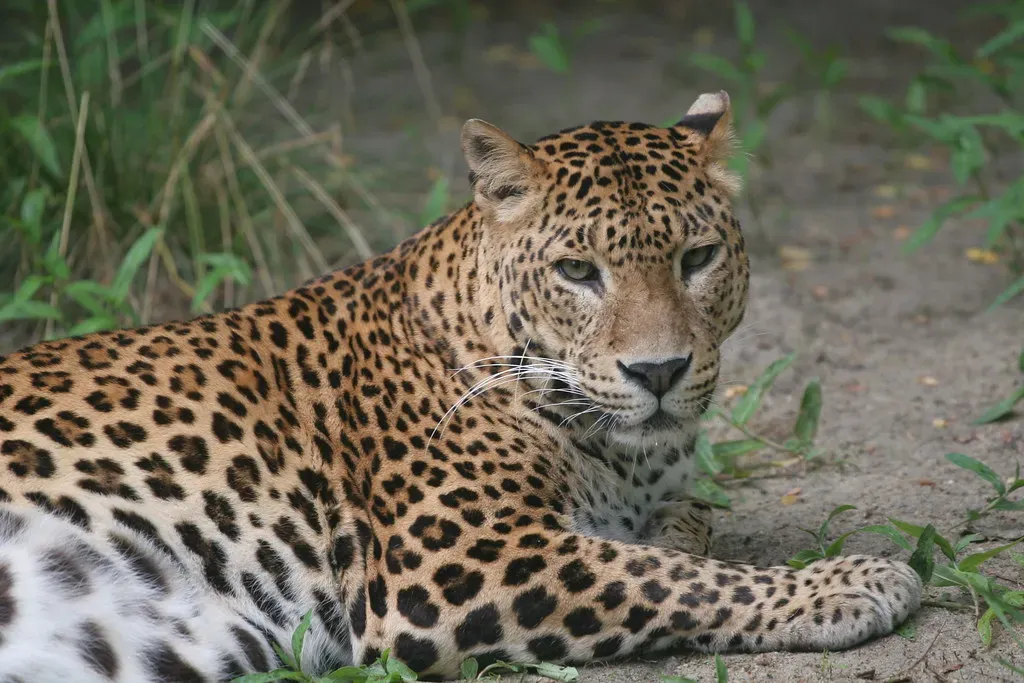
Honestly, the idea that leopards once roamed freely across the Cape region and were simply wiped out by human activity is a sobering thought. These animals disappeared from the area almost entirely due to persecution by farmers and colonial settlers who viewed them as threats to livestock. By the early 1800s, they were essentially gone from the landscape.
The absence of a top predator doesn’t just leave an empty spot in the ecosystem. It creates a cascade of imbalances, where prey species overpopulate, vegetation gets stripped, and the whole food web starts to wobble. Restoring a leopard population, then, is about far more than just bringing back one animal.
The Reintroduction Project Behind the Return
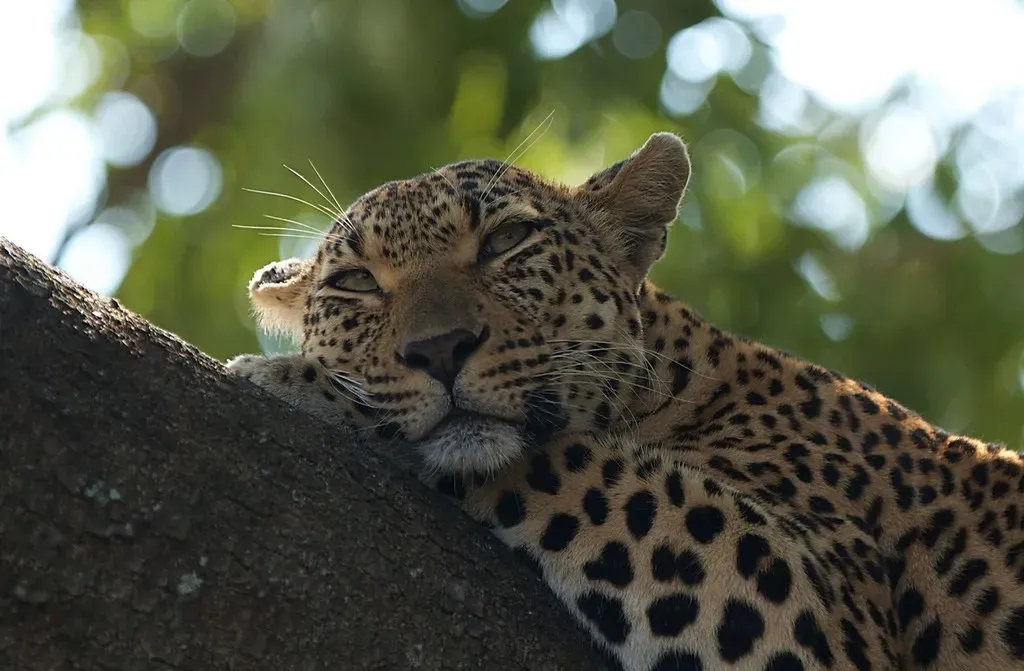
The effort to bring leopards back to the Cape region was carefully planned and executed over a significant period. Conservation teams working in South Africa sourced leopards from existing populations and prepared a suitable reserve environment before any animals were released. This wasn’t a rushed decision.
Here’s the thing about large carnivore reintroductions: they require enormous groundwork. Habitat assessments, prey base surveys, community engagement with local landowners, and monitoring infrastructure all had to be in place before a single leopard set paw on new ground. The level of preparation involved is genuinely impressive.
Where Exactly the Leopards Were Released
The reintroduction took place within a protected reserve in the Cape region, giving the animals a secured environment to establish themselves before any wider range expansion. Protected areas act like launching pads in conservation, a safe zone where animals can stabilize, breed, and begin to self-sustain.
The choice of location wasn’t random. The area needed to offer sufficient prey, adequate cover, and enough territorial space to prevent the leopards from immediately coming into conflict with surrounding farmland. Selecting the right patch of land is as critical as selecting the right animals.
How the Leopards Are Being Monitored
Once released, the leopards didn’t simply disappear into the bush without a trace. Conservationists fitted the animals with tracking collars that allow real-time monitoring of their movements, behavior, and territorial ranges. Think of it like a GPS system for wildlife management.
Camera traps spread throughout the reserve add another layer of observation, capturing footage of the animals as they settle in. This combination of technologies lets researchers track not just whether the leopards are surviving, but how they are interacting with the ecosystem. Early data from this monitoring has been described as encouraging.
Signs of Success So Far
Perhaps the most exciting development from this project is that the leopards appear to be adapting well. They have been observed hunting successfully within the reserve, which signals that the prey base is viable and the animals are behaving naturally rather than struggling to adjust.
Let’s be real, not every reintroduction story ends this well in its early stages. Some animals fail to adapt, some disperse out of protected zones, and some simply don’t survive the stress of translocation. The fact that these leopards are settling in and hunting on their own is a genuine milestone worth celebrating.
Why This Matters for the Broader Ecosystem
Leopards are what ecologists call a keystone species, meaning their presence or absence has outsized effects on the environment around them. With leopards back in the Cape landscape, the populations of prey animals like baboons and smaller antelope will face natural pressure, which should help restore a more balanced ecological rhythm.
There is also a ripple effect that goes beyond just predator and prey dynamics. Vegetation patterns, soil health, and even water systems are indirectly shaped by the presence of apex predators. It sounds almost philosophical, but nature really does function better when all its players are at the table.
Community Involvement and the Road Ahead
No rewilding project can succeed without buy-in from the people who live alongside it. Local farmers and landowners in and around the Cape reserve have been involved in conversations about coexistence strategies, compensation frameworks for potential livestock losses, and the long-term benefits of having a functioning predator ecosystem nearby. Getting that community trust is often harder than catching the leopards themselves.
Looking ahead, conservationists are cautiously optimistic. The goal isn’t simply to maintain a small, isolated population within one reserve forever. The longer vision involves gradual range expansion, possible population connectivity with leopards in other parts of South Africa, and the eventual establishment of a self-sustaining Cape leopard presence. It’s an ambitious road, but after 200 years, this is genuinely a beginning.
A Final Thought
Rewilding stories like this one remind us that ecosystems have an extraordinary capacity to recover, if we give them the chance. Two centuries is a long time for a landscape to go without one of its most iconic predators, yet the land and the leopards seem ready to find each other again.
I think what moves me most about this story is that it proves conservation isn’t always about damage control. Sometimes, it’s about repair. Real, tangible, breathing repair. The question now is whether this success can be protected, expanded, and used as a blueprint elsewhere. What do you think? Could rewilding projects like this change the future of conservation in Africa? Tell us in the comments.

- Beavers Are Nature’s Engineers, Creating Vital Habitats for Other Wildlife Species - July 21, 2026
- The Recovery of the California Condor Offers Hope for Other Critically Endangered Birds - July 21, 2026
- Bats Play a Crucial Role in Controlling Insect Populations Across the United States - July 21, 2026