
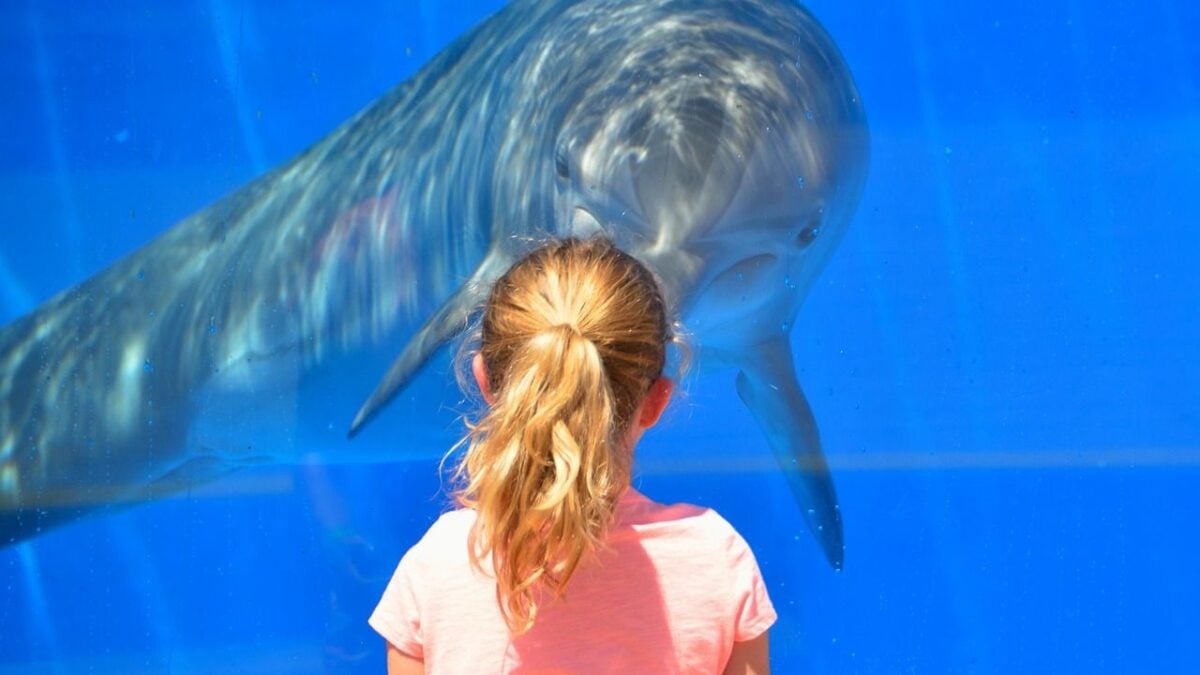
Picture this: you’re enjoying a peaceful swim when suddenly you hear a familiar voice speaking perfect English from below. It’s a flounder, and it has opinions about ocean pollution that would make environmental activists blush. While this scenario might sound like something from a children’s movie, the implications of marine life suddenly speaking human languages would reshape our world in ways we can barely imagine.
The ocean already hums with complex communication systems. Whale communication, like birdsong, shares remarkable structural parallels with human language, and humpback whales exhibit hierarchical song structure with notes forming phrases and phrases forming songs. Yet what if this sophisticated communication suddenly transformed into our own words? Let’s dive into this thought experiment and explore how such a monumental change would ripple through every aspect of human existence.
The Scientific Revolution Would Be Instantaneous
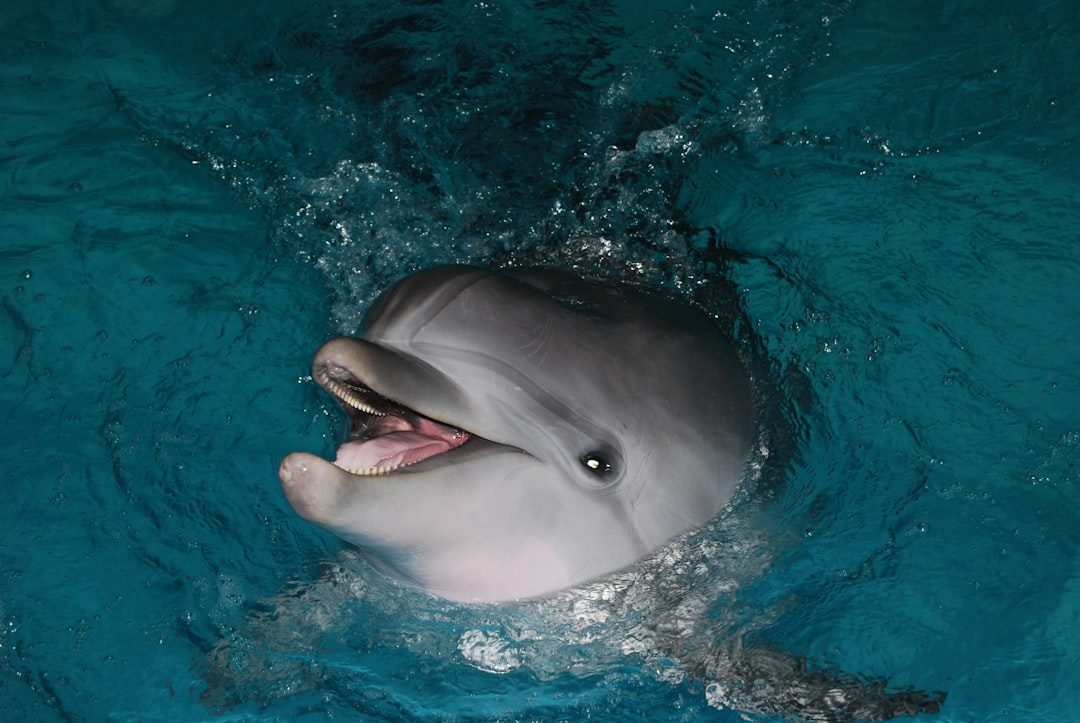
The moment a dolphin starts explaining quantum physics from its unique perspective, the entire scientific community would experience whiplash. Think about it: we’ve spent decades trying to decode what dolphin mothers use “motherese” (infant-directed speech) with their calves means, and suddenly we’d have direct access to marine biology from the inside.
Researchers have found that their acoustic ‘language’ is incredibly complex, including signature whistle sounds for individual animals (aka names), but imagine those names being spoken in crisp English or Mandarin. The research possibilities would explode overnight. We’d finally understand migration patterns not from tracking devices, but from whales describing their journeys in vivid detail.
Ocean Conservation Would Never Be the Same
Environmental activism would take on an entirely different dimension when the victims can literally speak for themselves. Picture the first congressional hearing where a sea turtle testifies about plastic pollution, describing in heart-wrenching detail how it felt to mistake a plastic bag for a jellyfish.
A healthy ocean provides us with oxygen, helps regulate climate and weather, acts as a source of protein for many people around the world, and provides jobs and opportunities for eco-tourism and recreation. But when the ocean’s inhabitants can articulate their experiences of rising temperatures, acidification, and habitat destruction, the urgency of conservation efforts would become impossible to ignore. Climate change denial would become practically impossible when polar bears are giving interviews about disappearing ice floes.
The Legal System Would Face Unprecedented Challenges
Here’s where things get really complicated. If marine animals can communicate their thoughts and feelings, do they deserve legal rights? The moment a dolphin can say “I didn’t consent to being captured,” the entire concept of marine parks and aquariums would face a legal earthquake that would make landmark civil rights cases look simple.
Courts would grapple with questions that seem absurd today but would become urgent realities. Can a whale own property? If fish can communicate their desire to live, is fishing murder? The legal precedents would need to be written from scratch, and every maritime law would require complete revision.
The Fishing Industry Would Collapse Overnight
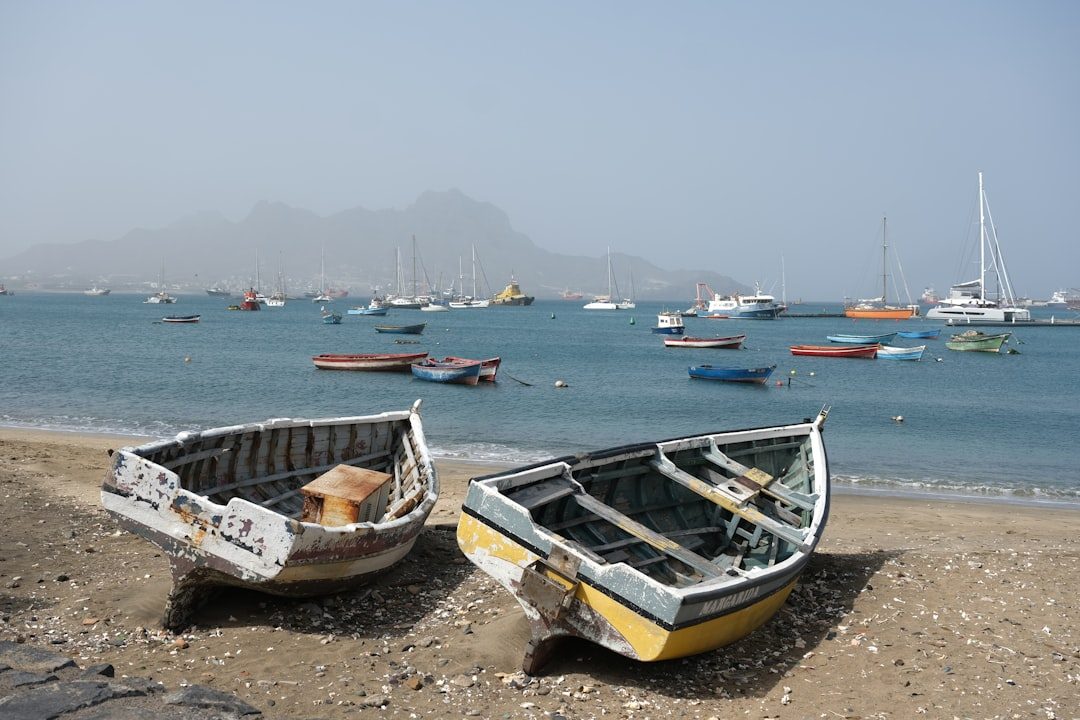
Imagine casting a line and hearing a voice from below saying, “Please don’t hurt me, I have children waiting at home.” The psychological impact on fishermen would be devastating. Many marine animals rely on sound for survival. They depend on unique adaptations to communicate, locate food, navigate underwater, and/or understand their environment, and if they could express these needs in human language, the entire seafood industry would face an existential crisis.
Commercial fishing operations would become impossible to maintain when the catch can literally beg for their lives. Alternative protein sources would need rapid development, and coastal communities dependent on fishing would face economic devastation. The transition period would be chaotic, with governments scrambling to provide retraining and support for millions of workers worldwide.
Tourism and Recreation Would Transform Completely
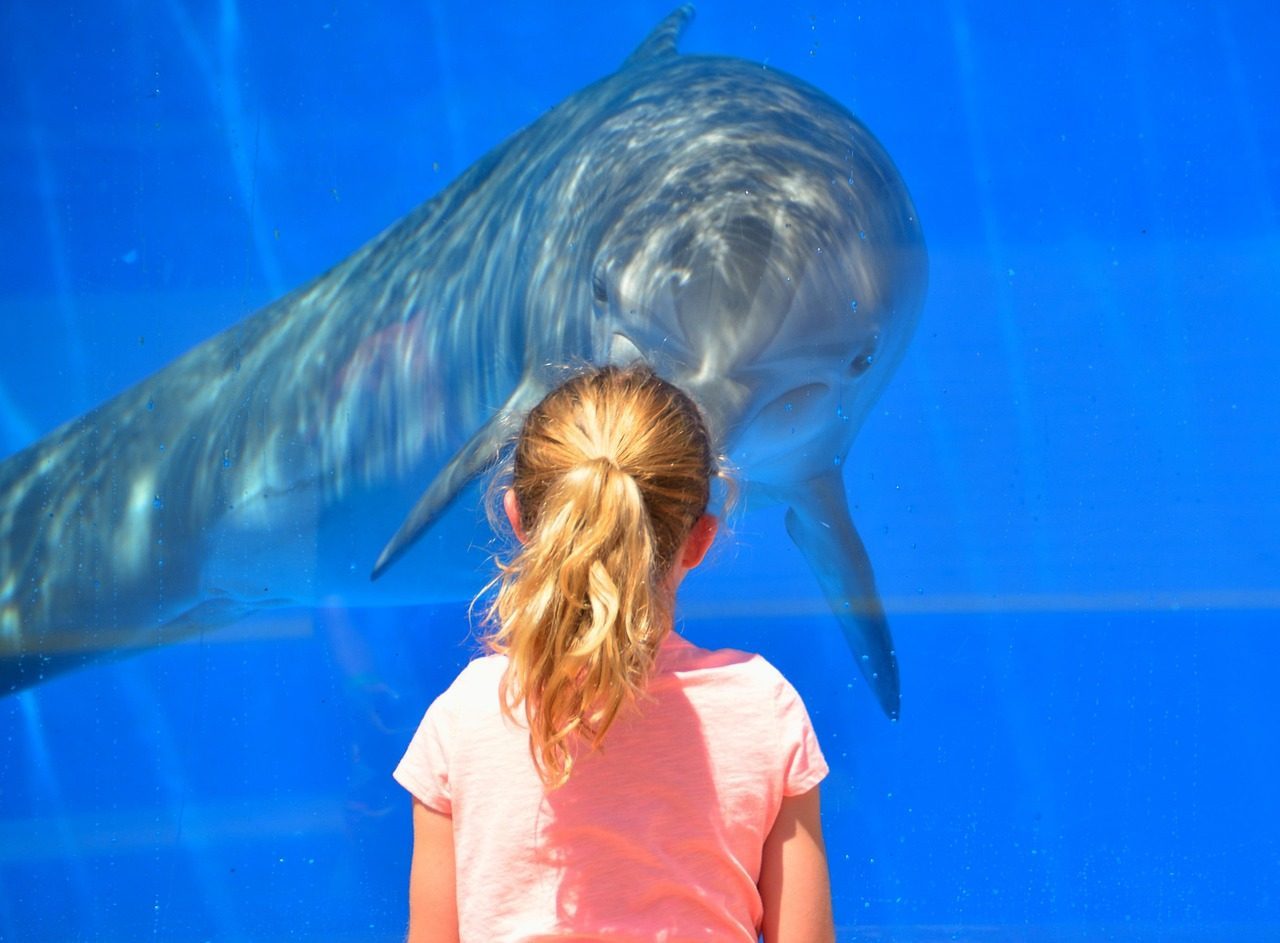
Scuba diving would evolve from a peaceful underwater experience to something resembling a crowded cocktail party. Imagine trying to enjoy the serenity of a coral reef while fish are chatting about their day, complaining about water temperature, or asking tourists why they’re staring.
Beach vacations would never be the same when crabs start offering running commentary on sunbathers, and swimming would become a social activity in ways we never anticipated. The tourism industry would need to develop entirely new protocols for interacting with articulate marine life, and underwater etiquette would become a legitimate field of study.
Mental Health and Philosophy Would Grapple With New Questions
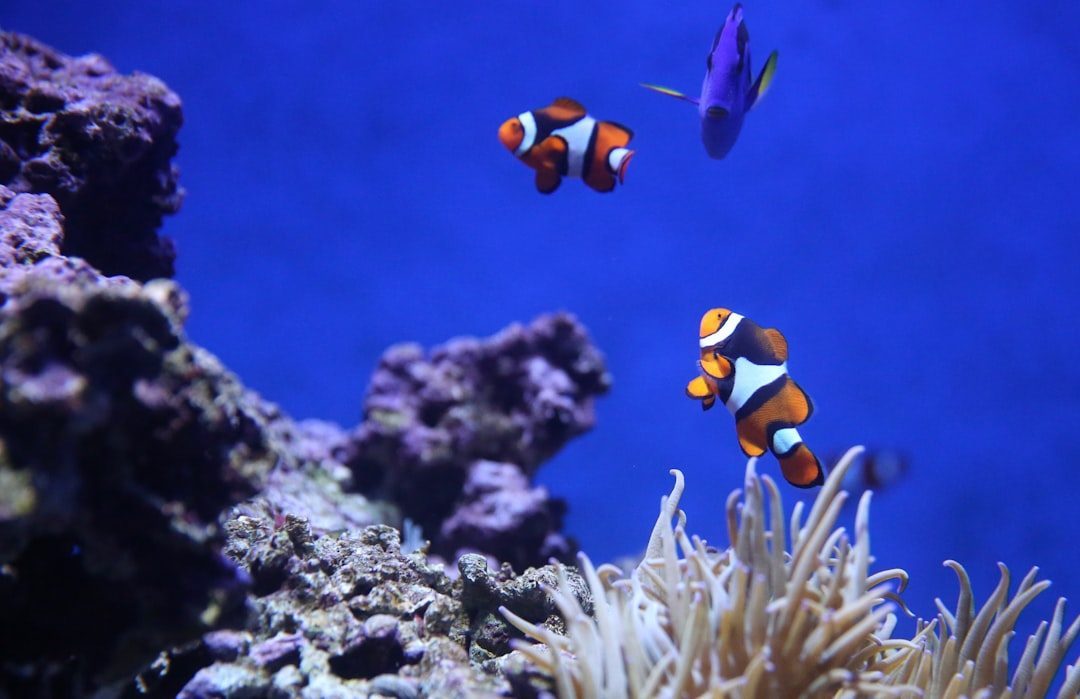
The psychological impact on humans would be profound and lasting. Our understanding of our place in the natural world would shift dramatically when we realize we share the planet with billions of intelligent, articulate beings we’ve been largely ignoring.
Existential questions would multiply exponentially. What does it mean to be human when octopi can discuss philosophy and sharks can share their perspectives on mortality? Depression and anxiety rates might spike as people grapple with the guilt of how we’ve treated the ocean, while others might find profound meaning in suddenly having access to ancient wisdom from long-lived species like sea turtles and whales.
The Future Would Be Unrecognizable
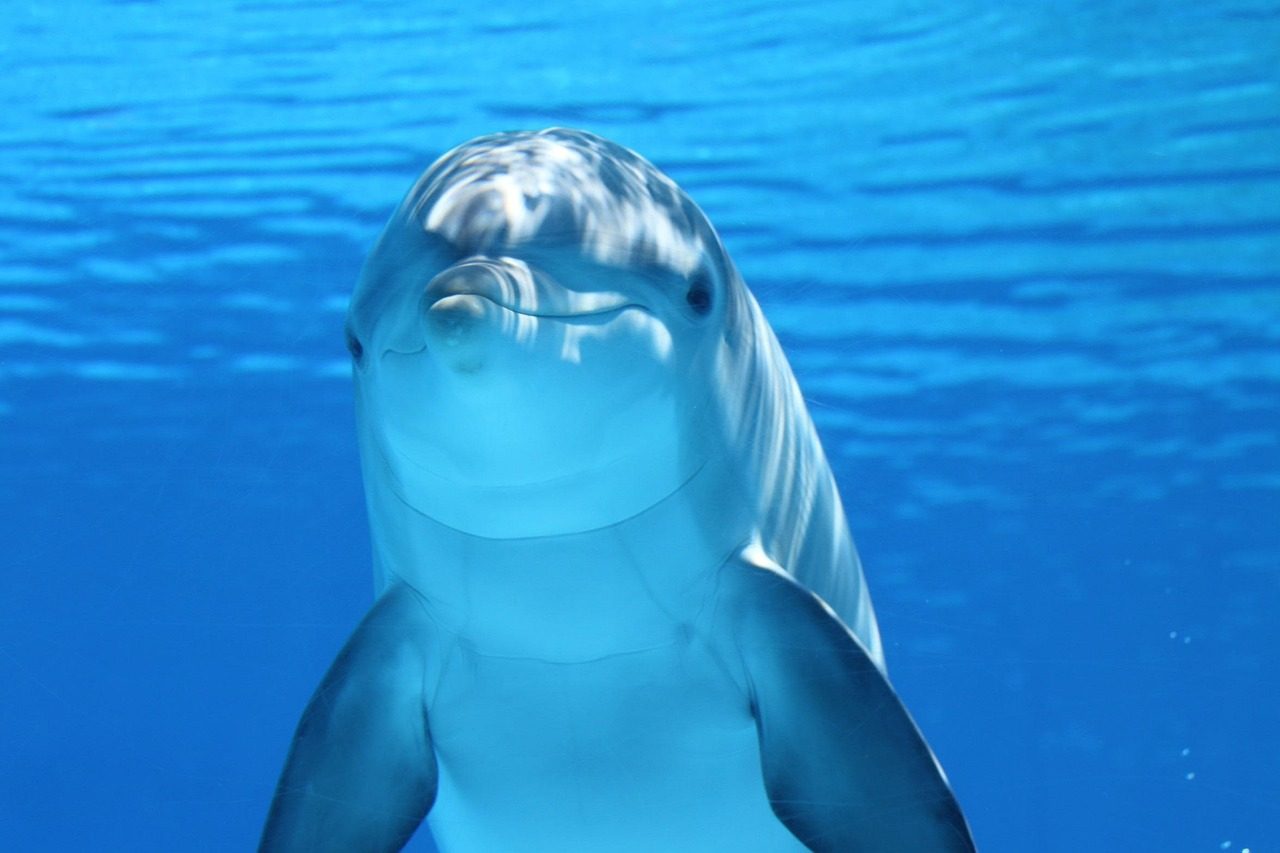
Within a generation, human civilization would be unrecognizable. Children would grow up in a world where talking to marine life is as normal as walking the family dog. Educational systems would need complete overhaul to include inter-species communication as a core curriculum.
The very concept of human exceptionalism would crumble, replaced by a more collaborative approach to planetary stewardship. We’d likely see the emergence of inter-species councils, marine representatives in government, and underwater cities designed for human-aquatic cooperation. The ocean would no longer be a mysterious frontier but a diverse community of articulate neighbors.
This transformation would represent the single greatest shift in human consciousness since the development of language itself. The question isn’t just how we’d adapt to talking marine life, but whether we’d be mature enough as a species to handle the responsibility that comes with such profound communication. What do you think? Would humanity rise to the occasion or struggle with the weight of truly understanding our ocean companions’ experiences?
