
The illegal pet trade is a booming international business with deep roots in both biodiversity hotspots and urban centers worldwide. Typically operating in the shadows, this market exploits humanity’s fascination with exoticism, often at the expense of animal welfare and ecological sustainability. But what’s driving this underworld industry, and what are its impacts on both animals and humans alike? Read on as we dissect the various elements of the illegal pet trade and uncover what makes it such a complex and concerning issue.
Understanding the Scale of the Illegal Pet Trade

The illegal pet trade is a multibillion-dollar industry that spans continents, causing biodiversity loss, threatening species, and impacting global ecosystems. It is considered one of the major threats to wildlife, comparable to habitat destruction and pollution. Despite efforts from conservation organizations and governments, the demand for exotic pets shows little sign of abating, fueled by global interconnectedness and consumer curiosity.
Key Factors Fueling Demand

At the heart of the illegal pet trade lies an insatiable demand for exotic pets. Whether it’s a brightly feathered parrot, a cuddly illegal primate, or a majestic big cat cub, these animals hold an allure for those seeking the novel and the unique. Social media, celebrity endorsements, and the globalization of culture all contribute to this demand, creating a marketplace that thrives on rarity and status symbolism.
Supply Chain: From Capture to Consumer
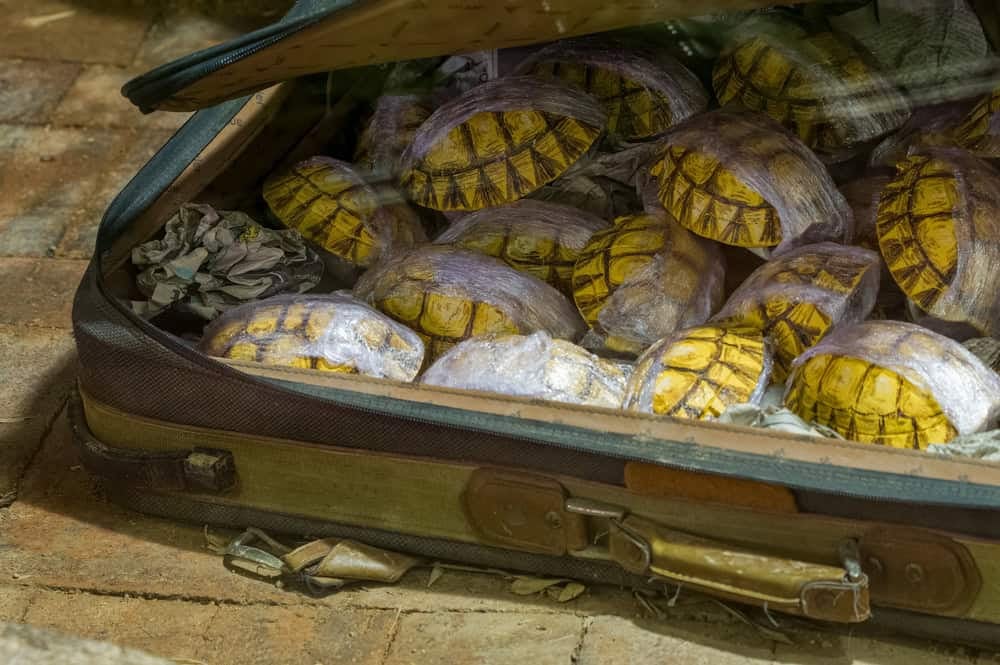
The supply chain of the illegal pet trade is complex and fraught with criminal activity. It begins with poachers capturing animals from the wild, often using cruel methods that can result in injury or death. The journey continues through a series of middlemen, each taking their cut and further compromising the animals’ welfare, until the creatures reach borders and are smuggled into various countries, ending up in the hands of secretive or unknowing consumers.
Types of Animals Most Affected

While almost any animal can fall victim to illegal trade, some species are particularly vulnerable due to their appeal and rarity. High-profile cases include reptiles like turtles and snakes, various bird species, primates, and even big cats. The attractiveness of these animals often stems from their uniqueness or endangered status, ironically contributing to their decline in the wild.
Conservation Implications

The illegal pet trade poses significant threats to biodiversity. It disrupts populations, decreases genetic diversity, and, in some cases, drives species toward extinction. Removing animals from their natural habitats not only depletes wild populations but also impacts the intricate ecological interactions crucial for maintaining balance in ecosystems.
Legal and Ethical Considerations
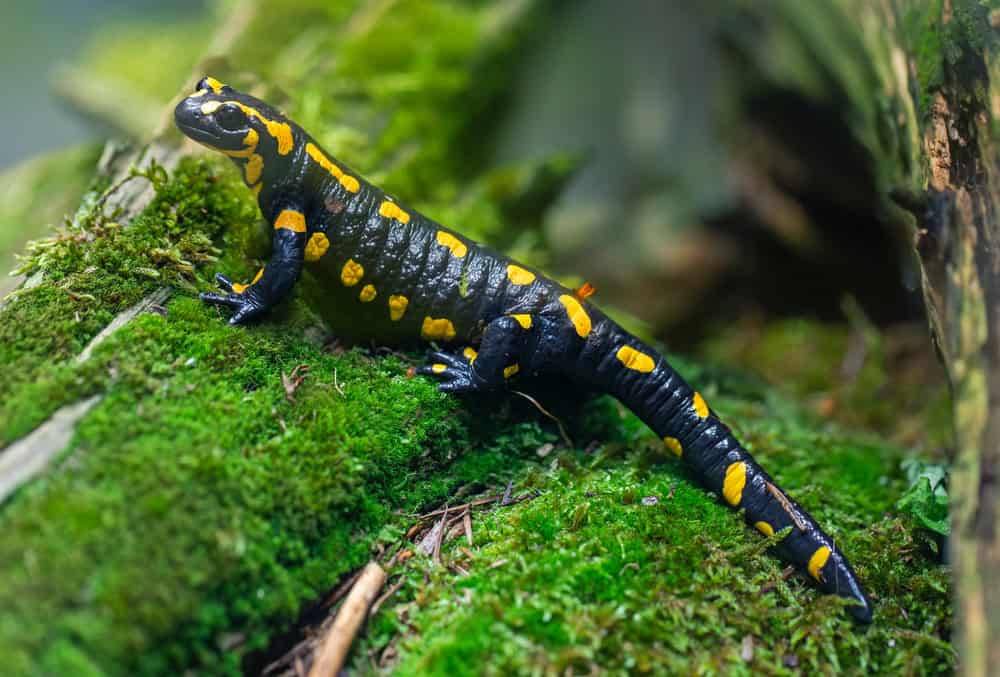
On the legal front, numerous international agreements such as the Convention on International Trade in Endangered Species of Wild Fauna and Flora (CITES) strive to protect animals but often fall short due to enforcement challenges. Ethically, the trade raises questions about animal welfare and the moral responsibilities humans have towards other sentient beings, highlighting a dire need for cultural and societal change in how we perceive and interact with wildlife.
The Role of Poverty and Economic Incentive
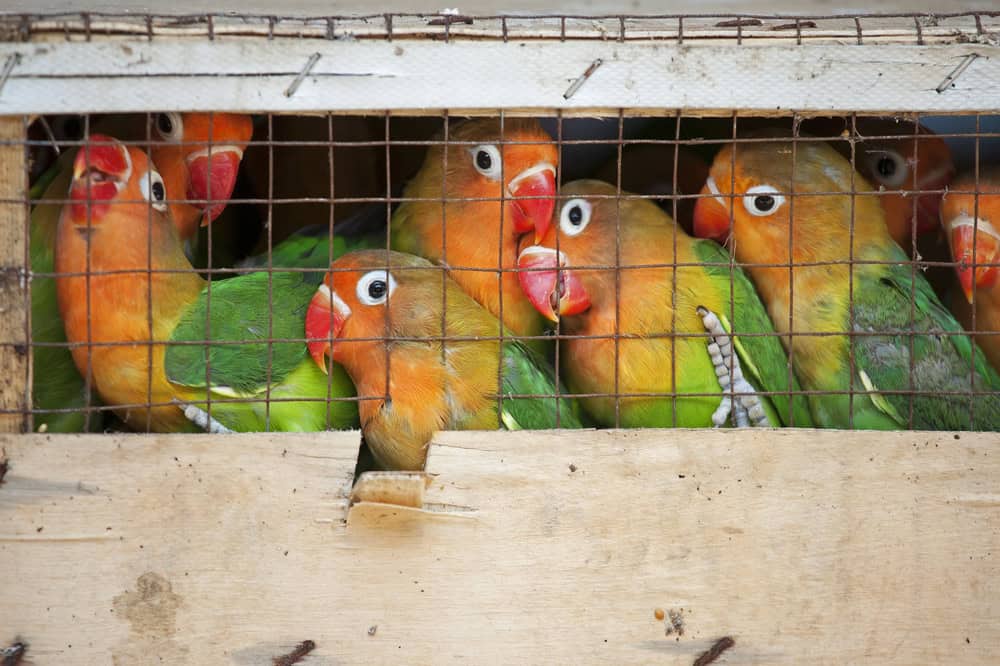
In many regions, poverty drives people to engage in the illegal trade as a means of survival. When the choice is between poverty and illegally selling a rare animal, the economic incentive often wins out, creating a cycle of exploitation that is challenging to break without offering viable economic alternatives for communities reliant on this trade.
Consequences for Human Health and Society

The illegal pet trade doesn’t just impact animals; it can also have severe consequences for human health. The trade often disregards biosecurity measures, contributing to the spread of zoonotic diseases such as avian influenza or monkeypox, posing significant risks to global health security. Furthermore, it can contribute to corruption and undermine legal systems, destabilizing societies.
Spotlight on Activism and Rescue Operations
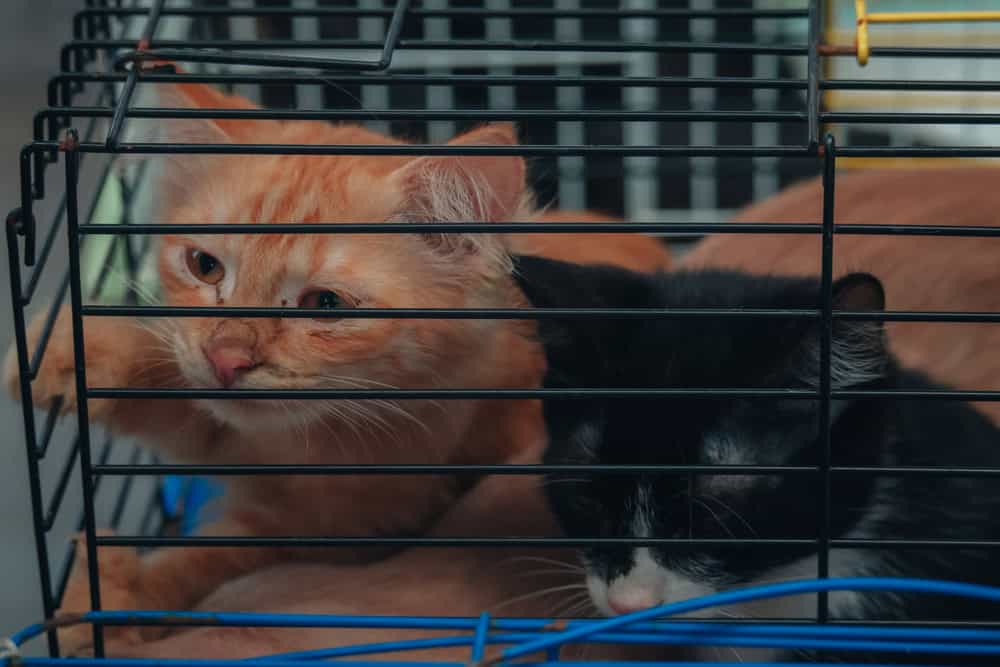
Conservationists, activists, and non-governmental organizations play crucial roles in combating the illegal pet trade. Their efforts range from on-the-ground rescue operations that save animals from deplorable conditions to advocacy for stricter laws and public education campaigns aimed at reducing demand. Despite these efforts, the problem persists, requiring more collaborative and innovative approaches.
Innovative Solutions and Technology in Combatting Trade
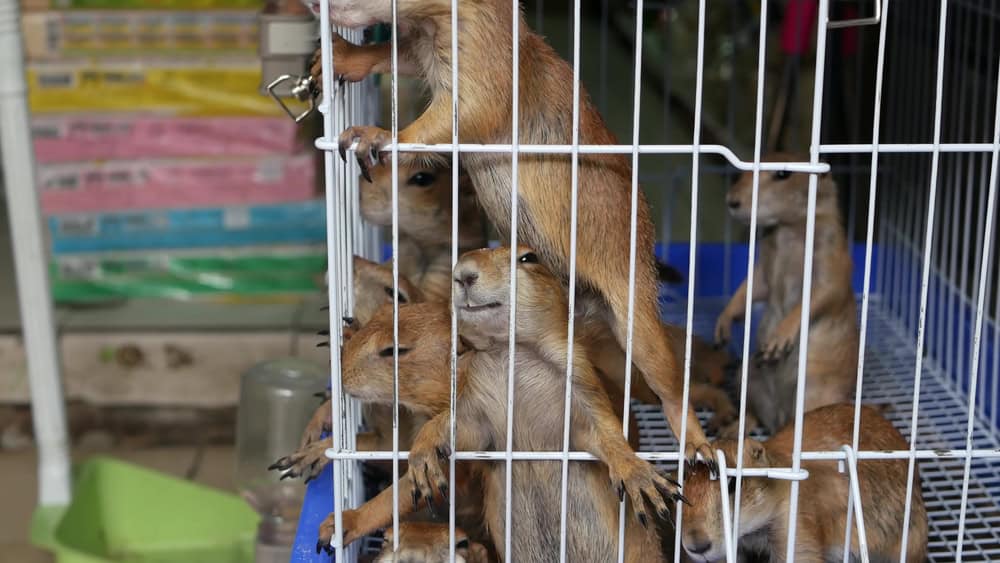
Technology is playing an increasingly vital role in tackling the illegal pet trade. Tools like DNA barcoding for species identification and blockchain technology for tracking legal wildlife trade are being explored to make the industry more transparent and accountable. Drones and AI-powered surveillance are also proving effective in monitoring and patrolling critical areas prone to illegal activities.
Consumer Awareness and the Power of Choice
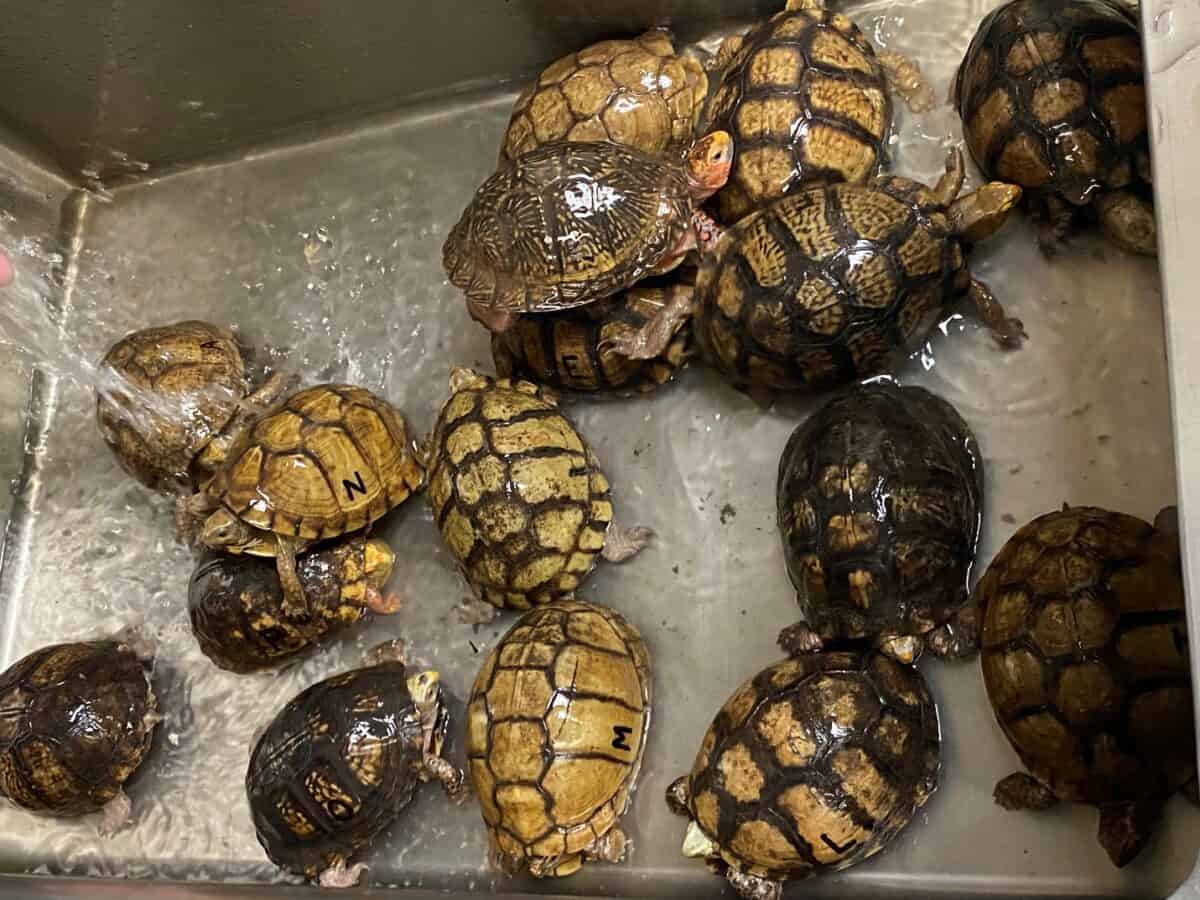
Ultimately, consumer awareness is a powerful tool in curbing the illegal pet trade. Educating the public about the impact of their choices and promoting responsible pet ownership can reduce demand. People need to understand the implications behind purchasing an exotic pet and consider alternatives or support conservation efforts instead.
The Road Forward: Policy and Collaboration
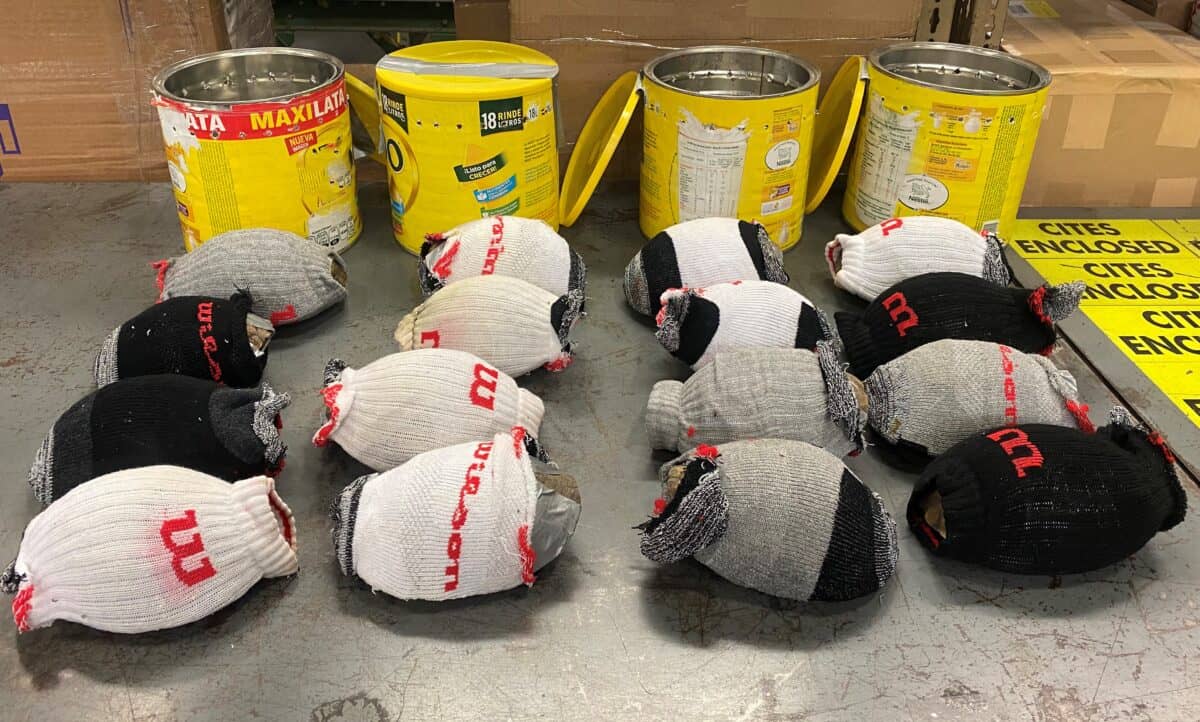
The fight against the illegal pet trade demands a multifaceted approach involving governments, international bodies, and local communities. Policies that are not only strong in enforcement but also supportive of alternative livelihoods for those involved in the trade are essential. Collaboration across borders, industries, and disciplines can help to address both the supply and demand aspects of this challenging issue.
In conclusion, while the illegal pet trade presents complex challenges that span ecological, social, and economic spheres, it also offers an opportunity for global cooperation and change. By understanding the root causes, leveraging technology, and promoting ethical choices, we can strive to protect both wildlife and human societies from the impacts of this illicit industry.

- This River Delta Is a Magnet for Endangered Birds - July 17, 2026
- New Fossils in Baja California Reveal a Never-Before-Seen Grouper - July 17, 2026
- The Most Venomous Animal on Land—And How It Kills - July 17, 2026