
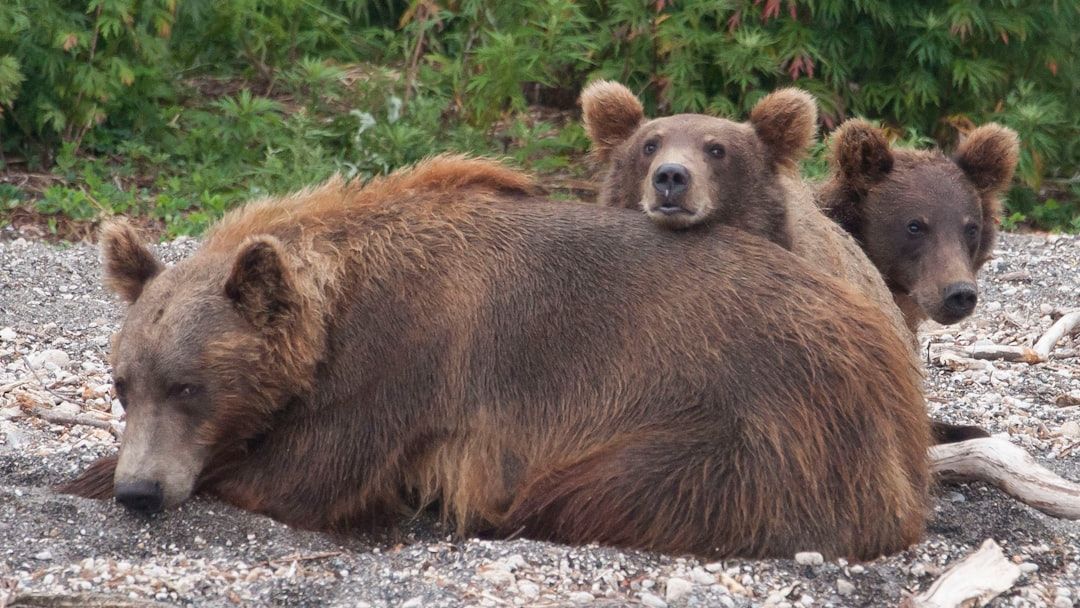
Few animals have commanded as much reverence across human history as the bear. Long before modern civilization, people across vastly different continents were drawing bears on cave walls, performing ceremonies in their honor, and weaving them into the very fabric of their spiritual worlds.
There’s something about the bear that refuses to be ignored. It walks upright like a human, raises its young with fierce devotion, disappears into the earth each winter, and emerges seemingly reborn. That particular combination of power, mystery, and uncanny familiarity made the bear one of the most enduring totemic symbols our species has ever known.
The Bear as a Symbol of Strength and Power
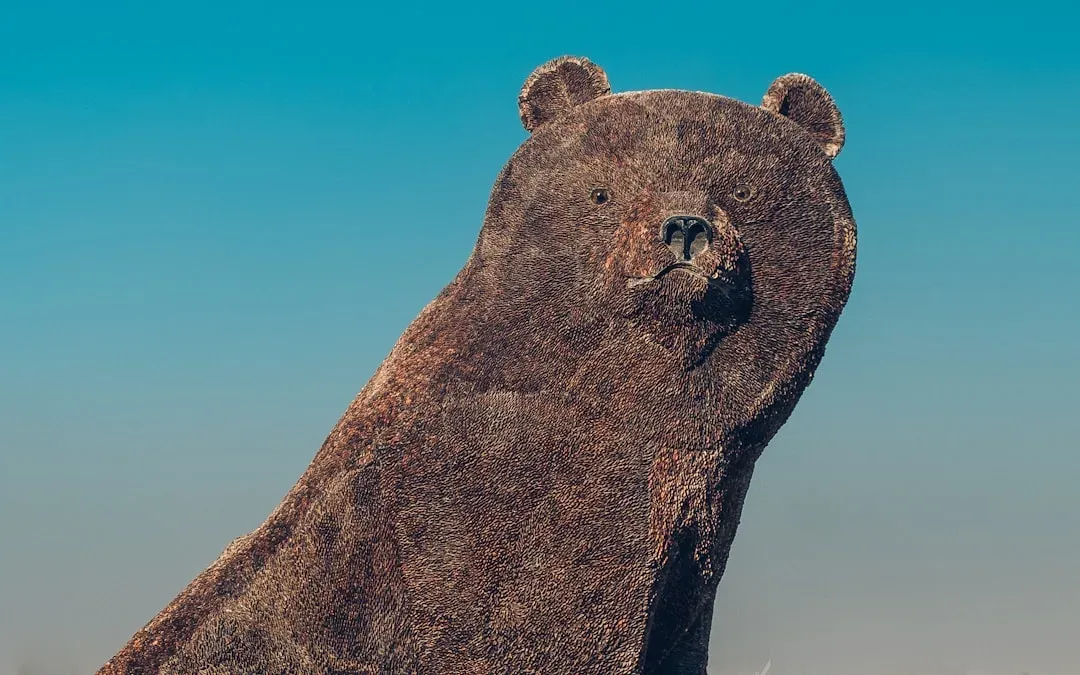
Bears are often seen as symbols of strength and power due to their formidable physical presence and ability to survive in harsh environments. This isn’t simply about brute force. It reflects something deeper, a kind of grounded, unshakeable authority that doesn’t need to announce itself.
Bear symbols bring mythical energy of supreme strength and fearlessness, carrying an aura of dominion and authority. For people who carry the bear as a totem, this energy is an invitation to stand firm, not through aggression, but through genuine self-assurance.
This aspect encourages individuals to tap into their inner strength, face challenges head-on, and assert themselves in situations where they may feel vulnerable. The bear doesn’t just model power. It models the wise, measured use of it.
Courage, Confidence, and the Warrior Spirit
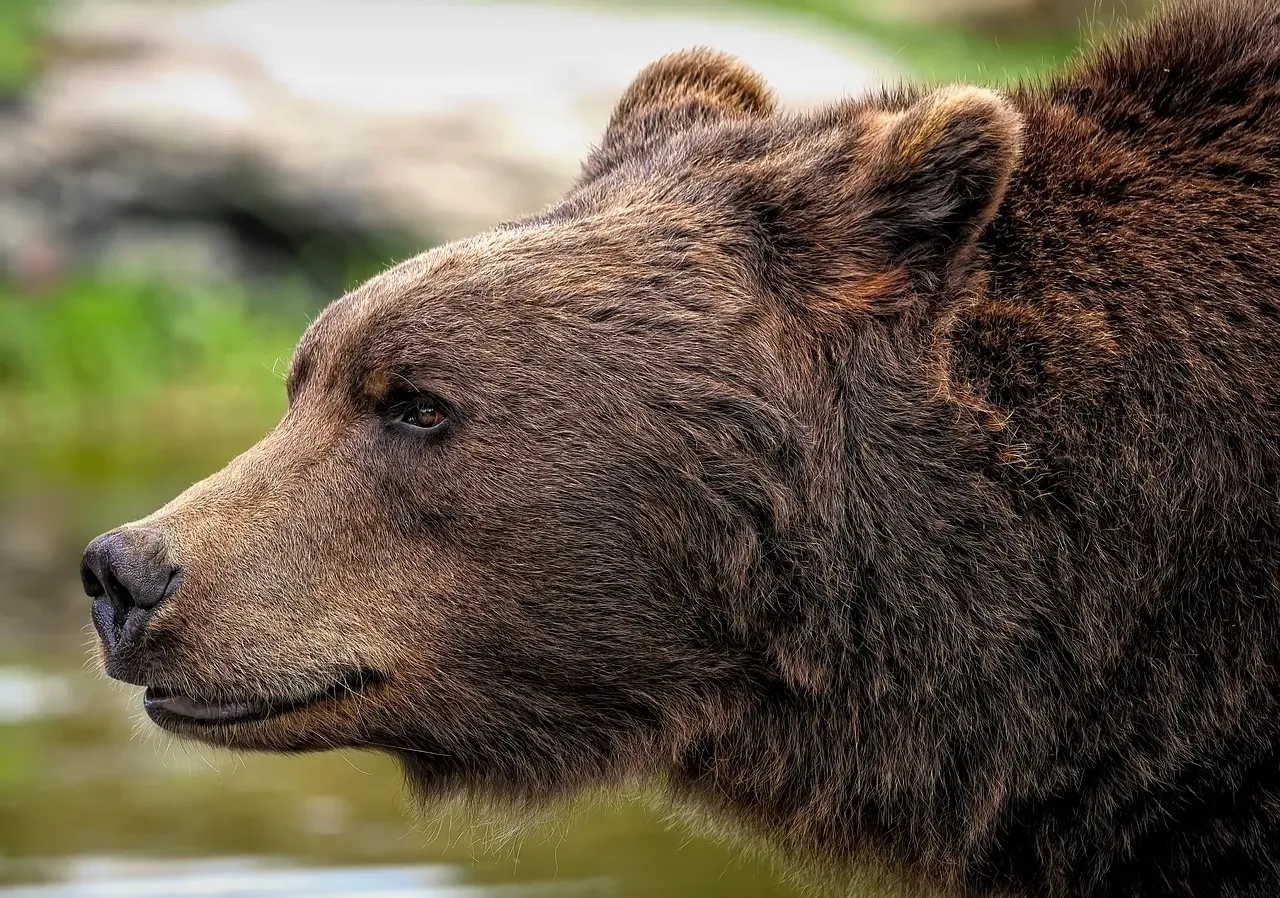
The bear totem inspires courage, urging individuals to be bold in pursuing their goals and dreams. It teaches the importance of self-confidence, encouraging people to stand firm in their beliefs and values, even when faced with adversity.
To the Celtic warrior, choosing the bear as a personal animal totem allowed them to draw power for safeguarding the clan or tribe, energizing themselves for battle, strengthening one’s will and personal vigor to endure the “fight,” and pacing one’s self so that it becomes possible to act at the right moment.
As a warrior, the animal was unequaled. A young warrior could do no better than to carry the spirit of the bear with him into battle. This tradition cuts across cultures, from the Celtic highlands to the Great Plains of North America, suggesting that courage and the bear have always been deeply intertwined.
The Bear as Healer and Medicine Animal
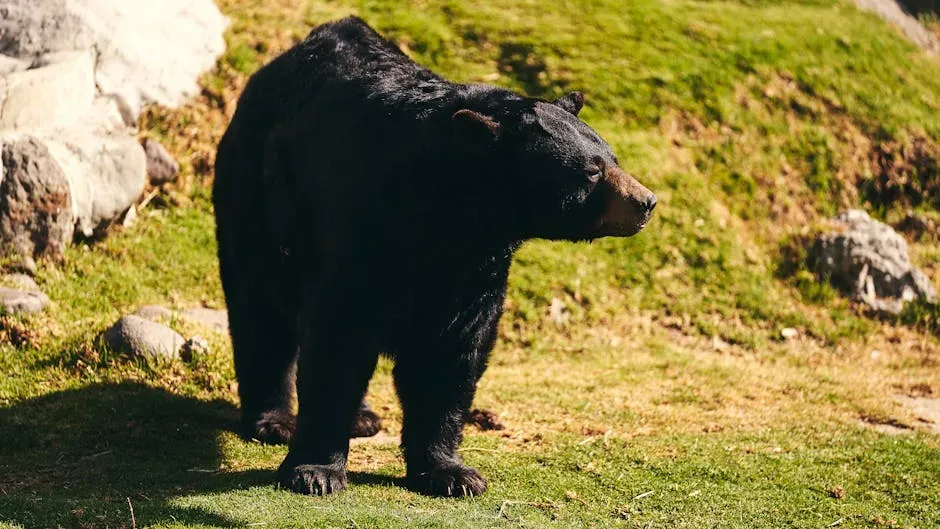
Perhaps nowhere is the bear’s spiritual significance more profound than in Native American healing traditions. Across diverse tribal cultures, bears are recognized as master healers whose knowledge of medicinal plants and healing techniques surpasses that of any other animal.
Because bears dig for roots and herbs and are one of the few wild animals who use medicine on themselves, bears are thought to be the chief healers among animals. Indigenous observers noticed this behavior over generations and passed it forward as sacred knowledge.
Bears are symbols of strength and wisdom to many Native Americans, and are often associated with healing and medicine, since bears continue fighting after being seriously injured, and Native Americans often believed they were capable of healing their wounds. In the Lakota tradition specifically, the bear, known as mató, represents a masculine character and is known for healing and knowledge.
Hibernation, Renewal, and the Cycle of Life
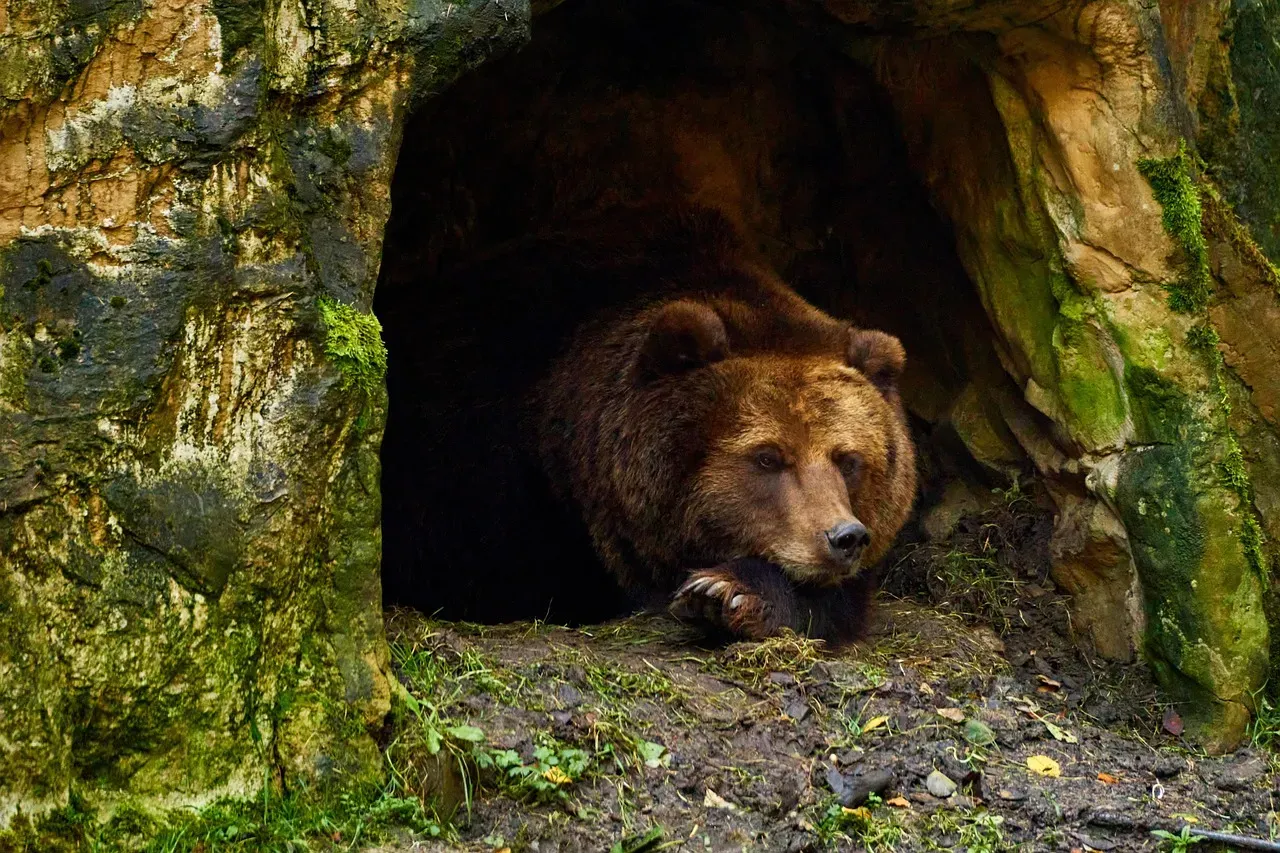
The bear is a hibernating animal. It knows how to withdraw to regain its strength, to prepare for the battles to come. In certain spiritual traditions, it’s a noble guide that leads us to surpass ourselves and show wisdom in our efforts.
The bear’s hibernation may also have symbolized the cycle of life, death, and rebirth for our ancestors. The bear’s return in spring after a long period of sleep could be seen as a metaphor for resurrection and renewal, essential themes for societies dependent on natural cycles.
Bears go into hibernation each fall and re-emerge in the spring as a sort of re-awakening or rebirth. They embrace the dominant lifestyle of the spring and nourish themselves with what they need, but then submit to the quiet of the winter when the time has come. There’s real wisdom encoded in that rhythm, one that feels just as relevant now as it ever did.
Protection and the Maternal Bear
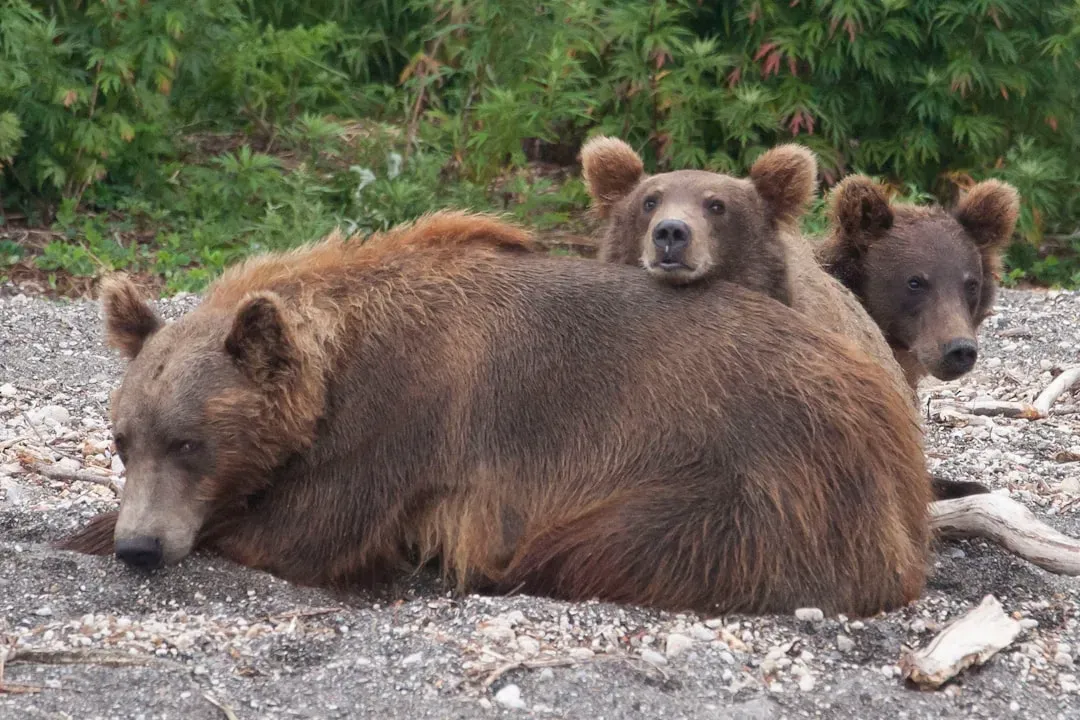
The bear was generally described as a noble animal, capable of great ferocity but also of gentleness, particularly in protecting its cubs. This duality is central to how the bear has been understood as a totem. It is both tender and terrifying, and that range is precisely the point.
The devoted maternal behavior of female bears is often noted in folktales, with mother bears sacrificing themselves for their cubs or adopting human children. In many traditions, this fierce maternal energy extends far beyond literal parenthood.
The bear’s teachings about maternal protection extend beyond literal motherhood to encompass the protection of community, culture, and spiritual traditions. Many female spiritual leaders and healers work specifically with bear medicine, understanding it as a source of both nurturing and fierce protective power.
Introspection, Solitude, and Inner Wisdom
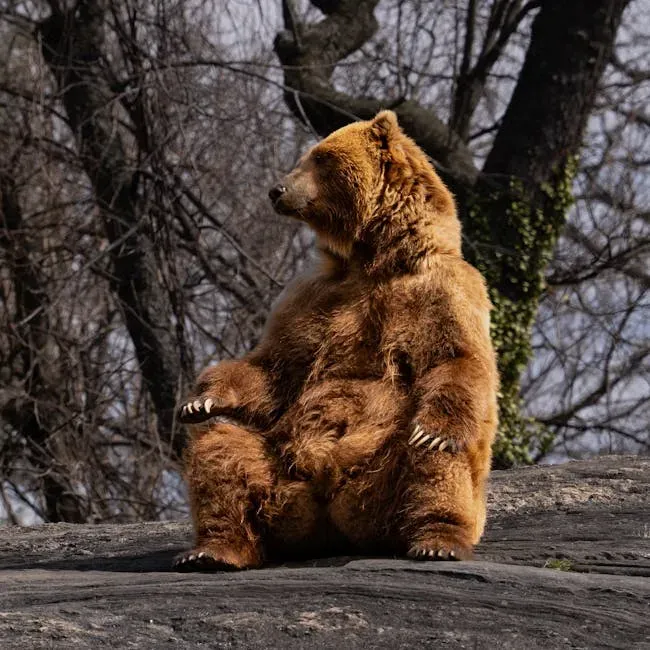
Having a bear as a spirit animal can mean that you find balance and comfort in solitude. The presence of this power animal could point to the need to “regroup” and set up boundaries, so you feel comfortable in your own space.
The bear cave is symbolic of ancient mysteries and a womb of many secrets. Among these secrets is the secret of inner power. The bear animal totem guide will lead you on a journey of introspection, into the deep caves and caverns where it will guide you to sit with yourself, to meditate in silence and stillness.
Those who identify with the bear totem may find strength in solitude and the power of personal reflection. The bear’s energy encourages individuals to look inward, fostering self-discovery and emotional healing. In a world that rarely pauses, the bear’s invitation to go inward is genuinely countercultural.
The Bear in Indigenous Cultures Across the World
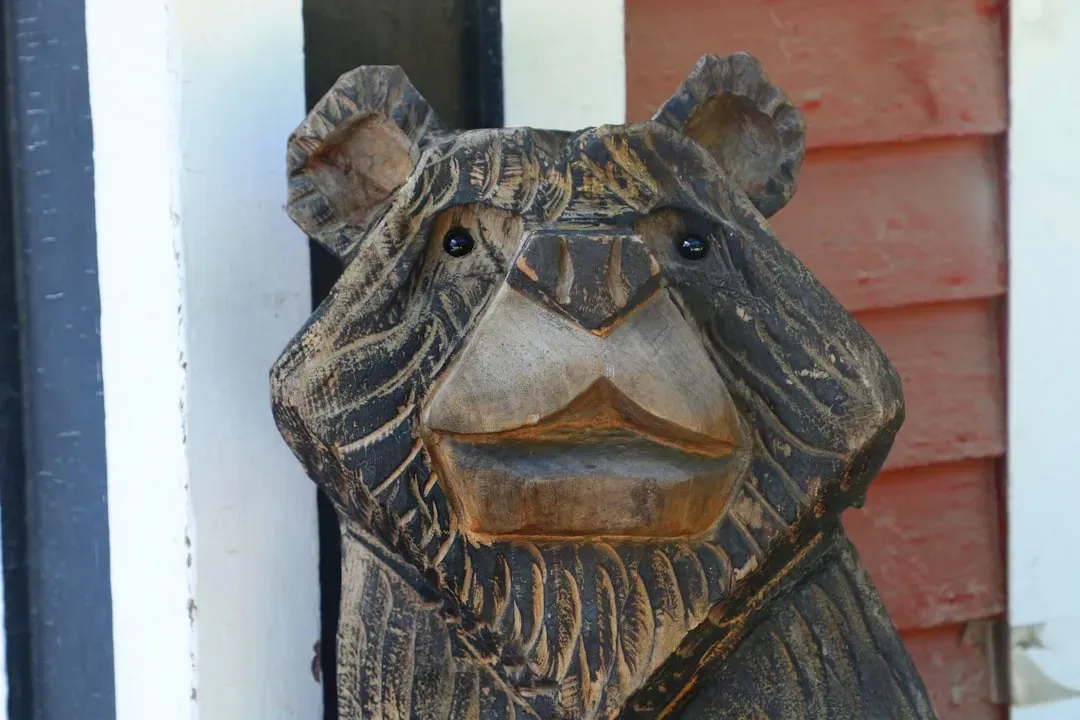
Native to every continent on Earth except Africa, Australia, and Antarctica, bears have fascinated people for as long as they’ve been here. In fact, bears have been the subjects of stories and mythology of people around the world for thousands of years.
Known as the Protector of the animal kingdom, the bear is the most powerful coastal animal. In the Haida culture, the bear is known as “Elder Kinsman” and is treated as a noble guest. Among the Ainu people of Japan, the bear was regarded as a god in animal disguise.
In Siberia, the name used to designate women shamans is the same as the word “bear.” In Northern America, in the Inuit tradition, the bear spirit animal is also connected to the shamanic tradition. For the Inuit people, the bear is a strong power or totem animal. The consistency of these associations across unconnected civilizations is striking.
Ancient Rituals and Prehistoric Reverence
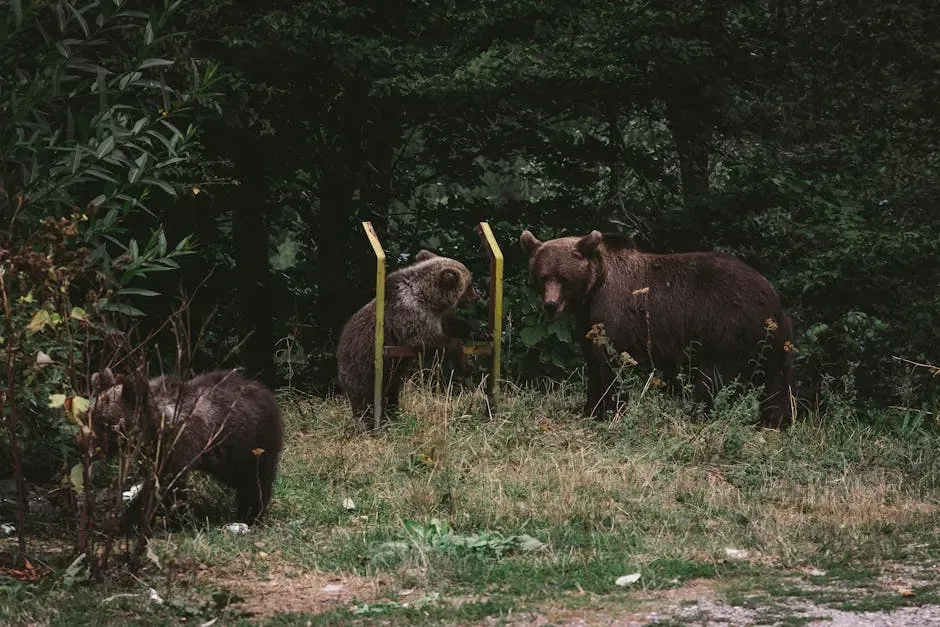
Representations found in caves across Europe, such as the Chauvet cave in France, testify to the symbolic importance of the bear for prehistoric societies. These images may have served ritual, magical, or symbolic purposes, indicating a form of respect or veneration for the animal.
Archaeological discoveries, such as the deposition of bear bones in particular contexts, suggest that our distant ancestors practiced rituals dedicated to the bear. One of the best-known examples is the “bear cult” of the Neanderthals, where bear skulls were placed in specific positions, perhaps as part of religious ceremonies or hunting rituals. This practice indicates a belief in the spiritual power of the bear and an attempt to attract its protection or strength.
The lifeways of North America’s bears and humans have been intimately linked for over twenty thousand years. Both species evolved together after their ancestors crossed the Ice Age land bridges that once joined Asia and North America. The bear totem, in this sense, is perhaps humanity’s oldest spiritual companion.
The Bear as a Symbol of Boundaries and Self-Possession
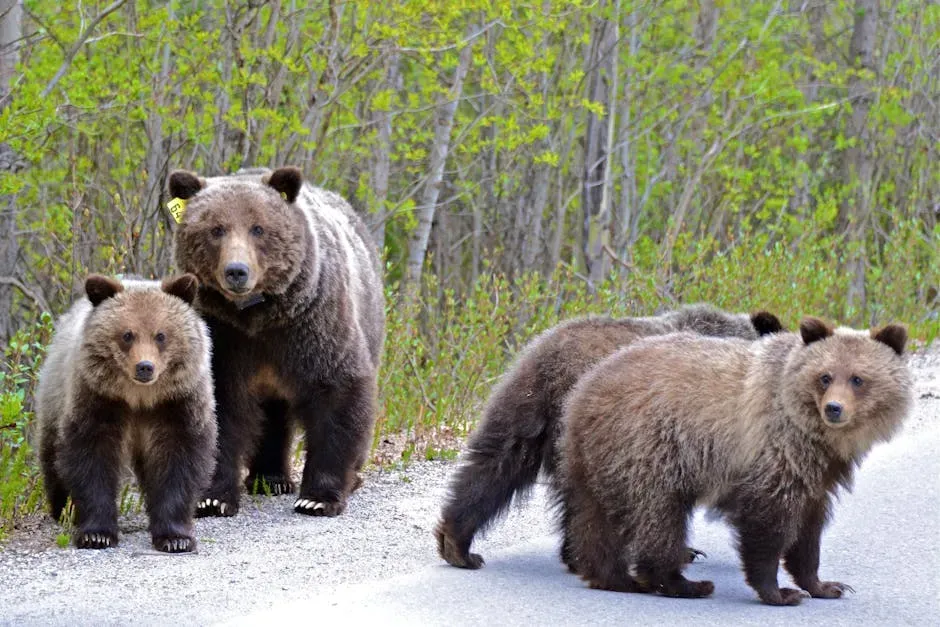
The bear spirit animal personality represents “standing your ground,” or standing for what’s rightfully yours, and standing in your power. This quality goes beyond mere territorial instinct. It speaks to the importance of self-knowledge and personal integrity.
Bear totem animal teaches the laws of boundaries, both for self and for others. People who carry the bear as their totem often feel called to protect not just themselves but the people and values they hold most dear.
It illustrates the delicate balance between being protective of one’s own interests and reacting overly aggressively, retreating within and daring to go outside of the comfort zone, reconciling one’s needs with the needs of others, and acknowledging the importance of self-care. That balance is a lifelong practice, and the bear models it quietly and powerfully.
The Bear Totem in Contemporary Life
In our contemporary world, the teachings of bear medicine remain profoundly relevant, offering guidance for navigating modern challenges while maintaining a connection to ancient wisdom. The bear’s role as a symbol of connection to the earth makes it an influential figure in contemporary environmental movements, particularly those led by Indigenous peoples working to protect sacred lands and natural resources.
The energy of the bear is all about awakening from spiritual slumber. This animal is calling you to the dawn of your spiritual self and the beginnings that inevitably follow. Many people today find themselves drawn to the bear not as a superstition but as a meaningful symbol for grounded living.
The bear symbol appears across Native American cultures and reminds people to protect their ways of life, to fight for what is right, and to restore balance in communities. That message, ancient as it is, doesn’t age.
Conclusion
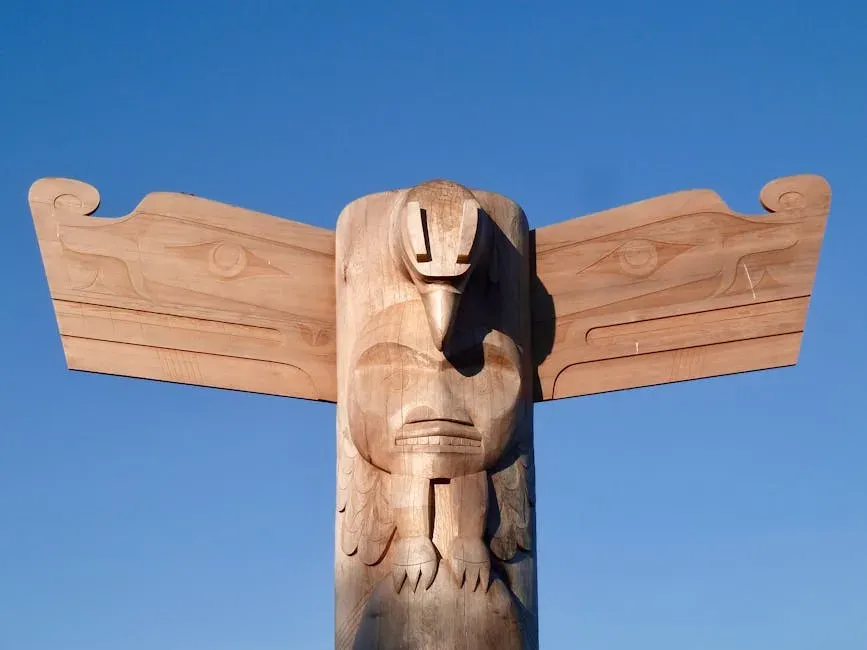
The bear endures as a totem animal because it mirrors something essential in human experience. It is powerful without being reckless. It retreats without surrendering. It heals, protects, and ultimately emerges from the dark, renewed.
Across thousands of years and dozens of cultures, that archetype has remained remarkably consistent. Whether you encounter the bear through the lens of Lakota ceremony, Celtic warrior tradition, Haida art, or simply a quiet personal affinity, the core message holds steady.
Strength without wisdom is just force. Rest isn’t weakness. Boundaries aren’t walls. The bear teaches all of this not through words, but through the steady, unhurried way it simply lives. There’s a quiet invitation in that, one worth taking seriously.

- Why Veterinarians Say If Your Cat Sleeps With Their Back to You, It's the Highest Form of Trust in Feline Behavior - July 20, 2026
- The Zodiac Signs That Owls Avoid Completely (And What Folklore Says It Means About Your Energy) - July 20, 2026
- 8 Amazing Animal Instincts That Continue to Puzzle Scientists Today - July 20, 2026