
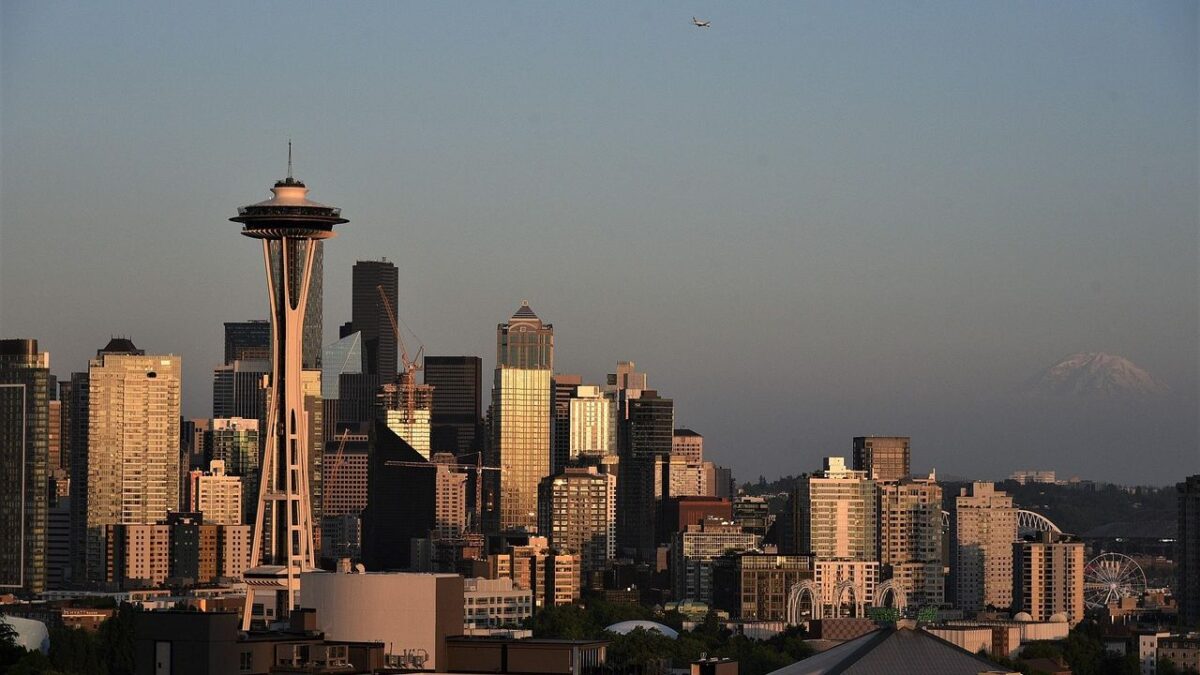
Have you ever wondered if the place you live affects your mood, your outlook, maybe even your entire life? Location matters more than most people think. The people around you, the opportunities available, even the weather patterns can shape daily contentment in ways we barely notice until we experience somewhere else.
Recent studies measuring happiness across American cities reveal fascinating patterns. While the predictable warm weather destinations claim some spots, the list holds surprises that challenge assumptions about what makes a city truly joyful. Let’s explore fifteen cities where residents report higher satisfaction, longer lives, and stronger communities. Some findings might make you rethink everything you thought you knew about where happy people call home.
Fremont, California
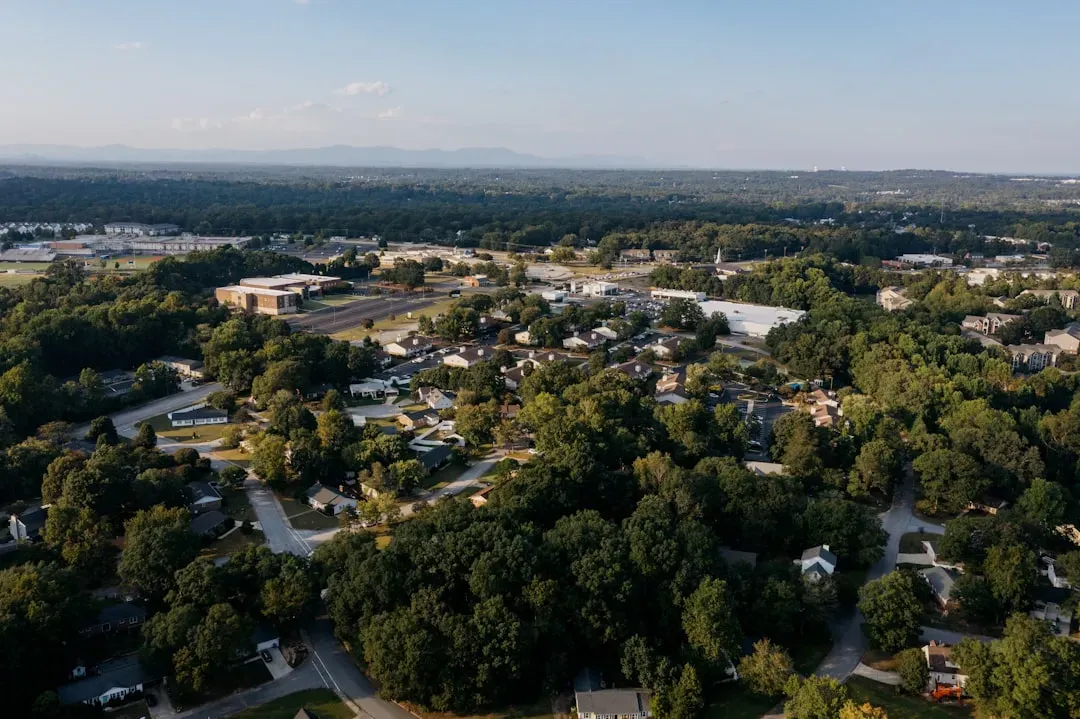
Nearly 80% of households in Fremont earn over $75,000 annually, and research suggests that this income threshold maximizes happiness without diminishing returns beyond it. The Bay Area city consistently dominates happiness rankings for good reason.
People in Fremont have the highest rate of life satisfaction, the fifth-lowest depression rate, and the fourth-highest average life expectancy in the country. Financial stability certainly helps, but there’s something deeper here about community structure.
Fremont has the lowest separation and divorce rate in the country, at only 8.9%, suggesting stable family dynamics contribute significantly to overall wellbeing. It also has the lowest share of adults who report having 14 or more mentally unhealthy days per month.
Fremont ranks sixth among the most caring cities in America, and when people care for each other, they boost each other’s happiness. Think about that for a moment. The city layout might be tidy, but it’s the human connections that really matter.
What surprises me most is how this relatively quiet city outperforms flashier destinations. The combination of economic security, long-lasting relationships, and genuine community support creates something money alone can’t buy.
San Jose, California
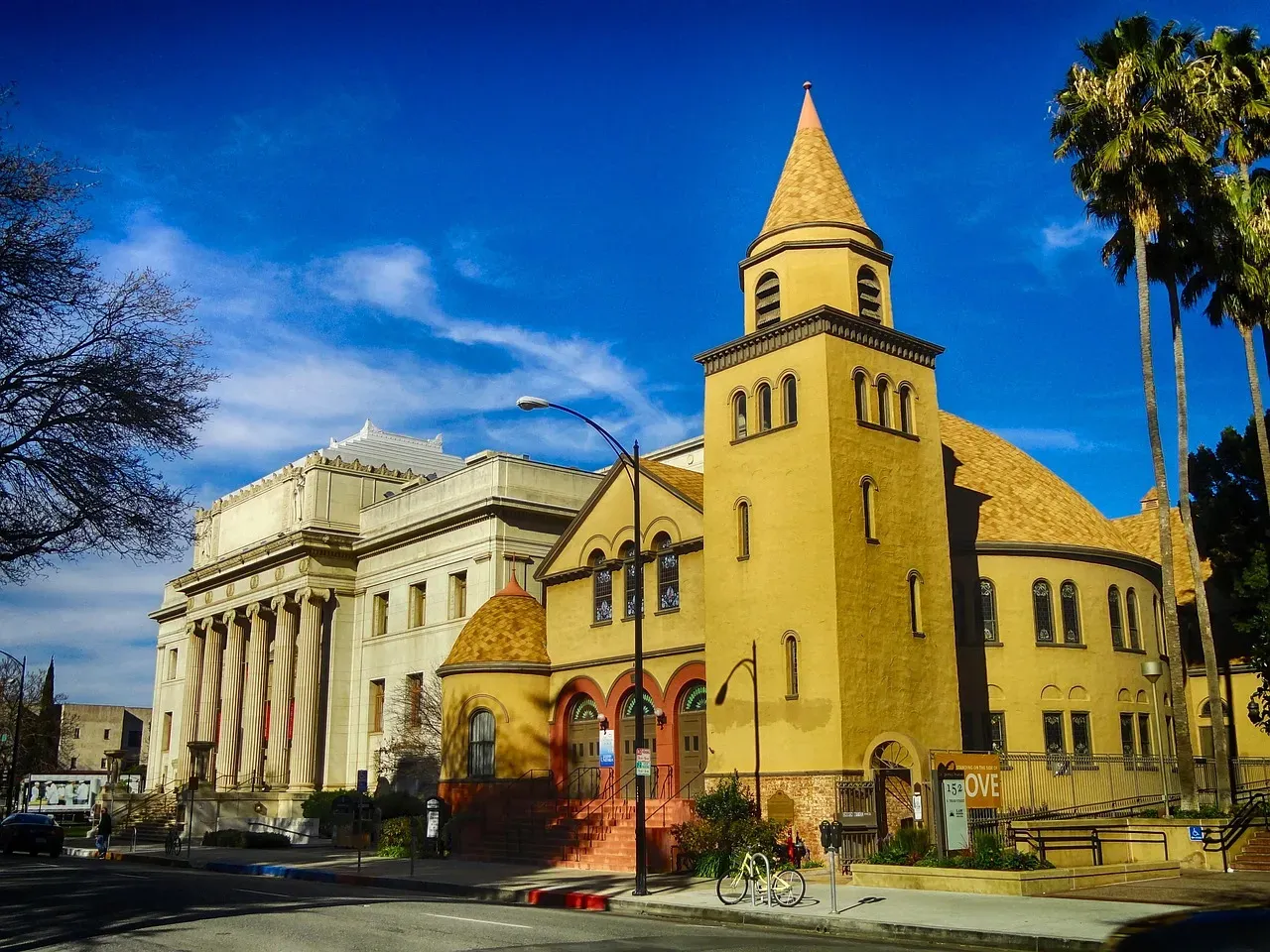
San Jose has the longest average life expectancy in the country, allowing people to enjoy their lives into old age. Living longer matters only if those extra years feel worth living, and apparently San Jose delivers on both fronts.
It also has the fourth-lowest separation and divorce rate, so happy couples can spend their lives together into their golden years. The correlation between lasting marriages and general happiness keeps showing up in these rankings.
Claiming an average of 300 sunny days per year and offering high salaries for tech employees, San Jose has over 200 green spaces in total, ranging from dog runs to hiking trails, disc golf courses, and the nearby Santa Cruz mountains. Tech industry dominance shapes everything here, from income levels to lifestyle expectations.
San Jose has one of the best scores on Sharecare’s Community Well-Being Index, which measures how much residents like where they live, feel safe and have pride in their community. Pride in your surroundings translates directly into daily satisfaction.
The city balances urban sophistication with outdoor access. Silicon Valley wealth creates opportunities, but the parks and trails provide escape valves from the constant hustle.
Irvine, California
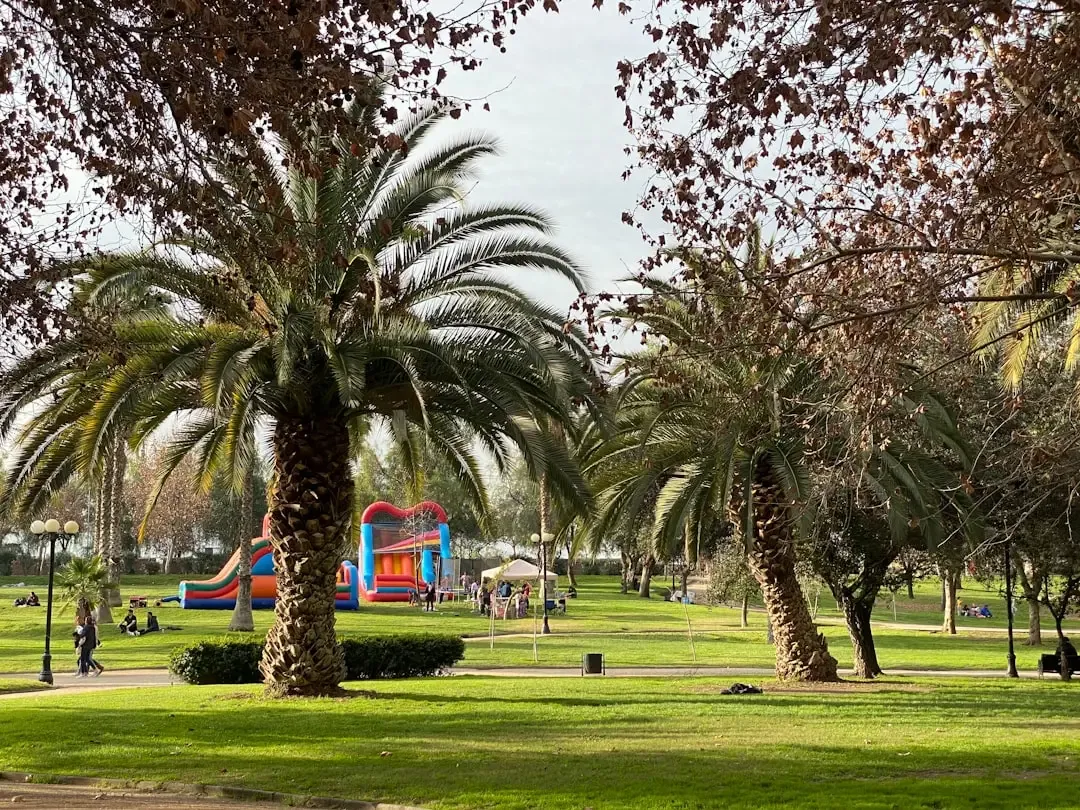
More than 88% of adults in Irvine report having good or better health, the third-highest percentage in the country. Physical wellbeing underpins everything else, and this Orange County city takes health seriously.
Nearly 84% participate in physical activities, and the city has the seventh-highest life expectancy for residents. Active lifestyles become easier when the infrastructure supports them.
Recognized as one of the greenest cities in the nation, Irvine integrates a sustainable mindset into daily life through pesticide-free lawns, energy-efficient initiatives, and an extensive system of parks and trails. Environmental consciousness shapes the entire community culture here.
The city has the third-lowest percentage of adults who report having 14 or more mentally unhealthy days per month, and it has the eighth-lowest depression rate. Mental health metrics tell you what residents won’t always say out loud.
Nearly 68% of households make over $75,000 per year, and Irvine has the third-lowest separation and divorce rate in the nation. Once again, that pattern of financial stability plus relationship longevity emerges as crucial.
Sioux Falls, South Dakota

Sioux Falls proves that heartland cities can create environments where people thrive. This Midwestern city shatters stereotypes about needing beaches or mountains for happiness.
The low cost of living definitely plays a role here. While coastal cities struggle with affordability, residents in Sioux Falls can actually save money, plan for futures, and avoid the constant financial stress that plagues expensive metros.
The ethnic food variety gets mentioned repeatedly by locals. People genuinely care about good meals, and when you can find diverse flavors in an unexpected place, it adds daily joy you didn’t anticipate.
Yes, the winters bring sub-zero temperatures. Yet somehow residents push through because the community bonds run deep enough to make the cold bearable. Midwestern friendliness isn’t just a stereotype here.
Sleep quality metrics stand out. When people rest well consistently, everything else improves. The pace of life allows proper recovery, unlike cities where hustling never stops.
Overland Park, Kansas
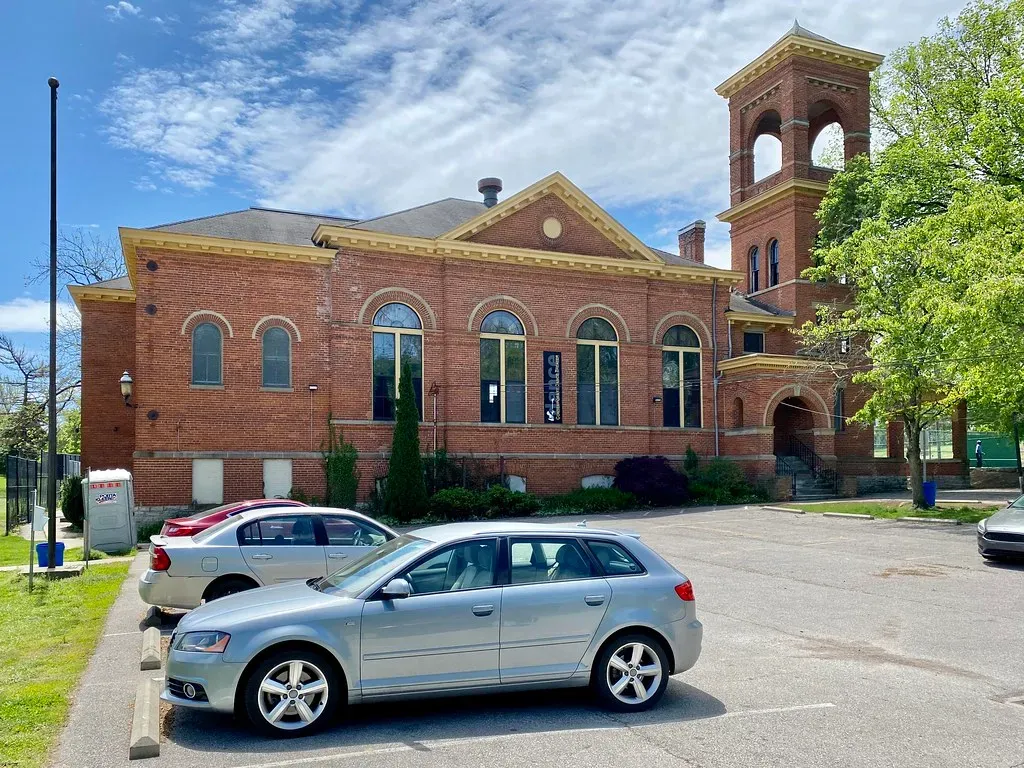
Overland Park is the fifth happiest American city in 2025, and the Kansas suburb previously placed second in 2024 and fourth in 2023. Consistent high rankings suggest something sustainable rather than temporary factors.
Local residents rated their mental and physical wellbeing so highly that the city ranks among the top four in this category, and Overland Park is well-suited for family life and long-term living. Suburban structure provides stability that urban cores sometimes lack.
Education is a priority, with institutions like the Shawnee Mission School District and Johnson County Community College based in the city, while short commutes, abundant green spaces, and an active civic life give Overland Park a distinct advantage.
The city has the lowest poverty rate in the nation and one of the lowers unemployment rates. Economic security at the community level creates psychological safety that ripples through everything.
Honestly, the Midwest continues surprising people who assume happiness requires ocean views. Overland Park proves that peace, affordability, and supportive environments compete effectively with coastal glamour.
Lincoln, Nebraska

Lincoln adds to the Midwest’s strong presence in the rankings, demonstrating that America’s heartland understands quality of life better than many give it credit for.
The cost of living remains remarkably low compared to coastal counterparts. High wages combined with affordable housing mean residents can actually build wealth instead of just surviving paycheck to paycheck.
Being Nebraska’s capital city adds job diversity beyond what typical Midwestern towns offer. Government positions provide stability, while the university brings intellectual energy and cultural programming.
The balance between urban amenities and small-town accessibility creates something unique. You get museums, restaurants, and entertainment without the crushing anonymity of massive metros.
Work-life balance here feels achievable rather than aspirational. Commutes stay short, weekends belong to families, and the pace allows people to actually enjoy their earnings instead of constantly chasing more.
Madison, Wisconsin
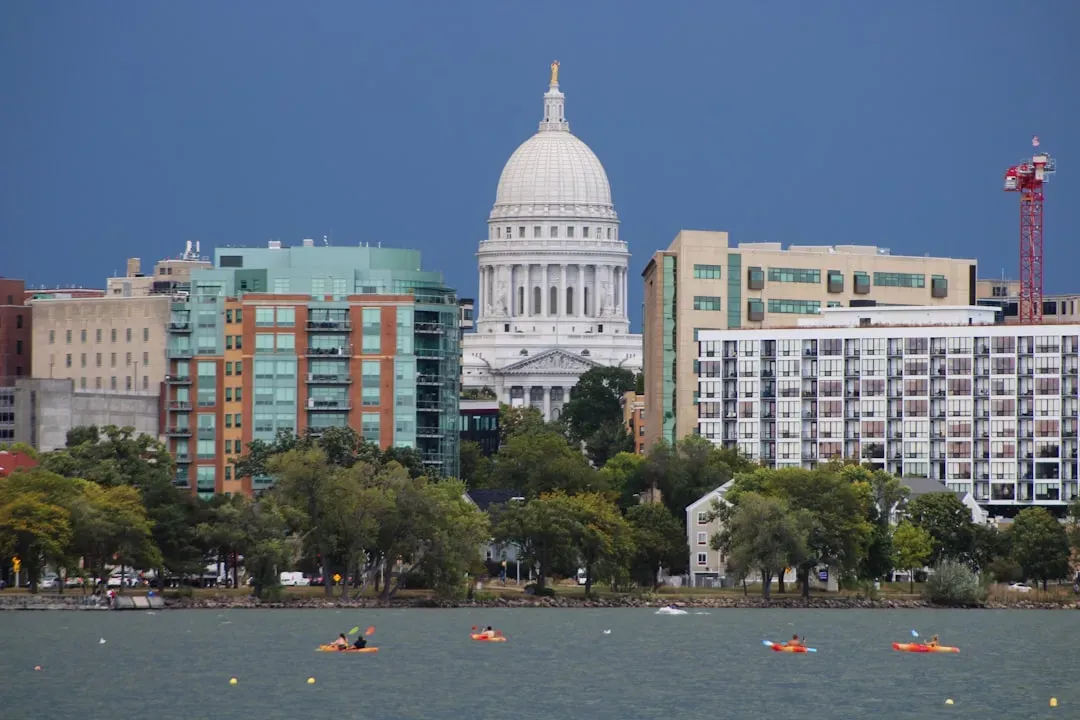
Madison is located near Lakes Mendota, Monona, Waubesa, and Kegonsa, making its natural beauty top-rated, and the University of Wisconsin – Madison is the city’s largest employer attracting students and young people.
With a perfect mental health score and a notably short average workweek of 36.5 hours, Madison pairs that with an impressive 95.7% health insurance coverage rate, ample green space, and quick commute times of 19.4 minutes.
Madison is a gastronomic hub with a strong focus on farm-to-table products, and every Saturday the city hosts the Dane County Farmers’ Market, the largest producer-only farmers’ market in the U.S.. Food culture matters more than people realize for daily satisfaction.
The college town energy keeps things perpetually youthful. New ideas constantly circulate, cultural events stay abundant, and the intellectual atmosphere prevents stagnation.
Sure, winters challenge newcomers. But the community doesn’t wait for perfect conditions. Life continues regardless of temperatures, and that resilience becomes part of the city’s character.
Scottsdale, Arizona
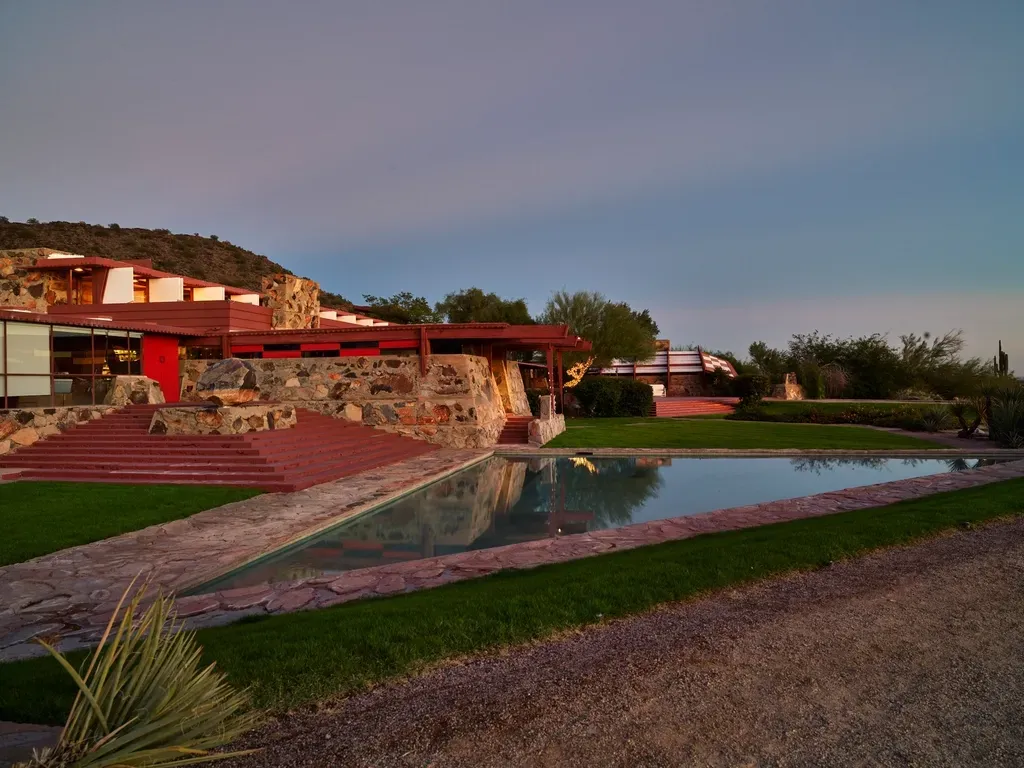
Jumping two spots to number eight, sunny Scottsdale continues to be a haven of happiness with an average of only 10 inches of rain a year and winter highs in the high 60s and low 70s. Desert living offers advantages people don’t appreciate until they experience constant sunshine.
Scottsdale is sometimes compared to Miami, only in the middle of the desert, with vibrant nightlife and large numbers of tourists. The tourism economy creates job opportunities, though it shifts the demographic away from traditional families.
Outdoor activities become year-round possibilities here. While other cities hibernate through winter, Scottsdale residents continue hiking, golfing, and dining al fresco through December and January.
The climate practically begs people outdoors when northern cities hunker down under snow. That psychological advantage of always having outdoor options shouldn’t be underestimated.
Tourism drives the economy, making it appealing for those seeking employment flexibility but perhaps less ideal for raising kids in stable neighborhood environments. Trade-offs exist everywhere.
San Francisco, California
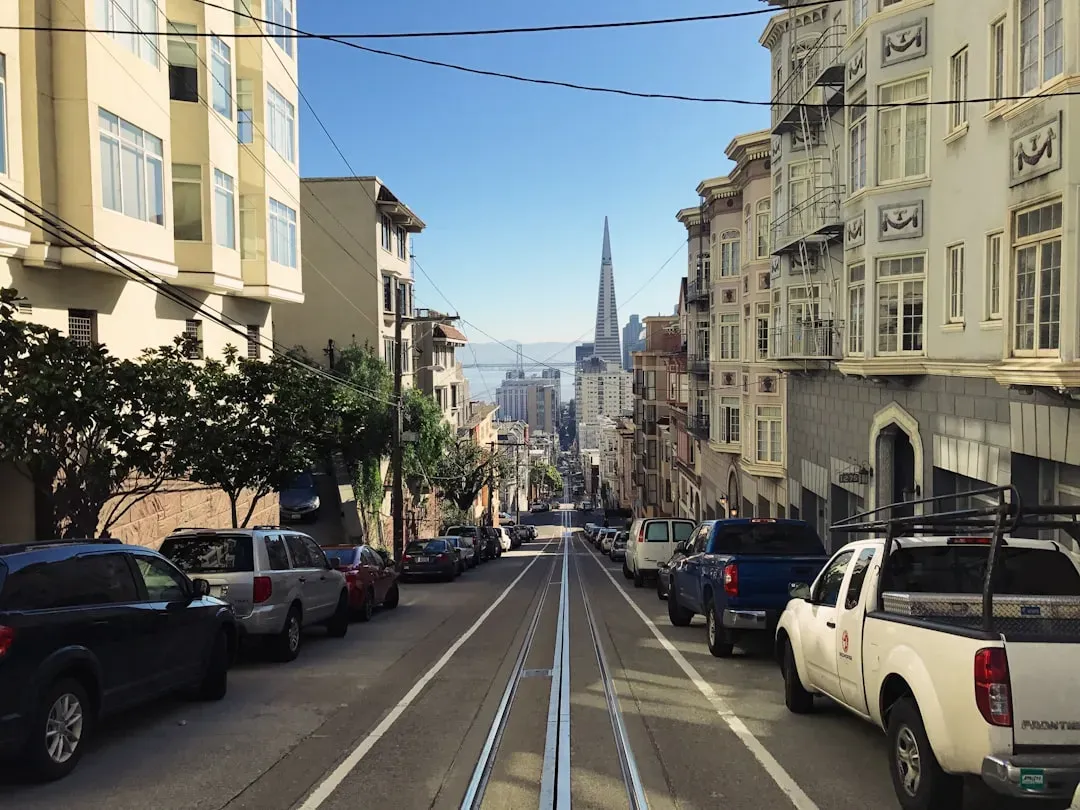
San Francisco remains one of the happiest cities in 2025, offering cultural diversity and a laid-back vibe as a hub for the tech industry. The city’s reputation for innovation attracts ambitious people from everywhere.
San Francisco’s mild coastal weather makes it easy to stay active year-round, with high walkability and bike-friendly streets, and the city’s emphasis on well-being and sustainability combined with stunning coastal views explains why San Franciscans are so content.
The cultural diversity here runs deeper than tourist attractions. Neighborhoods maintain distinct identities, ethnic enclaves preserve traditions, and the food scene reflects genuine global influence.
Yes, housing costs remain astronomical. The happiness metrics suggest that those who can afford to stay find the trade-off worthwhile for what the city provides.
Walkability changes everything about daily life. Running errands on foot, discovering new cafes accidentally, interacting with neighbors regularly builds community bonds that car-dependent sprawl can’t replicate.
Huntington Beach, California

Huntington Beach proudly claims the “Surf City ” title, and that beach culture permeates everything. Ten miles of uninterrupted coastline means ocean access never requires much effort.
The Mediterranean climate delivers roughly 280 sunny days annually. Outdoor activities become default options rather than special occasions, fundamentally changing how people spend free time.
Surf culture creates a distinct community vibe. The laid-back atmosphere contrasts sharply with the intensity found in nearby Los Angeles, offering proximity to a major metro without absorbing all its stress.
Beach bonfires, pier volleyball, biking along coastal paths become regular activities rather than weekend treats. That consistent outdoor engagement contributes directly to physical and mental health.
Housing costs remain high, as with most desirable California coastal cities. Yet residents apparently find that the lifestyle justifies the expense when they’re calculating overall life satisfaction.
Pearl City, Hawaii

Pearl City, Hawaii has the lowest depression rate in the nation – half that of Knoxville, Tennessee. Island living obviously offers psychological benefits that mainland locations can’t match.
The sense of community in Pearl City runs particularly strong. Small enough to foster belonging, yet close enough to Honolulu for urban amenities when needed.
Year-round tropical weather eliminates seasonal affective disorder entirely. The consistent sunshine, warm temperatures, and outdoor lifestyle options contribute to those remarkably low depression rates.
The slower pace of island life forces perspective shifts. Mainland hustle culture feels absurd when you’re surrounded by ocean and mountains reminding you that life exists beyond work.
Higher costs of living and geographic isolation create challenges. Deliveries take longer, flights out cost more, and rental availability stays tight because homeownership dominates. Paradise requires trade-offs.
Columbia, Maryland

Columbia, Maryland, was ranked the sixteenth happiest city, evaluated across 29 key indicators of happiness. This planned community between Baltimore and Washington DC offers something unique in urban design.
Columbia ranked 16th on the list and had an emotional and physical wellbeing ranking of seven, suggesting residents genuinely thrive here rather than just surviving.
The deliberate city planning shows its value. Green spaces were built into the design from the beginning, neighborhoods maintain walkability, and community centers foster social connections.
Access to two major metros provides job opportunities without requiring residents to live in either city’s chaos. That bedroom community advantage delivers quality of life improvements.
Education quality remains consistently high. When families know their kids will receive solid schooling, one major life stressor disappears entirely.
Seattle, Washington
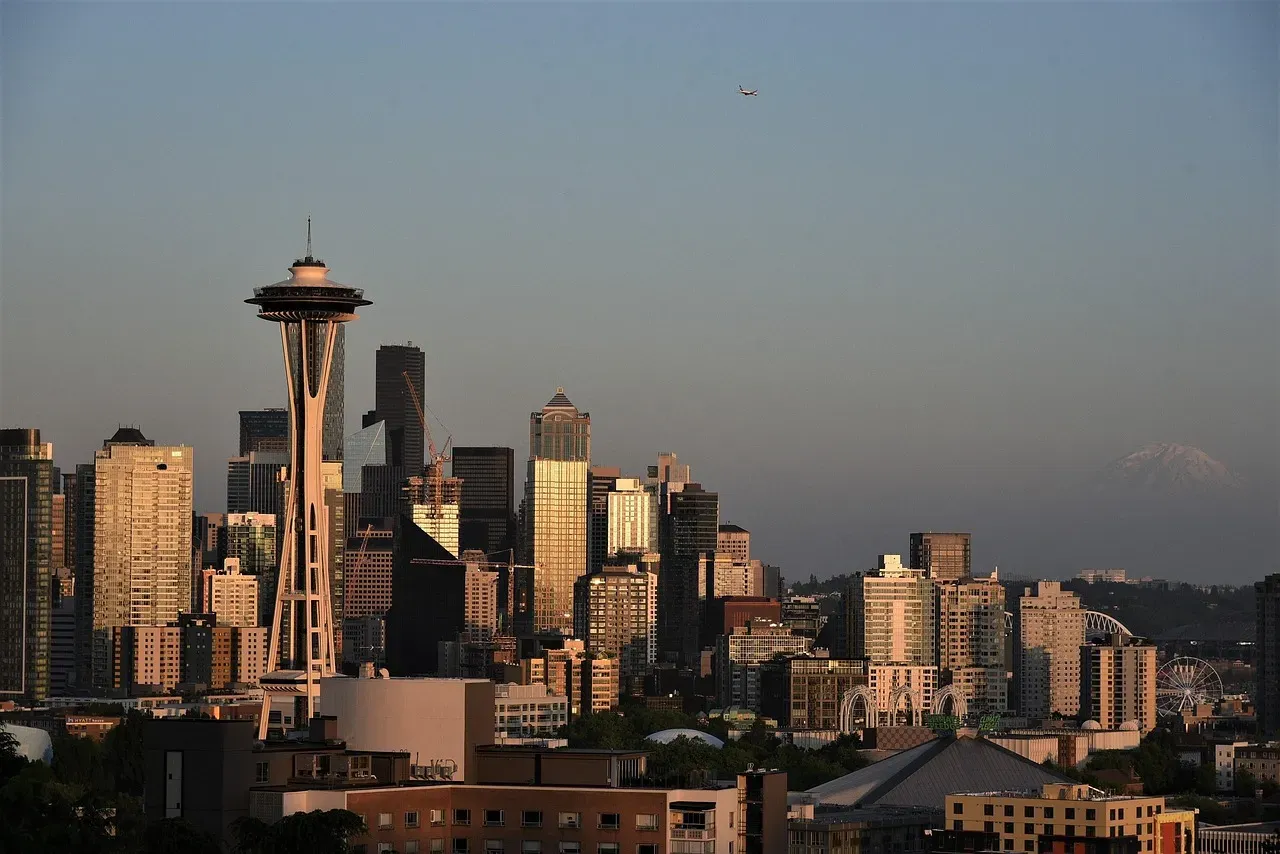
Seattle is the community with the eighth highest quality of life, receiving high marks for health prevention, access, and quality. The Pacific Northwest city balances urban sophistication with natural beauty remarkably well.
The coffee culture here goes beyond cafes on every corner. It represents a social infrastructure where community gathering happens naturally, relationships form casually, and neighborhood identity solidifies.
Access to mountains, forests, and water within short drives creates weekend escape options that metropolitan areas rarely offer. That proximity to nature provides psychological relief from urban intensity.
The tech industry boom brought wealth and opportunity, though it also created housing affordability challenges. Growth pains accompany desirability, an increasingly familiar pattern across American cities.
Yes, the rain becomes a joke even among residents. Yet those who stay clearly find the gray skies worthwhile for everything else the city provides.
Bismarck, North Dakota

Bismarck consistently surprises people unfamiliar with North Dakota. The state capital offers stability, affordability, and community cohesion that larger cities struggle to maintain.
Government jobs provide economic bedrock that doesn’t fluctuate with market whims. That stability ripples through the entire community, reducing financial anxiety at population level.
The cost of living remains remarkably low. Housing stays affordable, groceries don’t break budgets, and families can actually save money instead of perpetually scrambling.
Winters test commitment, obviously. Harsh cold and snow dominate several months, creating an environment that feels hostile to newcomers unprepared for Great Plains climate.
Yet the people who choose to stay develop resilience and community bonds strengthened by shared challenges. Surviving winter together creates connections that mild climates never force.
Fargo, North Dakota

Fargo rounds out the top fifteen, proving that North Dakota understands something about quality of life that deserves recognition. The city balances small-town friendliness with enough urban amenities to prevent boredom.
The university presence keeps demographics younger and culture more dynamic than typical Midwestern towns. Student populations cycle through, preventing stagnation and bringing fresh perspectives constantly.
Job markets stay stable thanks to diverse economic foundations. Healthcare, education, agriculture, and technology all maintain presence, preventing over-reliance on single industries.
Community engagement runs high here. Neighbors know each other, civic participation stays active, and people genuinely invest in their surroundings rather than treating residence as temporary.
The pattern becomes clear across these fifteen cities. Financial security matters, but not in isolation. Community bonds, outdoor access, manageable pace, and genuine social connections create happiness that wealth alone never delivers.
Conclusion

These fifteen cities demonstrate that happiness depends on far more than warm weather or high salaries. The Midwest claims nearly as many spots as California, suggesting that community cohesion and affordability rival beaches and sunshine.
Consistent patterns emerge across all rankings. Cities where people sleep well, maintain lasting relationships, access healthcare easily, and feel genuine community support consistently rank higher regardless of geographic location or climate.
The income threshold of roughly $75,000 appears repeatedly as a happiness baseline. Beyond that amount, additional earnings don’t increase contentment nearly as much as factors like short commutes, low divorce rates, and caring neighbors.
What surprises me most is how often smaller cities outperform major metros. The psychological benefits of manageable scale, genuine community connections, and lower stress apparently outweigh the excitement and opportunities of massive urban centers for most people measuring their own happiness.
Would you trade your current location for one of these fifteen cities? What would you miss most about where you live now?
