
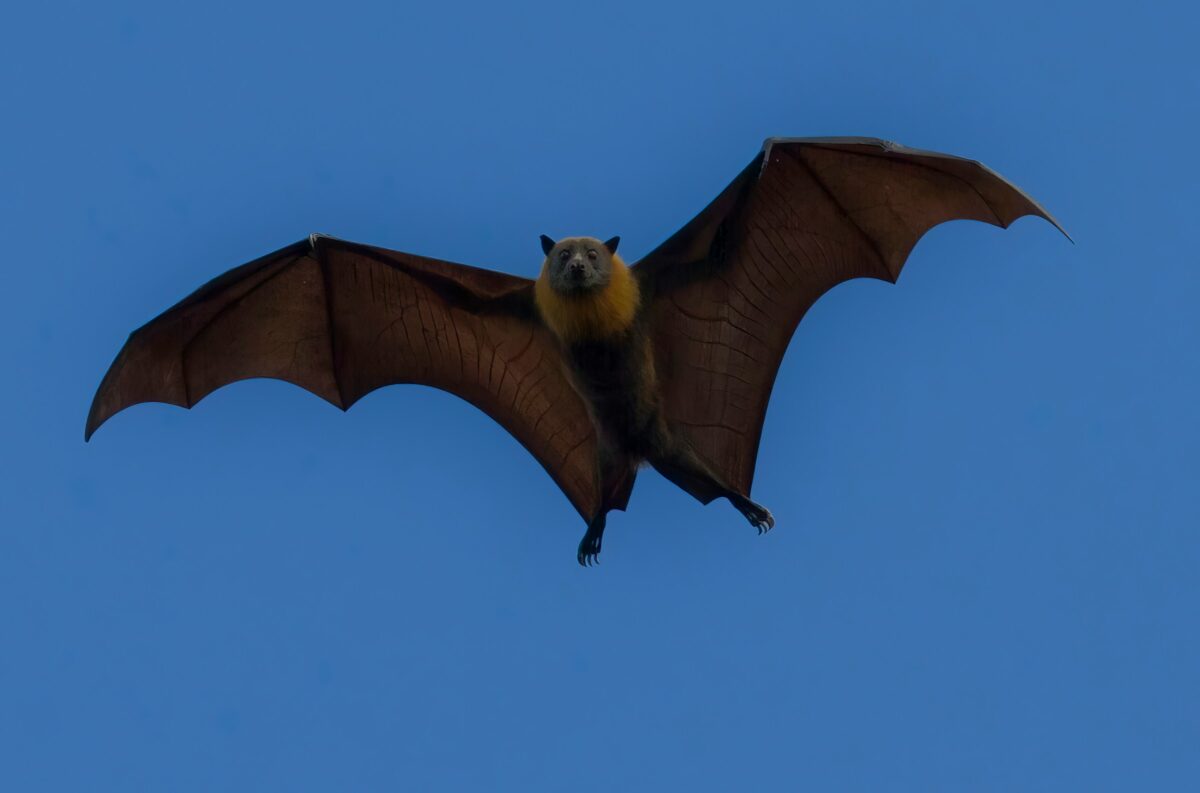
Picture a quiet October evening. The pumpkins are lit, a few paper decorations are fluttering in the draft, and something small and dark swoops across the living room ceiling. Most of us would call that the most on-theme visitor imaginable.
For centuries, people didn’t treat a bat indoors as a funny coincidence. They read it as a message, sometimes a warning, sometimes a blessing, depending on where they lived. The folklore is richer and stranger than the cartoon version, and it says as much about us as it does about bats.
Why Bats and Halloween Became a Package Deal
🔥 Would you like to save this?
We'll email this post to you, so you can come back to it later!
The link starts with the season itself. Halloween grew out of older autumn traditions, including the Celtic festival of Samhain, which marked the shift from harvest to the dark half of the year. Folklore from that era treated the turning of the season as a time when the boundary between the living and the dead grew thin.
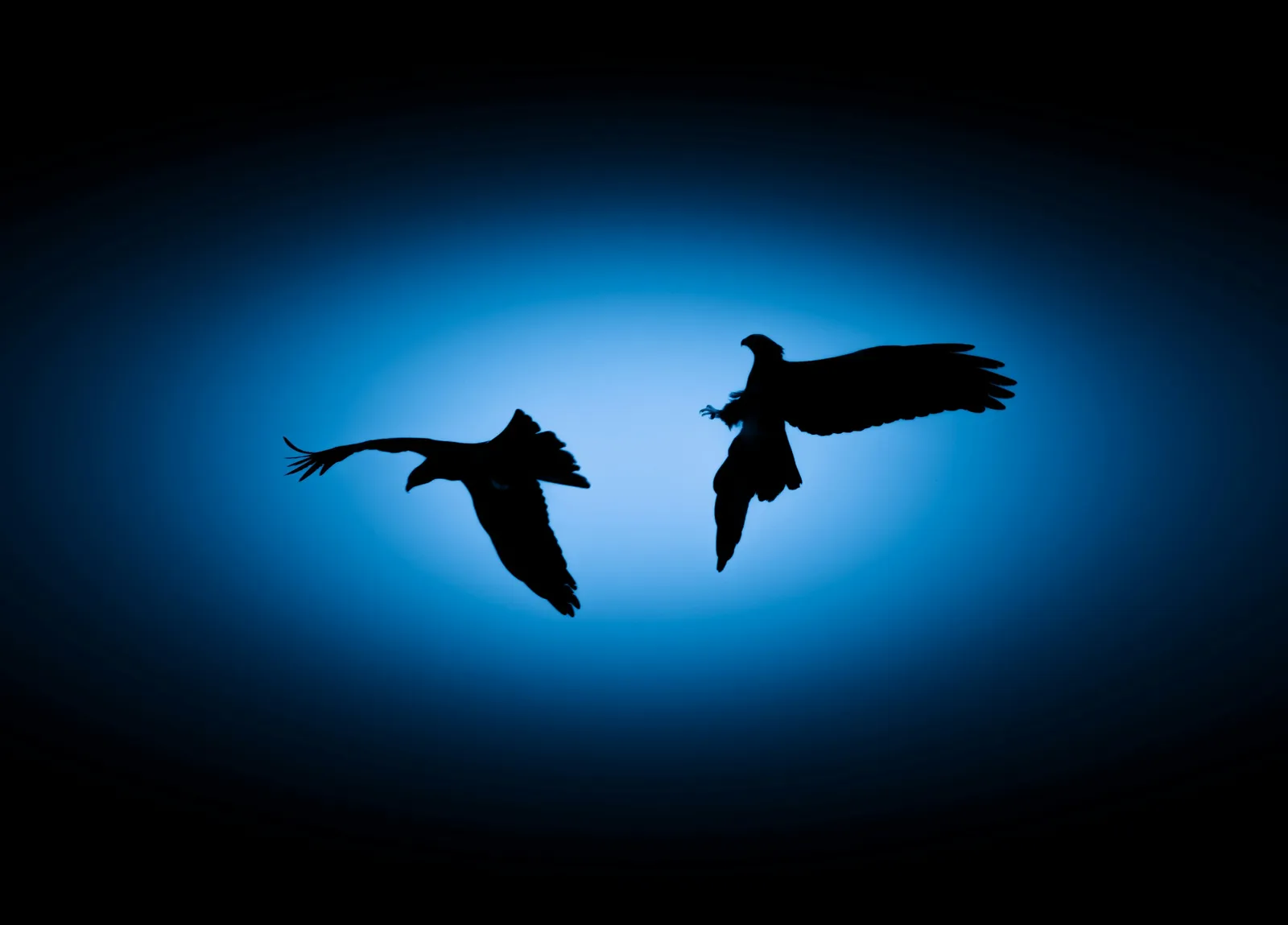
Bats fit that mood neatly. They’re active at dusk and after dark, they roost in caves, attics and old buildings, and they move in ways that seem almost impossible to follow with the eye. A creature like that was easy to tie to the unseen.
There’s also a practical side that people often repeat. Bonfires and lantern light draw insects, and insects draw bats, so a flickering bat above an autumn gathering would have been a common sight. Whether or not that explains the whole tradition, it’s a plausible reason the animal became part of the season’s imagery.
The Classic European Omen: Death, Witches and Bad Luck
🔥 Would you like to save this?
We'll email this post to you, so you can come back to it later!
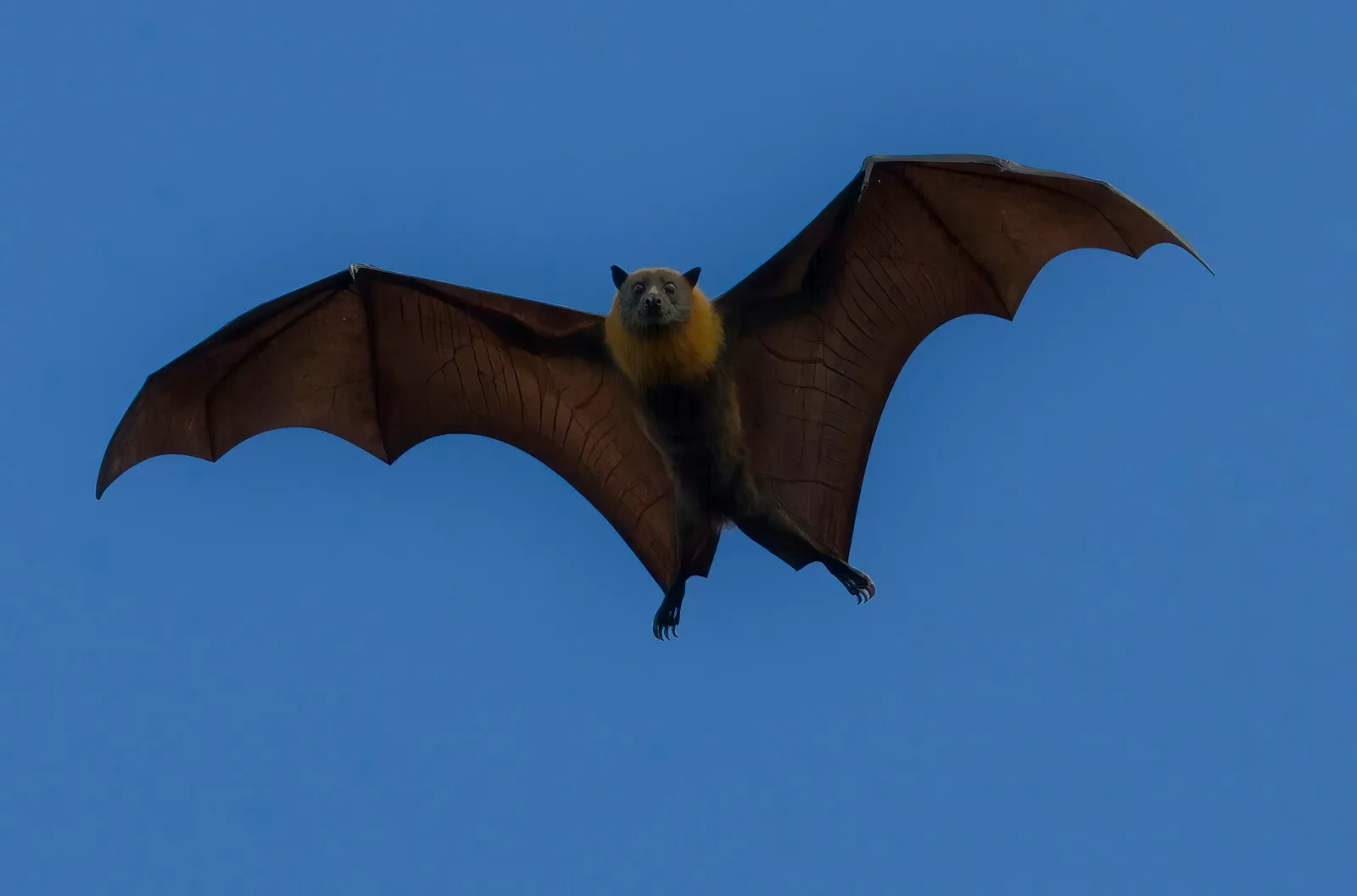
In much of European folklore, a bat inside the home was bad news. One widespread belief held that a bat flying into a house, or circling it, signaled that a death was coming to the family. Variations pop up in British and Irish tales, though details differ from region to region and aren’t always well documented.
Bats also got dragged into witchcraft lore. Medieval and early modern imagery often linked them with witches and devils, and Shakespeare helped cement the connection by listing bat ingredients in the witches’ brew in Macbeth. That one literary moment still echoes every time a cartoon witch stirs a cauldron.
Here are the most common European superstitions in short form:
- A bat flying into the house predicts misfortune or a death in the family.
- A bat circling a building was sometimes read as a sign of a witch nearby.
- A bat tapping or flying at a window could mean spirits wanted in.
- Seeing a bat at dusk was occasionally taken as a sign of changing weather or luck.
Treat these as folk beliefs, not predictions. They were stories people told to make sense of frightening moments, and nobody has ever shown that a bat can forecast a funeral.
Good Fortune on the Other Side of the World
🔥 Would you like to save this?
We'll email this post to you, so you can come back to it later!
Not every culture saw a bat as a bad sign. In Chinese tradition, the bat is a symbol of luck and happiness, largely because the word for bat sounds like the word for good fortune. You’ll find bats in traditional art, on textiles and carved into furniture, often in groups of five to represent a set of blessings.
That’s a striking contrast. The same animal, flitting through the same sort of room, could mean doom in one village and prosperity in another. It’s a good reminder that omens say more about the culture than the creature.
Other traditions went in different directions again. Some Indigenous cultures in the Americas gave bats serious spiritual roles, and the Maya, for example, had a bat associated deity tied to death and the underworld. Meanwhile, a few European regions had gentler beliefs, treating a bat visit as a sign that the household was being watched over. Folklore rarely speaks with one voice.
How Dracula Rewrote the Bat’s Reputation
🔥 Would you like to save this?
We'll email this post to you, so you can come back to it later!
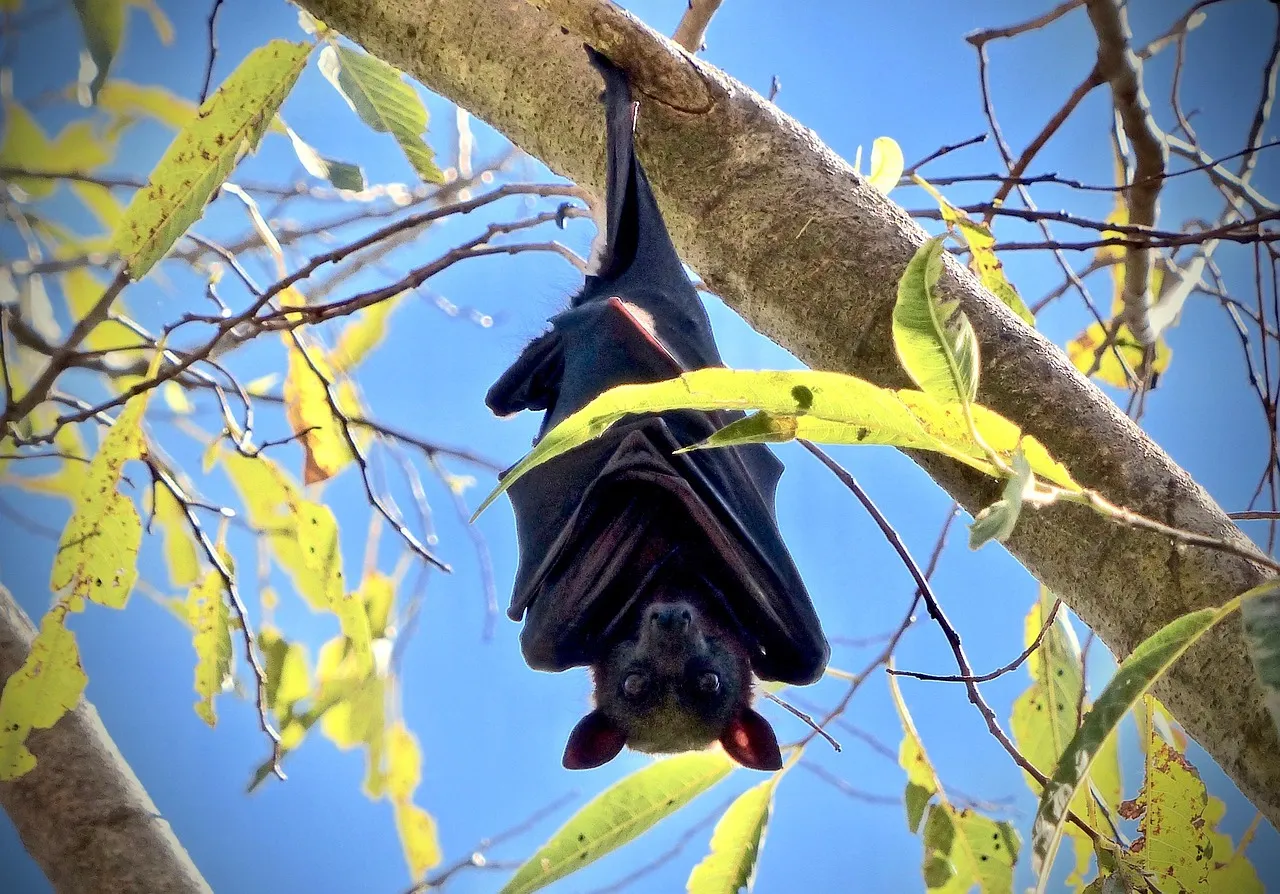
If you think bats are creepy, you can thank storytellers as much as nature. Bram Stoker’s novel Dracula, published in 1897, tied bats to vampires in the popular imagination, and film adaptations turned that image into a Halloween staple. The shape-shifting count became the template for every spooky bat shot that followed.
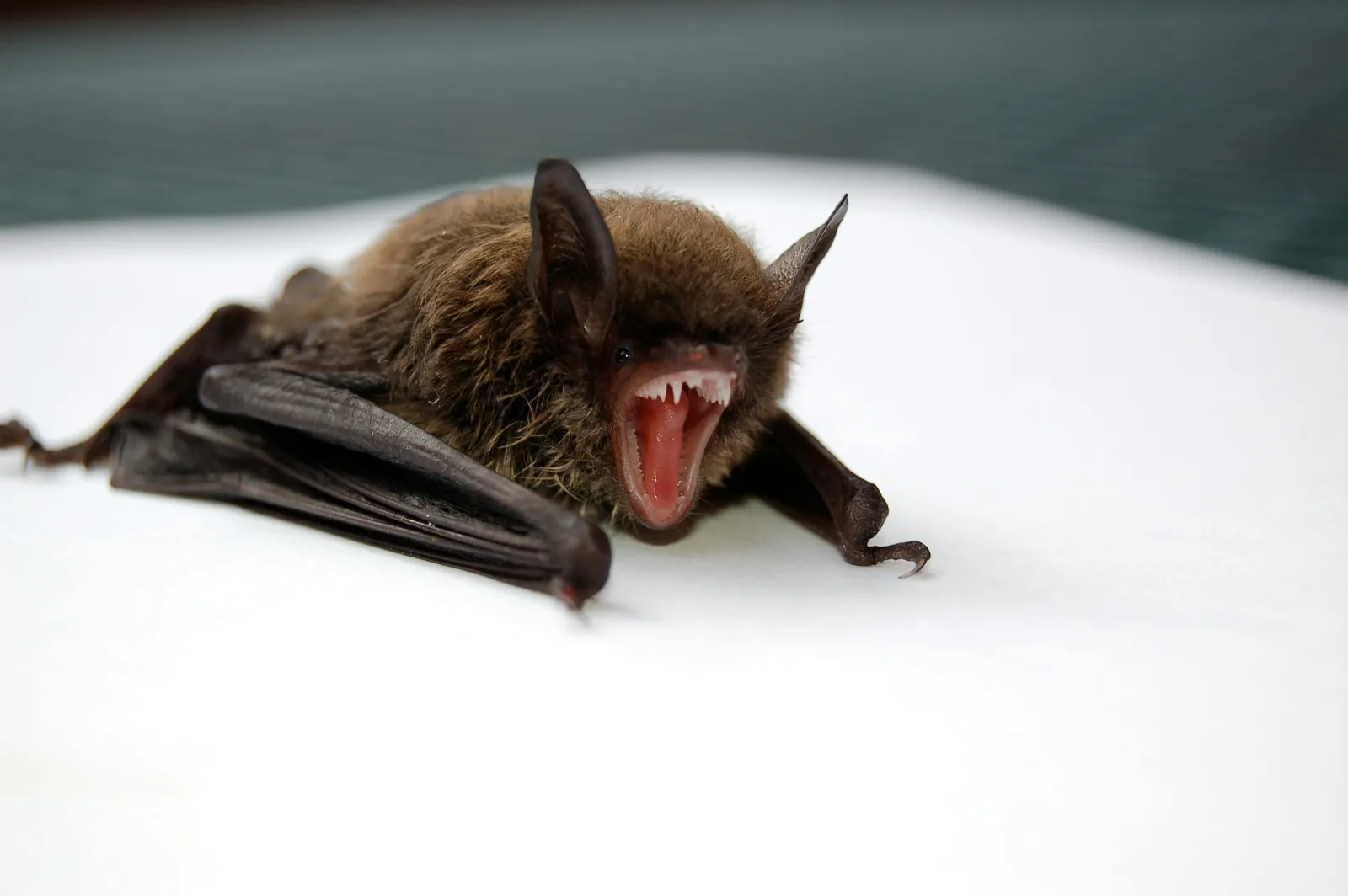
Real vampire bats are a different matter. They live in parts of Latin America, not in Europe or the United States, and they mostly feed on the blood of livestock and wild animals. They’re a long way from the cloaked aristocrat of the movies.
This is worth knowing because modern fear of bats often comes from fiction, not experience. Most bats in North America and Europe eat insects, and their reputation as harbingers of horror is far more cinematic than biological.
What Is Actually Happening When a Bat Gets Inside
🔥 Would you like to save this?
We'll email this post to you, so you can come back to it later!
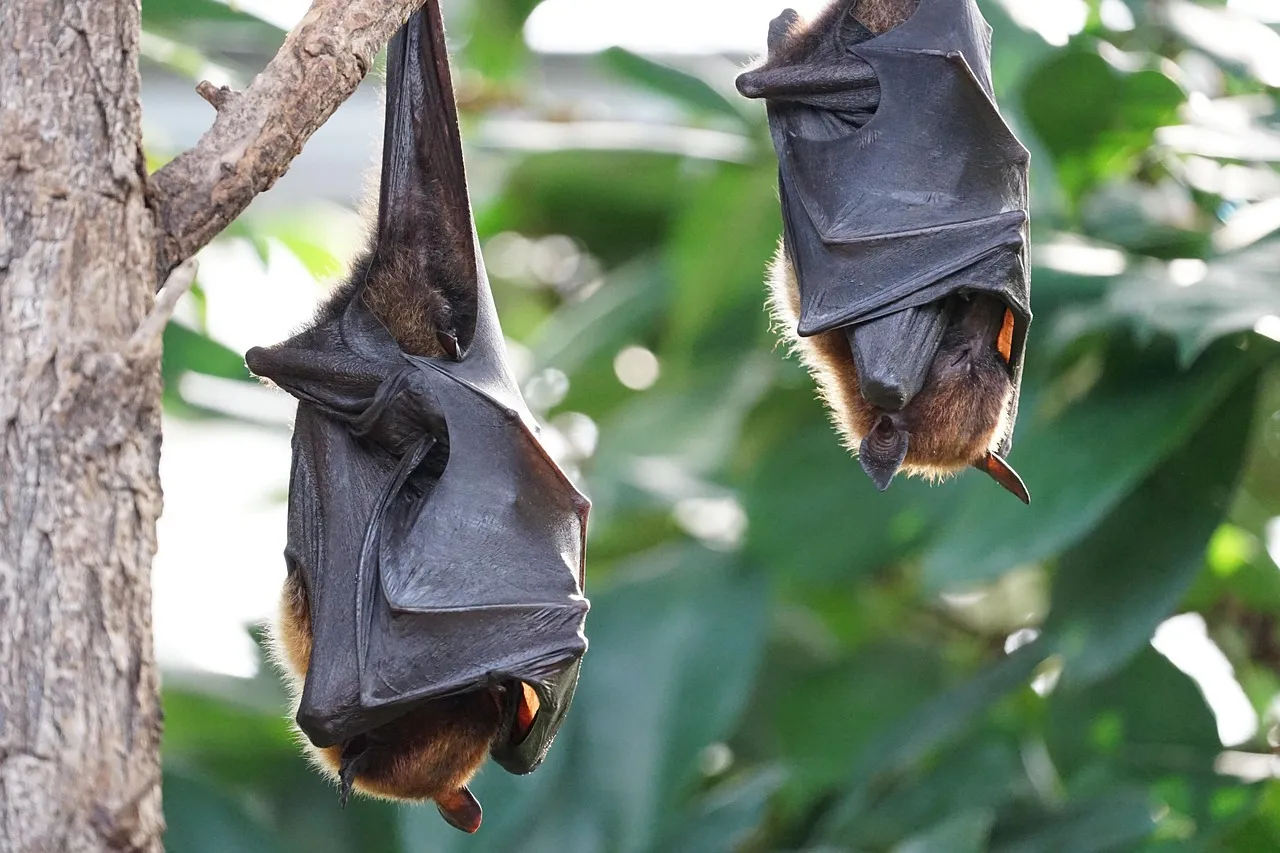
Now for the less mystical explanation. Autumn is a busy, restless time for bats. Many species are fattening up, finding mates or searching for a place to spend the winter, and an attic, wall gap or chimney can look like a decent roost.
Bats can squeeze through surprisingly small openings, so a loose screen or an open door at dusk may be all it takes. Once inside, a disoriented bat often flies in loops around a room because it’s trying to find the way out, not because it’s circling you. That behavior probably fed the old stories about bats circling a house.
Common real reasons for an October visit include:
- Searching for a hibernation or winter roosting site.
- Following insects drawn to porch lights and open doors.
- Entering through gaps in roofs, vents or chimneys.
- Getting lost after a young or inexperienced bat strays off course.
What to Do, and What Not to Do
🔥 Would you like to save this?
We'll email this post to you, so you can come back to it later!
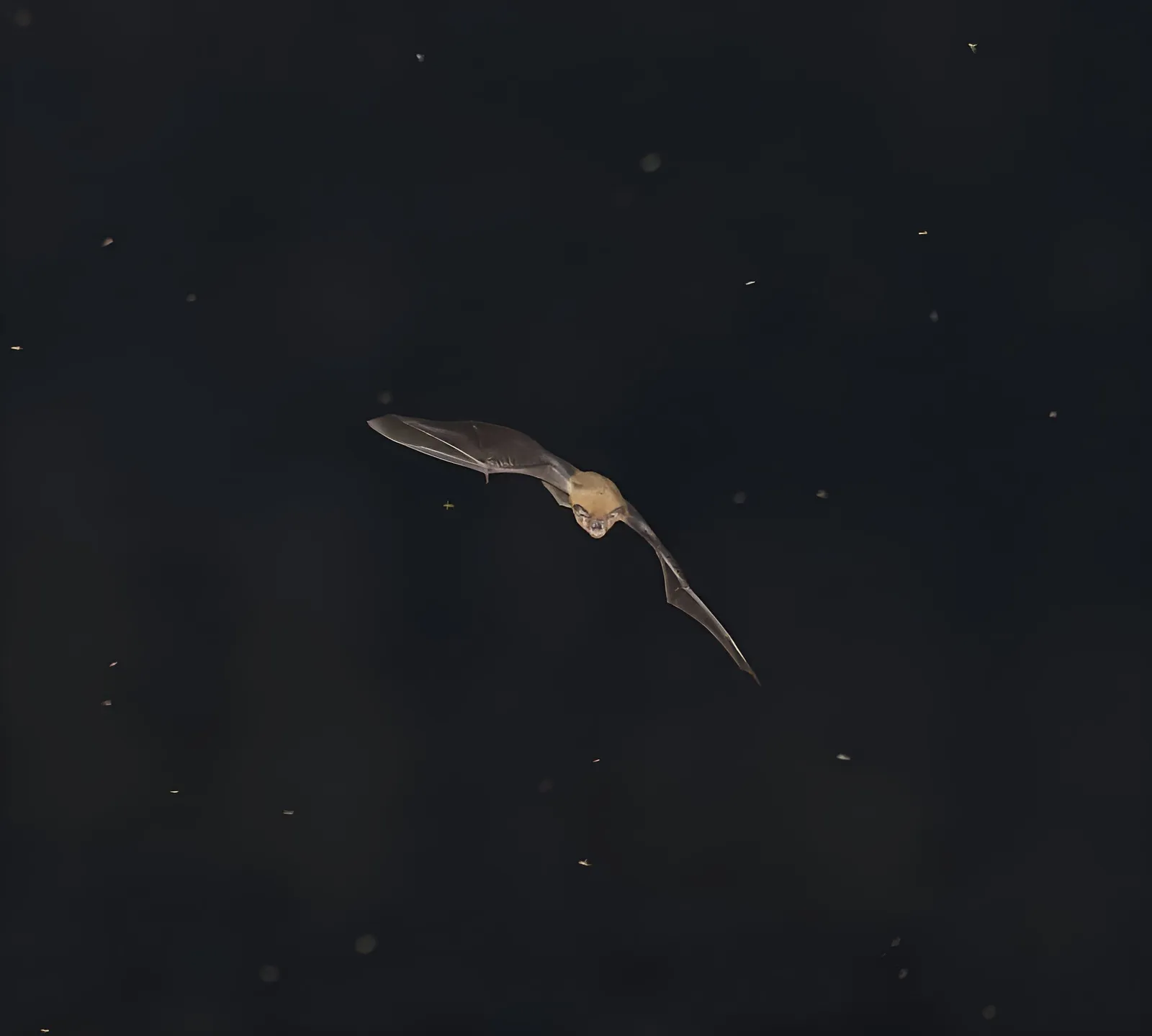
Folklore aside, safety matters. Bats can carry rabies, and their teeth are tiny, so a bite may go unnoticed. Health agencies such as the CDC advise contacting local health or animal control officials if a bat was in a room with a sleeping person, a child or someone who can’t reliably say whether they were bitten. If possible, the bat should be safely contained so it can be tested.
If no one was exposed, the usual advice is calm and simple. Close the doors to other rooms, open a window or exterior door, turn on the lights and give the bat space to leave. Never grab it with bare hands.
Afterward, look for entry points and seal them, but check local rules first. Many bat species are protected, and some areas limit when you can exclude bats from a building, especially during pup season or winter hibernation. A wildlife professional can help you do it legally and humanely.
Final Thoughts: The Bat Deserves Better Than Our Superstitions
🔥 Would you like to save this?
We'll email this post to you, so you can come back to it later!
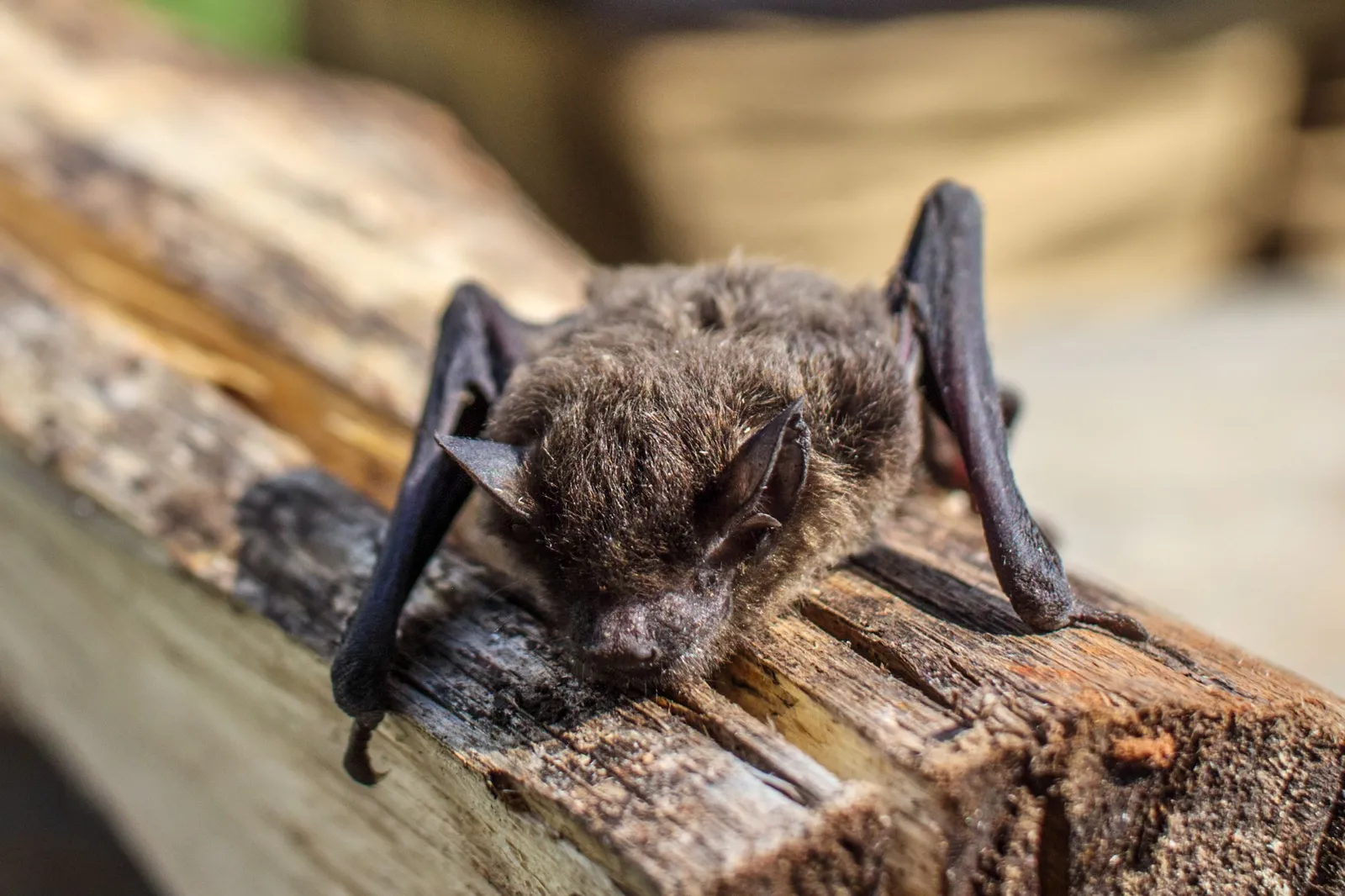
My view is that the old omens are fun to talk about but unfair to the animal. Bats eat huge numbers of insects, they’re under real pressure from habitat loss and disease, and they’ve spent centuries carrying the blame for things they didn’t do.
So if one turns up in your house this October, enjoy the spooky story for a minute, then open a window and let it go. The luckiest thing about a bat in the house is learning how much more interesting it is than its reputation.

- 23 Warm Corners an Elderly Cat Keeps Returning To All Winter - October 29, 2026
- 16 Behaviours Showing a Cat Considers a House Permanent Now - October 29, 2026
- 15 Wildlife Programmes a Lifetime Pass Holder Over 62 Can Join Free - October 29, 2026