

A Bird That Has Always Carried Meaning
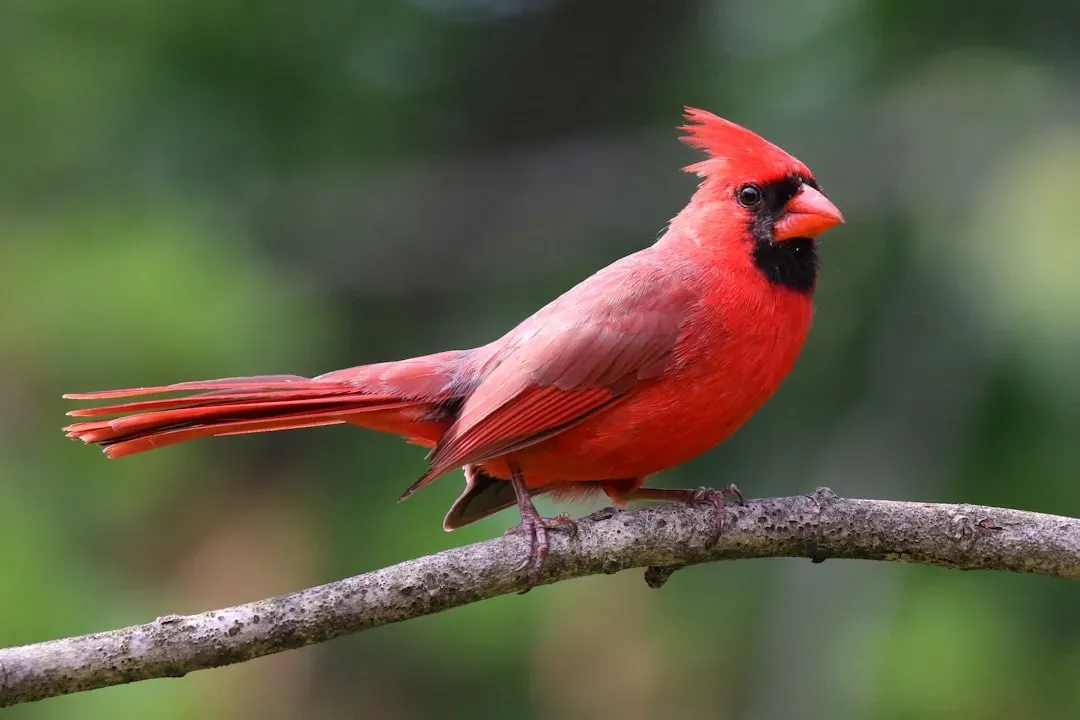
The cardinal’s place in human belief is not a recent invention. The bright and elegant cardinal has a spiritual background that extends back hundreds of years. When early European settlers in North America first spotted and named the birds, they recognized plumage reminiscent of the red vestments worn by members of the Roman Catholic curia. That visual association alone was enough to give the bird an air of divine significance before any formal folklore had a chance to develop.
The ancient Greeks saw the cardinal as a representation of the sun god Apollo, while in Roman mythology the bird was viewed as a messenger of Jupiter, the king of the gods. While the belief in cardinals as heavenly messengers cannot be traced to a single origin, birds have often symbolized heavenly visitors, messengers to the gods, or even the gods themselves in feathered form. This belief has been part of ancient Egyptian, Celtic, Maori, Irish, and Hindu spiritualism, as well as the lore and legends of many Native American tribes, including the Ojibwe, Lakota, Odawa, Sioux, Algonquin, and Menomini.
The Root of the Word Tells Its Own Story
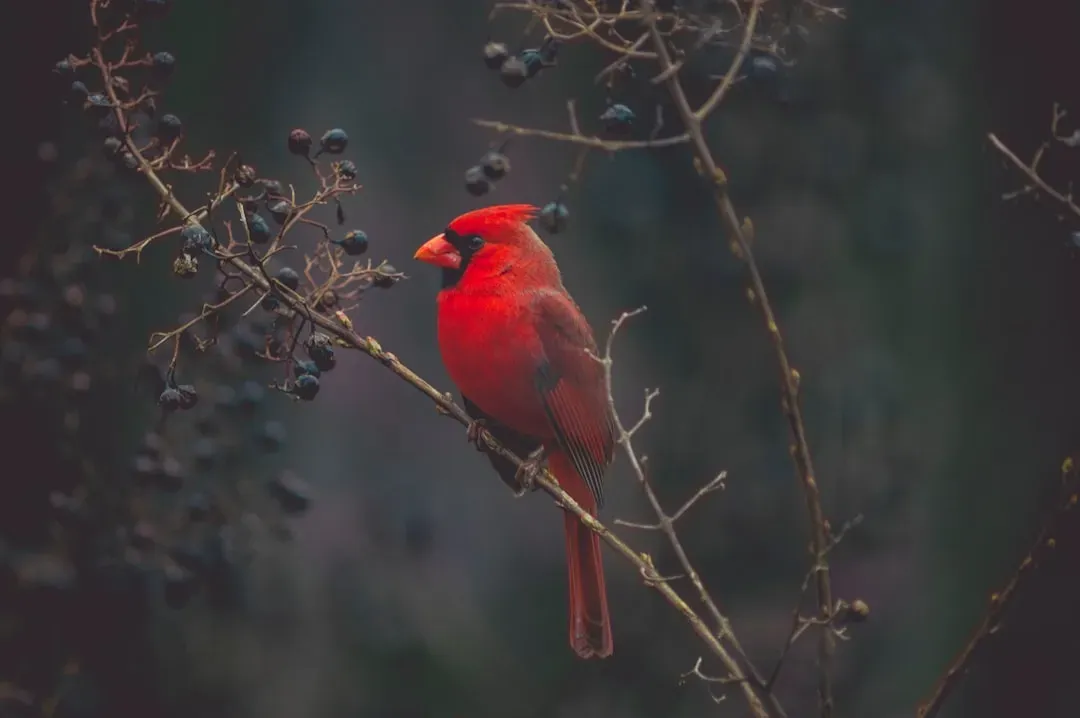
The idea seems to stem from the fact that the word “cardo,” which cardinal comes from, also means “hinge,” and the bird is viewed as a hinge between the Earth and the spirit. That etymological detail is surprisingly poetic. A hinge doesn’t belong to either side of a door. It connects them. That is exactly the role folklore has assigned to this bird for generations.
The Latin term for cardinal means pivot or hinge, and these birds were named for the Cardinals of the Catholic Church with their brilliant red robes. Over time, perhaps because of their striking appearance or religious associations, and because of the symbolism of birds across many different cultures and belief systems, the cardinal took on a symbolic meaning. Many began to associate them with messages from heaven or from a departed loved one. The name, the color, and the behavior all converged into something that felt, to many people, deeply intentional.
Native American Traditions and the Redbird

The cardinal is a spiritually significant bird in Native American culture, viewed as a messenger, symbolic representation of key virtues, and harbinger of change. Various tribes assign slightly different meaning to the cardinal based on its color, song, behavior, seasonal appearance, and spiritual folklore. Common symbolic themes emerge related to renewal, endurance, directionality, pride, morality, family bonds, intention, and happiness.
In Cherokee mythology, a northern cardinal singing near the home indicates there will soon be visitors, but if one visits the home itself, it might indicate a connection to the souls of the dead. Other Cherokee legends say the northern cardinal is the daughter of the sun, and they believe the bird can predict the weather. The Ojibwe people admired the cardinal as an alert and highly observant bird, and the Pueblo tribes viewed the cardinal as a guardian. These were not casual observations. They were embedded in living tradition.
The Three-Day Visit Through the Lens of Folklore
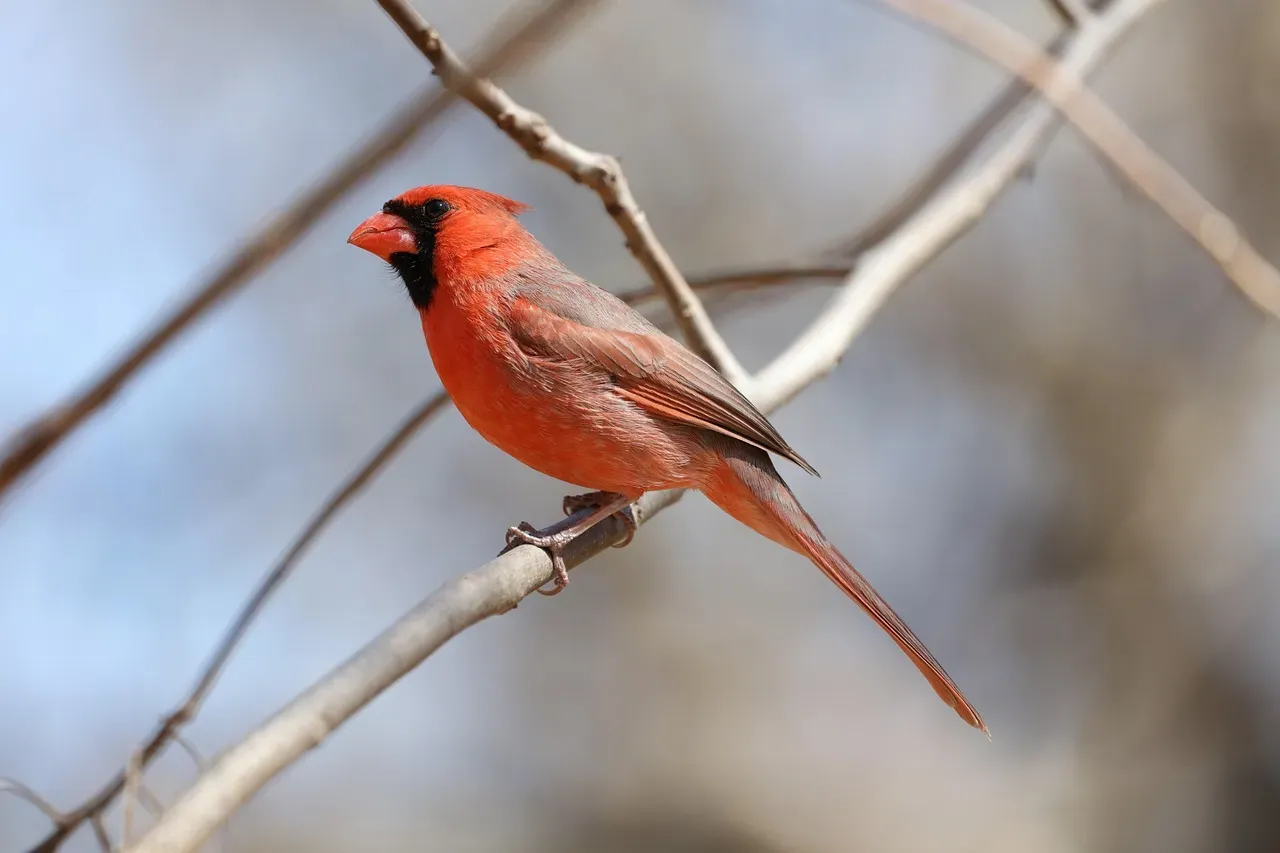
When a cardinal appears, it carries a deeper spiritual message. Seeing a cardinal outdoors can be a gentle reminder to pause, reflect, and reconnect with life, relationships, or personal growth. For someone who notices these birds again and again, the repeated visits may feel like a soft nudge from the spiritual realm, encouraging them to stay hopeful, strong, and emotionally grounded.
Three consecutive days of the same visitor arriving at roughly the same place holds particular weight in many folk traditions. Ancient Native American cultures used mathematical systems to understand their world. In particular, the numbers 1 through 12 had deep symbolic meaning, with 3, 4, and 7 being particularly auspicious. A three-day pattern wasn’t coincidence to those who paid attention to such things. It was confirmation. A message delivered once might be luck. Three times was considered intent.
A Messenger from Those Who Have Passed
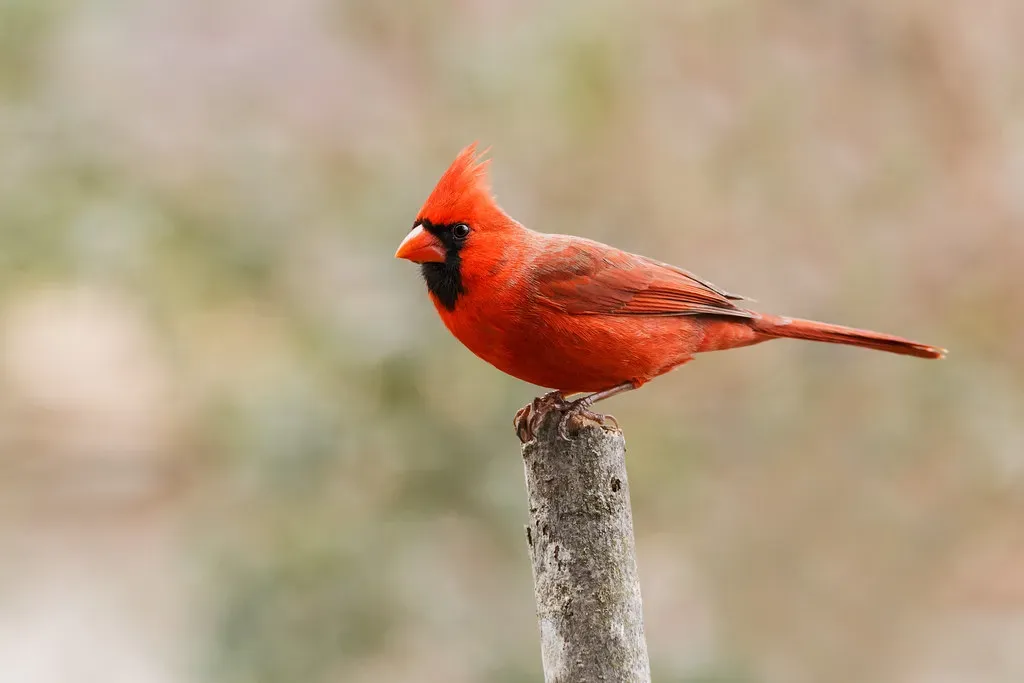
It is common folklore that a visit from a cardinal represents a sign from a loved one who has passed. The most common interpretation of a cardinal is a message from a departed loved one. Whenever you see one, it signifies that they are visiting you. They generally appear when you need or miss them the most. They also come through moments of joy and sorrow to let you know they will always be there for you.
Cardinals do not migrate. They stay during the winter when most other birds leave. This makes them appear loyal and ever-present, just like the love of a family member. When everything else dies or leaves in winter, the cardinal remains. That detail matters. The bird’s own nature, its stubborn year-round presence, made it a natural metaphor for love that doesn’t leave. When the same cardinal keeps returning day after day, the emotional resonance of that idea only deepens.
Christian Symbolism and the Color Red
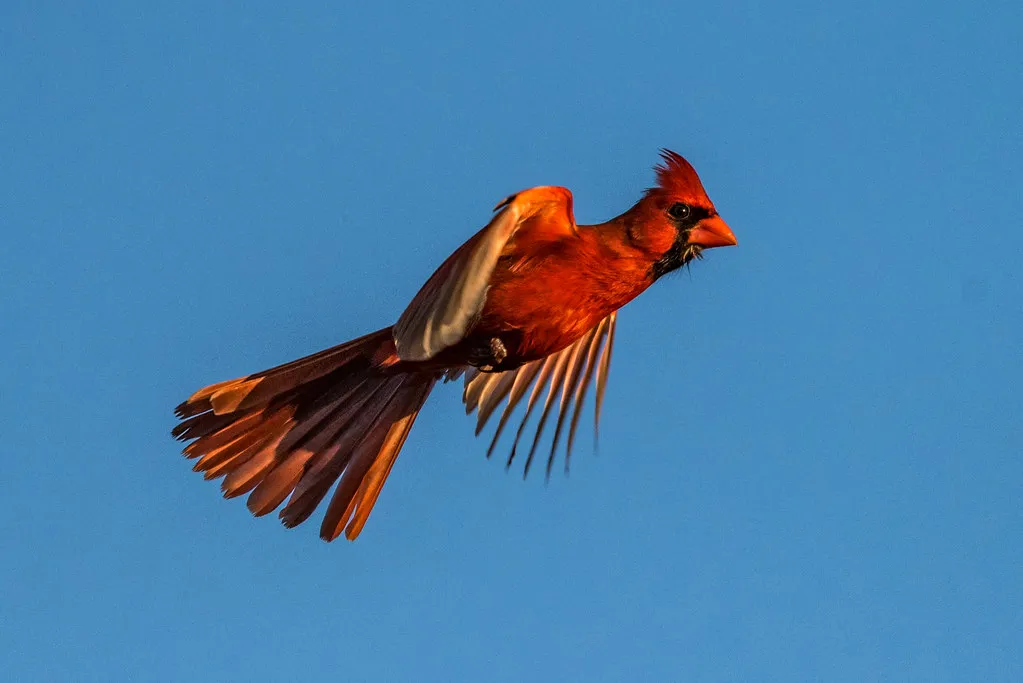
In Christian tradition, the cardinal’s vibrant red color represents the blood of Christ and the fire of the Holy Spirit, reminding believers of His sacrifice, redemption, and divine energy. The bird’s name itself comes from Catholic cardinals who wear red vestments, and the bird’s distinctive crest reminded early settlers of the bishop’s miter.
Red has long been the symbolic color of the Blood of Christ for all Christians, so these spiritual associations took root for Christians in the New World as they marveled at the bird’s striking and regal beauty. Many Christians view cardinals as spiritual messengers from loved ones in heaven, with the popular saying “When a cardinal appears in your yard, it’s a visitor from heaven” reflecting this belief. For people of faith, a cardinal appearing three mornings in a row at the same spot can feel less like coincidence and more like a very specific kind of grace.
What the Cardinal’s Behavior Actually Suggests
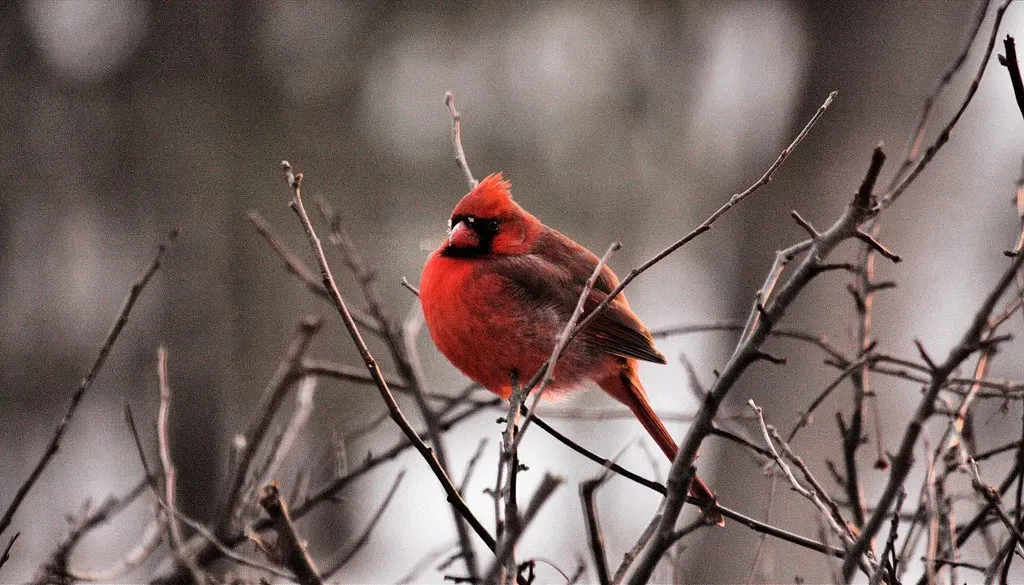
Cardinals are not shy birds. They are known to tap on windows, sit on nearby fences while you are drinking coffee, or follow humans on walks. Their behavior often feels intentional, as if they are trying to get your attention. From a purely behavioral standpoint, cardinals are highly territorial and tend to return to the same locations daily, which means a three-day visit to your yard or window is not unusual from a wildlife perspective.
Still, the experience of being noticed by the same creature three days running tends to carry emotional weight regardless of what you believe. If a red cardinal appears at your window, especially repeatedly, it’s seen as a direct message. Some interpret this as a visit from a loved one in spirit form. The window is a symbol that separates worlds. The cardinal seems to gently knock, reminding you that you’re not alone. Whether spiritual or simply stirring, the effect on the observer is real.
Love, Loyalty, and Romantic Folklore
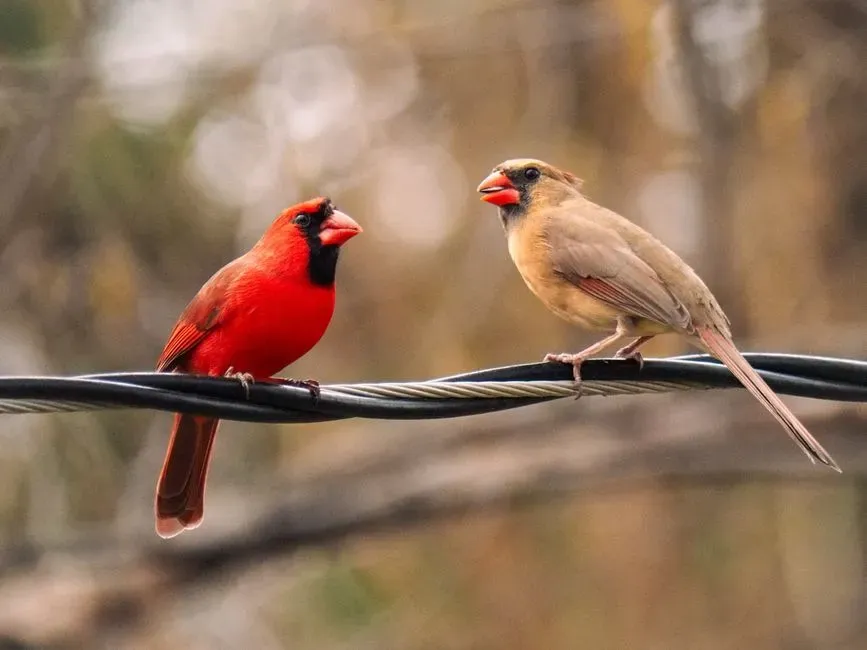
Not all cardinal folklore centers on grief. The Choctaw tribe specifically references the redbird as a matchmaker between a maiden and a brave, responsible for bringing them together. This is why cardinals are often associated with romance, and it is believed that if you are single and see a cardinal, romance is in your near future.
Cardinals are monogamous birds who mate for life. A pair will stay devoted to each other year after year. The striking red plumage of male cardinals therefore came to represent virtues like fidelity, romantic bonds, and family commitment. A cardinal appearing three days in a row when you are navigating questions of the heart carries an entirely different meaning in this tradition. It’s not about loss at all. It’s about steadiness, devotion, and showing up.
Good Fortune, Timing, and the Number Twelve
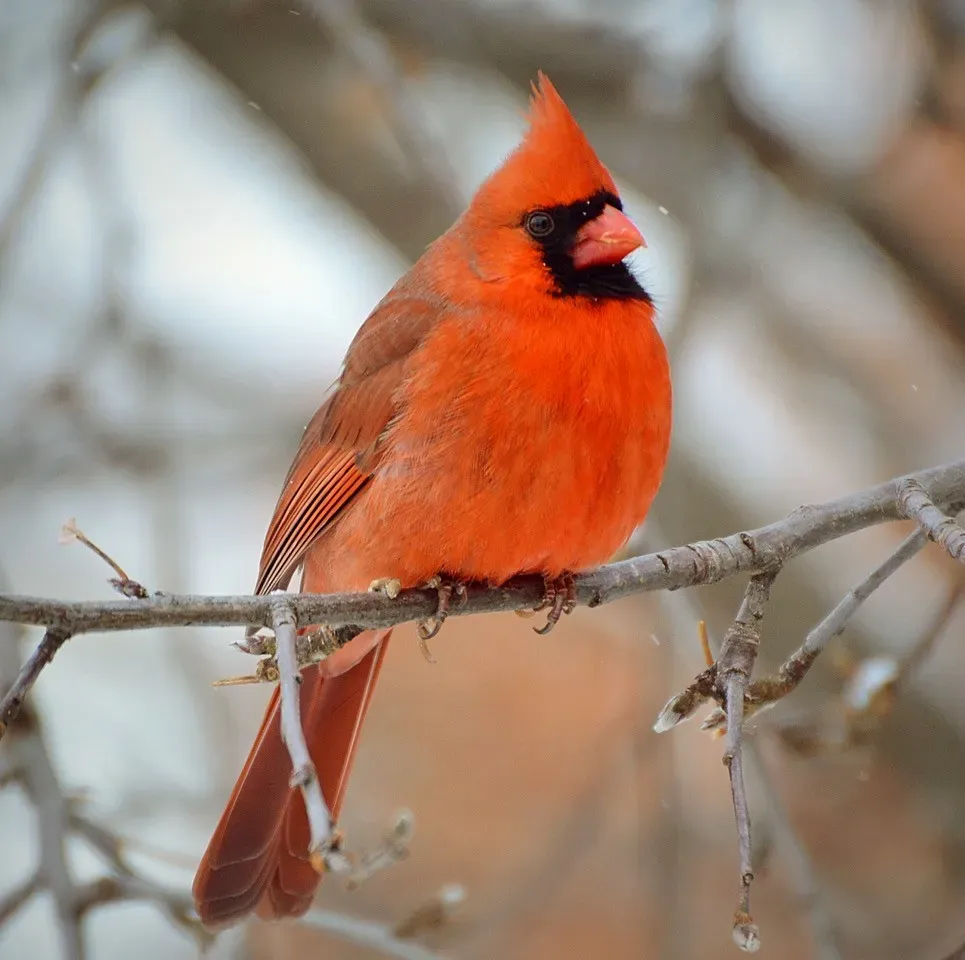
Cardinals are associated with the number twelve in most Native American cultures. The connection with luck arises from the fact that, unlike most songbirds, cardinals don’t migrate and stay at their location year-round, meaning twelve months. The incubation and nesting period of cardinals on average lasts twelve days. Because of that, it’s said that after seeing a cardinal, you can expect something fortunate to happen within twelve units of time, be it hours, days, weeks, or even years.
In fact, it is believed that if a red cardinal appears, that individual will have good luck within twelve days of the sighting. Cardinals are highly associated with a ray of hope in the cluster of worries, a beginning of new beginnings in the spring after a cold harsh winter, and a beam of light within the world itself. When the visit happens three times consecutively, many folk traditions interpret that amplification as a particularly strong or urgent signal, something you were not meant to miss.
What to Do When the Cardinal Keeps Coming Back
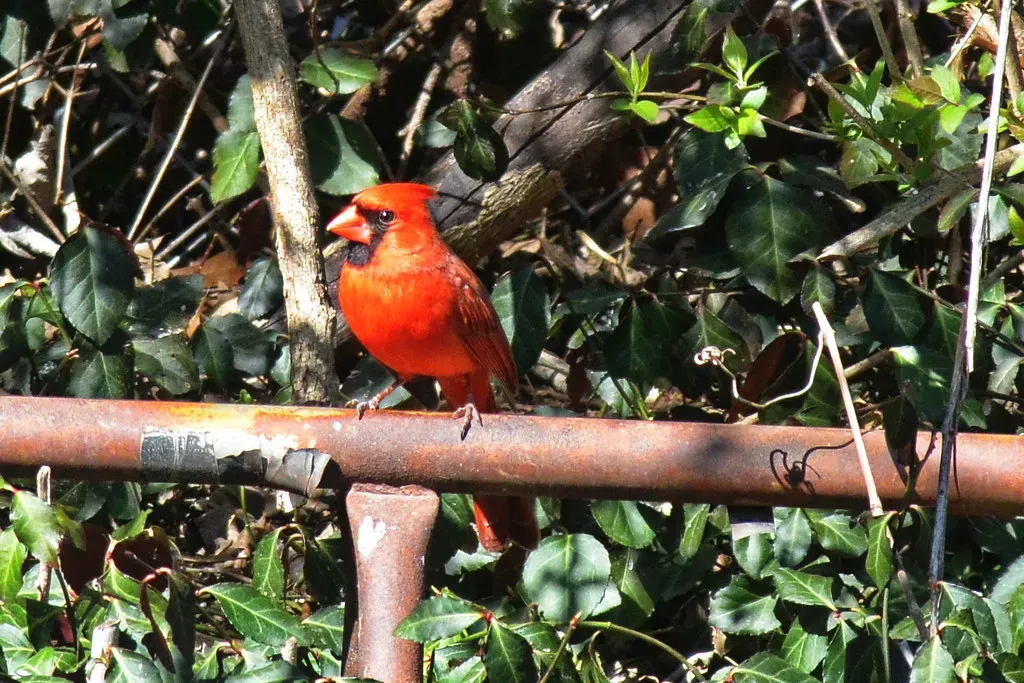
For many bird lovers, the sight of a cardinal holds special meaning, sometimes evoking emotional or spiritual feelings. They say the vibrant red bird is an uplifting, happy sign that those we have lost will live forever, so long as we keep their memory alive in our hearts. As cardinals sing their pleasant song, people may recall cherished memories of better times. The beautiful birds are a reminder that loved ones will never truly be forgotten.
In connection with departed loved ones, the presence of a cardinal signifies beauty in the midst of darkness, hope in the midst of sorrow, and renewal in the midst of winter. Whether cardinal symbolism came from the folk proverb, or the proverb came from the traditional symbolism, many people are reminded of the presence of a departed loved one or family member when a red cardinal visits their yard. If the visits feel meaningful, most traditions suggest one simple response: be still, pay attention, and receive whatever comfort the moment offers. You don’t have to subscribe to any particular belief for that to be worthwhile.
Conclusion
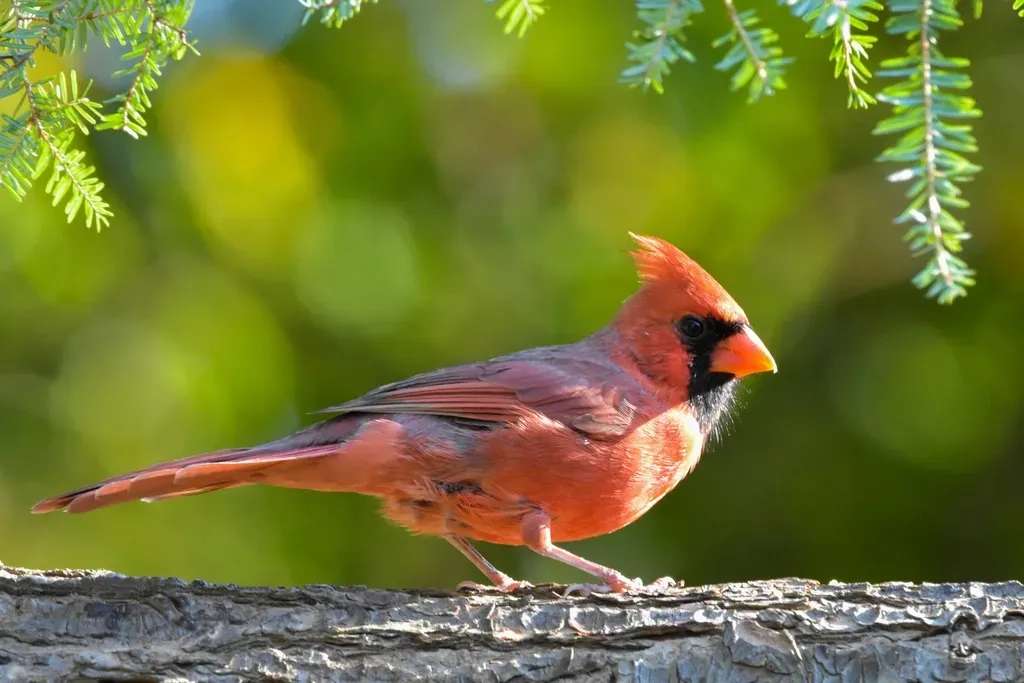
Two hundred years of folklore don’t prove anything supernatural. What the tradition does prove, clearly and movingly, is that human beings have always looked at the cardinal and felt something. The persistence of that feeling across so many separate cultures and centuries is worth taking seriously, even if you’re more skeptical than spiritual.
If a cardinal visits you three mornings in a row, the honest answer is that nobody can tell you with certainty what it means. What we can say is that generations of people, across wildly different traditions, agreed it was not nothing. There is no scientifically proven connection between red cardinals and death or spiritual messages. The cardinal experience can be a widely known superstition or something greater than what we could ever understand. Although many people take these things lightly, many still believe that divine entities try to communicate with us through birds and other spirit animals.
In the end, the cardinal doesn’t demand belief. It just keeps showing up. What you make of that, as with most things that matter, is entirely up to you.

- 6 Exotic Bird Species You Can Spot in U.S. National Parks - July 19, 2026
- 11 Iconic American Birds Facing New Challenges and How You Can Help - July 19, 2026
- 10 Friendliest Animals in the World - July 19, 2026