
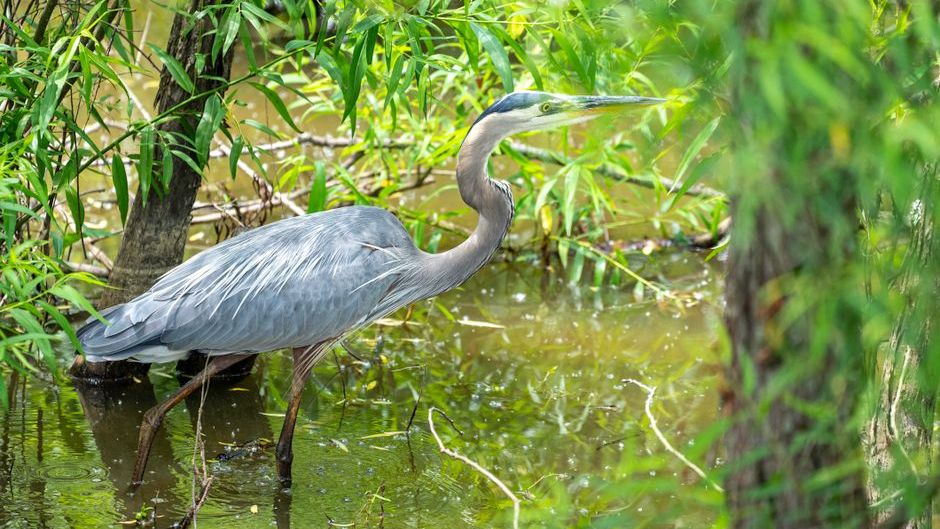
Imagine gazing out over a tranquil pond, only to spot the elegant silhouette of a Great Blue Heron gracing the water’s edge. This majestic bird, with its striking blue-gray plumage and poised demeanor, is a sight to behold. But what does it signify when this avian visitor becomes a regular at your local pond?
Understanding the Great Blue Heron’s Habitat Preferences
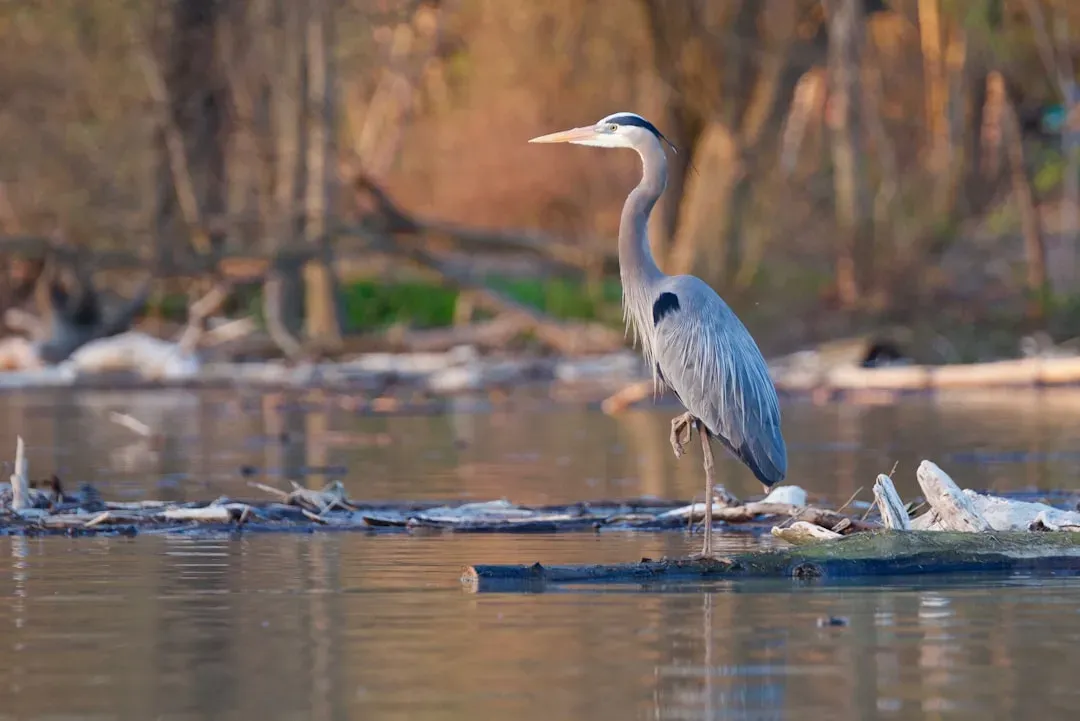
Great Blue Herons are highly adaptable creatures, thriving in a variety of wetland habitats. From serene freshwater ponds to bustling coastal marshes, these birds seek out environments rich in aquatic life. Their preference for such habitats is primarily driven by the abundance of food sources, including fish, amphibians, and small mammals.
When a heron repeatedly visits the same pond, it’s often an indication that the area provides ample sustenance. The presence of diverse aquatic species suggests a healthy ecosystem, making the pond an attractive feeding ground for these skilled hunters.
Seasonal Movements and Site Fidelity
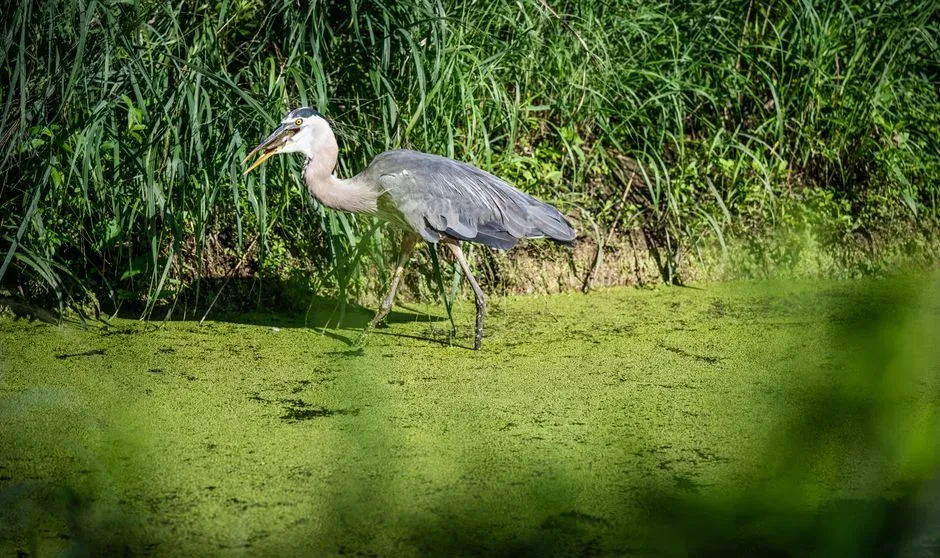
While some Great Blue Herons migrate to warmer regions during colder months, others remain year-round residents, especially in areas where water bodies don’t freeze over. Their return to familiar ponds can be attributed to a behavior known as site fidelity, where birds revisit locations that have previously met their survival needs.
This loyalty to specific sites is not just about food; it also encompasses suitable nesting areas and safe roosting spots. A heron’s repeated presence indicates that the pond offers a combination of resources essential for its daily activities.
Breeding Behavior and Nesting Sites
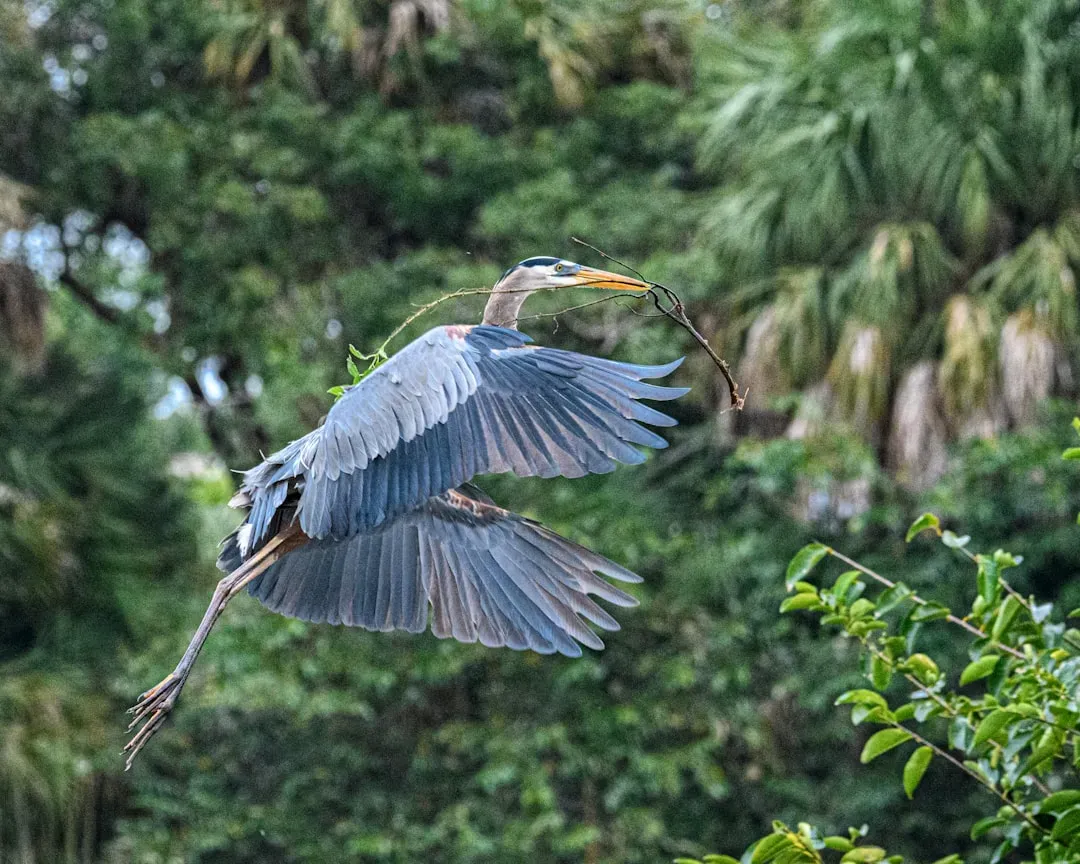
During the breeding season, Great Blue Herons often form colonies, known as heronries, in trees near water bodies. These colonies can consist of numerous nests, sometimes numbering in the hundreds. The choice of nesting site is influenced by factors such as proximity to feeding areas and protection from predators.
If a heron is frequently seen at a pond during breeding months, it might be scouting for potential nesting sites or already have an established nest nearby. Their presence during this period underscores the pond’s significance in their reproductive cycle.
Indicators of a Thriving Ecosystem
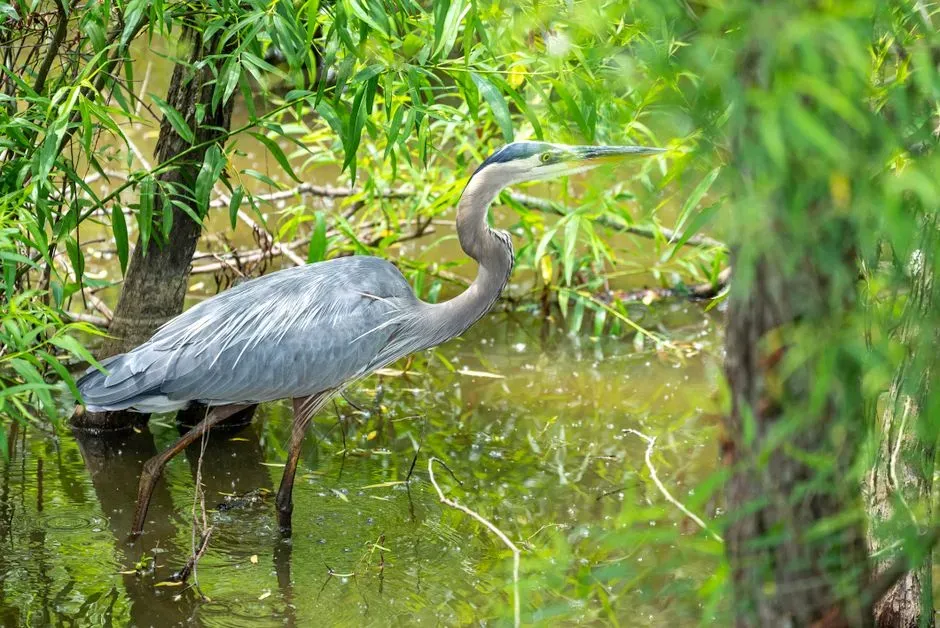
The consistent return of a Great Blue Heron to a pond is a positive sign of the ecosystem’s health. These birds are top predators in their food chain, and their presence suggests a balanced and thriving aquatic environment.
Moreover, their sensitivity to environmental changes means that a stable heron population can serve as an indicator of water quality and the overall well-being of the habitat. Observing these birds can provide valuable insights into the ecological state of the area.
Human Impact and Conservation Considerations
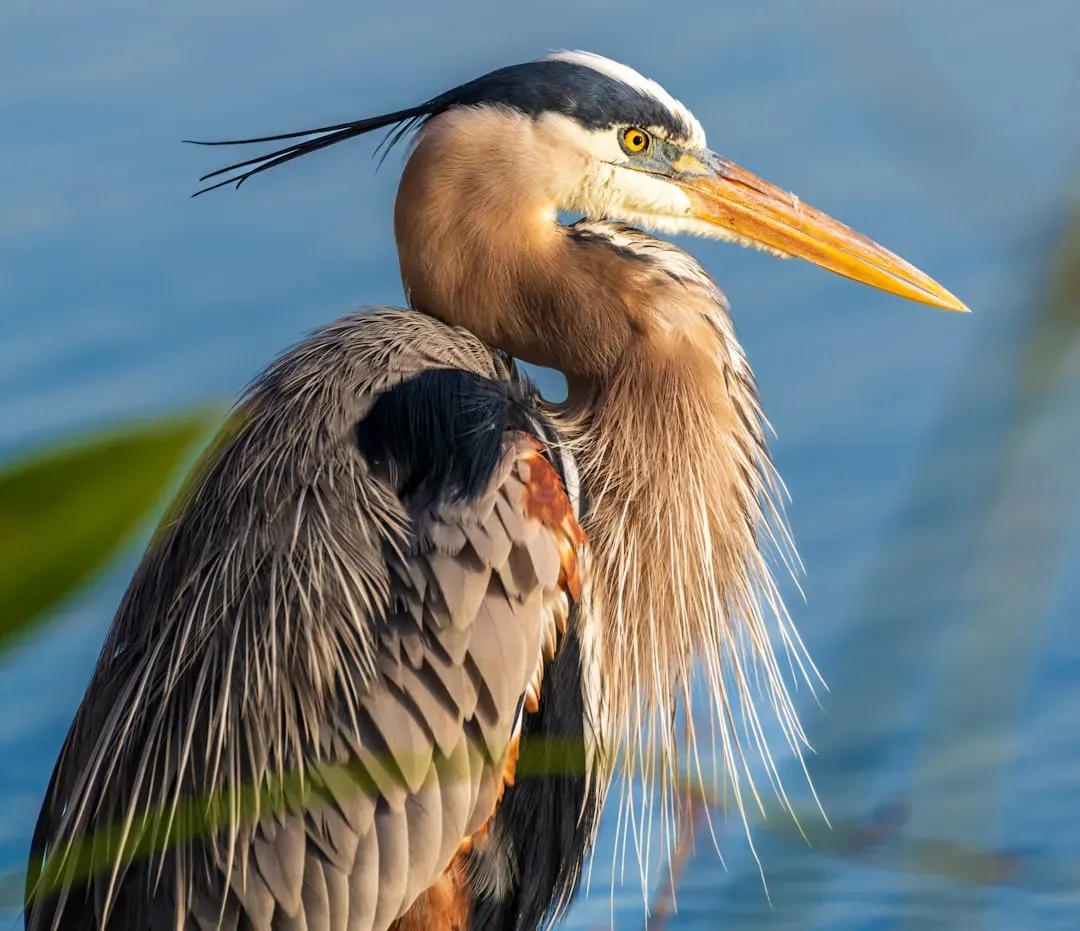
Human activities can significantly influence heron habitats. Urban development, pollution, and disturbances can deter these birds from returning to their favored ponds. It’s crucial to recognize the impact of our actions and strive to preserve natural habitats.
Conservation efforts, such as protecting wetlands and maintaining clean water bodies, are essential to ensure that Great Blue Herons and other wildlife continue to thrive. By fostering environments that support these birds, we contribute to the broader health of our ecosystems.
Observing Heron Behavior: What to Look For
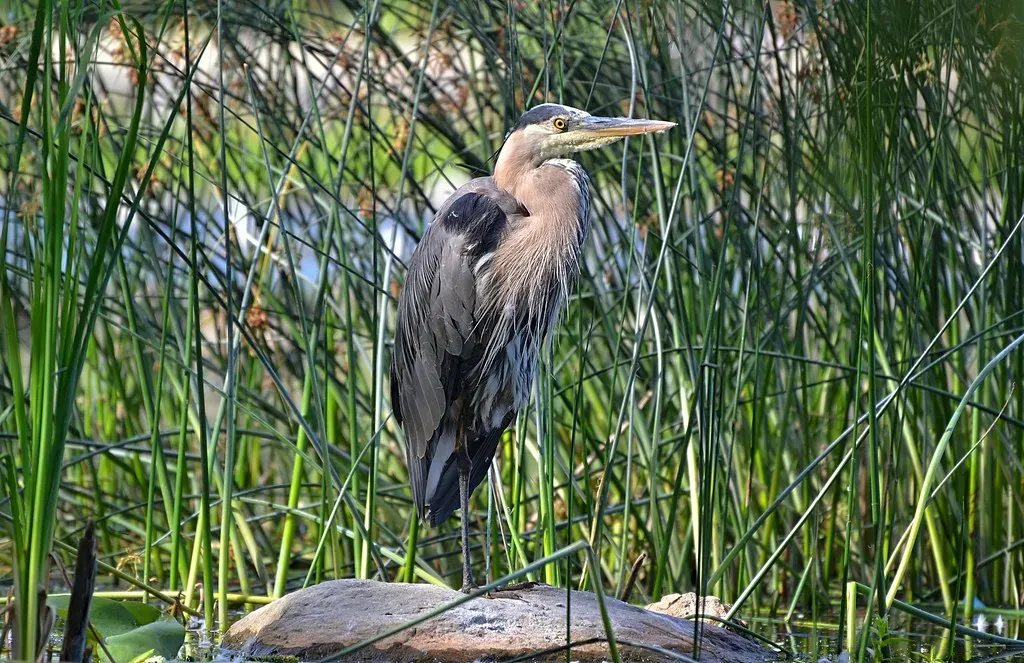
For those fortunate enough to witness a Great Blue Heron at their local pond, paying attention to its behavior can be enlightening. Watch for its hunting techniques, such as standing still and waiting patiently before striking swiftly at prey.
Additionally, noting the times of day the heron appears can offer clues about its feeding patterns. Early morning and late afternoon are often peak feeding times, reflecting the bird’s adaptation to the activity levels of its prey.
Encouraging Heron Visits: Do’s and Don’ts
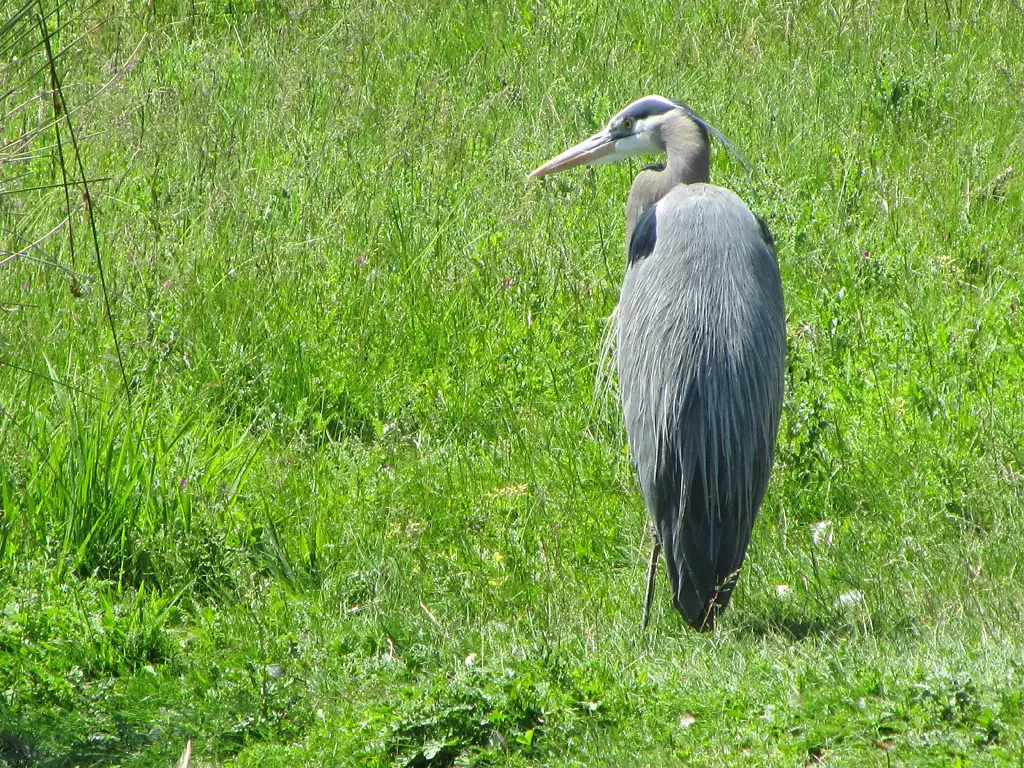
If you’re interested in attracting Great Blue Herons to your pond, maintaining a natural and undisturbed environment is key. Ensure the pond supports a healthy fish population and has ample vegetation along its edges.
However, it’s important to avoid introducing non-native species or altering the habitat in ways that could disrupt the existing ecosystem. Providing a safe and natural setting will naturally draw these magnificent birds without the need for artificial interventions.
Conclusion
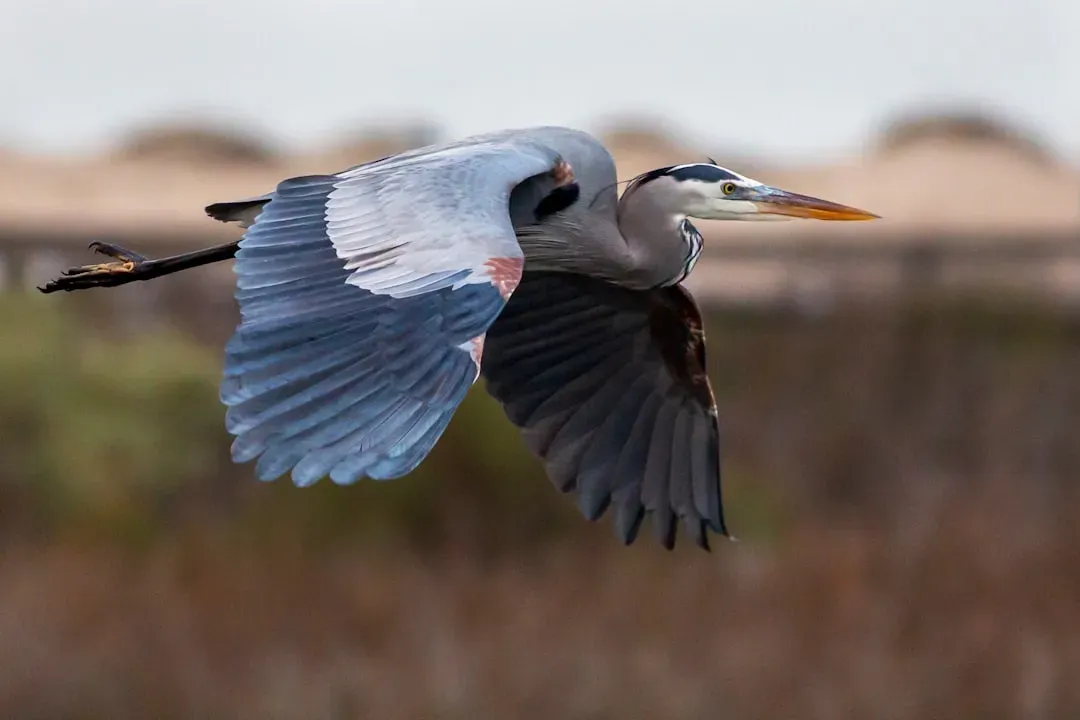
The repeated visits of a Great Blue Heron to a pond are more than just a visual delight; they signify a harmonious and thriving ecosystem. These birds, with their graceful presence, remind us of the intricate connections within nature and the importance of preserving such habitats. So, the next time you spot a heron at your local pond, take a moment to appreciate the delicate balance it represents. Isn’t it remarkable how one bird can tell us so much about the health of our environment?

- 12 Common Myths About Cats Debunked by Animal Experts - August 11, 2026
- The 15 Most Beautiful Cities in Europe - August 11, 2026
- 10 Fascinating Facts About The Secretary Bird You Never Knew - August 11, 2026