
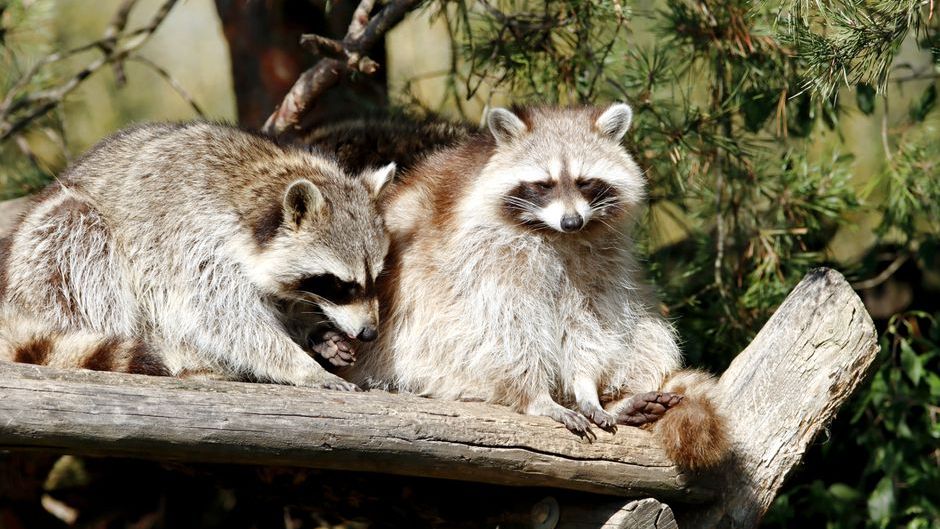
Spotting a raccoon on the porch once might feel like a quirky wildlife moment. When the same animal shows up night after night, though, it usually signals something more specific about the surroundings and the animal’s needs.
Raccoons Are Drawn to Reliable Food Sources
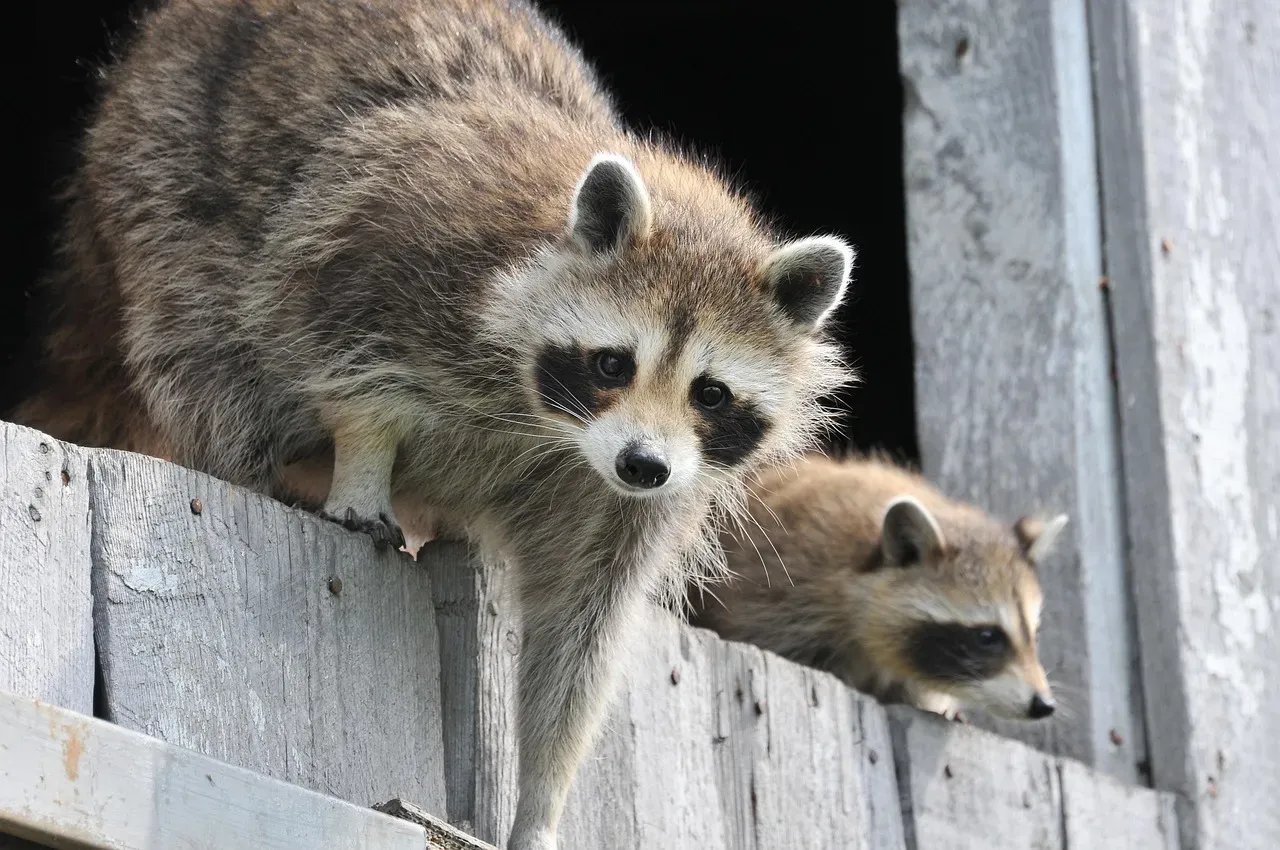
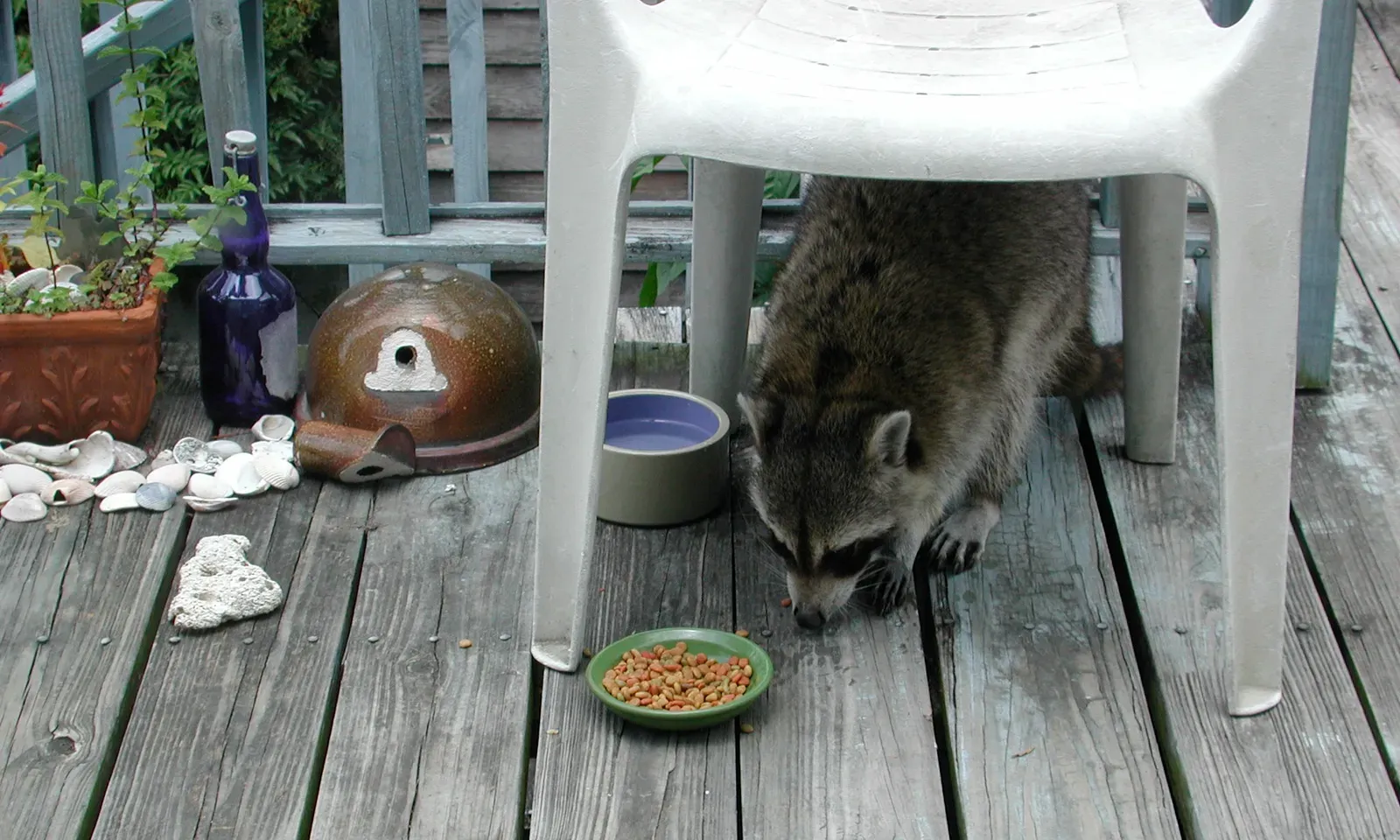
Raccoons are opportunistic feeders that quickly learn where meals appear without much effort. Pet food left outside, unsecured trash bins, or even bird feeders can turn a porch into a regular stop on their nightly route. Once they find a consistent supply, they tend to return because it saves energy compared with foraging in the wild.
Over time this pattern becomes a habit. The animal may start testing different spots on the porch for scraps or dropped crumbs. Homeowners often notice the visits increase right after they forget to bring in a bowl or leave a grill uncleaned.
Seasonal Shifts Play a Role in the Routine
In spring and summer, raccoons focus on raising young and need extra calories. A porch that offers easy pickings becomes especially attractive during these months when mothers teach kits where to find food. Fall brings another surge as the animals prepare for winter by building fat reserves.
Winter visits may slow in colder regions, yet raccoons in milder climates continue the pattern if food remains available. The timing of the appearances can therefore hint at what the animal is prioritizing at that point in the year.
The Porch May Provide Shelter or a Safe Resting Spot
Beyond food, raccoons look for protected places to rest during the day. An enclosed porch, stacked furniture, or even the space under decking can serve as a temporary den. Regular nighttime appearances sometimes mean the animal has claimed the area as part of its territory.
They prefer spots that feel secure from predators and human activity. If the porch stays quiet after dark, the raccoon may treat it as a reliable refuge between foraging trips. Checking for signs like droppings or flattened bedding can confirm this use of the space.
Health Considerations Deserve Attention
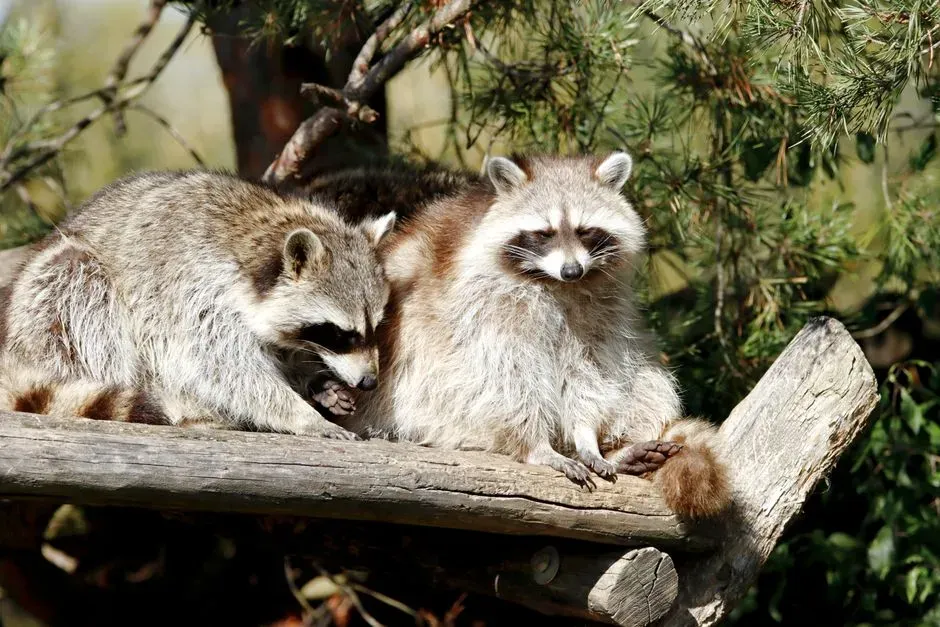
Raccoons can carry parasites and diseases that affect pets and people. Roundworm eggs in their feces pose a particular risk if left on surfaces where children or animals play. Regular visits increase the chance of exposure over time.
They may also raid garbage and spread bacteria from spoiled food. While most encounters stay peaceful, the repeated presence raises the practical need to limit contact and clean affected areas thoroughly.
Simple Changes Often Break the Habit
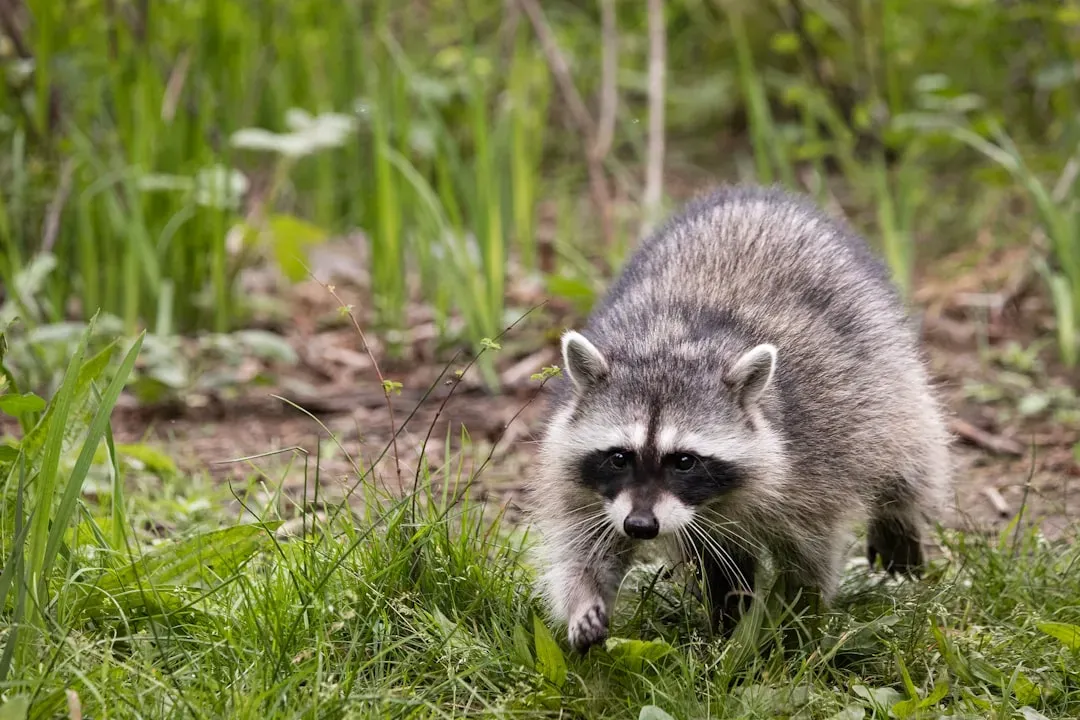
Removing food sources is the most direct way to discourage nightly stops. Bringing in pet bowls at dusk, securing trash with bungee cords, and cleaning grills after use removes the main incentive. Motion-activated lights or sprinklers can add an extra layer of discouragement without harming the animal.
Sealing gaps under the porch or around furniture prevents the space from serving as shelter. These adjustments usually produce results within a week or two once the raccoon realizes the location no longer offers rewards.
Local Regulations Shape What Actions Are Allowed

Many communities have rules about handling wildlife on private property. Some areas require permits before trapping or relocating animals, while others encourage residents to focus on prevention instead. Checking with local animal control or wildlife agencies clarifies the options.
These guidelines exist to protect both residents and the animals. Following them helps avoid fines and ensures any intervention stays humane and effective.
Knowing When to Call for Help
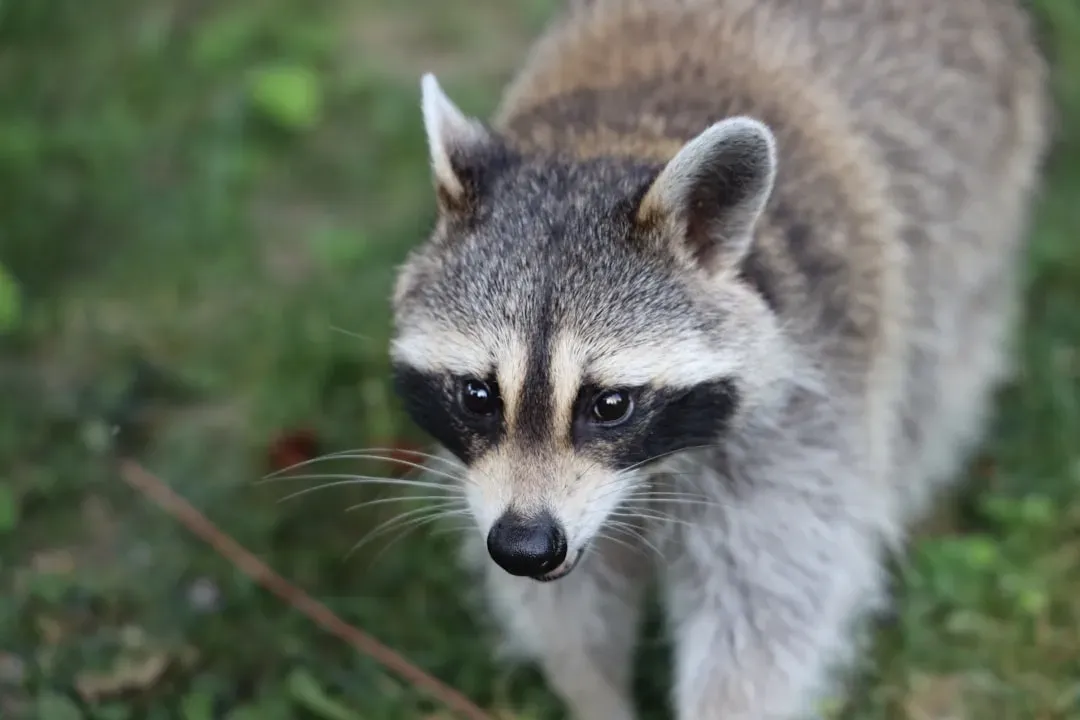
If prevention steps fail or the raccoon shows signs of illness such as disorientation or aggression, professional assistance becomes necessary. Wildlife rehabilitators or pest control services trained in humane methods can assess the situation safely.
Repeated visits that coincide with property damage or repeated pet conflicts also warrant outside support. Early contact with experts often prevents small issues from growing larger.
Coexisting With Nighttime Visitors

Raccoons are simply responding to the opportunities created by human environments. Their nightly porch appearances reflect a practical search for food and safety rather than any deeper message. Adjusting habits around the home usually restores balance without conflict.
Paying attention to these patterns can lead to a more thoughtful approach to sharing space with local wildlife. Small, consistent changes often prove more effective than dramatic interventions. In the end, understanding the reasons behind the visits helps create a yard that works for both people and the animals that pass through.

- 10 Remarkable Facts About the African Cheetah: The Lightning of the Grasslands - July 29, 2026
- 10 Most Heroic Horses in History - July 29, 2026
- Why You Should Never Play Dead When Attacked by a Black Bear - July 29, 2026