
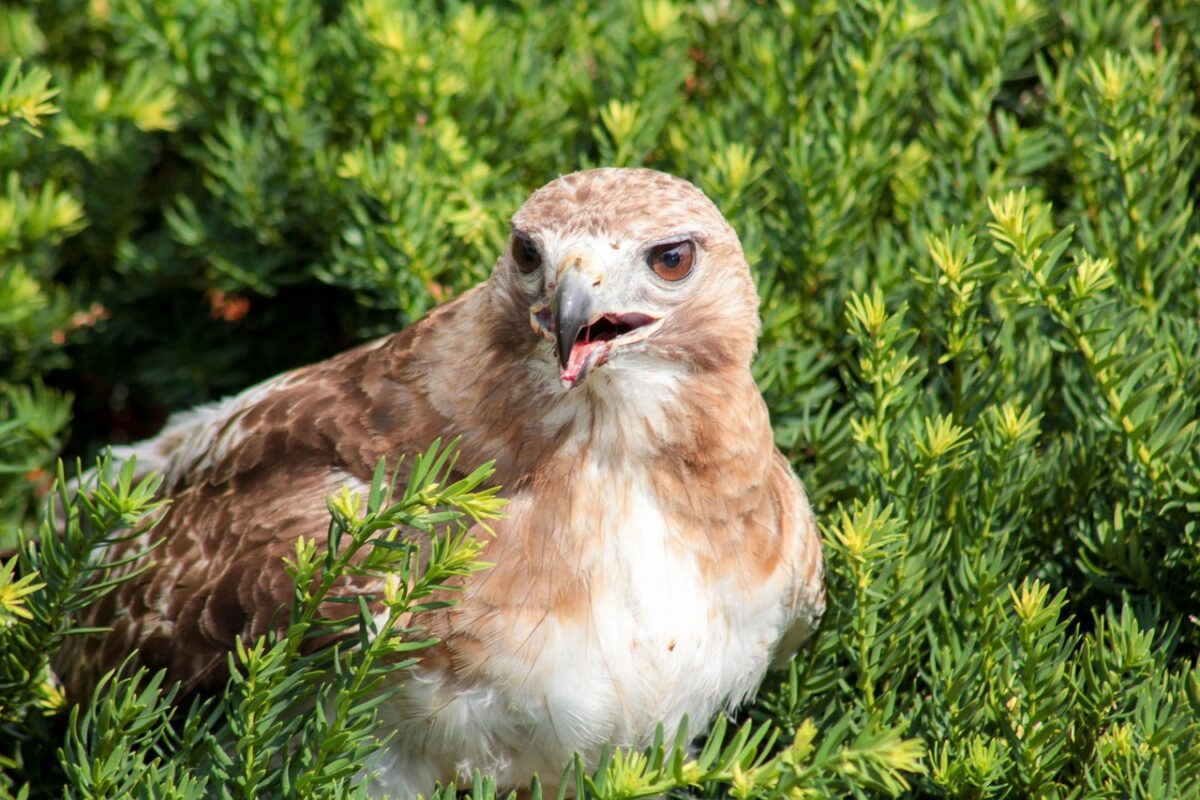
Spotting a red-tailed hawk returning to the same field daily is more than just a routine sighting; it’s a window into the intricate behaviors of one of North America’s most adaptable raptors. This consistent pattern reveals much about the hawk’s hunting strategies, territorial instincts, and the ecological balance of the area.
Understanding Red-Tailed Hawk Behavior
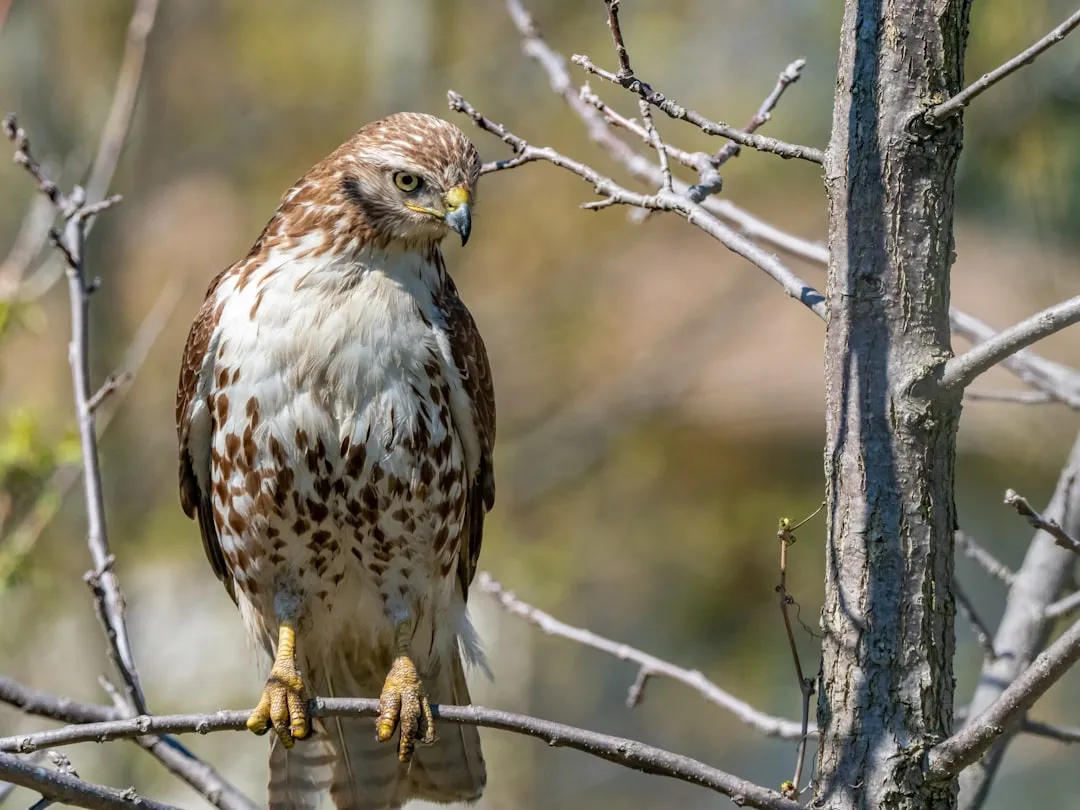
Red-tailed hawks are renowned for their adaptability, thriving in diverse habitats ranging from open fields to urban landscapes. Their daily return to a specific field often indicates a rich prey base, such as rodents or small mammals, making the area a prime hunting ground.
These hawks employ a “sit-and-wait” hunting strategy, perching on elevated structures like trees or poles to scan for movement below. Once prey is spotted, they execute a swift, controlled dive to capture it. This method conserves energy and increases hunting success, especially in familiar territories.
Territorial Instincts and Site Fidelity
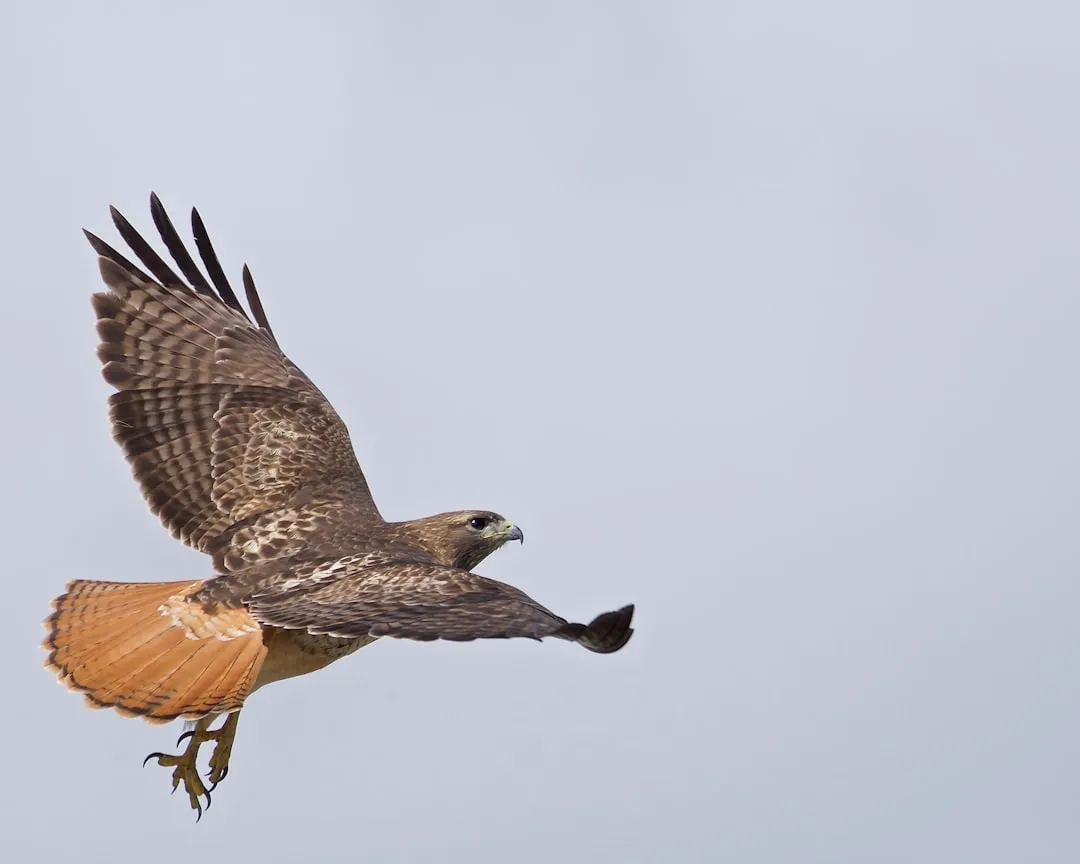
Red-tailed hawks are territorial birds, often establishing and defending specific areas that provide ample food and suitable nesting sites. Observing a hawk in the same field daily suggests it has claimed that area as part of its territory, ensuring consistent access to resources.
This site fidelity is particularly evident during breeding seasons when pairs may return to the same nesting sites year after year. Their presence can influence the behavior of other wildlife, as smaller birds and mammals may alter their routines to avoid predation.
Indicators of a Healthy Ecosystem
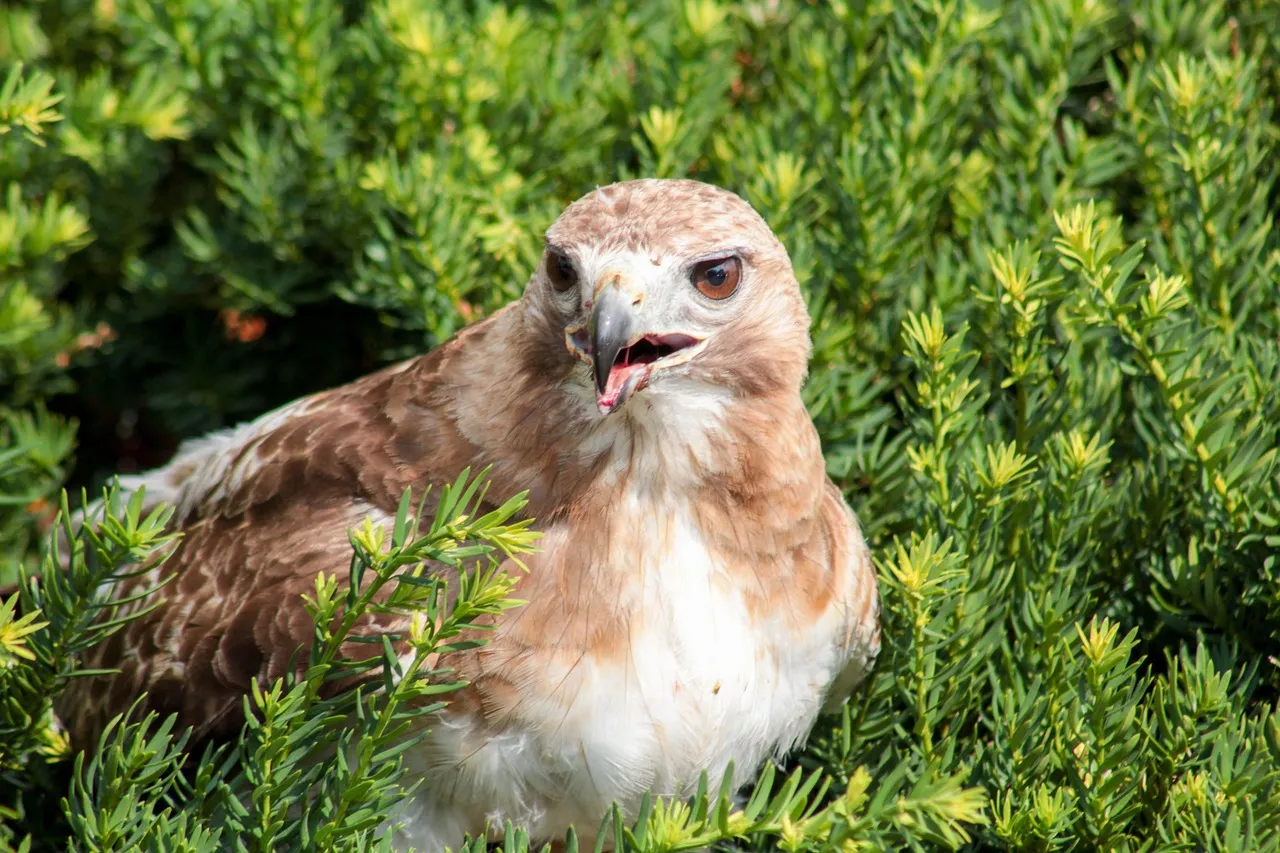
The regular presence of a red-tailed hawk in a field is a positive sign of ecological health. It suggests a balanced food chain with sufficient prey populations to support top predators. Such balance indicates that the habitat is providing the necessary resources for various species to thrive.
Moreover, hawks help control rodent populations, preventing overgrazing and crop damage. Their role as apex predators maintains the equilibrium of the ecosystem, highlighting the interconnectedness of all species within it.
Seasonal Movements and Migration Patterns
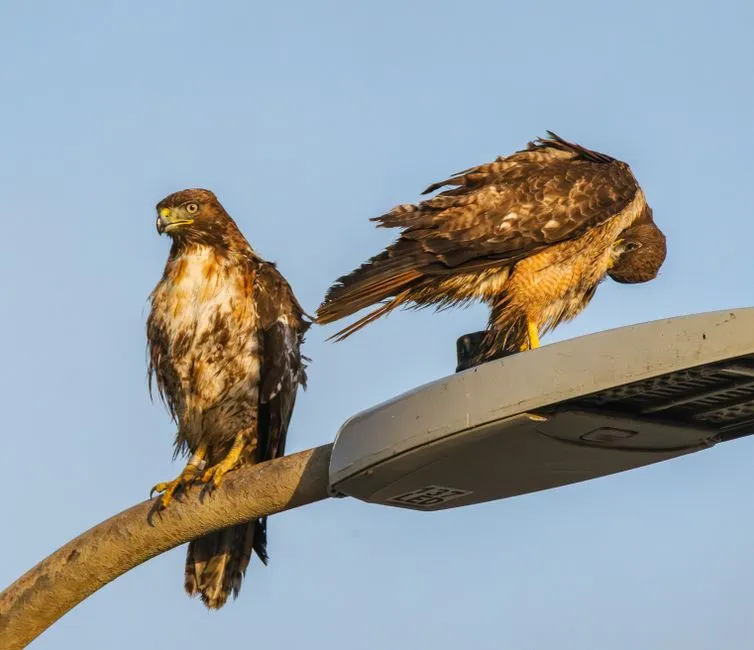
While some red-tailed hawks are year-round residents, others migrate based on food availability and climate conditions. A hawk’s consistent presence in a field could indicate a resident individual, especially if observed throughout different seasons.
During migration periods, these hawks may temporarily occupy new territories, but their return to familiar hunting grounds underscores the importance of established territories in their survival and reproductive success.
Human Impact and Adaptation
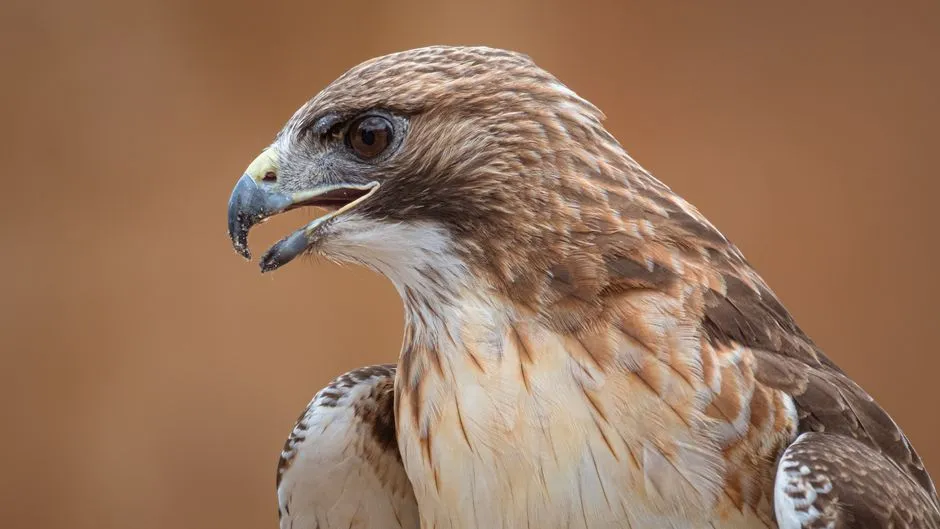
Red-tailed hawks have shown remarkable adaptability to human-altered environments. They often utilize man-made structures like telephone poles for perching and hunting, demonstrating their ability to thrive alongside human development.
However, they are not immune to threats such as habitat destruction and vehicle collisions. Conservation efforts that preserve open spaces and minimize hazards are crucial to supporting these raptors in both rural and urban settings.
Observing and Respecting Wildlife
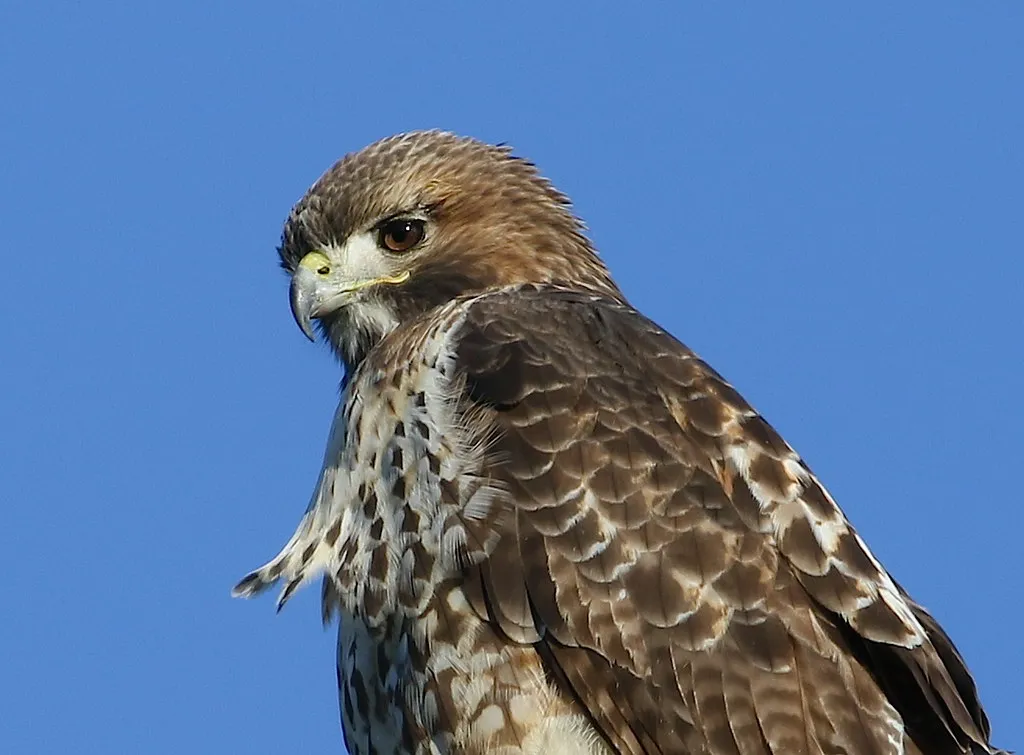
Witnessing a red-tailed hawk’s daily hunting routine offers a unique opportunity to connect with nature. While observing, it’s essential to maintain a respectful distance to avoid disrupting their natural behaviors.
Engaging in citizen science projects or reporting sightings can contribute valuable data to ornithological studies, aiding in the conservation and understanding of these magnificent birds.
Conclusion
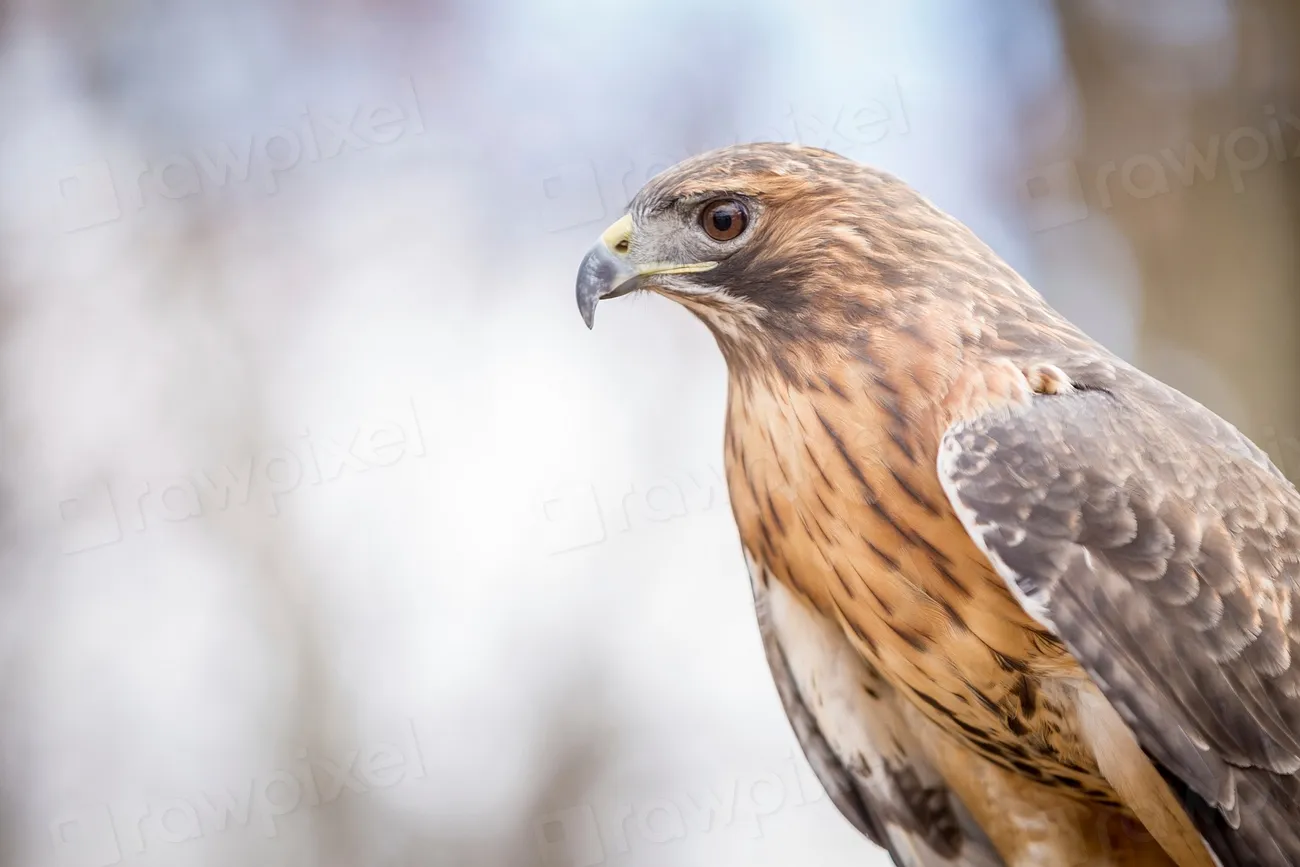
A red-tailed hawk’s repeated presence in the same field is a testament to the area’s ecological richness and the bird’s adaptability. It reflects a delicate balance between predator and prey, underscoring the importance of preserving natural habitats. By appreciating and protecting these raptors, we ensure the continued health and diversity of our ecosystems.
