
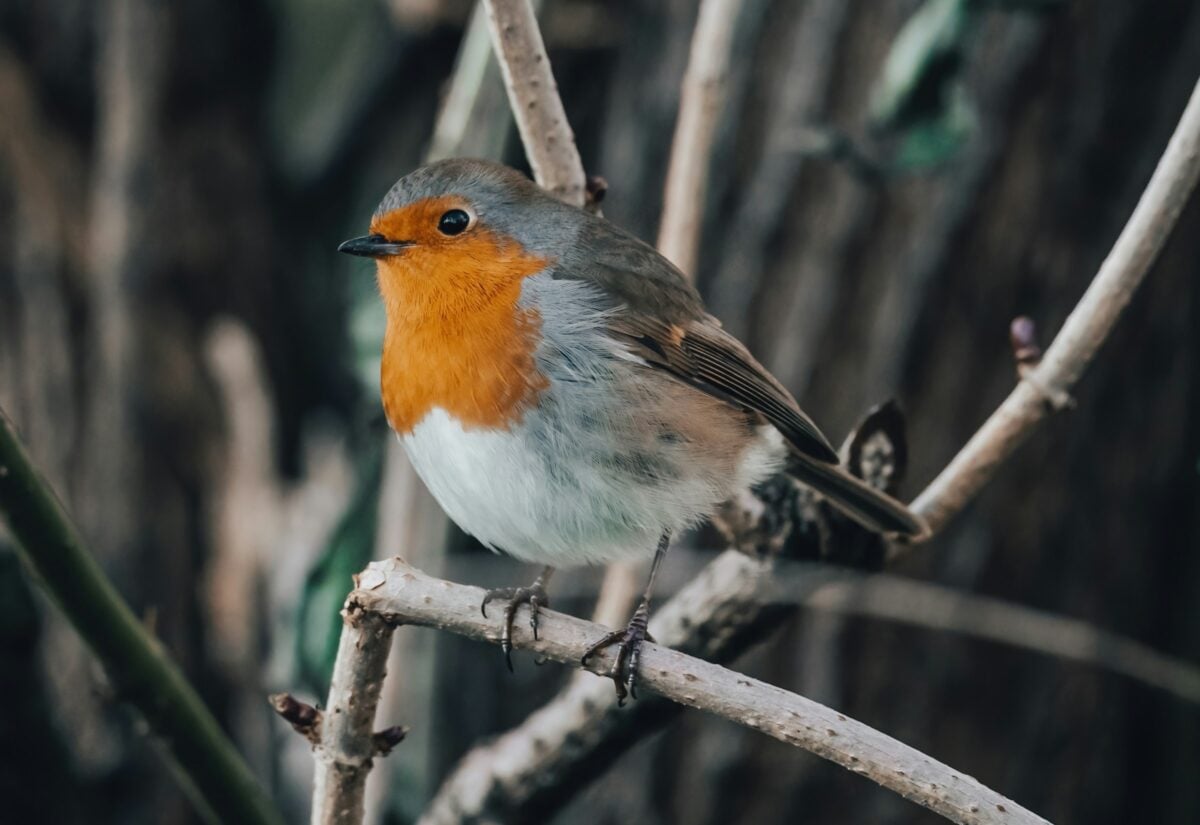
People often notice a robin hopping near a window or garden path in the quiet weeks after a loss. The small bird with its bright chest stands out against winter branches or fresh grass, and the timing can feel deliberate. Folklore has long attached meaning to such sightings, though the interpretations have shifted over centuries and across regions.
Older traditions sometimes treated the robin as a warning, while newer ones frame it as reassurance. These layers of belief reveal how communities have used the natural world to make sense of death and continuity. Exploring them shows both the consistency and the changes in how people read the bird’s presence.
Legends Linking Robins to the Departed
🔥 Would you like to save this?
We'll email this post to you, so you can come back to it later!
One of the oldest recorded ideas involves robins covering the faces of the unburied dead with moss or leaves. Writers noted this behavior as early as the late 1500s in English texts, and the motif appears in stories like the Babes in the Wood, where the birds protect the bodies of lost children. Such tales positioned the robin as a quiet guardian rather than a simple visitor.
These accounts suggest an early view of the bird as connected to the boundary between life and what comes after. The robin was not always seen as delivering a personal message from a specific person. Instead, it represented a broader watchfulness over those who had crossed over. Regional stories reinforced this protective role without always tying it to immediate comfort for the living.
Stories Behind the Robin’s Red Breast
🔥 Would you like to save this?
We'll email this post to you, so you can come back to it later!
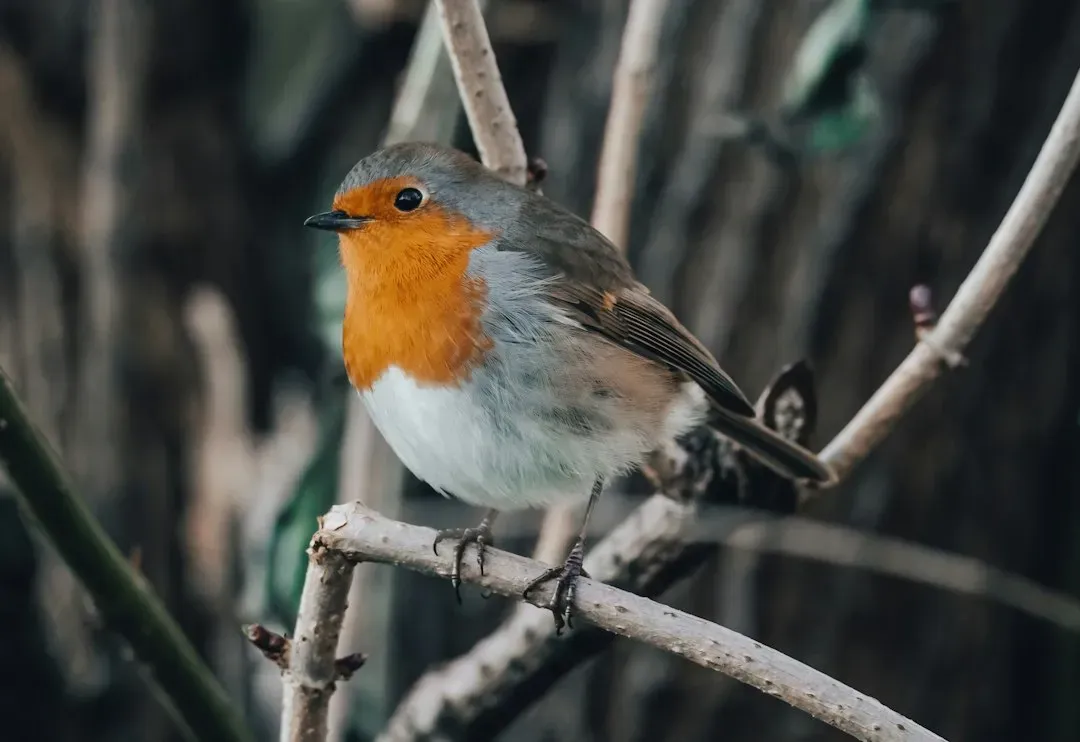
Christian legends often explain the red breast through acts of compassion during the crucifixion or at the nativity. In one version the bird tries to pull thorns from Christ’s brow and receives a stain from his blood. Another tells of the robin fanning flames to warm the infant Jesus and scorching its own feathers in the process.
These origin stories gave the bird a sacred quality in many European communities. The vivid color stood out in cold months and came to symbolize sacrifice and enduring presence. Over time the red breast helped link the robin to themes of renewal even as death remained part of its symbolic range.
How Robins Were Viewed as Omens in the Past
🔥 Would you like to save this?
We'll email this post to you, so you can come back to it later!
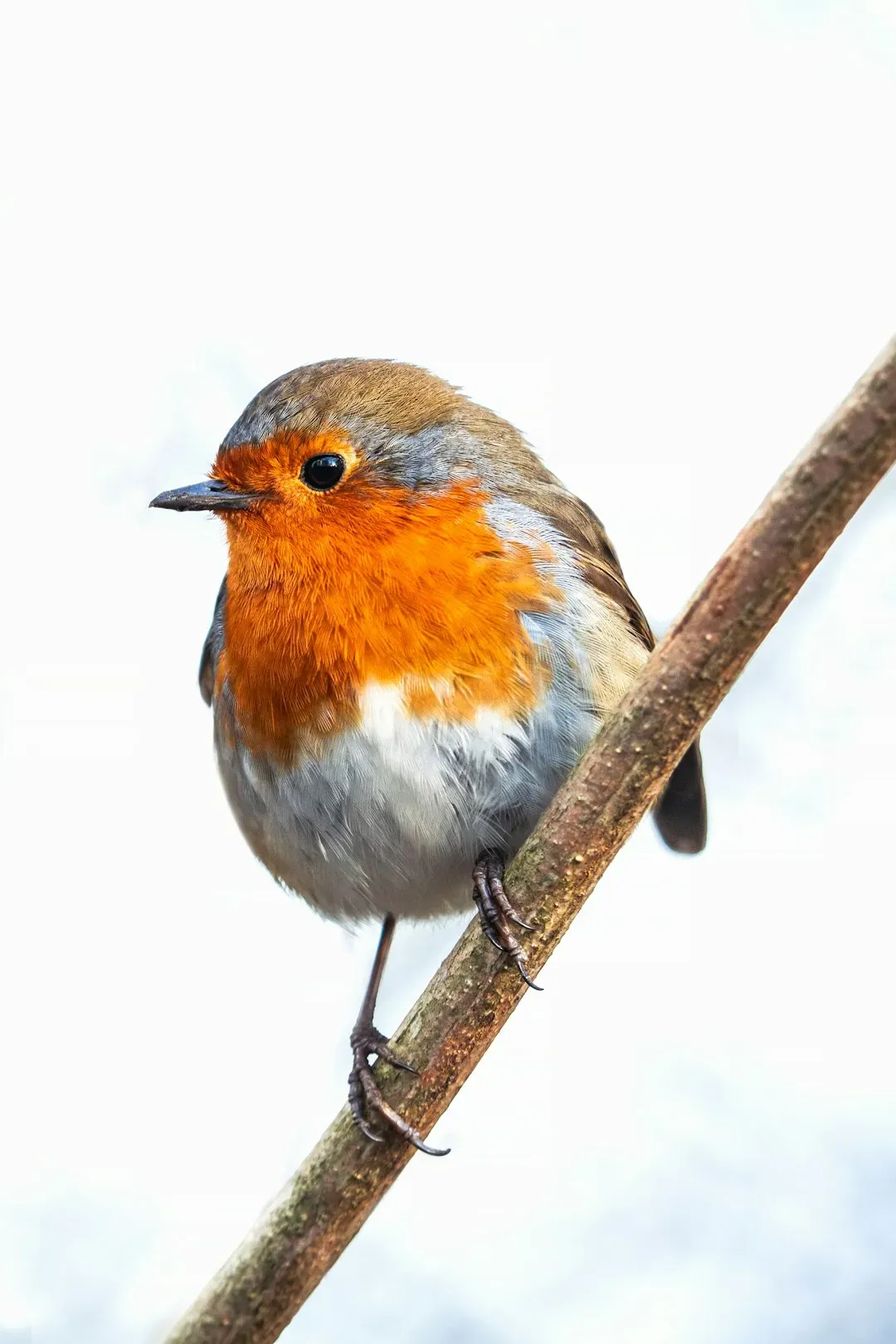
In parts of nineteenth-century Britain and Ireland a robin at the window or inside the house frequently signaled impending illness or death. Local records from Northumberland, Scotland, and Devon describe the bird as a harbinger whose plaintive calls or sudden appearances prompted worry rather than solace. Entering a bedroom carried especially strong weight in some accounts.
At the same time, harming a robin was widely considered unlucky or even dangerous. Proverbs warned against caging the bird or destroying its nest, reflecting a sense that it occupied a protected place in the natural order. These older beliefs treated the robin more as an indicator of transition than as a direct messenger from the deceased.

Hand Blown Glass Hummingbird Feeders for Outdoors Hanging, 24oz Wild Bird Nectar Feeder
Check Price on AmazonAs an Amazon Associate, we earn from qualifying purchases.
10/7/2026 1:23 pm GMTi

Portable Dog Water Bottle Foldable Dog Travel Water Bottle
Check Price on AmazonAs an Amazon Associate, we earn from qualifying purchases.
10/7/2026 1:29 pm GMTi

2 Pcs Halloween Pet Hat Bandana Set, Witch Pumpkin Costumes for Dogs
Check Price on AmazonAs an Amazon Associate, we earn from qualifying purchases.
10/9/2026 2:45 pm GMTi

Air Purifiers for Home Pets Large Room Up to 3000 Ft²,HEPA Air Cleaner with Washable Double-Side Filter, PM2.5 Air Quality Monitor,15dB Sleep Mode for Bedroom Odor Dust Pollen,White
Check Price on AmazonAs an Amazon Associate, we earn from qualifying purchases.
10/8/2026 8:23 am GMTi

PetSafe Oasys Pet Fountain, 1/2 Gallon (64 oz), Small Dogs & Cats
Check Price on AmazonAs an Amazon Associate, we earn from qualifying purchases.
10/8/2026 8:14 am GMTi
The Modern Comforting Interpretation
🔥 Would you like to save this?
We'll email this post to you, so you can come back to it later!
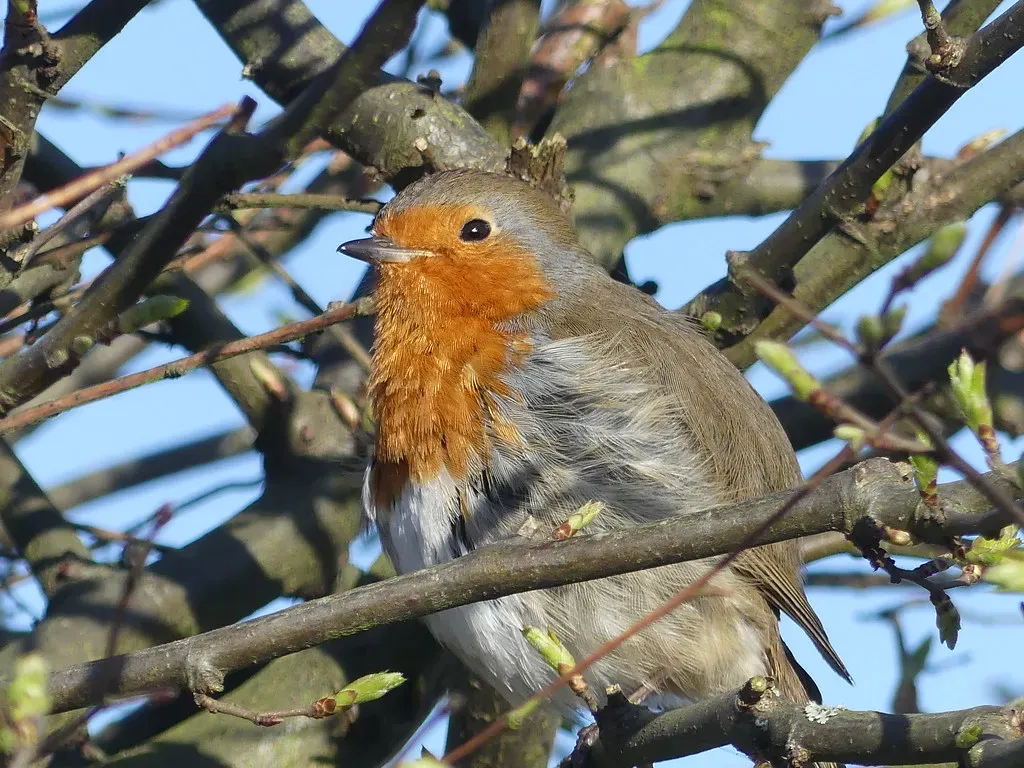
The popular phrase linking robins to visits from loved ones who have passed gained wide circulation only recently. Printed examples appear around 2018 on memorial items, though the idea draws on longer traditions of birds as intermediaries between worlds. Many people today find the sighting reassuring during grief, seeing it as a sign that the departed remain nearby.
This shift aligns with broader cultural changes in how death is discussed. Victorian spiritualism and later personal accounts helped move the robin from omen of warning toward symbol of ongoing connection. The same bird that once prompted fear now often brings a sense of quiet presence for those who choose to read it that way.
Robins Across Different Cultures and Beliefs
🔥 Would you like to save this?
We'll email this post to you, so you can come back to it later!
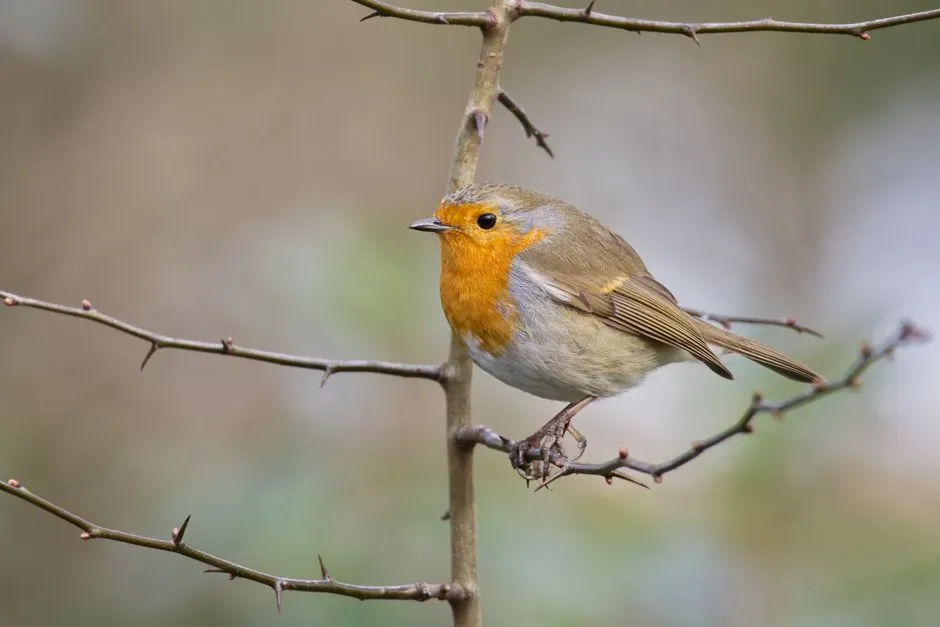
Celtic traditions sometimes associated the robin with the sun, fire, and cycles of rebirth, particularly around winter solstice stories where the bird overcame the wren. In other European regions similar protective or messenger roles appear, though details vary by community. The bird’s bold behavior near humans made it easy to notice and remember in moments of loss.
Outside Europe the symbolism is less consistent. Some Native American views treat robins as bringers of joy or spring rather than direct links to the dead. The core idea of birds bridging seen and unseen realms shows up in many places, yet the specific robin stories remain strongest in British and Irish folklore that later traveled with emigrants.

Glass Hummingbird Feeder for Outdoors Hanging
Check Price on AmazonAs an Amazon Associate, we earn from qualifying purchases.
10/7/2026 1:21 pm GMTi

Smart Bird Feeder with Camera Solar Powered, 2K HD Live Video, 10,000+ Bird Species AI Identification
Check Price on AmazonAs an Amazon Associate, we earn from qualifying purchases.
10/7/2026 1:22 pm GMTi

Halloween Dog Collar with Bow, Orange Cute Ghost Collar,
Check Price on AmazonAs an Amazon Associate, we earn from qualifying purchases.
10/9/2026 2:43 pm GMTi

Professional 7 in 1 Dog Paw Cleaner for Dogs & Cats - Includes 1 Portable Paw Washer, 1 Bath Brush
Check Price on AmazonAs an Amazon Associate, we earn from qualifying purchases.
10/7/2026 1:26 pm GMTi

Glass Hummingbird Feeder for Outdoors Hanging, 16 oz Leak-Proof Nectar Feeder with Bee Guards & Ant Moat
Check Price on AmazonAs an Amazon Associate, we earn from qualifying purchases.
10/7/2026 1:22 pm GMTi
The Bird’s Natural Traits That Fuel the Symbolism
🔥 Would you like to save this?
We'll email this post to you, so you can come back to it later!
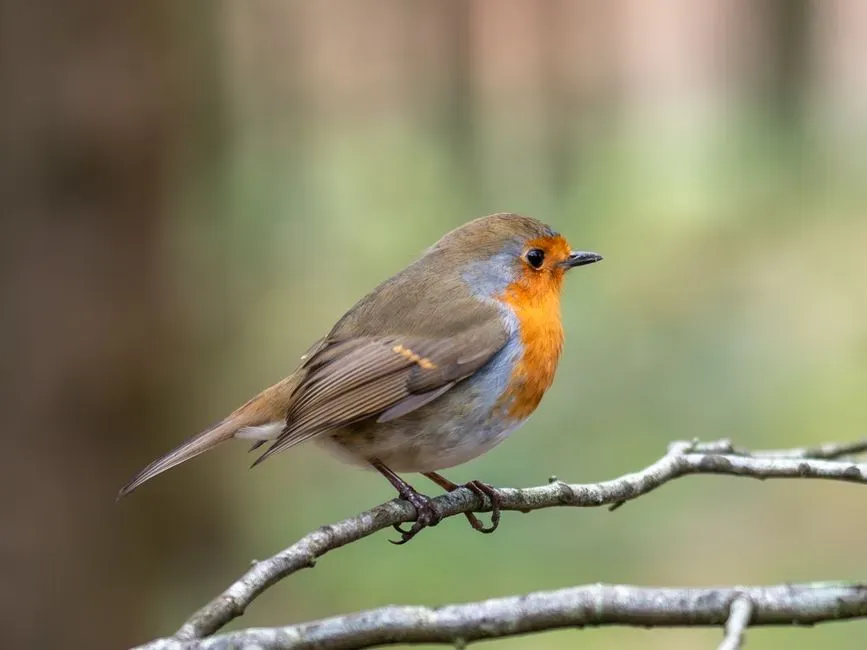
Robins stay active through winter when other songbirds grow quiet, singing at dawn and dusk. Their willingness to approach gardens and windows brings them into close contact with people at times of reflection. These observable habits make the bird a natural candidate for carrying symbolic weight during periods of change.
The contrast between the plain body and the bright chest also draws attention. Against bare trees or snow the color stands out, reinforcing ideas of vitality persisting through hardship. Such everyday details help explain why the robin continues to appear in personal stories of loss even when formal beliefs differ.

Earth Rated XL Dog & Puppy Pee Pads, Discreet Top, Max Absorbency
Check Price on AmazonAs an Amazon Associate, we earn from qualifying purchases.
10/7/2026 1:28 pm GMTi

Halloween Cat Costume Cloak Witch Hat Pet Accessories
Check Price on AmazonAs an Amazon Associate, we earn from qualifying purchases.
10/9/2026 2:44 pm GMTi

Orthopedic Extra Large Dog Bed, Waterproof Washable XL Pet Bed 44"
Check Price on AmazonAs an Amazon Associate, we earn from qualifying purchases.
10/7/2026 1:32 pm GMTi

Dog Stairs for Bed 18" H, 4-Step Dog Steps for High Bed
Check Price on AmazonAs an Amazon Associate, we earn from qualifying purchases.
10/9/2026 2:42 pm GMTi
Finding Personal Resonance in These Traditions
🔥 Would you like to save this?
We'll email this post to you, so you can come back to it later!
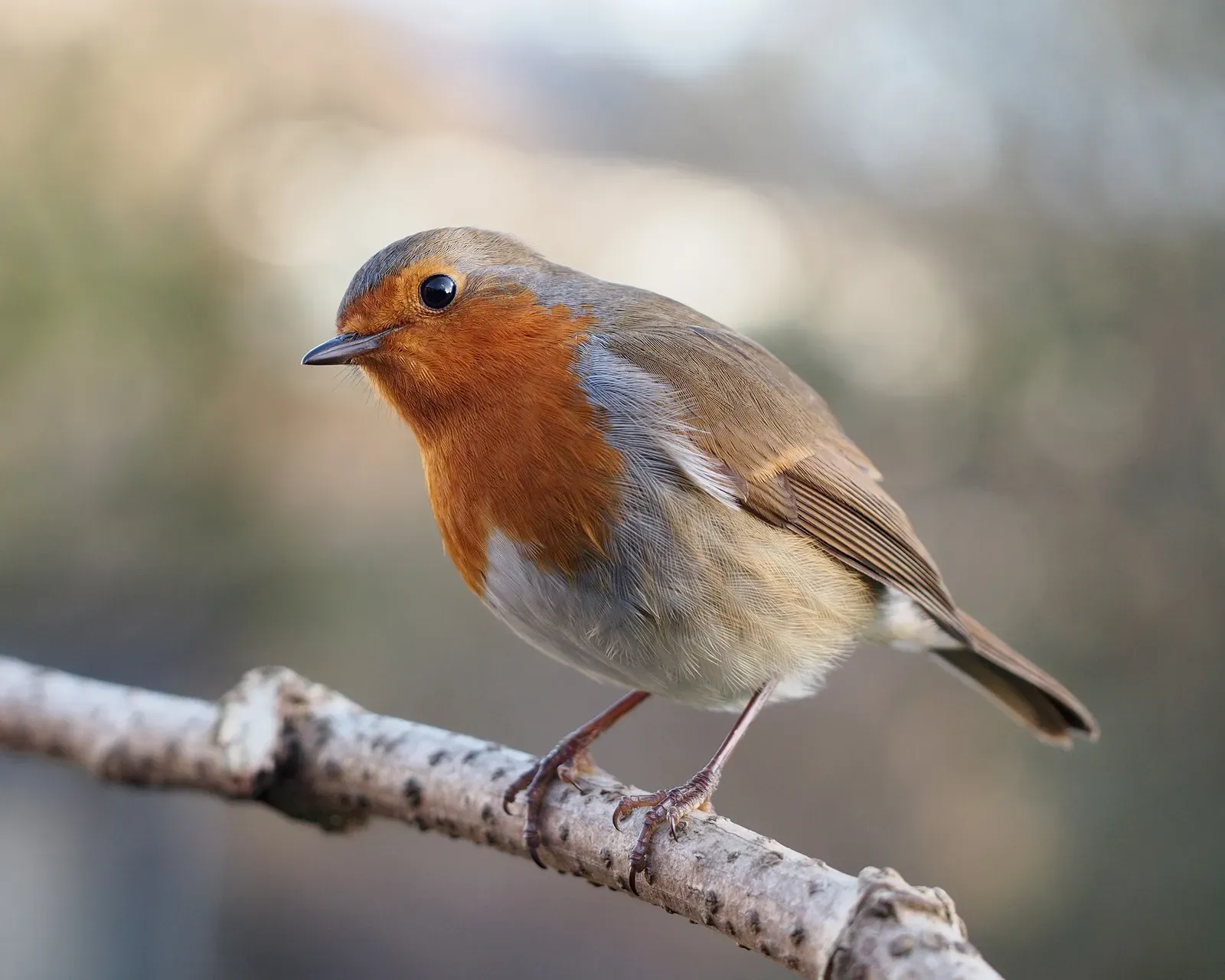
Folklore does not offer a single fixed meaning, and that flexibility may be part of its staying power. Older warnings and newer comforts both reflect the human need to locate significance in ordinary events after a death. People draw from whichever layer feels most fitting in their own moment of grief.
Ultimately the robin remains a small, persistent presence that invites attention without demanding belief. Whether viewed as guardian, messenger, or simply a timely visitor, its appearance can mark a pause for remembrance. In that pause many find a measure of continuity that eases the sharpness of absence, even if the exact interpretation stays personal.

- 7 Things a Senior Cat Starts Doing Differently That Owners Often Overlook - November 7, 2026
- What It Means When a Robin Appears After Someone Passes Away According to Folklore - November 7, 2026
- Ocean Science Says Parrotfish Produce Much of the White Sand on Tropical Beaches by Grinding Up Coral and Excreting It - November 7, 2026