
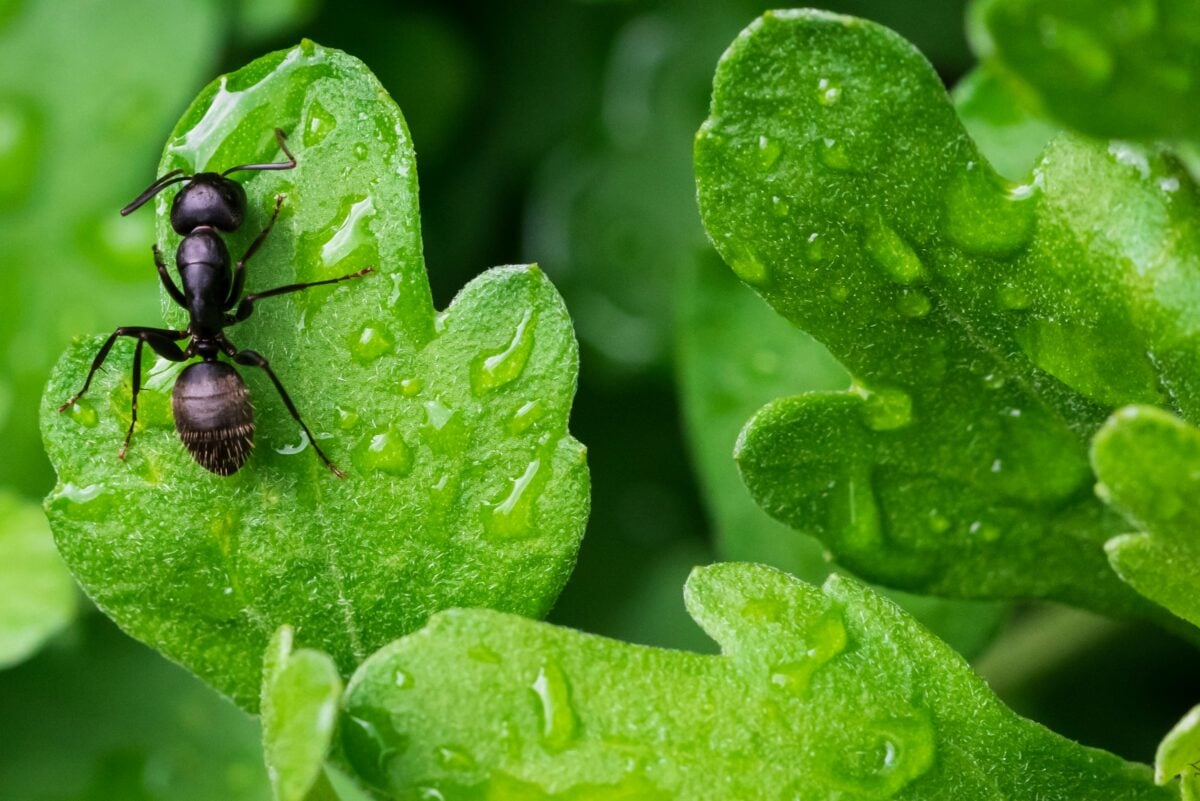
You lift a flat stone in the garden on a heavy, still afternoon, and the ground underneath erupts. Ants scatter in every direction, and many of them carry small pale bundles in their jaws. Anyone raised on country weather lore will tell you what that means, and it usually involves an umbrella.
The belief is old and surprisingly durable. Plenty of people still swear by it, while others shrug it off as a tale for kids. The truth sits somewhere in the middle, and it’s more interesting than either camp admits.
The Superstition in Plain Terms
🔥 Would you like to save this?
We'll email this post to you, so you can come back to it later!
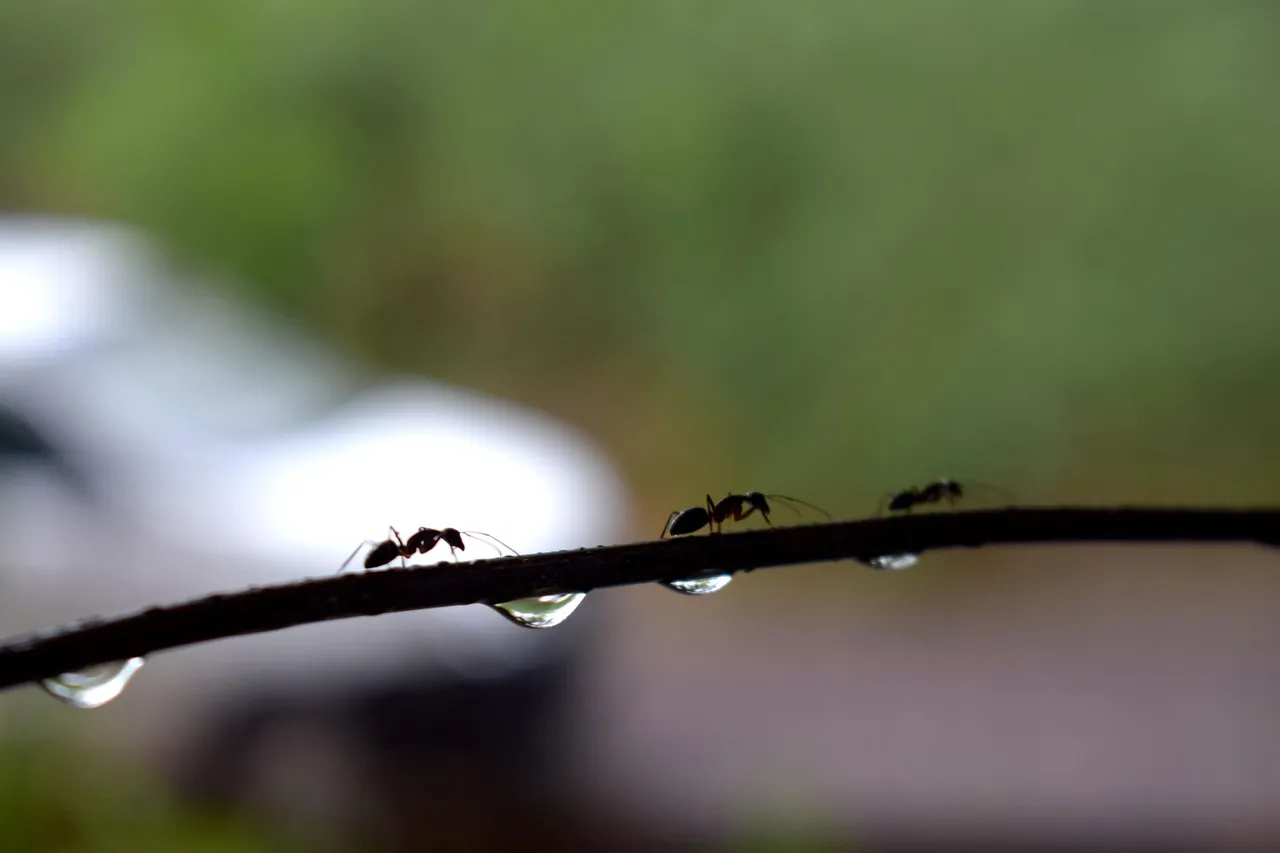
The folk rule is simple. If ants hurry out carrying their eggs, rain or a storm is on the way. Some versions say ants build taller mounds or march in long, busy lines before bad weather.
Versions of this saying turn up in rural traditions across many regions. Farmers and gardeners who spent their days outdoors noticed small animal behavior and tied it to the sky. Since the sayings were passed along by word of mouth, the details shift from place to place.
Why People Trusted Ants as Forecasters
🔥 Would you like to save this?
We'll email this post to you, so you can come back to it later!
Before weather apps and radar, people watched what was around them. Ants are everywhere, they’re active on warm days, and their movements are easy to spot. That makes them an obvious candidate for a living barometer.
There’s also a bit of human nature at work. When you see ants moving brood and rain does arrive, you remember it. On the many days when ants move brood and the sky stays clear, nobody writes a proverb about it.
What Those “Eggs” Really Are
🔥 Would you like to save this?
We'll email this post to you, so you can come back to it later!
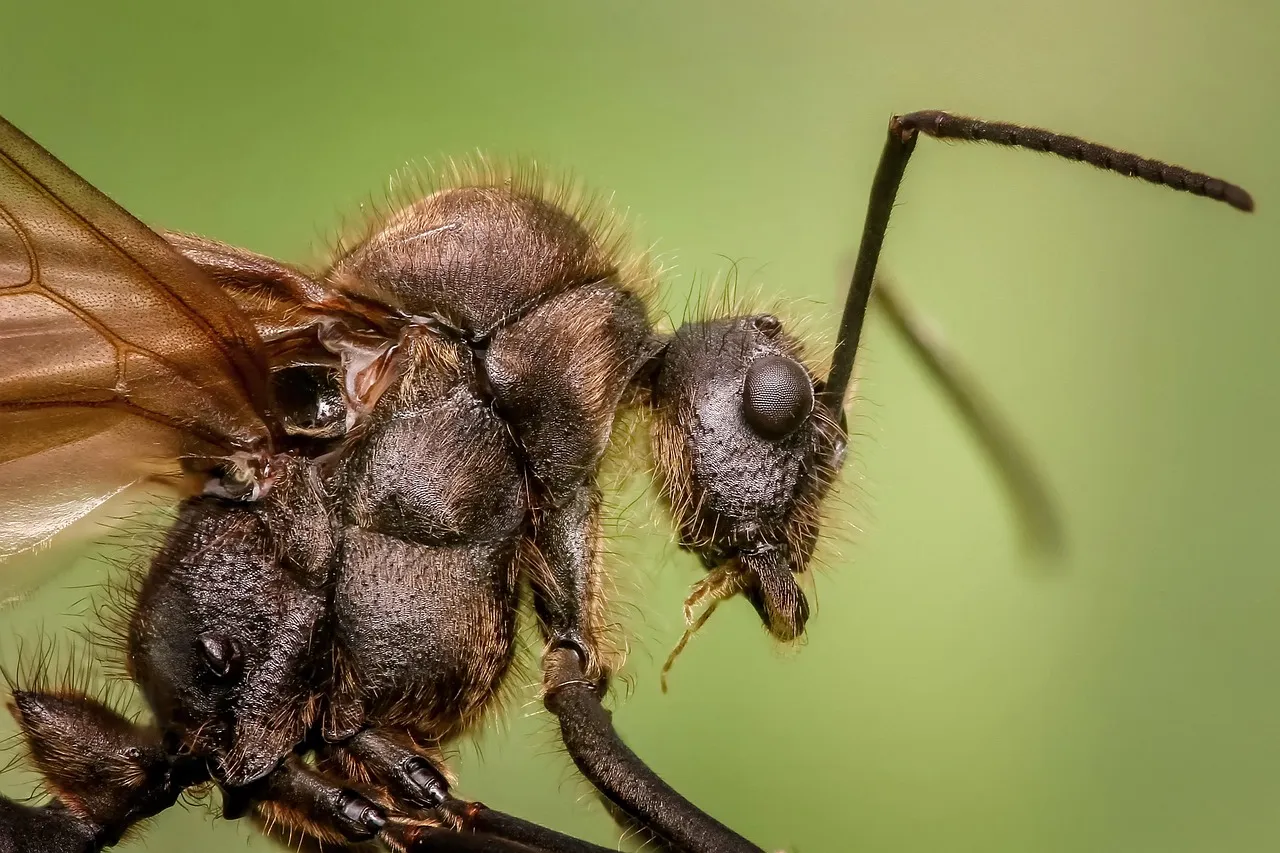
Here’s a small correction that surprises many people. The white, rice shaped bundles ants carry around often aren’t eggs at all. They’re usually larvae or pupae, which together with eggs make up what researchers call brood. True ant eggs are tiny and much harder to see.
The colony treats brood as its most valuable cargo. Workers move it constantly to keep it in the right conditions, and they’ll grab it first when something goes wrong. So when you see ants hauling these bundles, you’re watching ordinary colony care that gets more visible under stress.
What Science Says About Ants and Weather
🔥 Would you like to save this?
We'll email this post to you, so you can come back to it later!
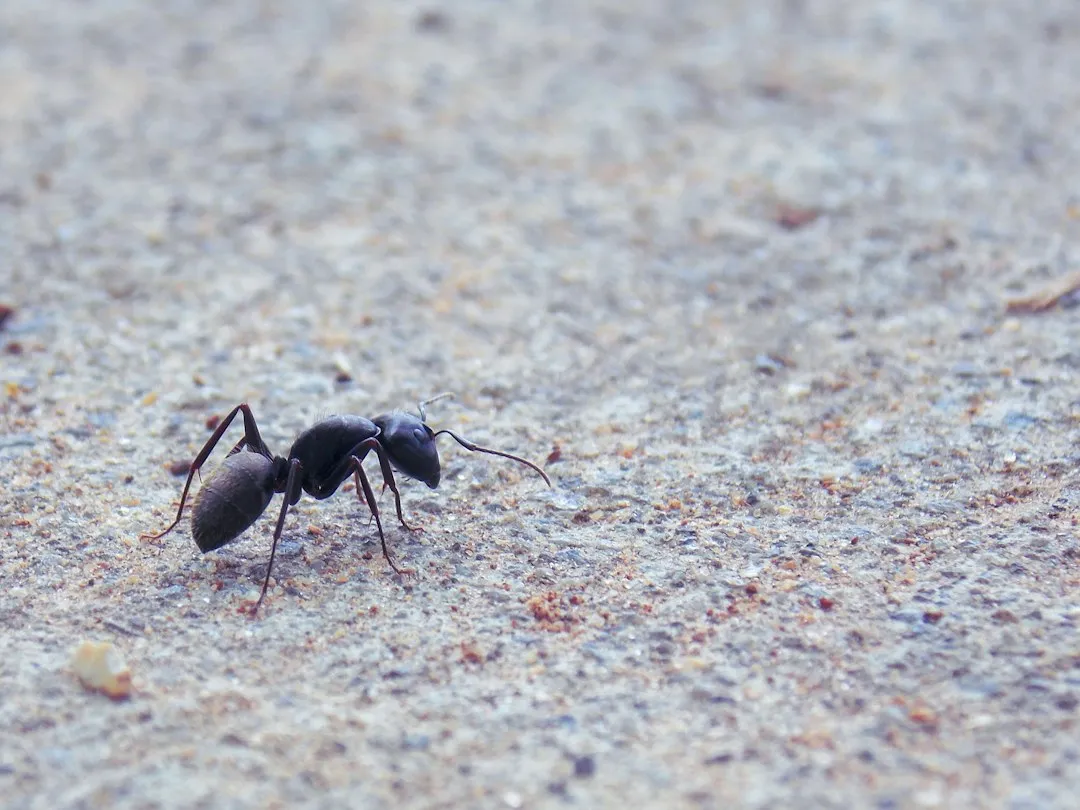
Ants do respond to temperature and humidity, and they shift brood between chambers to find a comfortable spot. Rising moisture in the soil or a sudden change in warmth can set that movement off. Heavy rain also threatens a nest directly, so moving brood higher or deeper makes practical sense.
What’s missing is solid evidence that ants reliably predict storms a day ahead. Some insects are known to react to shifts in air pressure, but the research on ants as forecasters is thin and mixed. It’s fair to say ants react to conditions that often come with rain, not that they’ve been proven to foresee it.
Other Reasons Ants Move Their Brood
🔥 Would you like to save this?
We'll email this post to you, so you can come back to it later!
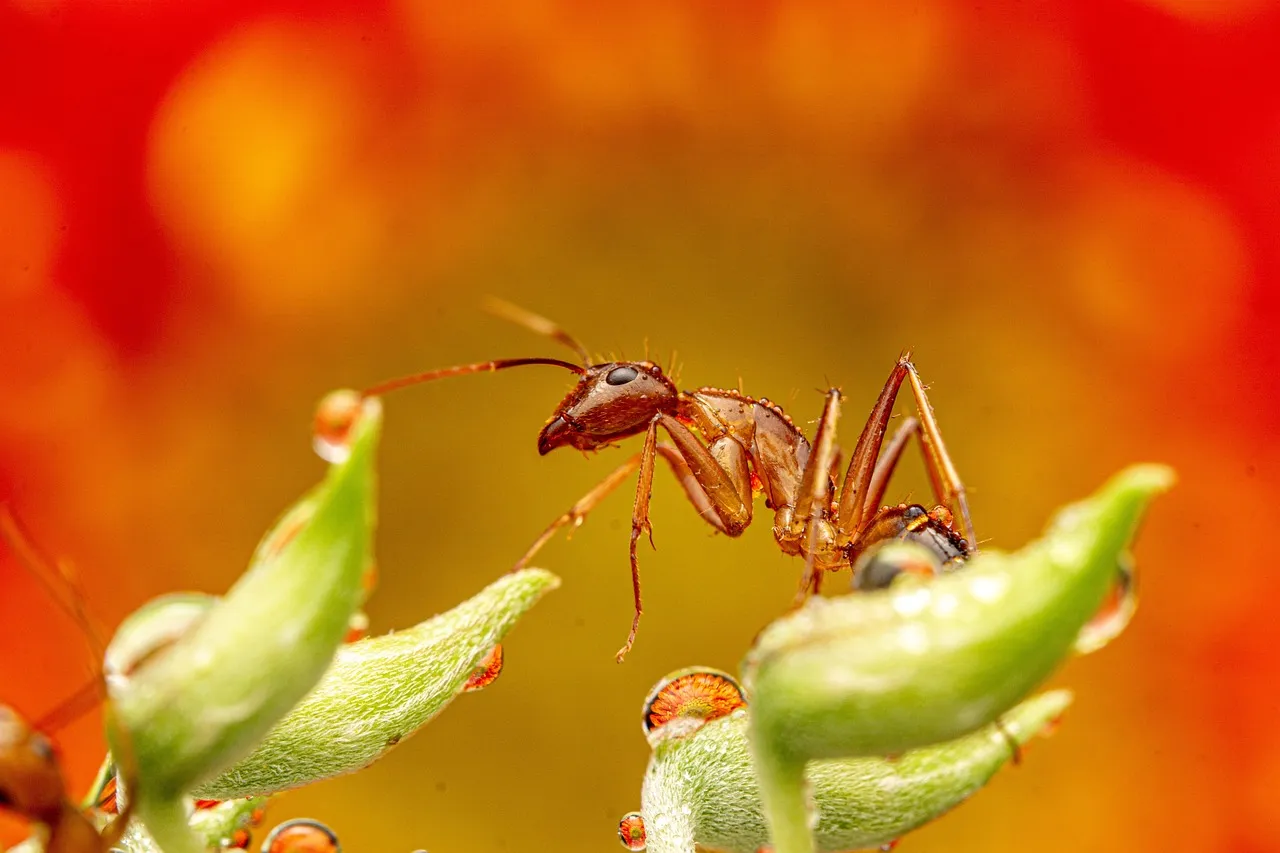
A storm is only one possible trigger. Lifting a stone or log exposes the nest to light and air, and workers will rush the brood to safety. Strong sun heating the soil can push them to relocate as well.
Colonies also move house for plain reasons, like a damaged nest, a flooded chamber, or a better spot nearby. Pests, digging, and watering the lawn can cause the same scramble. Before reading the sky, it’s worth asking what else changed around the nest.
Using the Old Saying Sensibly Today
🔥 Would you like to save this?
We'll email this post to you, so you can come back to it later!
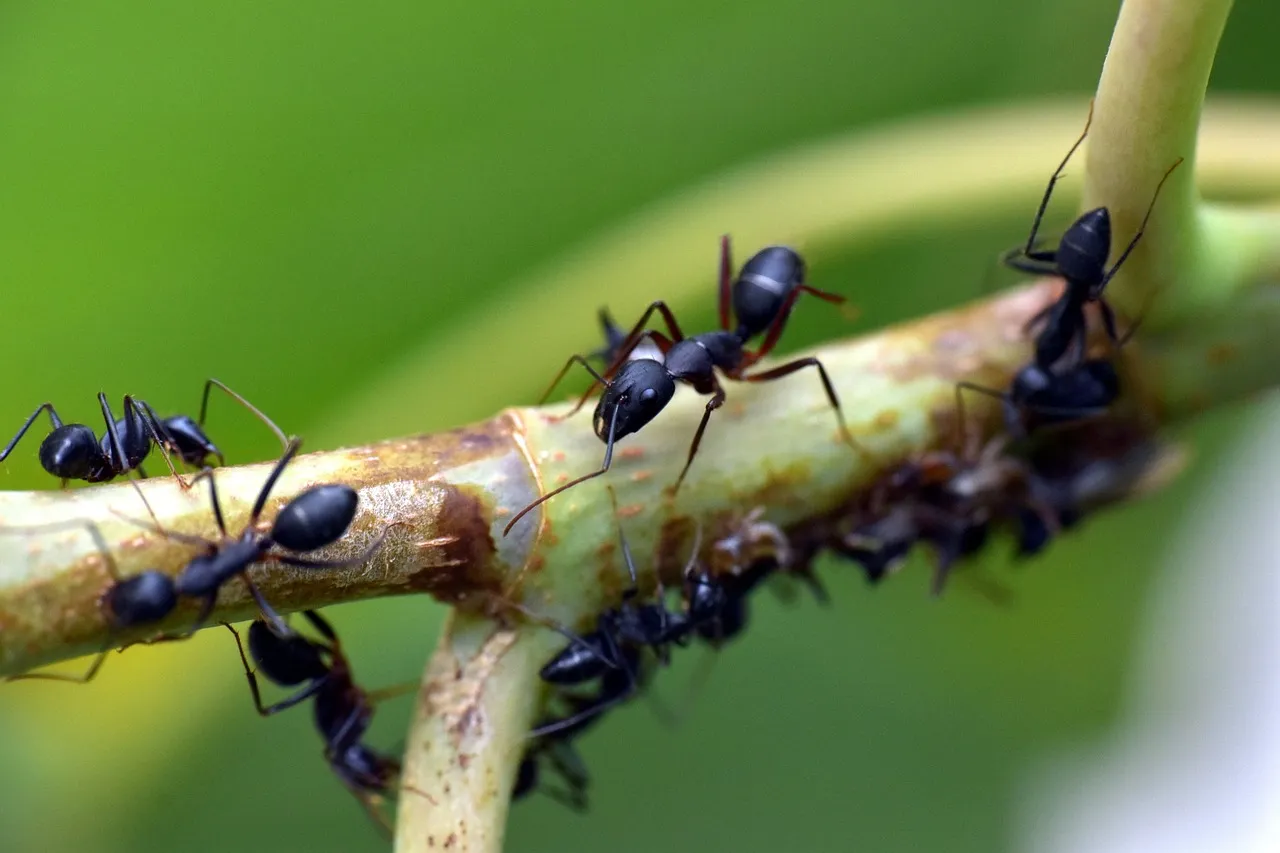
If you enjoy weather lore, treat the ant rule as a prompt to look up, not a forecast. Check the clouds, the wind, and the air itself, then compare notes with a real forecast. Ants moving brood on a muggy afternoon is a nice clue that conditions are shifting.
Just don’t cancel a picnic because of one busy anthill. Folklore works best as a way to pay attention, and a trained forecast will always beat a hunch. Still, noticing the small things outside is a habit worth keeping.
Final Thoughts
🔥 Would you like to save this?
We'll email this post to you, so you can come back to it later!
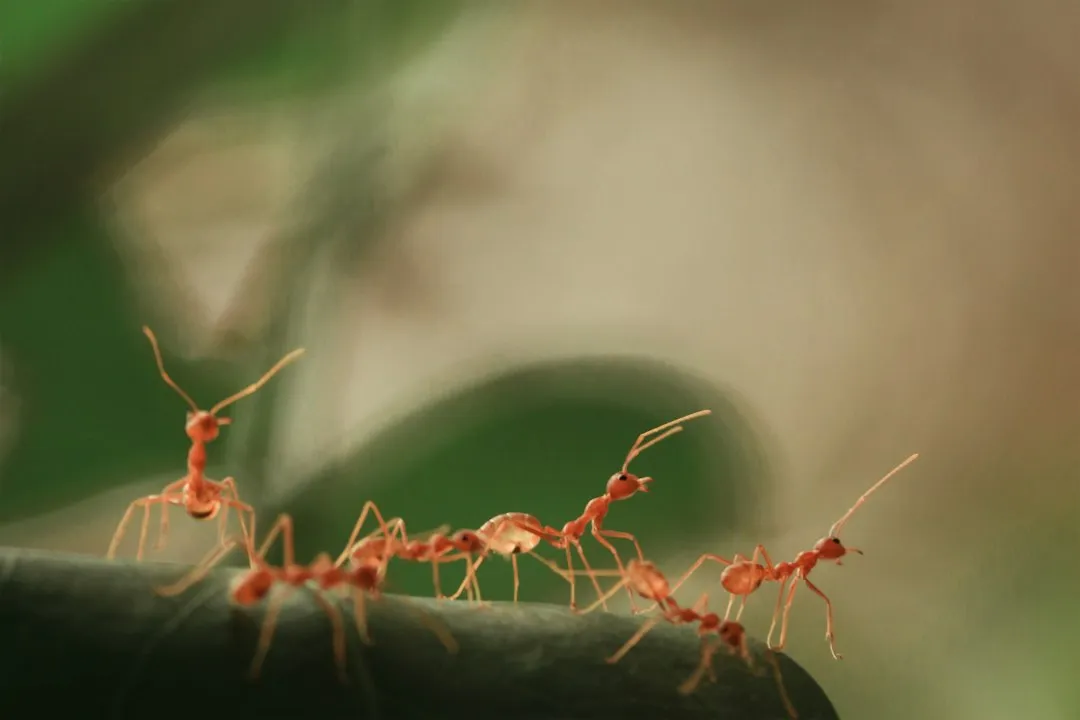
My view is that the superstition deserves more respect than it gets, though not as a prediction tool. It grew out of people paying close attention to the world, and that instinct was sound even when the conclusion was shaky. Ants really do react to moisture and heat, and storms really do bring both.
So keep the saying, but hold it loosely. Use the radar for decisions, and let the ants remind you that the ground under your feet is full of quiet, careful work.

- 7 Everyday Habits That Can Make Your Senior Dog Happier - November 5, 2026
- 10 Enigmatic Structures That Continue to Puzzle Scientists Today - November 5, 2026
- 10 Strange Ruins in the Americas That Challenge What We Know About Early History - November 5, 2026