


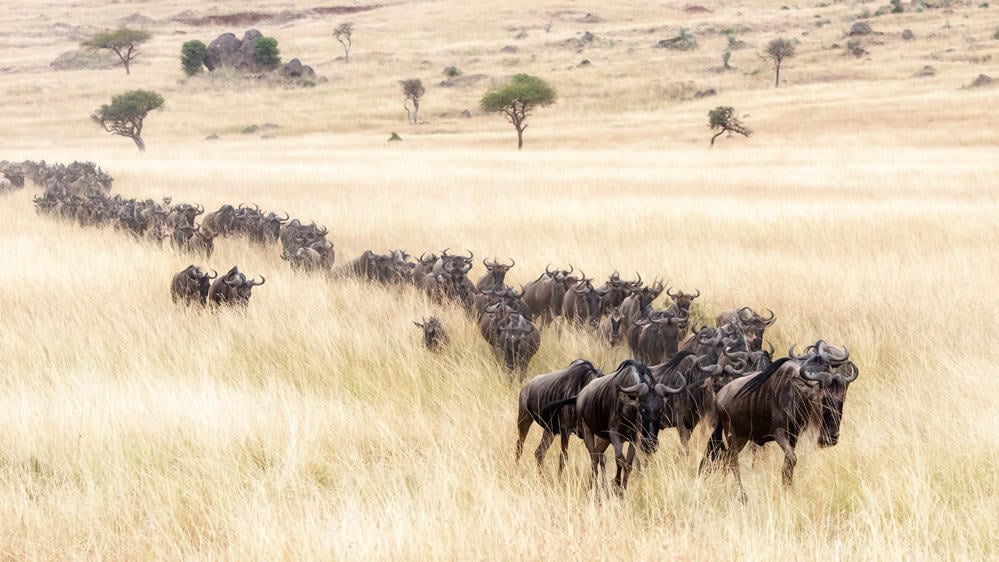
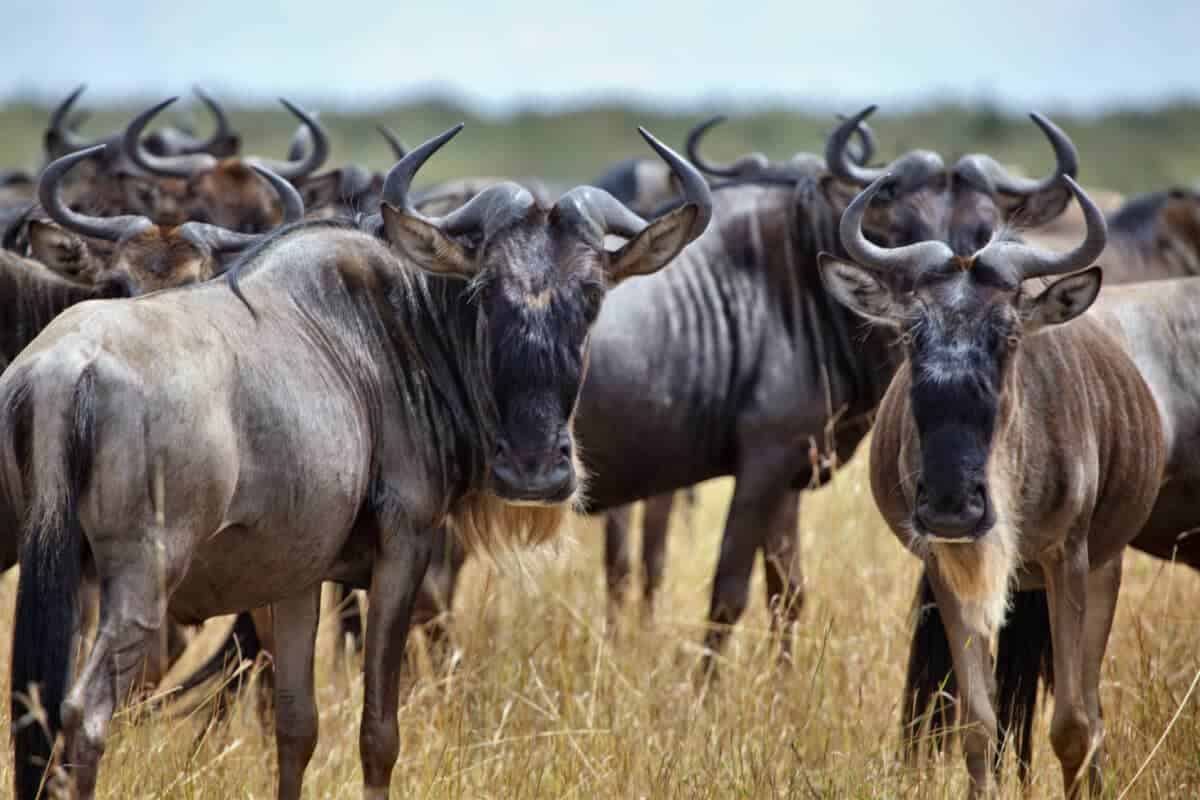
Every year, the African savannah becomes the stage for one of nature’s most breathtaking spectacles: the Great Wildebeest Migration. This mass movement is not only a testament to the resilience and survival instincts of the animal kingdom; it also highlights the brutal challenges that millions of wildebeest face along the way.
The Phenomenon of the Wildebeest Migration

🔥 Would you like to save this?
We'll email this post to you, so you can come back to it later!
The migration involves approximately 1.5 million wildebeest, along with hundreds of thousands of zebras and gazelles, traversing a circular route of about 1,200 miles across the Serengeti in Tanzania and the Maasai Mara in Kenya. This epic journey is primarily driven by the search for food and water, as these ungulates follow the rainfall patterns that nourish their grazing grounds.
The Role of the Serengeti Ecosystem

🔥 Would you like to save this?
We'll email this post to you, so you can come back to it later!
The migration is intimately tied to the unique Serengeti ecosystem, which supports a diverse range of habitats. From open plains to woodlands and riverine forests, each area provides essential resources at different times of the year, ensuring the sustenance of the animals on this arduous journey.
The Timing of the Migration
🔥 Would you like to save this?
We'll email this post to you, so you can come back to it later!
Timing is critical for the migration. It typically begins in the southern Serengeti around February, when the wildebeest calve en masse, giving birth to up to 500,000 calves in just a few weeks. This ensures that the young have enough time to grow stronger before the long trek northward.
The Calving Season’s Importance

🔥 Would you like to save this?
We'll email this post to you, so you can come back to it later!
The calving season is a crucial phase of the migration. Despite the high birth rates, the mortality rate can be equally staggering due to predation by lions, cheetahs, and hyenas. However, the sheer number of calves born during this period manages to sustain the population.
The Grazing Challenge

🔥 Would you like to save this?
We'll email this post to you, so you can come back to it later!
The primary driver of the migration is the wildebeest’s constant search for fresh grazing. As herds deplete the grasslands in one area, they must move on, driven by an innate instinct to find new pastures, which are often found in regions blessed by recent rains.
The Perils of River Crossings

🔥 Would you like to save this?
We'll email this post to you, so you can come back to it later!
One of the most perilous elements of the migration is the multiple river crossings. The Mara and Grumeti Rivers are notoriously challenging, as waiting crocodiles and swift currents present formidable barriers. Many wildebeest lose their lives, succumbing to drowning or predation during these crossings.
Predators on the Prowl
The Great Migration is a boon for predators as well. Lions, cheetahs, leopards, and hyenas follow the herds, capitalizing on the abundance of prey. This dynamic ensures a balance within the ecosystem, although it drastically increases the mortality risks for the wildebeest.

🔥 Would you like to save this?
We'll email this post to you, so you can come back to it later!
Vulnerability to Disease

🔥 Would you like to save this?
We'll email this post to you, so you can come back to it later!
In addition to predator threats, the wildebeest are also susceptible to diseases. The density of the herds can facilitate the rapid spread of infectious diseases, which can lead to significant population decreases if not curtailed naturally.
Navigating Human Encroachment
🔥 Would you like to save this?
We'll email this post to you, so you can come back to it later!
Human activities pose emerging challenges to the migration. Expanding agricultural practices, infrastructure development, and poaching disrupt the natural pathways, threatening the continuity of this ancient spectacle. Conservation efforts are crucial in addressing these challenges.
The Role of Conservation Efforts
🔥 Would you like to save this?
We'll email this post to you, so you can come back to it later!
Conserving the migration involves collaborative efforts among governments, conservationists, and local communities. These partnerships aim to maintain wildlife corridors, mitigate human-wildlife conflicts, and ensure that tourism supports rather than hinders conservation goals.
The Migration’s Contribution to Biodiversity

🔥 Would you like to save this?
We'll email this post to you, so you can come back to it later!
Beyond the visual spectacle, the migration is essential to maintaining the Serengeti-Mara ecosystem’s biodiversity. The movement of large numbers of animals helps regenerate grasslands, control insect populations, and distribute nutrients, contributing to the health and variety of the habitat.
The wildebeest migration remains one of nature’s greatest wonders, offering crucial lessons in resilience, adaptation, and the delicate balance of ecosystems. While the journey is fraught with danger, it is a vital process that sustains not only the wildebeest populations but also the broader ecological community. Continuous conservation efforts are pivotal in ensuring that this magnificent migration endures for generations to come, maintaining the rich tapestry of life within the African savannah.

- The Largest Python Ever Captured in Florida’s Everglades - November 5, 2026
- The Largest Sea Turtle Ever Rescued Off North Carolina - November 5, 2026
- Tarsiers: The Tiny Primates with Giant Eyes - November 4, 2026