
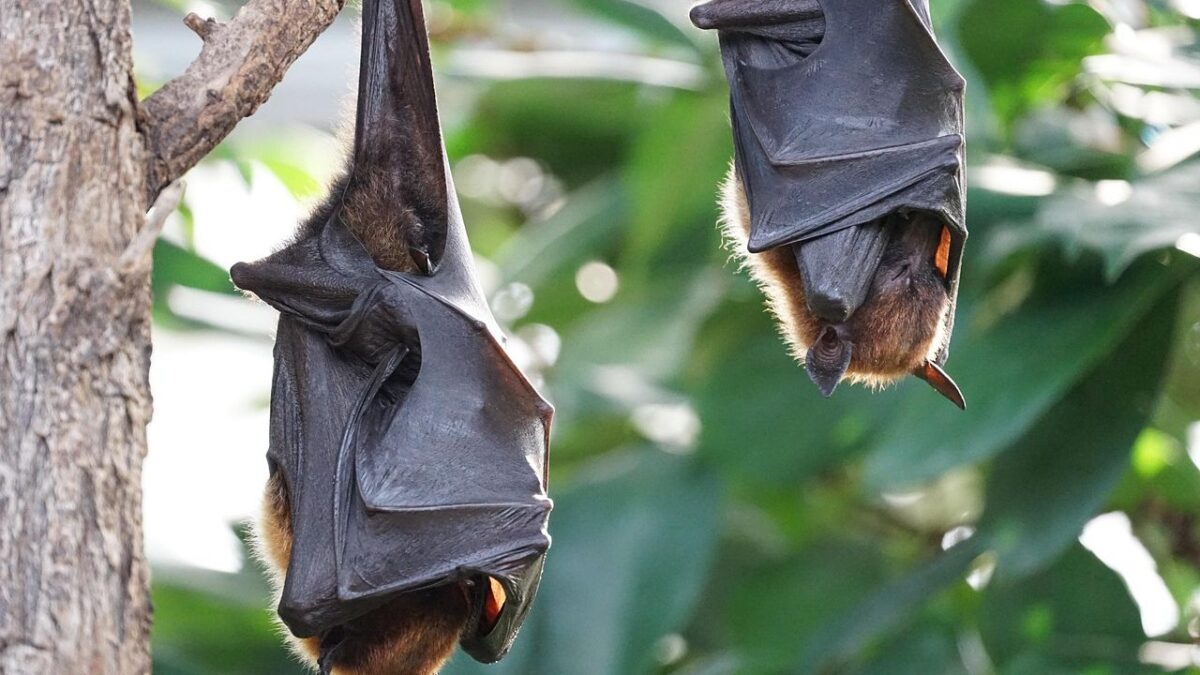
You notice the first few dark shapes cutting across the fading light, then more join in until the sky seems alive with silent movement. It feels sudden, yet these gatherings rarely happen without a clear reason tied to what your property offers them.
The pattern often reveals details about local food, shelter, or water that have become reliable for the bats. Understanding the signals helps make sense of why they choose this spot night after night.
A Sign of Abundant Insects
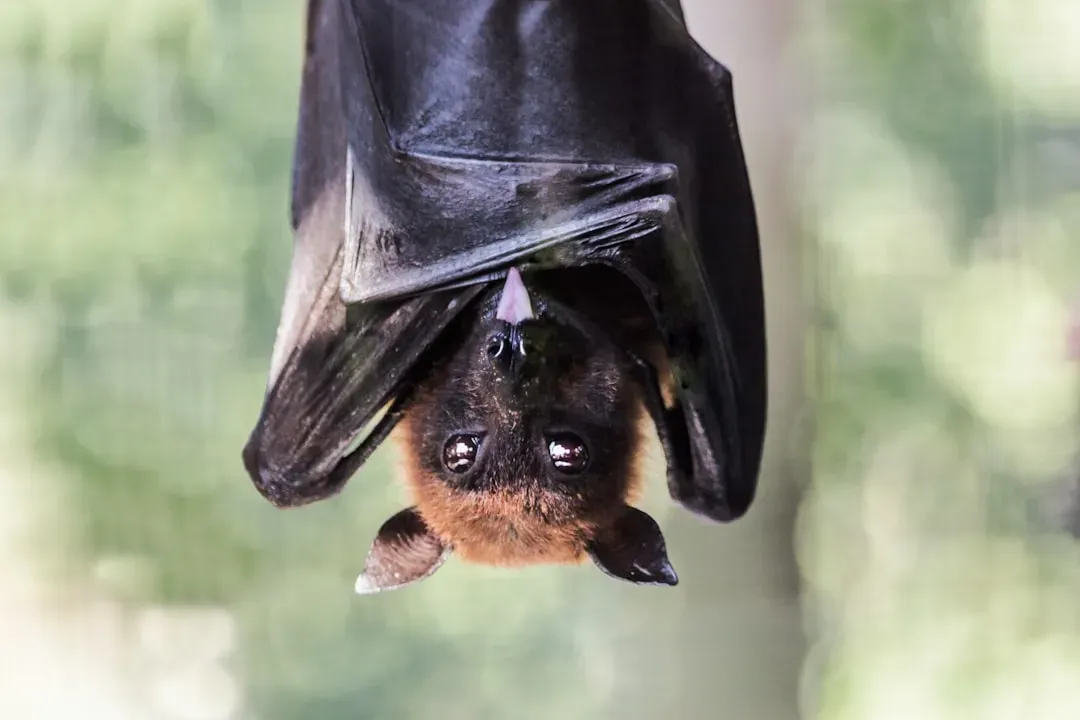
Bats emerge at dusk primarily to hunt the insects that become active in the cooling air. When they cluster around a home, it usually means the yard or nearby fields support a steady supply of moths, beetles, and mosquitoes. Properties with gardens, trees, or minimal pesticide use tend to attract more prey, turning the area into a reliable feeding ground.
Streetlights or porch lights can amplify the effect by drawing insects first, which then pull in the bats. This creates a visible loop where the animals return because the food source stays consistent. Over time the pattern becomes predictable as the colony learns the location.
Nearby Roosting Sites
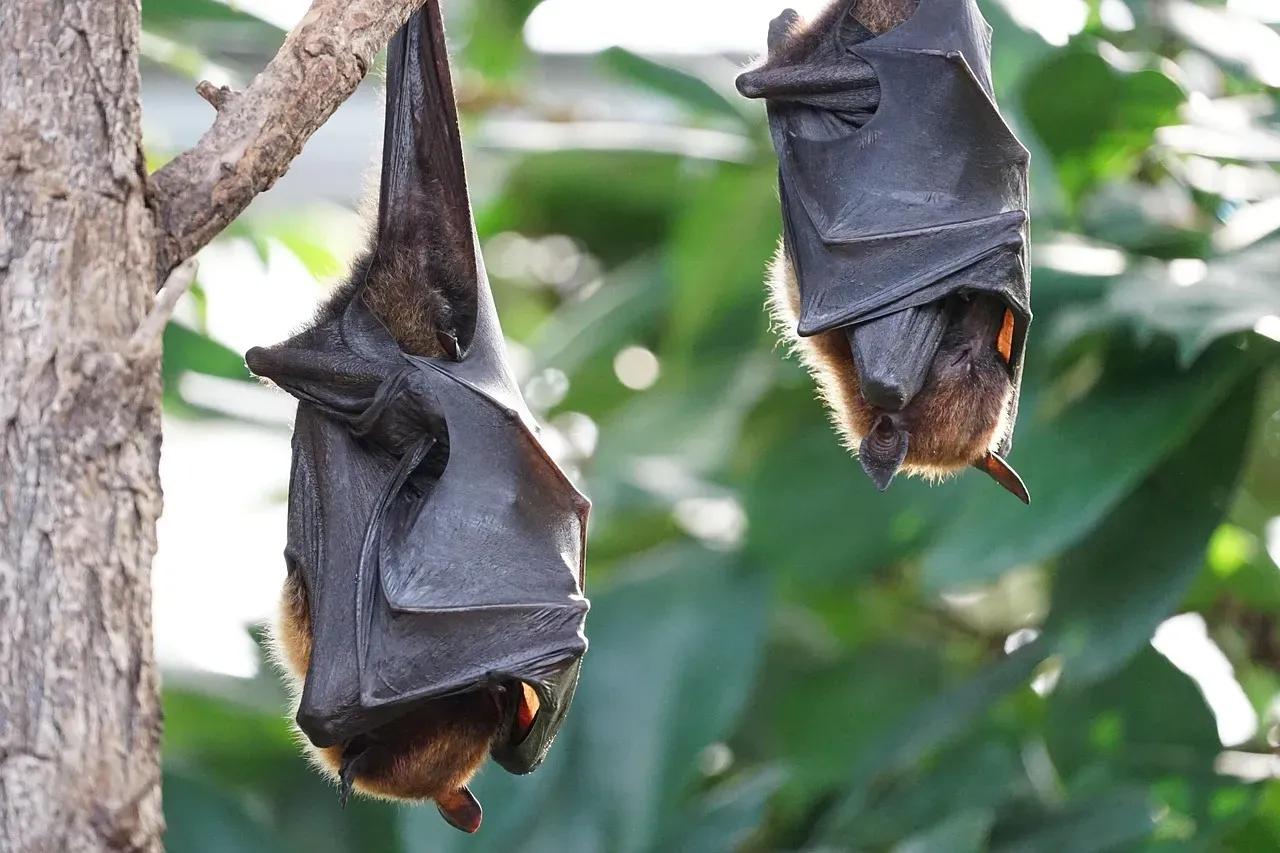
Bats need safe daytime resting places close to their hunting grounds. Attics, eaves, tree hollows, or even dense shrubbery on or near your property can serve as roosts. Once a group finds such a spot, they return evening after evening because the commute to food stays short.
Colonies often form in older buildings or undisturbed structures where temperatures stay stable. The gathering after sunset simply marks the moment they leave the roost to feed. If numbers grow, it suggests the site meets their needs well enough to support more individuals.
Attraction to Artificial Lights
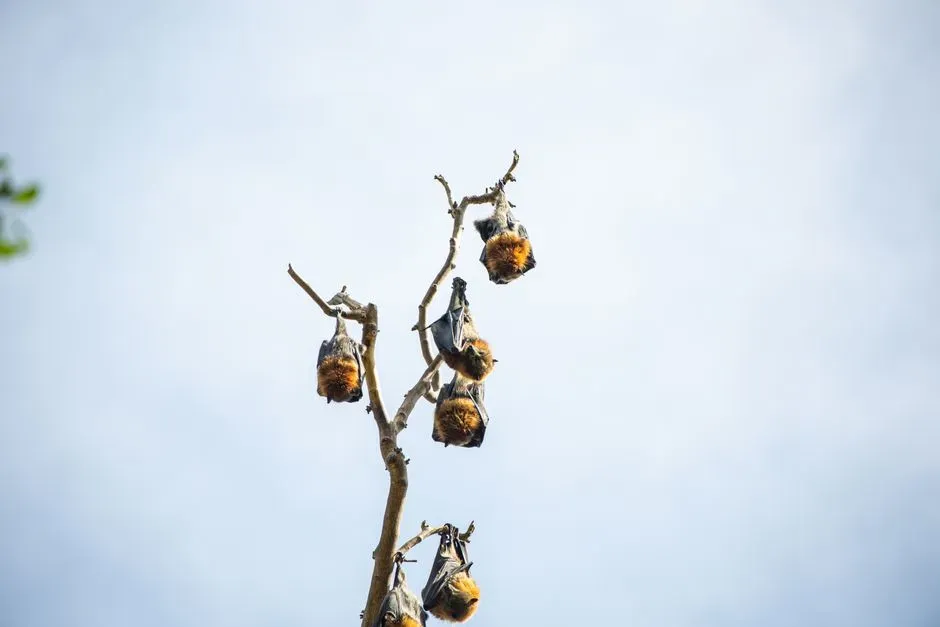
Outdoor lighting plays a quiet but steady role in drawing bats closer. Insects swarm toward the glow, and bats follow the concentrated prey. Homes with multiple fixtures left on through the evening create reliable insect hotspots that the animals quickly locate.
The effect strengthens in warmer months when bug populations peak. Bats do not seek the lights themselves but the easy meals they provide. Reducing unnecessary lighting can shift the activity away without harming the animals.
Access to Water Sources
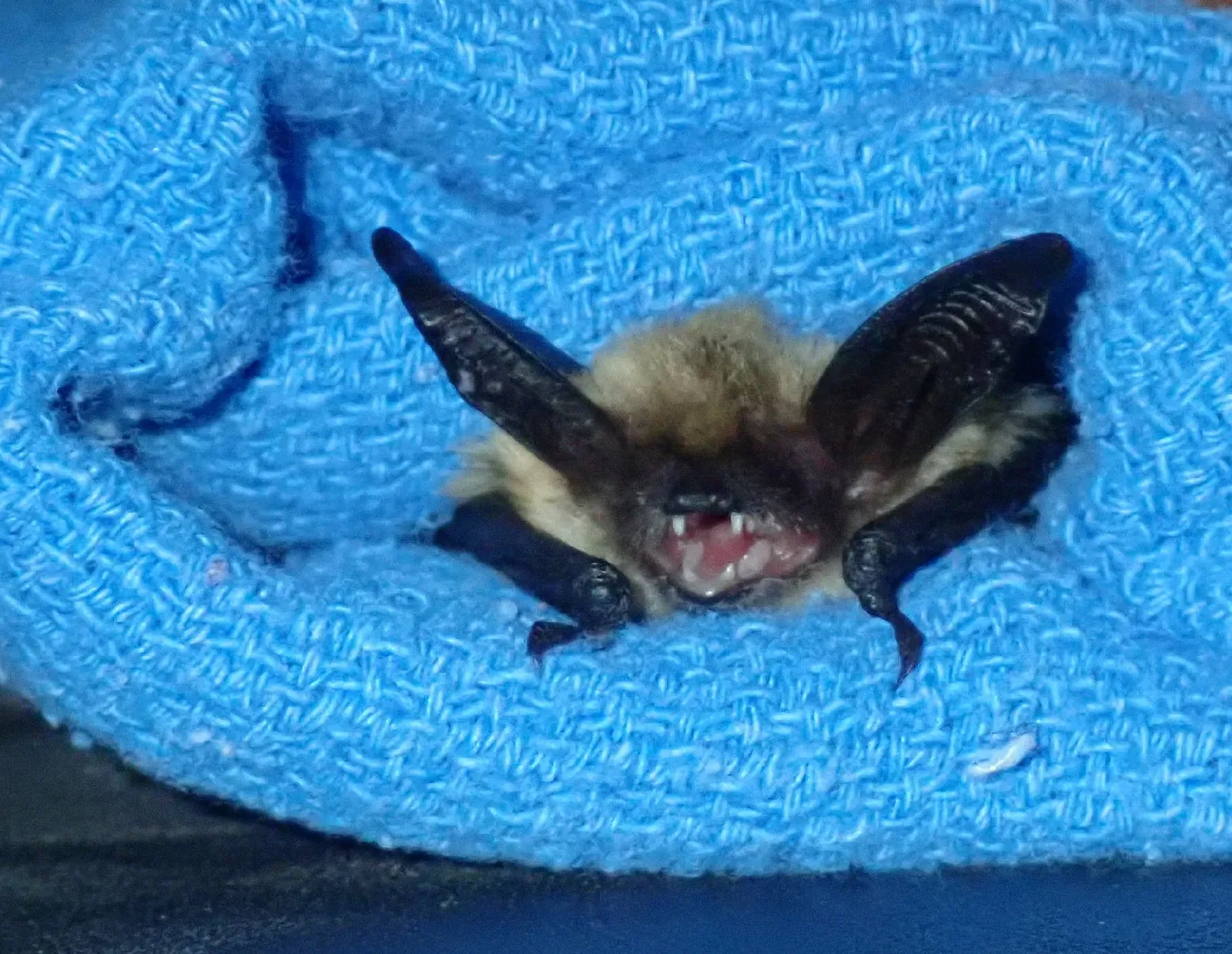
Bats drink while flying and often hunt near ponds, birdbaths, or even dripping faucets. A reliable water source within a short flight from your home makes the area more appealing. Properties near streams or with standing water in the yard see higher activity as a result.
Even small features like a garden fountain can become regular stops. The animals return because hydration stays available right alongside the insects. Dry spells elsewhere can push more bats toward these local options.
Changes in Local Habitat
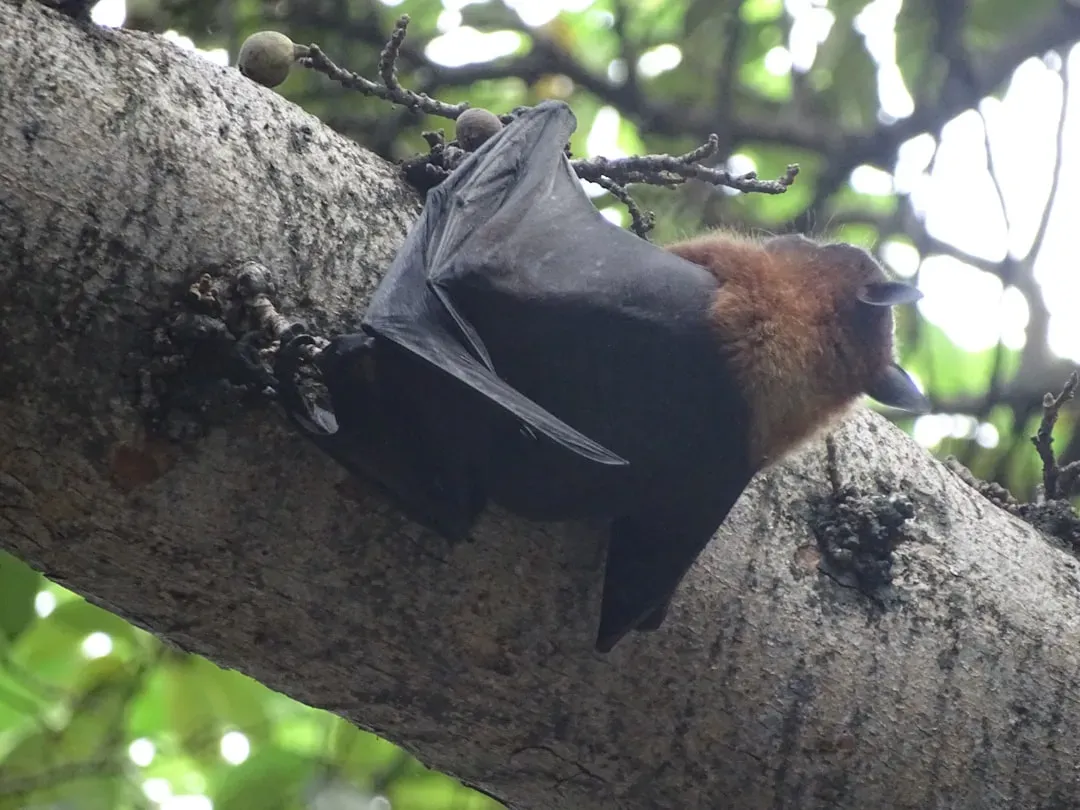
Shifts in the surrounding landscape sometimes push bats toward residential areas. Loss of natural roosting trees or open fields can concentrate activity around homes that still offer shelter and food. New construction or tree removal nearby often redirects colonies to the remaining suitable spots.
Seasonal changes also influence the pattern. As temperatures drop or insect numbers fluctuate, bats adjust their routes and may settle on a new reliable location. Your home becomes part of that adjustment when conditions align.
Embracing Their Presence Responsibly
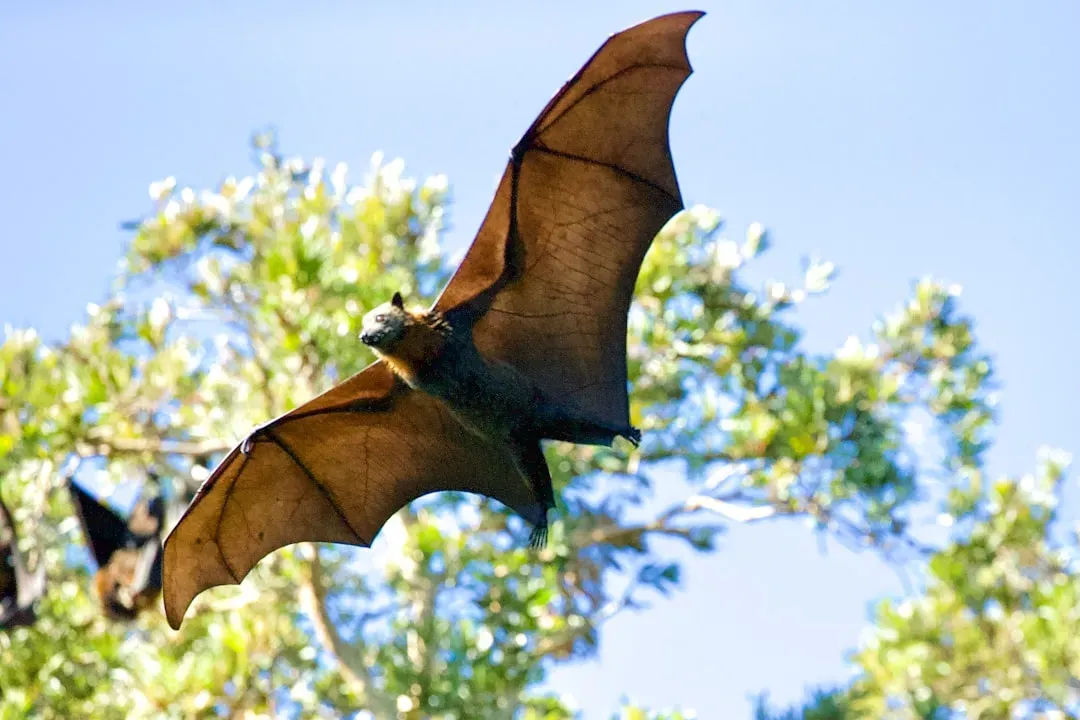
Bats provide real value by controlling insect populations that would otherwise affect gardens and outdoor time. Their presence signals a functioning local food web rather than a problem to eliminate. Learning to coexist often means simple adjustments like sealing entry points to living spaces while leaving roosts undisturbed.
Many species face pressure from habitat loss, so small actions at home can support their survival. Watching the evening flights becomes less startling once the reasons behind them make sense. In the end, these gatherings remind us that even modest yards play a part in the larger natural balance.

- 10 Remarkable Facts About the African Cheetah: The Lightning of the Grasslands - July 29, 2026
- 10 Most Heroic Horses in History - July 29, 2026
- Why You Should Never Play Dead When Attacked by a Black Bear - July 29, 2026