
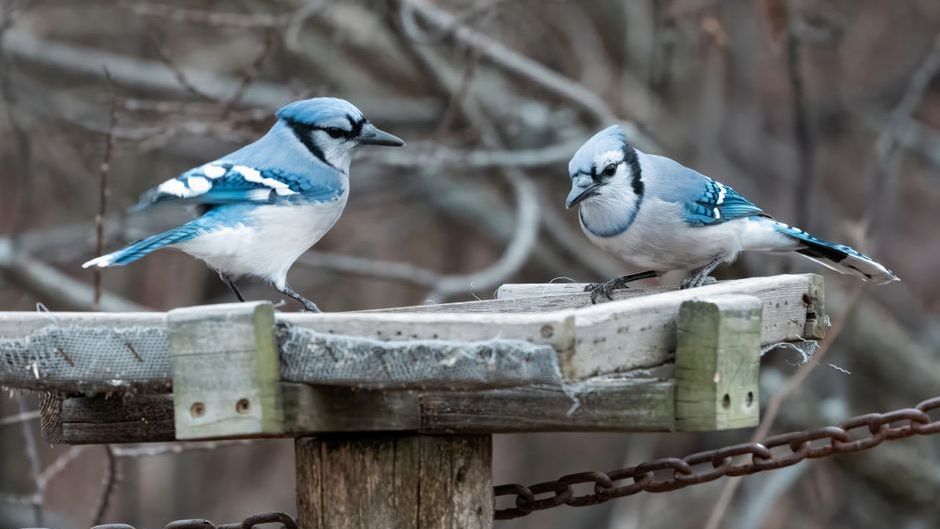
You step outside on a quiet morning only to hear blue jays calling nonstop from the trees. The sound carries on without much pause, sharp and insistent, and it makes you wonder what has them so worked up. These birds rarely make noise without reason, so the repetition often points to something specific happening nearby.
Understanding their calls can turn a simple backyard moment into a window into local wildlife dynamics. Persistent alarm calls in particular reveal more than just random chatter.
The Basics of Blue Jay Vocalizations
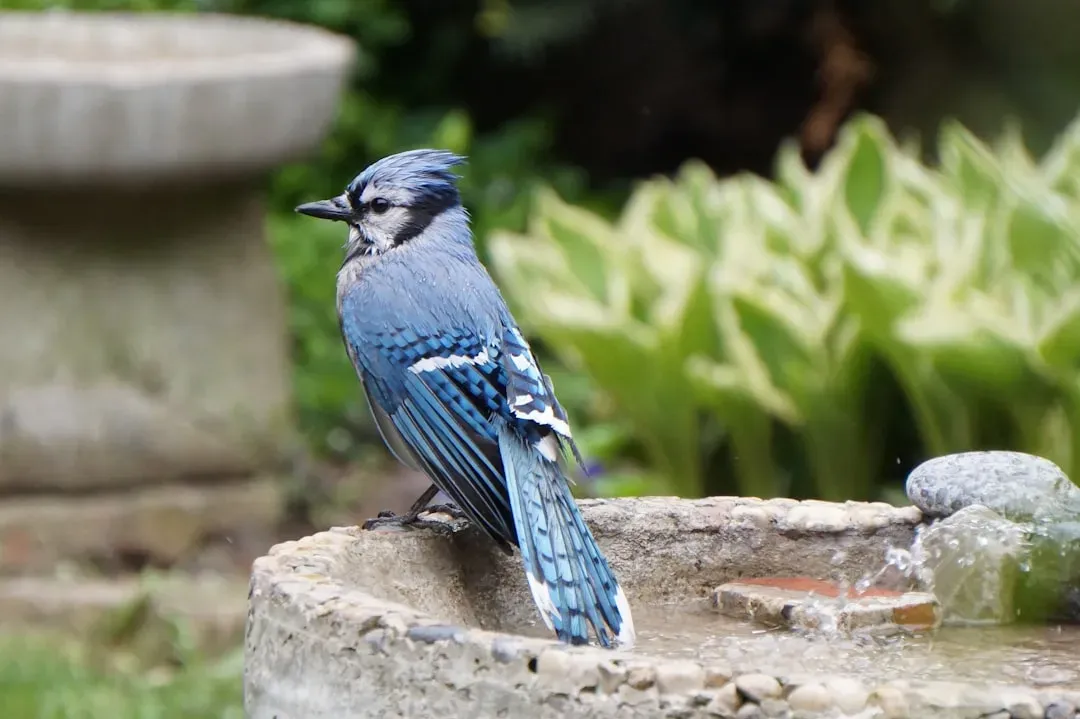
Blue jays produce a range of sounds that serve different purposes throughout the day. Their most familiar note is the loud jeer, which functions like a versatile signal among flock members. These birds stay in touch with one another over distances using these clear, carrying calls that help coordinate movements and share information about food sources.
Varied whistles and softer notes appear during calmer interactions, such as between mates or while foraging. The overall vocal repertoire shows how intelligent these corvids are, allowing them to adapt their messages based on context. Listening closely reveals patterns that distinguish routine communication from urgent alerts.
Identifying the Alarm Call Specifically
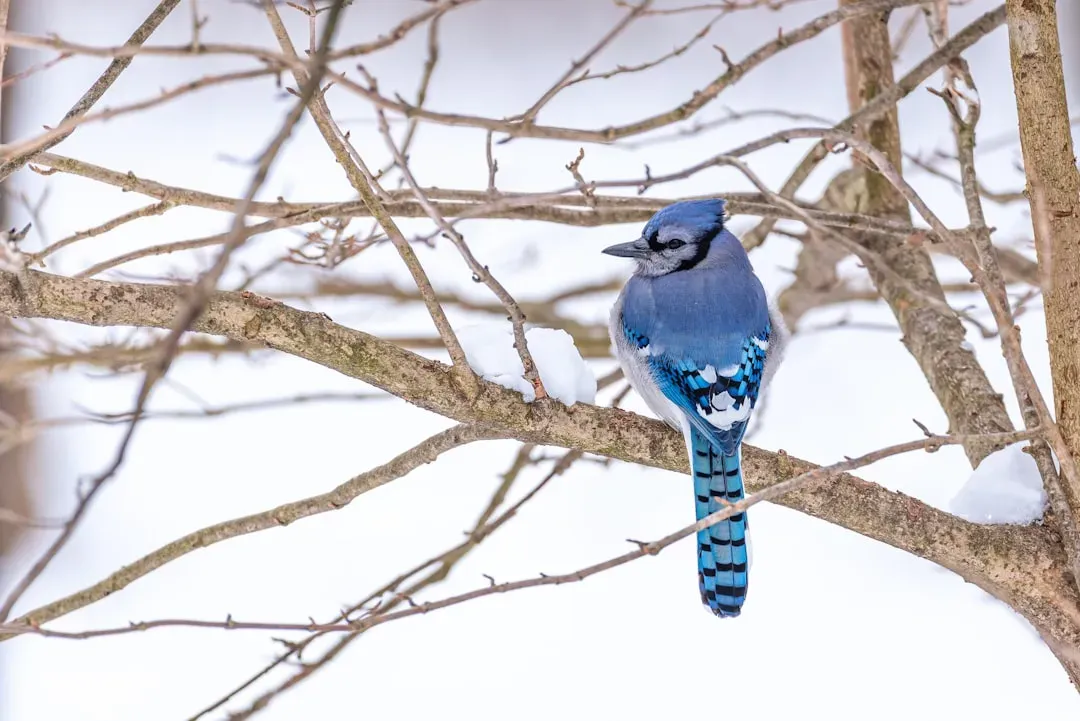
The classic alarm call stands out as harsher and more rapid than everyday jeers. It erupts when a blue jay spots something out of place, like a hawk overhead or a cat slipping through the underbrush. This sharper version grabs attention immediately and spreads quickly through the area.
Other species often recognize the sound too, treating it as a reliable heads up about danger. The call can intensify if the threat lingers or moves closer to nests. Distinguishing this from mimicry of hawk cries helps clarify whether the jays feel truly threatened or are simply clearing space at a feeder.
Why the Calls Keep Going On and On
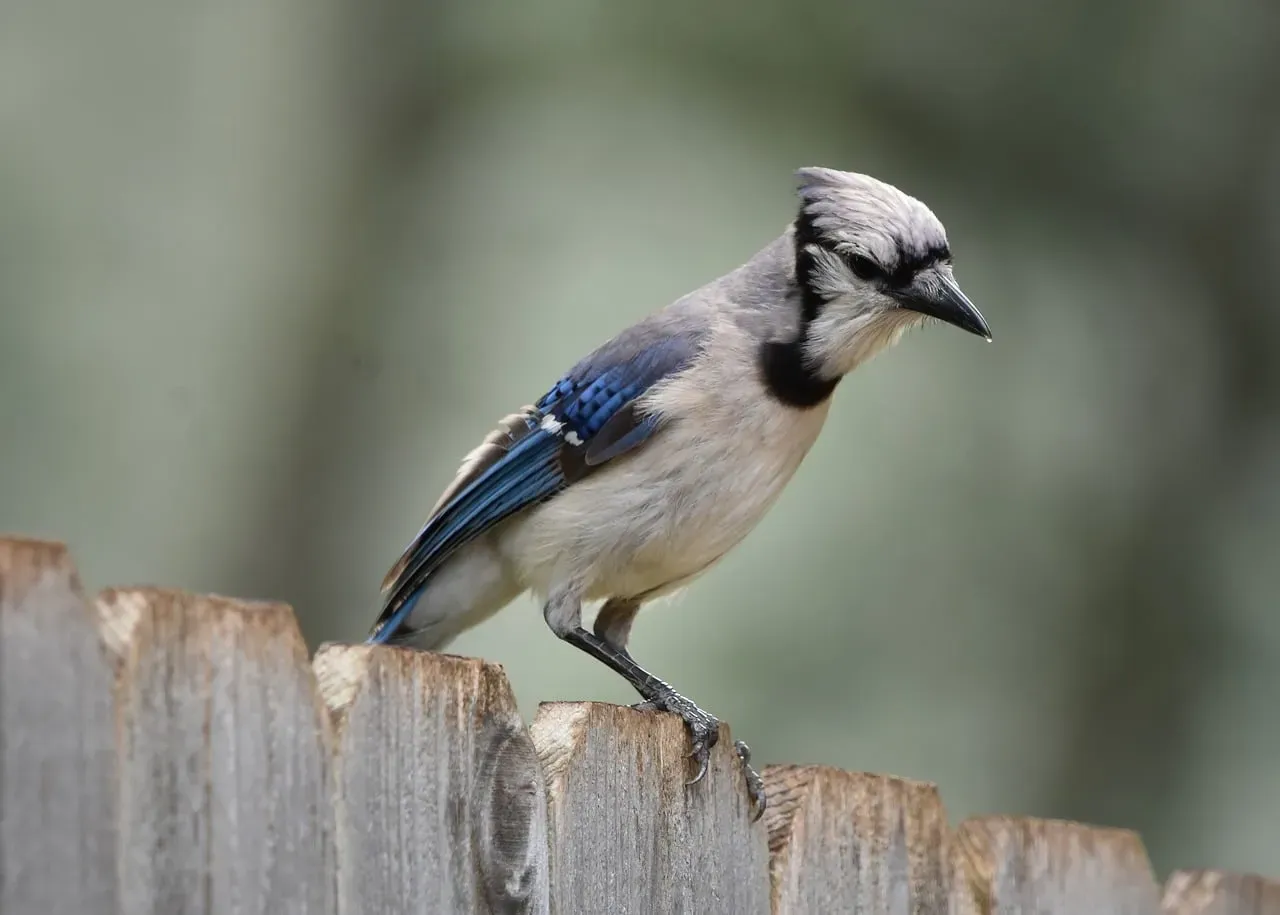
Repetition usually signals that the perceived danger has not yet passed. A single sighting might prompt one burst, yet ongoing calls suggest the predator remains visible or active in the vicinity. Jays maintain the alert to keep everyone informed as the situation evolves.
They may also be rallying support for a group response, drawing in more birds to assess or confront the intruder. This persistence reflects their social nature and strong protective instincts around breeding areas. The nonstop quality often fades only after the threat departs or hides effectively.
Potential Threats Behind Persistent Alarms

Common triggers include raptors such as Cooper’s hawks or red tailed hawks perched nearby. Ground predators like domestic cats or raccoons near low nests can spark extended sessions as well. Even snakes or owls resting in daylight sometimes draw this kind of sustained attention.
Human activity close to active nests occasionally provokes similar reactions, though the birds tend to focus more on natural enemies. The exact target becomes clearer if you scan the treetops or ground for movement while the calls continue. Multiple jays joining in amplifies the message and points to a shared concern rather than an isolated event.
The Role of Mobbing Behavior
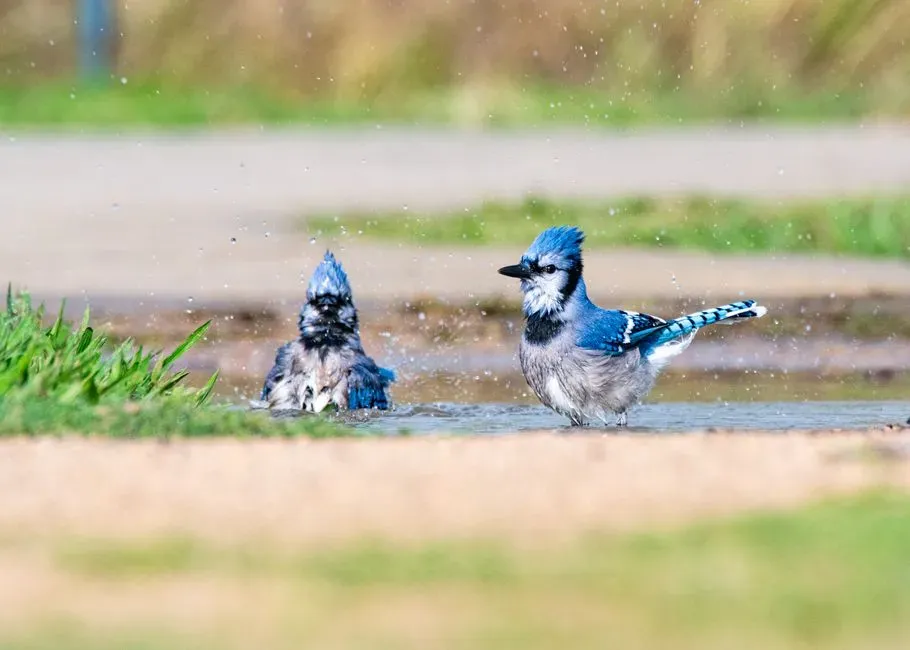
When calls persist, blue jays frequently shift into mobbing mode by gathering around the threat. They dive and call loudly in coordinated efforts that harass larger predators until they leave the area. This collective action reduces risk for the whole neighborhood of birds.
Mobbing serves as both defense and information sharing, teaching younger jays which animals to watch. The behavior proves effective because it makes hunting difficult for the intruder while keeping everyone else safer. Persistent vocalizations often mark the start of these group efforts rather than isolated warnings.
How This Affects Your Local Bird Community
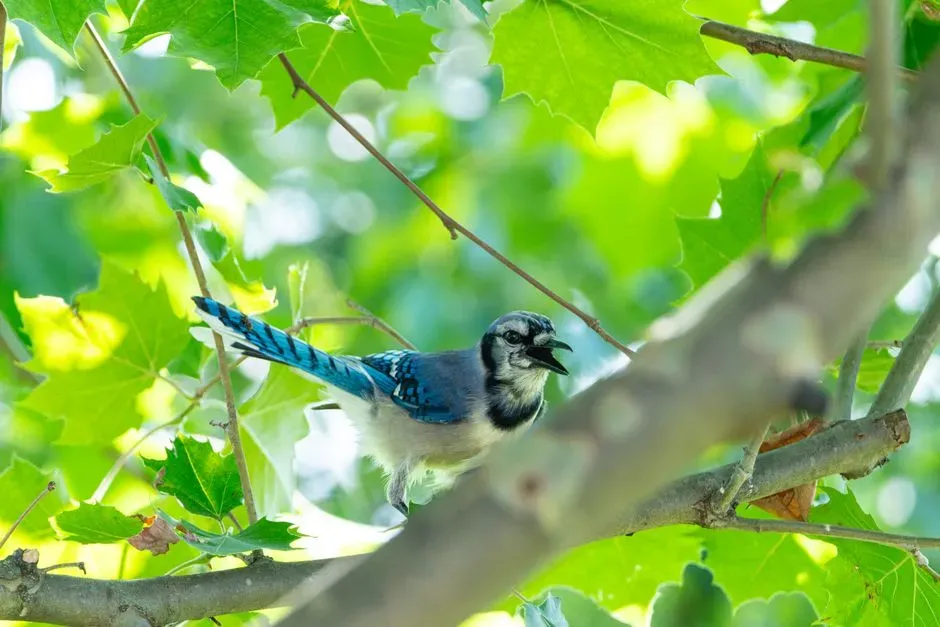
Other species benefit directly from blue jay alerts, using the information to adjust their own routines. Songbirds may stay hidden or shift feeding times when the jeers ring out repeatedly. This creates a ripple effect that influences activity levels across the yard or park.
Over time the presence of vigilant jays can lower overall predation pressure in a given spot. Homeowners sometimes notice quieter periods after a mobbing event ends, followed by resumed normal bird traffic. The system highlights how interconnected backyard ecosystems really are.
Practical Steps for Birdwatchers and Homeowners

Stay observant without approaching too closely when the calls continue. Binoculars help identify the source while keeping a respectful distance from nests. Noting the time of day and surrounding conditions adds useful context for future sightings.
Reducing attractants like unsecured pet food or dense cover near feeders can sometimes ease tensions if cats are involved. Simply enjoying the display from afar supports natural behaviors without interference. Tracking patterns over weeks reveals seasonal shifts tied to breeding or migration.
Persistent blue jay alarms remind us that even familiar backyard sounds carry layers of meaning worth noticing. Paying attention fosters a deeper appreciation for the quiet vigilance happening all around us. These moments connect us to the rhythms of wildlife in ways that feel both ordinary and quietly profound.

- Wolves or Coyotes – Which One Would Be Your Spirit Guide? - August 1, 2026
- Why Some Bird Species Are Choosing to Nest in Unconventional Places Now - August 1, 2026
- 10 Cat Breeds Scorpio Signs Bond With Intensely and 5 That Resist Control - August 1, 2026