
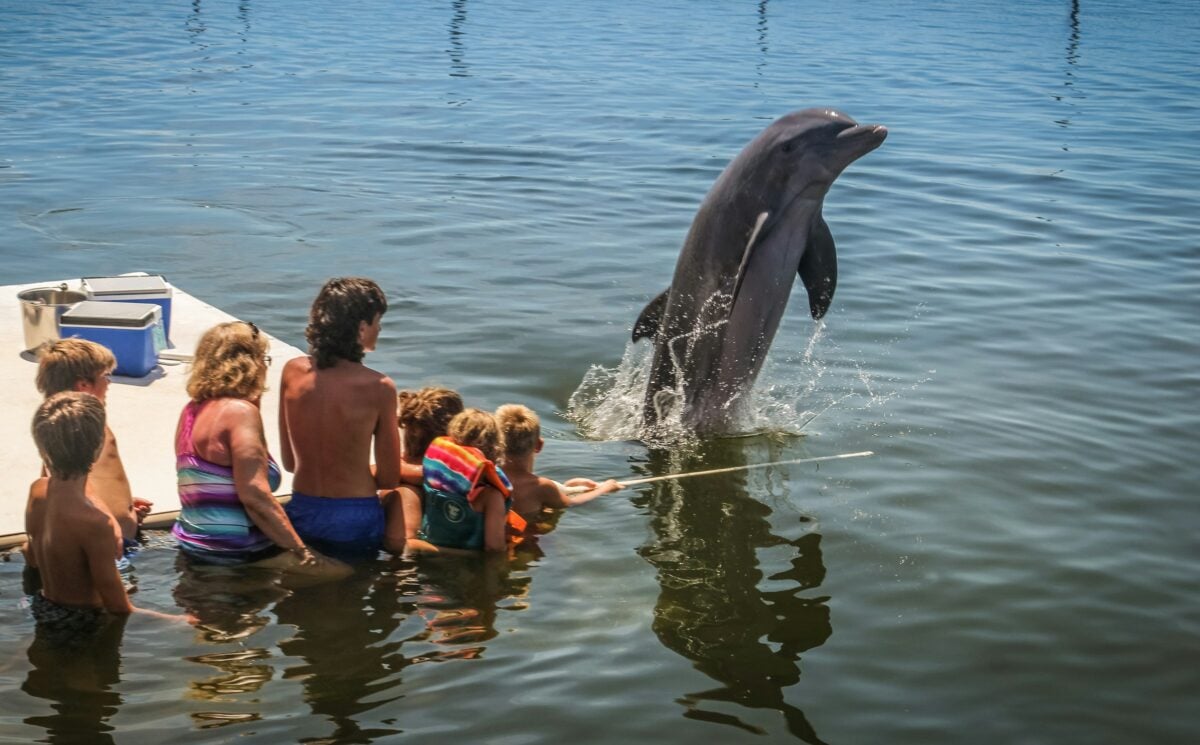
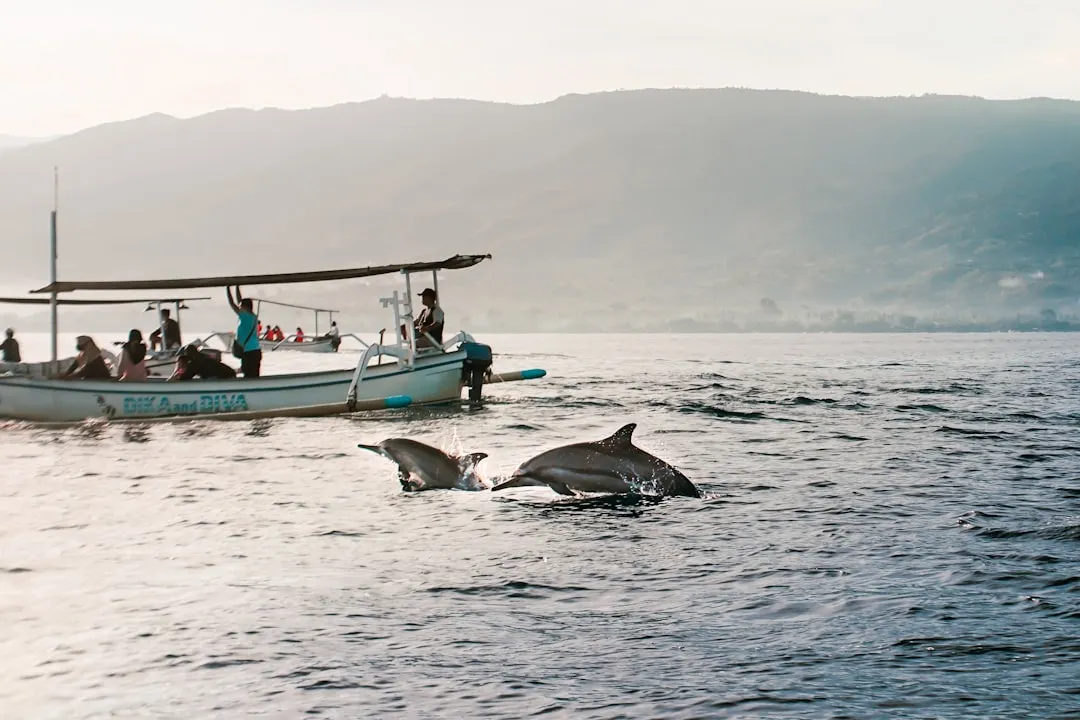
Imagine you’re sailing across the open sea, the sun glinting off the waves, when suddenly, a pod of dolphins appears, effortlessly gliding alongside your boat. Their sleek bodies arc gracefully through the water, keeping pace with your vessel for miles. This mesmerizing sight has captivated sailors and ocean-goers for centuries, sparking curiosity about why these intelligent creatures choose to accompany boats on their journeys.
The Allure of the Bow Wave
🔥 Would you like to save this?
We'll email this post to you, so you can come back to it later!
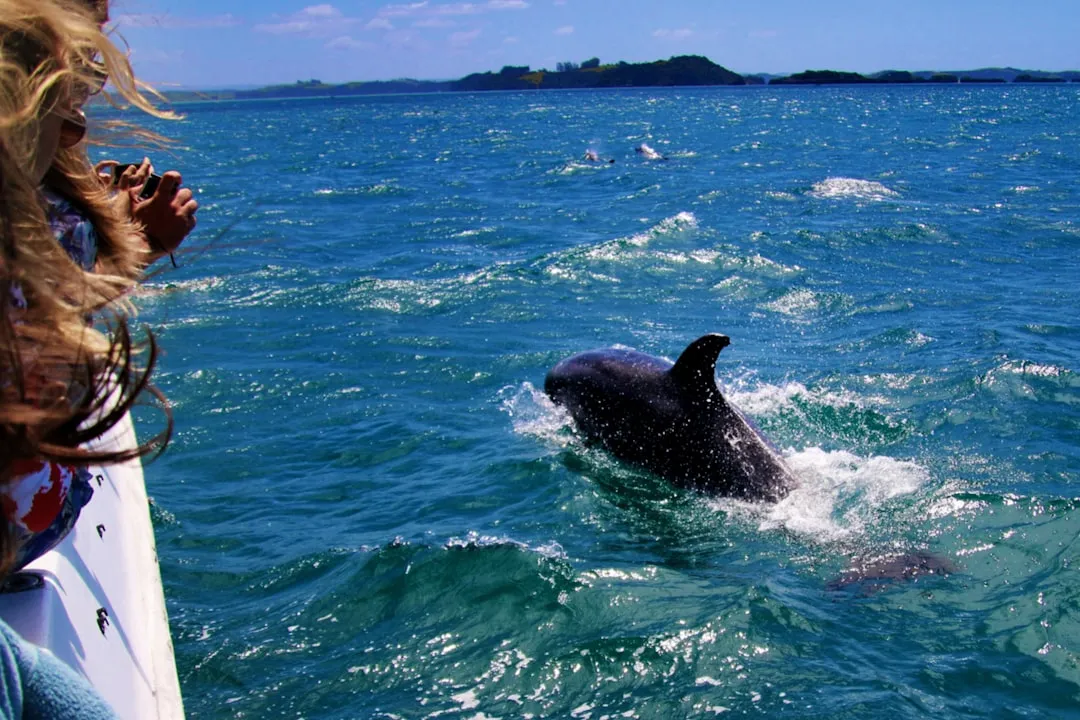
One primary reason dolphins swim alongside boats is to take advantage of the bow wave created as the vessel moves through the water. This phenomenon, known as bow-riding, allows dolphins to “surf” the pressure wave at the front of the boat, conserving energy while traveling at high speeds. By positioning themselves strategically within this wave, dolphins can maintain momentum with minimal effort, making long-distance travel more efficient.
This behavior is not just about energy conservation; it’s also a form of play. Dolphins are known for their playful nature, and riding the bow wave provides both a practical benefit and an opportunity for enjoyment. The thrill of gliding effortlessly through the water, combined with the social aspect of riding alongside their pod members, makes bow-riding a favored activity among these marine mammals.
Curiosity and Exploration
🔥 Would you like to save this?
We'll email this post to you, so you can come back to it later!
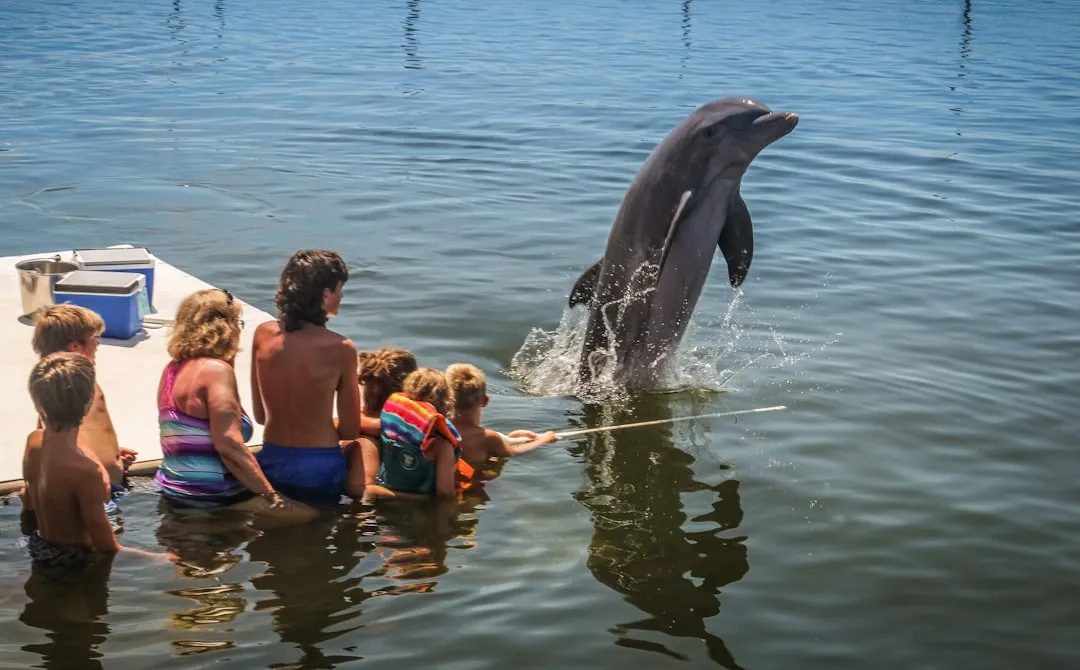
Dolphins are inherently curious creatures, often investigating new and unusual objects in their environment. The presence of a boat, with its unique sounds and movements, piques their interest, prompting them to approach and explore. This inquisitive behavior allows dolphins to learn about their surroundings and can lead to prolonged interactions with boats as they satisfy their curiosity.
This exploration isn’t limited to the boat itself; dolphins may also be interested in the humans aboard. Their intelligence and social nature drive them to observe and sometimes interact with people, leading to memorable encounters for those on the vessel.
Social Bonding and Play
🔥 Would you like to save this?
We'll email this post to you, so you can come back to it later!
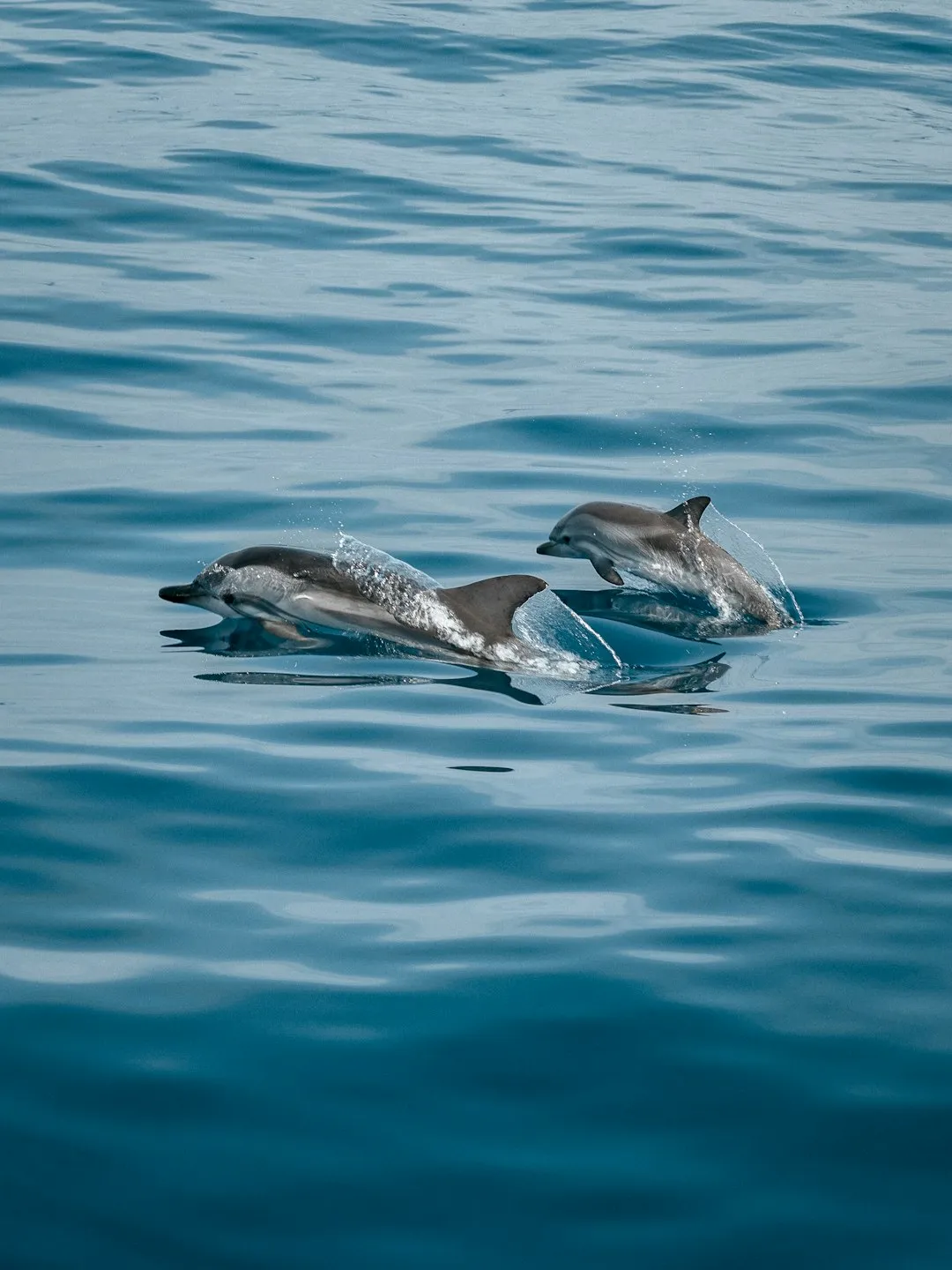
Swimming alongside boats also serves as a social activity for dolphins. Engaging in synchronized swimming and leaping alongside a moving vessel can strengthen social bonds within the pod. These coordinated movements require communication and cooperation, reinforcing group cohesion and providing a platform for younger dolphins to learn from more experienced members.
Play is a crucial aspect of dolphin behavior, contributing to their cognitive development and social structure. The dynamic environment created by a boat’s movement offers an exciting playground for dolphins to exhibit acrobatics, chase each other, and engage in other playful behaviors that are essential for their well-being.
Opportunistic Feeding
🔥 Would you like to save this?
We'll email this post to you, so you can come back to it later!
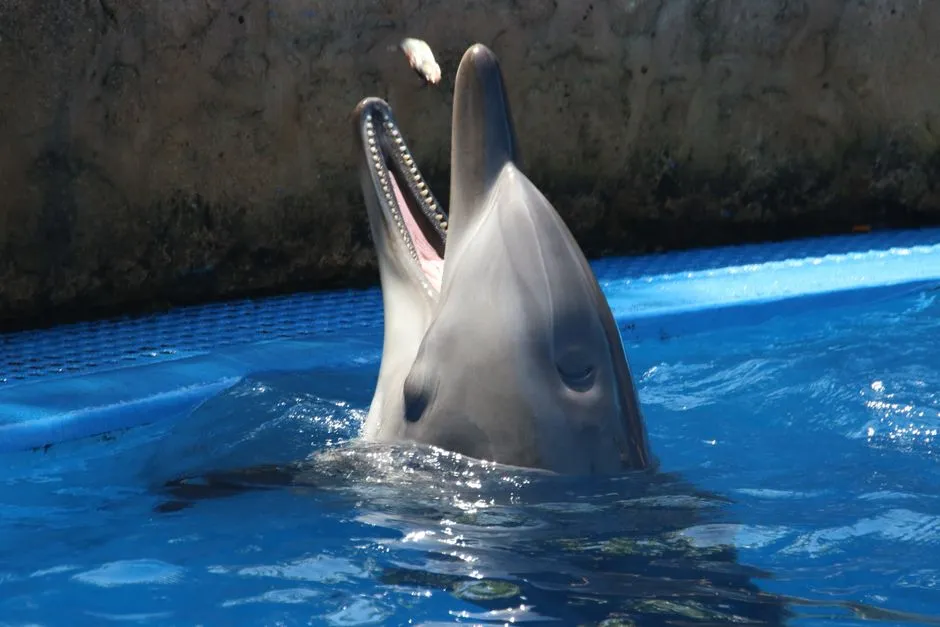
In some cases, dolphins may associate boats with feeding opportunities. Fishing vessels, in particular, can attract dolphins due to the possibility of scavenging discarded fish or taking advantage of the disturbance caused by the boat to hunt prey more effectively. This opportunistic feeding behavior demonstrates the dolphins’ adaptability and intelligence in exploiting available resources.
However, this association can have negative consequences. Dolphins that become accustomed to feeding near boats may be at increased risk of injury from propellers or entanglement in fishing gear. It’s essential for boaters to avoid feeding dolphins to prevent altering their natural behaviors and reducing their reliance on natural hunting practices.
Risks and Conservation Concerns
🔥 Would you like to save this?
We'll email this post to you, so you can come back to it later!
While the sight of dolphins swimming alongside boats is enchanting, it’s important to recognize the potential risks involved. Close interactions with vessels can lead to injuries from collisions or propellers, and the noise generated by boats can disrupt dolphin communication and navigation. Additionally, frequent human interaction may cause stress or habituation, leading dolphins to lose their natural wariness of boats, which can be detrimental to their survival.
Conservation efforts emphasize the importance of responsible boating practices to minimize these risks. Maintaining a safe distance, reducing speed in areas known for dolphin activity, and avoiding feeding or attempting to touch dolphins are crucial steps in protecting these magnificent creatures and ensuring their continued presence in our oceans.
Human-Dolphin Interactions: A Delicate Balance
🔥 Would you like to save this?
We'll email this post to you, so you can come back to it later!
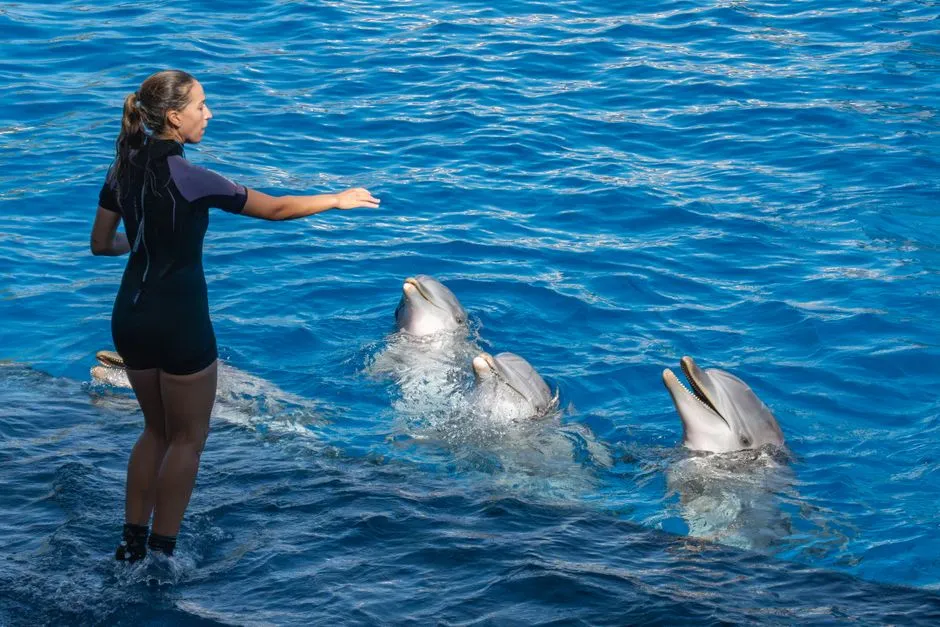
The interactions between humans and dolphins are a testament to the deep connection we share with the natural world. While these encounters can be awe-inspiring, they also come with a responsibility to respect and protect marine life. Understanding the reasons behind dolphins’ behavior allows us to appreciate their intelligence and social complexity while highlighting the need for mindful and ethical interactions.
By fostering a culture of respect and conservation, we can ensure that future generations will continue to experience the joy of witnessing dolphins gracefully accompanying boats across the seas.
Conclusion
🔥 Would you like to save this?
We'll email this post to you, so you can come back to it later!
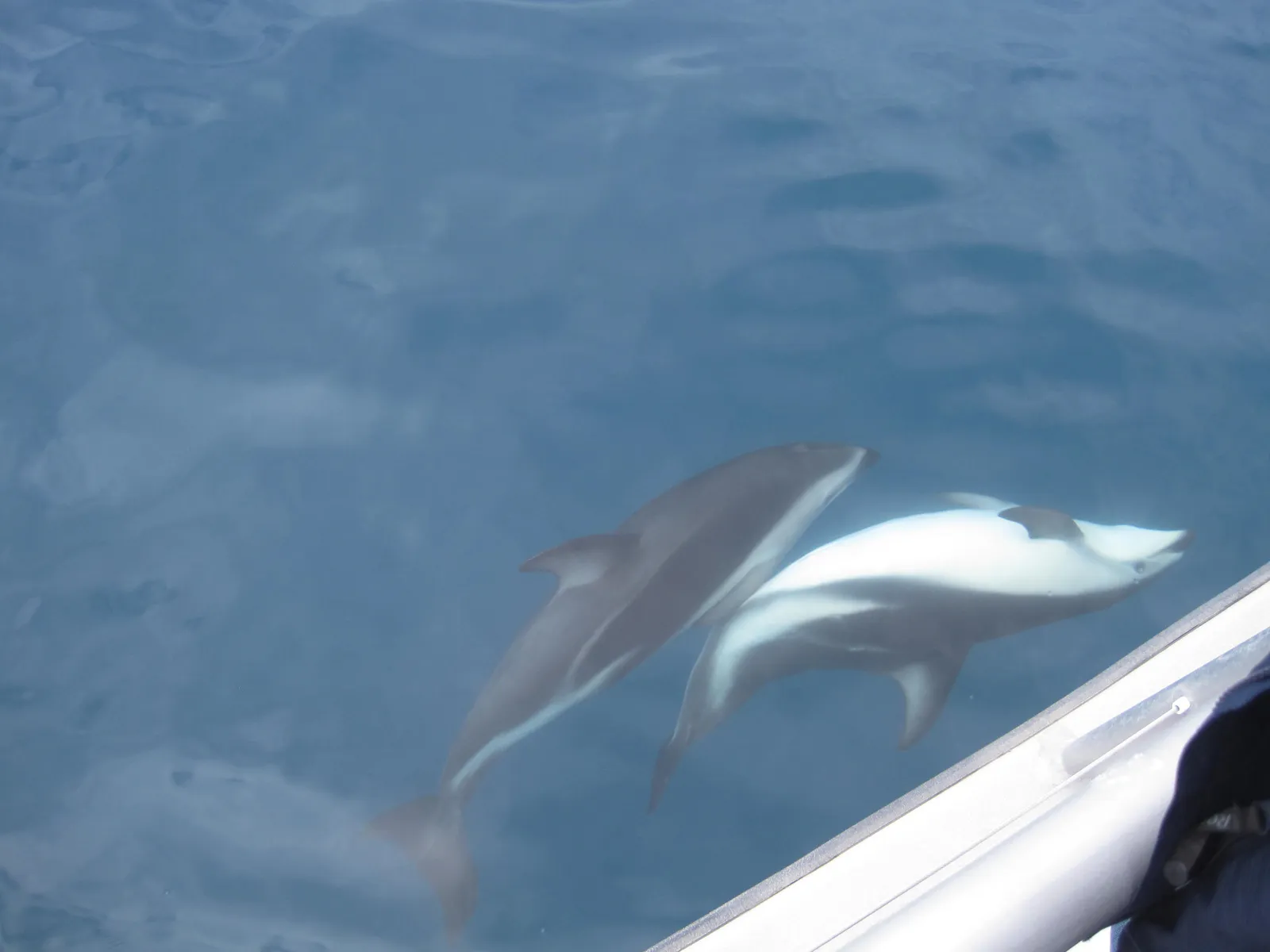
Dolphins swimming alongside boats is a multifaceted behavior driven by energy conservation, curiosity, social bonding, and opportunistic feeding. While these interactions offer a glimpse into the remarkable world of these intelligent marine mammals, they also underscore the importance of responsible human behavior to safeguard their well-being. As stewards of the oceans, it’s our duty to ensure that our presence enhances rather than endangers the lives of the creatures that call the sea their home.
So, the next time you find yourself accompanied by a pod of dolphins on your maritime journey, take a moment to marvel at this extraordinary connection and consider how you can contribute to the preservation of these magnificent beings.

- 7 Everyday Habits That Can Make Your Senior Dog Happier - November 5, 2026
- 10 Enigmatic Structures That Continue to Puzzle Scientists Today - November 5, 2026
- 10 Strange Ruins in the Americas That Challenge What We Know About Early History - November 5, 2026