
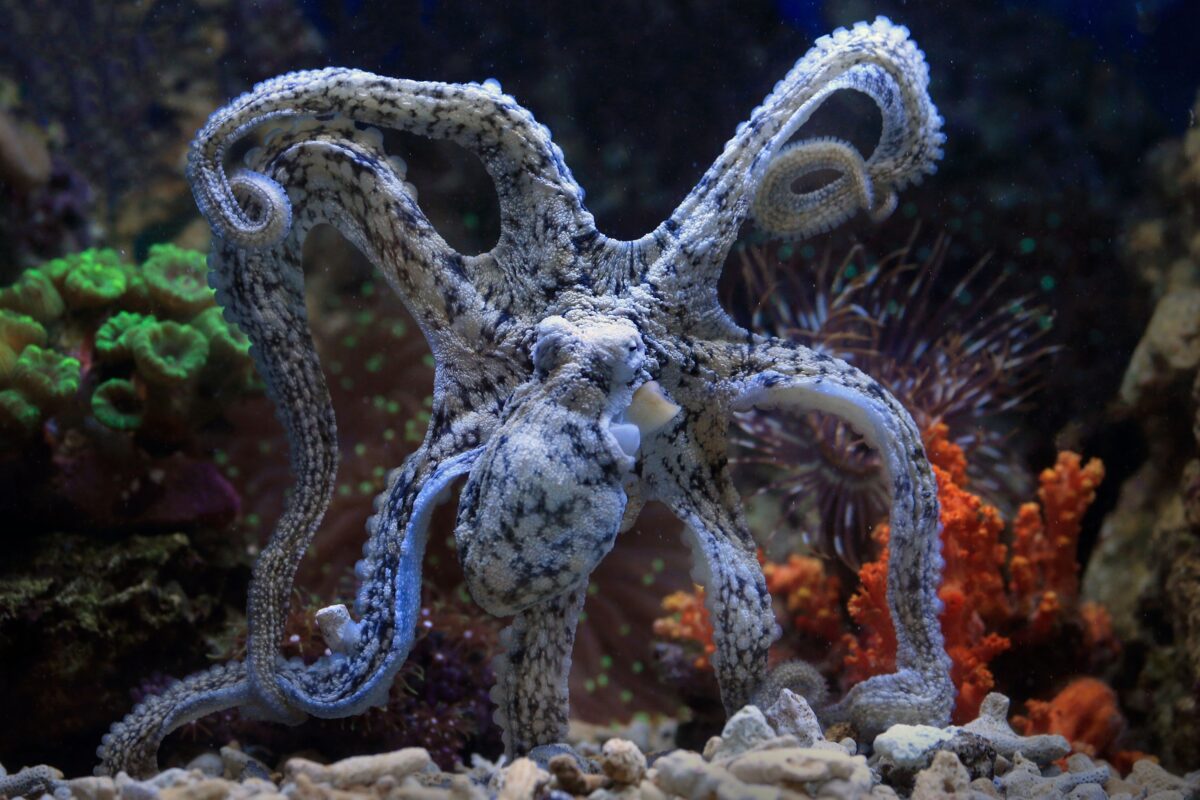
Imagine stumbling upon an underwater scene where an octopus has meticulously arranged shells around its den, creating what appears to be a marine masterpiece. This behavior isn’t just for show; it’s a fascinating glimpse into the complex lives of these intelligent cephalopods. But why do octopuses go to such lengths to decorate their homes ?
Creating a Protective Fortress
🔥 Would you like to save this?
We'll email this post to you, so you can come back to it later!
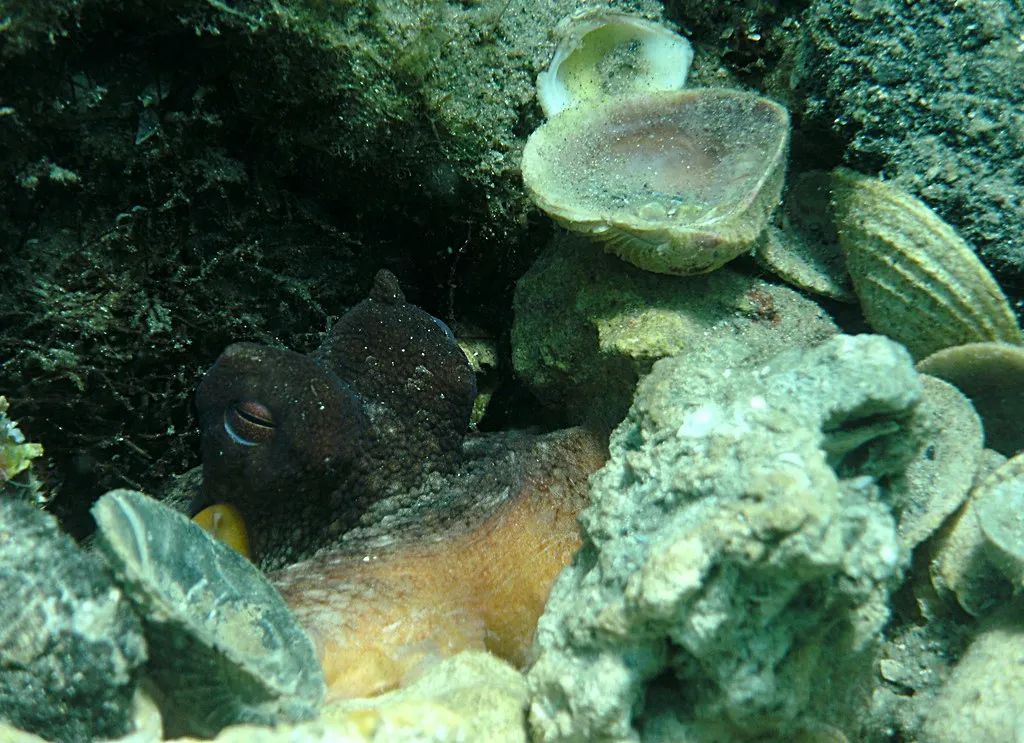
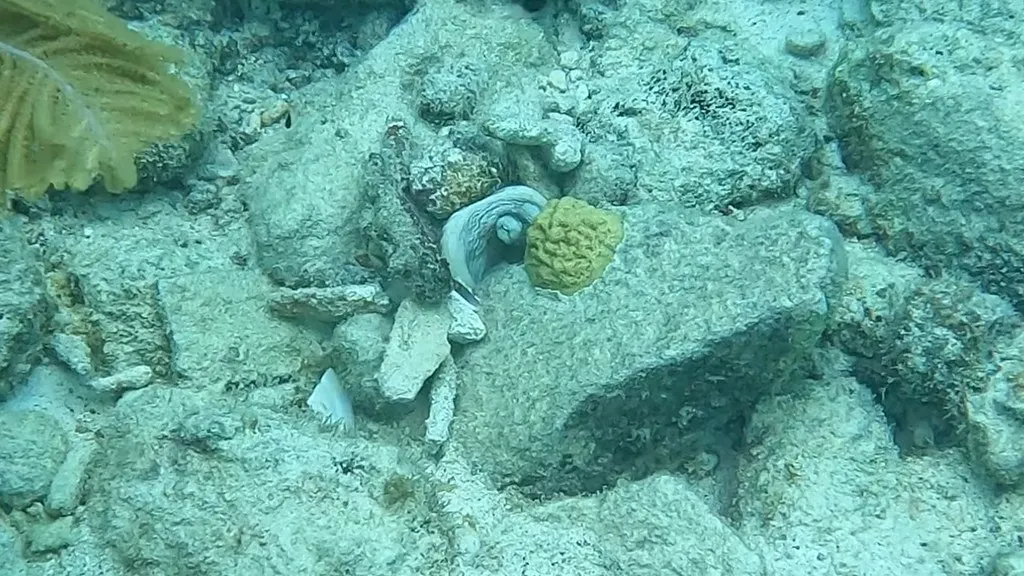
Octopuses, lacking the hard shells that many marine creatures possess, are vulnerable to predators. To compensate, they often construct dens in crevices or burrow into the sea floor. By adorning their entrances with shells and other debris, they effectively camouflage their homes, making it harder for predators to spot them. This strategic use of shells serves as both a disguise and a physical barrier against potential threats.
Beyond camouflage, the accumulation of shells can act as a deterrent. A den surrounded by sharp or bulky shells can be challenging for predators to navigate, providing the octopus with an added layer of security. This behavior showcases the octopus’s ability to manipulate its environment for survival.
Evidence of a Recent Meal
🔥 Would you like to save this?
We'll email this post to you, so you can come back to it later!
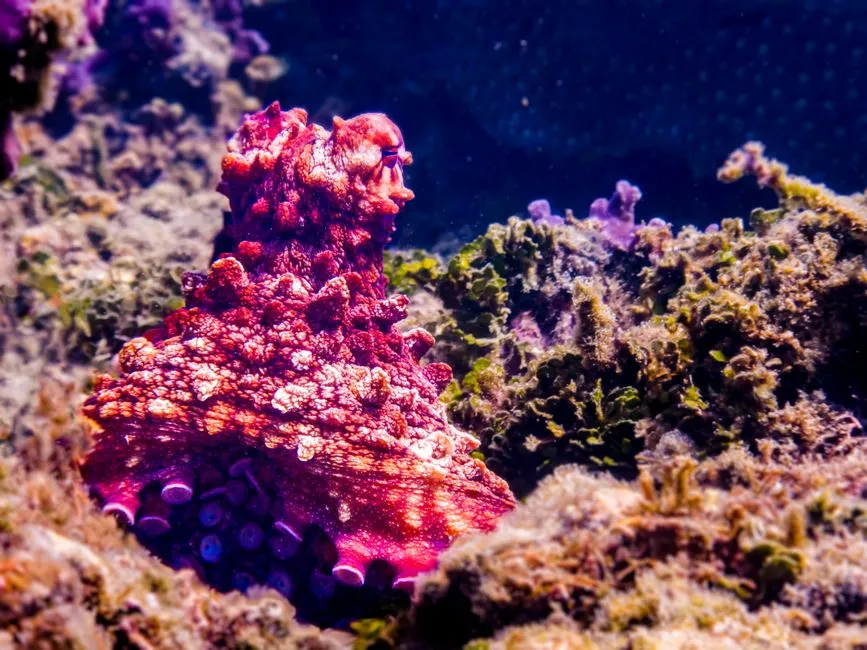
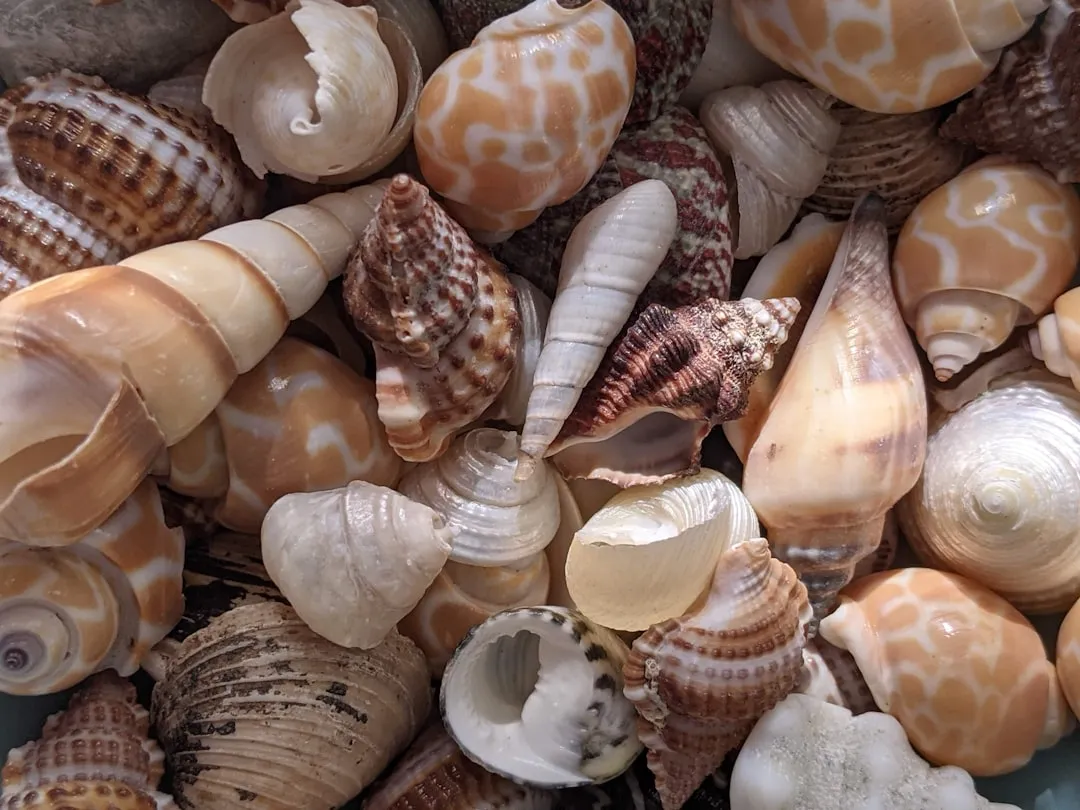
The shells scattered around an octopus’s den often tell the story of its recent dining experiences. After consuming prey like mollusks or crustaceans, octopuses discard the inedible shells near their homes. Over time, these remnants accumulate, forming a visible record of the octopus’s diet and hunting prowess.
This collection, sometimes referred to as an “octopus’s garden,” isn’t just incidental. The presence of these shells can signal to other marine creatures that the area is occupied, potentially deterring intruders. It’s a natural way for the octopus to mark its territory without direct confrontation.
Tools for Den Construction
🔥 Would you like to save this?
We'll email this post to you, so you can come back to it later!
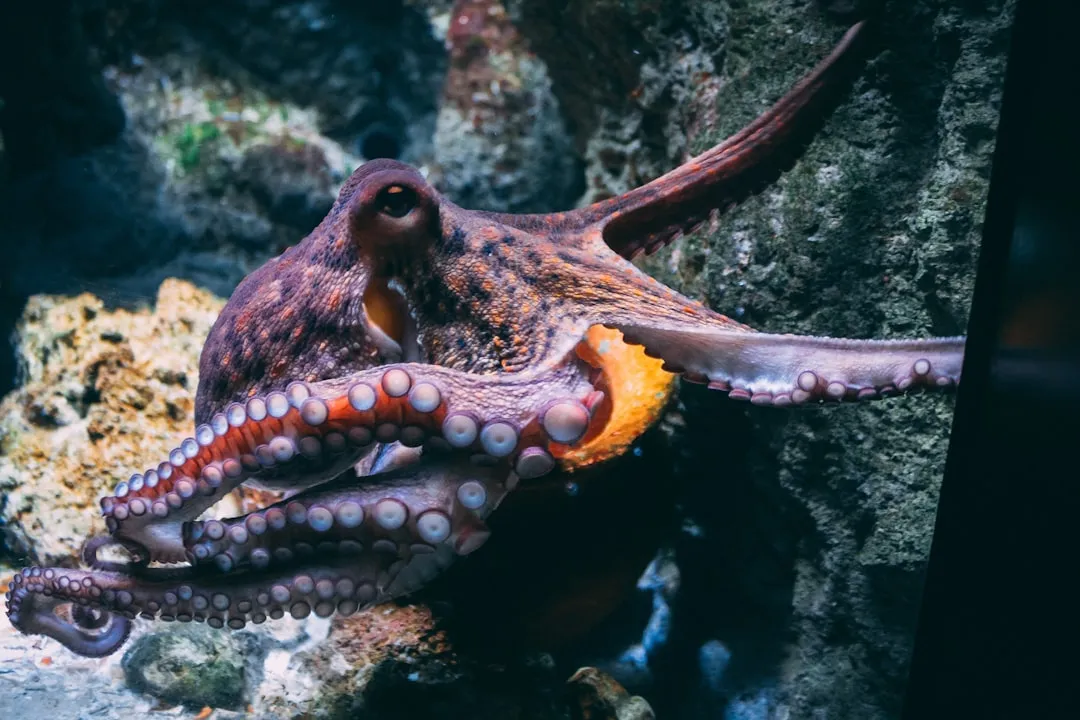
Octopuses are renowned for their problem-solving abilities and use of tools. In some instances, they’ve been observed selecting and arranging shells to construct or reinforce their dens. By strategically placing shells, they can create more stable and secure shelters, showcasing their ingenuity and adaptability.
This behavior underscores the octopus’s capacity to interact with its environment in complex ways. It’s not merely about survival; it’s about creating a living space that meets their specific needs, reflecting a level of environmental manipulation that’s rare among invertebrates.
Attracting Potential Mates
🔥 Would you like to save this?
We'll email this post to you, so you can come back to it later!
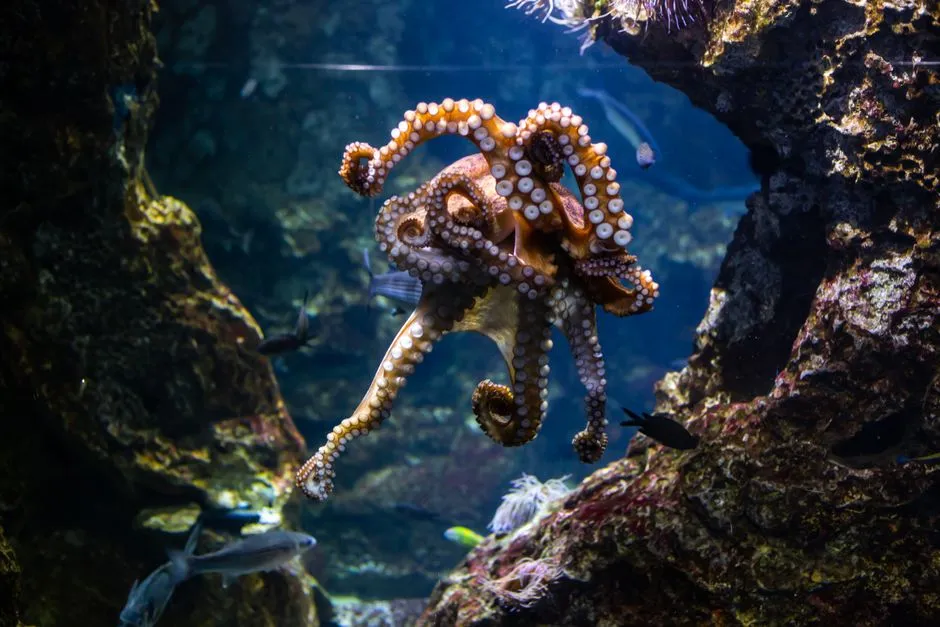
While the primary reasons for decorating dens are practical, there’s speculation that these shell arrangements might also play a role in attracting mates. A well-maintained and adorned den could signal to potential partners that the resident octopus is healthy and resourceful, traits desirable for reproduction.
However, this theory requires more research. The intricate behaviors of octopuses continue to intrigue scientists, and understanding the nuances of their den decorations could shed light on their complex social interactions.
Reflecting Cognitive Complexity
🔥 Would you like to save this?
We'll email this post to you, so you can come back to it later!
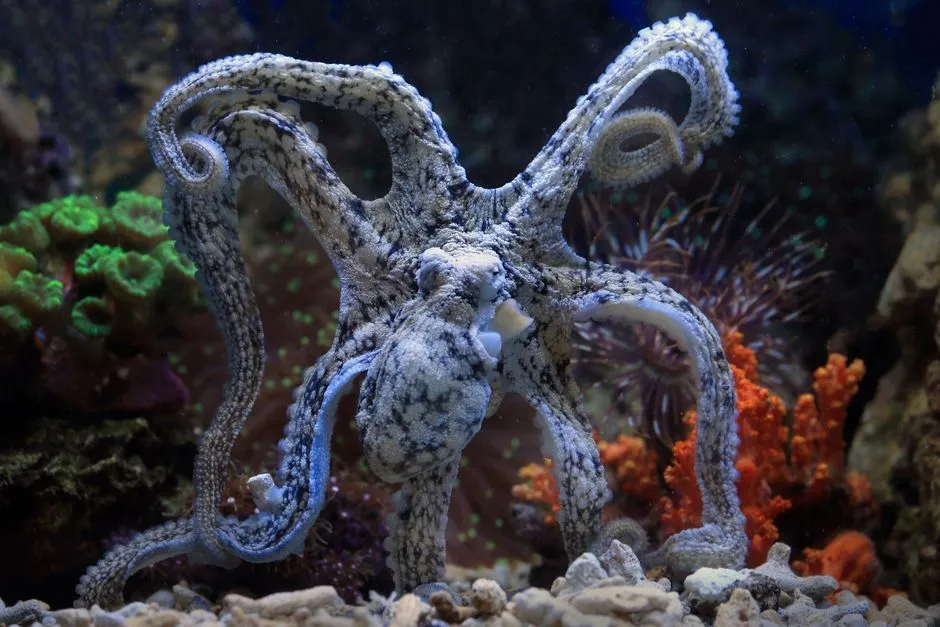
The act of decorating dens with shells is a testament to the cognitive abilities of octopuses. Such behaviors indicate planning, problem-solving, and an understanding of their environment. It’s a clear demonstration that these creatures are far more than simple sea dwellers; they’re intelligent beings with behaviors that challenge our understanding of invertebrate cognition.
Observing an octopus meticulously arranging shells offers a glimpse into a mind that’s both alien and familiar. It prompts us to reconsider the boundaries of intelligence in the animal kingdom and appreciate the diverse forms it can take.
Environmental Interaction and Adaptation
🔥 Would you like to save this?
We'll email this post to you, so you can come back to it later!
Octopuses’ use of shells to decorate their dens highlights their remarkable ability to adapt to and manipulate their surroundings. In environments where suitable hiding spots are scarce, they create their own by gathering and arranging materials. This adaptability ensures their survival in diverse habitats, from coral reefs to sandy ocean floors.
Their interactions with the environment are not passive; they’re active participants, constantly modifying their surroundings to suit their needs. This dynamic relationship underscores the complexity of their behaviors and their role as keystone species in marine ecosystems.
Conclusion
🔥 Would you like to save this?
We'll email this post to you, so you can come back to it later!
The practice of octopuses decorating their dens with shells is a multifaceted behavior that serves purposes ranging from protection and camouflage to potential social signaling. It reflects their intelligence, adaptability, and intricate relationship with their environment. As we continue to study these enigmatic creatures, we uncover layers of complexity that challenge our perceptions of marine life. Isn’t it fascinating how a simple shell can reveal so much about the mind of an octopus?

- 7 Everyday Habits That Can Make Your Senior Dog Happier - November 5, 2026
- 10 Enigmatic Structures That Continue to Puzzle Scientists Today - November 5, 2026
- 10 Strange Ruins in the Americas That Challenge What We Know About Early History - November 5, 2026