
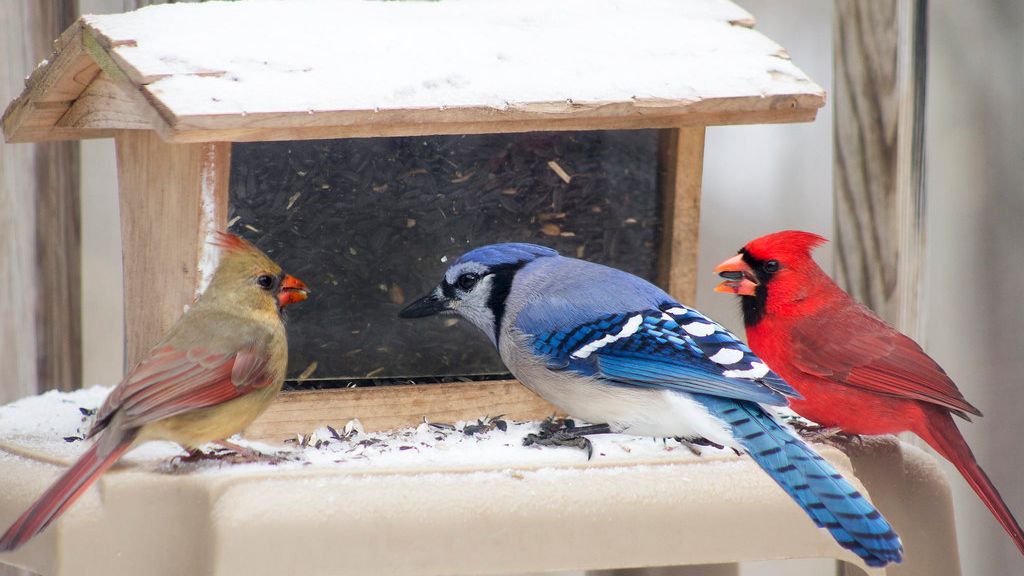
Spotting a flash of blue and red clashing near the feeder can stop a person mid step. Those bright colors and sudden bursts of motion suggest more than random squabbling. The scene often points to deeper patterns of survival that play out in backyards across much of North America.
The Two Birds at the Center of the Action
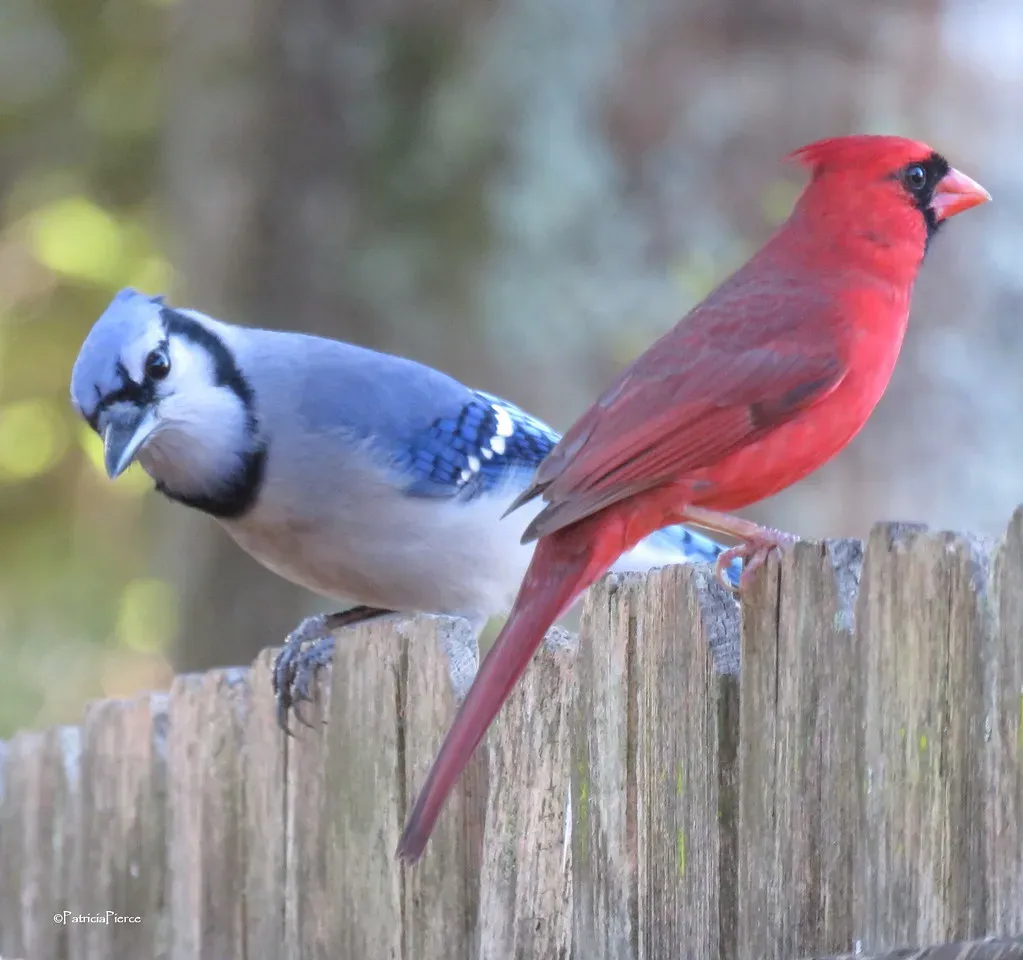
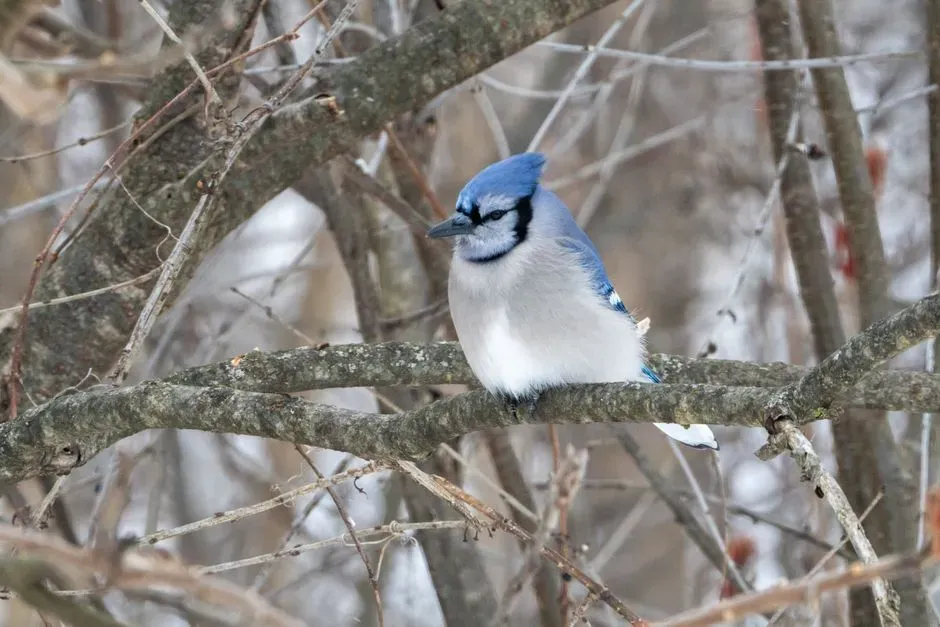
Blue jays belong to the crow family and bring sharp intelligence along with a bold presence to any yard. Their striking blue plumage and crested heads make them easy to recognize even from a distance. Cardinals, by contrast, carry a quieter elegance with their rich red feathers and melodic songs that often fill the morning air.
Both species thrive in suburban and rural settings where trees, shrubs, and bird feeders provide steady support. They overlap in range across much of the eastern and central United States and parts of southern Canada. This shared territory sets the stage for occasional clashes when resources run tight.
Why These Encounters Happen in the First Place
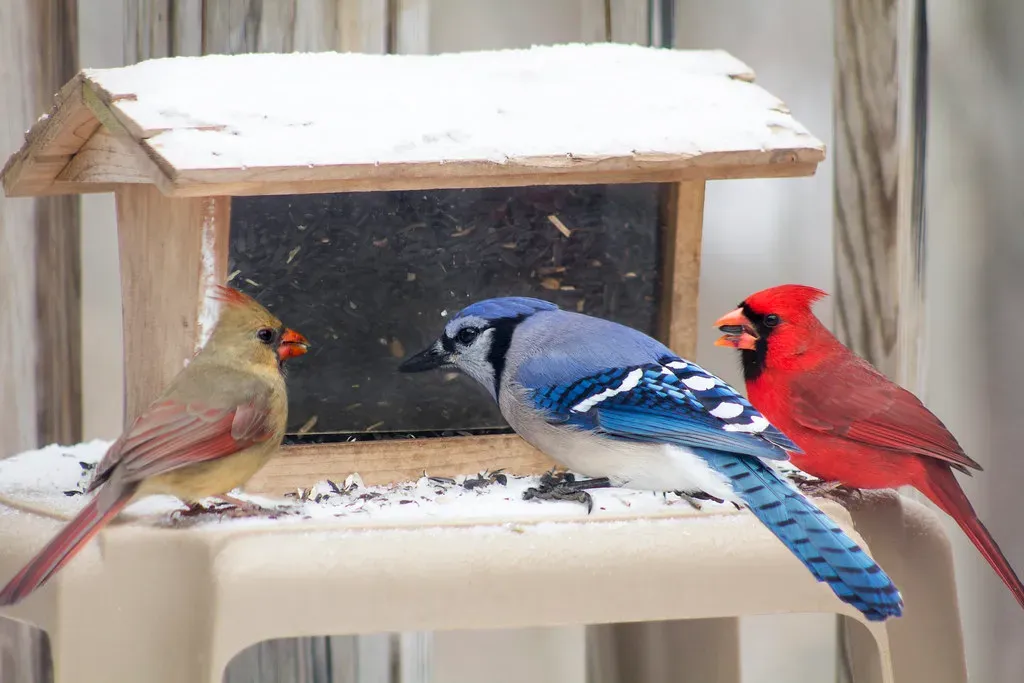
Most fights stem from competition over food sources that both birds find appealing. Sunflower seeds, peanuts, and insects draw them to the same spots, especially during colder months when natural supplies dwindle. A dominant blue jay may chase a cardinal away from a prime feeder perch to secure its share.
Cardinals defend their chosen areas with equal determination once they claim a spot. The disputes rarely last long, yet they reveal how each species protects its access to calories needed for daily survival. Observers often notice these moments peak around dawn and dusk when activity levels rise.
Territory and Nesting Pressures at Work
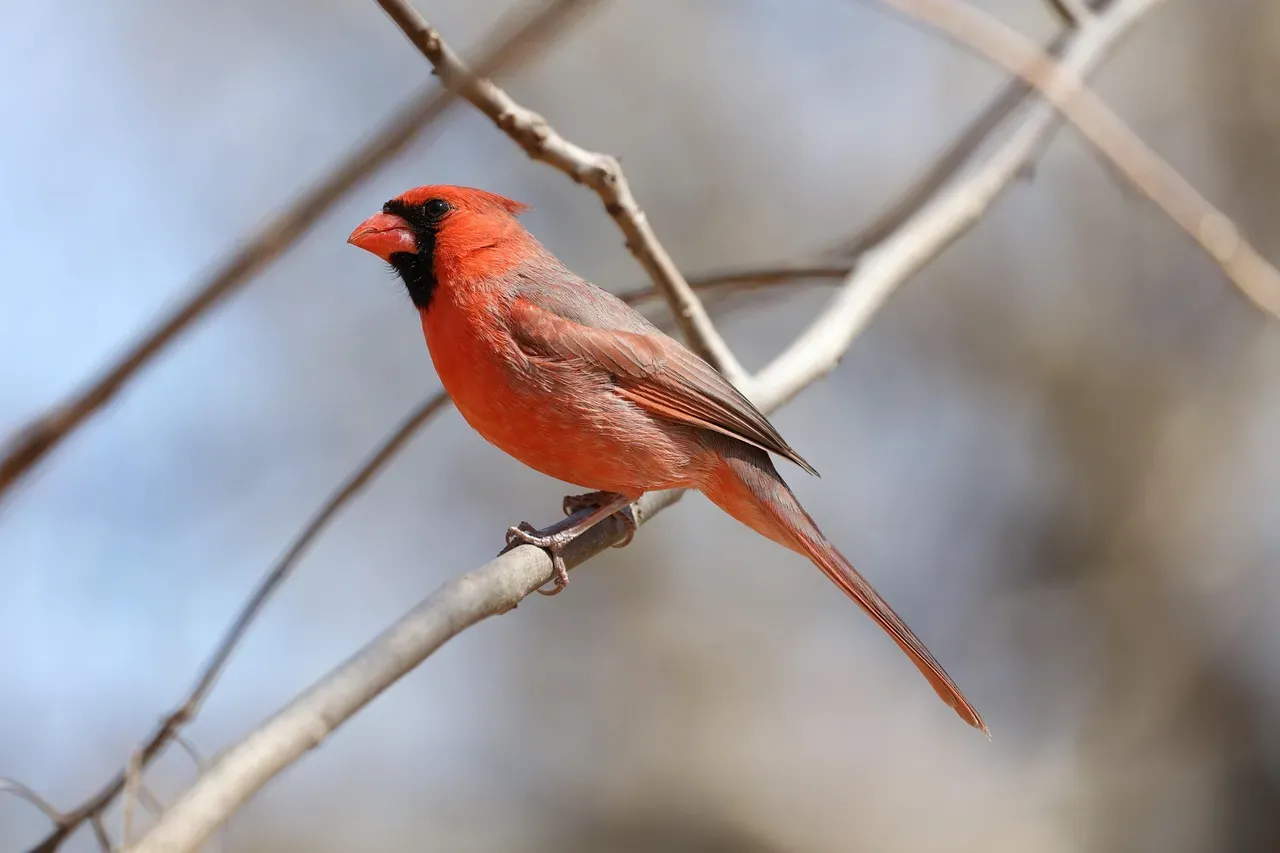
During breeding season the stakes climb higher as both birds seek safe nesting sites. Blue jays prefer higher branches in dense foliage while cardinals favor lower shrubs and thickets. Overlap in preferred locations can trigger chases that look dramatic from below.
Parents of either species become especially protective once eggs or young appear. A passing cardinal near a jay nest or vice versa can spark a brief aerial pursuit. These behaviors help ensure the next generation has the space and quiet needed to thrive.
Seasonal Patterns That Shape the Rivalry
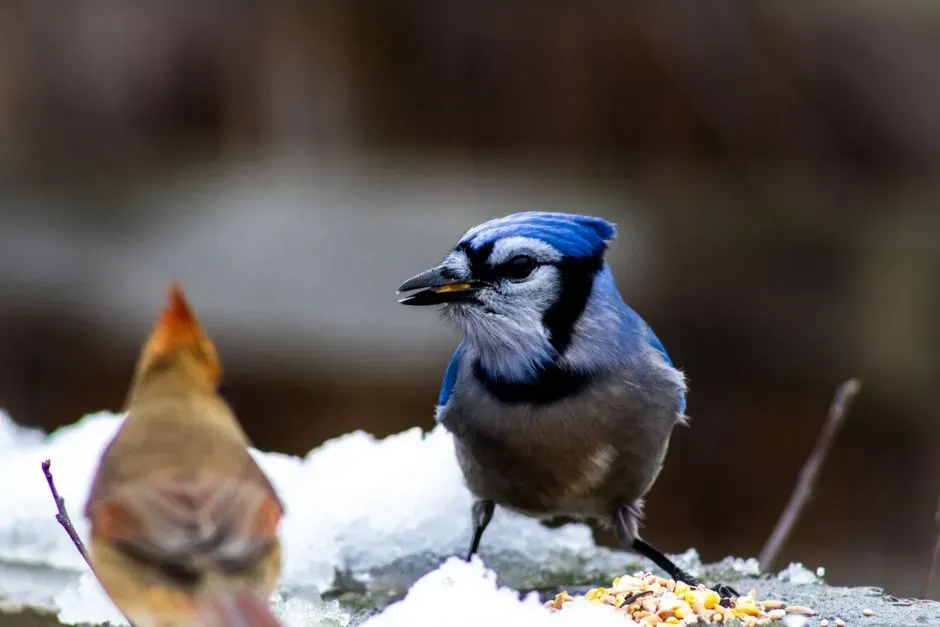
Winter brings more visible conflicts because concentrated food sources like feeders become lifelines. Birds that might ignore one another in summer suddenly compete when snow covers the ground. Spring and fall migrations add another layer as transient individuals pass through established territories.
Summer tends to calm things down once abundant insects and berries spread the birds across wider areas. The rhythm of these changes follows predictable cycles tied to weather and daylight length. Watching over multiple seasons shows how the same yard can host very different levels of tension depending on the month.
How Backyard Observers Can Interpret the Scenes
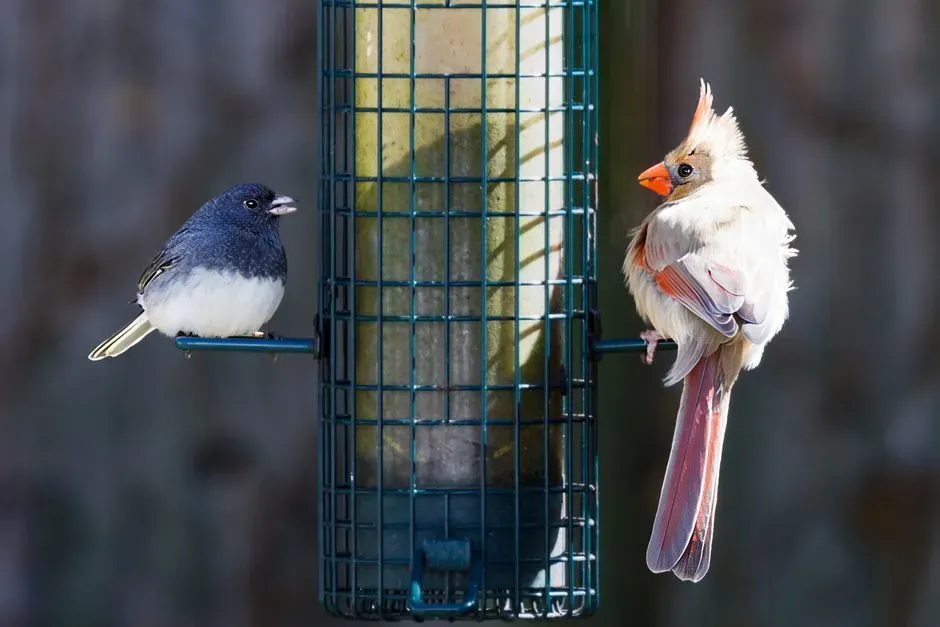
Repeated fights near a feeder often signal that the space offers high value resources worth defending. Single incidents usually resolve quickly and do not indicate ongoing danger to either species. Noting the time of year and available food helps place the behavior in context.
Many people find these moments fascinating because they offer a window into wild instincts playing out close to home. Simple adjustments like spreading multiple feeders or adding native plants can reduce pressure points. The birds continue their routines with less direct confrontation once options increase.
Practical Steps to Support Both Species
Planting a mix of seed bearing plants and berry shrubs gives each bird natural choices beyond the feeder. Providing water sources at different heights also spreads activity across the yard. Keeping cats indoors and limiting pesticide use protects the insects that both species rely on during nesting.
Consistent observation over weeks reveals individual personalities and preferred routes. Some cardinals learn to visit early while jays dominate later in the day. Small changes in setup often lead to more peaceful coexistence without removing either bird from the scene.
Appreciating the Balance These Birds Represent
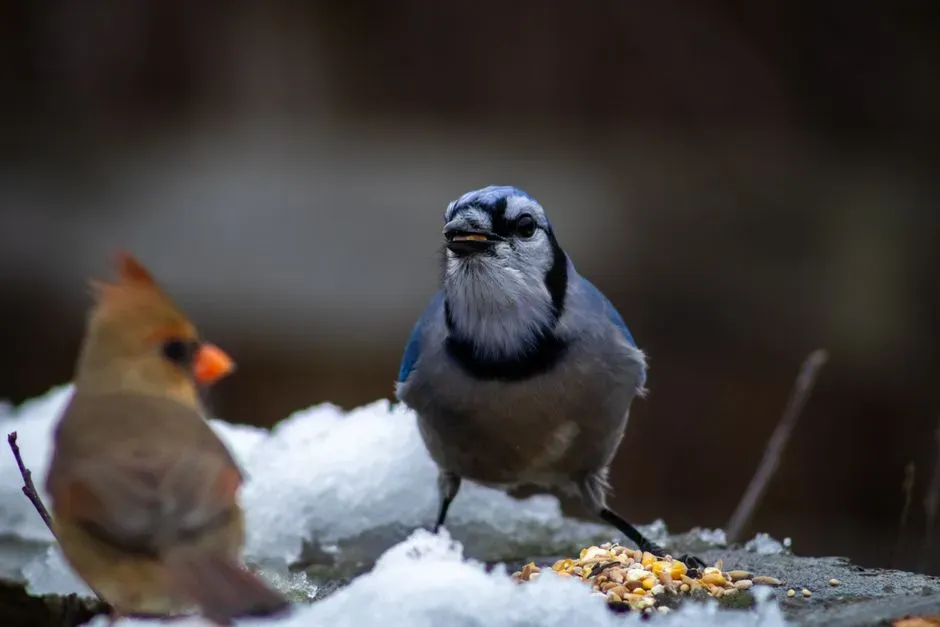
Witnessing these interactions reminds us that even familiar backyard birds follow ancient rules of resource management. The flashes of color and brief chases reflect strategies refined over countless generations. Rather than viewing the rivalry as a problem, many find it adds life and movement to an ordinary space.
Over time the presence of both species signals a healthy environment capable of supporting diverse wildlife. Their continued visits depend on the small choices people make about planting, feeding, and protecting habitat. In the end the yard becomes a living example of how competition and coexistence shape the natural world right outside the window.

- 8 Ways Bobcats Move Through Suburbs Without Being Seen - August 9, 2026
- 7 Reasons Black Bears Return to the Same Food Source - August 9, 2026
- Animal Cognition Says Horses Remember People Who Treated Them Well and Those Who Did Not - August 9, 2026