
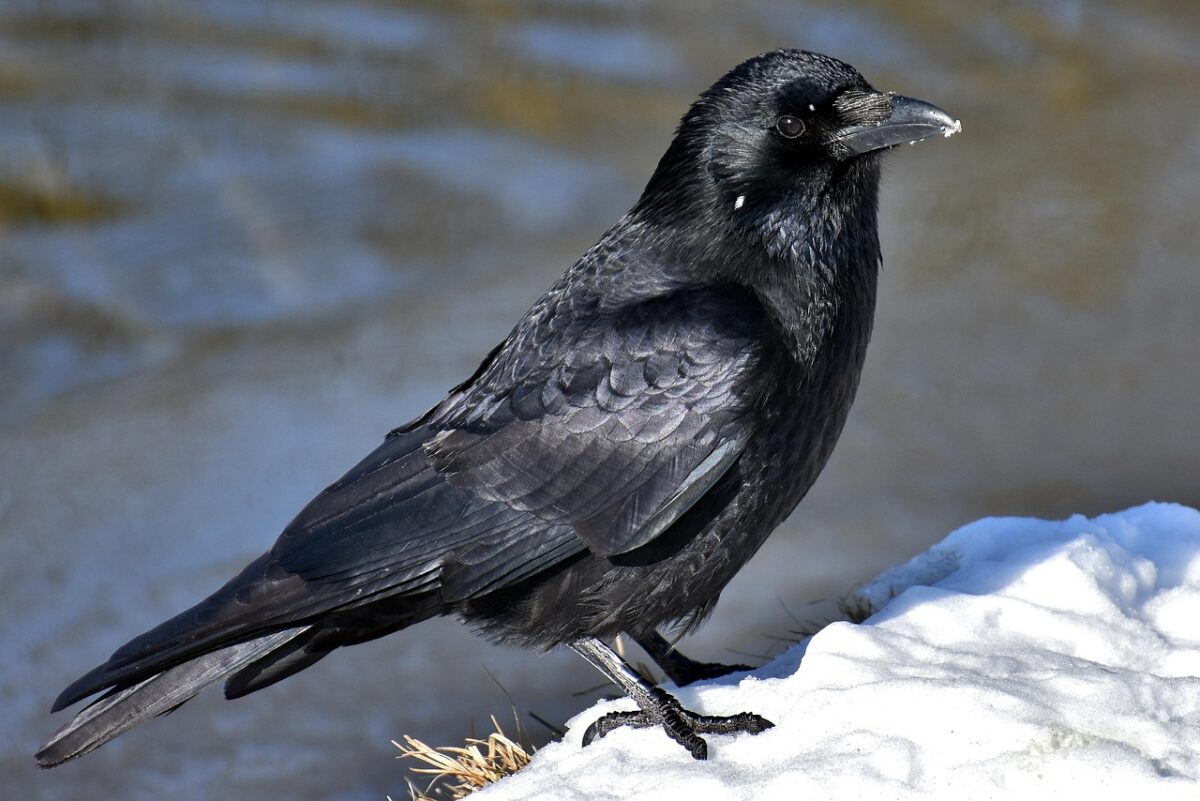
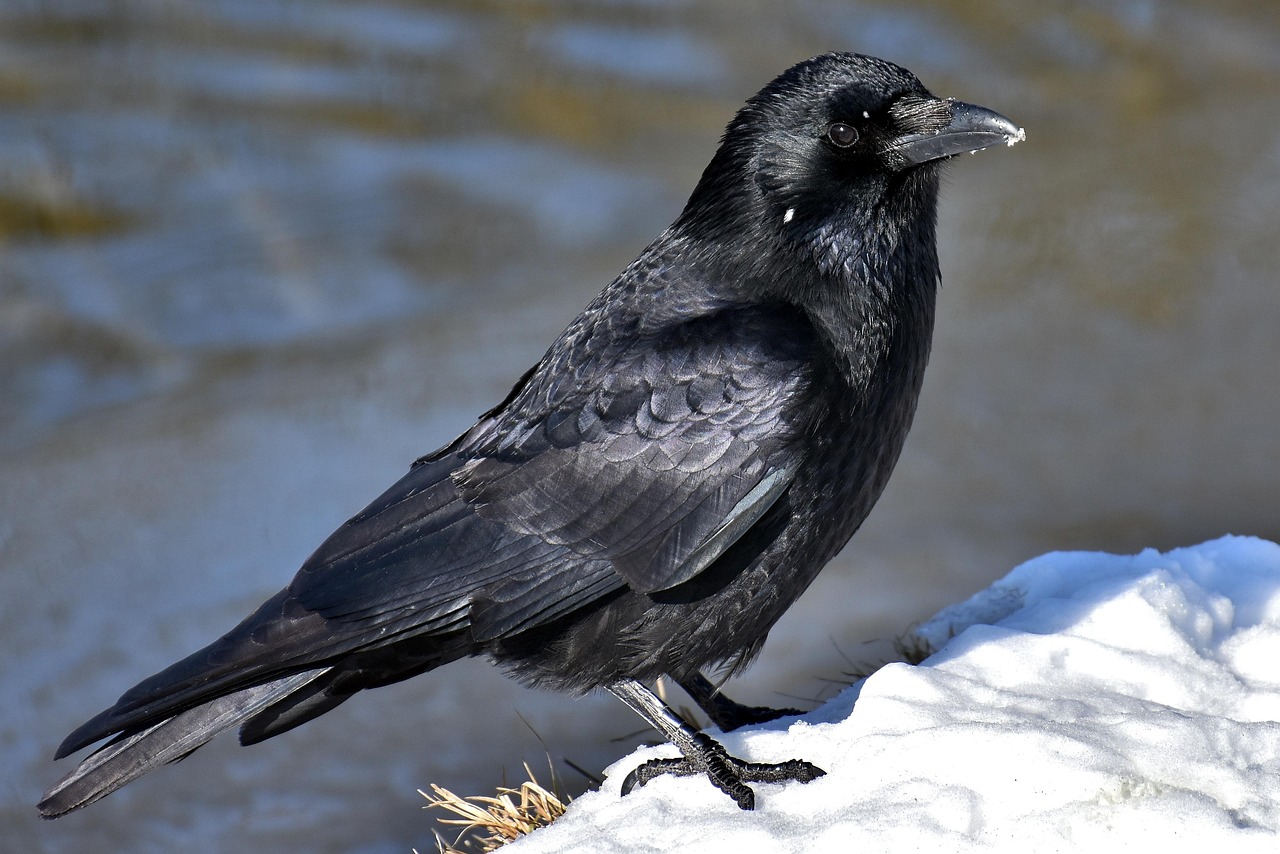
Imagine stepping out your door each morning, only to find a crow perched nearby, its sharp eyes fixed on you. Day after day, this enigmatic bird seems to shadow your movements, sparking curiosity and perhaps a touch of unease. Is it mere coincidence, or is there a deeper significance to this avian attention?
Crows’ Remarkable Memory and Recognition Skills
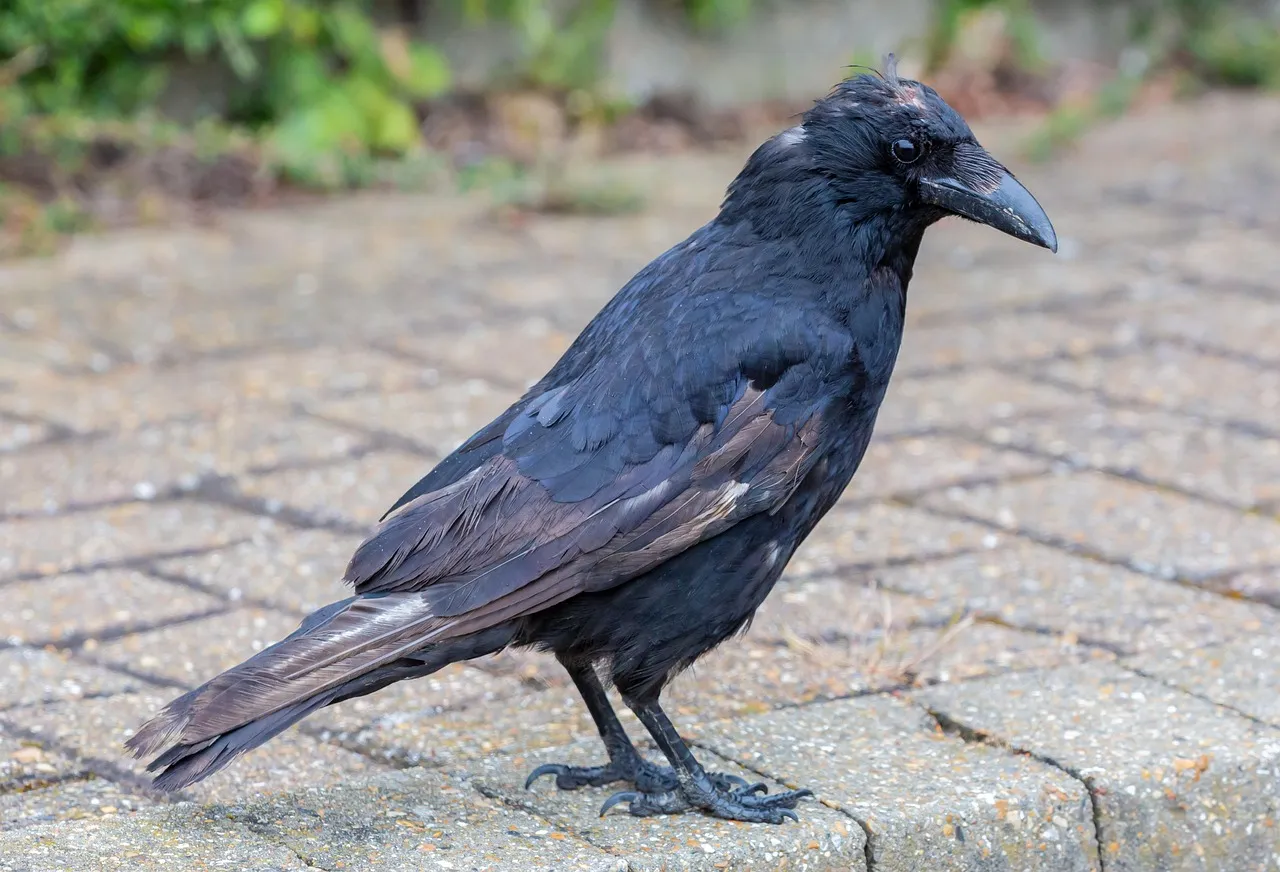
Crows are not just ordinary birds; they possess an extraordinary ability to recognize and remember human faces. Studies have shown that crows can distinguish individual humans and recall their interactions for years. This means that if you’ve had a notable encounter with a crow – be it positive or negative – it’s likely to remember you and act accordingly in future interactions.
For instance, if you’ve fed a crow or provided it with food, it may associate you with a reliable food source and follow you in hopes of more treats. Conversely, if a crow perceives you as a threat, it might keep a watchful eye on you to ensure its safety.
Associating Humans with Food Sources
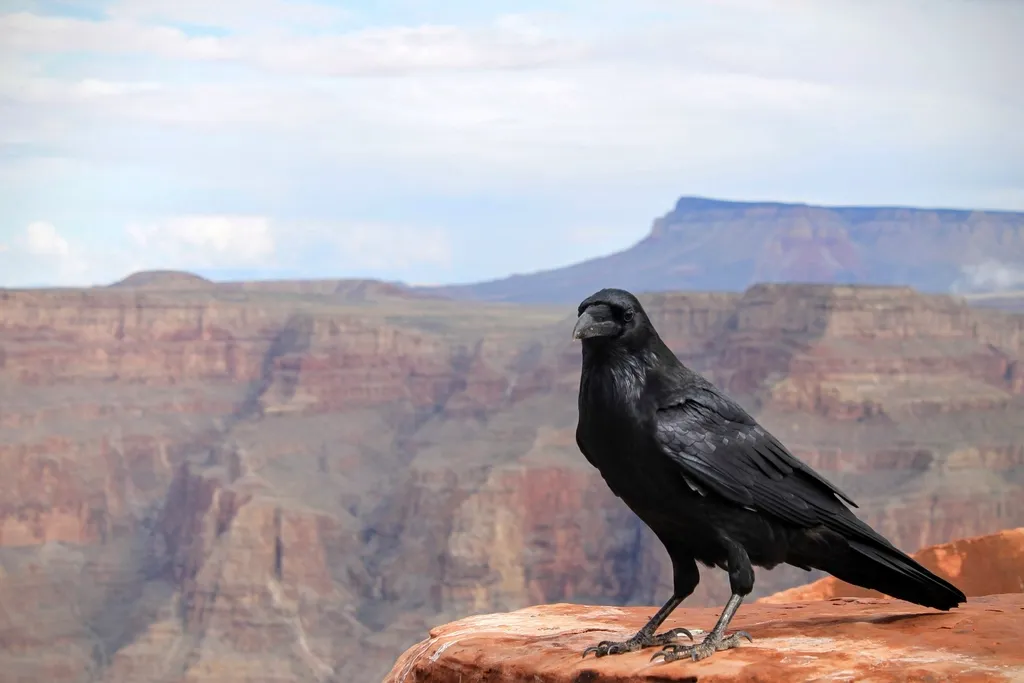
Crows are opportunistic feeders, often scavenging in human habitats for easy meals. If a crow has observed you discarding food or feeding other animals, it might start following you, anticipating similar opportunities. This behavior is a testament to their adaptability and keen observational skills.
In urban environments, crows have learned to exploit human activities to their advantage. They frequent areas like parks, streets, and even backyards, always on the lookout for potential food sources. Your daily routines might inadvertently signal to a crow that you’re a provider of sustenance.
Territorial Behavior and Nest Protection
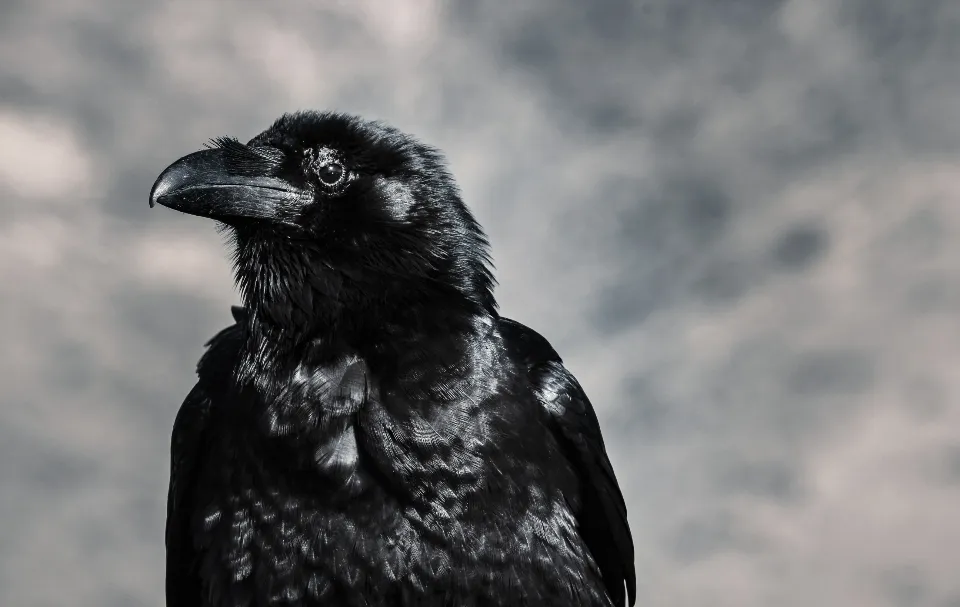
During nesting season, crows become particularly territorial and protective of their young. If your daily path intersects with a crow’s nesting area, it might follow you to monitor your movements and ensure you don’t pose a threat to its offspring.
This protective behavior is not limited to direct threats; even perceived intrusions can trigger a crow’s vigilance. Understanding this can help you navigate areas with active nests more cautiously, reducing potential conflicts with these intelligent birds.
Curiosity and Social Learning
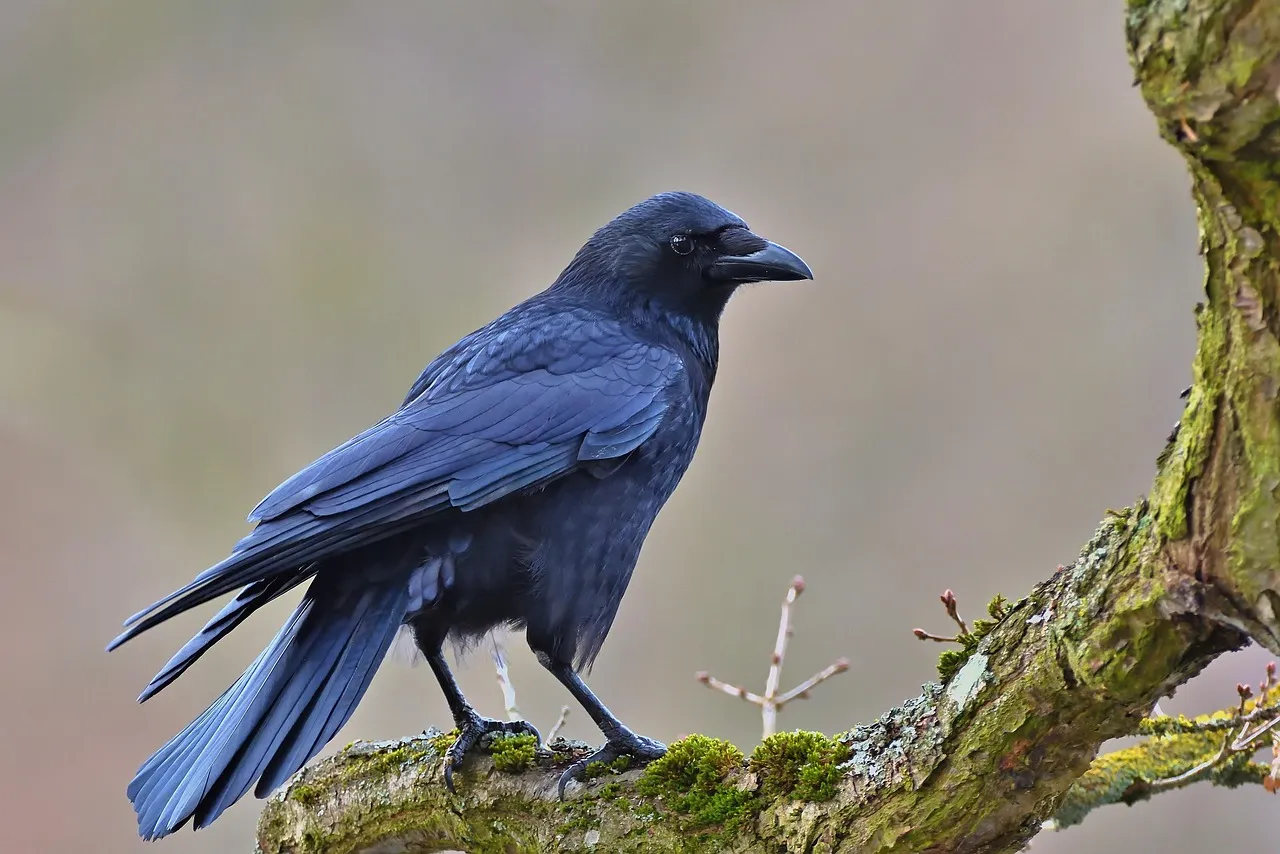
Crows are inherently curious creatures. They observe and learn from their environment, including human behaviors. A crow following you might simply be intrigued by your actions, especially if they deviate from the norm or involve objects that pique its interest.
Moreover, crows engage in social learning, where they share information within their community. If one crow finds you interesting or beneficial, others might join in, leading to multiple crows observing or following you over time.
Interpreting Crow Behavior: Superstition vs. Science
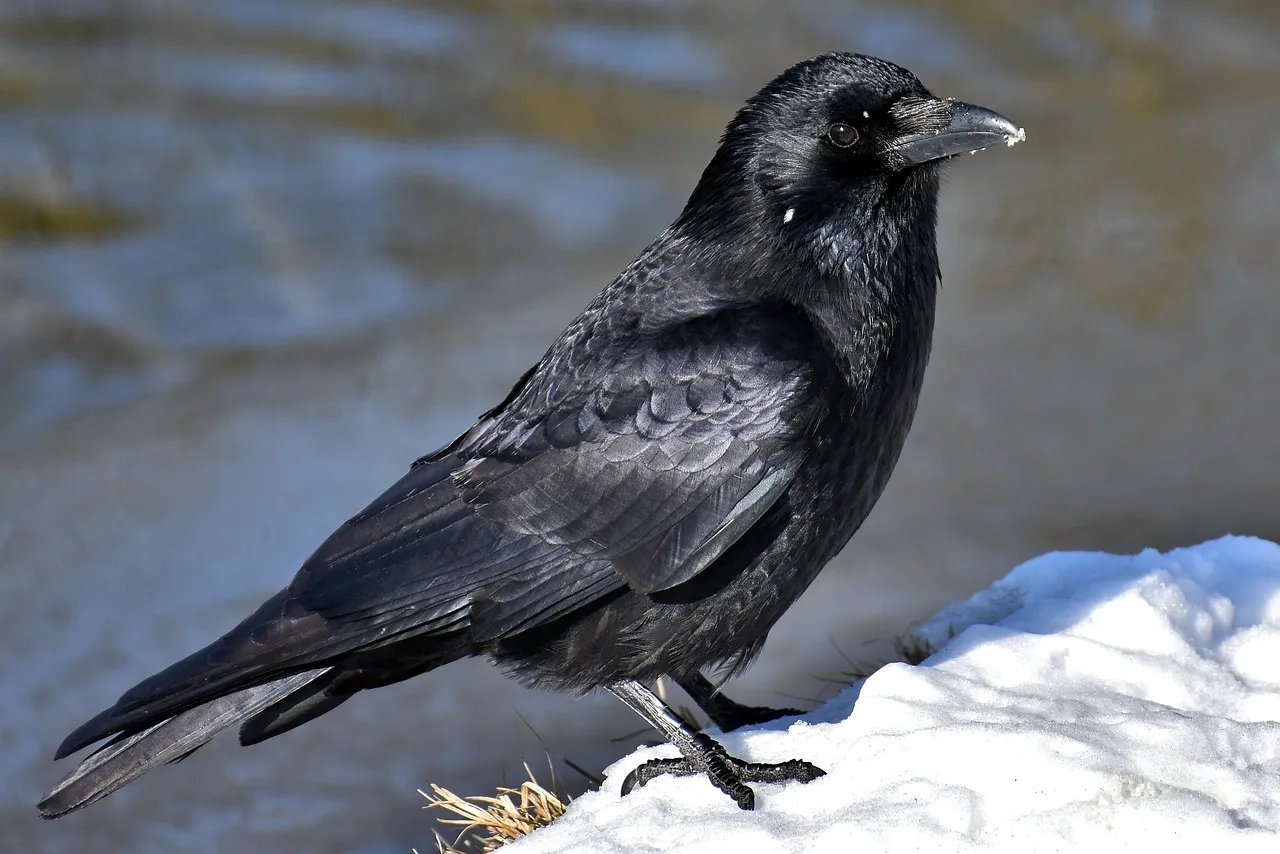
Throughout history, crows have been enveloped in folklore and superstition, often symbolizing omens or messages from the beyond. While these tales add a layer of mystique, behavioral science offers more grounded explanations for their actions.
Understanding the cognitive abilities and behaviors of crows allows us to appreciate their interactions with humans without resorting to myths. Recognizing that a crow following you is likely a result of learned associations or natural curiosity can demystify the experience and foster a greater appreciation for these intelligent birds.
How to Respond to a Crow’s Attention
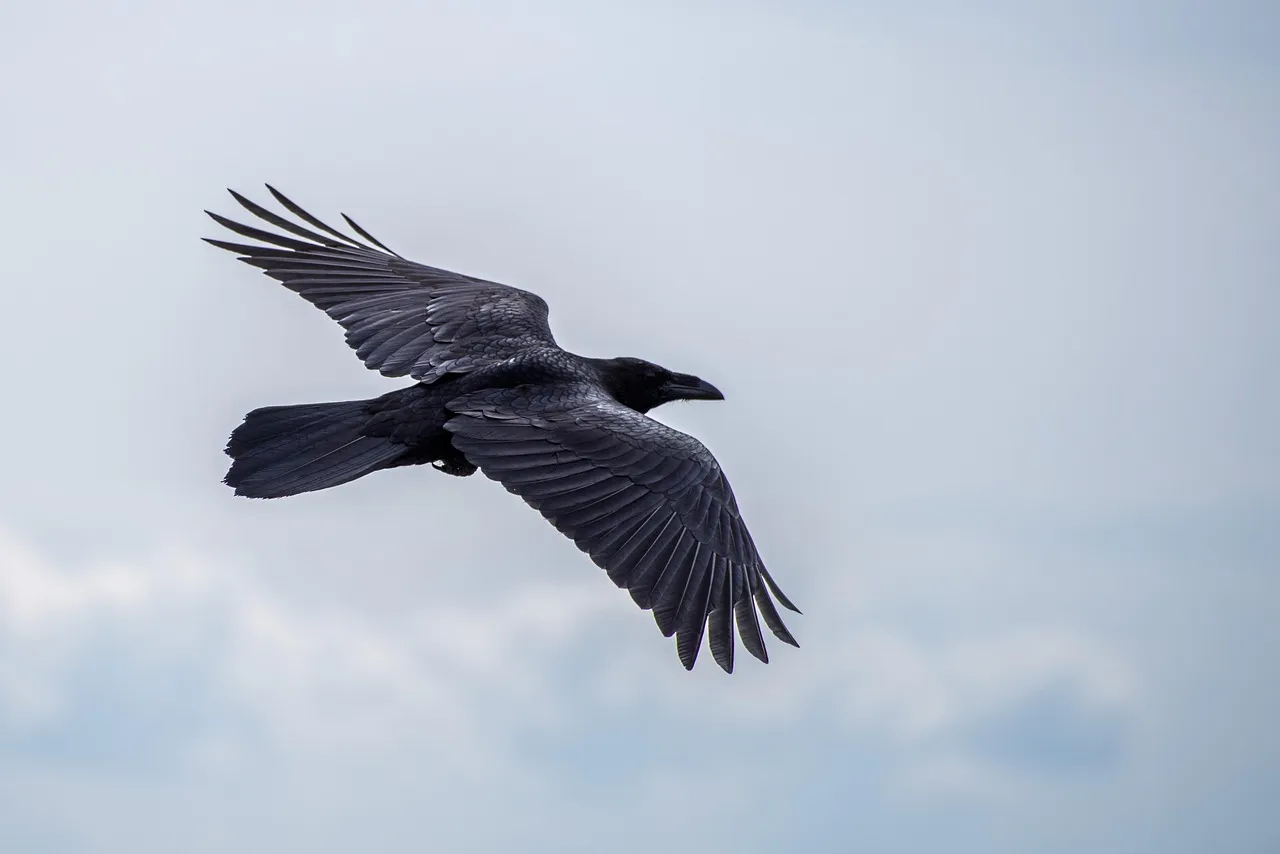
If you find yourself the subject of a crow’s persistent attention, consider your recent interactions with the bird. Have you fed it? Have you been near its nesting area? Reflecting on these questions can provide insights into its behavior.
To discourage unwanted attention, avoid feeding crows and maintain a respectful distance, especially during nesting season. If the crow’s behavior becomes aggressive, it’s best to calmly leave the area and avoid actions that might be perceived as threatening.
Embracing Coexistence with Crows
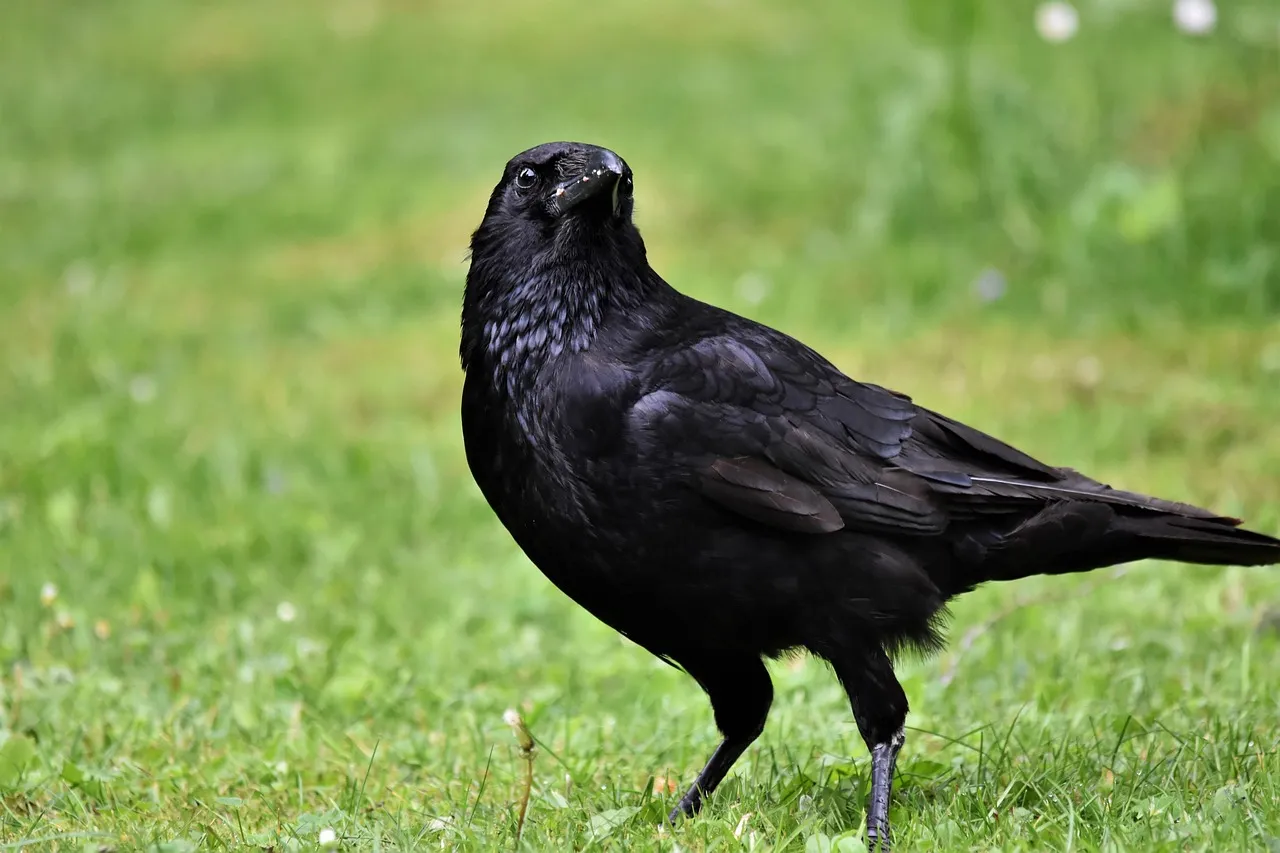
Sharing our environment with crows offers a unique opportunity to observe and learn from one of nature’s most intelligent creatures. By understanding their behaviors and respecting their space, we can coexist harmoniously and even find joy in these daily encounters.
Next time a crow crosses your path, consider it a reminder of the intricate connections between humans and wildlife. What might this intelligent bird be teaching you about observation, memory, and the art of coexistence?
