

You’re going about your day, doing the usual, and suddenly you realize your dog hasn’t moved more than three feet away from you in hours. No matter where you walk, there’s that familiar shadow, warm and persistent, staring up at you with those impossibly earnest eyes. It’s endearing, sure. Occasionally a little startling too, especially when you nearly trip over them on your way to the kitchen.
But here’s what most dog owners don’t stop to ask: why today? Why not yesterday, or last week? What is it about certain days that turns your otherwise independent dog into something practically sewn to your hip? The answers are more fascinating than you might expect, and some of them might honestly change the way you see your relationship with your dog altogether. Let’s dive in.
They Have a Name for It and It’s Called “Velcro Dog” Behavior

A velcro dog is a term used to describe dogs who are overly attached and clingy with their owners. Velcro dogs usually follow their owners from room to room, refuse to leave them alone, and become anxious when separated. Think of it like that one coworker who can’t function unless their desk is next to yours. Lovable? Yes. Occasionally overwhelming? Also yes.
If you refer to your canine companion as your shadow, you’re likely the pet parent of a velcro dog. Named after the popular hook-and-loop fastener, this type of behavior expressed by a dog toward their human companion is often described as clingy, but oh so loving, too. The important thing to understand is that velcro behavior on certain days specifically, rather than every single day, often signals something more meaningful is going on.
Your Dog Can Literally Smell Your Stress
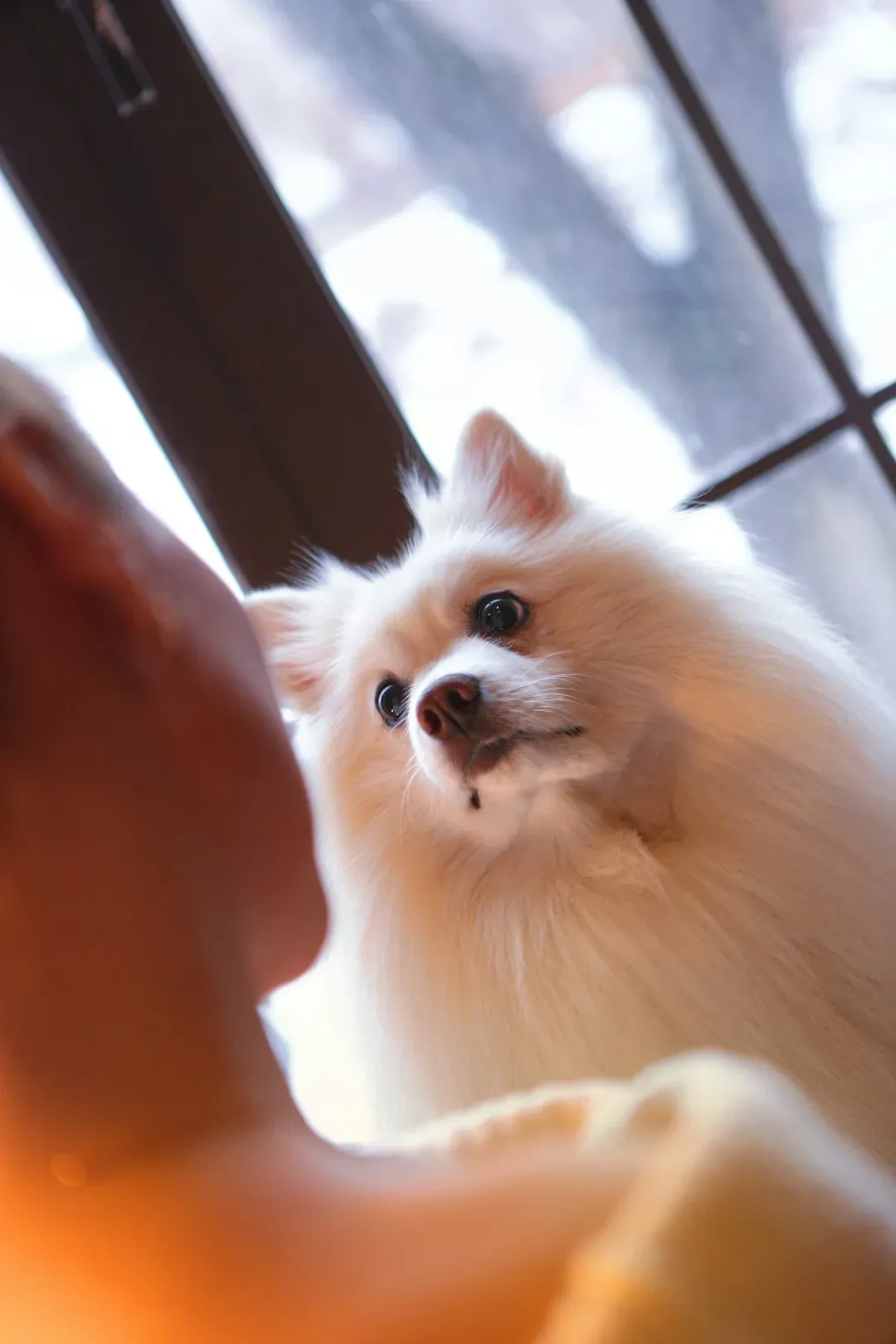
I know it sounds crazy, but this one is backed hard by science. Research published in PLOS One showed that dogs can detect stress from sweat and breath samples alone. When researchers presented the samples to dogs, they could tell the difference between the baseline and stress samples with over 90% accuracy. That’s not a small number. That’s practically a superpower.
Sadness, distress, anxiety, and anger are emotions which trigger physiological responses in us. This can change our speech patterns, movements, posture, and smell. Since a dog’s senses are so heightened, they can detect these signals and understand what happens next. So those days when work is unbearable and you’re barely holding it together? Your dog knows. They genuinely, chemically know.
They’re Responding to Changes in Your Routine

Dogs are creatures of habit in a way that would make most productivity gurus look casual. Dogs can also become clingy if you change their daily routine or make changes in the home or household that cause them stress. When something shifts in your normal schedule, even something as minor as eating lunch at a different time, your dog picks up on it immediately.
If your dog follows you around and just won’t leave you alone, this behavior may be due to your dog seeking stability during times of stress, such as changes in routine or being in an unfamiliar setting. Think of it as your dog trying to act as an anchor for both of you. They’re not just being clingy for the sake of it. They’re trying to restore a sense of normalcy by staying physically close to the one constant they trust most: you.
They May Be Sensing That Something Is Wrong With Your Health
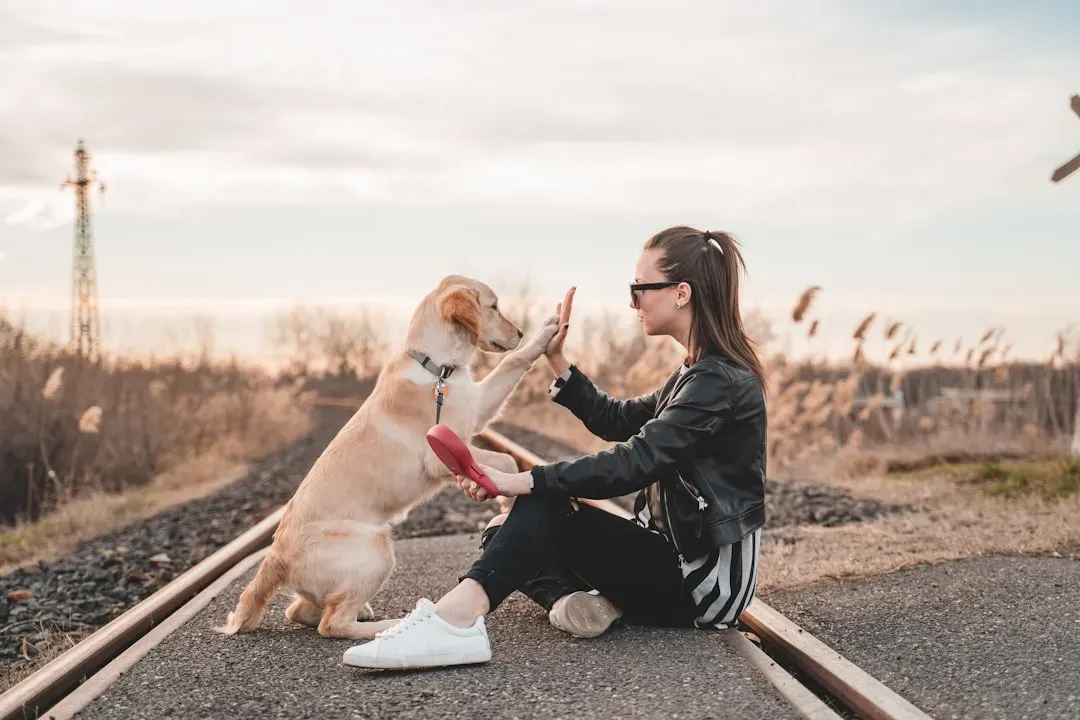
Dogs have an incredible ability to pick up on subtle changes in our behavior, scent, and even the chemical changes in our bodies when we’re sick. Studies have shown that dogs can detect a variety of health issues in humans, from changes in blood sugar levels to certain types of cancer. It’s hard to say for sure how deeply dogs understand illness, but the evidence is genuinely compelling.
Sudden clinginess can signal that your dog is physically unwell. They may be injured or otherwise in pain and need your help. On the flip side, if your dog’s sick, they may depend on you as a source of comfort. During a sickness period, the dog may be confused, which causes it to develop clingy behaviors. So when your dog refuses to budge, it’s worth asking yourself whether it’s you or them who might be off that day.
Separation Anxiety vs. Just Really Liking You
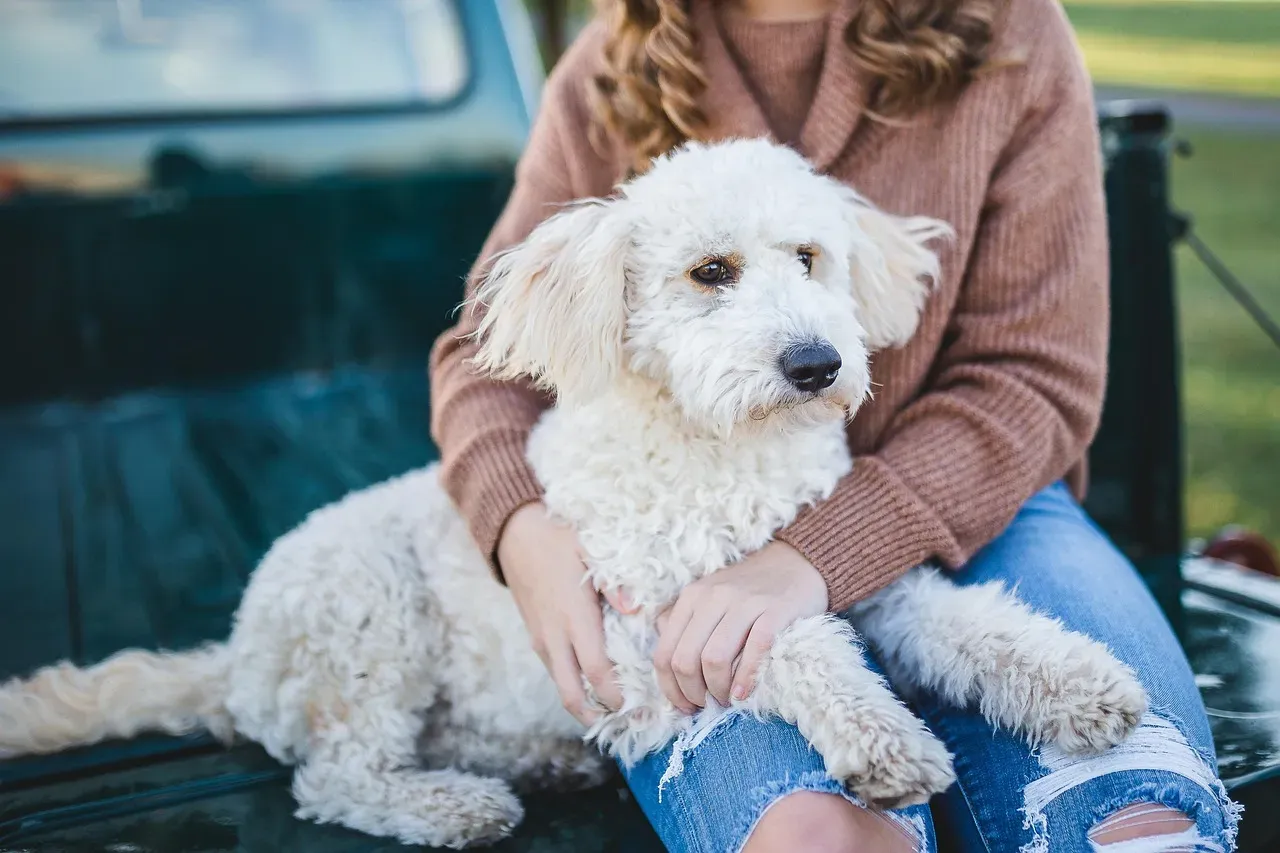
There’s a genuinely important distinction here that most people miss. Clingy dogs want to be around their owners every time they’re home, but they tend not to panic when their owner is not there. Dogs affected by separation anxiety, on the other hand, panic every time you’re not around, engaging in destructive behavior when left alone like chewing, urinating, or defecating in the home. One is preference. The other is distress.
Separation anxiety is a panic disorder where dogs experience intense stress and panic when left alone. If your dog glues themselves to you on certain heavy or emotional days but generally manages fine when you leave for work, that’s not pathological. That’s actually a sign of a deep, attentive bond. Still, if your dog’s clinginess starts to affect your daily life, they seem extremely uncomfortable or stressed, or their behavior starts escalating into separation anxiety, it might be time to consult a certified dog trainer.
Breed and Biology Play a Bigger Role Than You Think
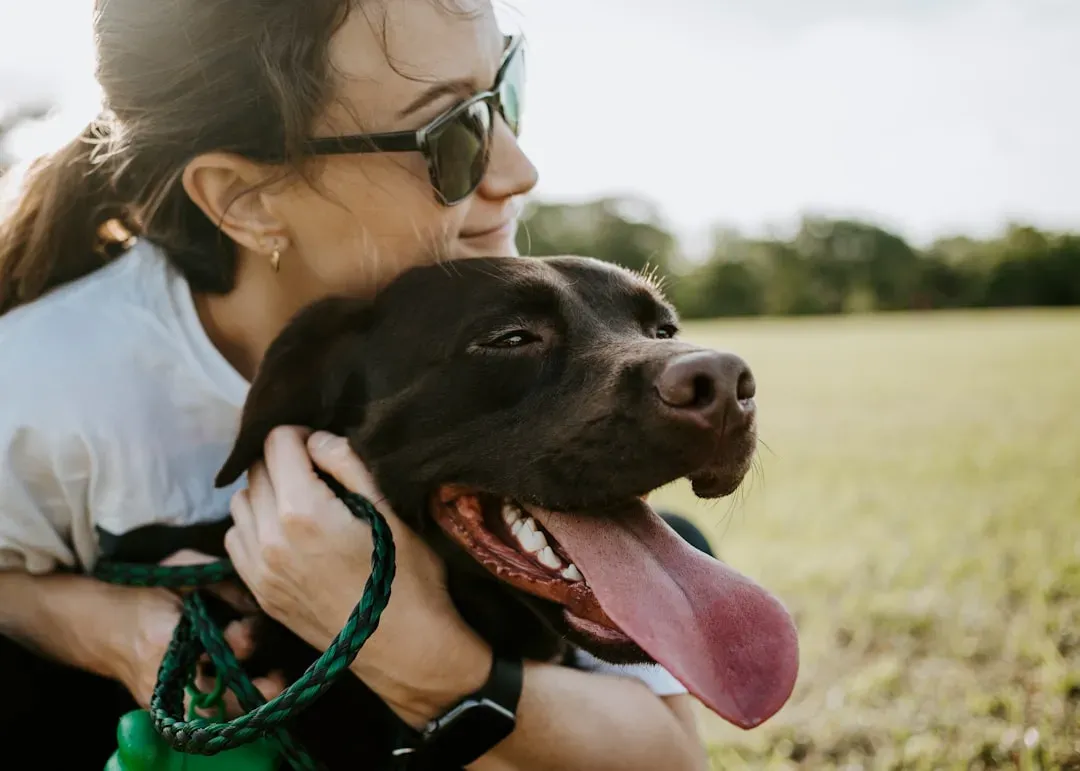
While certain breeds are known for their clingy behavior such as German Shepherds, Labrador Retrievers, Golden Retrievers, and French Bulldogs, any breed can develop velcro behavior. Some dogs were essentially engineered by thousands of years of selective breeding to never want to leave your side. It’s less a personality quirk and more a genetic directive.
Sporting dogs like Vizslas, Labrador Retrievers, and Golden Retrievers have been bred to work closely with people and prefer to be by their side. Companion breeds such as Shih Tzu and Cavalier King Charles Spaniels have also been selected for their desire to be close to their people. Honestly, blaming a Vizsla for being clingy is a bit like blaming a salmon for swimming upstream. It’s simply who they are at the deepest level.
You May Have Unknowingly Trained Them to Do It
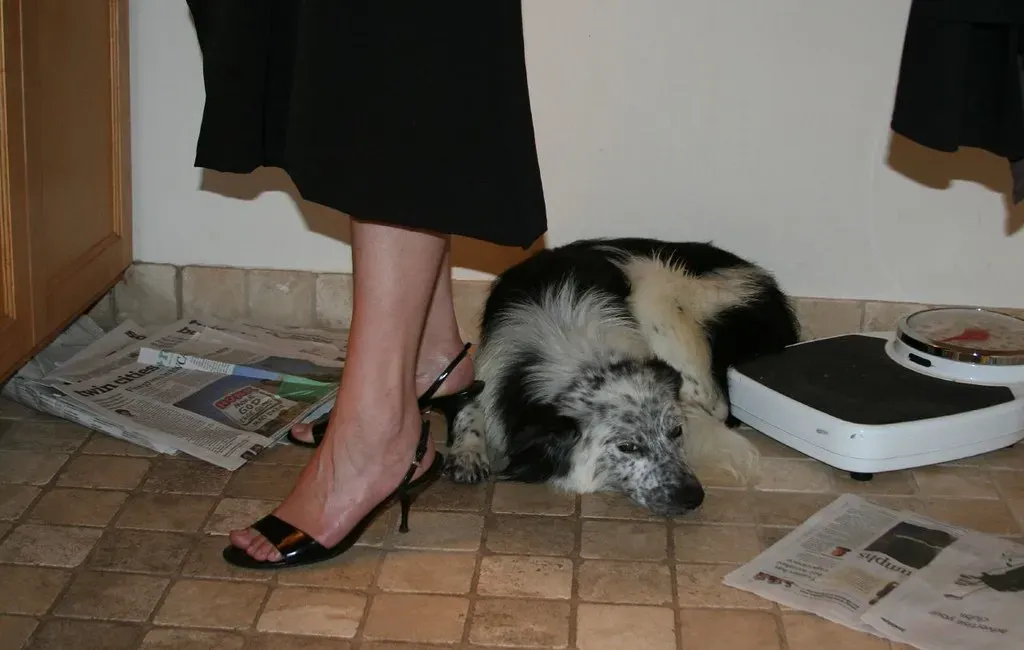
Here’s the thing: your dog might be your shadow because you quietly, accidentally taught them to be. If you always give your dog food when they follow you into the kitchen, or you pet them every time they lie next to you, you’re teaching them that following you leads to some type of reward. Dogs learn fast. Faster than most people realize.
There is a high chance that this is a learned behavior for your dog and that you may be inadvertently reinforcing their clingy ways. It works like this: your dog follows you, you smile and give them attention, and suddenly that behavior is cemented into their daily playbook. Velcro dogs are often rewarded for their constant attention by our behavior, because they associate us with pleasant and positive experiences. We reward them by letting them sit on the couch while we pet them, we reward positive behaviors with food or treats, and we reward their companionship with fun activities.
Age and Cognitive Changes Can Trigger Sudden Clinginess
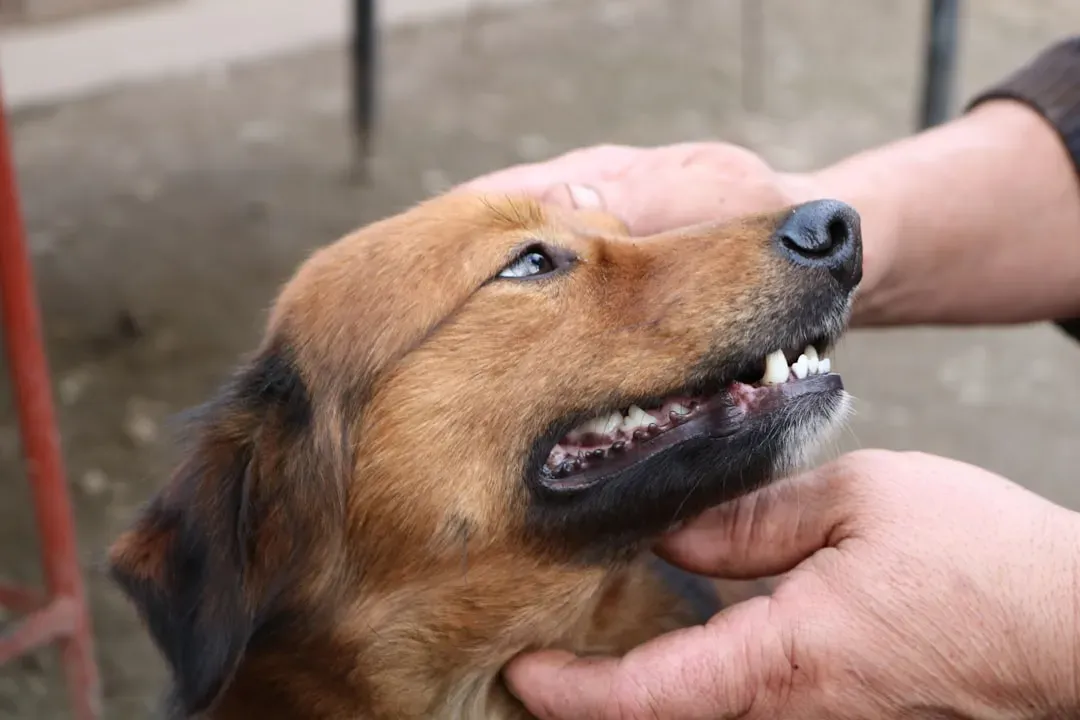
Senior dogs with vision or hearing loss, or those experiencing cognitive decline, can suddenly become clingy because their world is becoming unfamiliar to them. Imagine waking up one day and finding your vision increasingly blurry, your hearing muffled. You’d probably stick pretty close to the person you trust most too. It’s a profoundly understandable response to a frightening internal shift.
Aging dogs with vision loss can sometimes benefit from adding night-lights in dark areas. Also, keep the general setup of your home and furniture the same. Dogs with sight loss tend to learn their way around their environment through their other senses but can get confused when even a chair is in a different place. Small adjustments in the home can make an enormous difference for an older dog navigating a world that’s slowly becoming harder to read.
What You Can Do Without Dismissing the Bond

Reducing clinginess doesn’t mean rejecting your dog’s love. It means helping them thrive independently. A simple explanation for clinginess is that your pet may not be getting enough mental stimulation and physical exercise, which play a huge role in providing the necessary daily outputs of a dog. When they don’t have those, then they will seek alternatives, which could be clinging to their guardians. A tired, mentally stimulated dog is a calmer, more confident dog.
A velcro dog often relies heavily on their owner for direction and reassurance. By fostering confidence, you can help your dog feel more comfortable navigating the world on their own. Confidence-building exercises like teaching new skills or engaging in enrichment activities such as puzzle toys and snuffle mats can help your dog learn to problem-solve and develop independence. It’s a bit like teaching a child to ride a bike with one hand on the seat. You’re still there, but you’re helping them find their own balance.
Conclusion

, it’s rarely random and almost never without reason. They may be reading your stress like a scent-based novel, reacting to a shift in routine, sensing something physically off, or simply responding to a bond that has quietly deepened over years of shared life.
The most important takeaway? Pay attention to the pattern. A dog who glues themselves to you on your hardest days is not a nuisance. They are, in their own wordless and completely devoted way, showing up for you. Whether it’s biology, learned behavior, anxiety, or love, it almost always circles back to the same extraordinary truth: your dog is paying closer attention to you than you probably realize.
So the next time your dog won’t budge from your side, ask yourself what kind of day it’s been. You might find they already have the answer. What do you think your dog is really picking up on? Share your experience in the comments.

- Ecology Says When a Forest Goes Silent Before a Storm It Is Not Coincidence – Every Animal in That Ecosystem Has Received the Same Signal and Is Responding to It - June 25, 2026
- Neuroscience Says the Feeling You Get When Music Gives You Chills Is Not an Emotional Response – It Is a Neurological Event With a Specific Name - June 25, 2026
- What’s The First Thing You Should Do When Confronted by an Aggressive Dog - June 25, 2026