
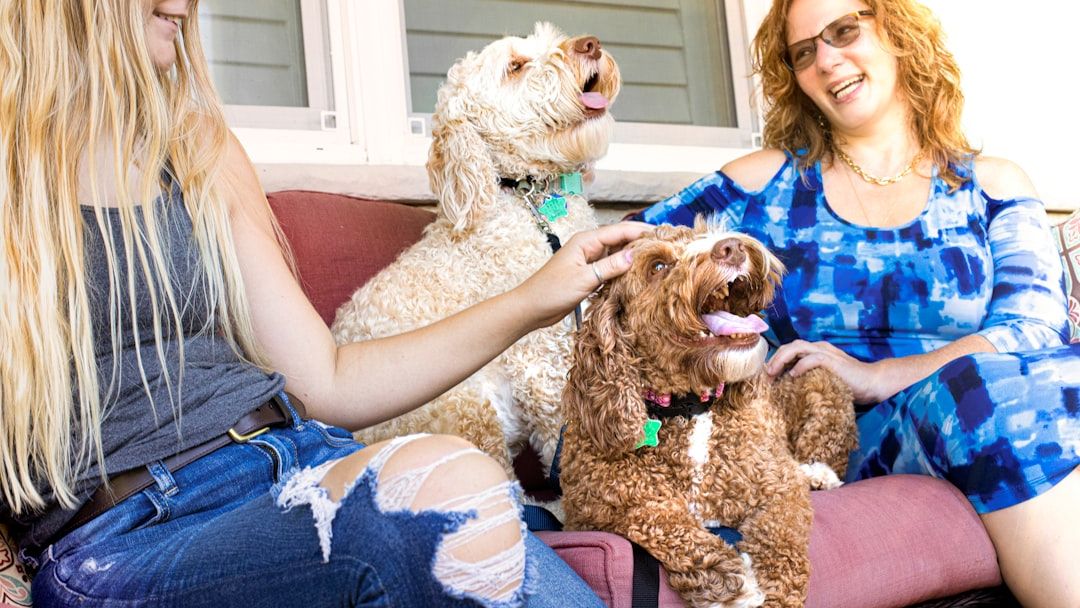
One morning you wake up and notice the usual warm spot at the foot of the bed is empty. Your dog, who once claimed that space every night without fail, has chosen another corner of the house instead.
The change feels small at first, yet it often signals something worth paying attention to. Dogs rarely alter long standing habits without a reason, and sudden shifts in where they rest can point to adjustments in their world that deserve a closer look.
A Shift in Comfort Needs
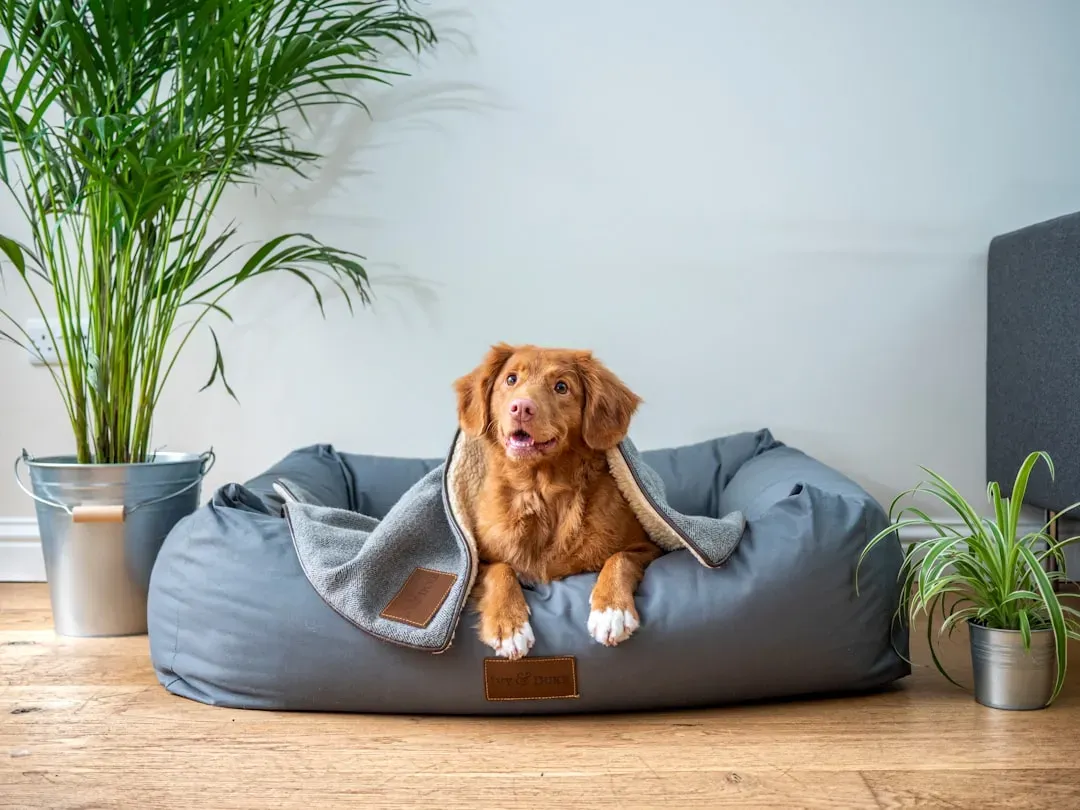
Dogs seek out spots that match their temperature preferences, and a sudden move away from the bedroom might reflect a need for cooler air or a firmer surface. Older mattresses or heated rooms can become less appealing when a dog wants to stretch out without feeling overheated during the night.
Many owners notice this pattern during seasonal changes when indoor climates shift. Your pet may simply be following its instincts to find a place that supports better rest without constant adjustments to blankets or body heat from people nearby.
Underlying Health Issues
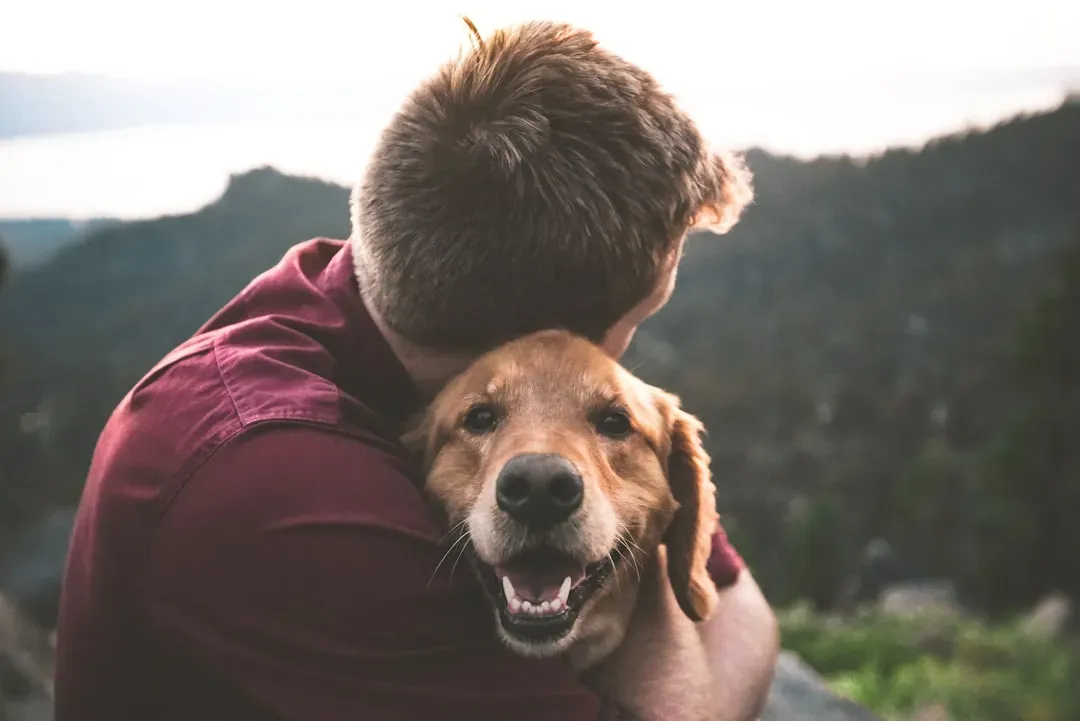
Pain from arthritis or joint stiffness often makes climbing onto a high bed uncomfortable, leading dogs to choose lower spots on the floor. Subtle signs like slower movements during the day can accompany this change even before owners connect the dots.
Other conditions such as digestive upset or skin irritation might also prompt a dog to seek isolation while resting. Regular checkups help rule out these possibilities, especially when the relocation happens alongside reduced appetite or less enthusiasm for walks.
Environmental Changes at Home

New furniture, fresh paint smells, or rearranged layouts can disrupt a dog’s sense of security in the bedroom. Even minor updates like different bedding fabrics sometimes trigger avoidance until the space feels familiar again.
Household noise from appliances or street traffic near windows may also play a role. Dogs with sensitive hearing often relocate to quieter areas where they can settle without constant interruptions throughout the night.
Emotional or Behavioral Factors
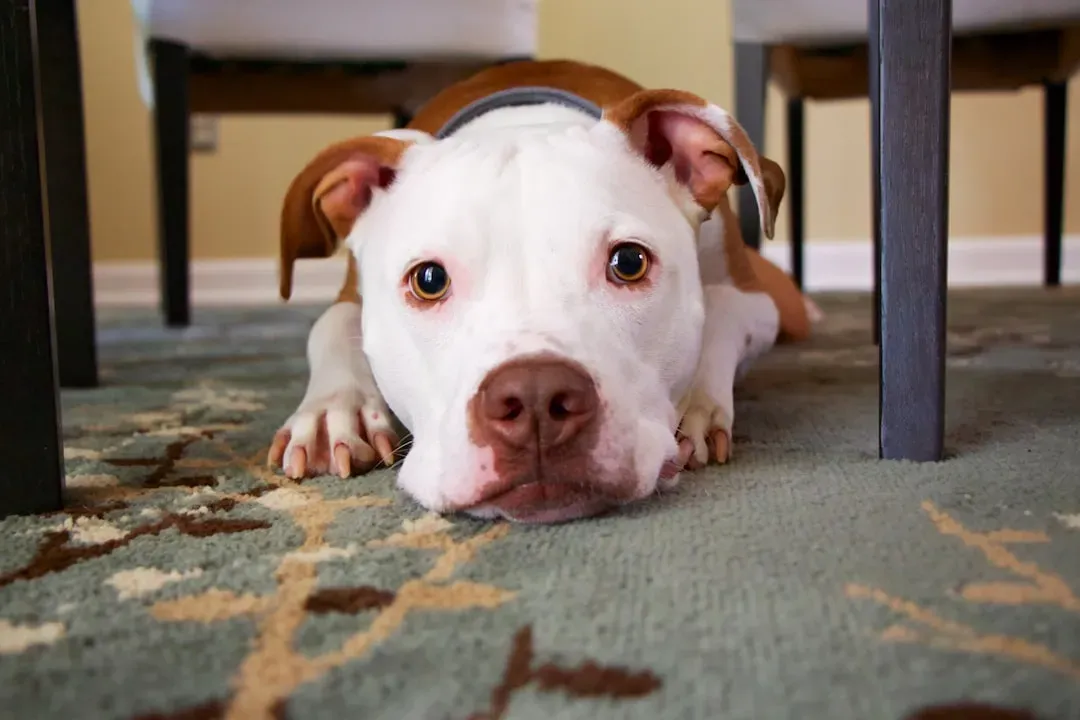
Stress from visitors, loud events, or shifts in daily schedules can make the bedroom feel less restful. Dogs pick up on tension in the household and may prefer a separate space until things calm down.
Some pets develop new associations after a single unsettling experience, such as a thunderstorm that rattled the windows. Over time this leads them to choose a different room where they feel more in control of their surroundings.
Age and Life Stage Adjustments
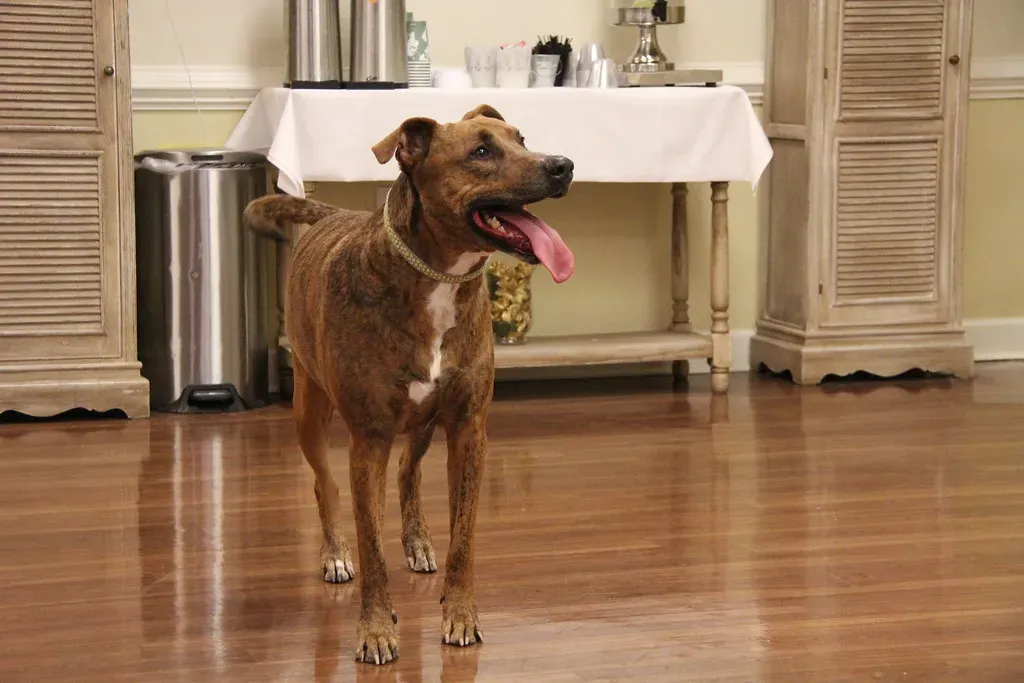
Puppies and senior dogs both go through phases where sleep locations change as their bodies and energy levels evolve. Younger dogs might explore independence while older ones prioritize easier access to water or outdoor access.
These transitions usually unfold gradually, yet they can appear sudden when combined with other factors like reduced mobility. Paying attention to overall activity levels helps owners understand whether the move reflects normal development or something more specific.
Interactions with Other Pets or Family
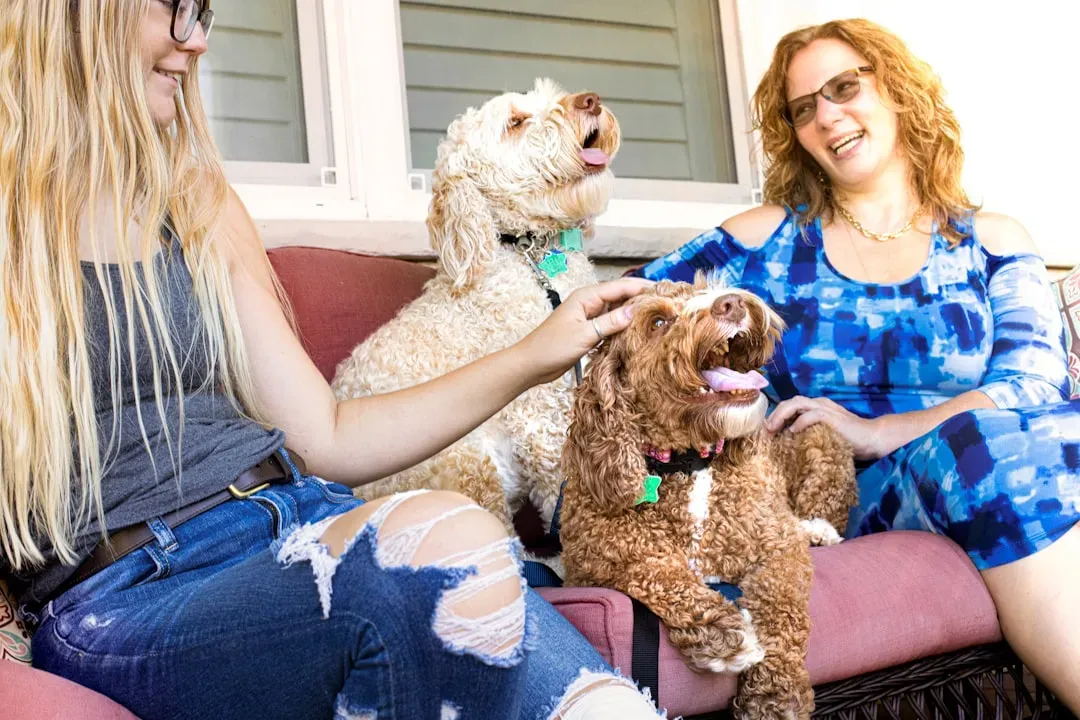
The arrival of another animal or changes in family routines sometimes prompt dogs to claim new territory for sleeping. Competition for space or attention can lead them to a quieter spot away from the main bedroom activity.
Even subtle shifts, such as a child moving into a new room or altered feeding times, influence where a dog chooses to rest. These adjustments often resolve once the household settles into a consistent rhythm again.
Simple Preference for Solitude

Some dogs simply decide they prefer their own company at night without any deeper issue at play. Individual personalities vary widely, and a few breeds or rescues carry habits from earlier environments that favor separate sleeping areas.
This choice rarely indicates a problem when the dog remains active, eats well, and shows normal affection during the day. Owners often find that respecting the preference leads to happier nights for everyone involved.
Changes like these remind us how closely dogs observe their surroundings and respond to small shifts we might overlook. Noticing the pattern early often opens the door to simple solutions that keep both pet and owner comfortable.

- 10 Amazing Facts About Penguins - July 24, 2026
- 8 Ways to Create a Wildlife-Friendly Backyard Oasis for Local Critters - July 24, 2026
- How to Keep Your Pet Safe from Household Hazards - July 24, 2026